1. The U.S. Embassy in Panama said yesterday that an agreement between both countries has helped reduce the flow of people through the dangerous Darién Gap.
The number of people from Ecuador who have tried to cross through the jungle area between Panama and Colombia has fallen by 92% since the July agreement, according to the embassy.
Under the agreement, the U.S. pays for repatriation flights of people who cross from Colombia into Panama via the route.
2. Classes in Cuba and non-essential activities have been suspended until next Monday as the island continues to struggle with blackouts and the aftermath of Hurricane Oscar.
Today we celebrate Marcela Manjarrez, who recently published a book offering data-driven insights to leverage Hispanics in business.
Marcela's book, "The CEO's Competitive Advantage: Harnessing the Power of the Hispanic Workforce to Drive Business Success," is based on her own professional experience but includes interviews with other execs.
She says she hopes the book "helps executives build a workforce that reflects the world of today and is equipped to meet the challenges of tomorrow, outpacing the competition in the U.S. and the world."
🎤 Please send us your pachanga nominations by filling out this form or replying to this email!
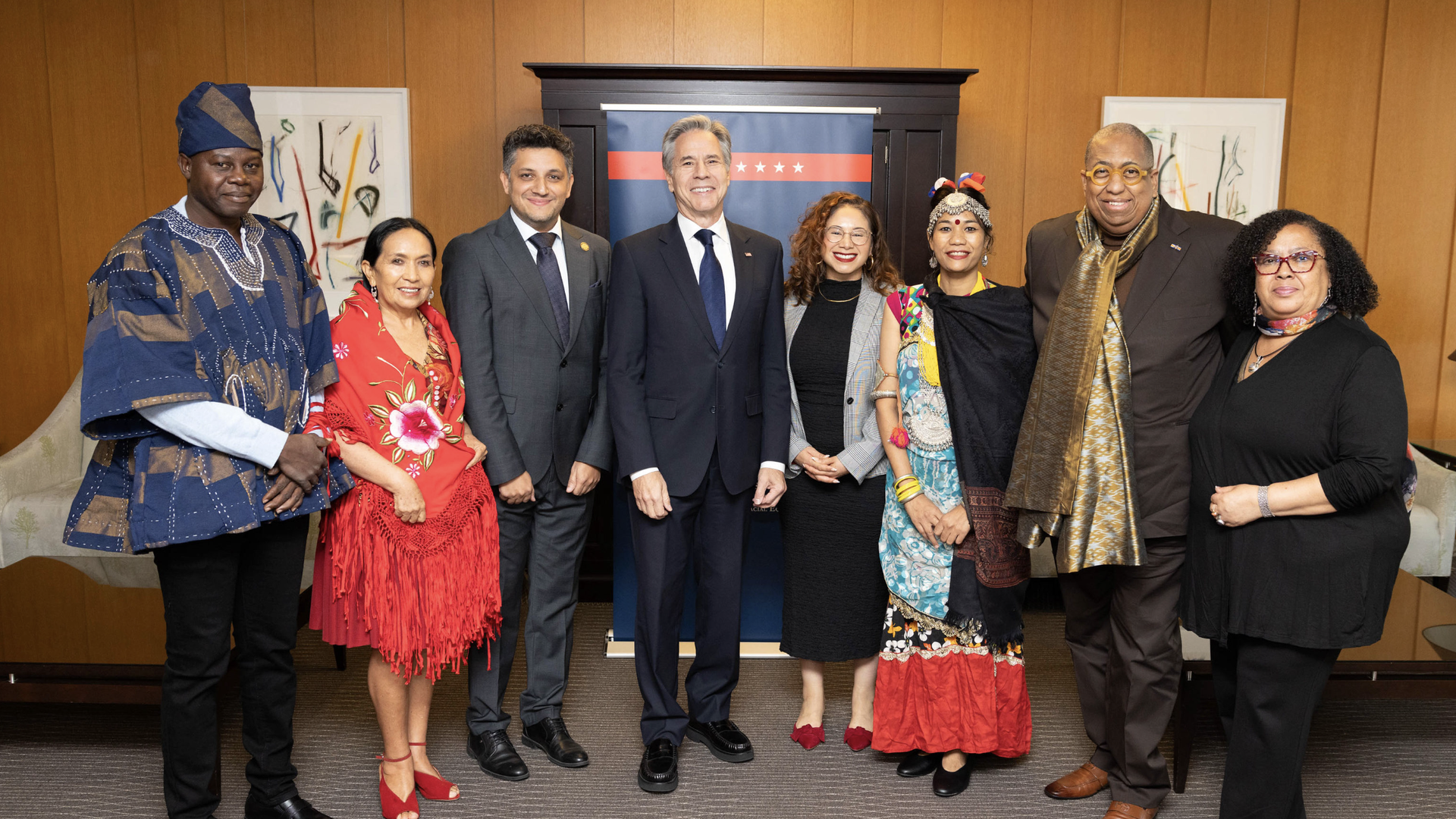
An Afro-Mexican womanwho has fought discrimination against Black people in Mexico for three decades is among those honored this week by the U.S. State Department.
The big picture: Tanya Duarte, founder of the Afrodescendencia México project, was a recipient of the second annual U.S. secretary of state's Award for Global Anti-Racism Champions.
Voters in Uruguay, one of the most politically stable countries in Latin America, go to the polls Sunday to decide on a new president and on a major pension reform — with all 129 congressional seats also up for grabs.
State of play: The presidential race, with 11 candidates, is likely to go to a runoff.
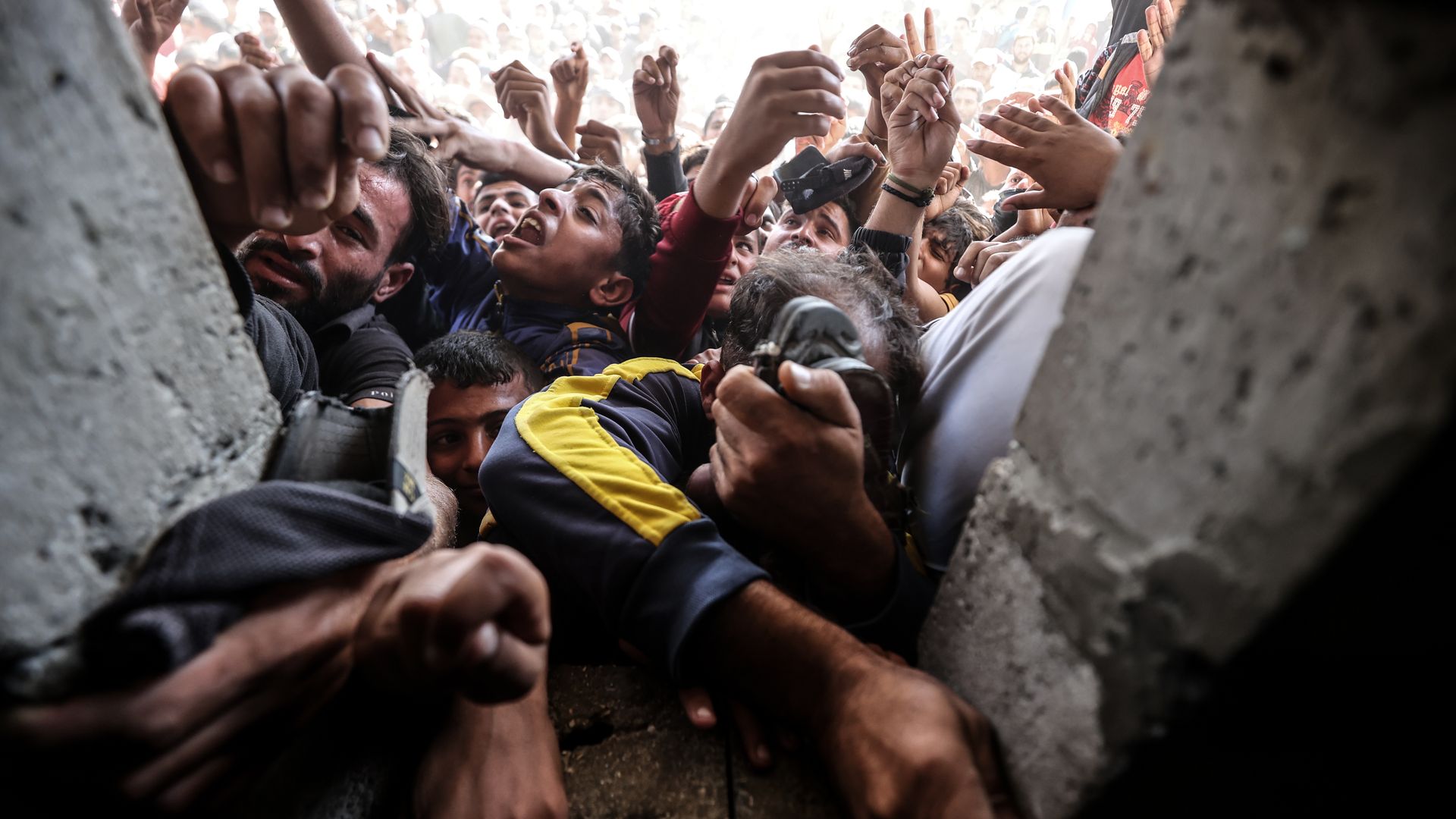
CIA director Bill Burns is expected to travel to Doha this weekend for talks with his Qatari, Egyptian and Israeli counterparts about a hostage-release and ceasefire in Gaza deal, two sources with knowledge of the issue said.
Why it matters: It will be the first meetingbetween Israel and the deal's mediatorsafter more than two months of deadlock in the negotiations and no significant talks between the parties.
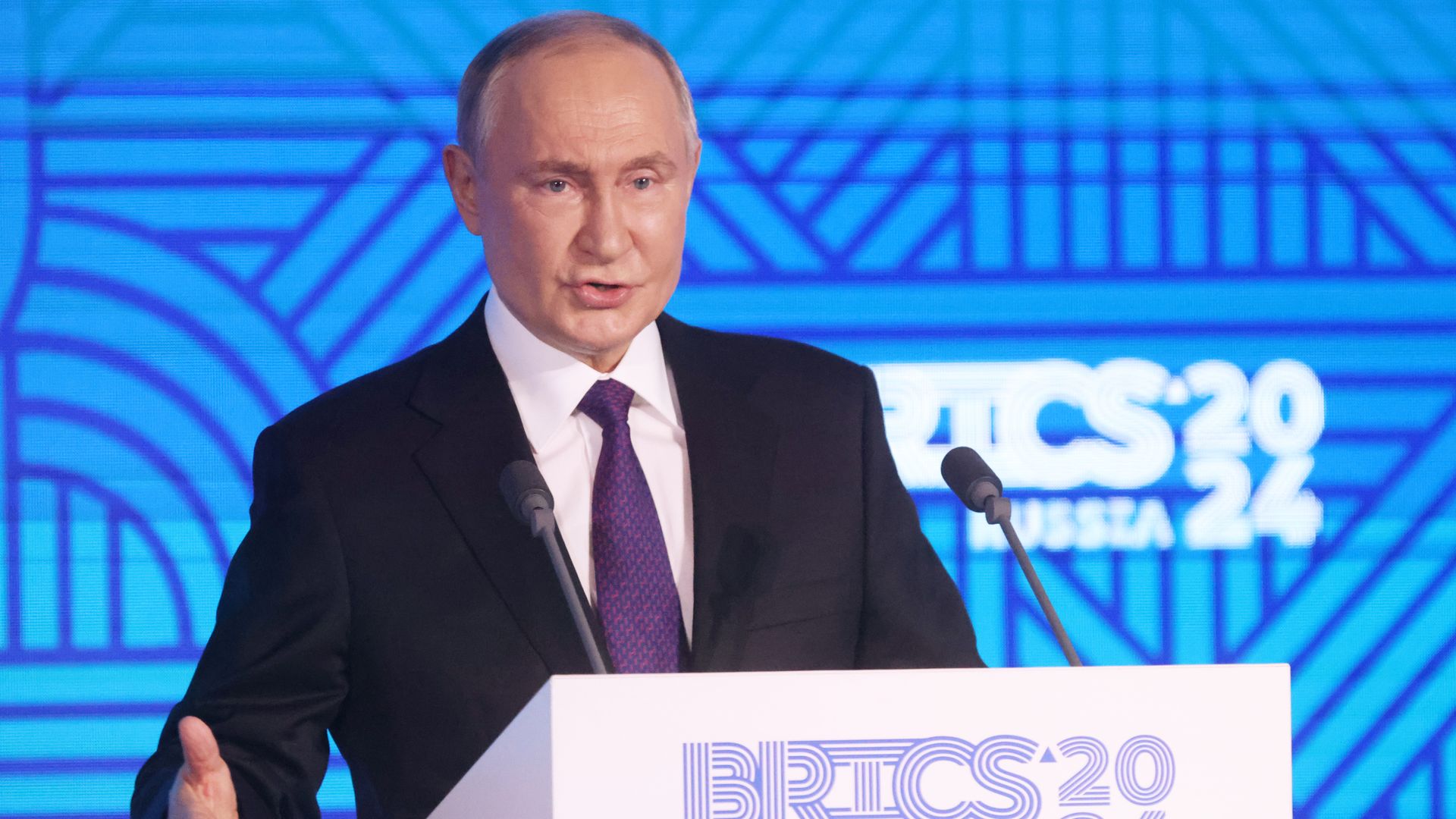
Russian President Vladimir Putin presided over his largest international gathering in nearly three years this week, as Russia hosts the BRICS economic bloc's annual summit.
Why it matters: Russia's invasion of Ukraine in 2022 spurred an avalanche of Western sanctions and condemnations, but the summit with prominent leaders shows that Putin is not viewed as a pariah worldwide.
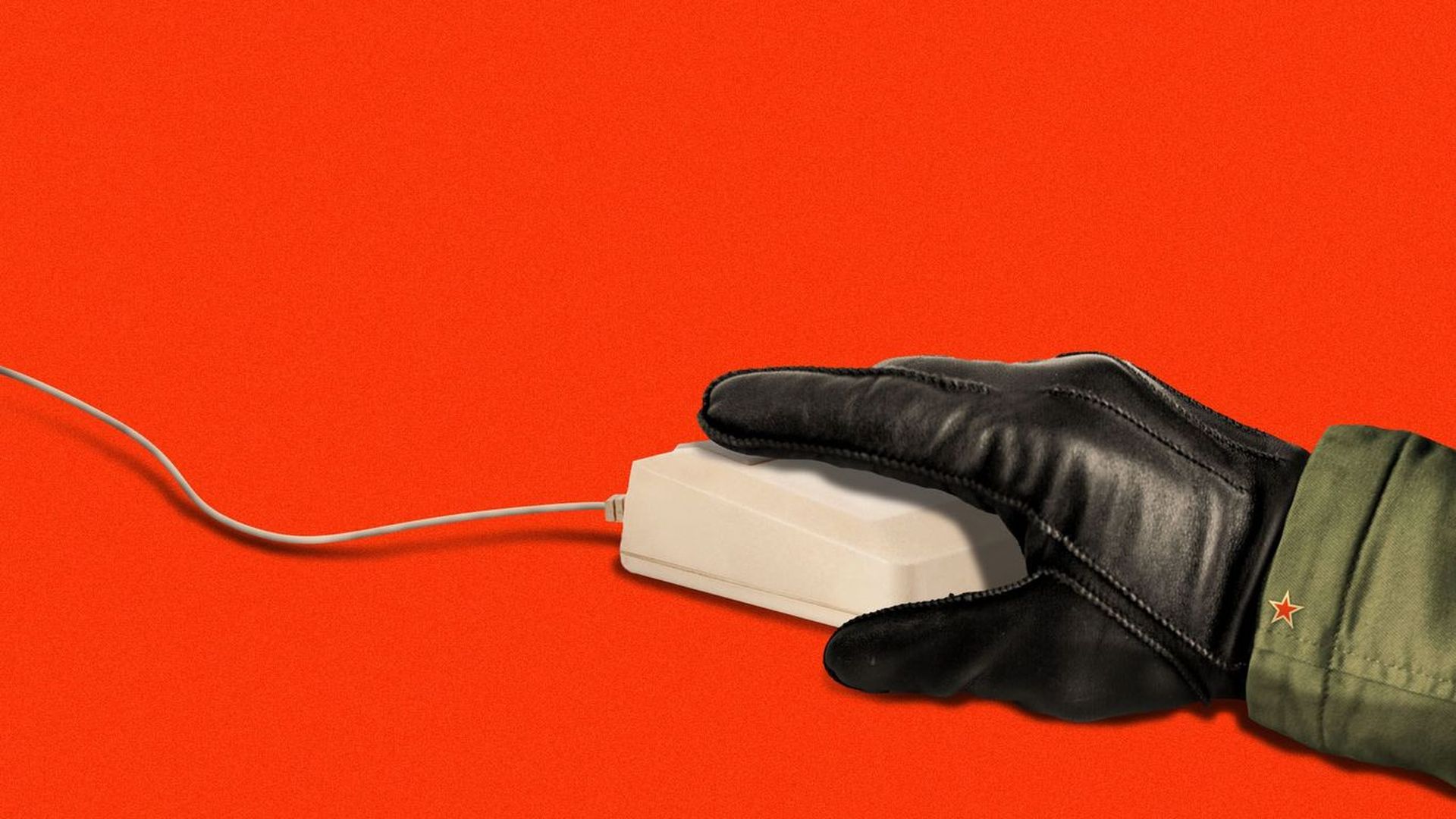
Russia helped propagate disinformation about Hurricanes Helene and Milton in order to deepen political divisions in the U.S. and undermine America's support for Ukraine, according to a new analysis.
Why it matters: The findings underscore Russia's ability to manipulate political discourse in the U.S. The study noted that Kremlin-backed actors appear to be stepping up their efforts in the final stretch of the U.S. presidential race.
The fiscal chaos that hawks warn will eventually play out in America is already underway in France.
Why it matters: The revolt over fiscal deficits has come for France. A financial market freakout is pushing the government to take steps to rein in spending, a task complicated by political factions that campaigned on expensive promises.
For the third straight election, tens of millions of Americans will vote for a candidate who boasts an encyclopedia of scandals — personal, political and criminal — unprecedented in any corner of public life.
Why it matters: Donald Trump has defied political gravity. He has survived the unsurvivable, normalized the abnormal and bulldozed through every red line drawn by his predecessors. And yet he just might win — again.