Tensions in the Middle East following the death of Hezbollah leader Hassan Nasrallah are spiraling and tipping toward what the Biden administration has feared for months: a broader regional war.
Here's what you may have missed when newsmakers hit the airwaves this Sunday, September 29.
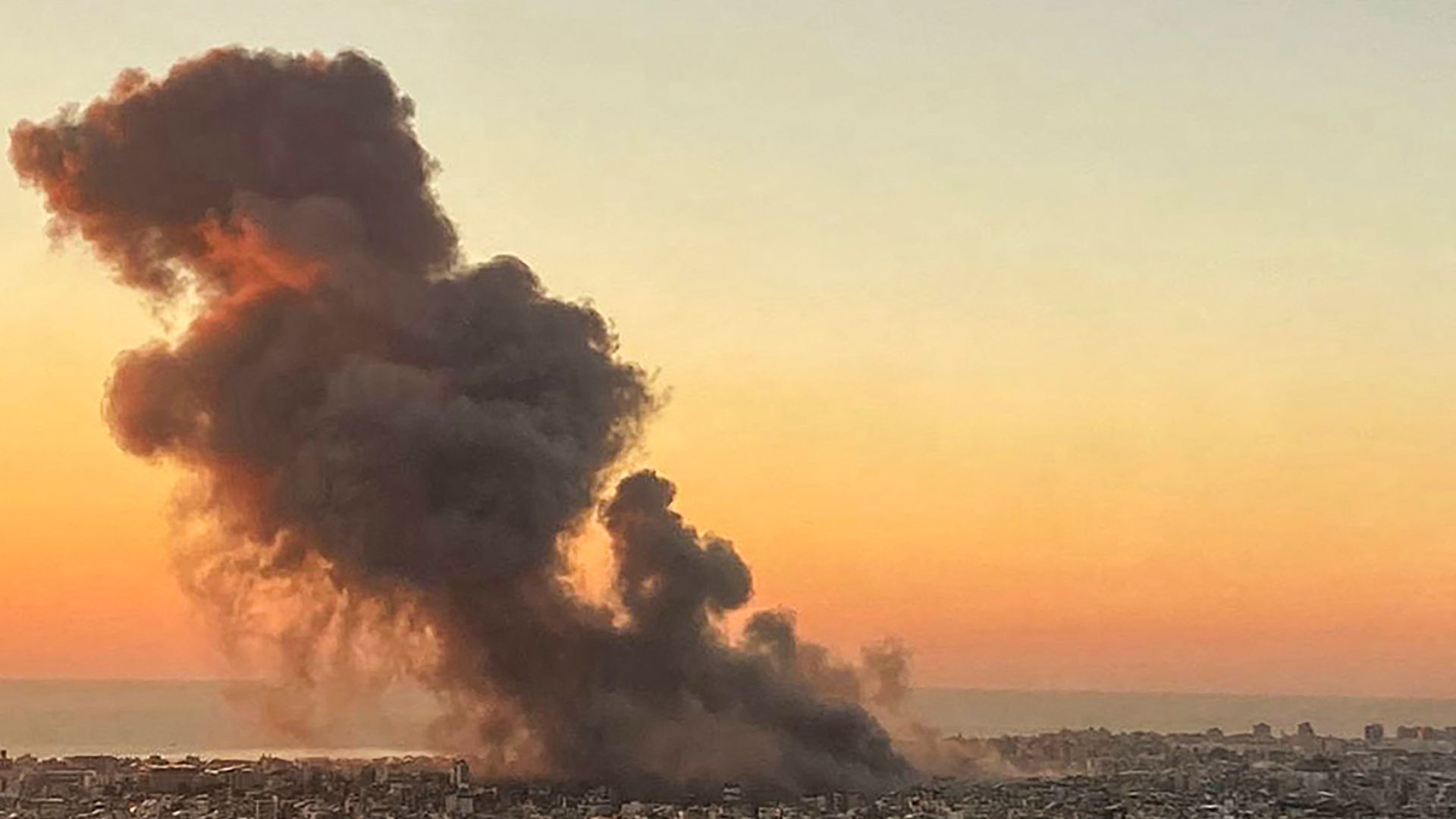
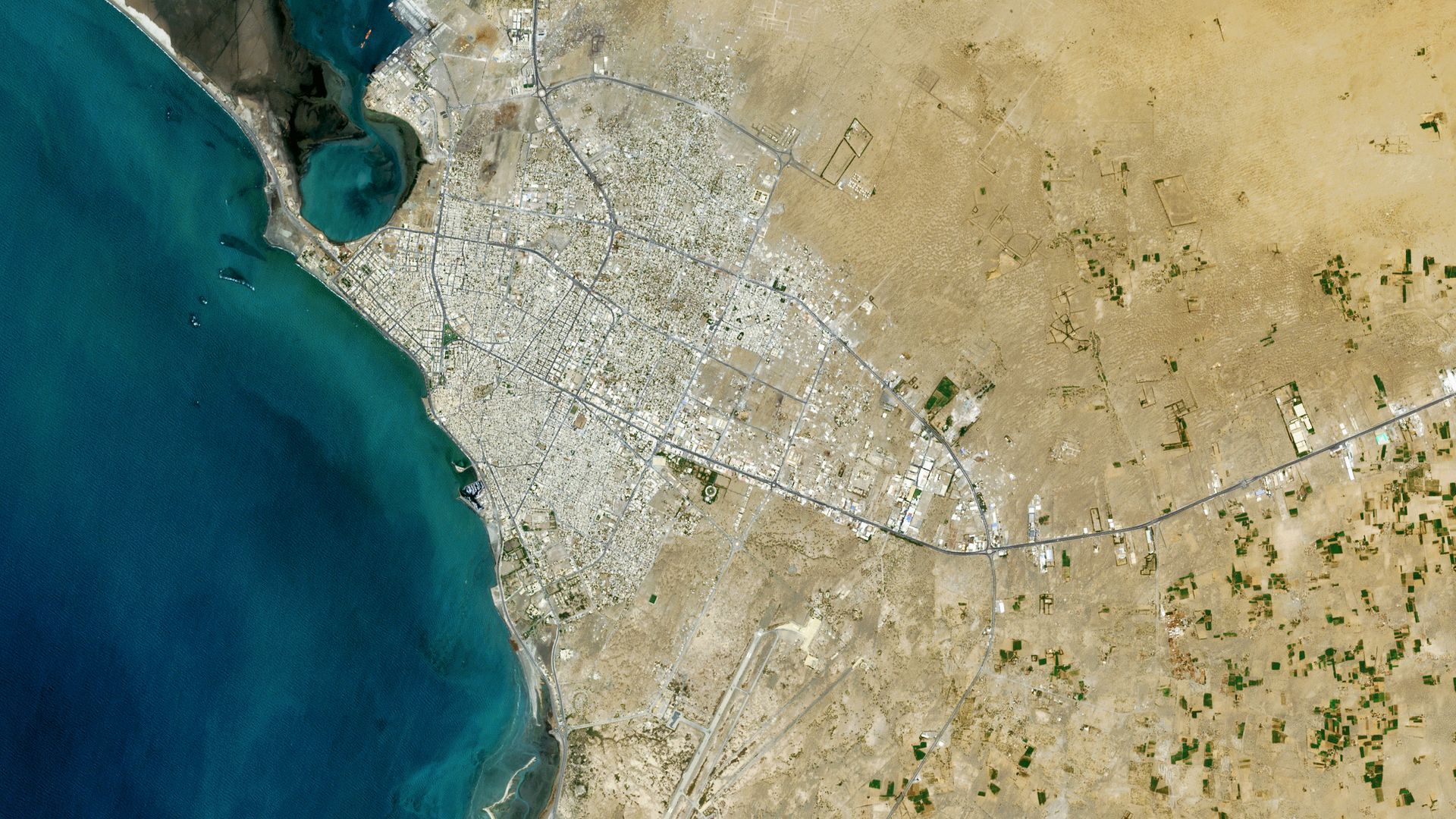
The Israeli Air Force conducted an airstrike on the port of Hodeidah in Yemen on Sunday, two Israeli officials told Axios.
Why it matters: The Israeli officials said the strike was in retaliation forat least two attacks the Houthis launched against Tel Aviv over the past two weeks using long-range ballistic missiles.
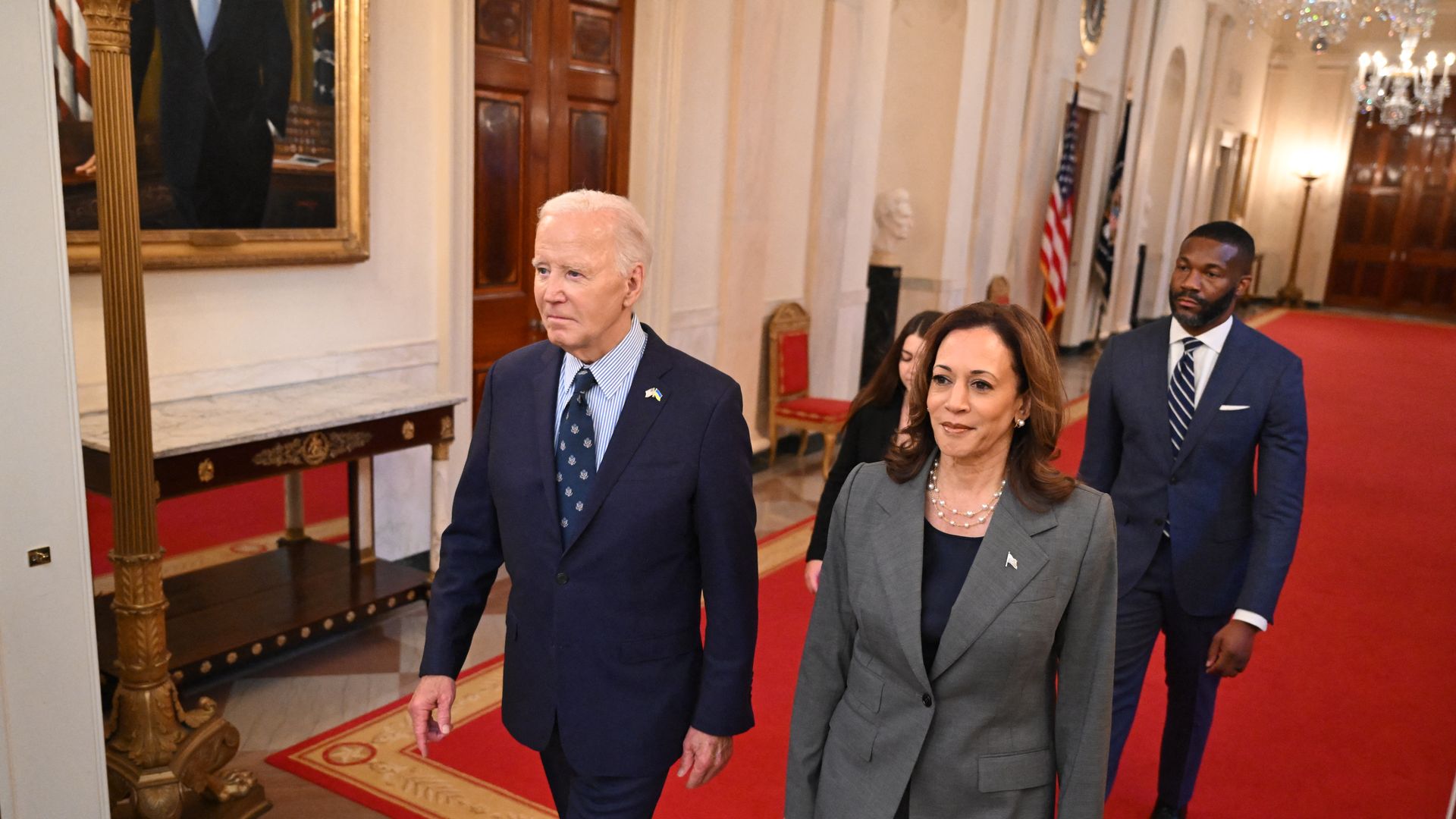
Vice President Harrisis backing President Biden's diplomacy-focused strategy in the Middle East as the region moves closer to a wider war — a contrast to the more aggressive strategy Donald Trump is urging.
"She is still the sitting vice president and stands by the administration's policies in the Middle East," a Harris aide said in a statement.
Why it matters: Harris will confront multiple hot wars around the globe if she wins in November, and has shown little daylight between herself and Biden on foreign affairs — except for an occasional nod toward those protesting Israel's conduct of the war in Gaza.
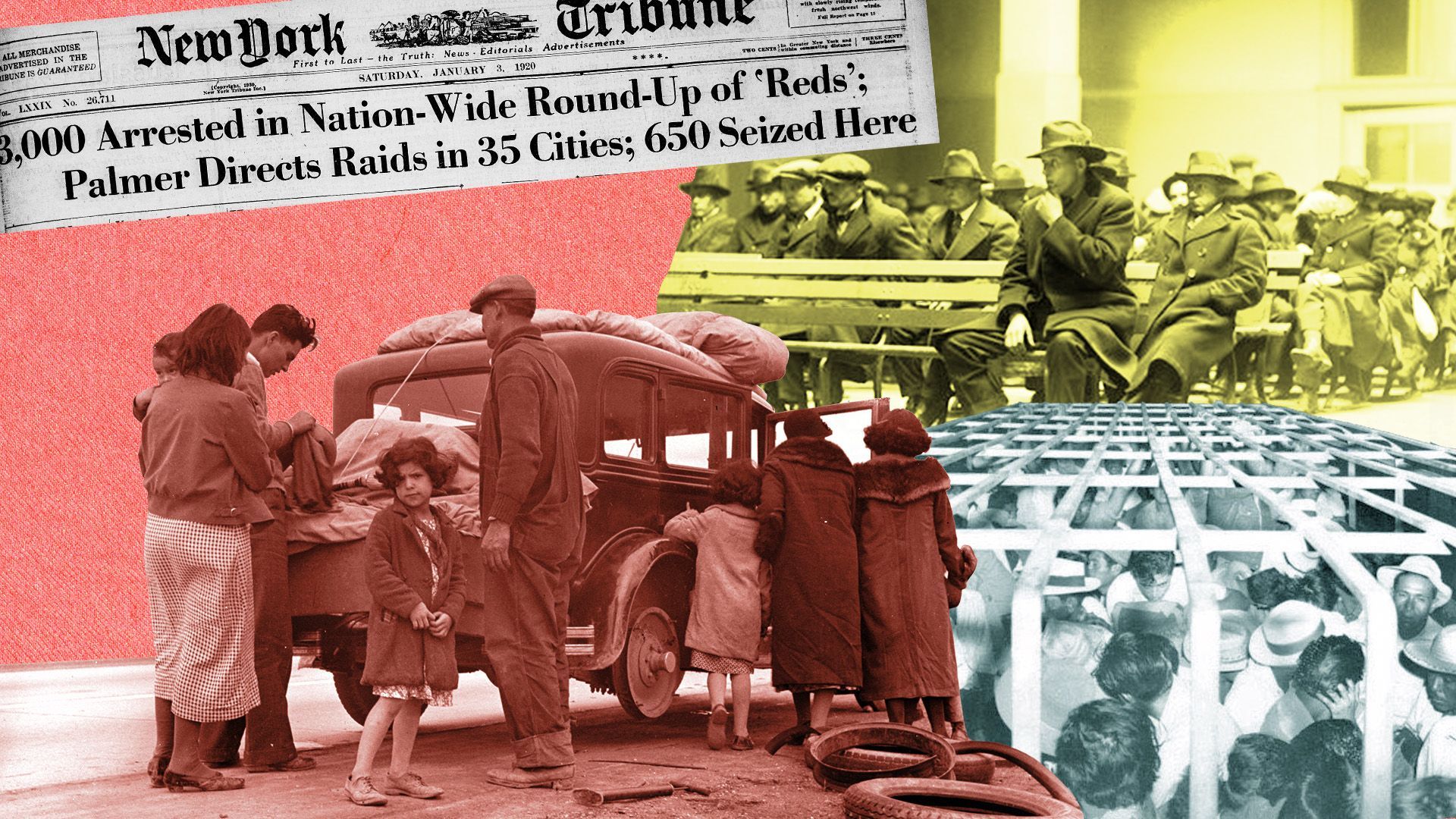
Former President Donald Trump's call for historic "mass deportations" of immigrants from the United States is forcing the nation to revisit past expulsions that left deep wounds still felt today.
The big picture: From the Palmer Raids of Jewish and Italian immigrants of 1919 to the mass deportation of Mexican immigrants in the 1950s, previous deportation operations ignored civil liberties, heightened racial tensions and disrupted families of American citizens for generations.
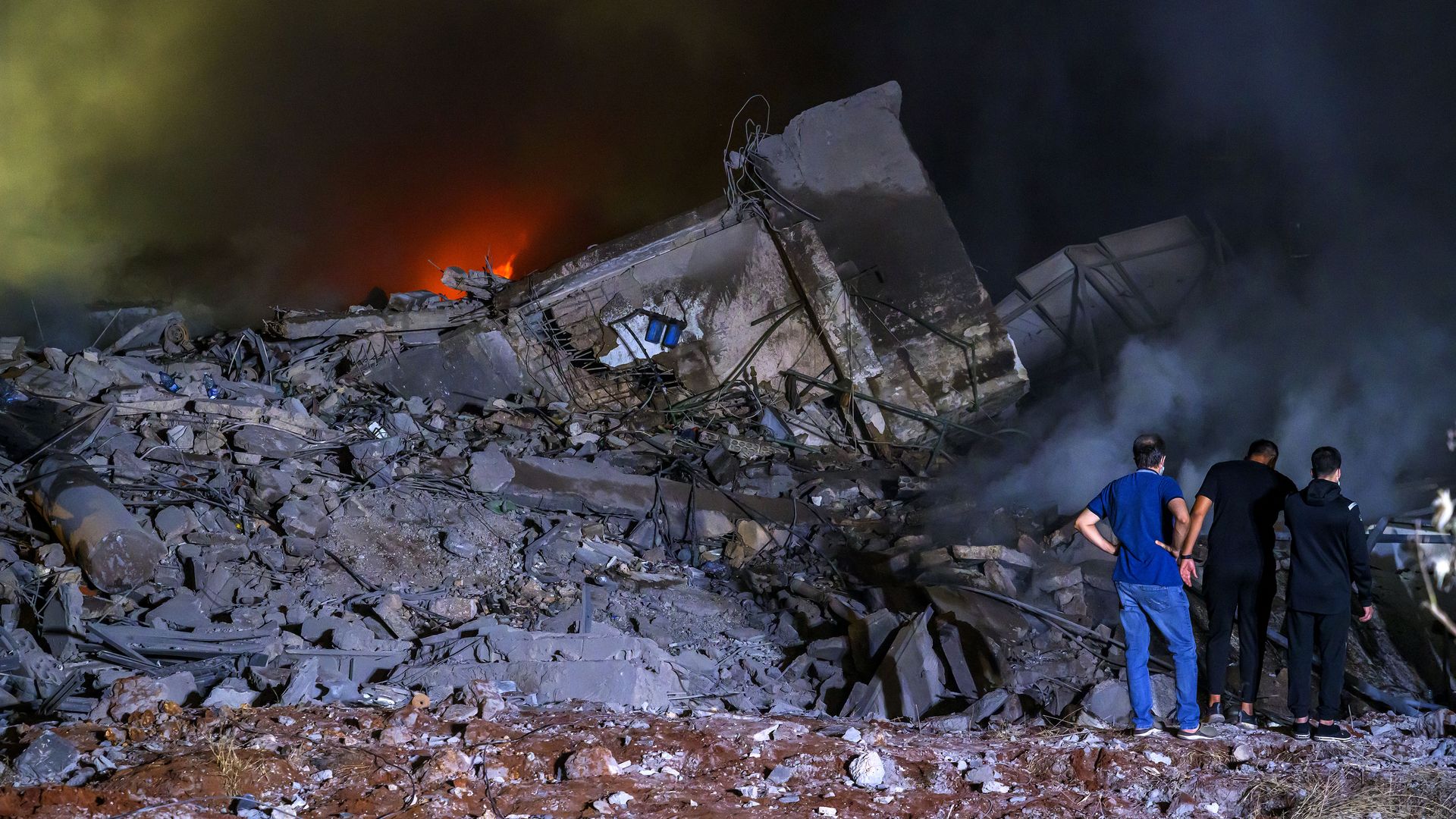
Israel asked the U.S. to take steps to deter Iran from attacking Israel in response to the Israeli airstrike in Beirut that killed Hezbollah leader Hassan Nasrallah and a top Iranian general, two Israeli and U.S. officials tell Axios.
Why it matters: The Israel-Hezbollah conflict was already spiraling into an all-out war that could pull in Iran, and that was before Israel killed Iran's most powerful ally in the region, Nasrallah, and an Islamic Revolutionary Guard Corps general.
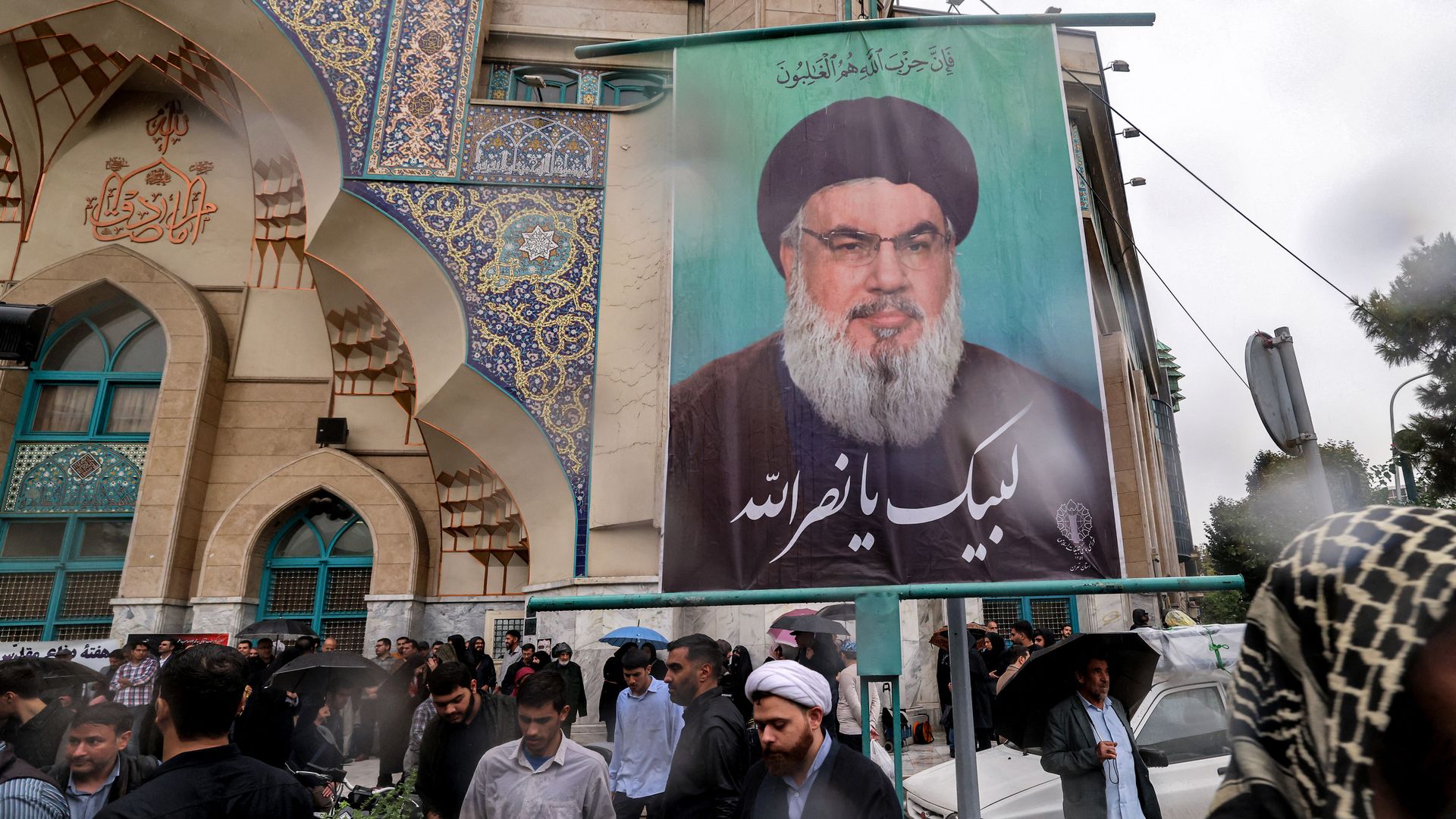
Hezbollah leader Hassan Nasrallah was killed in the Israeli airstrike on the militia's central headquarters in Beirut on Friday, the militant group confirmed.
Why it matters: Nasrallah was arguably the most powerful figure in Lebanon, one of the most influential in the Middle East, and Iran's closest ally in the region.
There's a growing religious divide among younger Americans: Gen Z women of almost all faiths are more likely to be "religiously unaffiliated" than Gen Z men, an Axios review of polling data found.
Why it matters: While the overall trend of each generation being less religiously observant than their elders is decades old, the gender split is new.