About 20% of Gen Z Latinos in a new survey say they're most comfortable speaking Spanglish most of the time.
The big picture: Many Latinos in the U.S. are increasingly reclaiming aspects of their heritage, including speaking Spanish (or some version of it) or adding accent marks totheir names. The shift comes after years of older generations being taught to assimilate.
Advocates and legislators are looking to the upcoming farm bill as a way to reinstate Puerto Rico's access to the Supplemental Nutrition Assistance Program (SNAP), but the effort faces an uphill battle in a divided Congress.
Why it matters: Puerto Rico's own version of SNAP, known as the Nutrition Assistance Program (NAP), has fixed yearly funding. That forces the program to set higher eligibility requirements to stay within its budget, leaving thousands of people on the island without assistance who may otherwise be eligible.
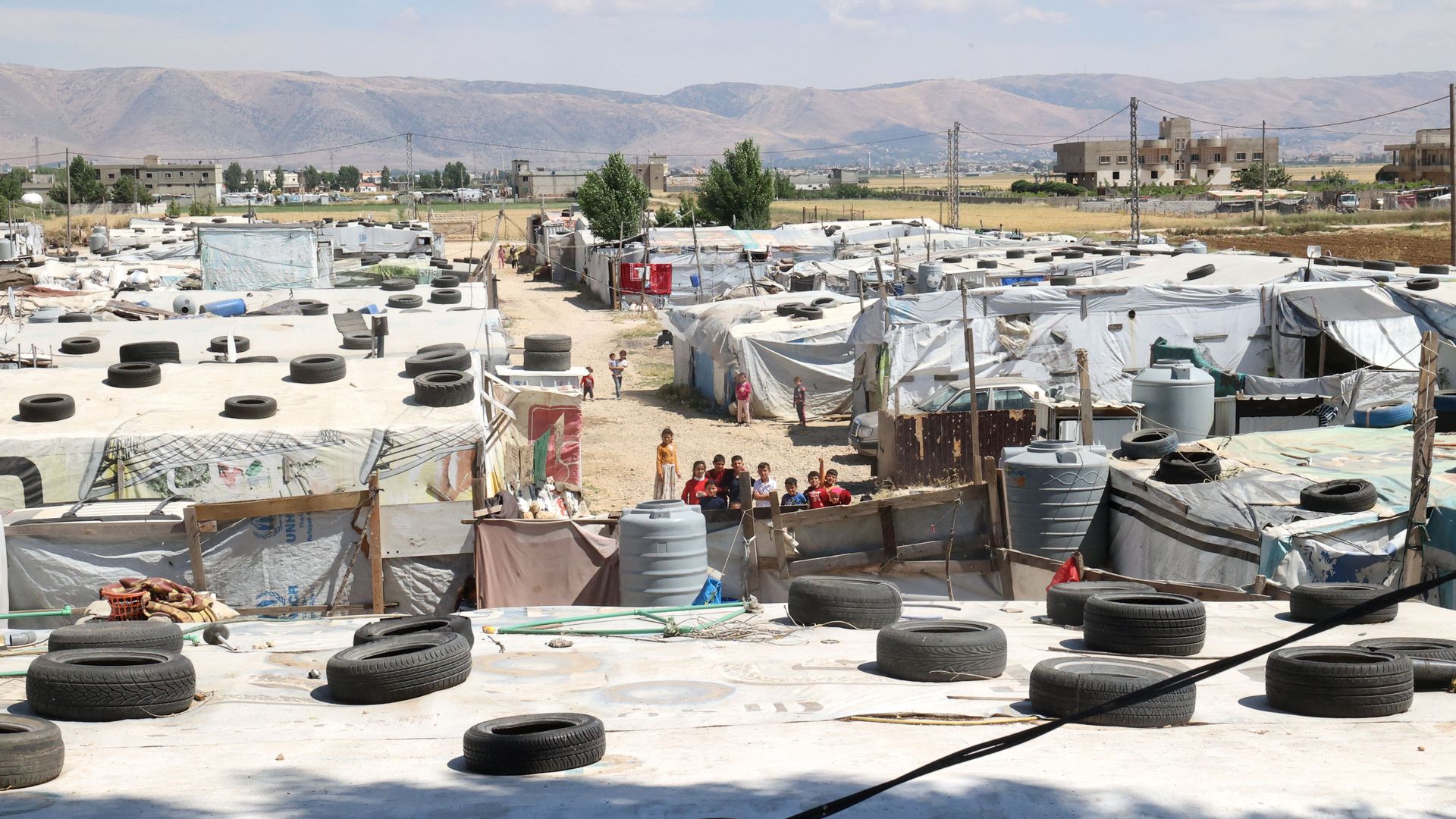
The number of children forcibly displaced from their homes climbed to a new record high of 43.3 million in 2022, according to a recent new estimate from United Nations International Children's Emergency Fund (UNICEF).
Driving the news: As the world marks World Refugee Day on Tuesday, advocates are highlighting the dangers and challenges faced by children forced to leave their homes.
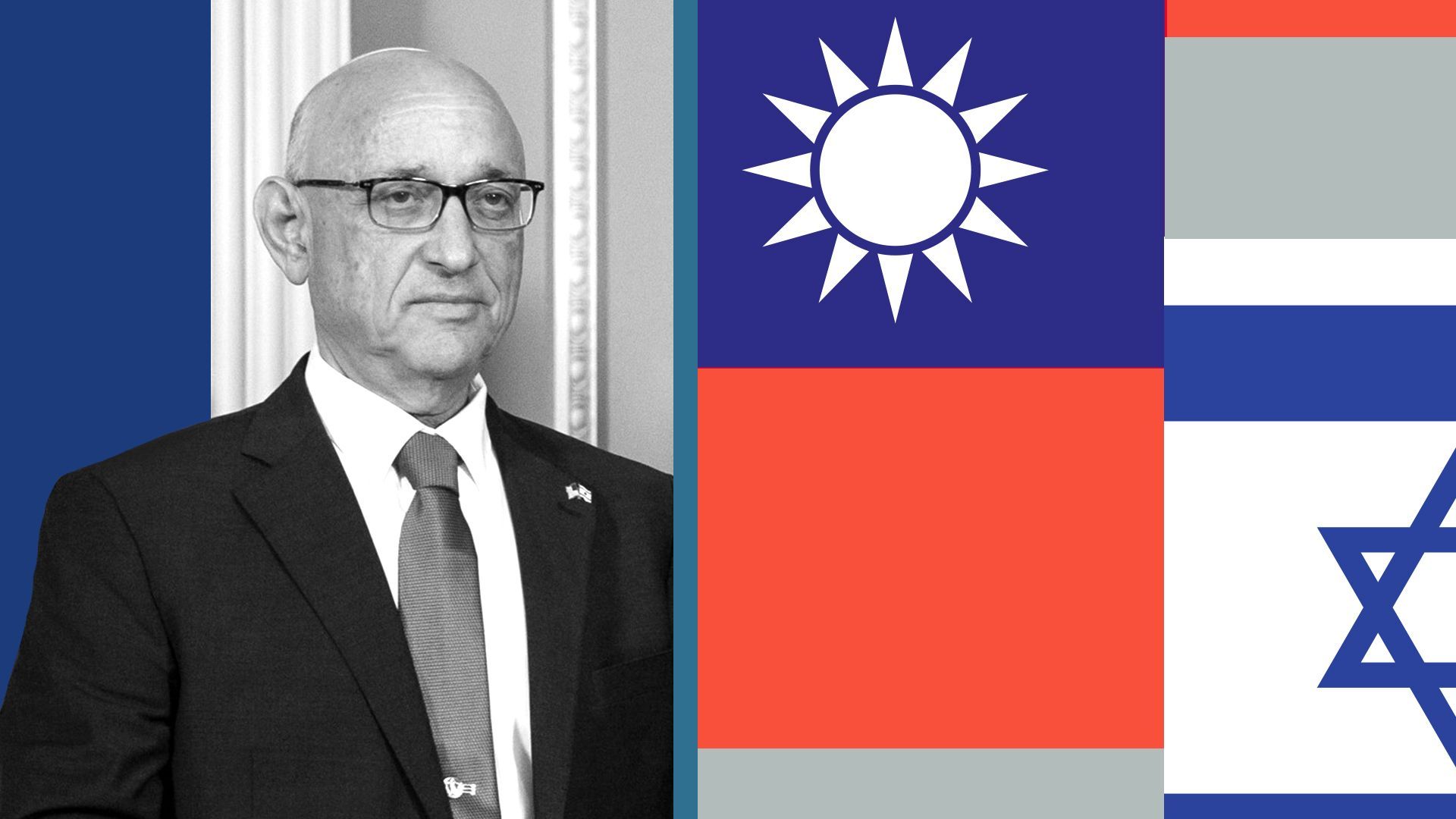
Israel and Taiwan face similar challenges and should learn from each other, Jacob Nagel, a former top Israeli security official and a key architect of Israel's Iron Dome missile defense system, told Axios in an interview after he spent last week meeting with government officials in Taipei.
The big picture: Nagel called last year for Israel to pivot away from Beijing and for "warmer relations" with Taiwan.
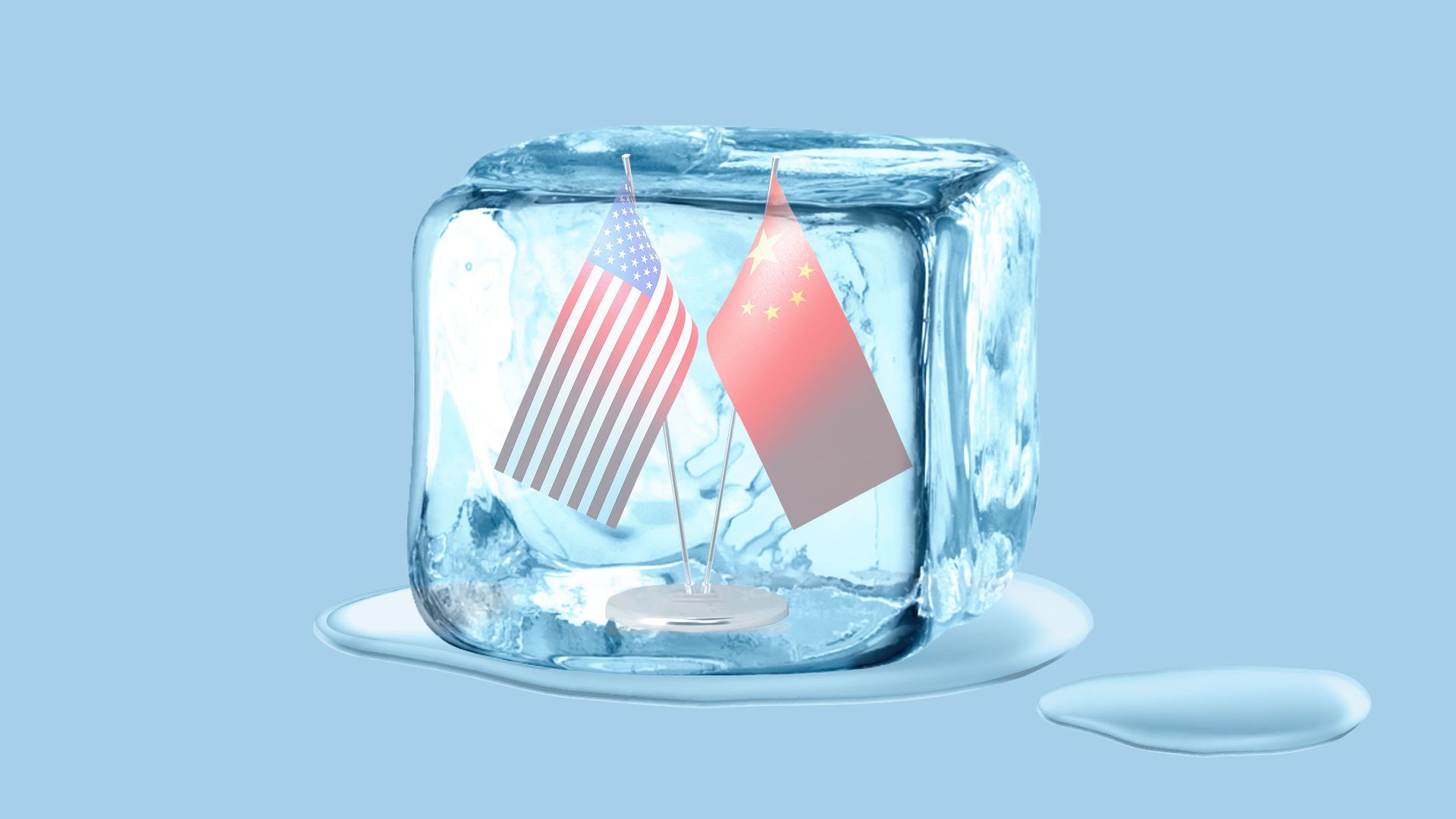
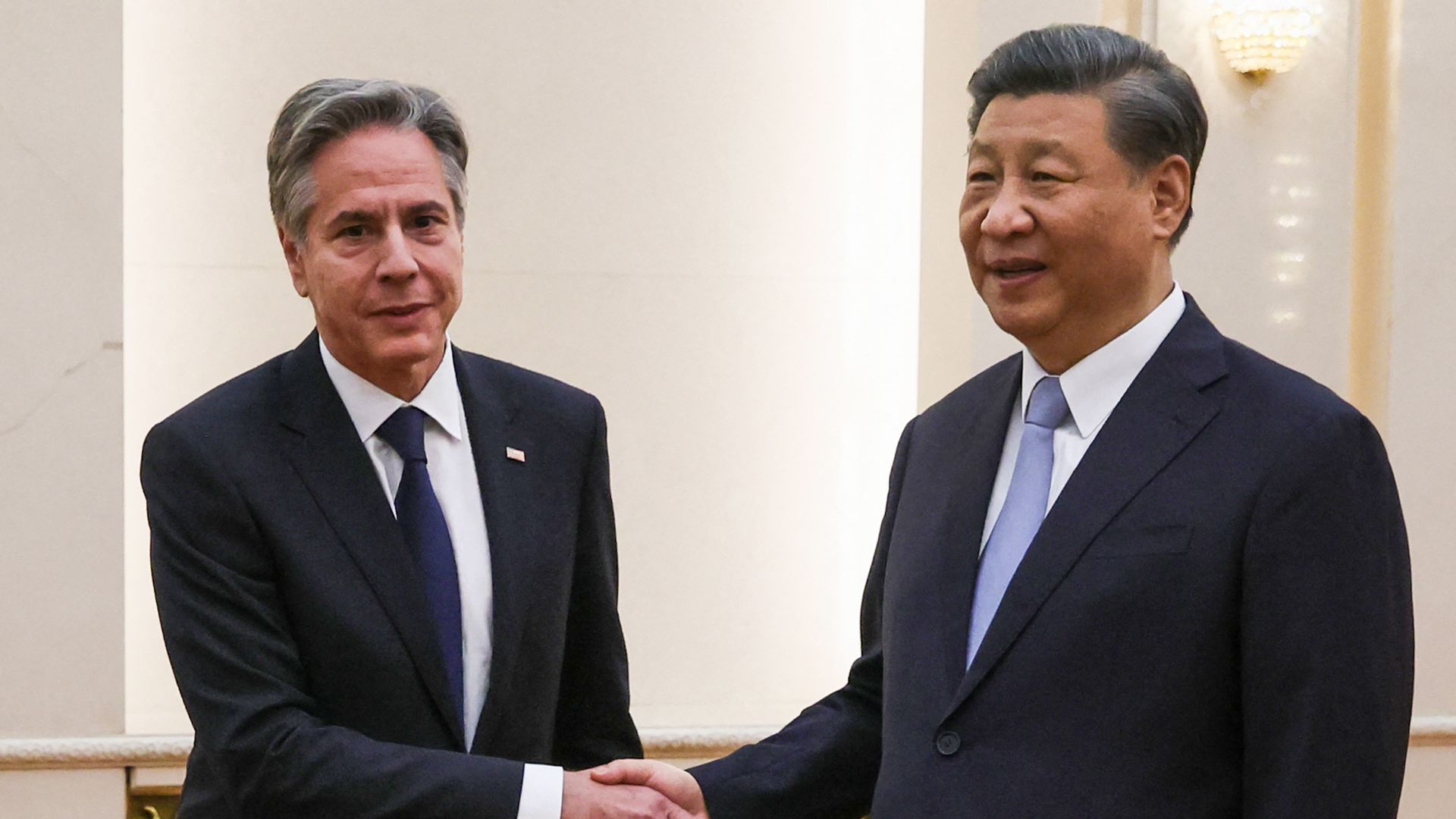
U.S. Secretary of State Tony Blinken's trip to China restored high-level dialogue between Washington and Beijing, but failed to persuade China's leaders to reopen communications that could help avert a potential military crisis.
Why it matters: The failure to establish a military-to-military crisis communications channel prolongs the risk of miscalculation and conflict in the region, experts say.
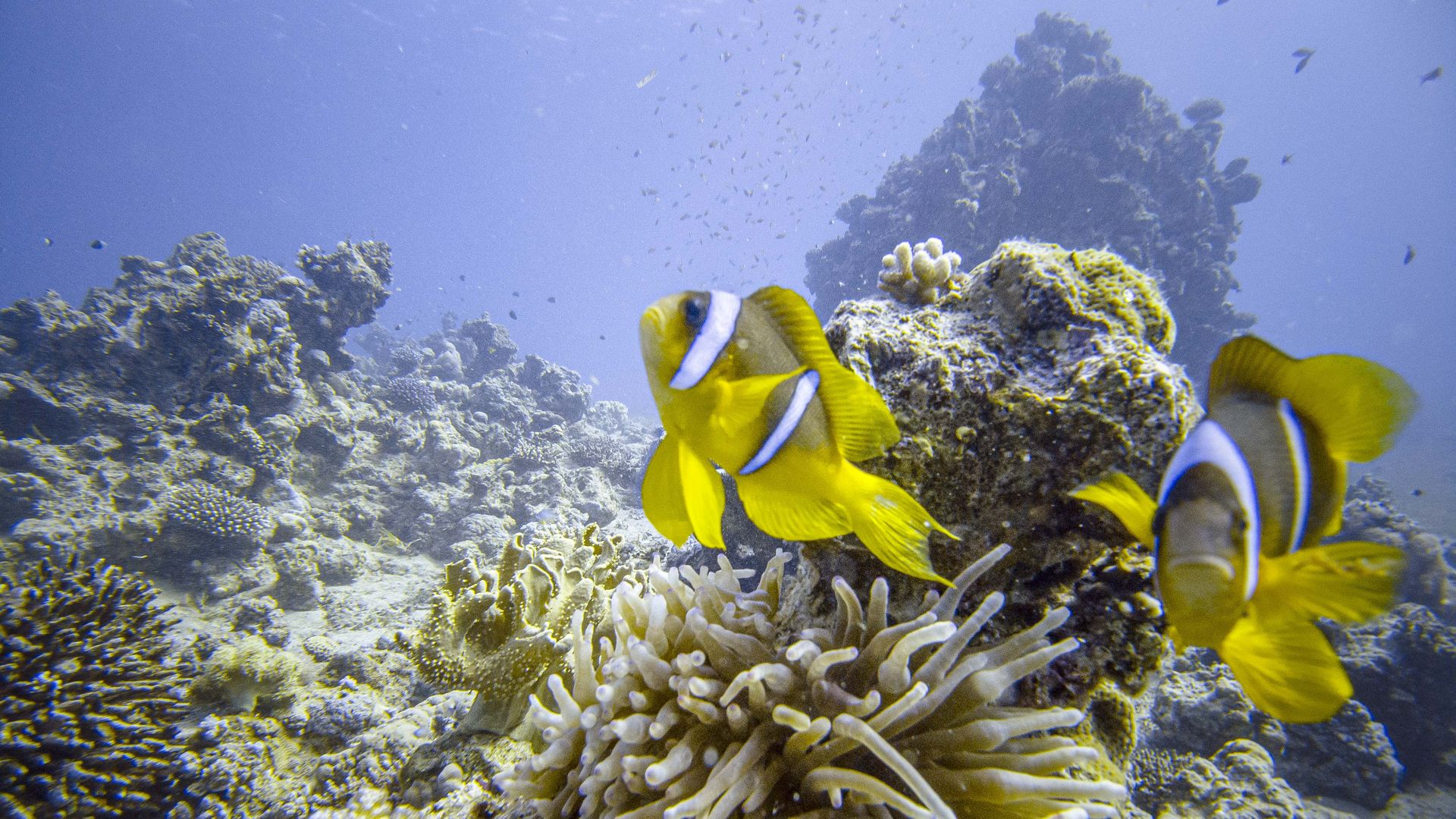
The United Nations adopted a landmark international treaty to govern the high seas on Monday after nearly two decades of negotiations.
Why it matters: The first-ever legally binding global agreement of its kind, known as the Treaty of the High Seas, provides framework for environmental protections to biodiversity ininternational waters — which cover over 60% of the Earth’s surface. Only 1.2% of the world's ocean areas are currently protected.
U.S. Secretary of State Antony Blinken told reporters on Monday that he had a "robust conversation" with Chinese President Xi Jinping in a meeting that capped off a two-day visit to Beijing to stabilize strained ties between the two superpowers.
Why it matters: Though fundamental disagreements remain, the consensus on Monday between Blinken, Xi and other Chinese officials to continue high-level discussions going forward is a crucial step towards ensuring that tensions between the two superpowers do not escalate into conflict.