"We don't have to worry about the f---ing monkeypox, do we?"
— Al Gore, overheard in the Davos conference center
At the first annual meeting since the pandemic brought the global economy to its knees, COVID-19 was largely ignored as a clear and present risk to the assembled delegates and hangers-on.
Delegates trusted that their mRNA boosters and the testing protocols would protect them, along with modern therapeutics, should they end up catching the virus.
Wherever the world's attention might be focused right now, it's not Davos, Switzerland.
Driving the news: When a major new trade pact was announced on Monday — encompassing 13 countries including the U.S., Japan, India, South Korea, and Australia — it was at a summit in Tokyo, 6,000 miles from Davos.
The premise of the World Economic Forum is that if you bring powerful people together across borders, they can solve some of the world's thorniest problems.
But if this year's forum is any indication, the biggest geopolitical players can't even gather in the same room anymore.
Good afternoon, and welcome to our deep dive from Davos, Switzerland, where Team Axios — Dave Lawler, Felix Salmon, Ina Fried, and Axios publisher Nicholas Johnston — covered the World Economic Forum's annual meeting of heads of state, CEOs, activists and celebrities.
Independent legal scholars and human rights experts in a report Friday accused Russia of inciting genocide and perpetrating atrocities that reveal an "intent to destroy the Ukrainian national group."
Driving the news: There is "a very serious risk of genocide" and states have a legal obligation to prevent it, warned the the report signed by more than 30 experts and published by the New Lines Institute for Strategy and Policy and the Montreal-based Raoul Wallenberg Centre for Human Rights.
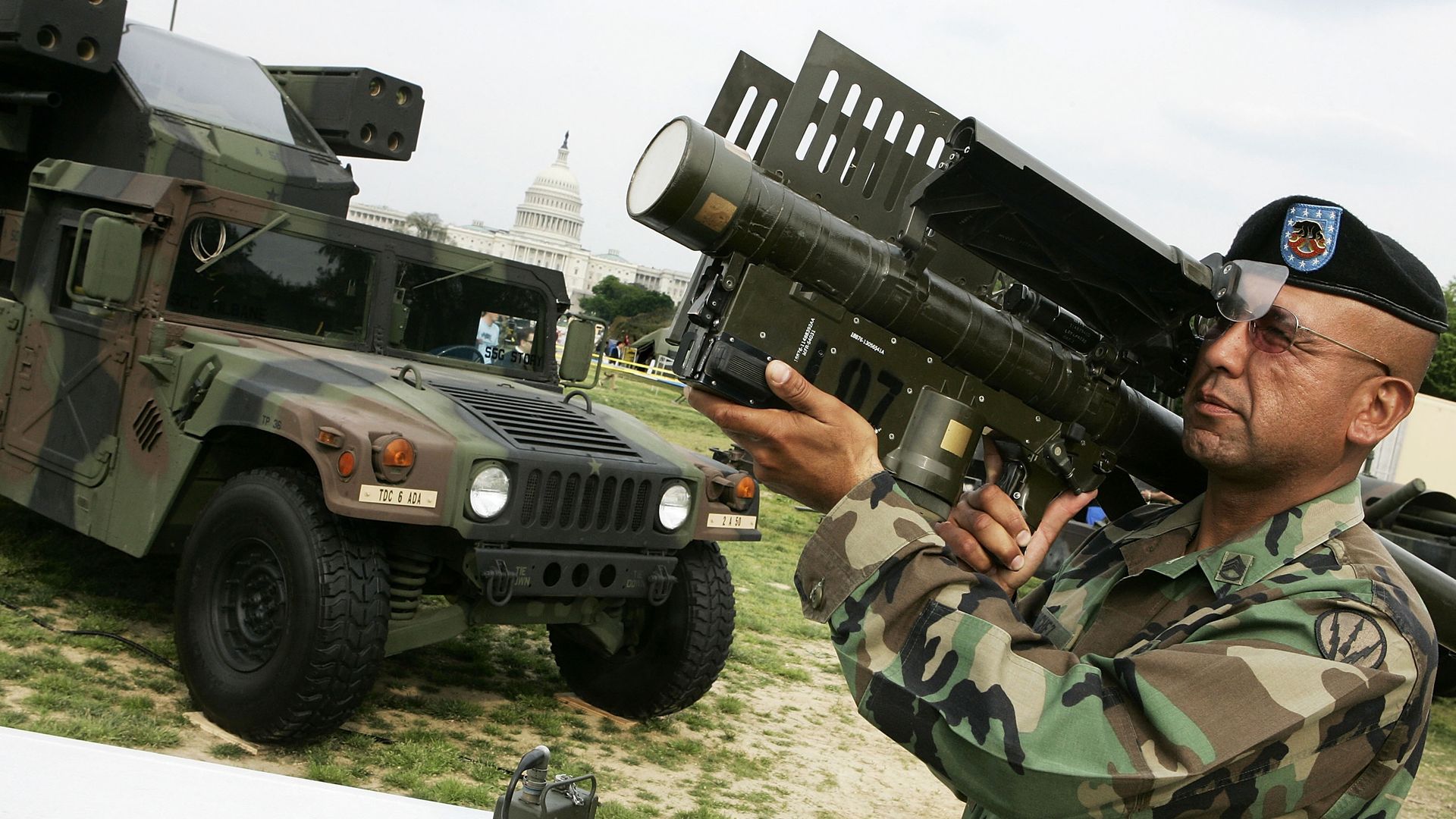
The U.S. Army awarded Raytheon Technologies a $624 million contract to produce 1,300 Stinger anti-aircraft missiles to replenish its stock after sending around 1,400 of the missile systems to Ukraine in response to Russia's unprovoked invasion.
Why it matters: U.S. lawmakers voiced concerns in April that the diversion of Stinger and Javelin anti-tank missiles to Ukraine could leave the U.S. militarily vulnerable and called on President Biden to replenish supplies.
Leaders of the Orthodox Church of Ukraine declared independence from the Russian Orthodox Church over its support of the Kremlin's unprovoked invasion of Ukraine, according to a statement on the Ukrainian church's Facebook page on Friday.
Why it matters: Patriarch Kirill I, the leader of Russia's Orthodox Church, has repeatedly publicly supported the war, even though he is the spiritual leader of Orthodox churches in both countries, according to the New York Times.
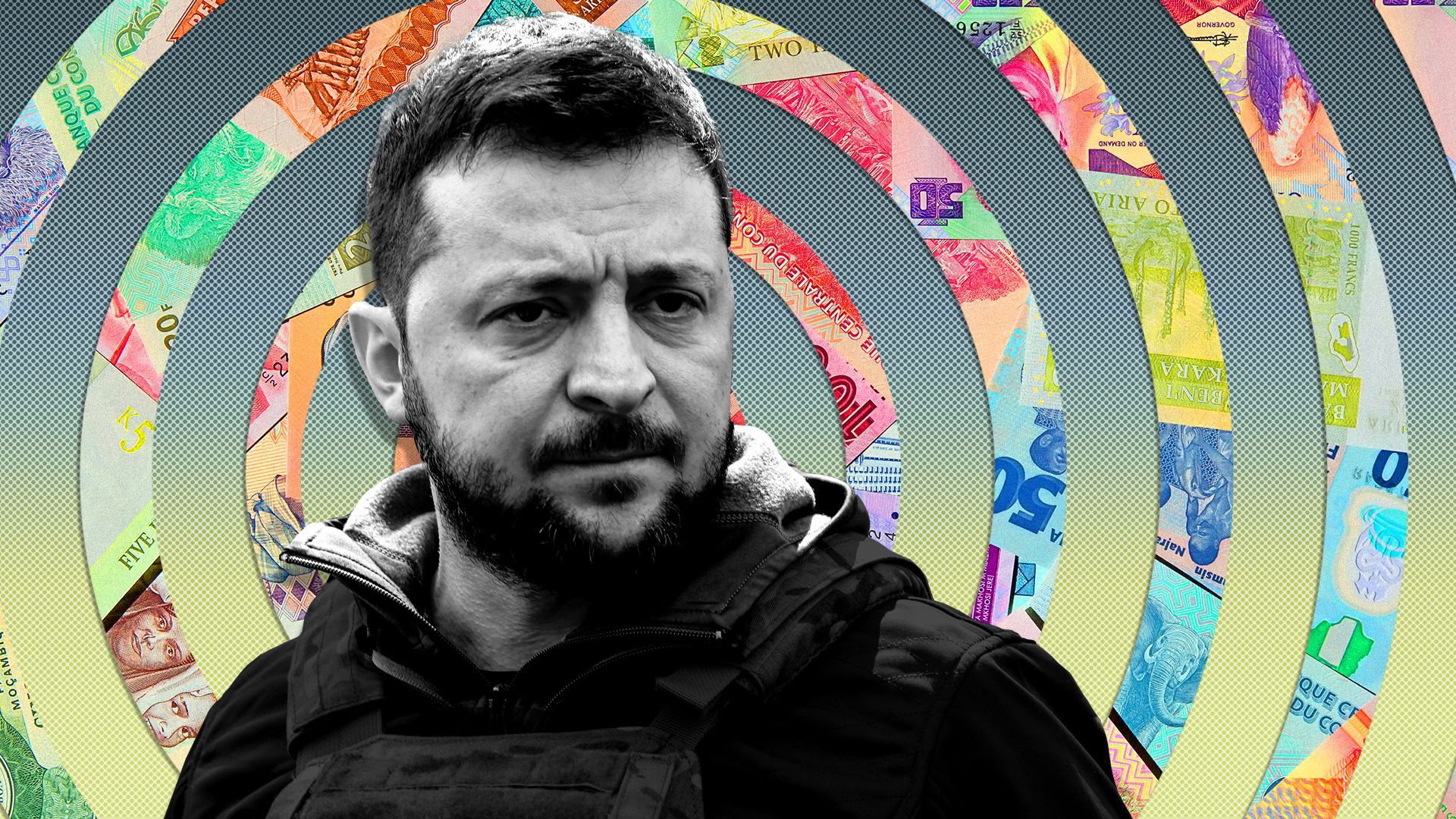
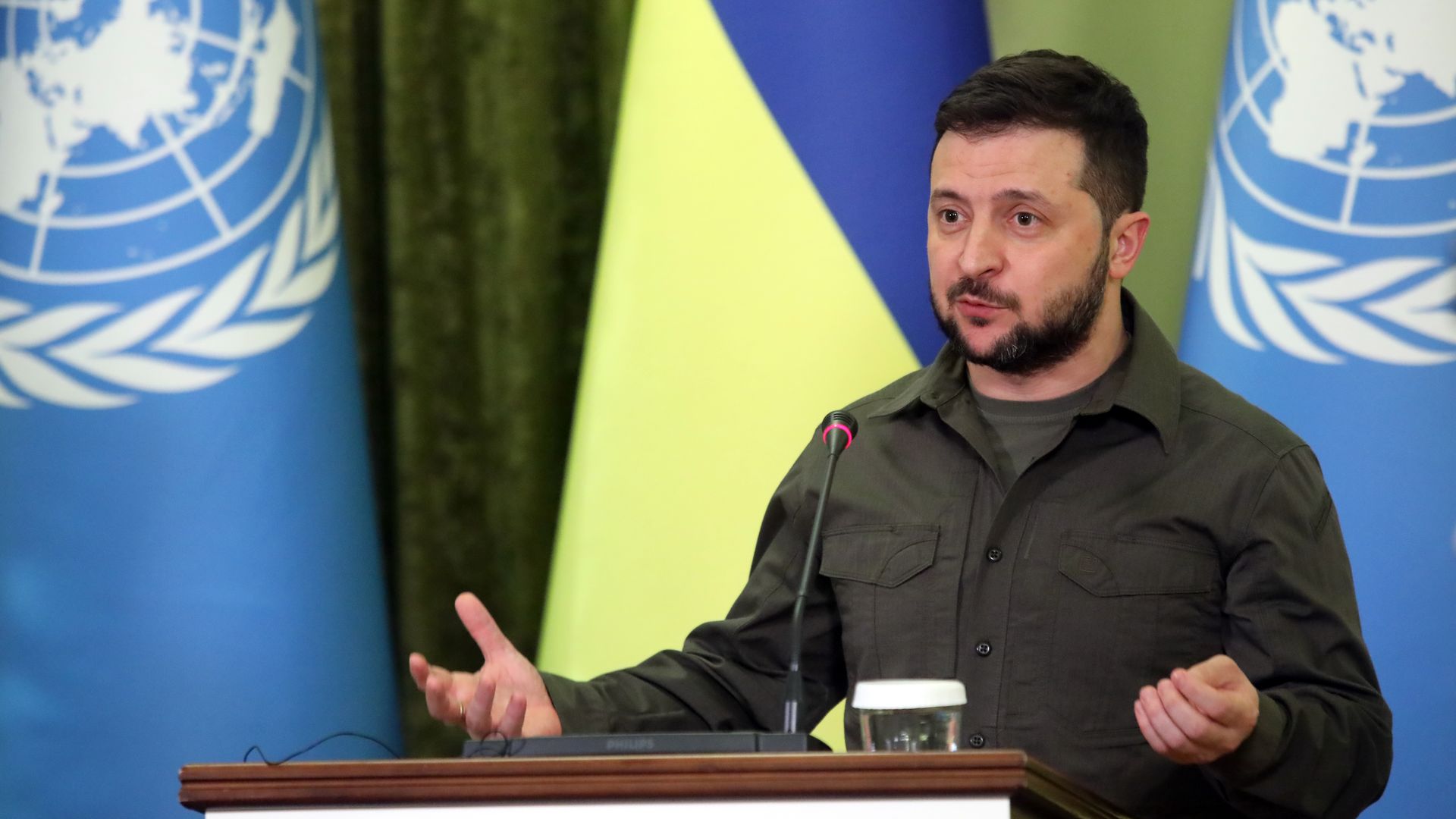
Ukrainian President Volodymyr Zelensky on Friday addressed Stanford students and offered his condolences to Americans after the Uvalde elementary school shooting.
Driving the news: In a video address to Stanford University students, Zelensky reiterated his condolences, saying the Texas shooting is "impossible to understand at all."
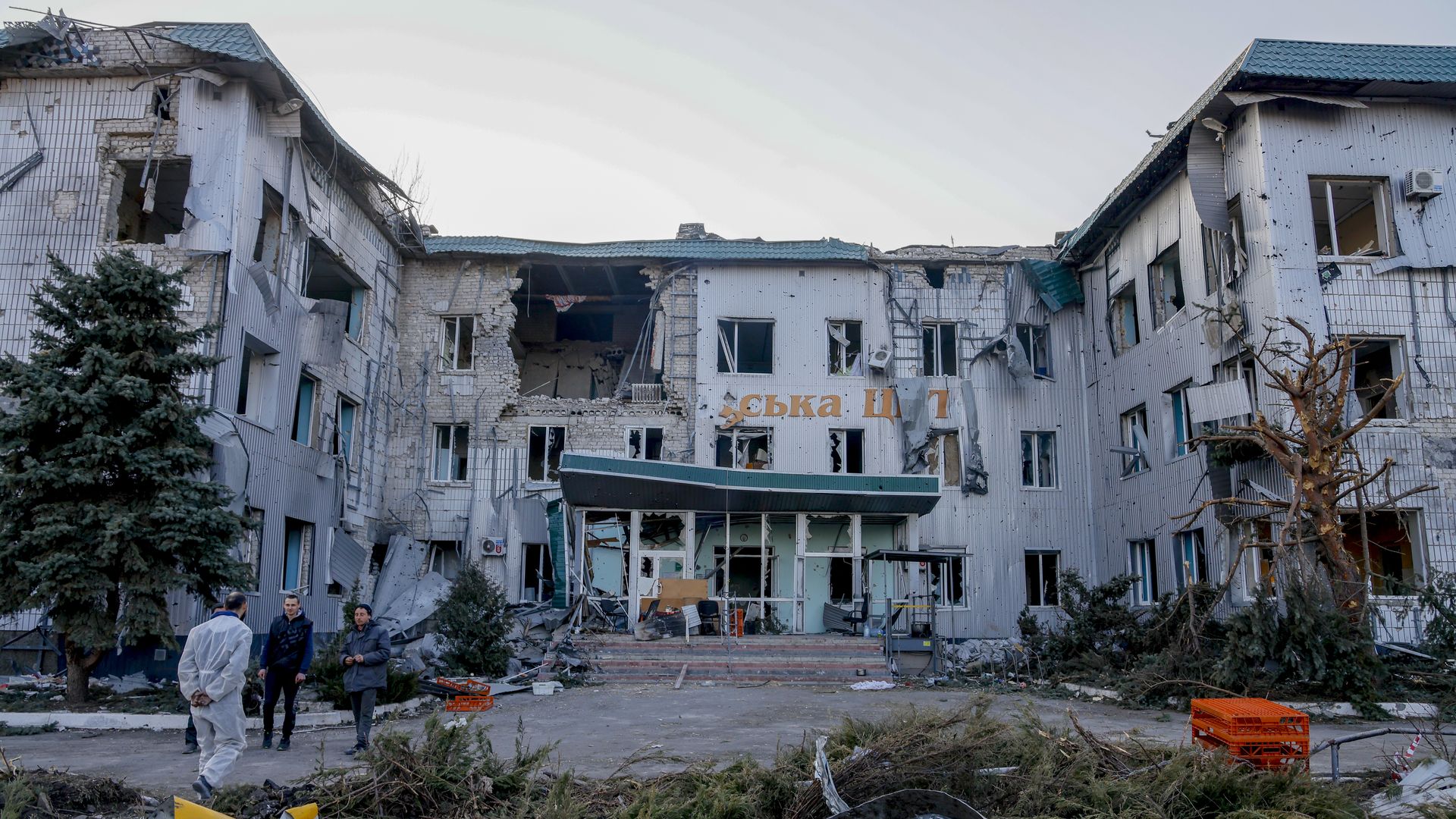
At least 75 people have been killed and 59 injured in attacks on Ukrainian health facilities and personnel since Russia began its unprovoked invasion, according to World Health Organization data this week.
Driving the news: The WHO has verified over 240 attacks on Ukrainian health care since Feb. 24. On Thursday, it passed a resolution condemning Russia's attack on Ukraine, particularly on the country's health system.
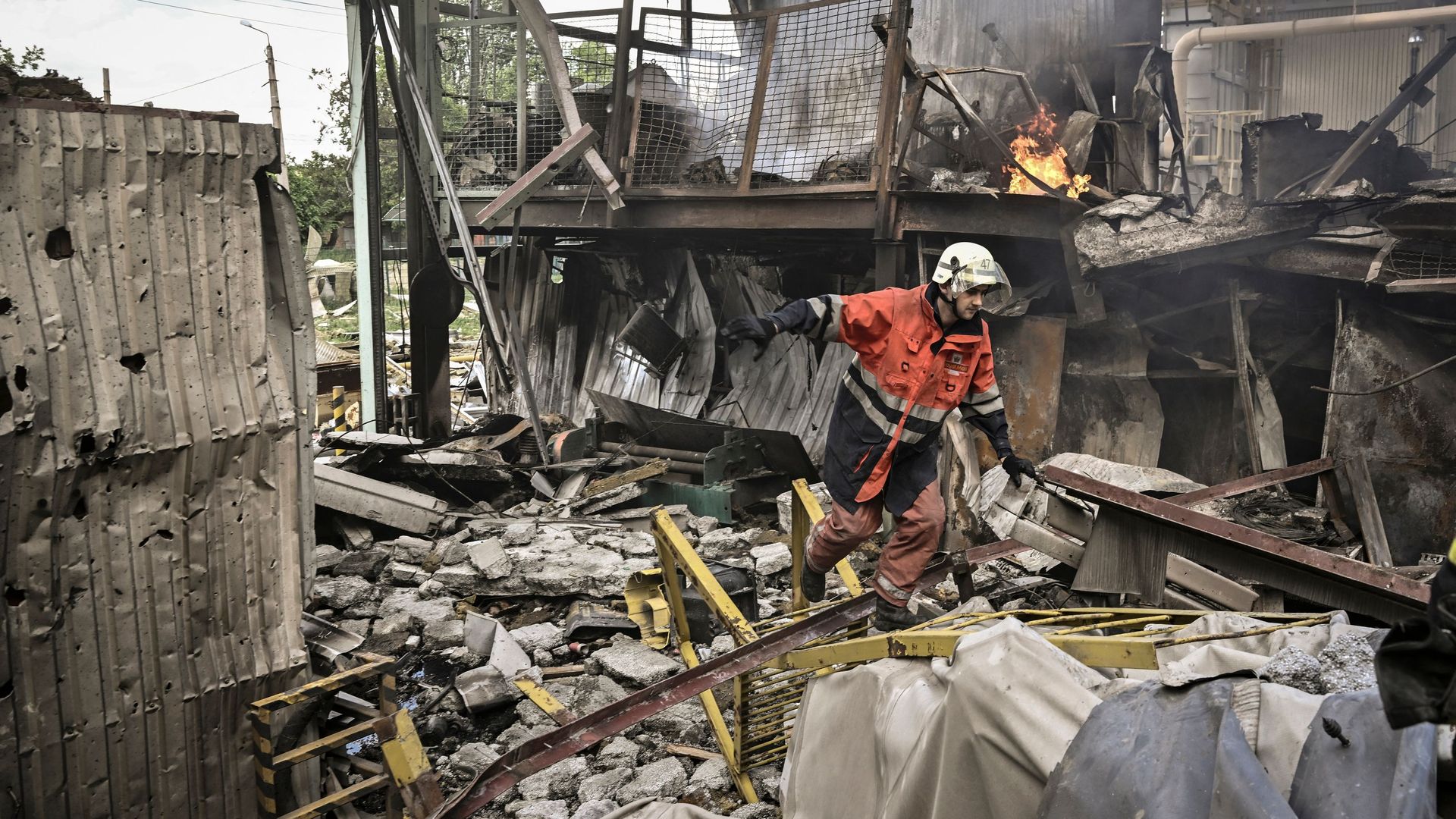
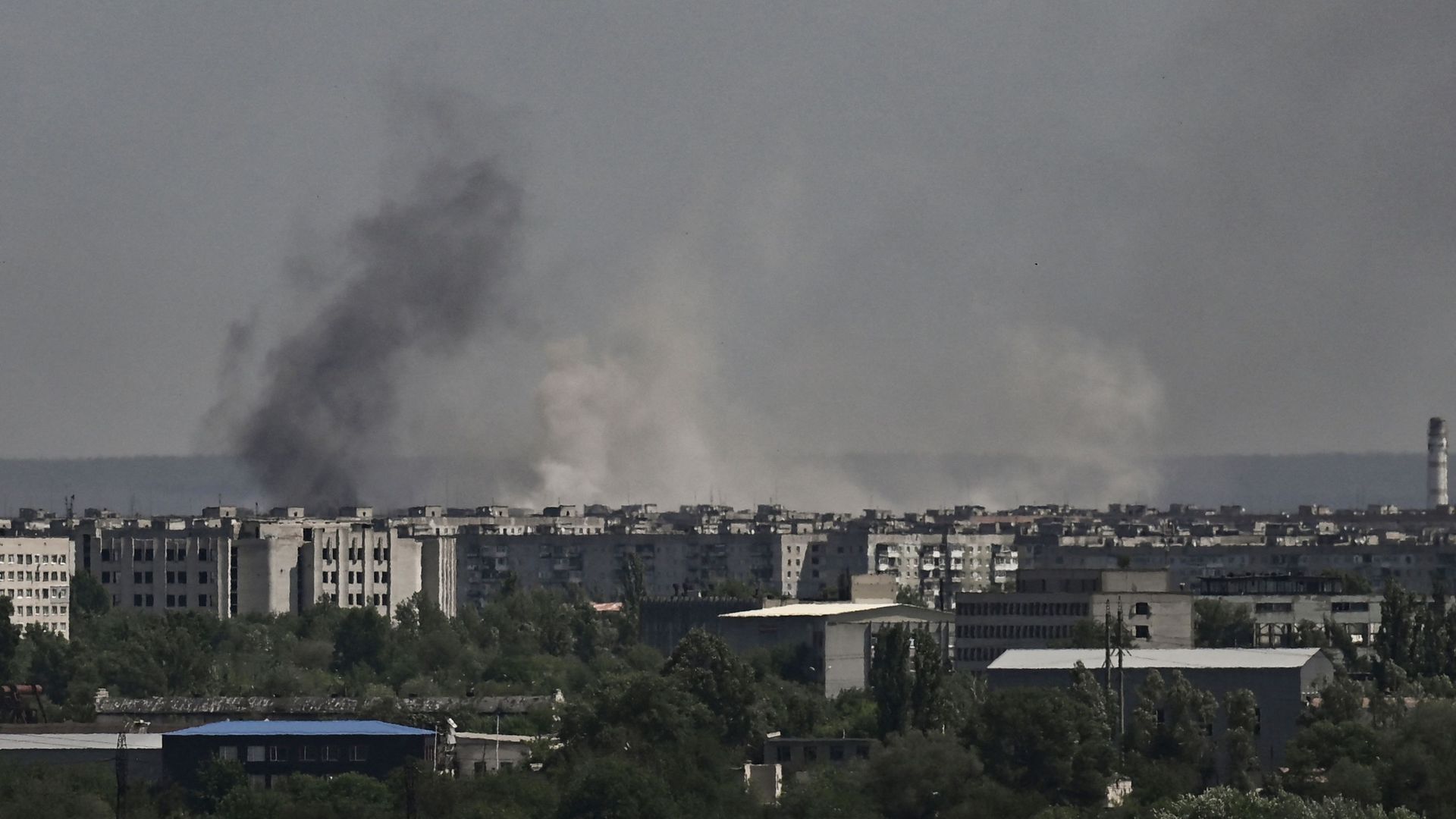
The Russian military assault on Severodonetsk has left some 1,500 people dead and destroyed 60% of buildings, the eastern Ukrainian city's mayor said Thursday, per AP.
The big picture: Russian forces have for days been trying to encircle Severodonetsk, the last remaining major city in the Luhansk region of the Donbas under Ukrainian control. Stryuk said there were up to 13,000 residents in the city and only 12 were evacuated on Thursday, AP reports.