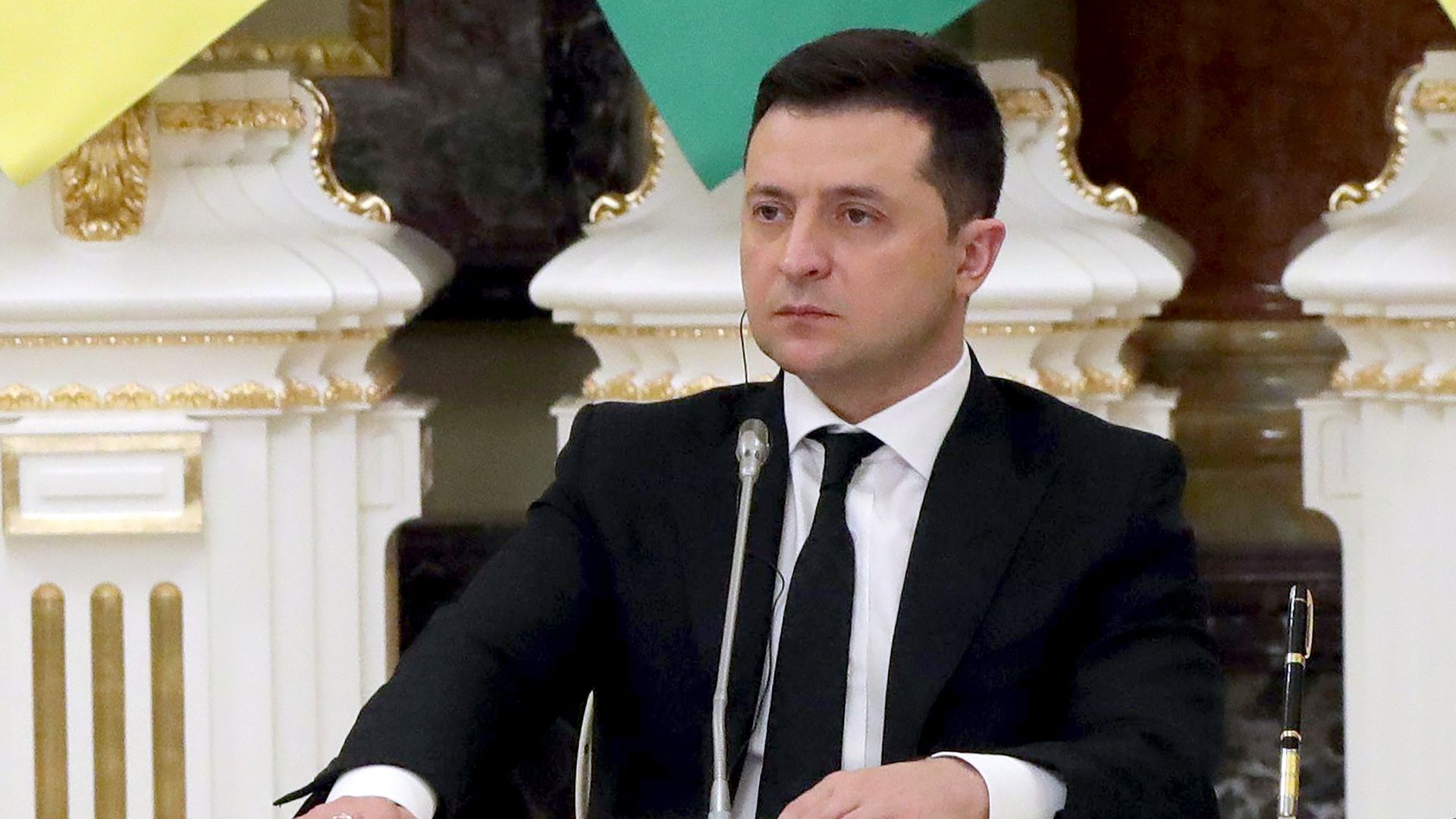
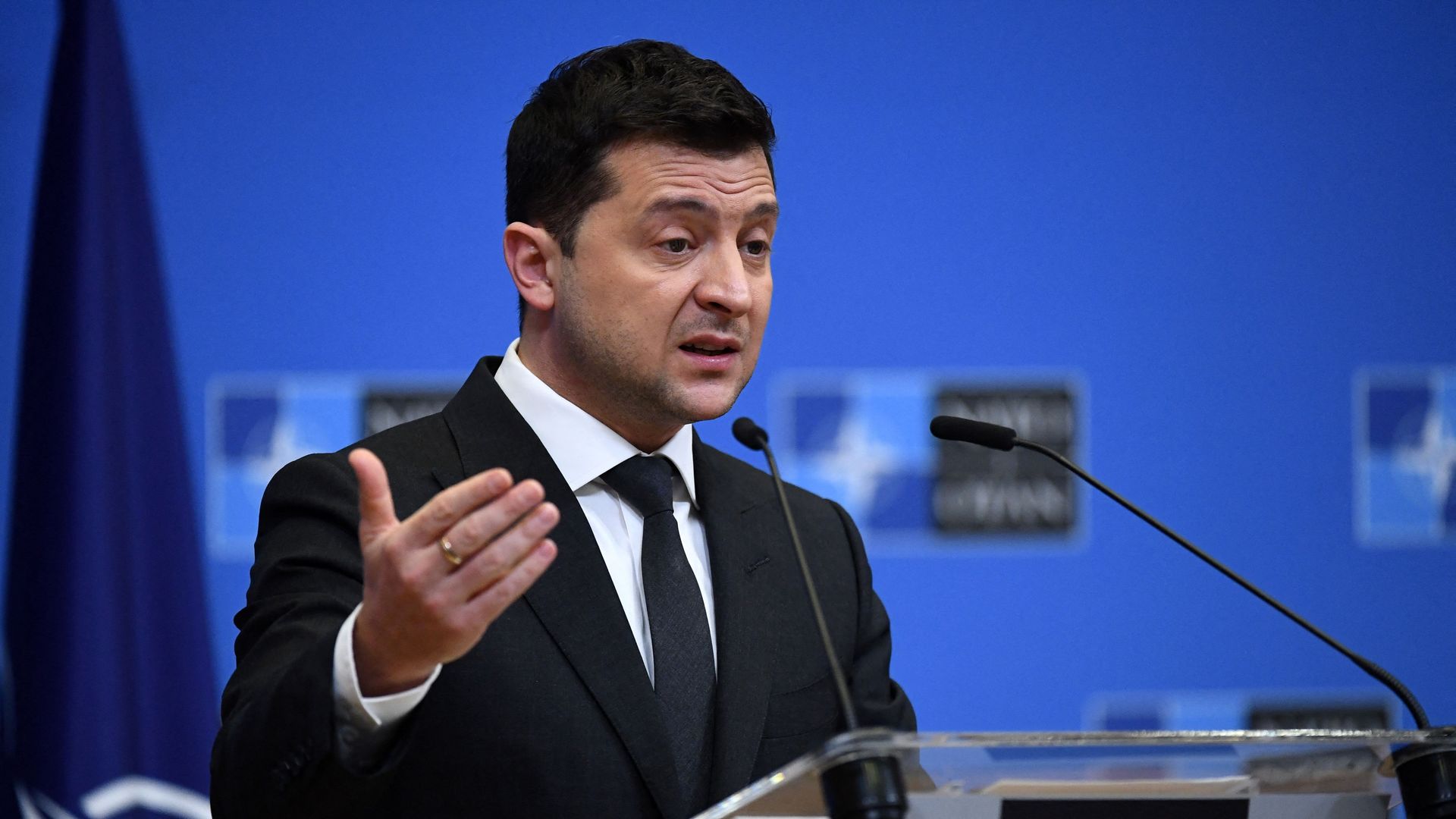
In a hour+ press conference with foreign reporters on Friday, Ukrainian President Volodymyr Zelensky repeatedly pushed back on Western warnings and media coverage of an imminent Russian invasion, warning that the "panic" is destabilizing Ukraine's economy.
Why it matters: Zelensky's rhetoric in recent weeks has stood in stark contrast to that of U.S., European and even Russian officials, who have all warned in one form or another that a crisis is looming.
The chairman of Ukraine's parliament has sent a letter to eight U.S. senators outlining four specific requests for security assistance and sanctions that Kyiv believes will help deter a Russian invasion, Axios has learned.
Why it matters: The Ukrainian government is leaning on Congress — and a bipartisan group of senators negotiating compromise language on sanctions that could pass the Senate — in an effort to push the U.S. posture beyond the Biden administration's approach.
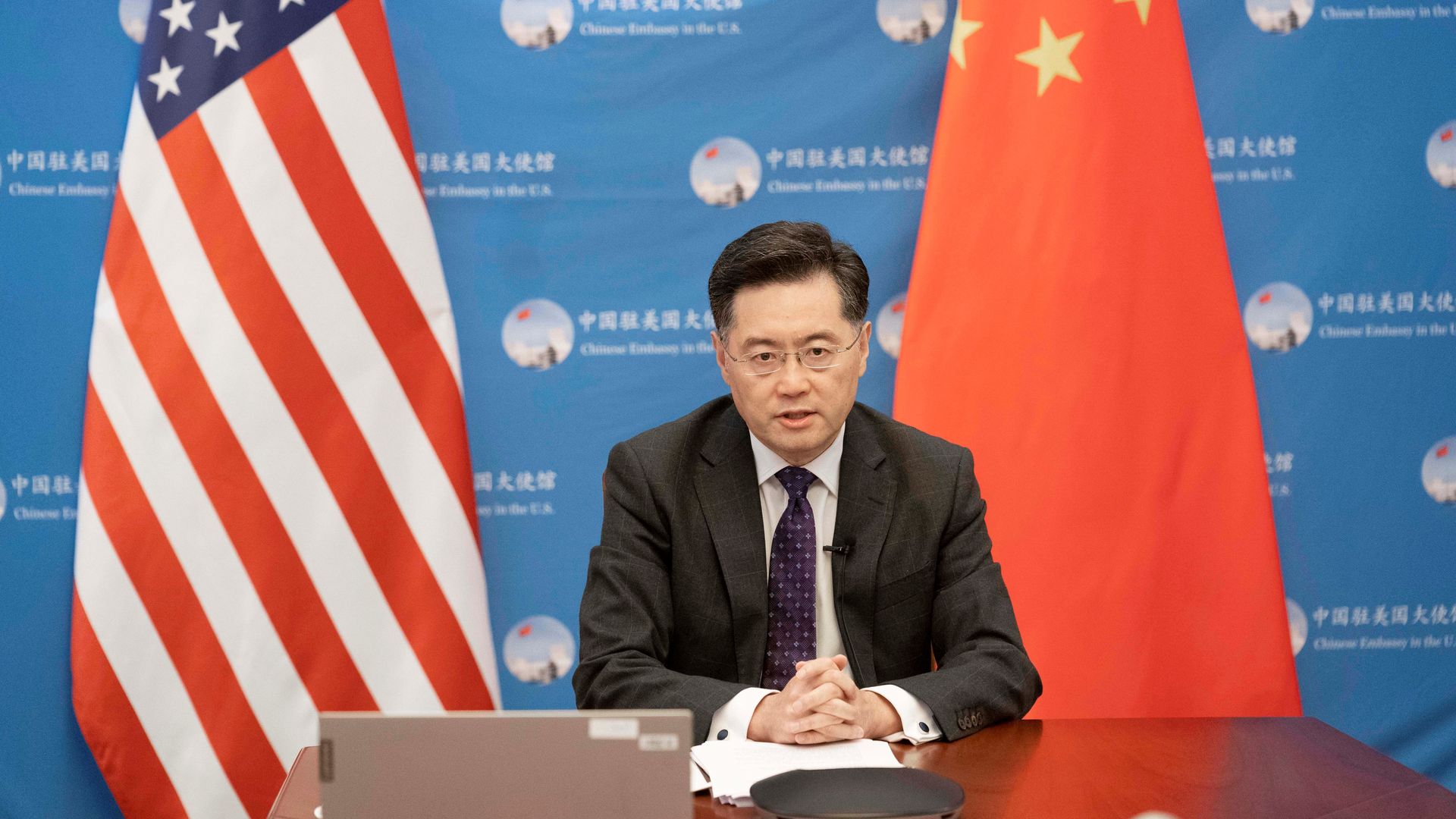
China's ambassador to the U.S. warned in a rare interview with NPR that if Taiwanese authorities "keep going down the road for independence," it would "most likely" lead to a "military conflict" between the U.S. and China.
Why it matters: Chinese officials rarely speak in such blunt terms, but veteran diplomat Qin Gang was unequivocal: "The Taiwan issue is the biggest tinderbox between China and the United States."
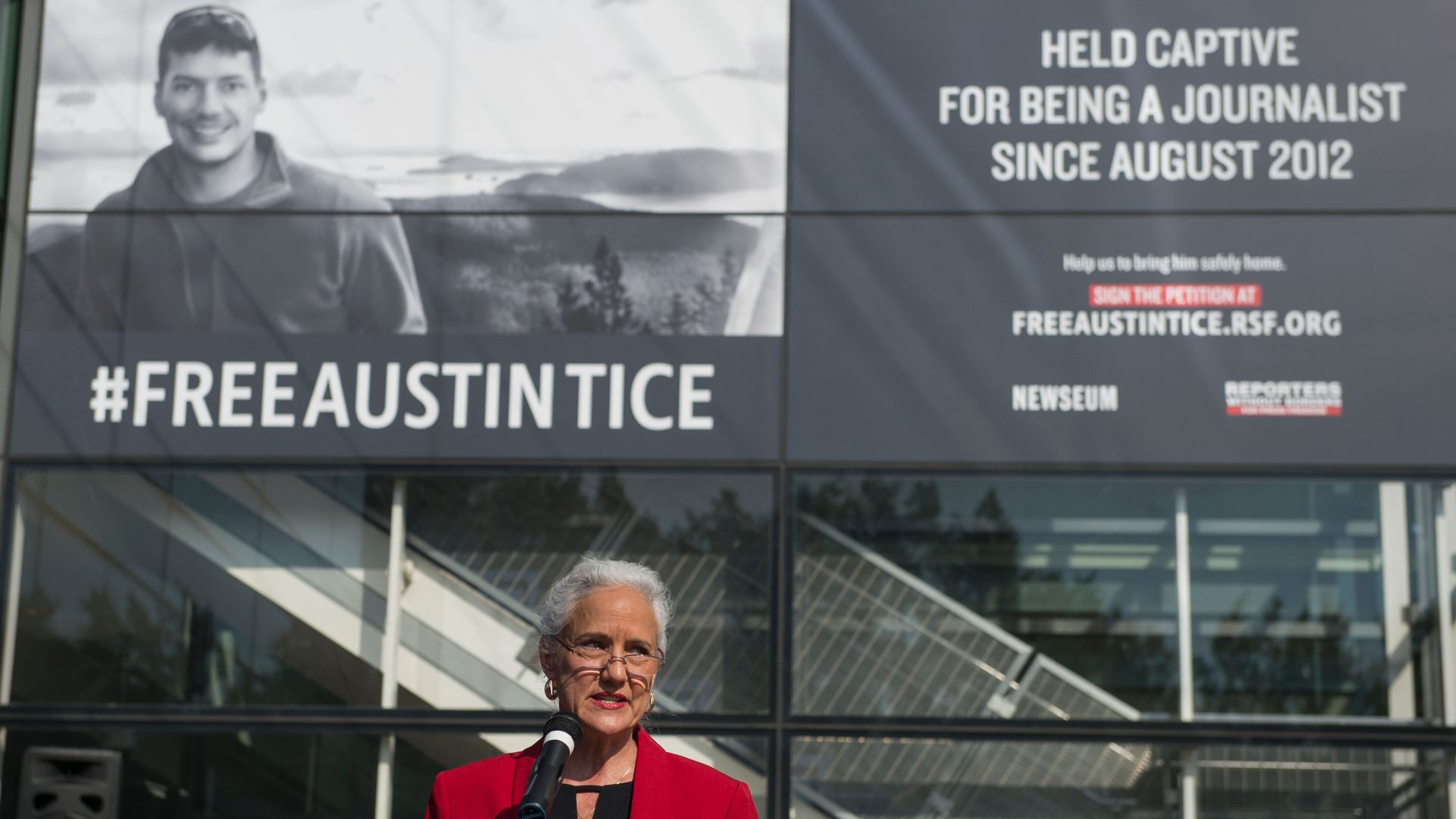
The mother of Austin Tice, an American journalist kidnapped in Syria in 2012, hopes her son's case will be on the agenda when the emir of Qatar visits the White House on Monday.
Why it matters: Qatar has an extensive history of brokering the release of hostages, including Americans like Army Sgt. Bowe Bergdahl. Debra Tice told Axios she believes Qatar could help secure Austin's freedom if it receives buy-in from the U.S., which maintains heavy sanctions on Syria's Assad regime.
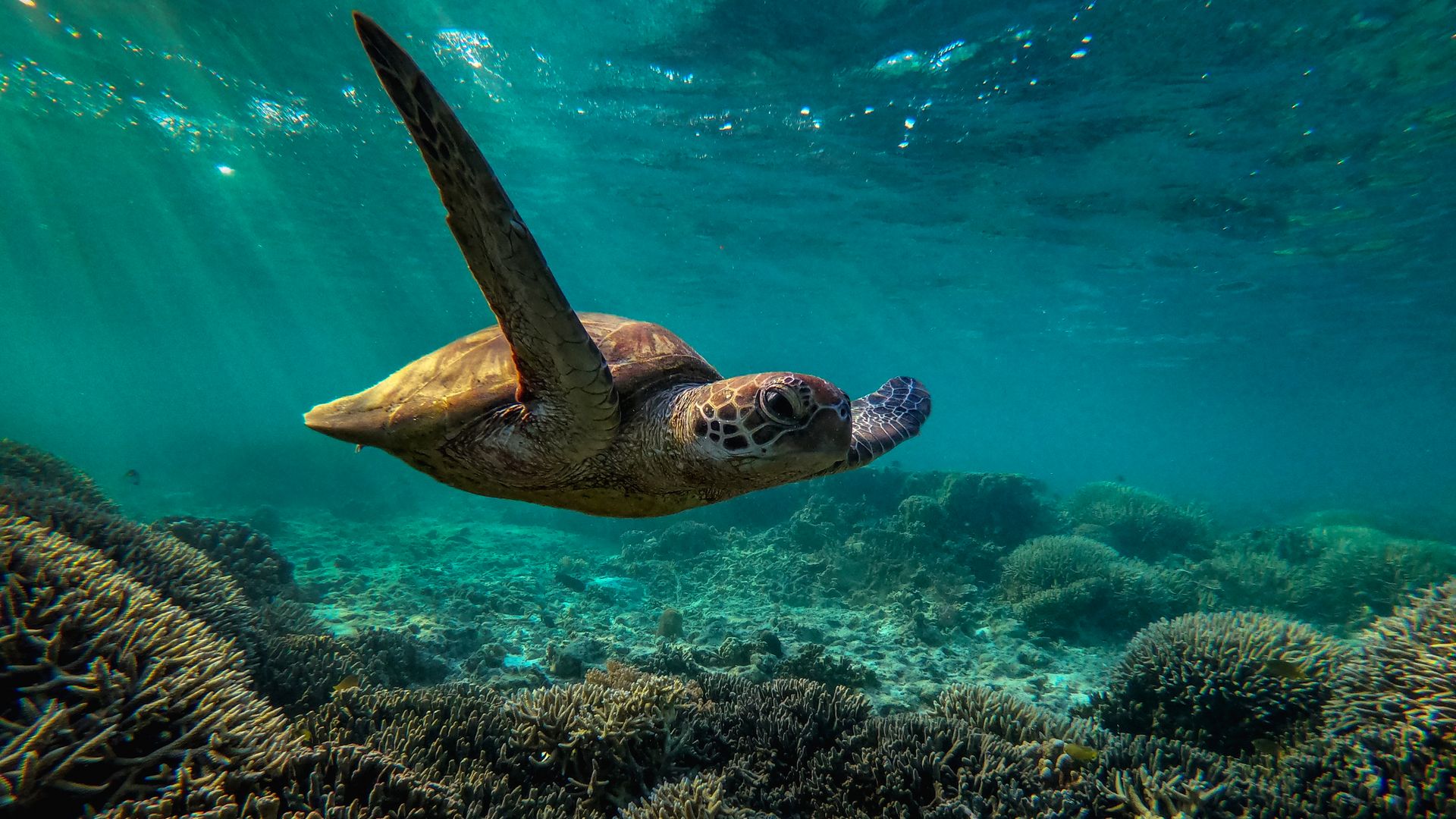
Australian Prime Minister Scott Morrison announced Friday a AU$1 billion ($703 million) investment plan for the Great Barrier Reef.
Why it matters: The nine-year plan for projects including water quality improvement, reef conservation and supporting some 64,000 tourism jobs comes months ahead of this year's federal election. It has been criticized by scientists and environmental groups for failing to tackle climate change.
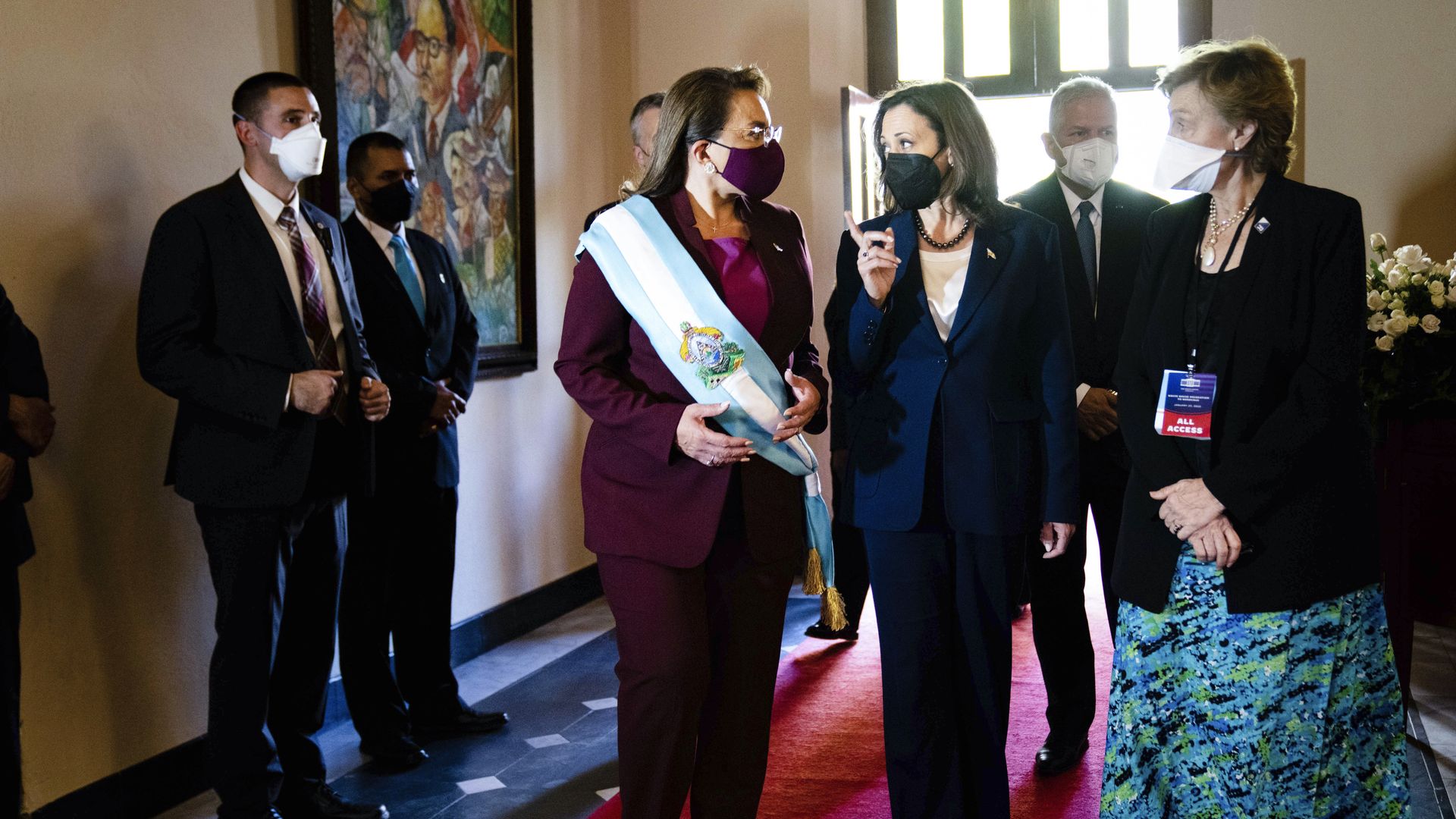
The big picture: Castro, a leftist, has promised to tackle drug trafficking and ease the country's strict abortion ban. Her election ends the right-wing National Party's 12-year run, which was dogged by claims of corruption.
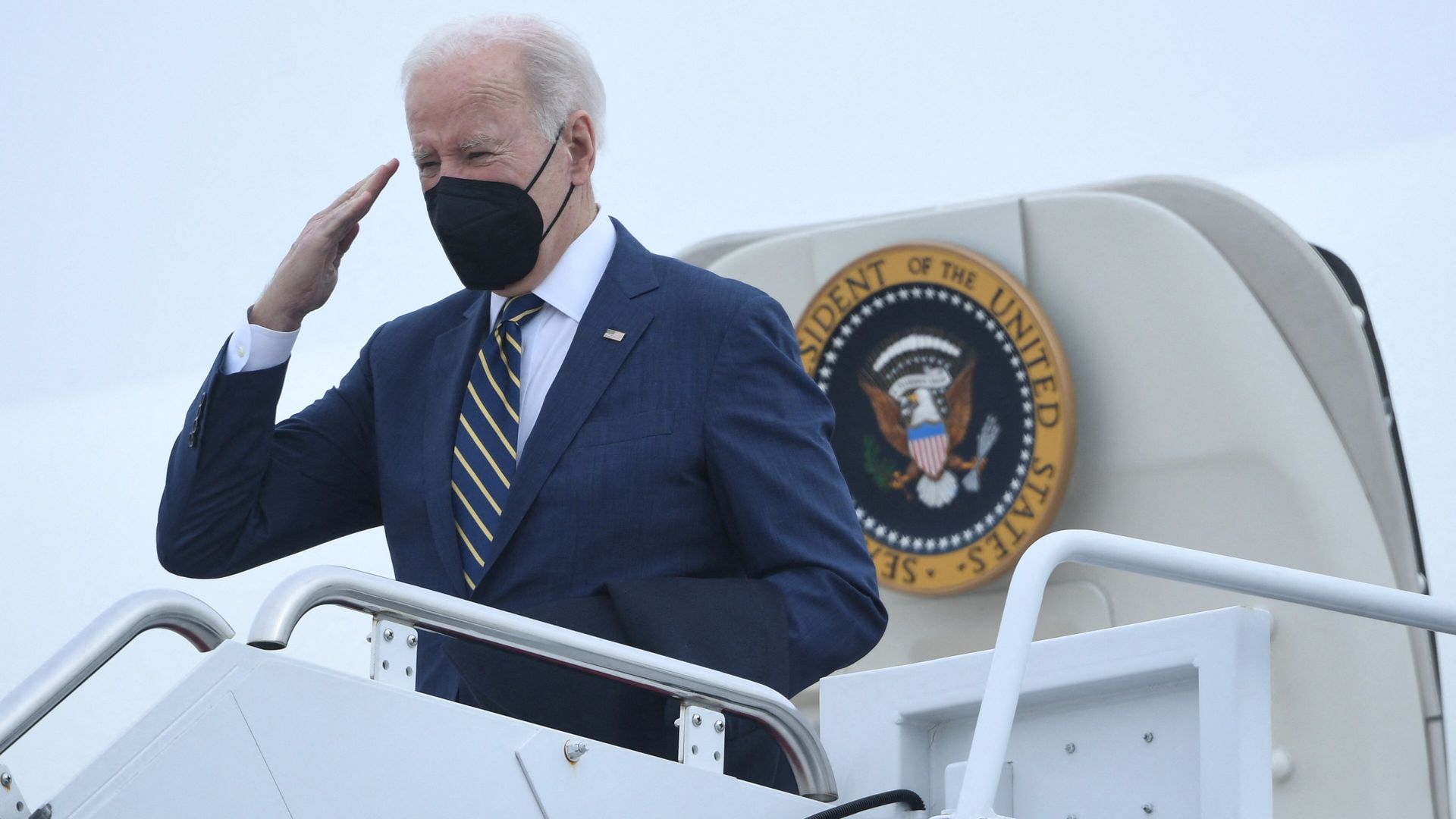
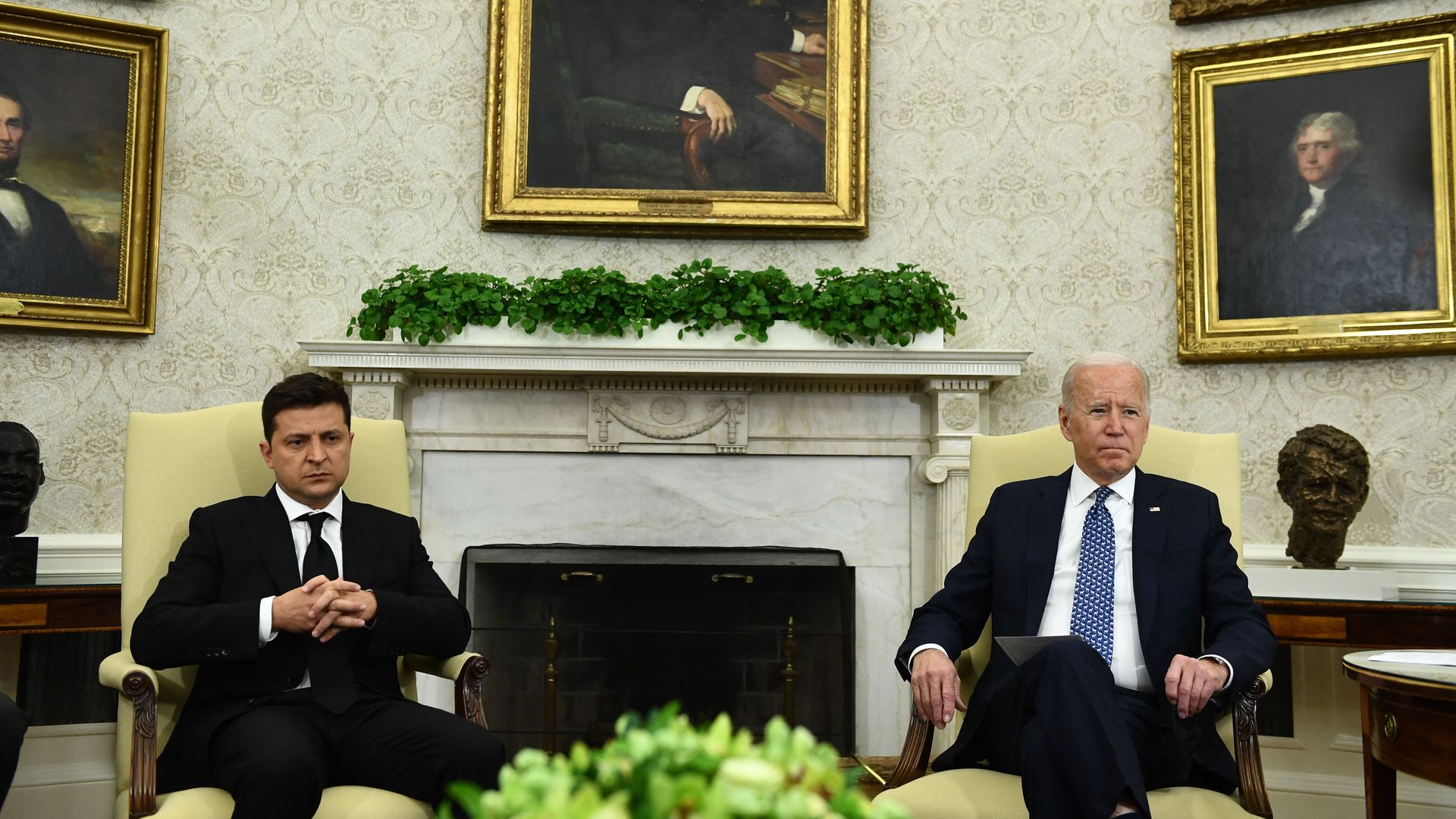
President Biden and Ukrainian President Volodymyr Zelensky had a back-and-forth in their call this evening about just how "imminent" the threat of a Russian invasion might be, according to three sources briefed on the call.
Why it matters: Biden has said previously that he believes Russian President Vladimir Putin will probably "move in" to Ukraine, and White House press secretary Jen Psaki said Thursday afternoon that "an invasion could come at any time."
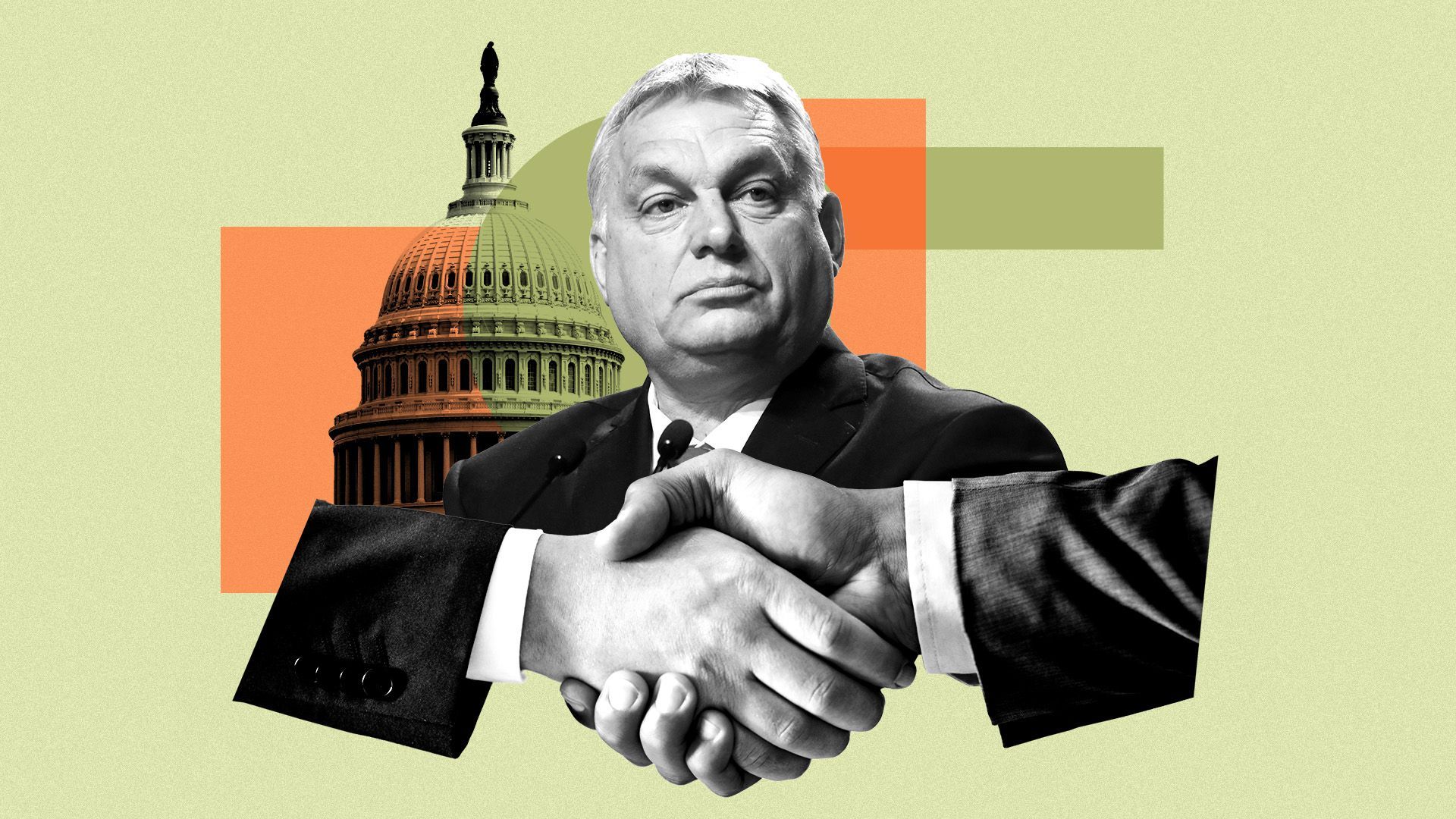
The Hungarian government — known for its links to the Trump administration and conservative supporters — quietly began working late last year with a powerhouse public affairs shop stacked with Democratic talent, Axios has learned.
Why it matters: A spokesperson for the lobbying and PR shop, Actum, told Axios on Friday that the agreement has been terminated. Though short-lived, the relationship shows Hungary is trying to build inroads with a U.S. political party wary of right-wing leader, Viktor Orban.
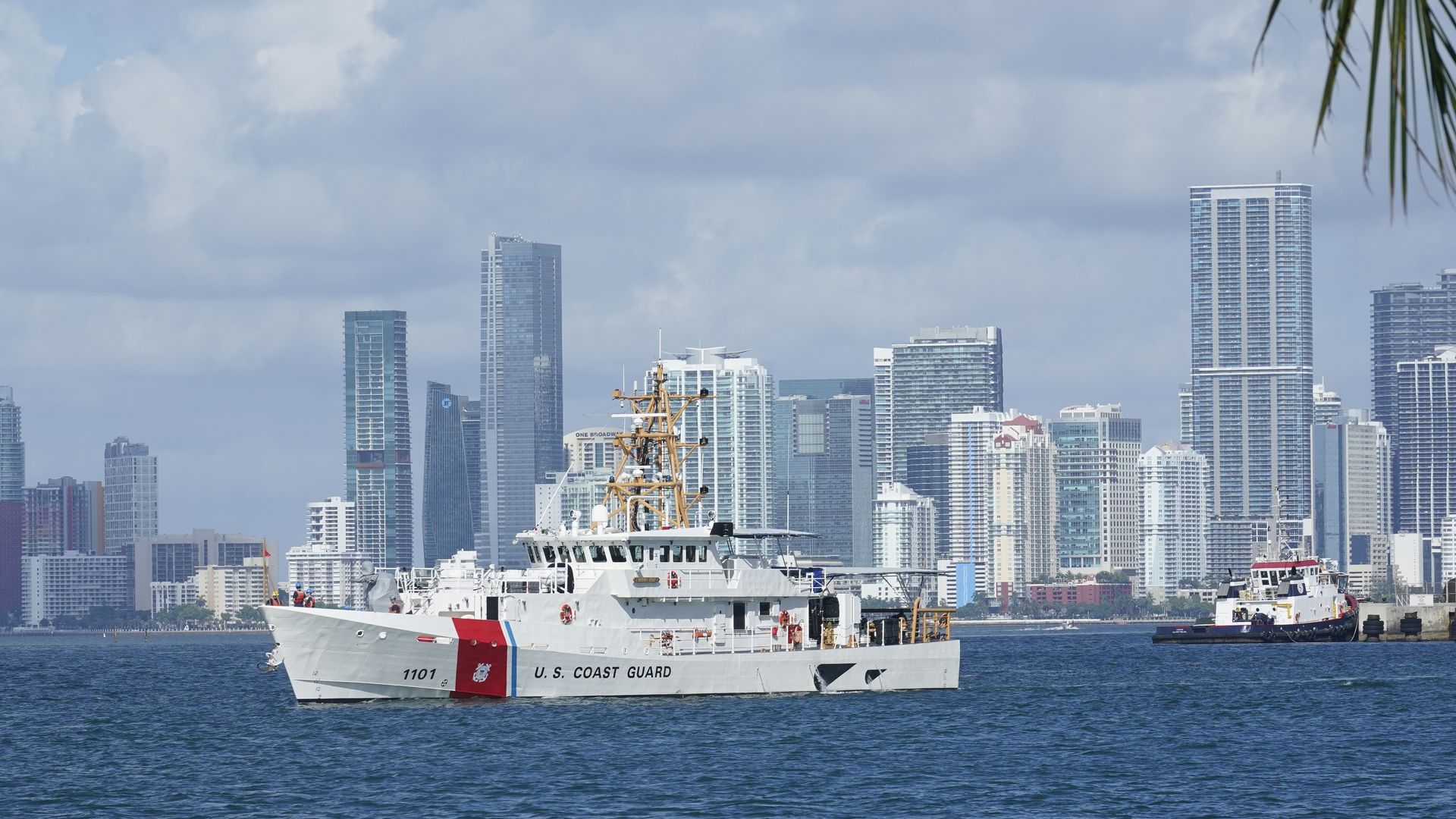
The Coast Guard said Thursday that it had recovered four more bodies in its search for dozens of people whose boat capsized off Florida's coast after traveling from the Bahamas.
The big picture: The maritime security agency said that it plans to suspend its search for survivors later Thursday if it doesn't receive new information. The Coast Guard has found a total of 5 bodies. More than 30 people remain missing.
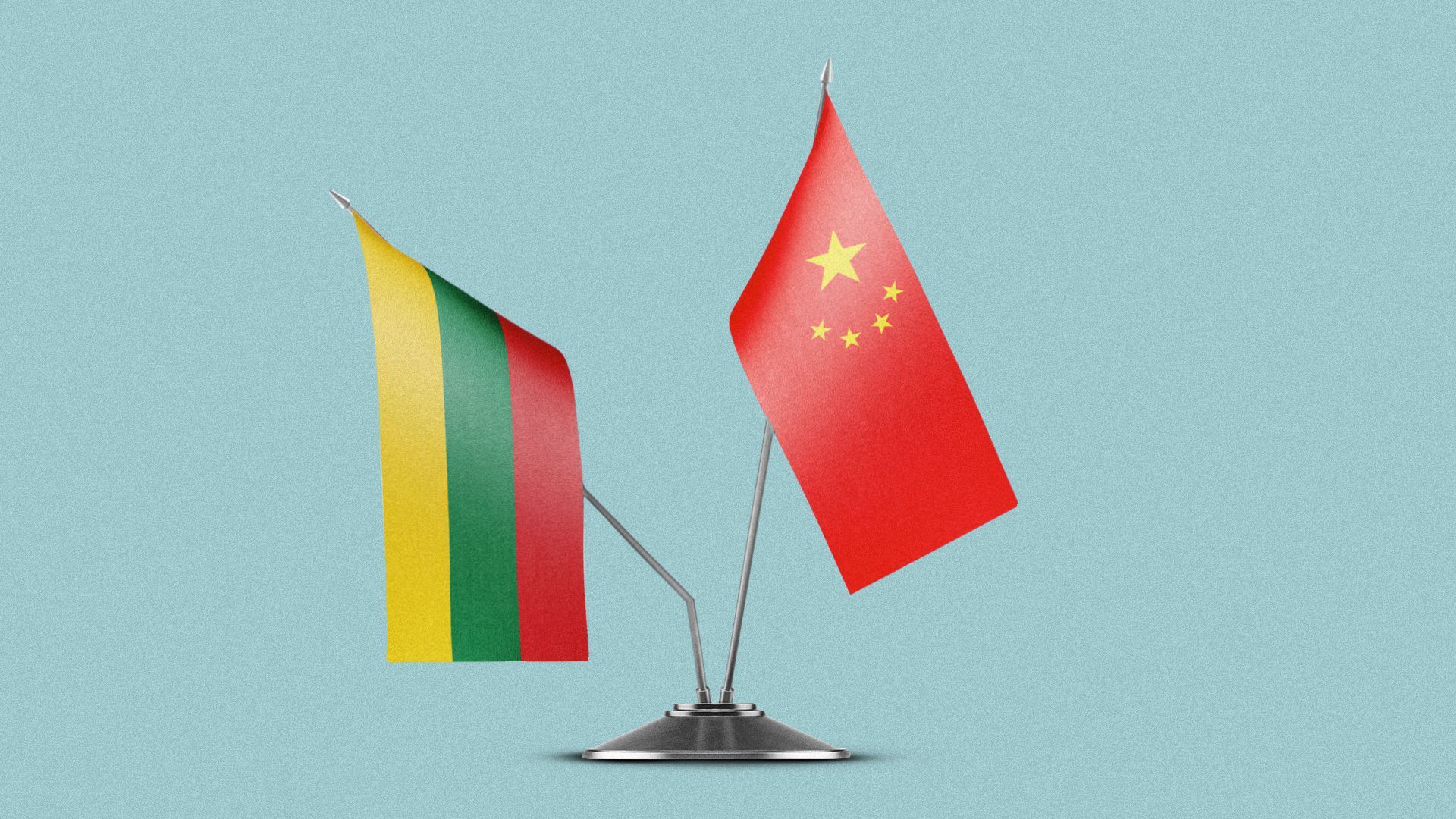
The European Union launched legal action against China at the World Trade Organization on Thursday, accusing Beijing of "discriminatory trade practices" against Lithuania. The Baltic country has faced a months-long campaign of intimidation from Beijing for strengthening its ties with Taiwan.
Why it matters: The decision to refer China to the WTO is an important symbolic intervention by the EU, which had been divided in its response to the coercion of a tiny member state by one of the bloc's largest trading partners.
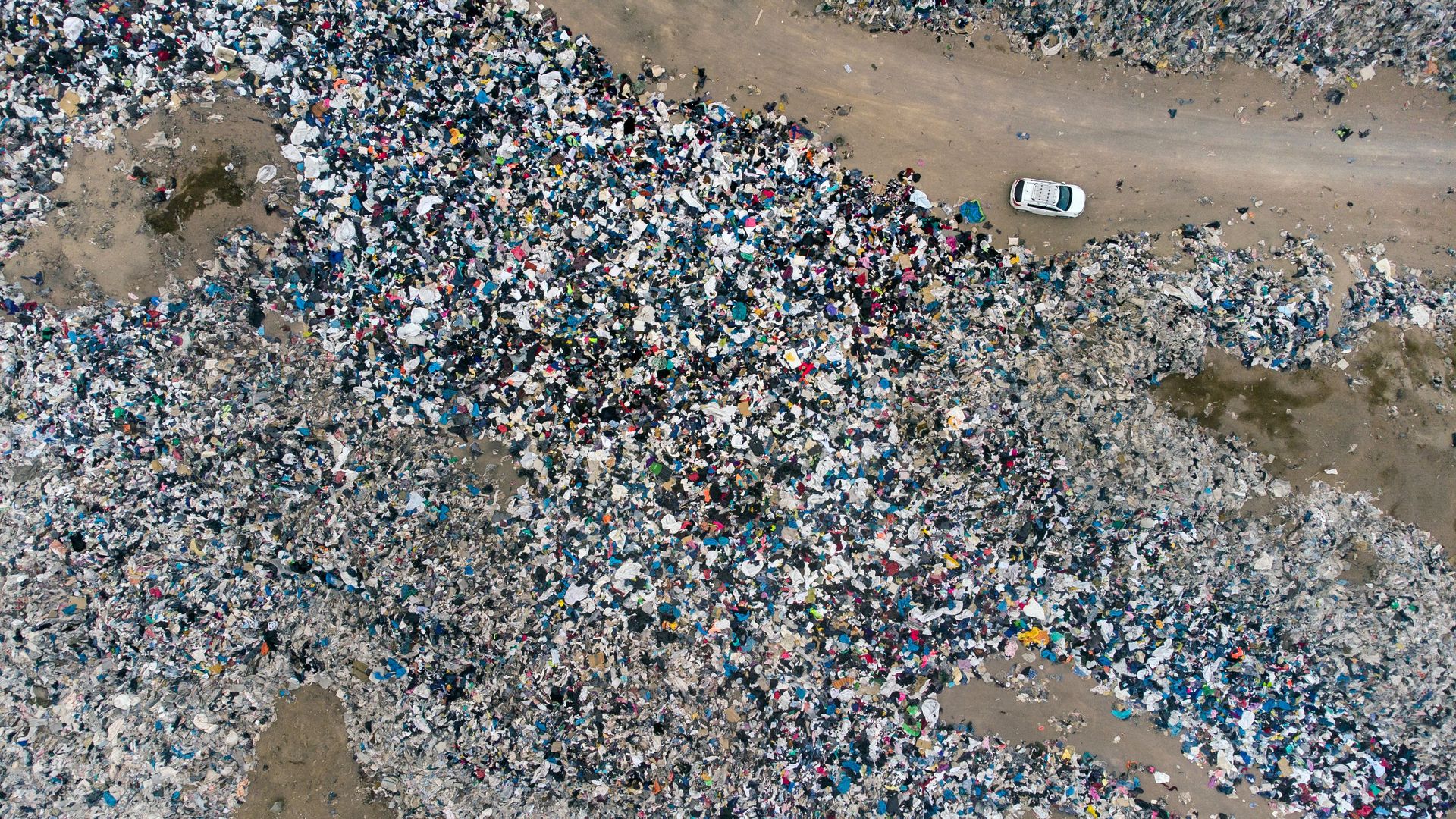
Chile’s Atacama Desert hasbecome a clothing graveyard, with around 35,000 tons of unsold second-hand clothing getting dumped there every year. A handful of organizations are working to reduce and reuse the polluting fabrics.
What's happening: It starts when used clothing from the U.S, Europe and Asia arrives at Iquique, a tax-free port near the desert, for resale in Chile and other Latin American countries.
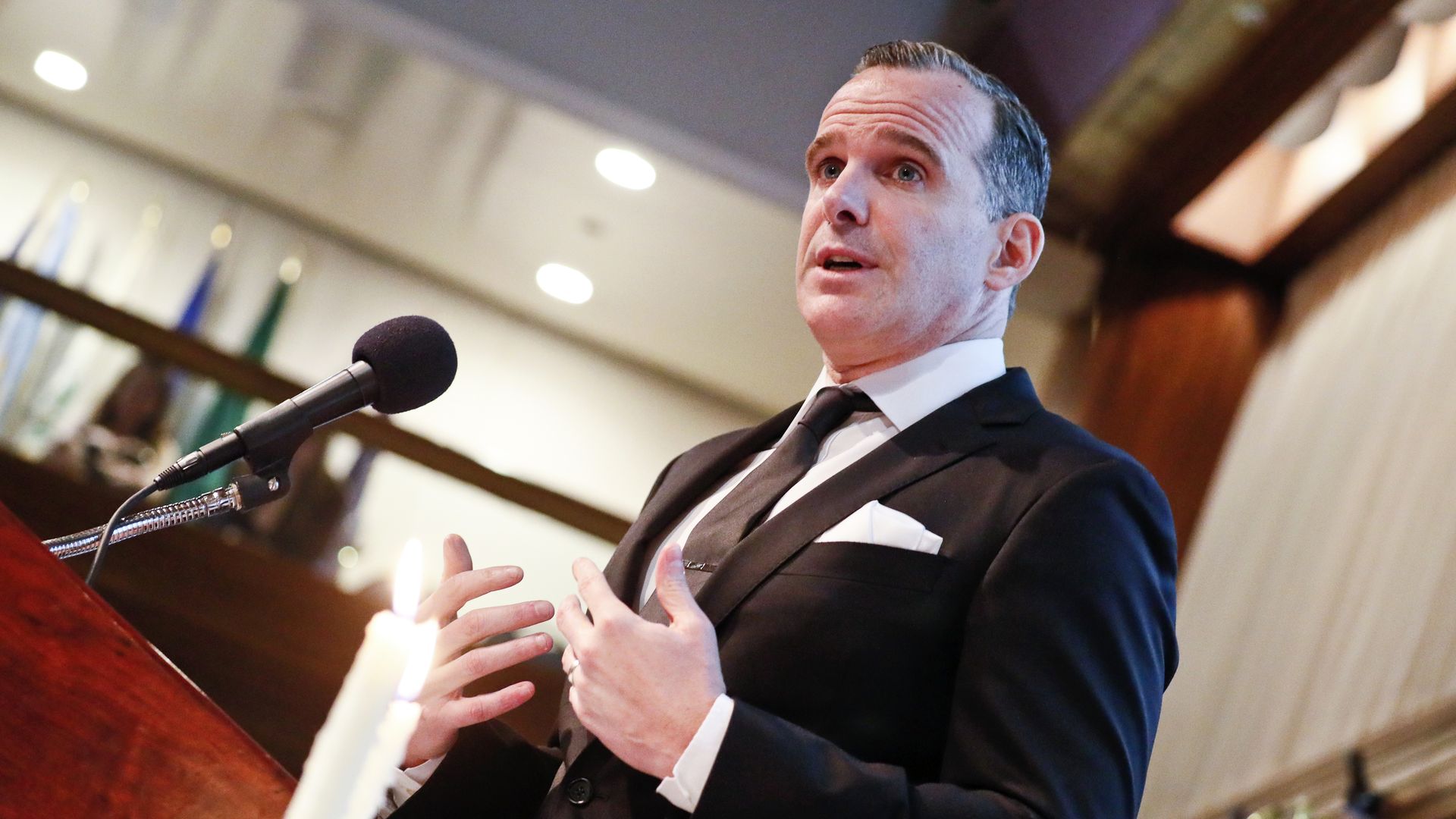
White House Middle East coordinator Brett McGurk says the U.S. and Iran "are in the ballpark of a possible deal" to return to the 2015 nuclear agreement, but he “doesn’t want to put odds on it."
Why it matters: That's the most optimistic statement from the Biden administration since the nuclear talks resumed in Vienna last December. McGurk, who was speaking at a Carnegie Endowment event, didn’t explain the reasoning behind his assessment.
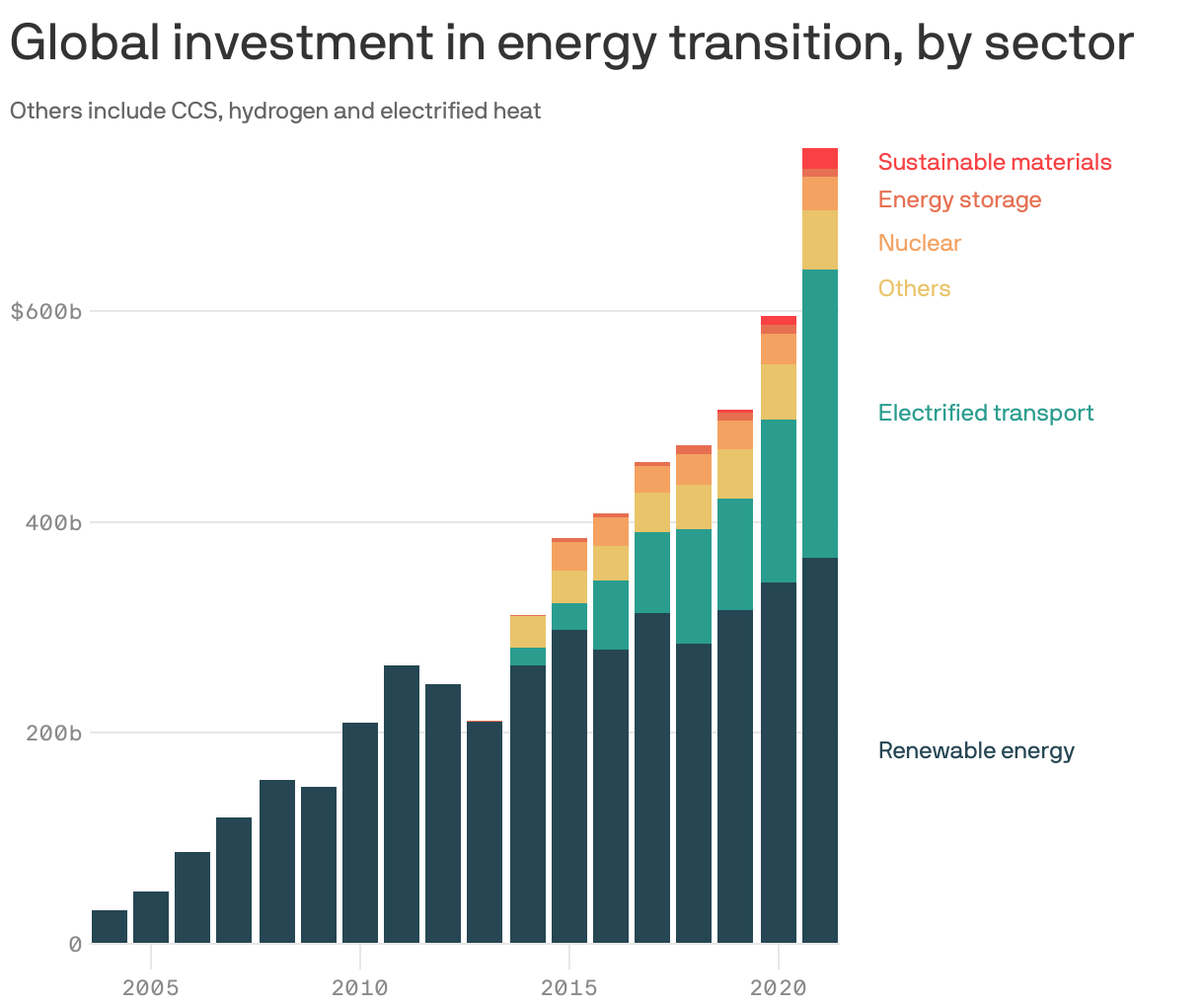
The world invested $920 billion in clean energy deployment and innovation in 2021, a record high. However, in order to meet the goal of net-zero emissions by 2050, this figure must at least triple in the next few years, warns a report out Thursday from BloombergNEF.
Why it matters: This report provides a crucial snapshot of where public and private sector money is helping to shift economies away from their reliance on fossil fuels and meet climate goals.
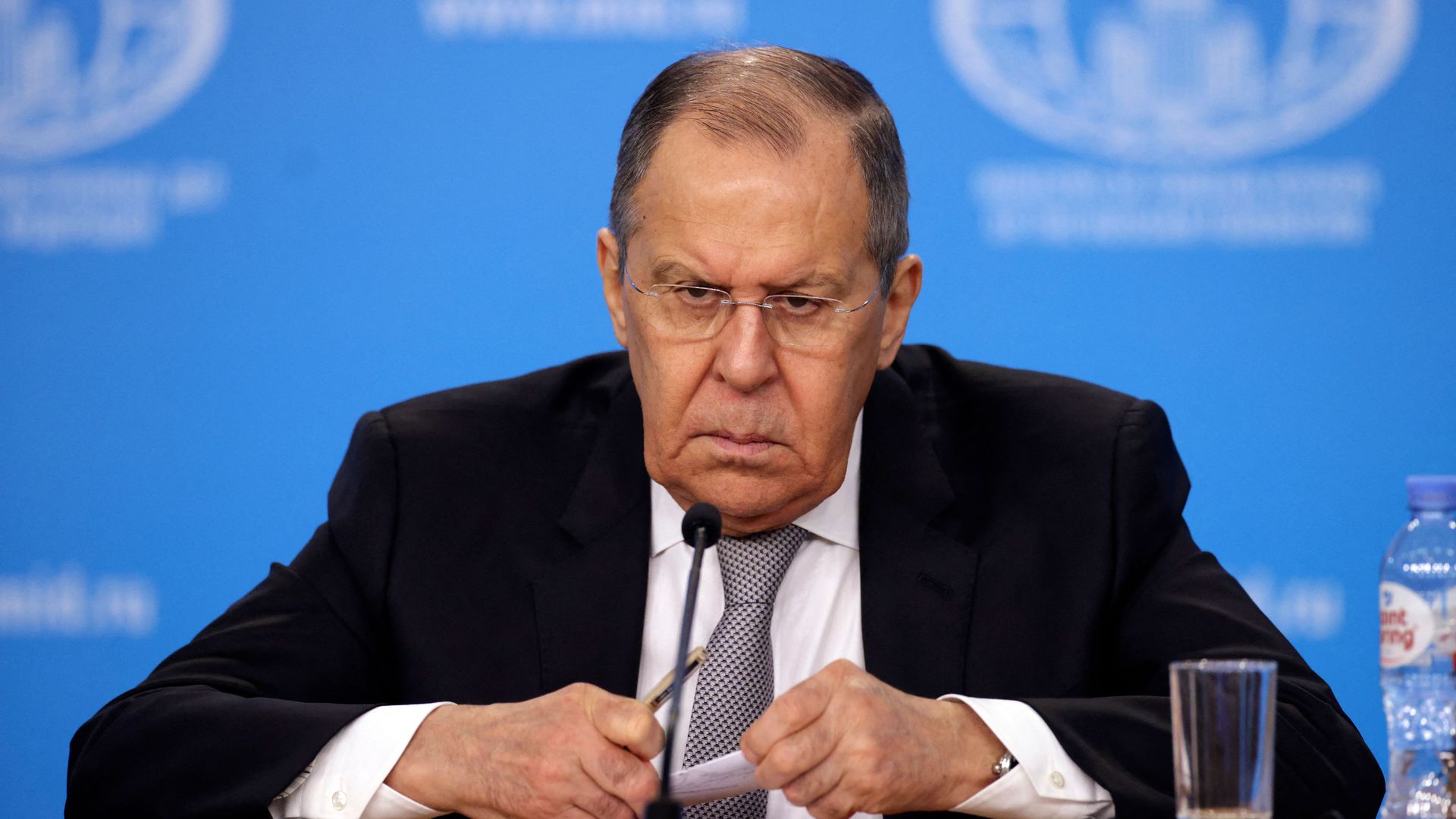
Russian Foreign Minister Sergey Lavrov said Thursday that the United States' written answers to Russia's security demands do not contain a "positive response" to the Kremlin's top priority, which is a freeze on NATO expansion, according to Russian state media.
Why it matters: A spokesperson for the Kremlin stressed that no conclusions will be drawn until Russian President Vladimir Putin has time to analyze the papers, but a lack of movement on Russia's core concerns means the crisis over Ukraine is unlikely to de-escalate.
Republicans running in high-profile primary races aren't racing to defend Ukraine against a possible Russian invasion. They're settlingon a different line of attack: Blame Biden, not Putin.
What's happening: Leery of the base, they are avoiding — and in some cases, rejecting — the tough-on-Russia rhetoric that once defined the Republican Party. GOP operatives working in 2022 primary races tell Axios they worry they'll alienate the base if they push to commit American resources to Ukraine or deploy U.S. troops to eastern Europe.
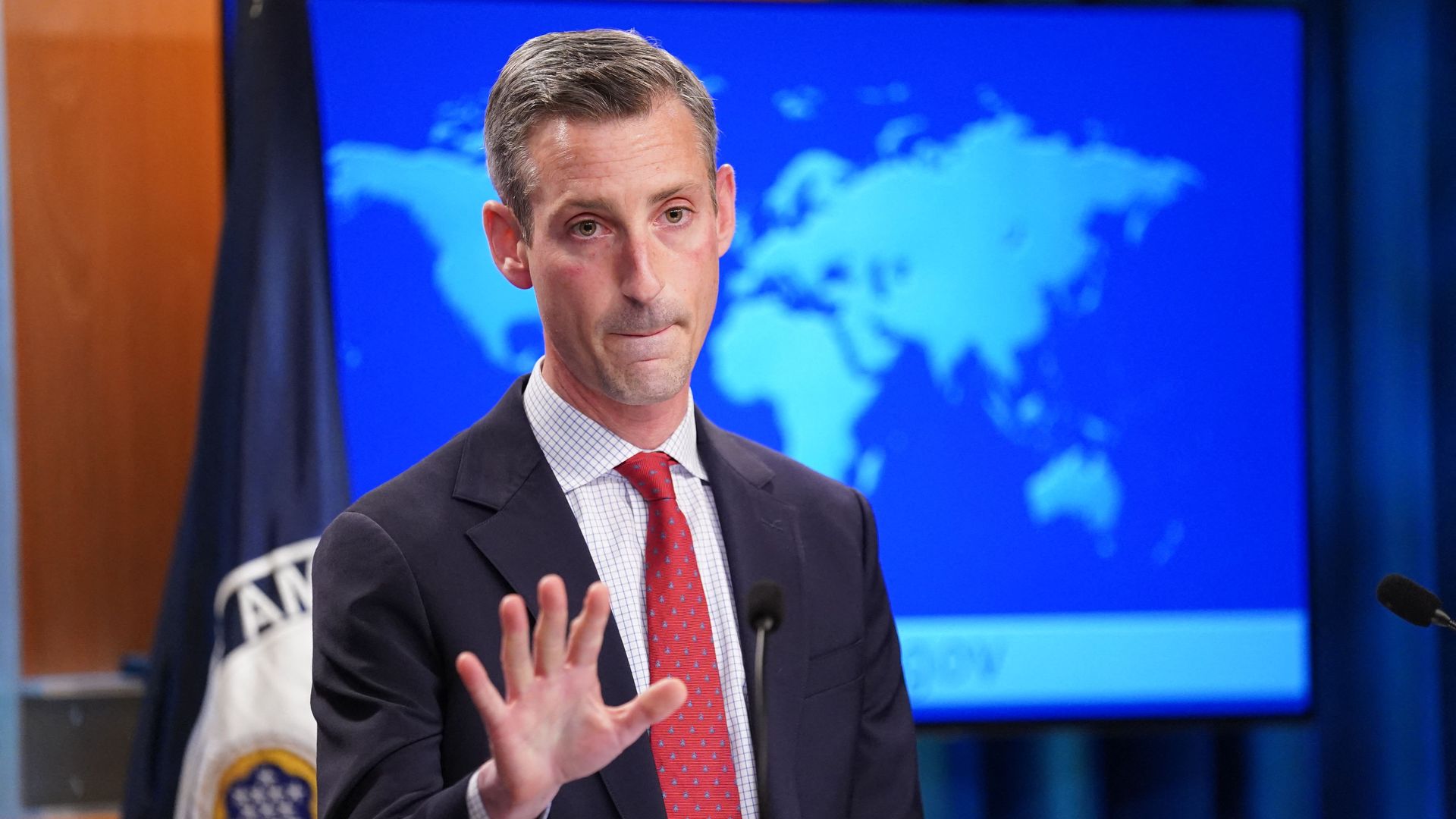
The U.S. will make sure the Nord Stream 2 gas pipeline project between Russia and Germany won't go ahead if Russian troops invade Ukraine, State Department spokesperson Ned Price told NPR on Wednesday.
Why it matters: Germany's ambassador to the U.S. appeared to support Price's strong rhetoric on the strategically significant pipeline that would circumvent Ukrainian transit infrastructure and deliver Russian gas directly to Germany, eliminating one of the last deterrents Ukraine has against an invasion, per Axios' Zachary Basu.
Asian American and Pacific Islander groups, led by Tongan Americans, wrote to President Biden Wednesday to urge his administration to ramp up aid assistance to Tonga and follow through on climate action to address root causes.
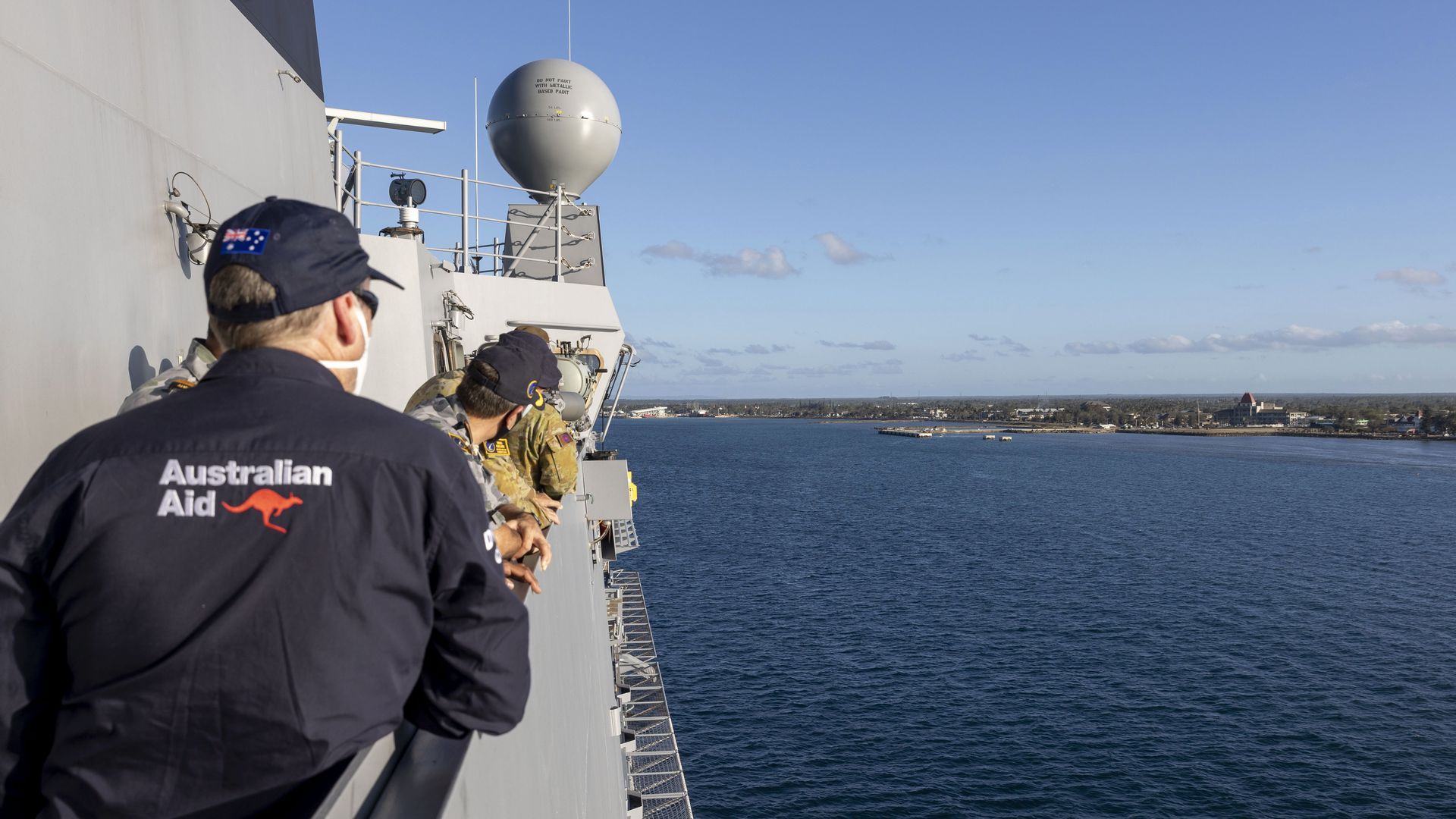
The big picture: The call came as British and Australian navy ships arrived in Tonga to deliver aid without making contact with anyone on the coronavirus-free Pacific Island nation that's been devastated by the deadly Jan. 15 volcanic eruption and tsunami.
Mentions of Ukraine or Ukrainian President Volodymyr Zelensky in congressional statements and social media posts have been on the rise — with nearly 1,000 already this month, according to data from Quorum.
Why it matters: The growing threat of a Russian invasion has been mirrored by a growth in Ukraine-related chatter.