A truck carrying gasoline exploded in northern Haiti, killing more than 60 people and wounding dozens more, local officials said Tuesday.
Driving the news: The blast occurred around midnight in Cap-Haïtien, causing significant damage to the area and "scorching everything within a hundred-yard radius," according to the New York Times.
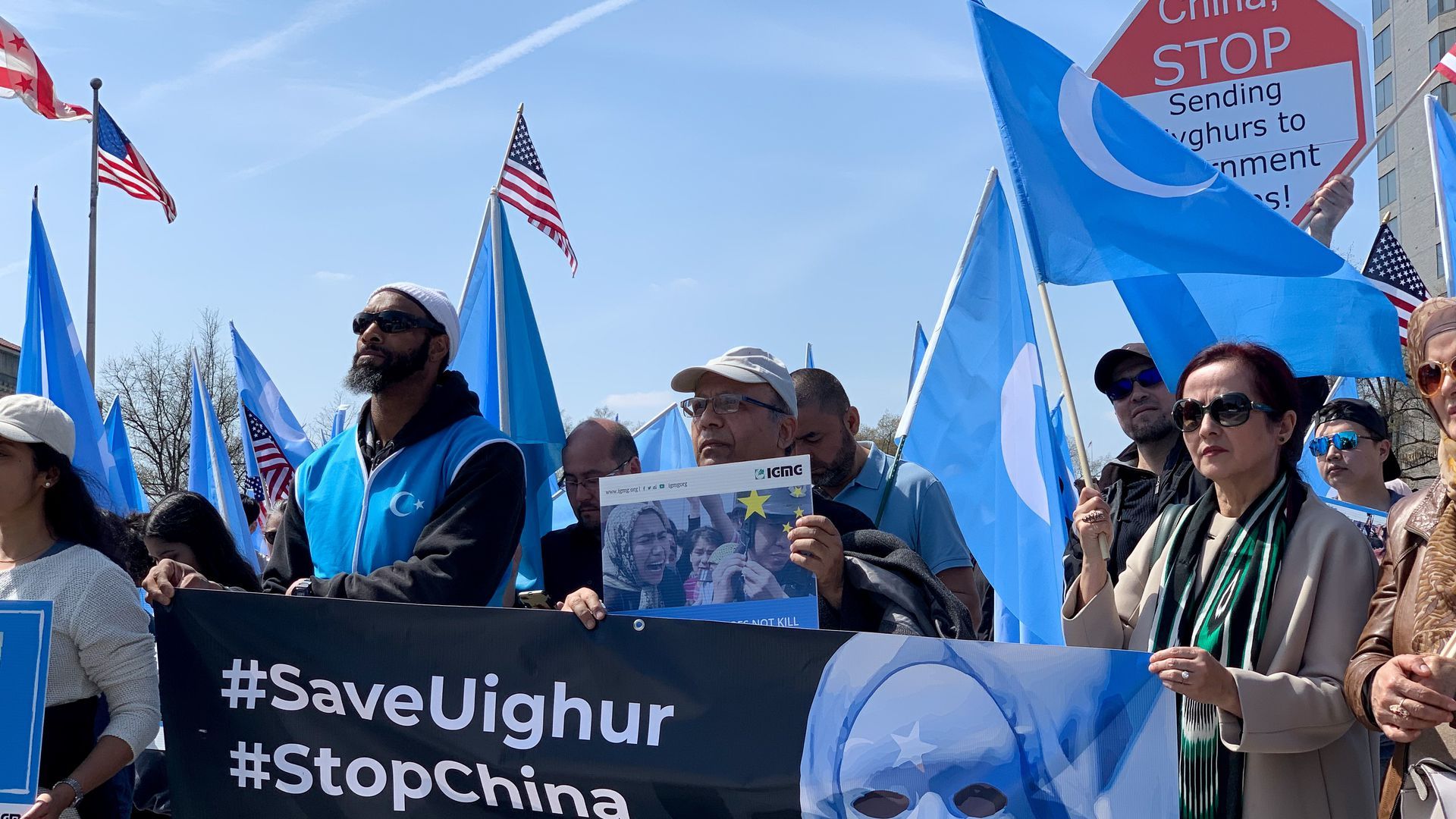
A group of more than 200 Jewish organizations, rabbis and synagogues have sent a letter to President Biden and top U.S. officials urging them to do more to oppose the Chinese government's genocide of ethnic Uyghurs, according to a copy of the letter viewed by Axios.
What they're saying: "The horror stories we are hearing of Uyghurs taken in the night, separated from their families, and put on trains to forced labor camps are all too familiar to the Jewish community," the letter's signatories state.
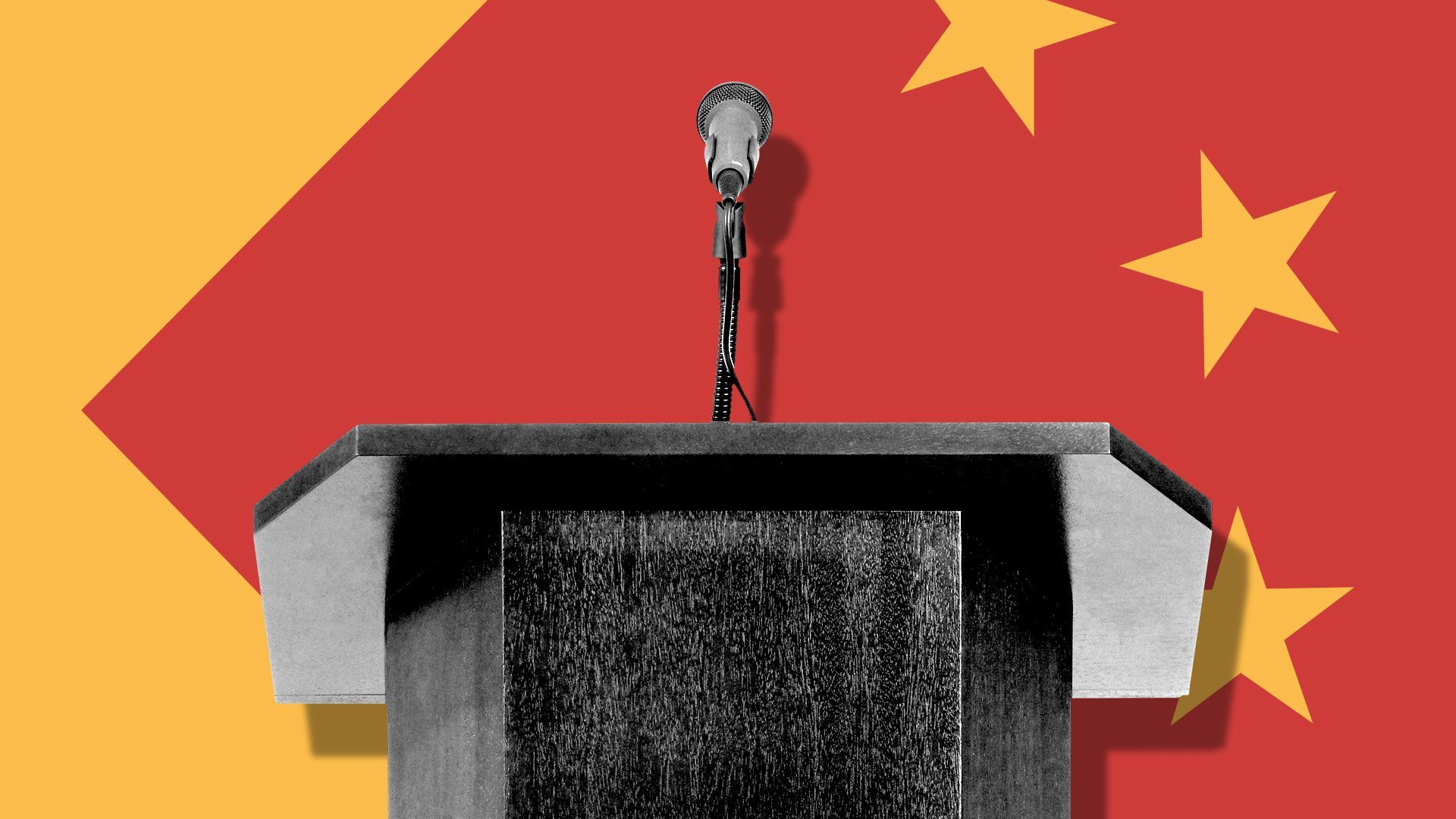
President Biden's Summit for Democracy demonstrated the resiliency of America's convening power and the appeal of democracy as an ideal. That sparked a heavy flurry of propaganda from Beijing.
Why it matters: The Chinese Communist Party is touting its "people's democratic dictatorship" model of governance as a superior alternative to liberal democracy.
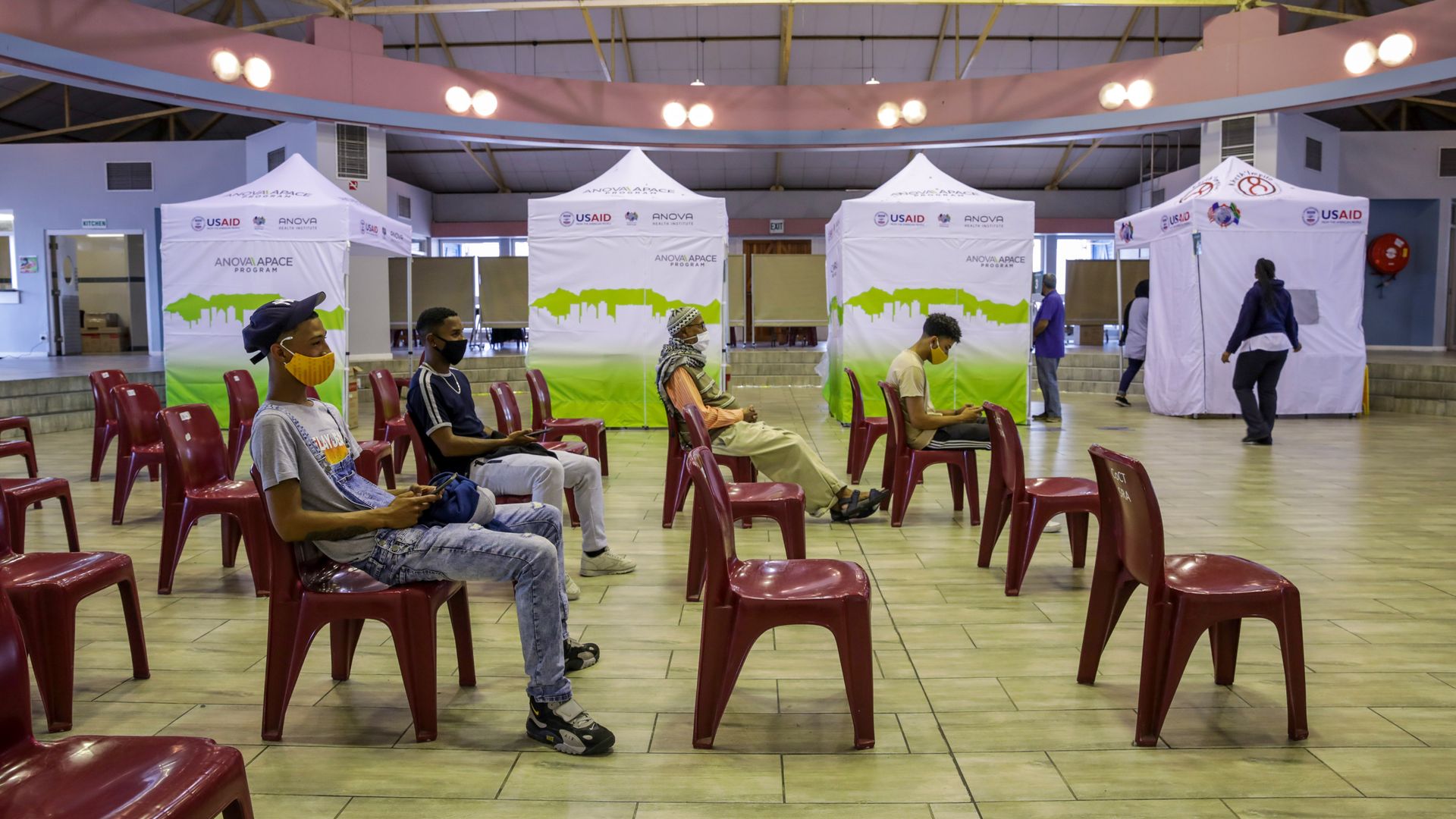
Africa may not hit the target of vaccinating 70% of the continent's population against COVID-19 until August 2024, the World Health Organization warned Tuesday.
Driving the news: The continent saw an 83% surge in new COVID-19 cases over the past week as full vaccination among residents remains low, underscoring the vast global disparity of COVID-19 vaccine access, WHO said.
The world is moving ahead with central bank digital currencies (CBDCs). The U.S., it increasingly appears, isn’t.
Driving the news: Since the summer, a host of countries leaped forward in their development of CBDCs. The largest economy in Africa — Nigeria — launched one that’s now in use. And new collaborations between nations took shape.
COVID-19 vaccine passports led to increased vaccination uptake in countries with lower coverage — particularly among younger people, according to a study published in The LancetMonday.
Why it matters: This is the first study to examine the impact of mandates that restrict access to venues such as restaurants and hair salons in response to the pandemic.
Anne Sacoolas, the wife of a U.S. diplomat accused of killing a British teenager while driving on the wrong side of the road in England, will face criminal proceedings in January, U.K. prosecutors said Monday.
The big picture: Sacoolas was charged in December 2020 with "causing death by dangerous driving" over the August 2019 crash that killed 19-year-old motorcyclist Harry Dunn near RAF Croughton, an air force base in the East Midlands used by the U.S. military.
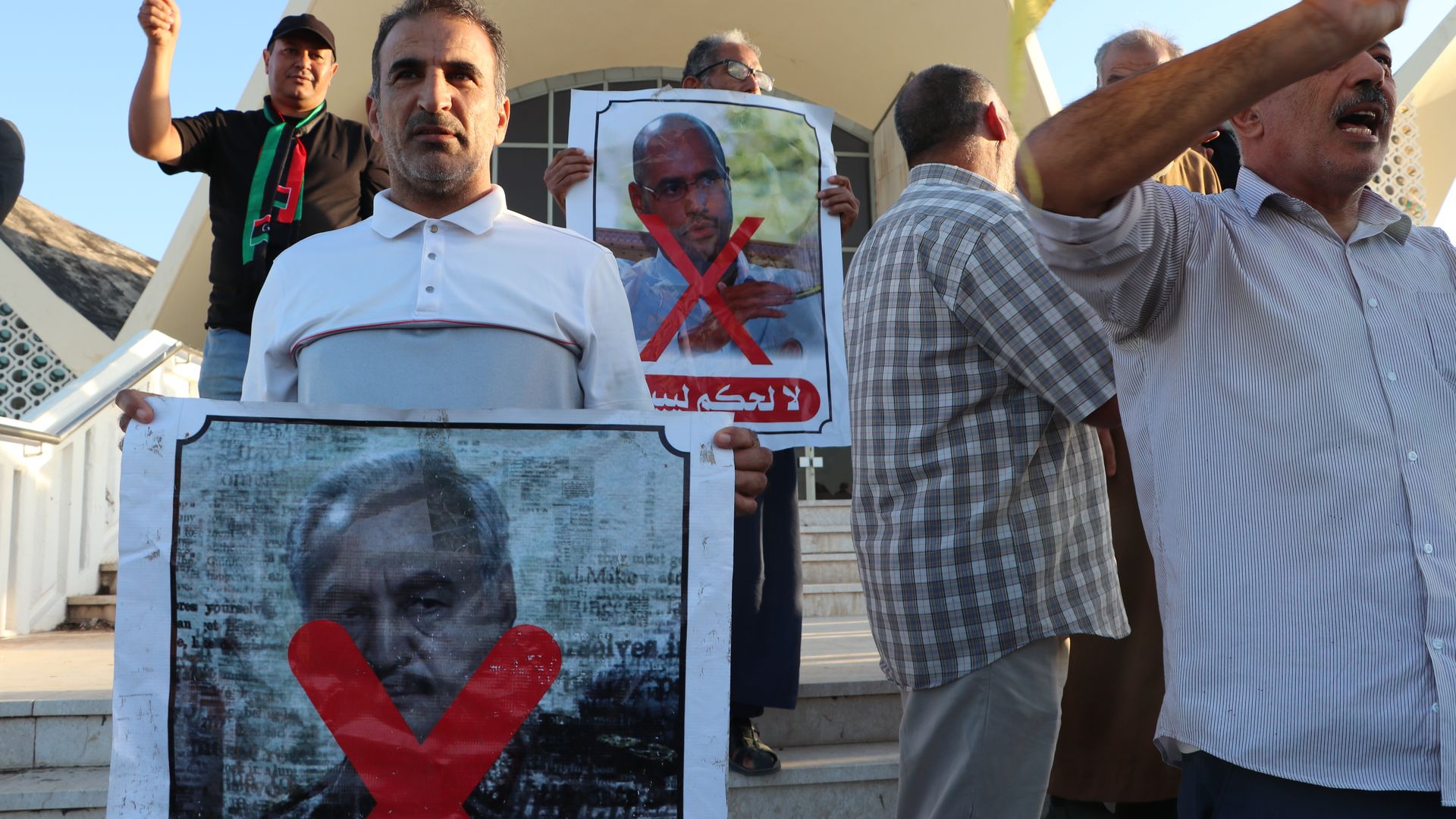
Libya’s Dec. 24 presidential election is now all but certain to be postponed due to a dispute over who can run, raising fears that a period of relative calm will soon come to an end.
Why it matters: Many feared that a rushed, winner-take-all election in the deeply divided country would spark renewed conflict. A delay carries risks of its own.
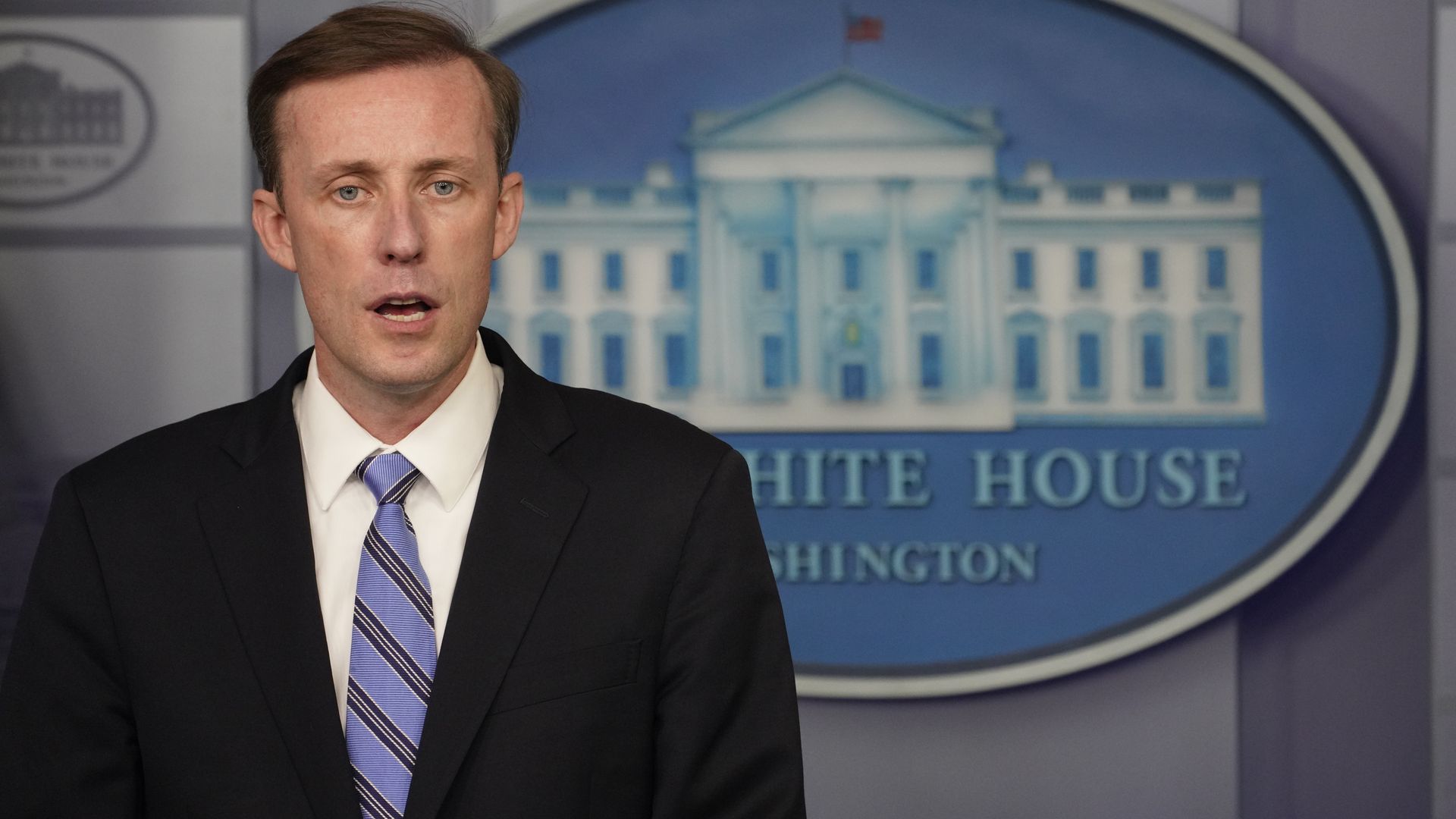
White House National Security Adviser Jake Sullivan is expected to travel to Israel next week for discussions on Iran as negotiations continue in Vienna on a possible return to the 2015 nuclear deal, three senior Israeli officials tell Axios.
Why it matters: The Israeli government is concerned that the Biden administration could opt for a “less for less” deal if the path back to the original agreement remains stuck. Israeli officials claim such a deal will give Iran sanctions relief without rolling back its nuclear program.
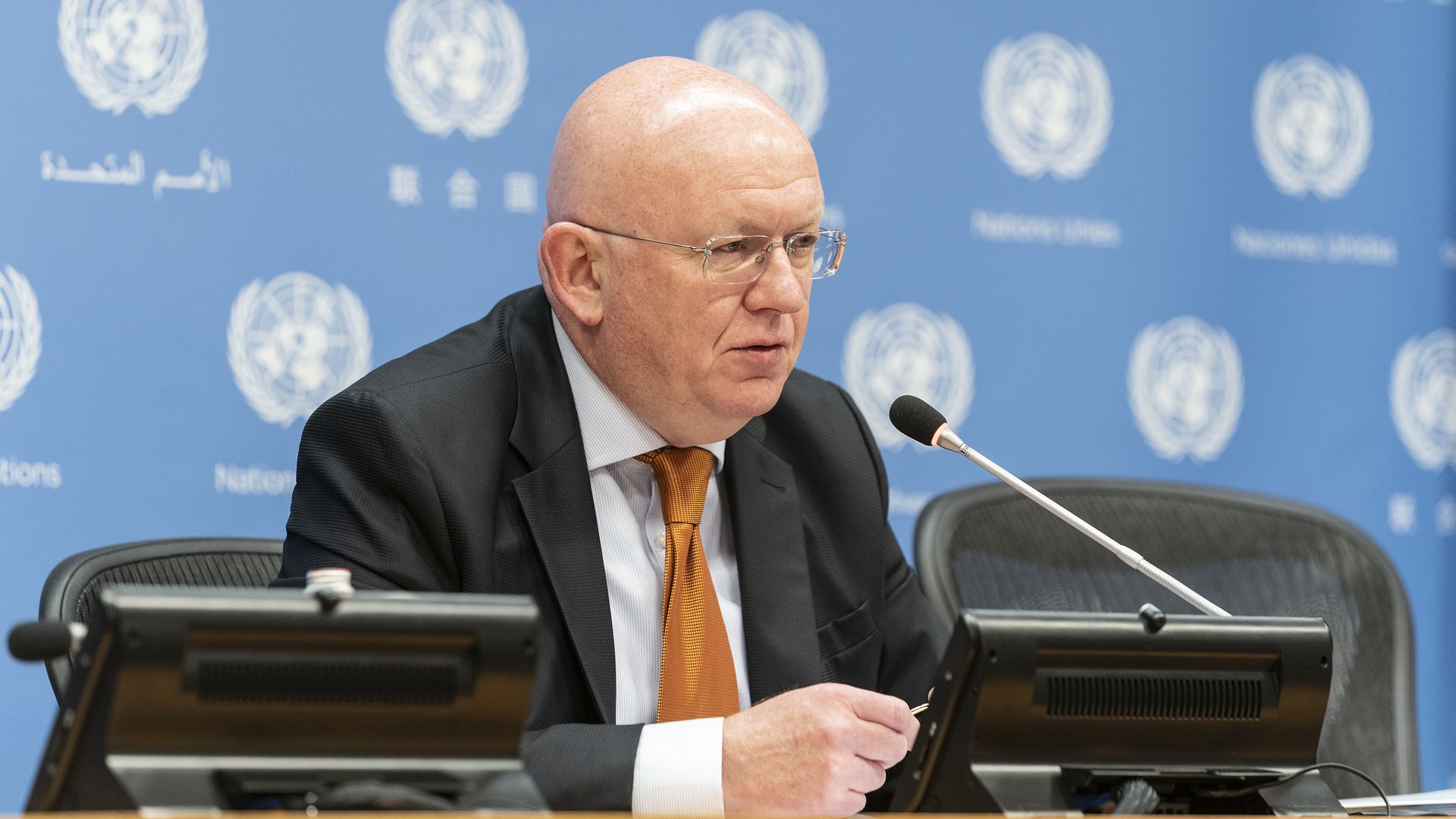
Russia on Monday blocked a UN Security Council draft resolution that moved to define climate change as a threat to international peace, AP reports.
Why it matters: The proposal, co-sponsored by Ireland and Niger, would have called for factoring information on climate-related security implications into plans "regarding conflicts, peacekeeping efforts and political decisions," per AP.
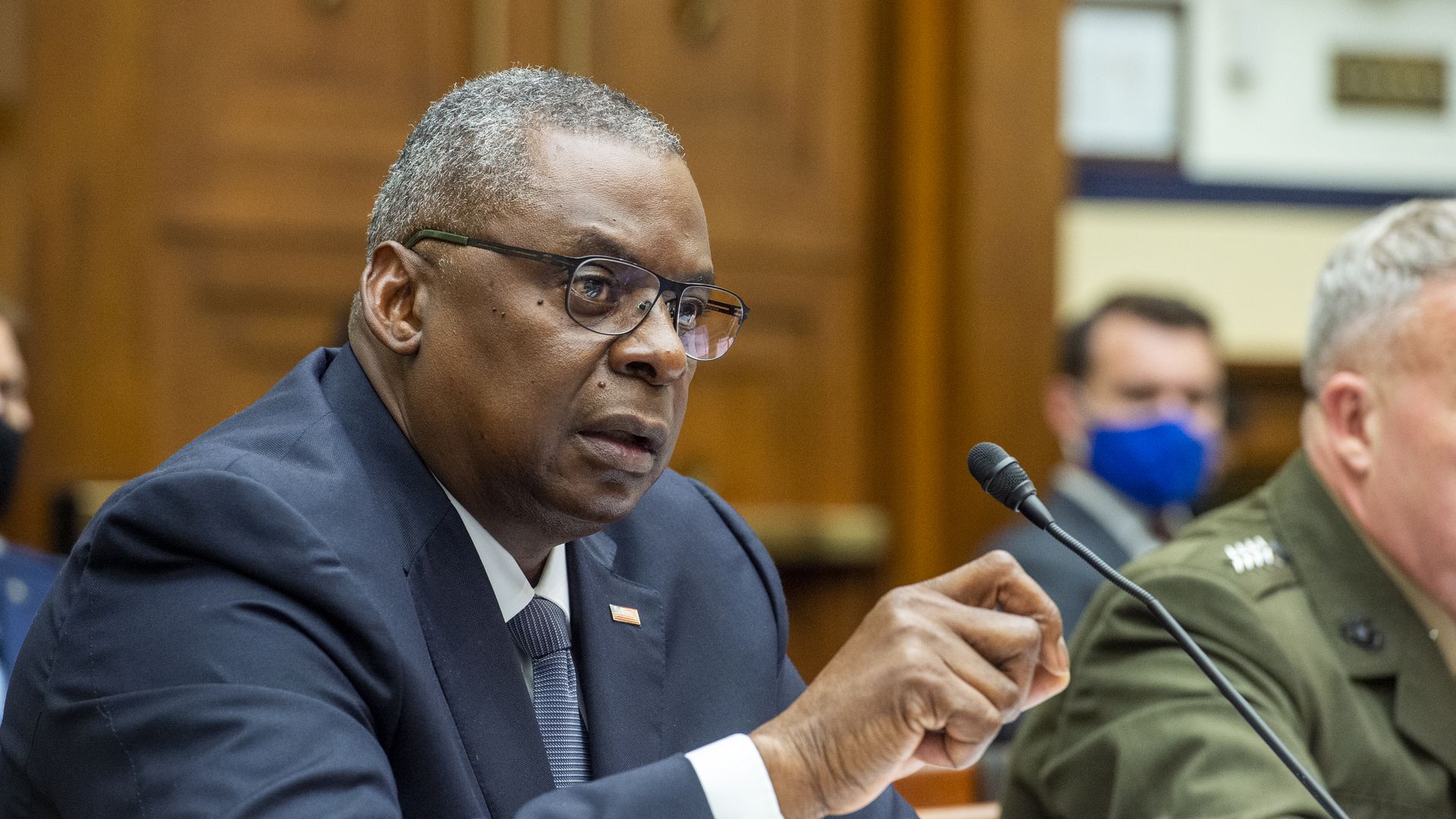
Defense officials said Monday they will not discipline any U.S. troops involved in the August airstrike that mistakenly killed 10 civilians in Kabul, AP reports.
Why it matters: U.S. officials had initially claimed the strike successfully "disrupted an imminent ISIS-K threat" but an investigation later found that it killed an aid worker along with nine members of his family.
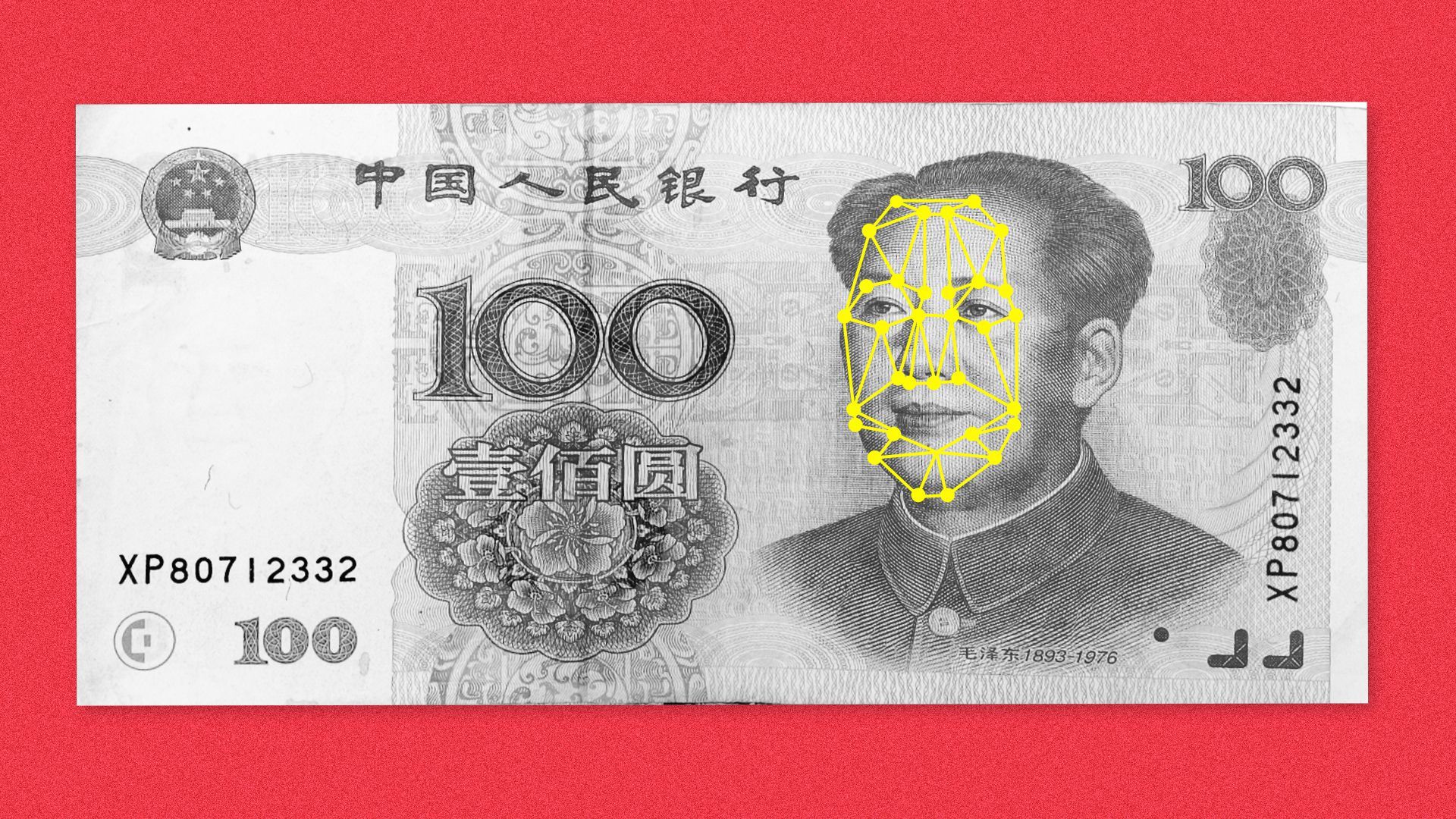
SenseTime, a Chinese developer of facial recognition technology, is delaying its Hong Kong IPO after being added to a U.S. Treasury Department blacklist of "Chinese military-industrial companies."
Why it matters: This is China's most highly valued AI company, fetching a $13 billion mark after being placed on a different U.S. government blacklist for its alleged involvement in human rights abuses against Uyghur Muslims. That original designation prevented SenseTime from doing business with U.S. companies, whereas the new one prevents U.S. investors from buying or selling its listed shares.
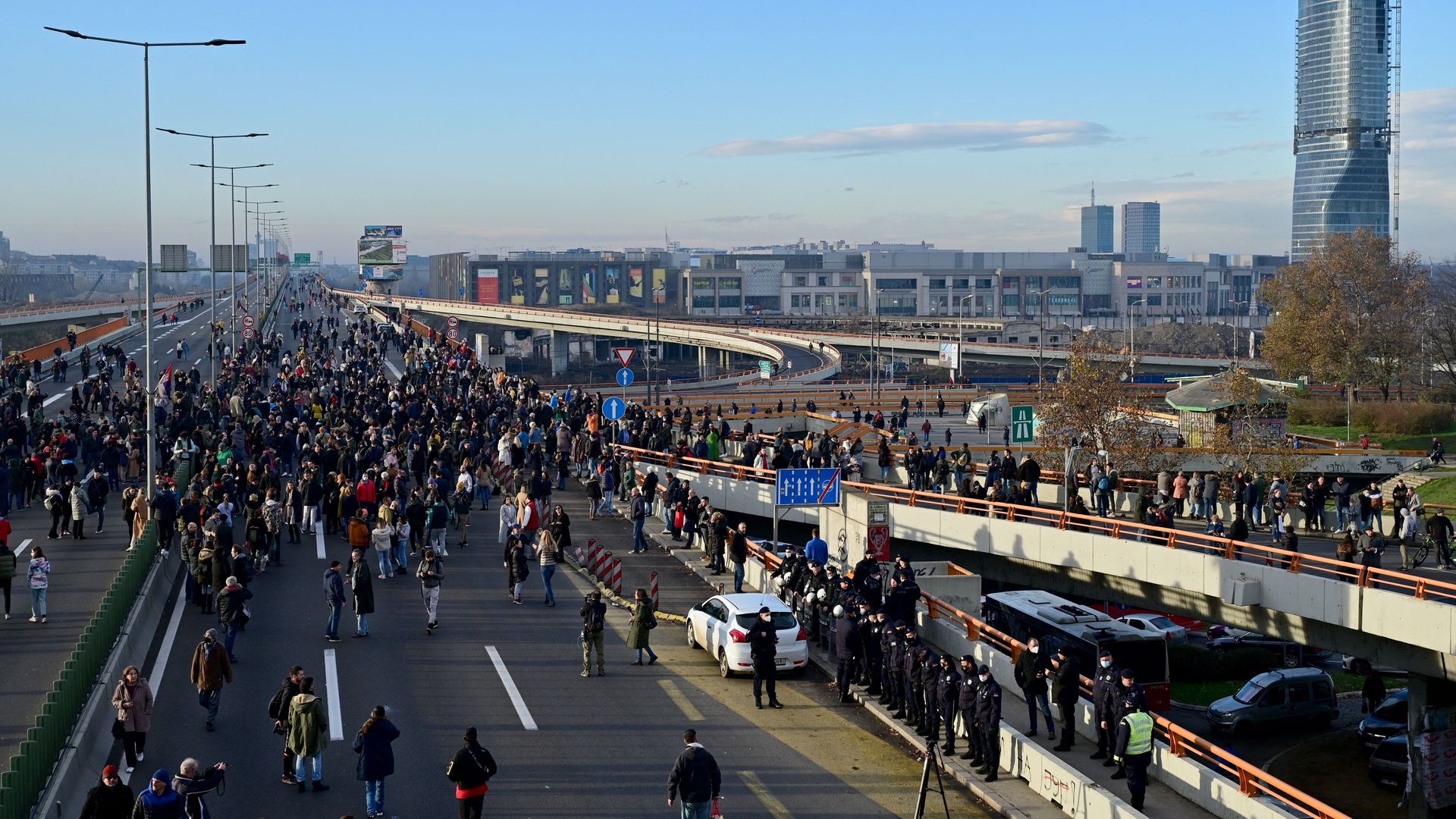
Thousands of protesters across Serbia blocked roadways and bridges for the third consecutive weekend over the government's environmental policies, including a proposal for a new lithium mine that activists say would wreak havoc on the country's already extremely polluted environment.
Why it matters: These are some of the largest anti-government protests President Aleksandar Vučić's government has seen in years, and come ahead of April's general election.
This story comes from the new season of the “How it Happened” podcast.Subscribe to listento the whole story, including audio recordings of a never before-heard interview with Donald Trump.
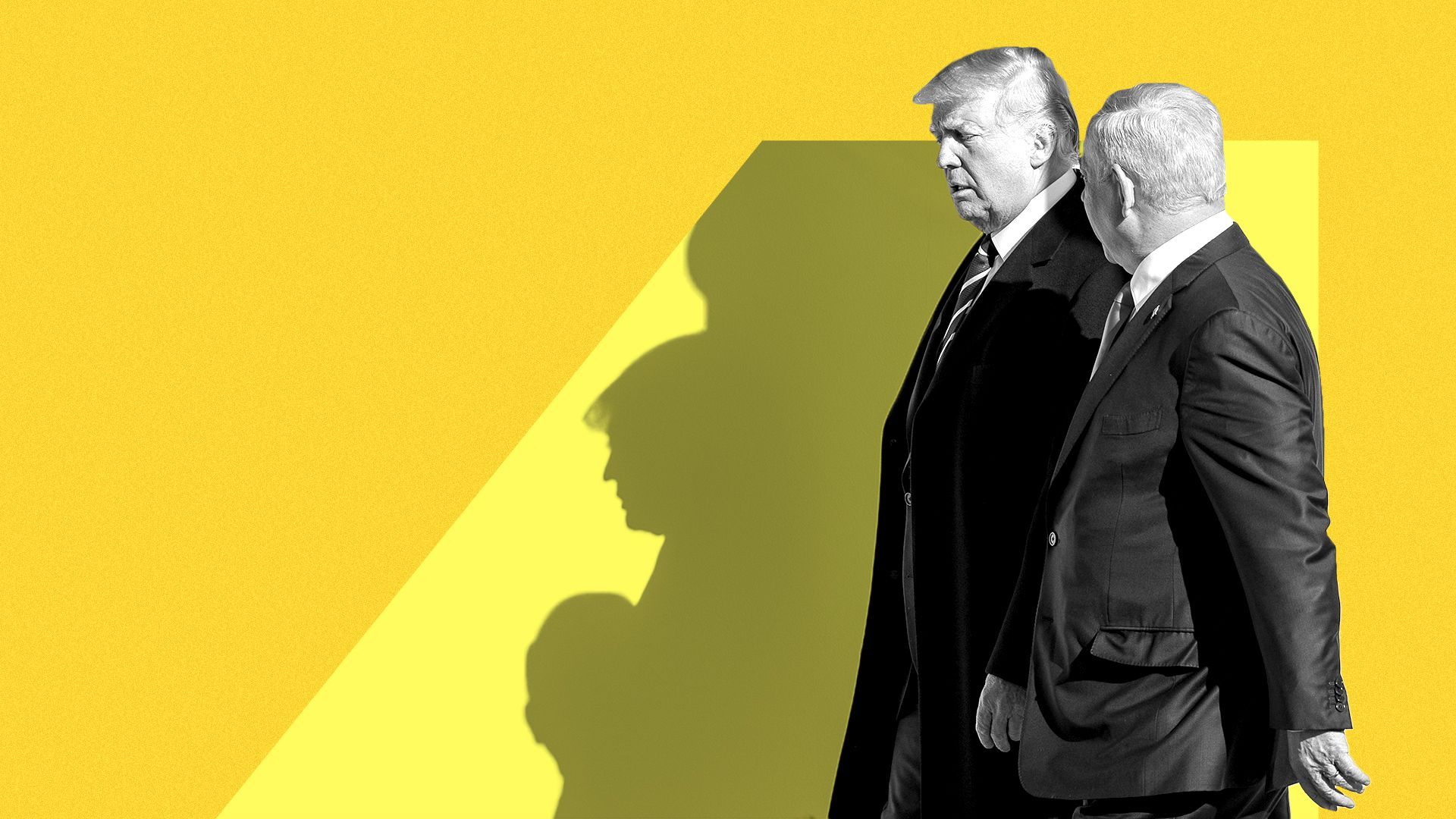
Former President Donald Trump contends that one big reason his "ultimate deal" between the Israelis and Palestinians collapsed is that then-Israeli Prime Minister Benjamin Netanyahu never wanted to make peace.
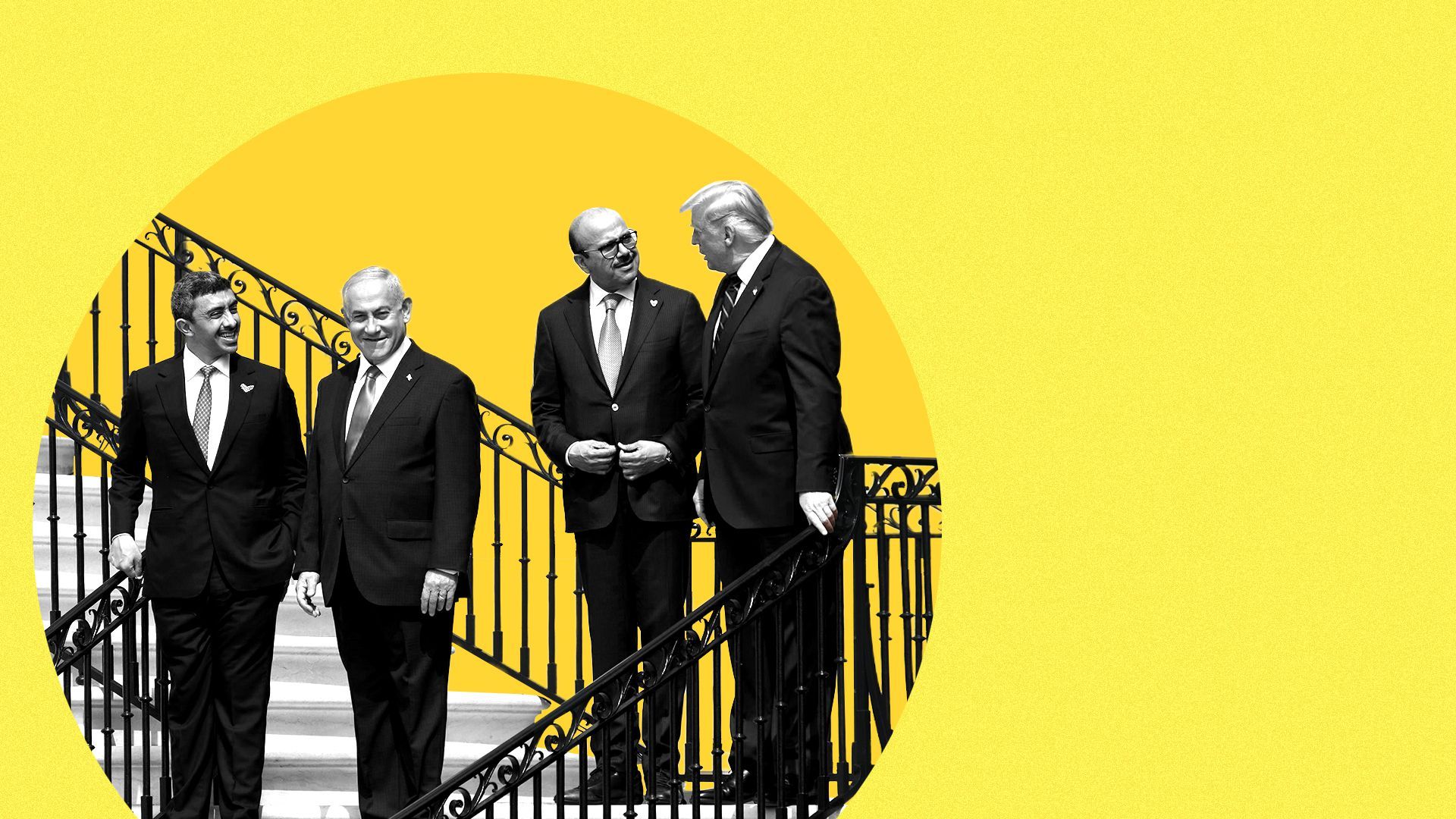
The big picture: Trump went from a failed Middle East peace plan to four normalization deals between Israel and Arab states within the span of one chaotic, tension-filled year. This behind-the-scenes account of how that happened is based on interviews with Trump and nearly all of the other key players.
The day before a historic diplomatic deal between Israel and the United Arab Emirates was to be signed in August 2020, then-Israeli Prime Minister Benjamin Netanyahu tried to back out.
Why it matters: The Abraham Accords would be seen as both Netanyahu's and Donald Trump's biggest foreign policy achievement. They came about through brinksmanship, tension-filled meetings, angry phone calls and agile diplomacy, all sparked by Netanyahu's threat to annex parts of the occupied West Bank.
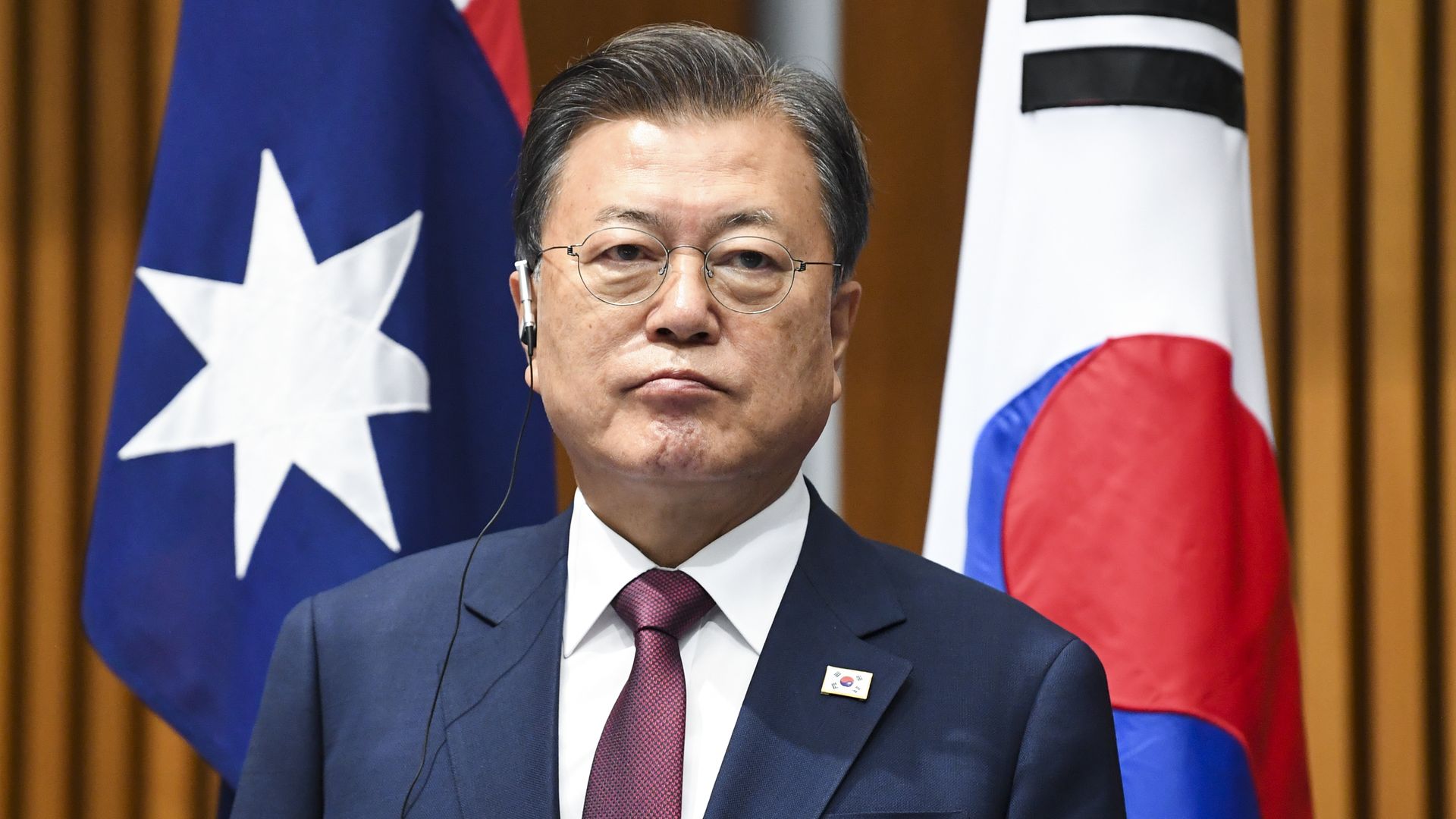
South Korean President Moon Jae-in said Monday the U.S., North Korea, his country and China have agreed "in principle" to declare a formal end to the Korean War. But they've yet to meet on the matter due to Pyongyang's demands.
Why it matters: Moon believes the move would help restart stalled negotiations between the countries on Pyongyang's denuclearization. A State Department spokesperson said in an emailed statement that U.S. officials were "prepared to meet without preconditions."