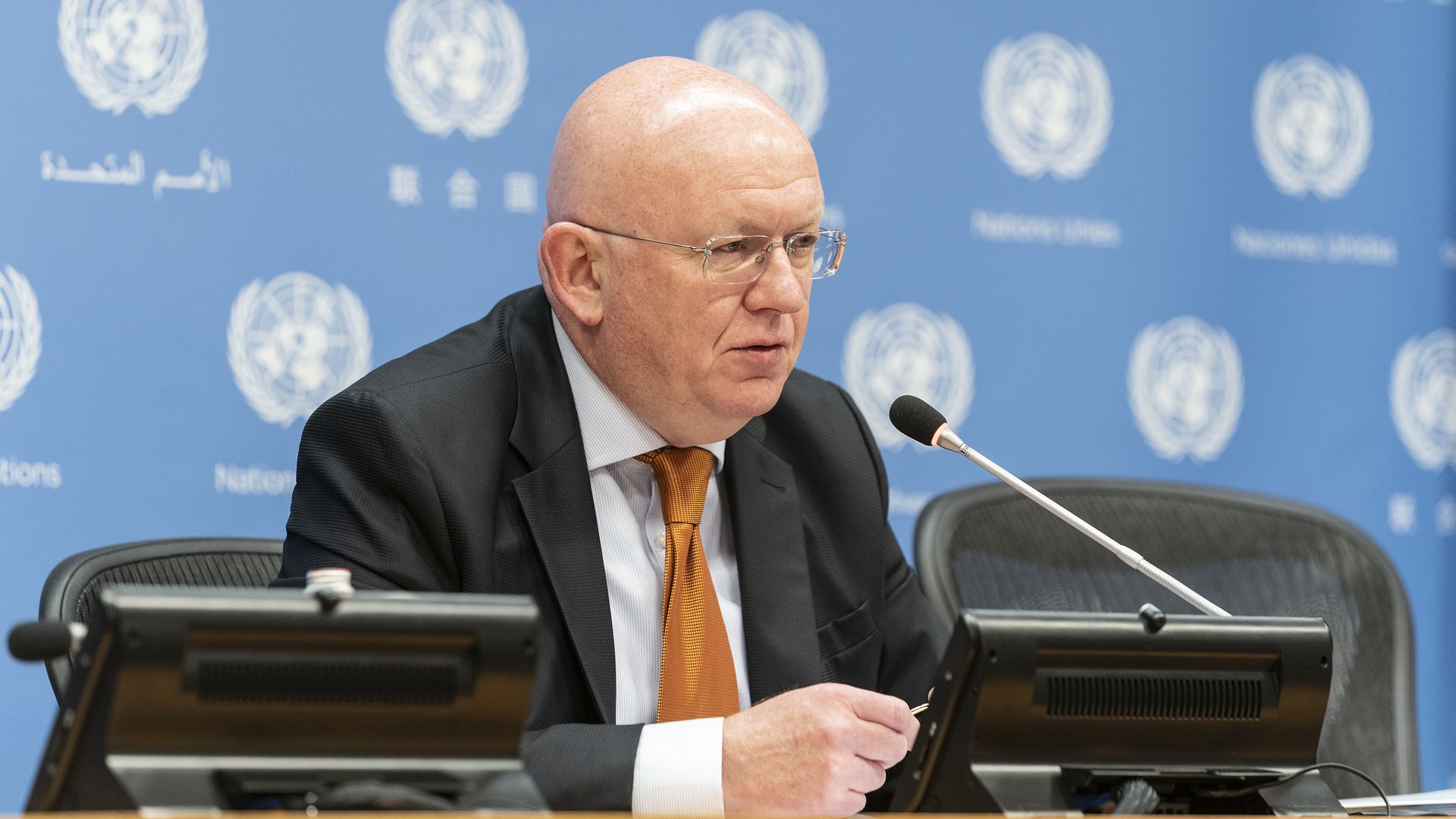
Russia on Monday blocked a UN Security Council draft resolution that moved to define climate change as a threat to international peace, AP reports.
Why it matters: The proposal, co-sponsored by Ireland and Niger, would have called for factoring information on climate-related security implications into plans "regarding conflicts, peacekeeping efforts and political decisions," per AP.
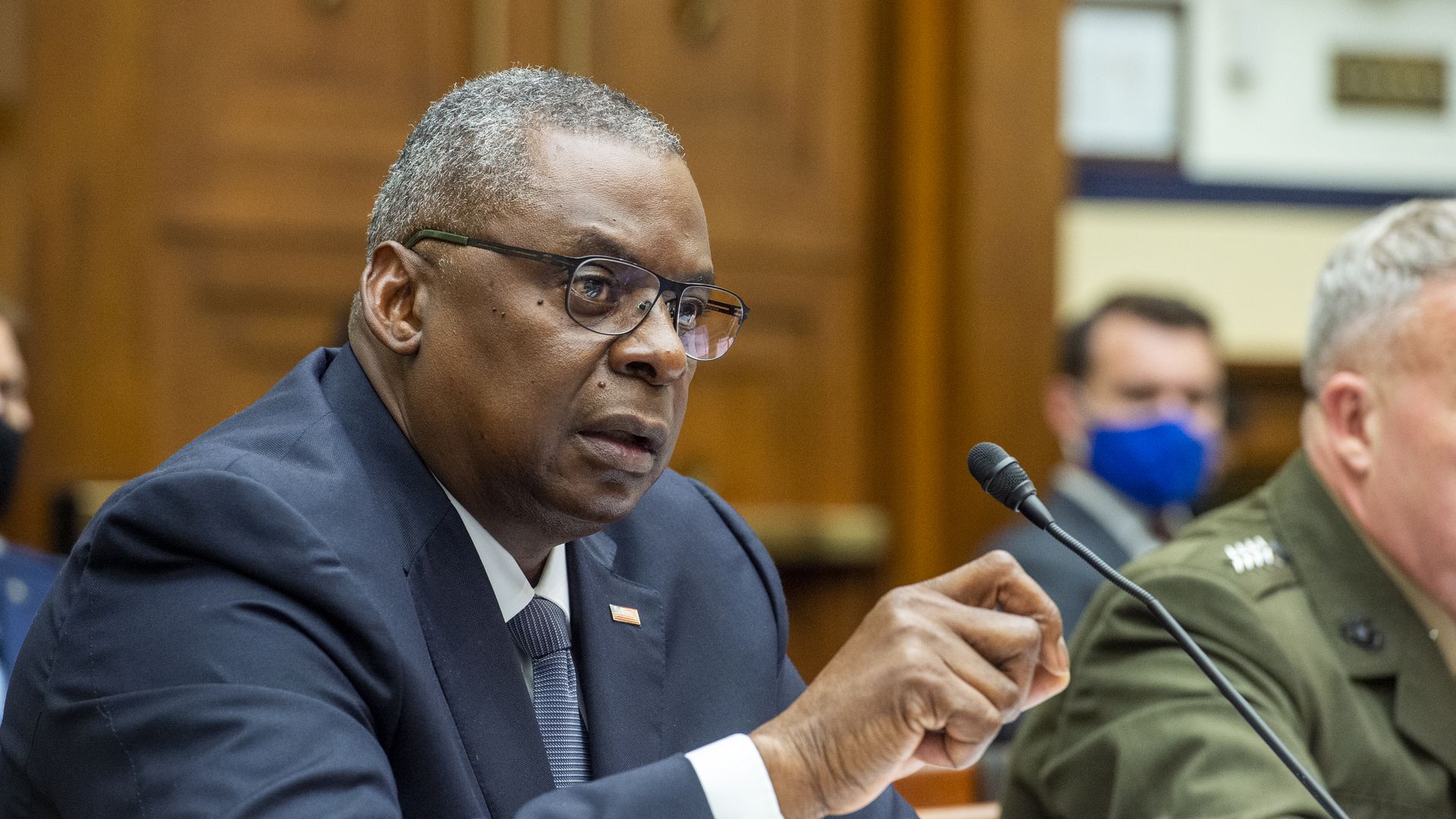
Defense officials said Monday they will not discipline any U.S. troops involved in the August airstrike that mistakenly killed 10 civilians in Kabul, AP reports.
Why it matters: U.S. officials had initially claimed the strike successfully "disrupted an imminent ISIS-K threat" but an investigation later found that it killed an aid worker along with nine members of his family.
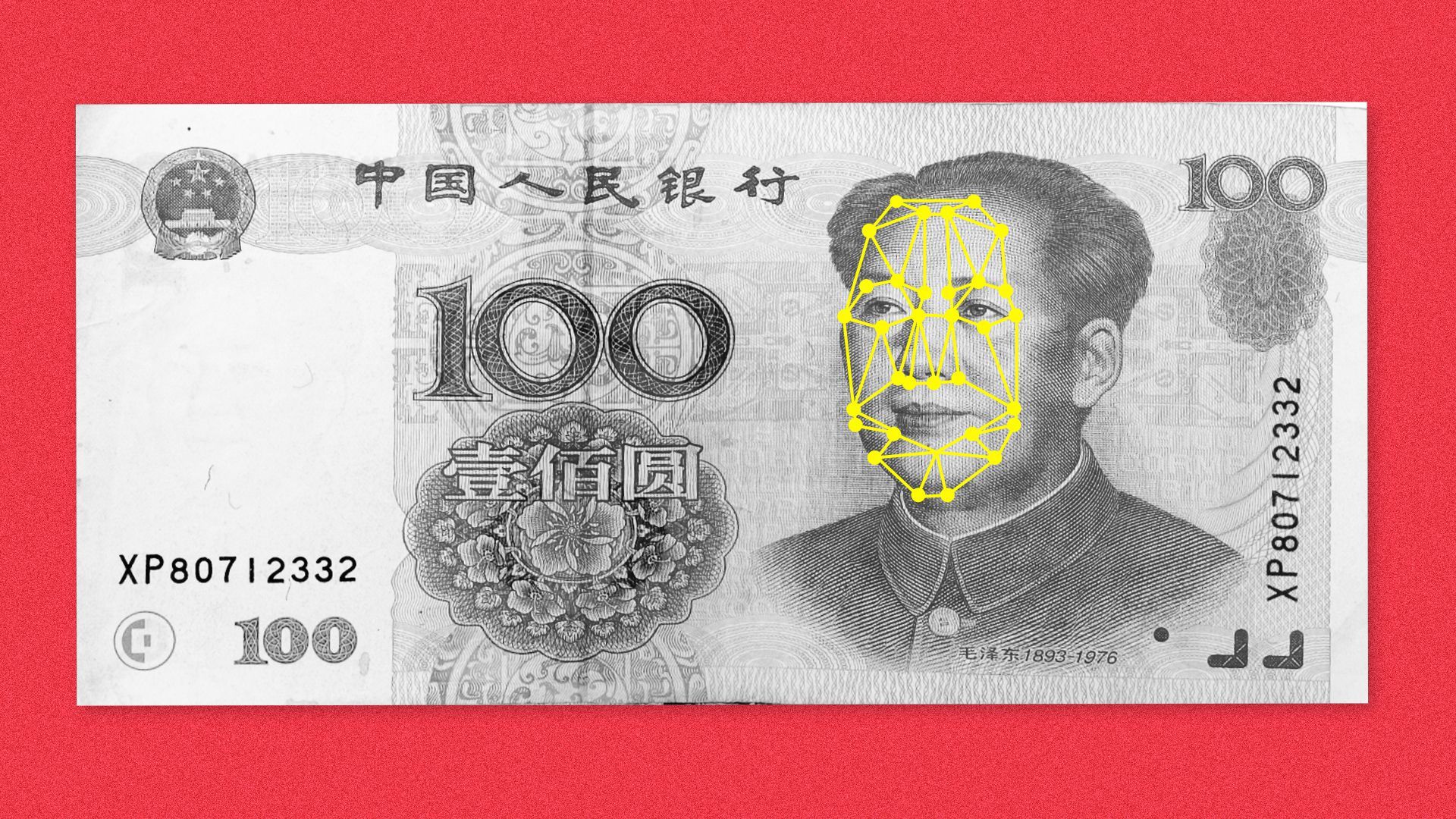
SenseTime, a Chinese developer of facial recognition technology, is delaying its Hong Kong IPO after being added to a U.S. Treasury Department blacklist of "Chinese military-industrial companies."
Why it matters: This is China's most highly valued AI company, fetching a $13 billion mark after being placed on a different U.S. government blacklist for its alleged involvement in human rights abuses against Uyghur Muslims. That original designation prevented SenseTime from doing business with U.S. companies, whereas the new one prevents U.S. investors from buying or selling its listed shares.
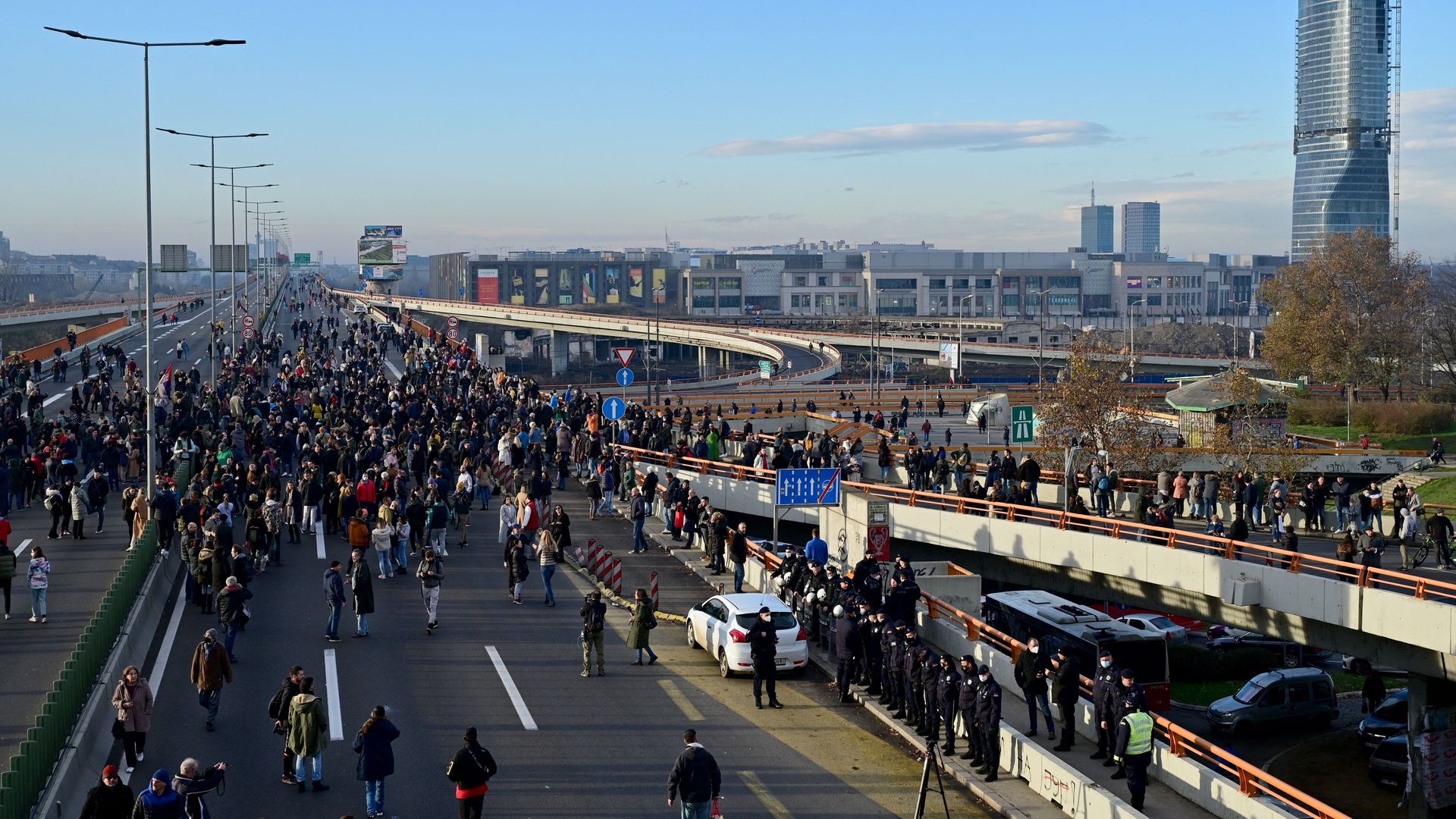
Thousands of protesters across Serbia blocked roadways and bridges for the third consecutive weekend over the government's environmental policies, including a proposal for a new lithium mine that activists say would wreak havoc on the country's already extremely polluted environment.
Why it matters: These are some of the largest anti-government protests President Aleksandar Vučić's government has seen in years, and come ahead of April's general election.
This story comes from the new season of the “How it Happened” podcast.Subscribe to listento the whole story, including audio recordings of a never before-heard interview with Donald Trump.
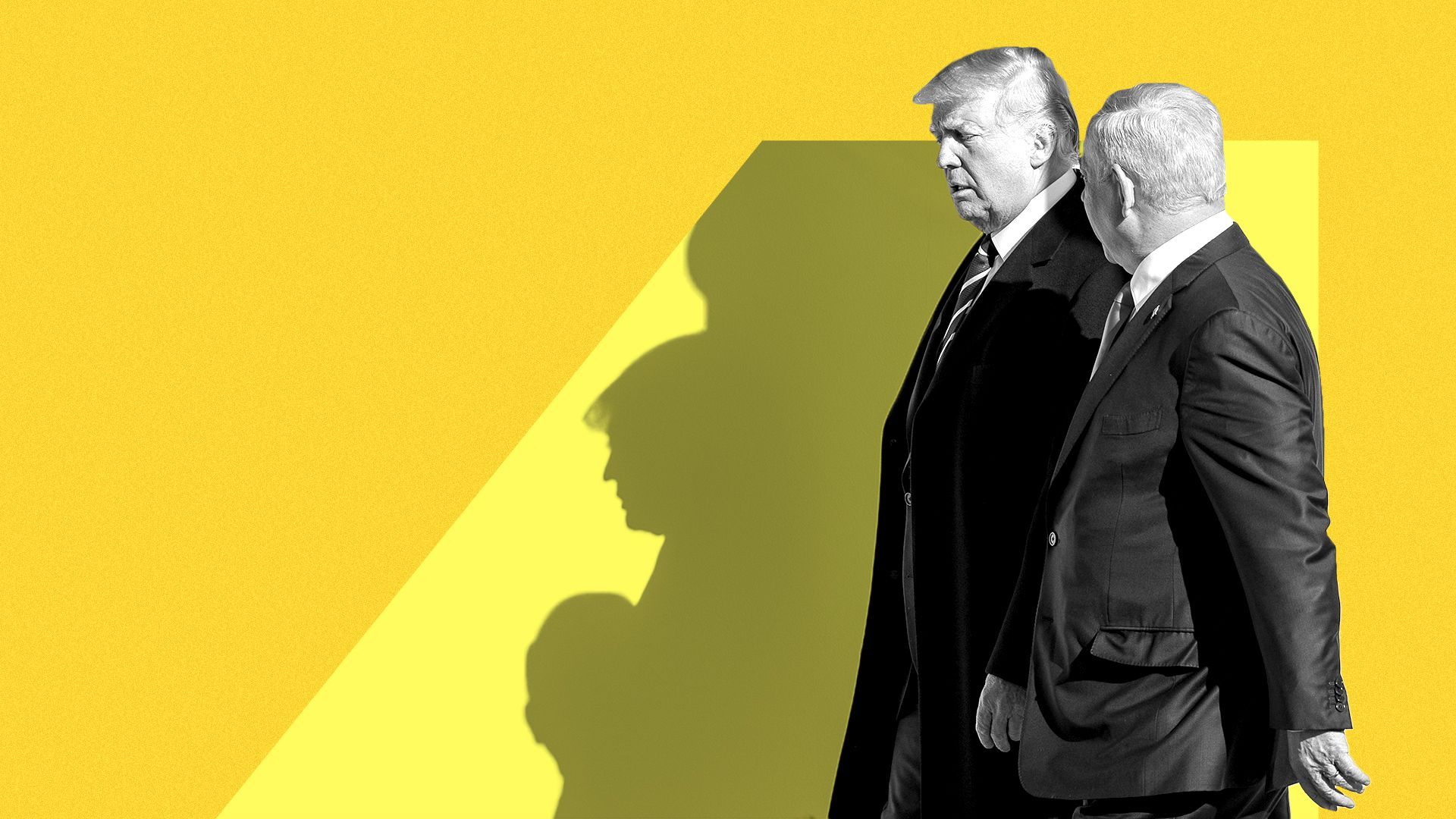
Former President Donald Trump contends that one big reason his "ultimate deal" between the Israelis and Palestinians collapsed is that then-Israeli Prime Minister Benjamin Netanyahu never wanted to make peace.
The big picture: Trump went from a failed Middle East peace plan to four normalization deals between Israel and Arab states within the span of one chaotic, tension-filled year. This behind-the-scenes account of how that happened is based on interviews with Trump and nearly all of the other key players.
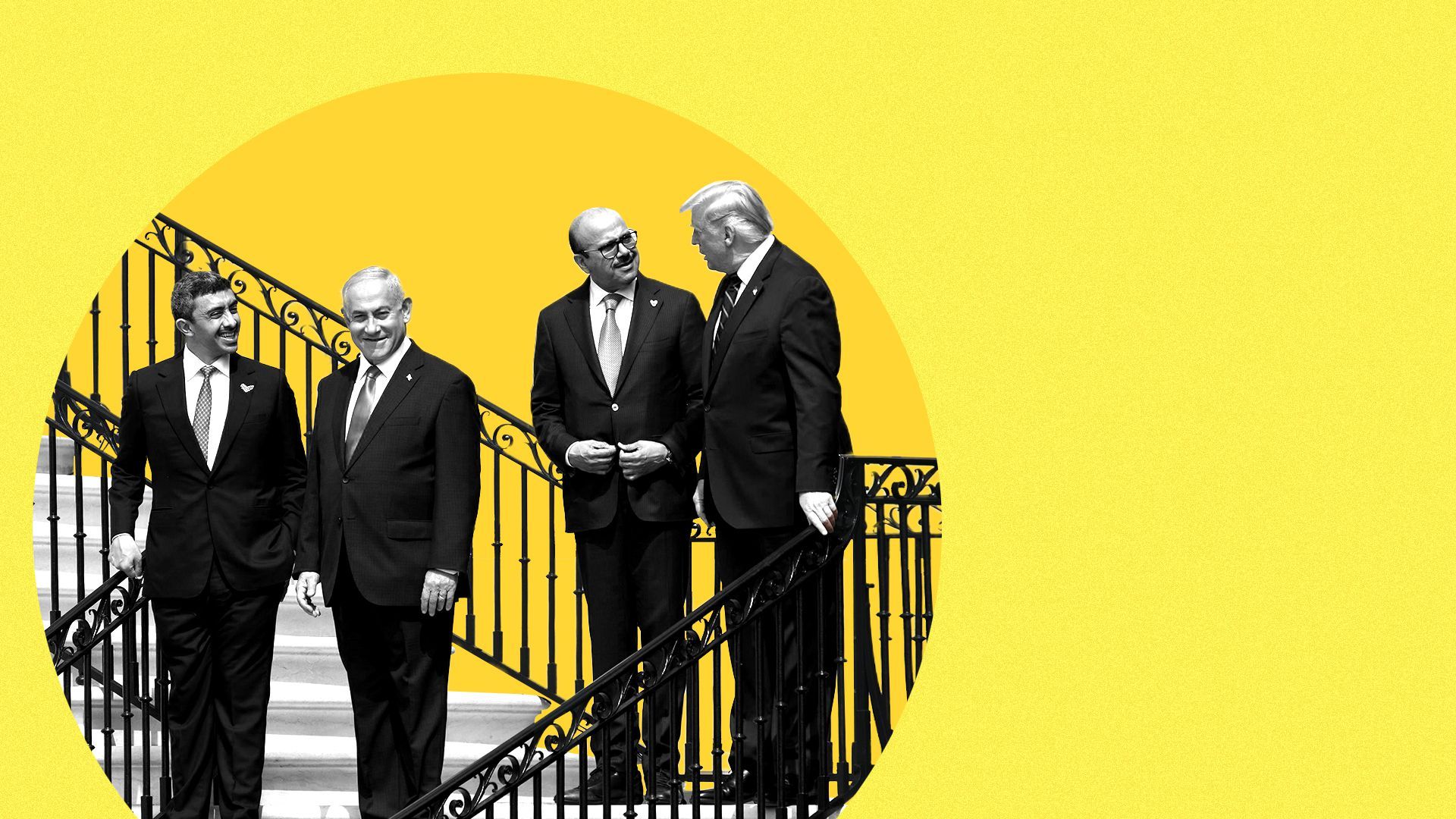
The day before a historic diplomatic deal between Israel and the United Arab Emirates was to be signed in August 2020, then-Israeli Prime Minister Benjamin Netanyahu tried to back out.
Why it matters: The Abraham Accords would be seen as both Netanyahu's and Donald Trump's biggest foreign policy achievement. They came about through brinksmanship, tension-filled meetings, angry phone calls and agile diplomacy, all sparked by Netanyahu's threat to annex parts of the occupied West Bank.
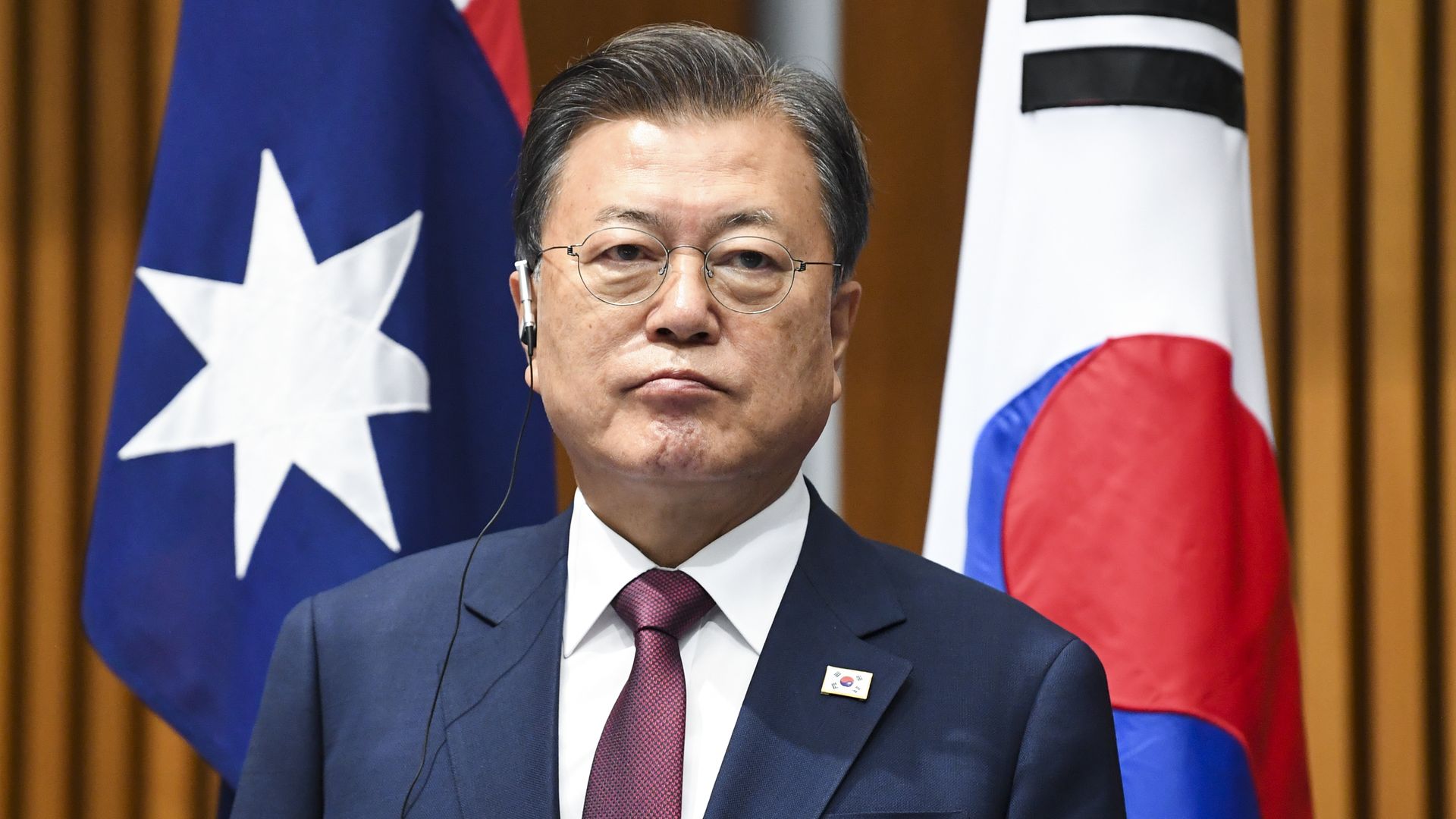
South Korean President Moon Jae-in said Monday the U.S., North Korea, his country and China have agreed "in principle" to declare a formal end to the Korean War. But they've yet to meet on the matter due to Pyongyang's demands.
Why it matters: Moon believes the move would help restart stalled negotiations between the countries on Pyongyang's denuclearization. A State Department spokesperson said in an emailed statement that U.S. officials were "prepared to meet without preconditions."
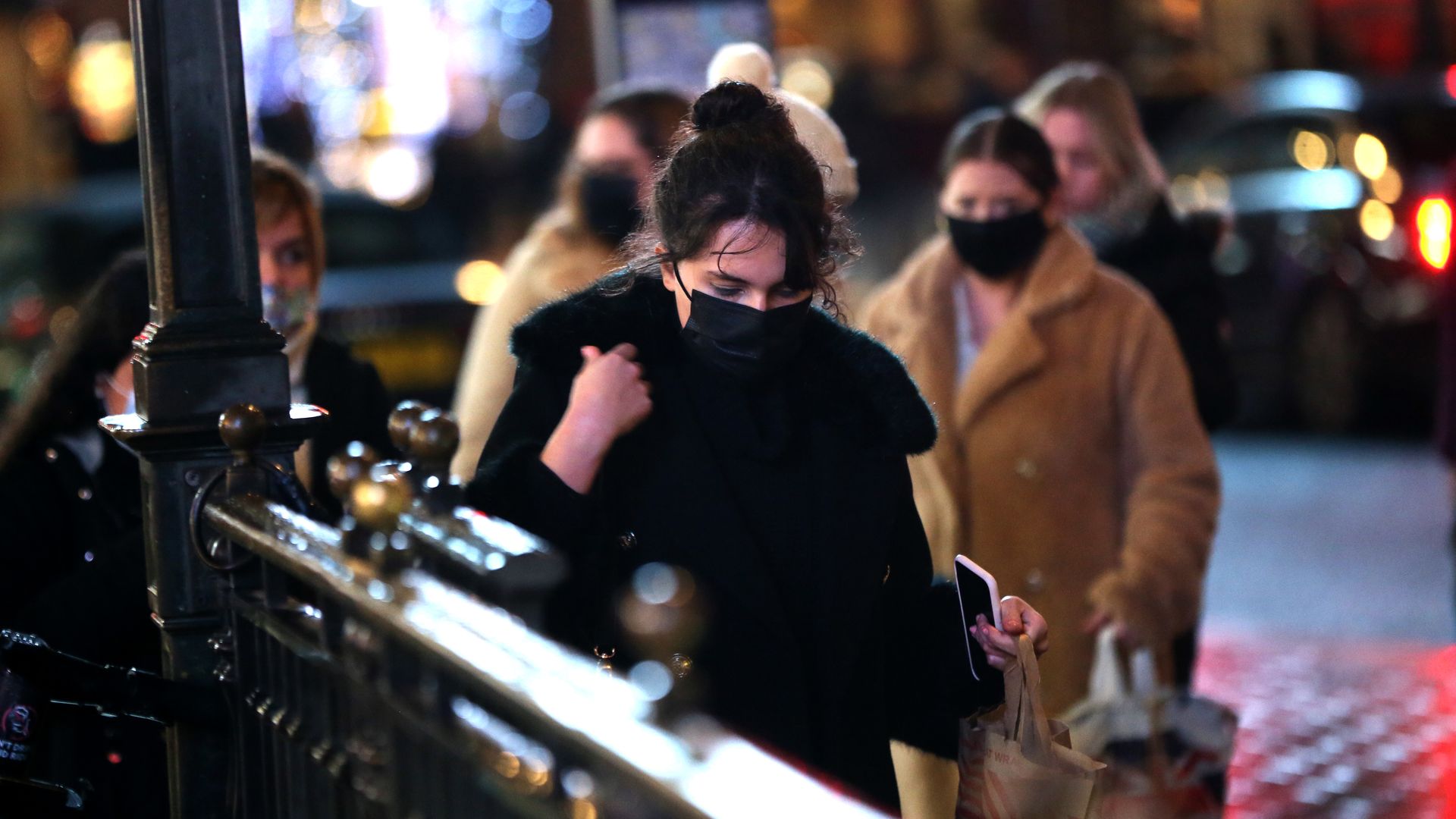
The U.K. government on Sunday raised its official coronavirus alert level, citing an increase in cases largely driven by the Omicron variant.
Why it matters: The country first detected the new strain late last month in two travelers returning from Southern Africa. In response, Prime Minister Boris Johnson reintroduced COVID-related restrictions to curb infections.
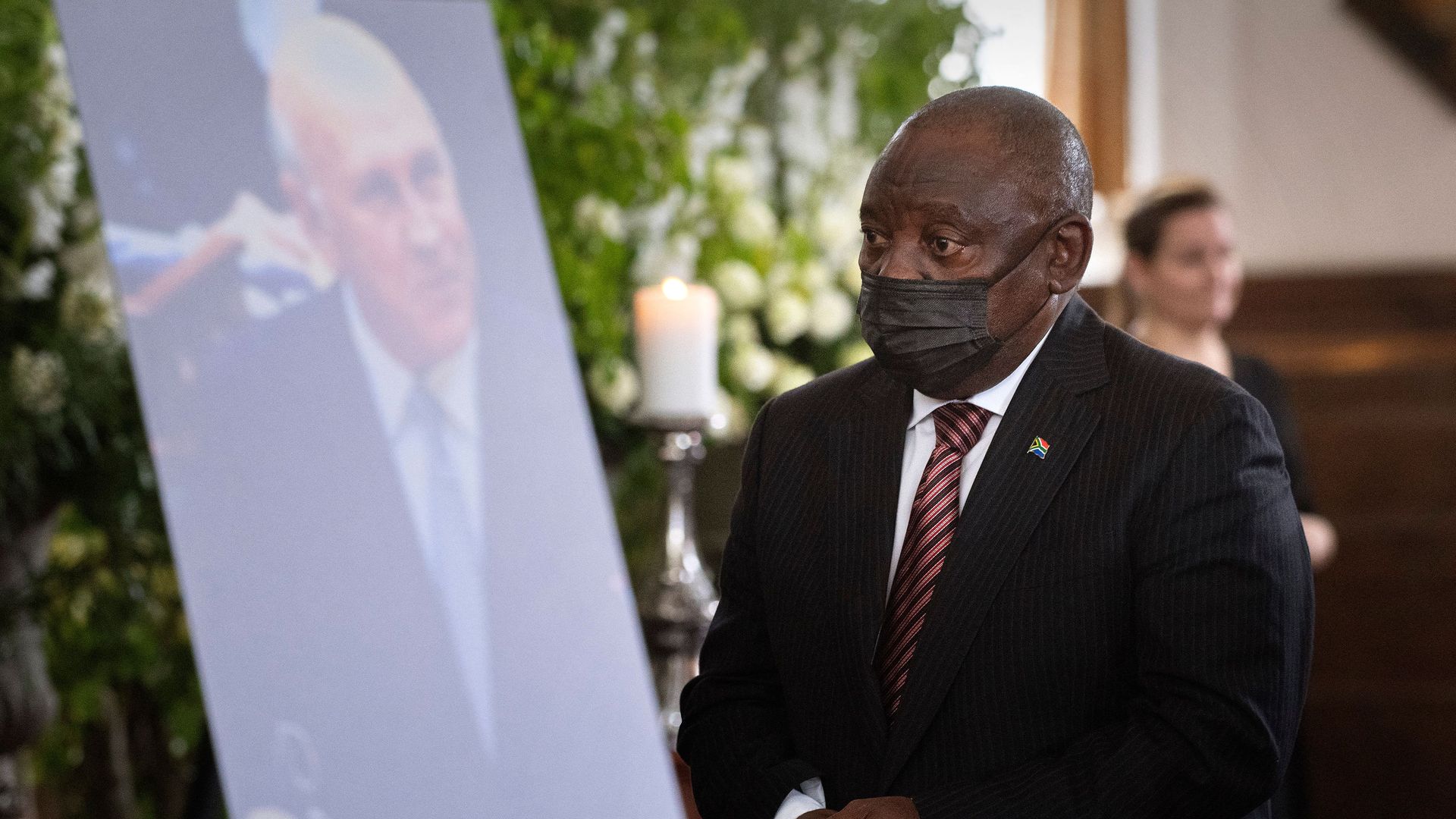
South Africa's President Cyril Ramaphosa tested positive for COVID-19 on Sunday and is being treated for "mild" symptoms, his office announced.
Driving the news: The government's statement did not specify whether the president has the Omicron variant though it did note that Ramaphosa, 69, is fully vaccinated and remains in "good spirits" as he self-isolates in Cape Town.
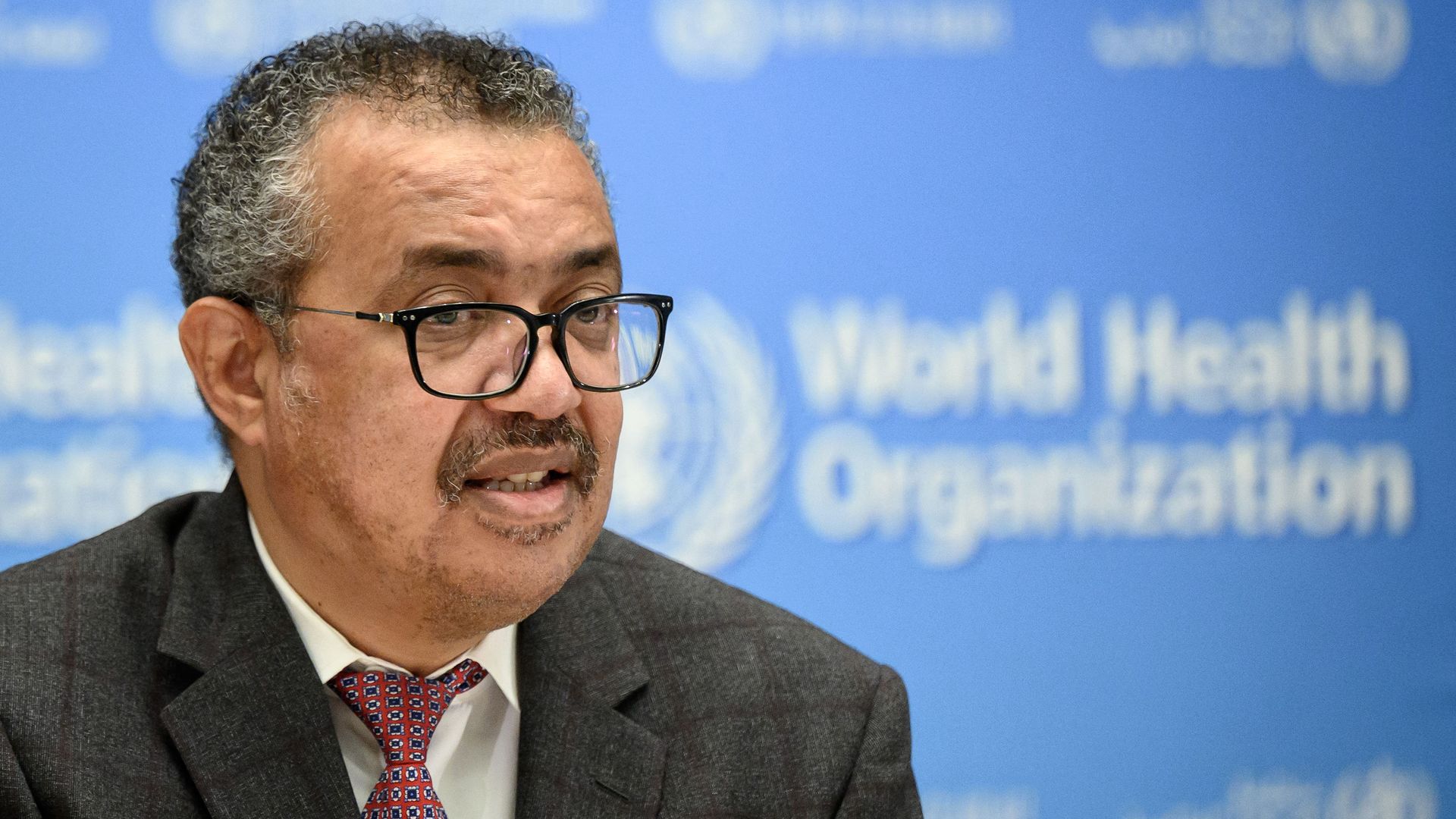
More than half a billion people globally were pushed into extreme poverty last year due to health care costs during the coronavirus pandemic, the World Health Organization and the World Bank said Sunday.
Why it matters: The pandemic exasperated global inequities in access to health care, according to the organizations. It also triggered the worst economic crisis since the 1930s, ultimately making health care harder for people to obtain.
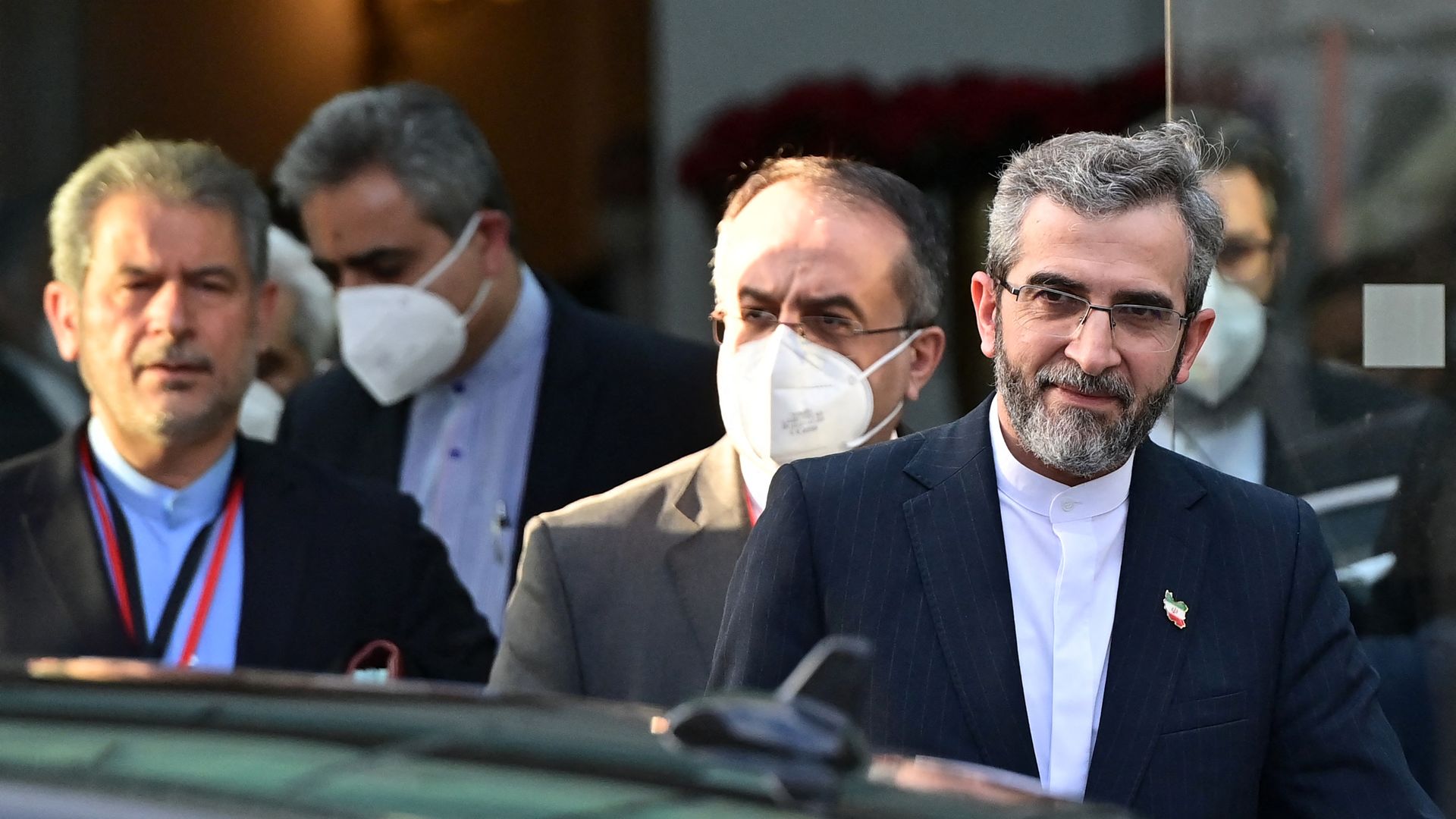
Iran's lead negotiator in the ongoing nuclear talks in Vienna criticized the position of the European negotiators Sunday, telling Iranian state-run media that they had failed to propose compromises on the issue of sanctions.
Catch up quick: Negotiations resumed after a months-long standstill following the election of Iran's new hardline president, Ebrahim Raisi.
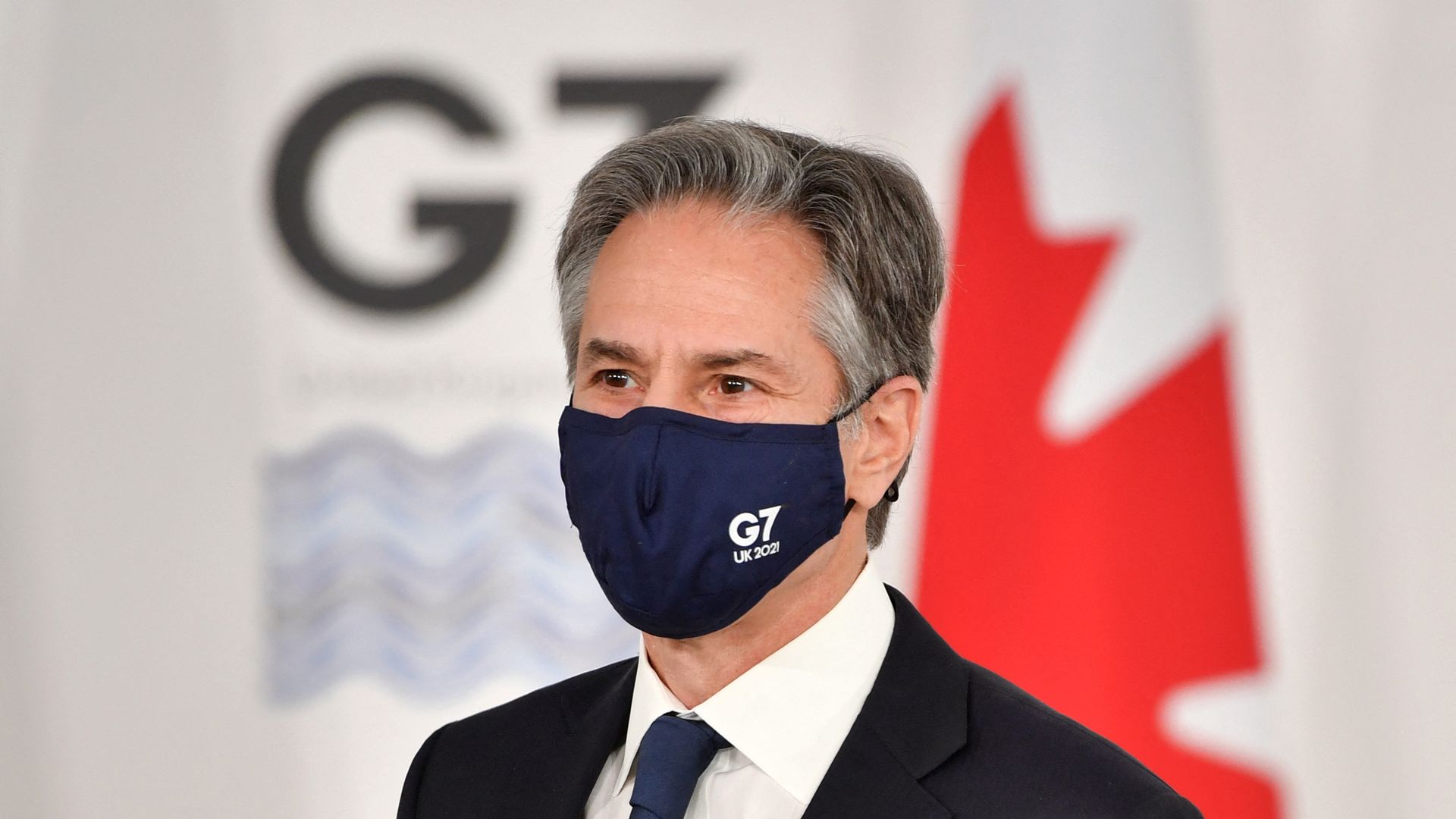
The Biden administration has made clear to Russia that it will face "massive consequences" if it commits acts of aggression toward Ukraine, Secretary of State Antony Blinken told NBC's "Meet the Press" on Sunday.
Why it matters: Russia's positioning of nearly 100,000 troops near the Ukrainian border has sparked fears of a potentially devastating European conflict.