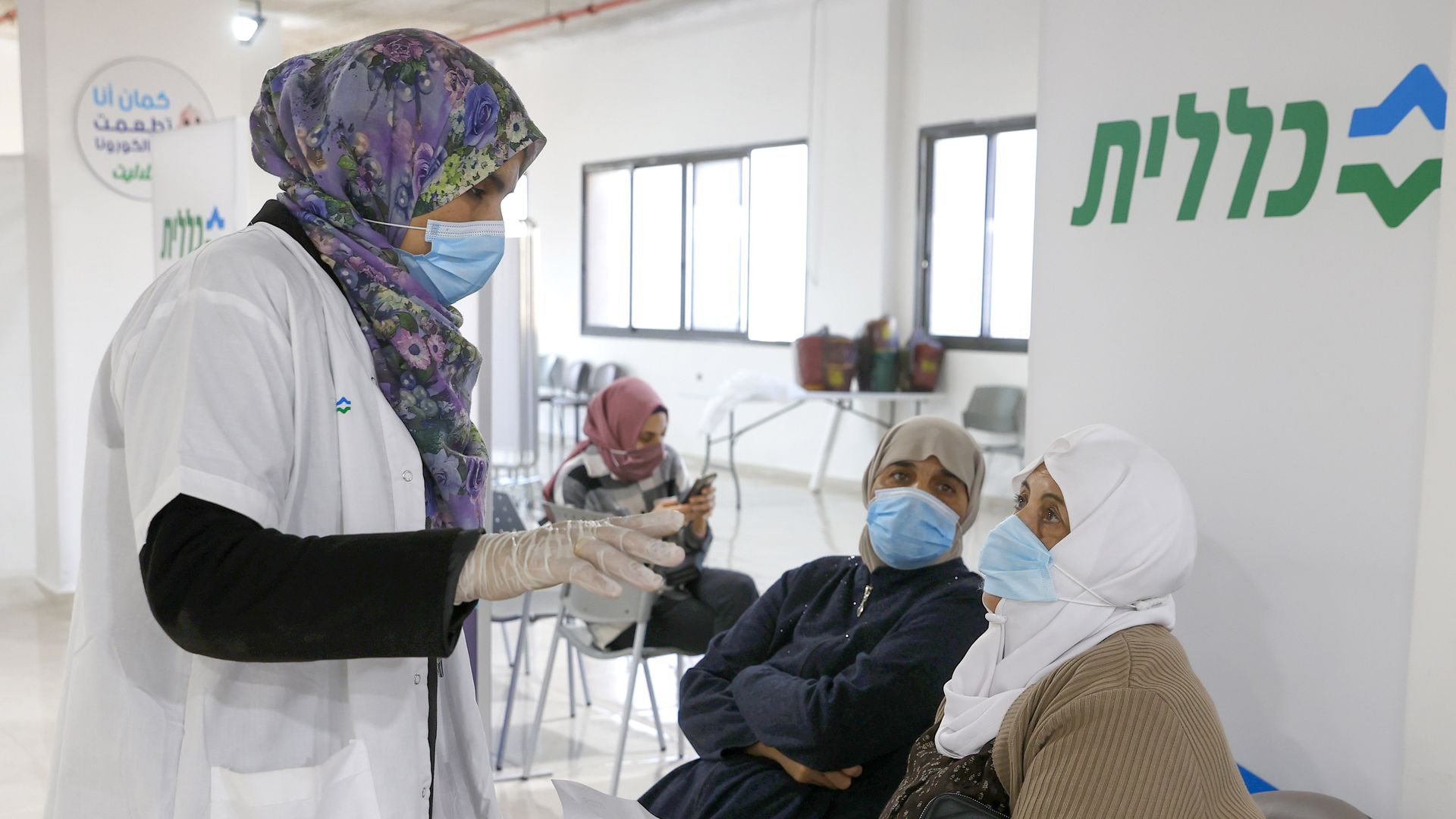
Israel will impose new restrictions in its countrywide lockdown, closing schools and nonessential businesses beginning Friday to combat surging cases of the coronavirus, government ministers voted Tuesday.
The big picture: Israel’s COVID-19 cases, which dropped in October, have jumped to more than 5,000 reported daily in the new year, Johns Hopkins University data shows. Prime Minister Benjamin Netanyahu called on the public Tuesday to heed new restrictions as a faster-spreading variant of the virus first detected in the U.K. multiplies.
A U.S. task force responsible for investigating the massive cyberattack that breached the departments of Defense, State and Homeland Security — among others — identified the hack as "likely Russian in origin," per a joint statement on Tuesday.
Why it matters: This is the first time the federal government has formally named Russia as the likely origin of the attack.
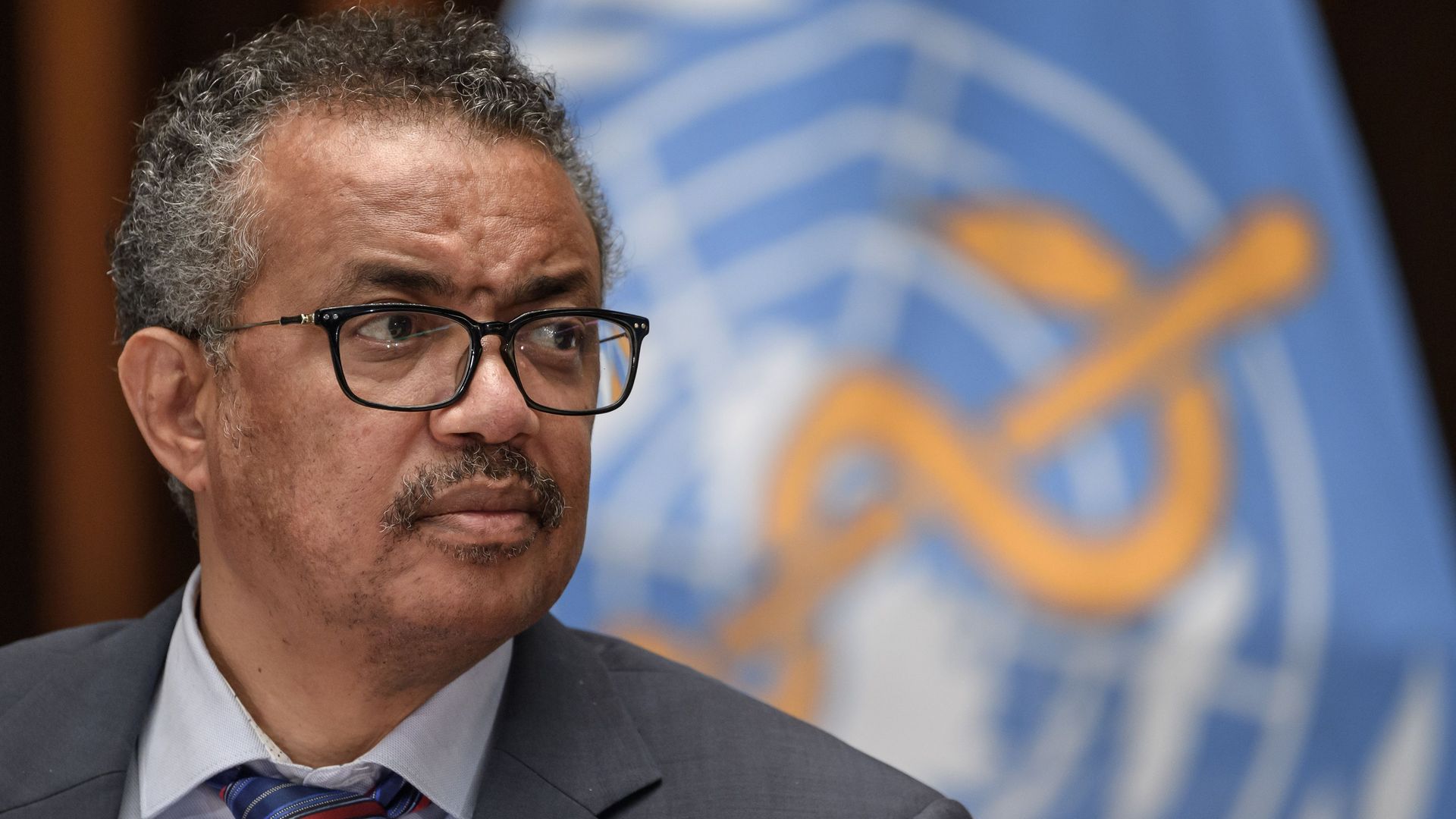
World Health Organization director-general Tedros Adhanom Ghebreyesus admonished China on Tuesday for delaying authorization that would allow groups of scientists from other countries to investigate the origins of the novel coronavirus in Wuhan.
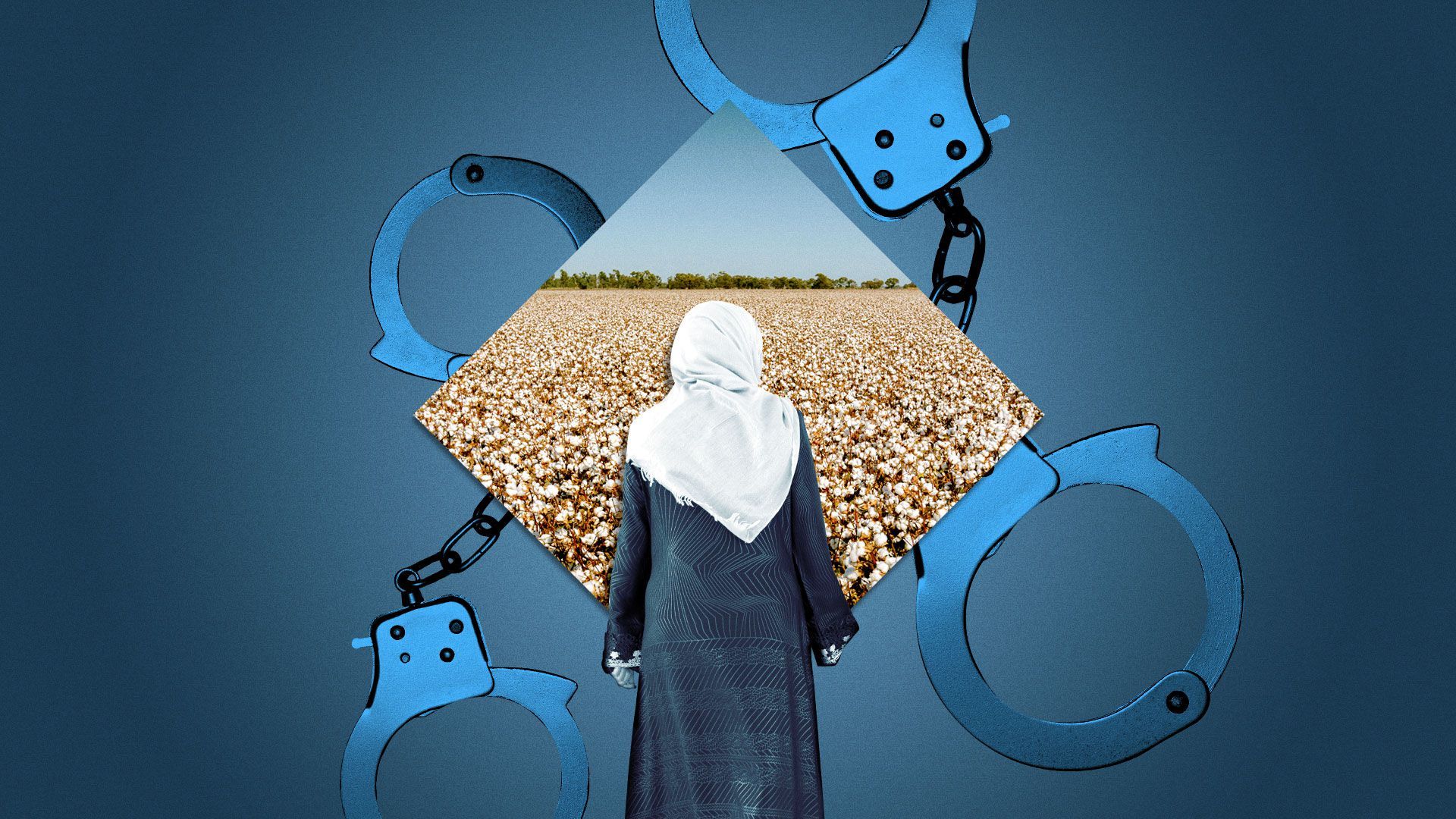
The world has learned of China's sweeping system of forced labor in the Xinjiang garment industry not through fair trade organizations but through independent researchers, journalists and the testimonies of former detainees.
Why it matters: This is just one symptom of a bigger problem — the failure of many international institutions and governments to forcefully push back against the Chinese Communist Party's human rights violations.
China has constructed a vast string of factories inside the walls of Xinjiang mass internment camps, and Chinese authorities are forcing thousands of Muslim minorities to work in cotton fields, according to two recent investigations.
Why it matters: Xinjiang products are deeply integrated into lucrative supply chains around the world. The Chinese Communist Party's official embrace of coerced labor will force Western governments and institutions to choose between pleasing business leaders or enforcing universal human rights values.
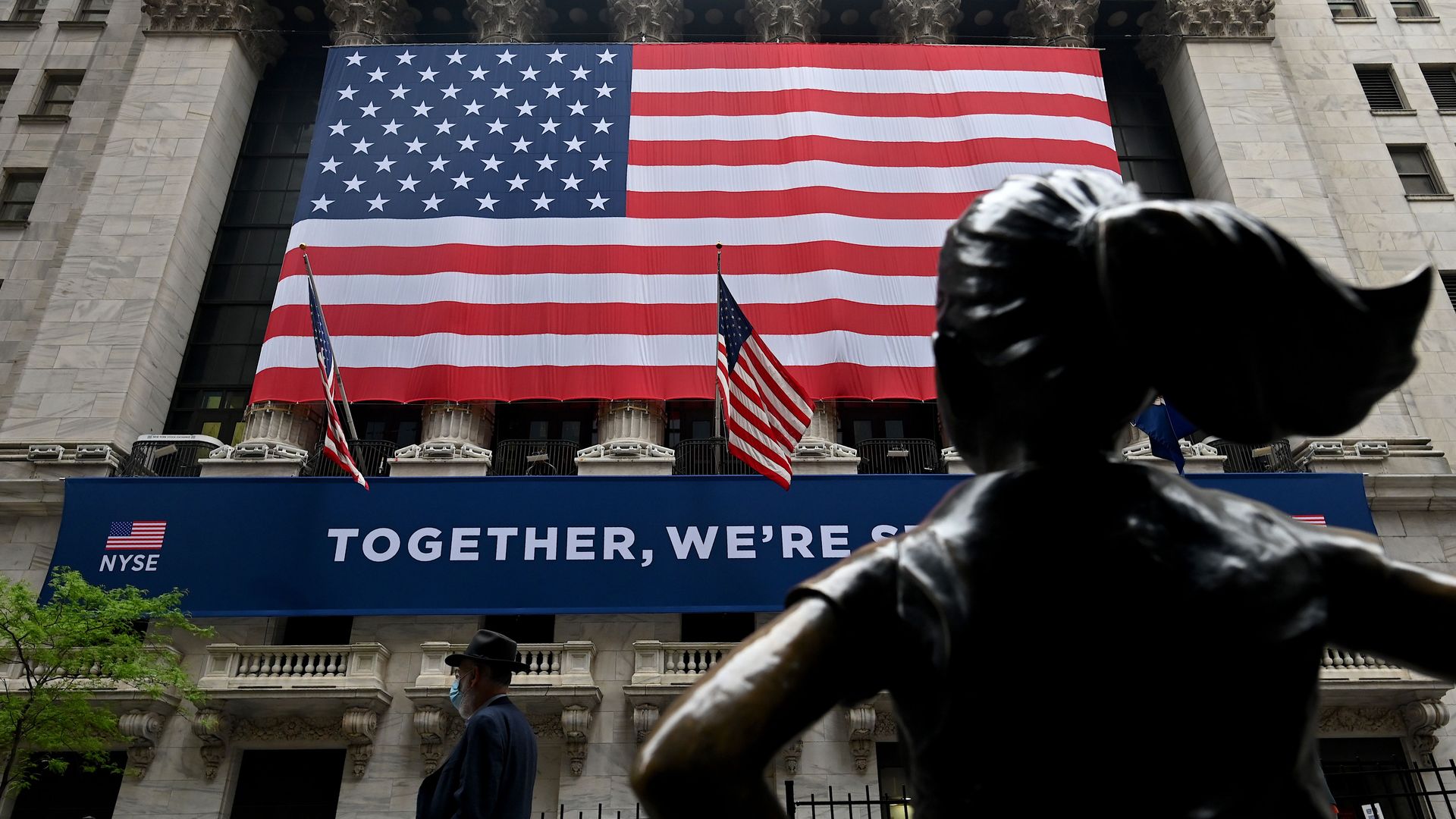
The New York Stock Exchange announced late Monday it no longer plans to delist three Chinese companies.
Why it matters: The NYSE said last Thursday it would suspend trading action from Jan. 7 for China Mobile, China Telecom, and China Unicom Hong Kong following a Trump executive order that imposed restrictions on firms the U.S. identified as being affiliated with the Chinese military.
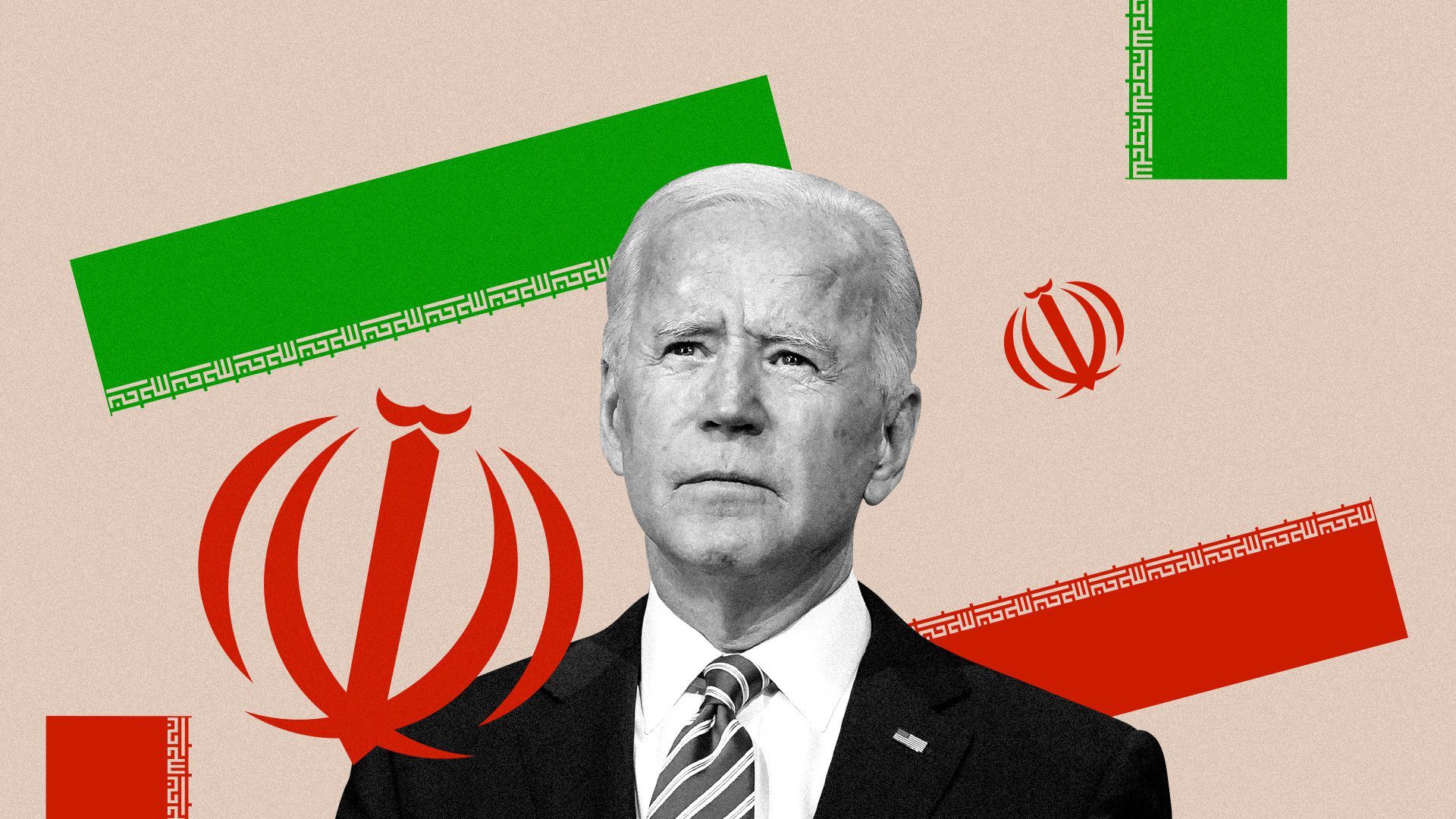
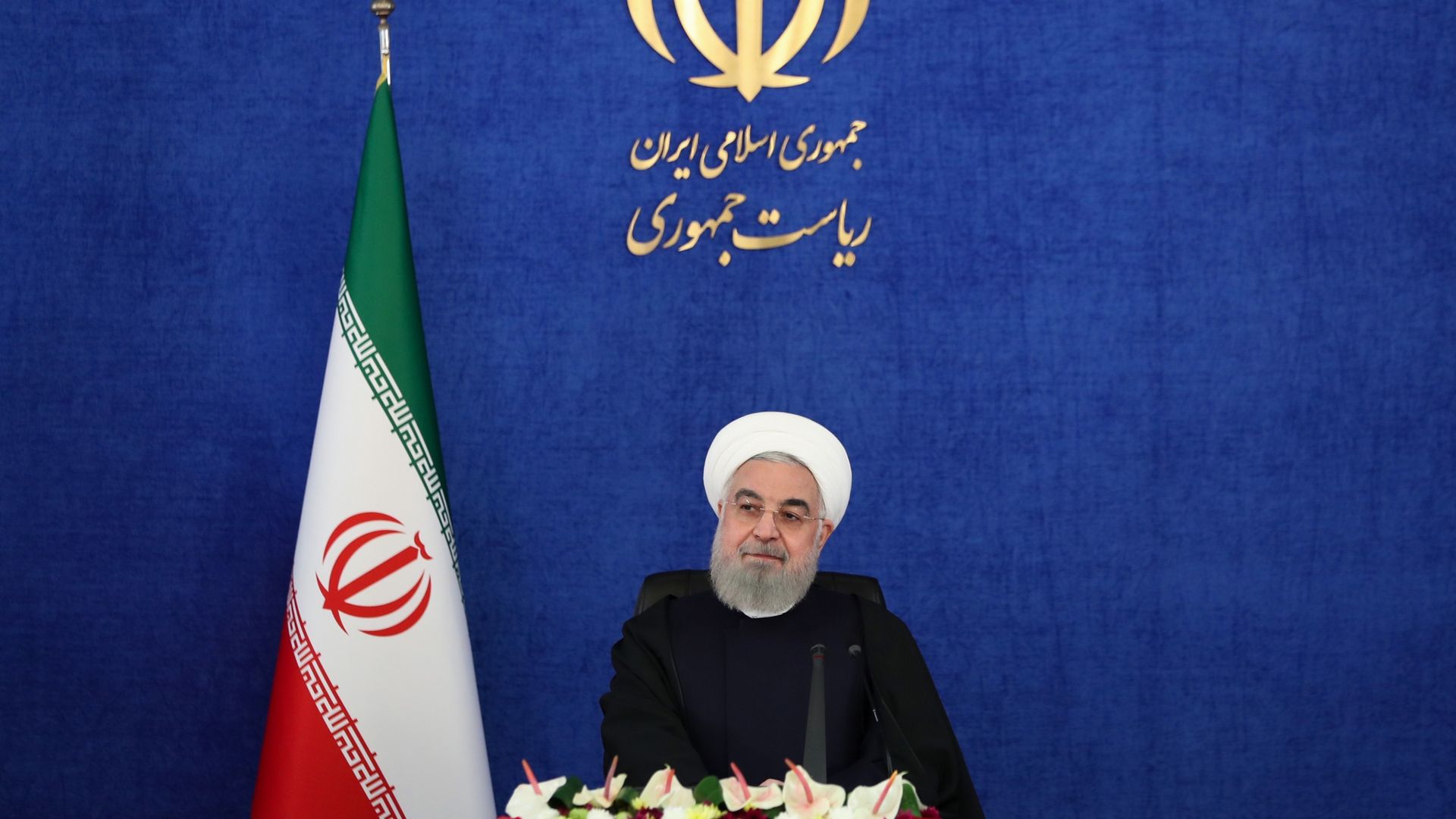
President-elect Joe Biden hopes to revive the Iran nuclear deal after taking office, but that task is only growing more daunting.
Driving the news: Iran announced today that it would begin to enrich uranium to 20% — within striking distance of weapons-grade levels — at its underground Fordow facility.
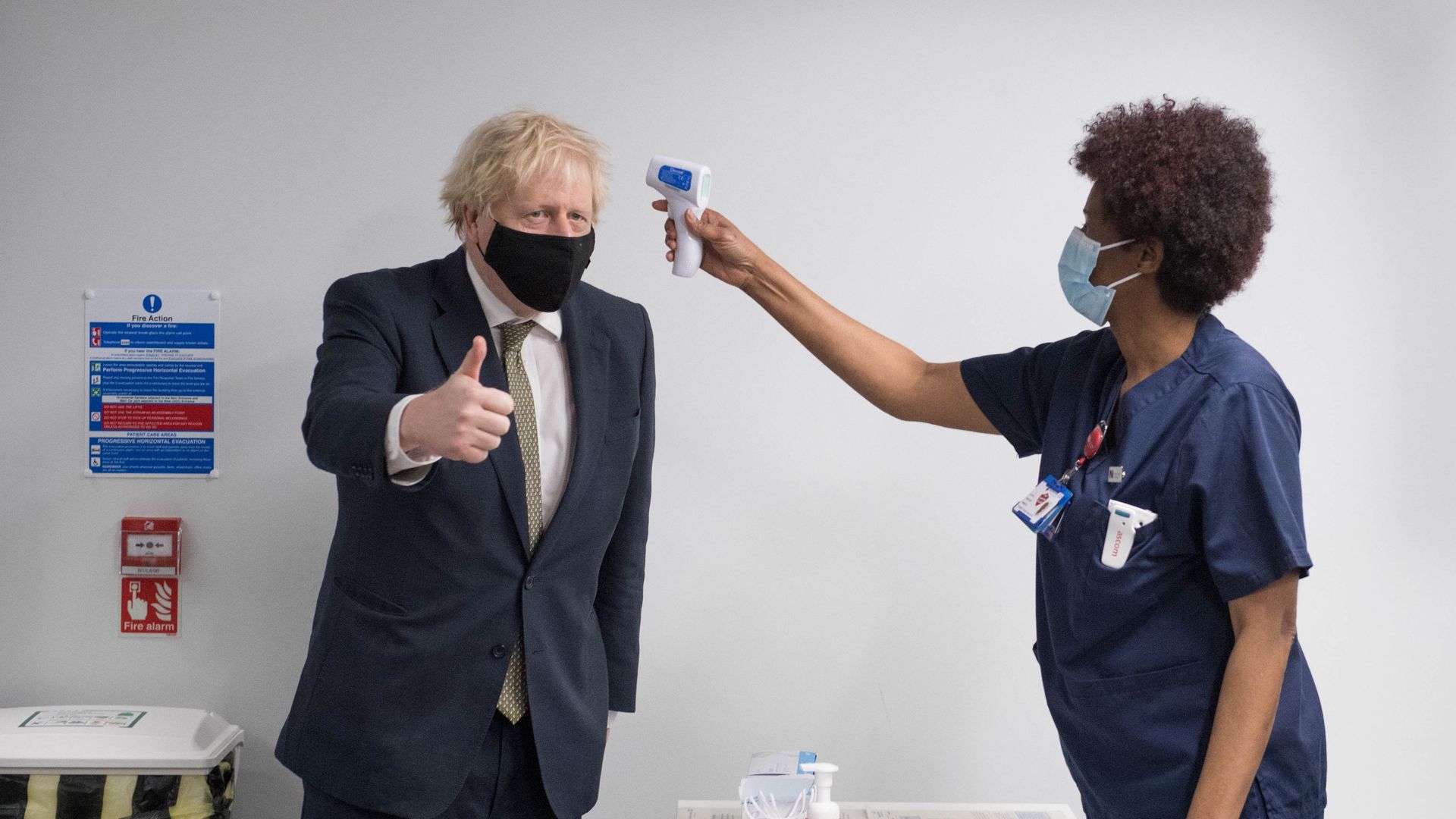
U.K. Prime Minister Boris Johnson announced on Monday that England will enter a six-week lockdown, as the spread of a highly contagious new coronavirus variant threatens to overwhelm the National Health Service.
Why it matters: It's England's third national lockdown, following the initial March restrictions during the start of the pandemic and a four-week "circuit-breaker" in November.
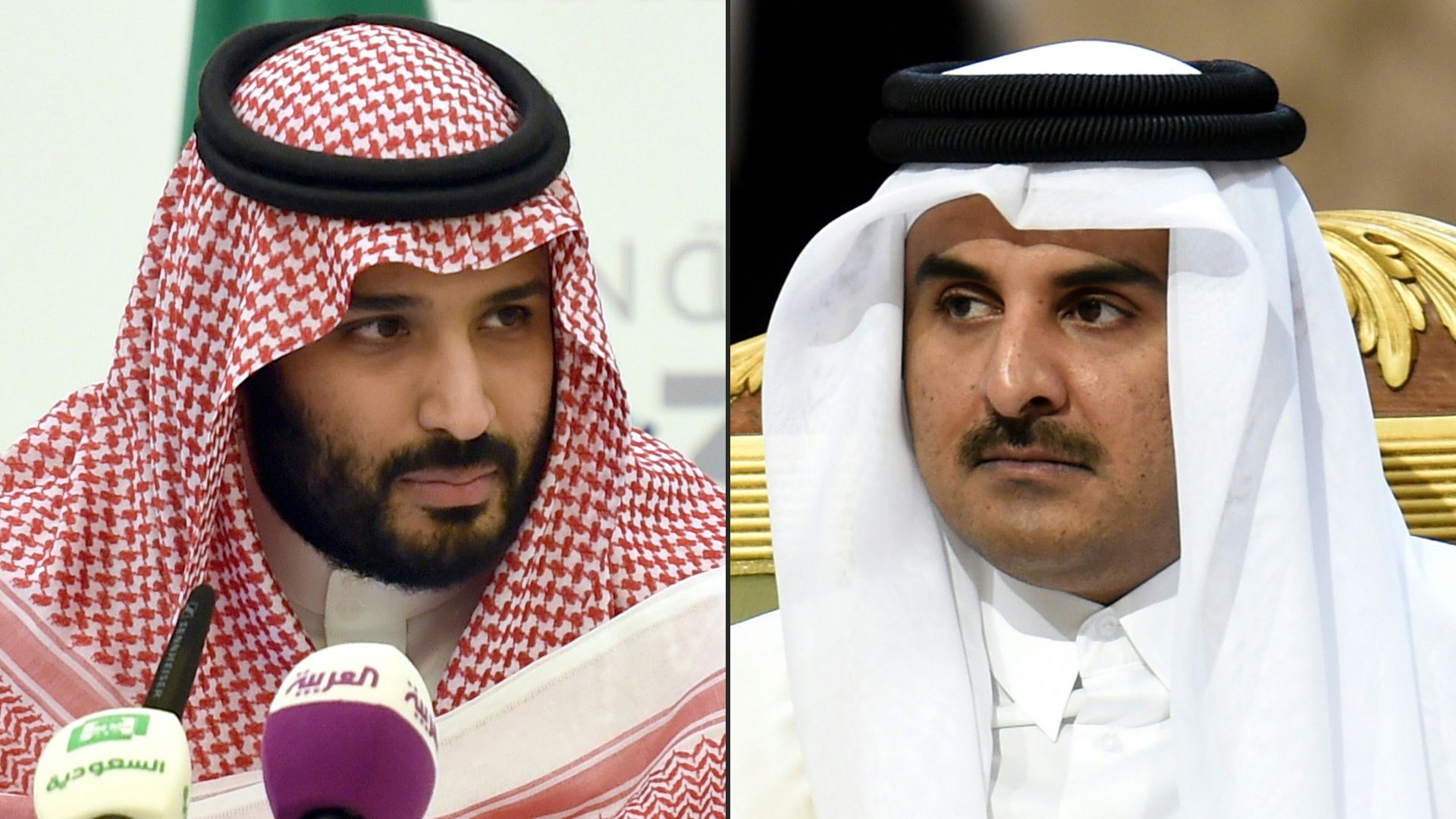
Saudi Arabia, Qatar and other Gulf countries are expected to sign an agreement on Tuesday toward ending a diplomatic crisis in the Gulf after 3½ years.
The big picture: A Saudi-led coalition severed ties with Qatar in 2017 and closed their airspace and sea routes to Qatari planes and vessels, citing Qatar's alleged support for terror groups and relations with Iran. In recent weeks, Saudi Arabia and Qatar have been under pressure from the Trump administration to end the dispute.
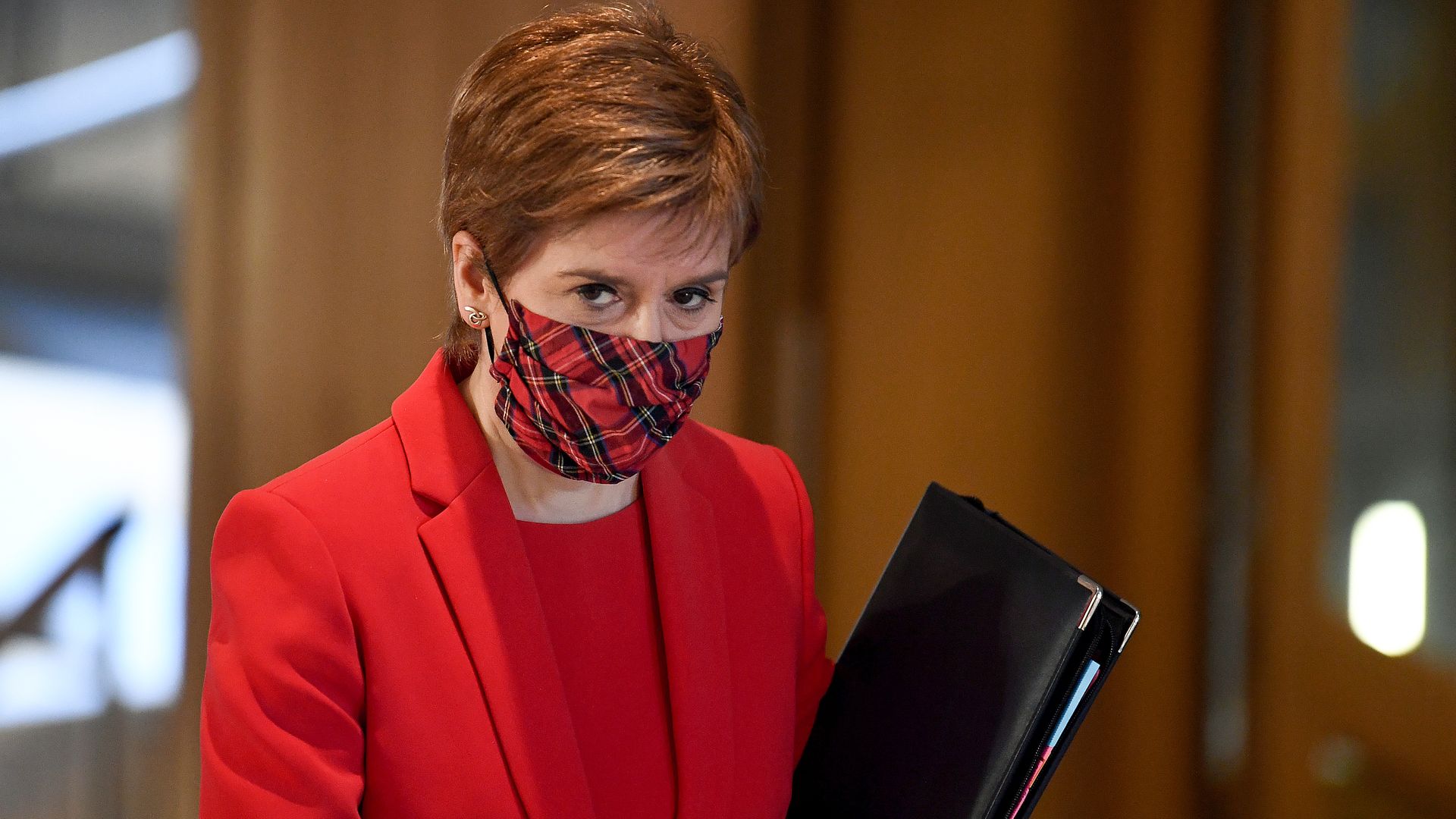
Scottish First Minister Nicola Sturgeon said on Monday that Scotland would enter a month-long lockdown beginning at midnight, as a highly infectious COVID-19 variant continues to spread rapidly throughout the United Kingdom.
Why it matters: Sturgeon warned that rising infections are putting "significant pressure" on the National Health Service, and that hospitals could reach capacity in three to four weeks. As a result, people must legally stay at home and work from home when possible.
Iran has resumed the production of 20% enriched uranium at its underground nuclear facility in Fordow, an Iranian government spokesman said Monday. Iranian state media later reported that authorities had seized a South Korean-flagged tanker and arrested its crew, alleging "oil pollution" in the Persian Gulf.
The big picture: The news comes amid heightened U.S. fears of a possible Iranian attack, one year after the assassination of Iranian Gen. Qassem Soleimani. 20% enriched uranium — which is banned under the 2015 nuclear deal — can’t be used for military purposes, but is a step closer to the 90% enrichment needed to build a nuclear bomb.
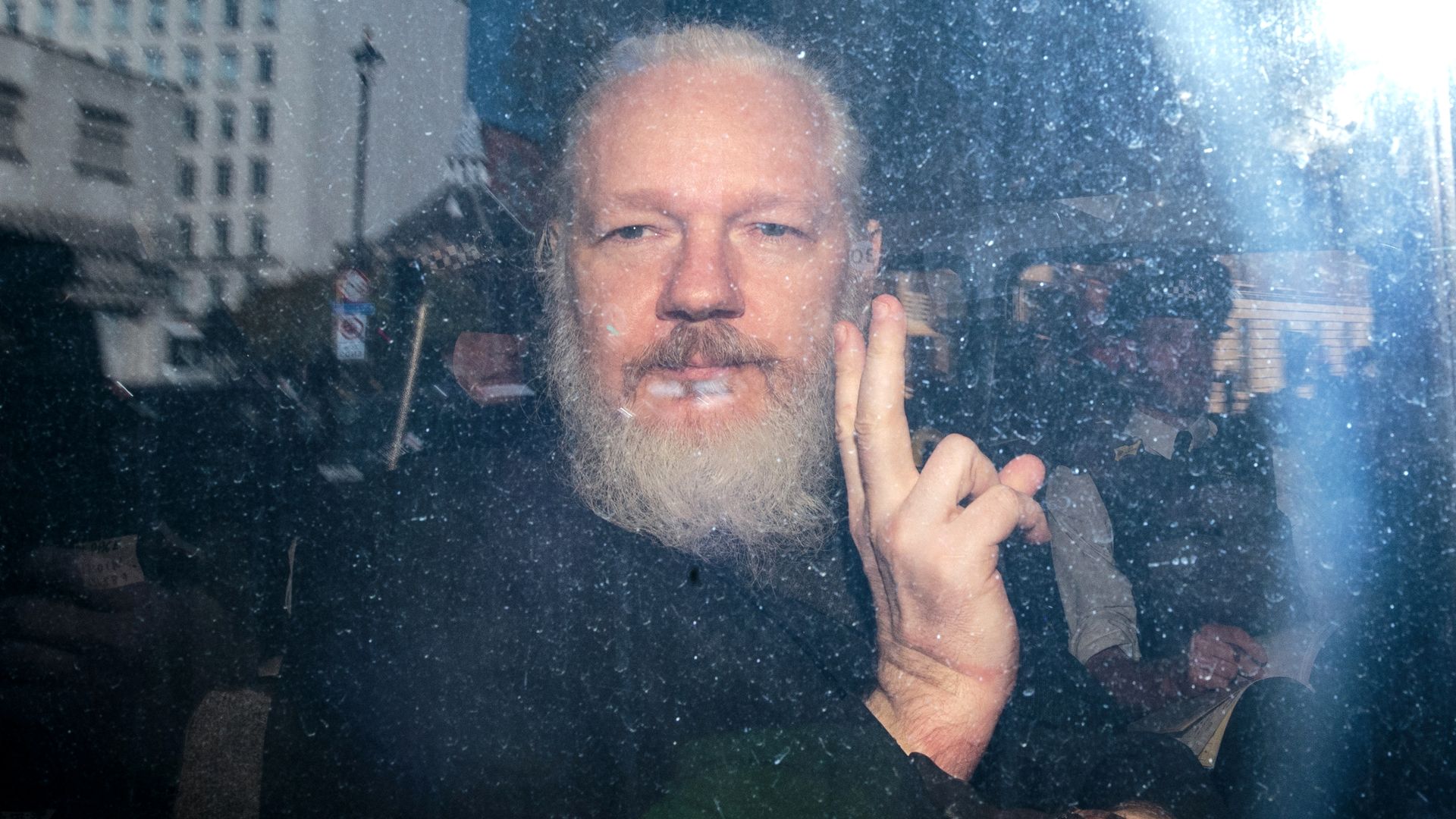
WikiLeaks founder Julian Assange must not be extradited to the U.S., where he's wanted on charges of violating the Espionage Act and hacking government computers, because of the high risk of suicide in U.S. custody, a British judge in London ruled Monday.
Why it matters: The ruling, which will be appealed by the U.S., is a huge win for Assange after a years-long battle. The case has raised significant questions about First Amendment protections for publishers of classified information, as Assange argues he was acting as a journalist when he published leaked documents on Iraq and Afghanistan.