U.K. Prime Minister Boris Johnson announced on Monday that England will enter a six-week lockdown, as the spread of a highly contagious new coronavirus variant threatens to overwhelm the National Health Service.
Why it matters: It's England's third national lockdown, following the initial March restrictions during the start of the pandemic and a four-week "circuit-breaker" in November.
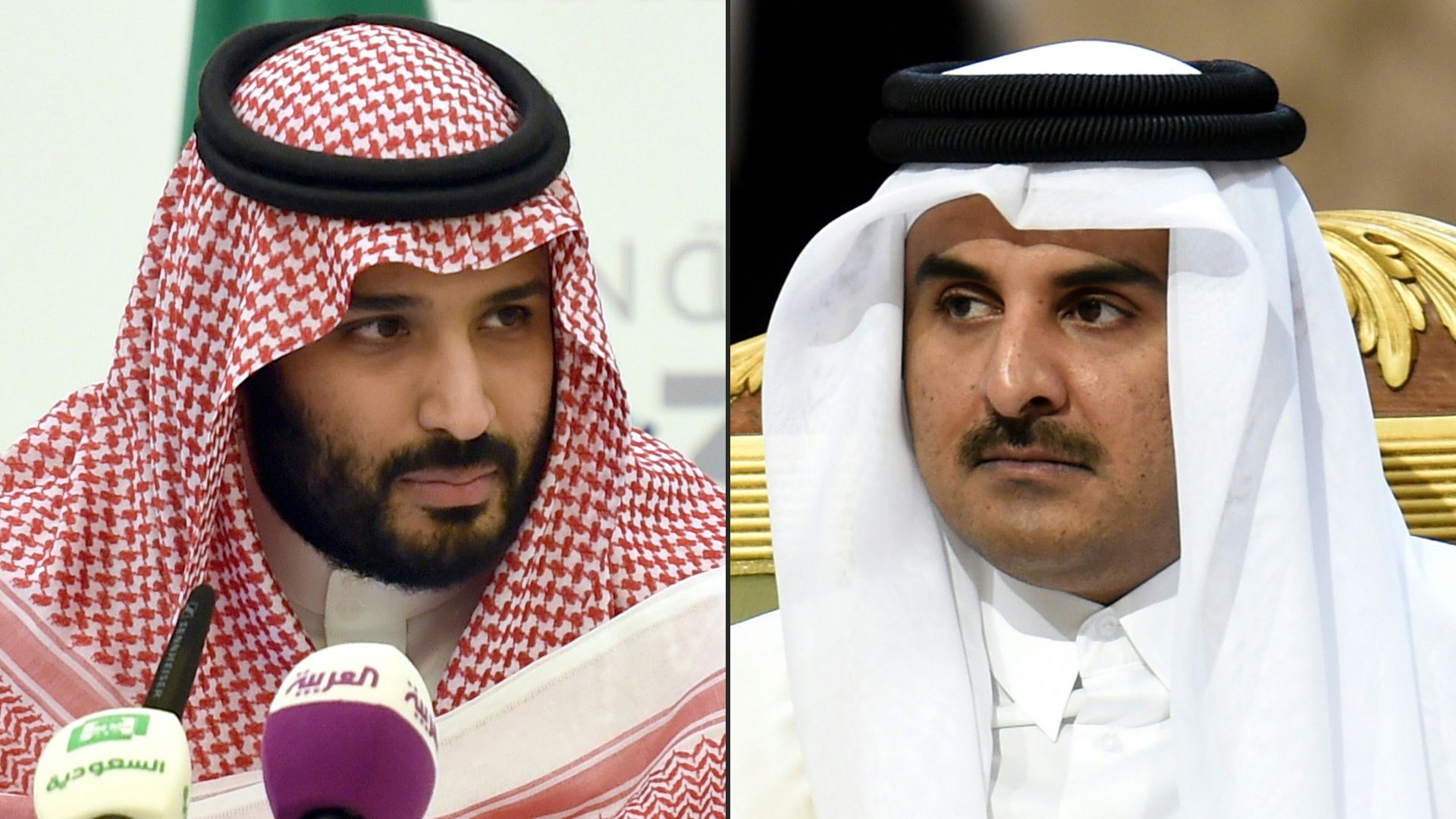
Saudi Arabia, Qatar and other Gulf countries are expected to sign an agreement on Tuesday toward ending a diplomatic crisis in the Gulf after 3½ years.
The big picture: A Saudi-led coalition severed ties with Qatar in 2017 and closed their airspace and sea routes to Qatari planes and vessels, citing Qatar's alleged support for terror groups and relations with Iran. In recent weeks, Saudi Arabia and Qatar have been under pressure from the Trump administration to end the dispute.
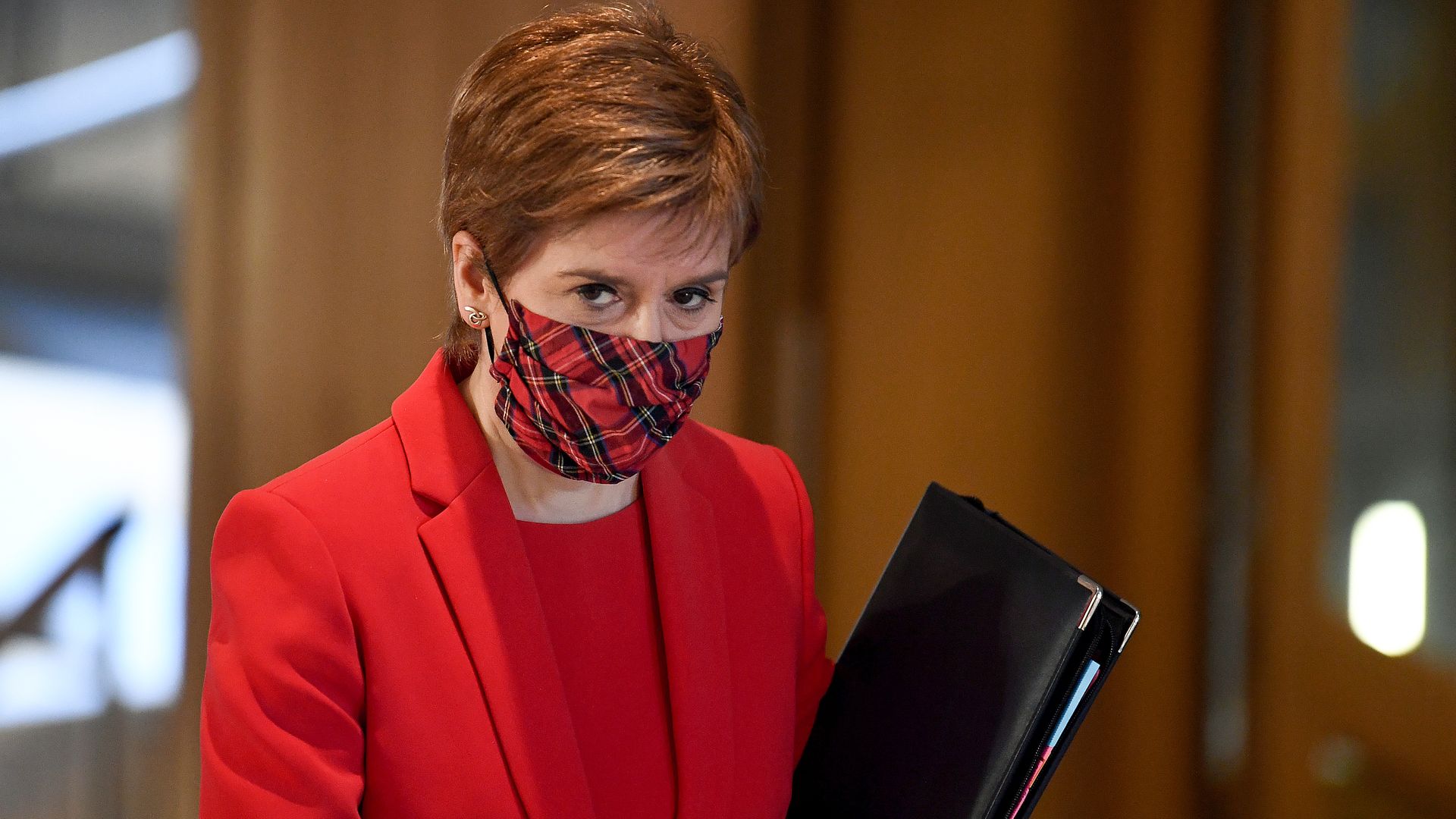
Scottish First Minister Nicola Sturgeon said on Monday that Scotland would enter a month-long lockdown beginning at midnight, as a highly infectious COVID-19 variant continues to spread rapidly throughout the United Kingdom.
Why it matters: Sturgeon warned that rising infections are putting "significant pressure" on the National Health Service, and that hospitals could reach capacity in three to four weeks. As a result, people must legally stay at home and work from home when possible.
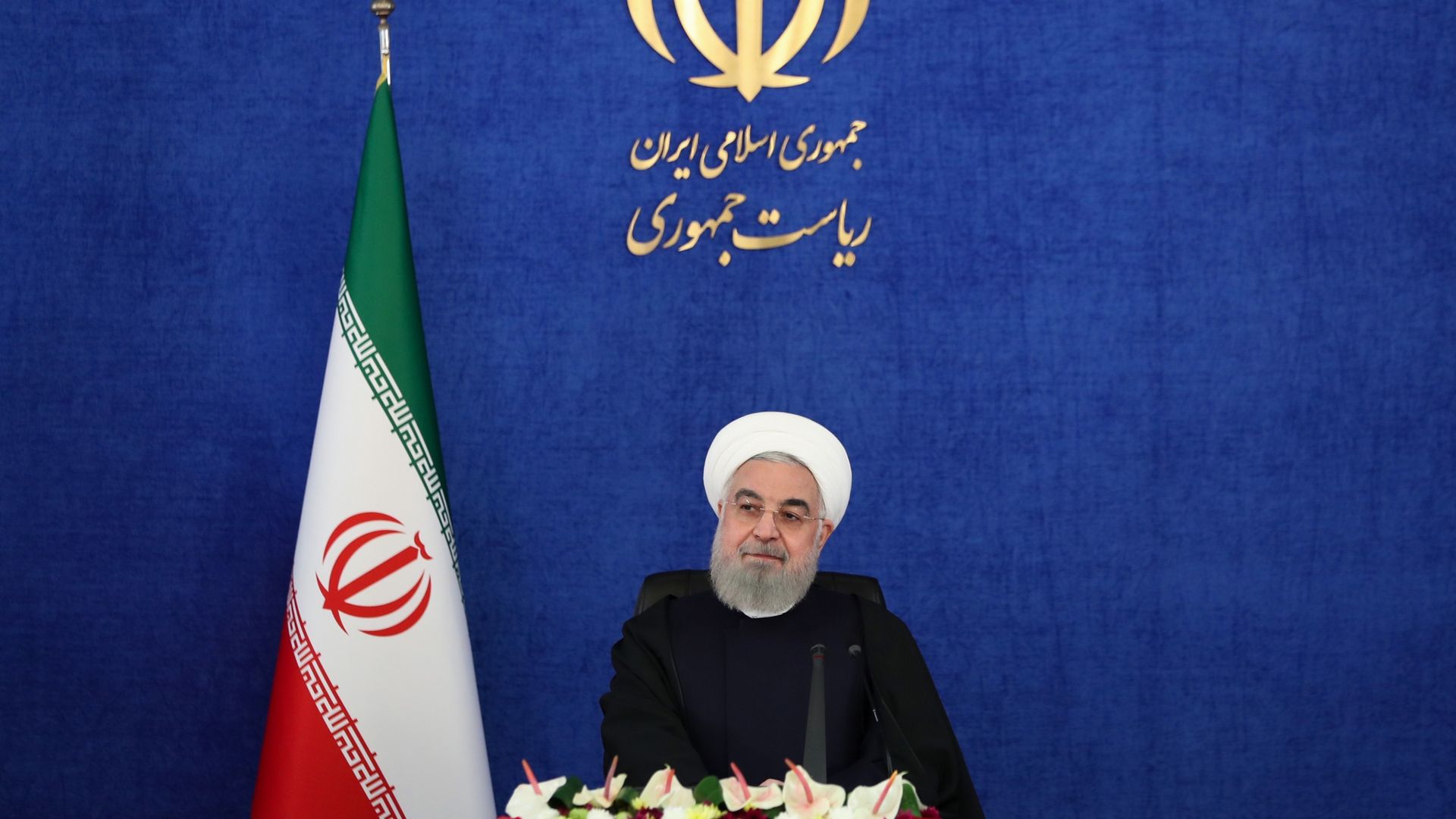
Iran has resumed the production of 20% enriched uranium at its underground nuclear facility in Fordow, an Iranian government spokesman said Monday. Iranian state media later reported that authorities had seized a South Korean-flagged tanker and arrested its crew, alleging "oil pollution" in the Persian Gulf.
The big picture: The news comes amid heightened U.S. fears of a possible Iranian attack, one year after the assassination of Iranian Gen. Qassem Soleimani. 20% enriched uranium — which is banned under the 2015 nuclear deal — can’t be used for military purposes, but is a step closer to the 90% enrichment needed to build a nuclear bomb.
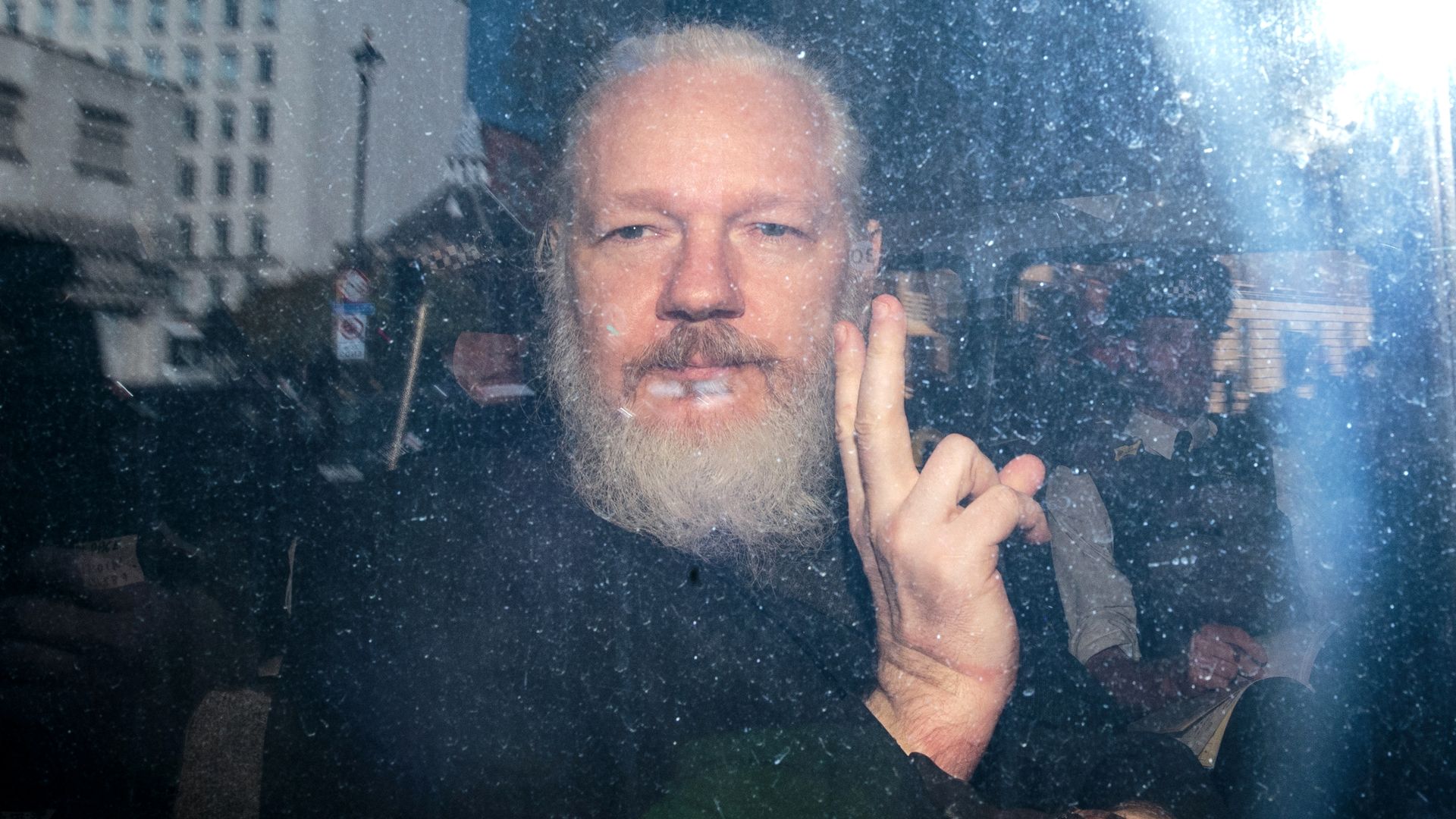
WikiLeaks founder Julian Assange must not be extradited to the U.S., where he's wanted on charges of violating the Espionage Act and hacking government computers, because of the high risk of suicide in U.S. custody, a British judge in London ruled Monday.
Why it matters: The ruling, which will be appealed by the U.S., is a huge win for Assange after a years-long battle. The case has raised significant questions about First Amendment protections for publishers of classified information, as Assange argues he was acting as a journalist when he published leaked documents on Iraq and Afghanistan.
Russian hackers stagedtheir attacks from servers inside the U.S. — sometimes using computers in the same town or city as the victims, cybersecurity company FireEye tells the New York Times.
Why it matters: This let the intruders evade "legal prohibitions on the National Security Agency from engaging in domestic surveillance," and elude "cyberdefenses deployed by the Department of Homeland Security."
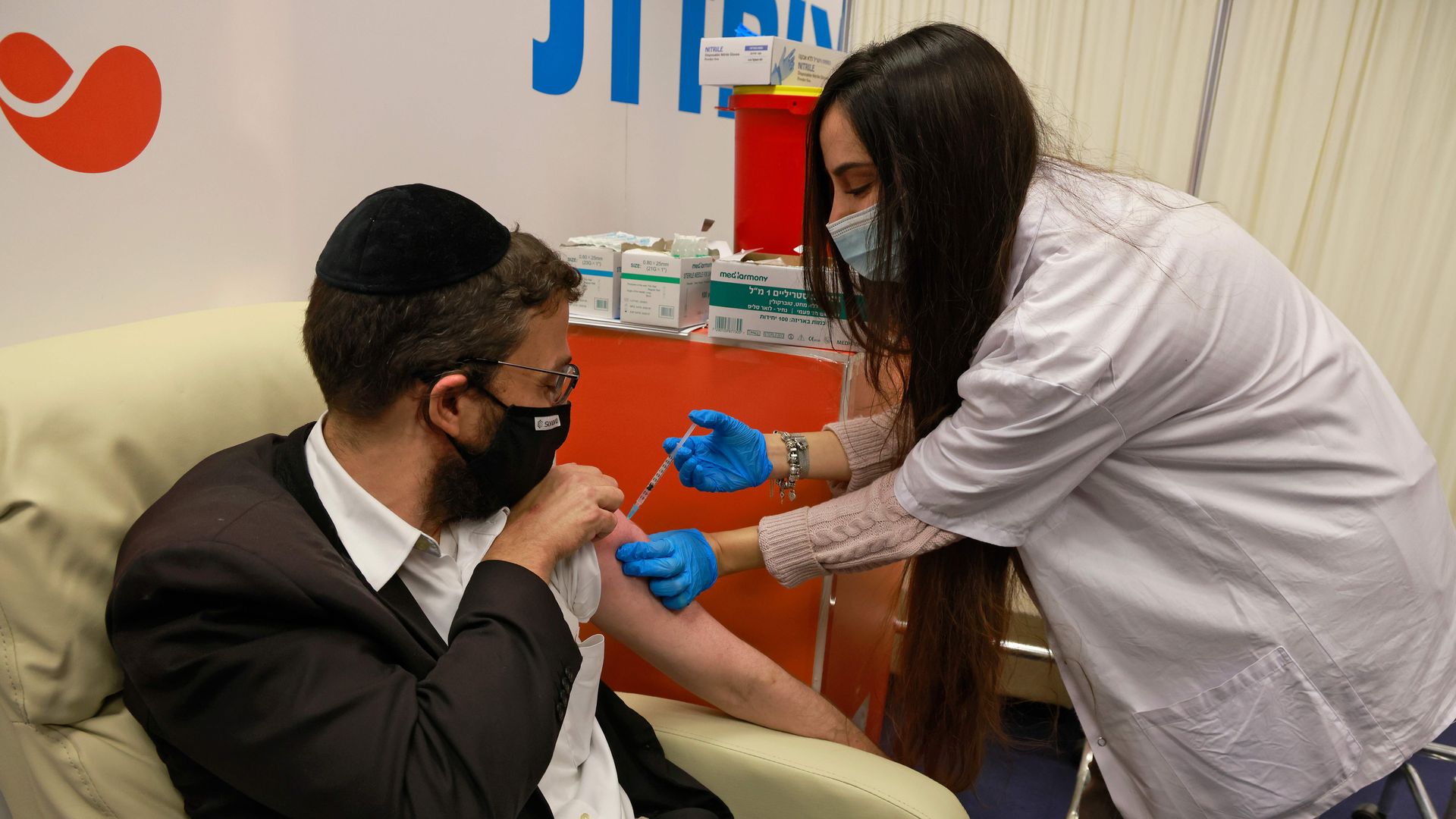
Israel has administered more COVID-19 vaccinations than any other nation, with over 1 million people receiving jabs — a rate of 12.59 doses per 100 people, new data from an Oxford University-run tracking site shows.
Why it matters: As countries like the U.S. fall behind on immunization goals, Israel has given coronavirus doses to over 10% of its population of 9.2 million since it began administering Pfizer/BioNTech's vaccine on Dec. 19.
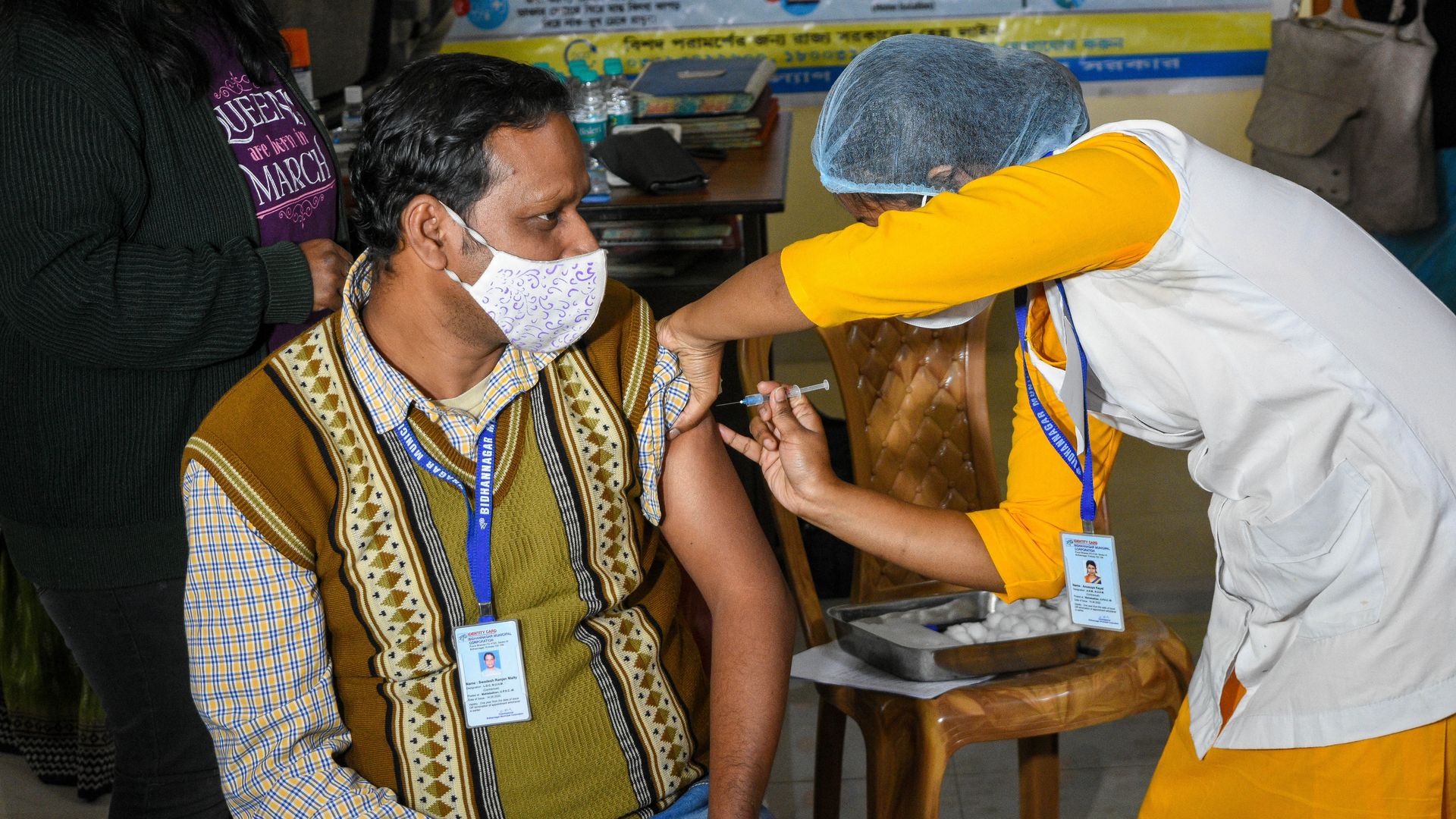
India announced Sunday that it's granted emergency approval to COVID-19 vaccines developed by AstraZeneca and Oxford University and one from the state-run institute Bharat Biotech.
Why it matters: These are the first vaccines granted emergency approval in the country of over 1.3 billion, which has the second largest virus outbreak after the U.S. Indian officials plan to start a huge immunization drive within a week.
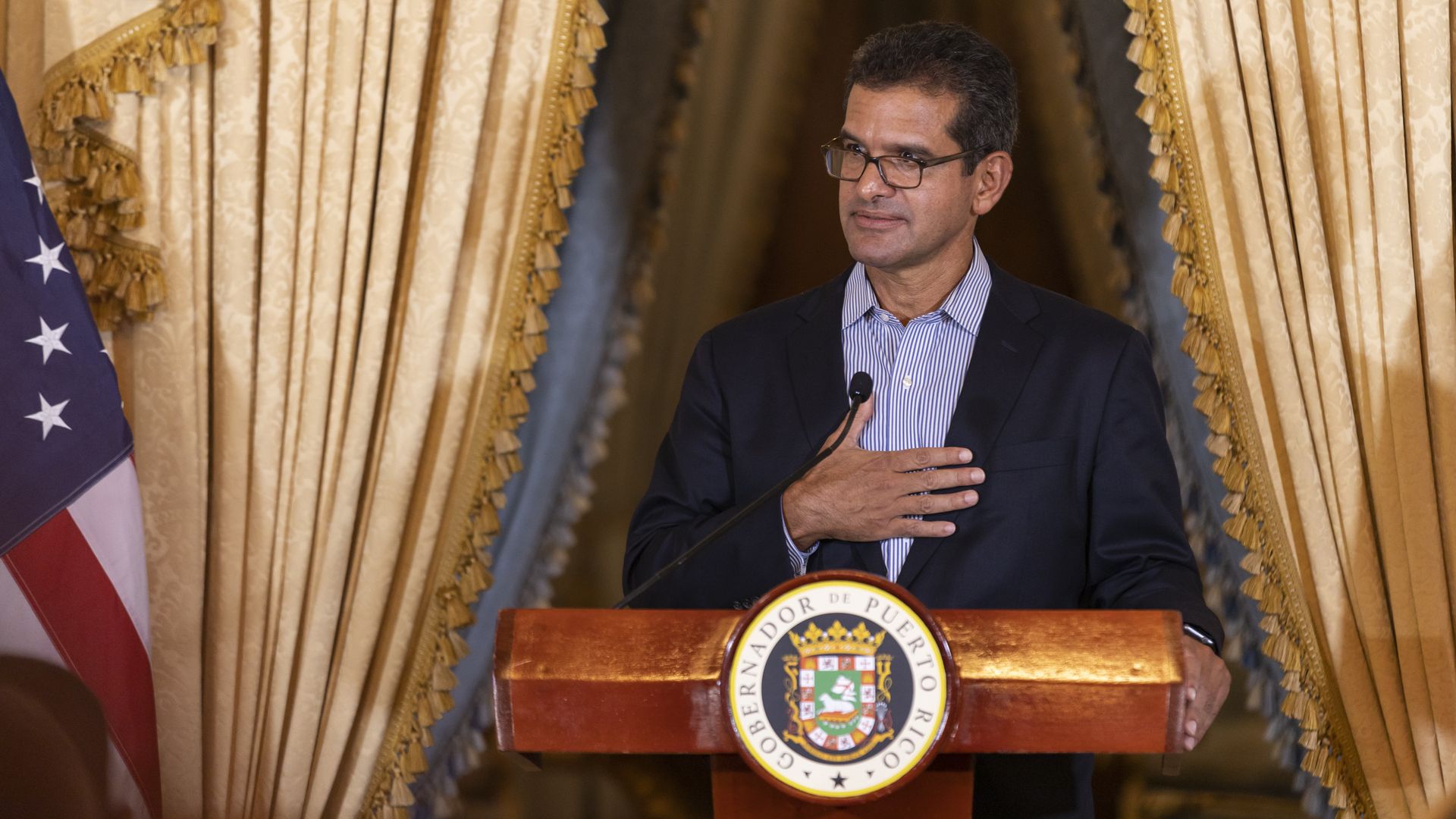
New Puerto Rico Gov. Pedro Pierluisi declared a "fiscal emergency" and ordered the island's Department of Justice to step up anti-corruption efforts Saturday — hours after being sworn in, per Bloomberg.
Why it matters: Puerto Rico has experienced a tumultuous period politically and economically, with three governors in four years and a billion-dollar public debt.