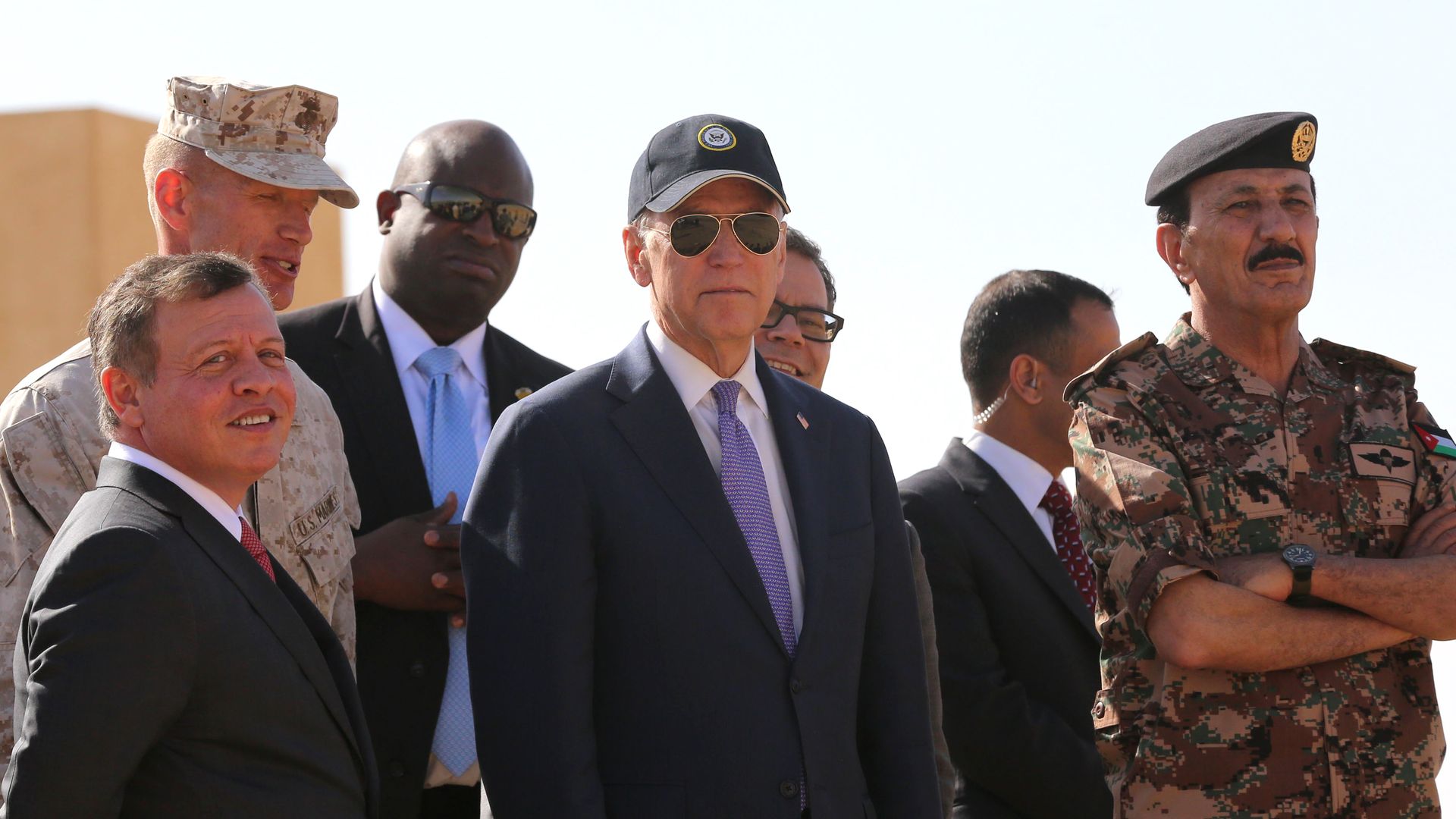
Foreign Minister Abdullatif al-Zayani of Bahrain told me in an exclusive interview that he expects the Biden administration to consult Bahrain and other Gulf countries before moving toward a new nuclear deal with Iran.
Why it matters: The comments, made during Zayani's historic visit to Jerusalem today, reflect the concerns of other Gulf countries like Saudi Arabia and the UAE about Biden's desire to revive the existing nuclear deal and potentially negotiate a new one.
Biden and his team are in the early stages of staffing his administration, and I've been sounding out my sources on who is expected to handle Middle East policy at the National Security Council, the State Department and the Pentagon.
The state of play: Nothing is set in stone, but several people in Biden's foreign policy circle said they expect many of the senior staffers to be veterans of the Obama administration.
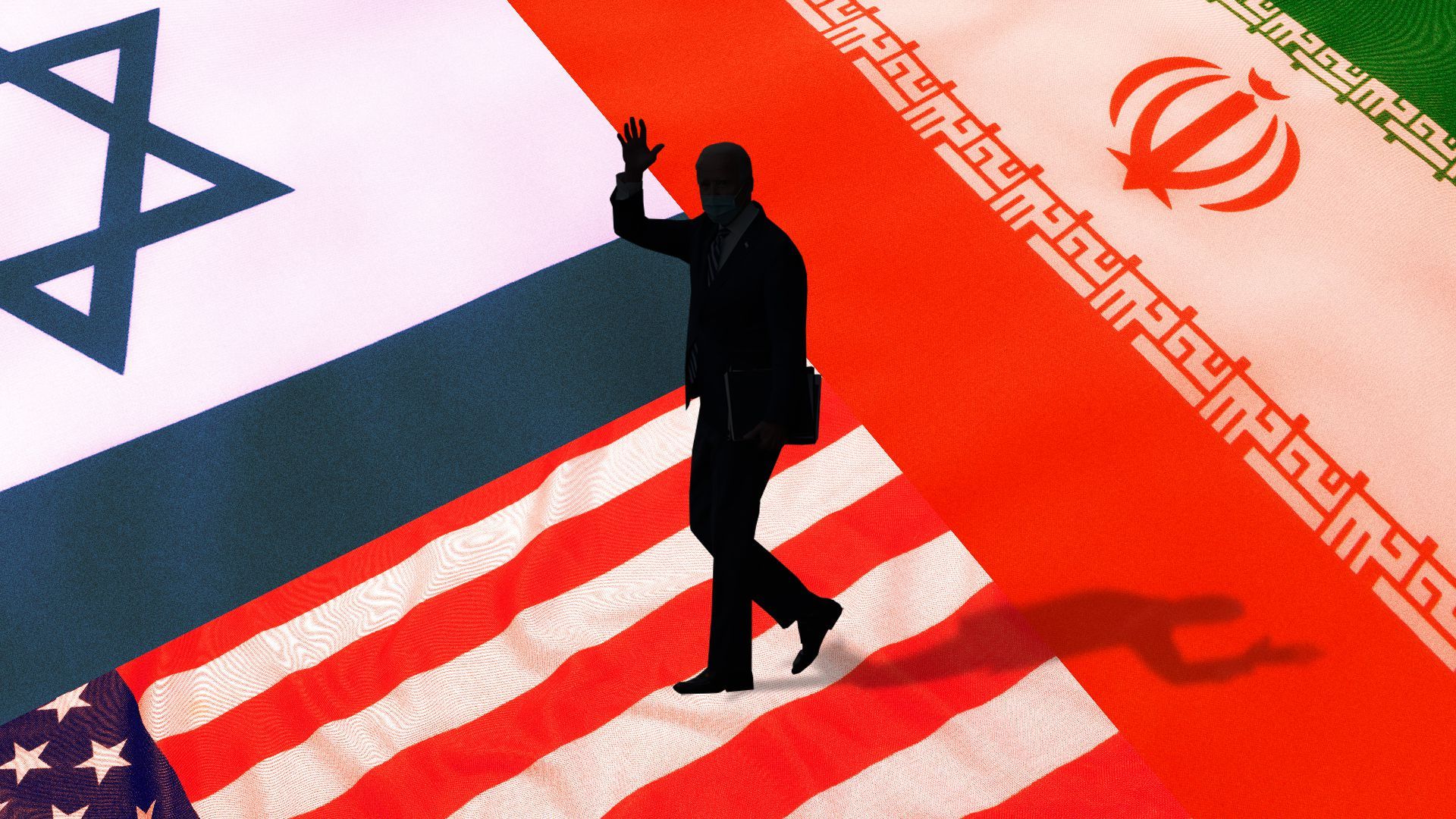
Israel is drafting a strategy for engaging with the incoming Biden administration on Iran, two Israeli officials tell me.
What they're saying: “We don’t want to be left out again," Israeli Foreign Minister Gabi Ashkenazi told the Knesset foreign relations committee in a classified hearing last week. He said Israel had to avoid the mistakes that left it isolated as the Obama administration negotiated the 2015 Iran deal.
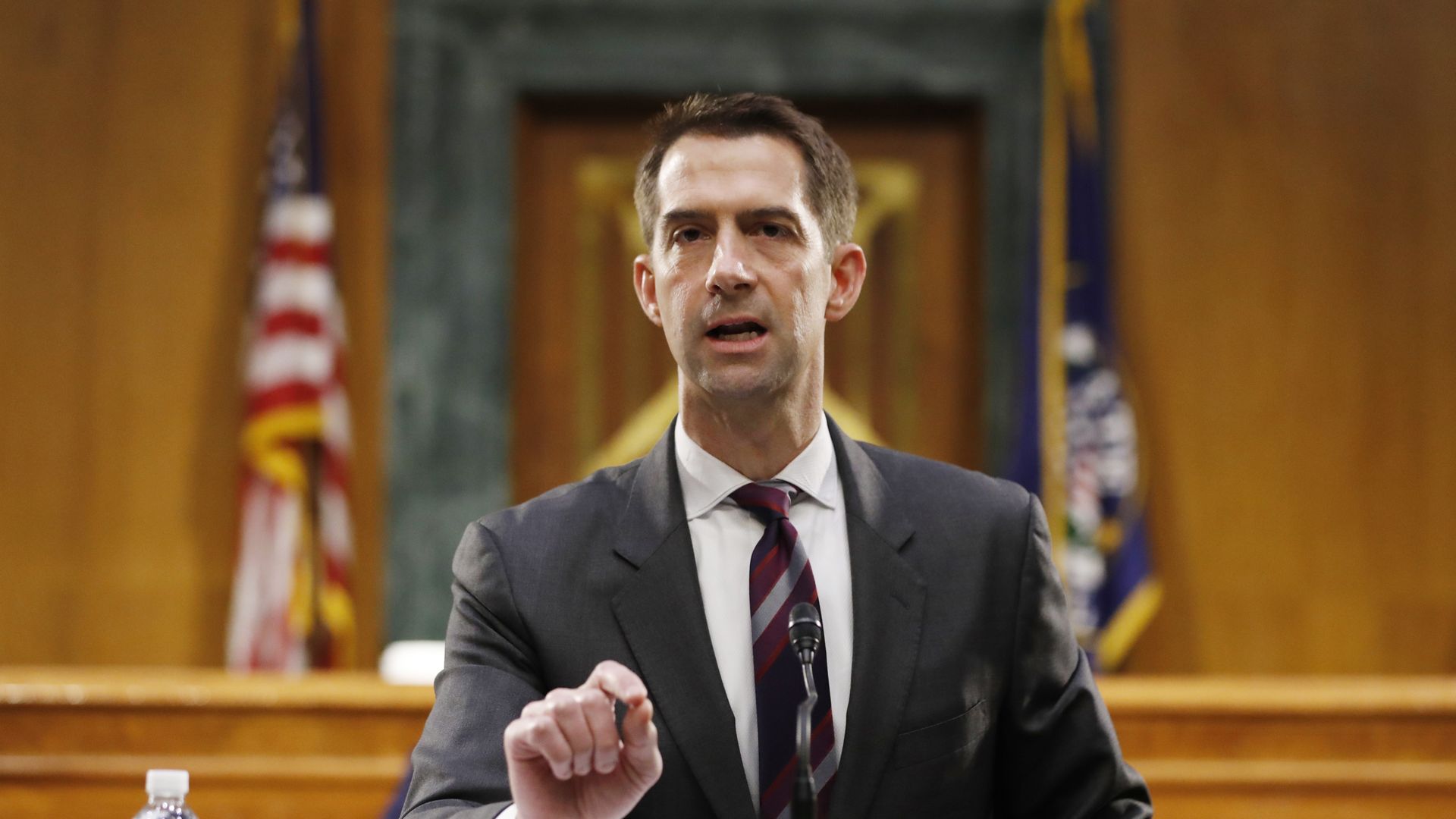
A group of Republican senators led by Tom Cotton (R-Ark.) sent a letter to President Trump this week urging him to issue an executive order allowing goods produced in the Jewish settlements in the West Bank to be labeled “Made in Israel." Axios obtained a copy of the letter.
Why it matters: While the rest of the world views the settlements as illegal under international law and not part of Israel, the Trump administration has taken several steps intended to legitimize them and blur the differentiation between Israel and the West Bank.
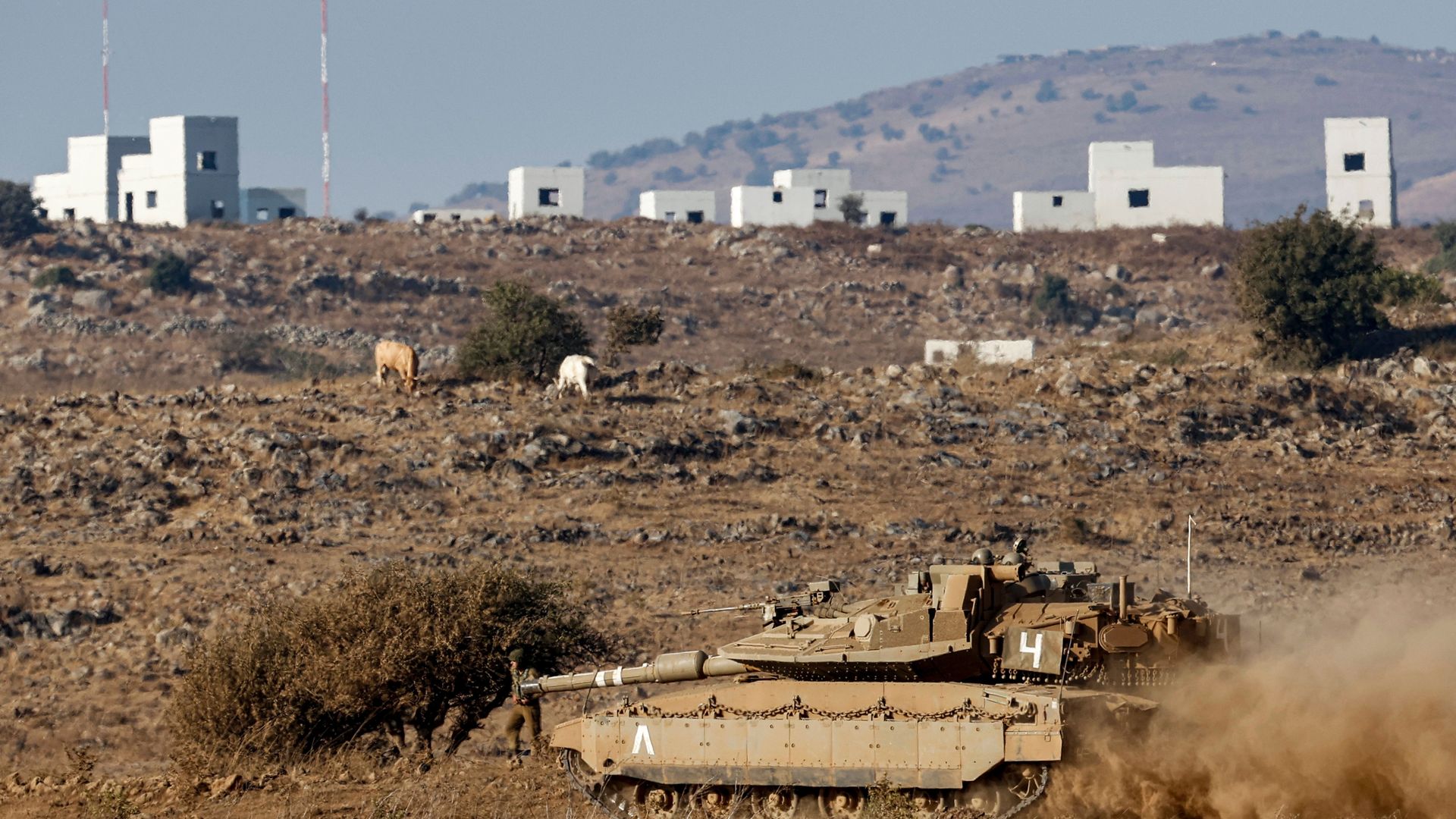
The Israeli Air Force conducted air strikes Tuesday night on Syrian army and Iranian Quds Force targets near Damascus — hours after several improvised explosive devices were discovered on the Israeli side of the border in the Golan Heights.
Why it matters: Tuesday marked the second time in three months that explosive devices were discovered on the Israeli side of the border. Israel claims Iran's Quds Force is using pro-Iranian militias and local Syrian operatives to open a front with Israel in the Golan and engage in attacks on Israeli forces.
South Australia will enter a "circuit breaker" lockdown overnight in an attempt to quash a COVID-19 outbreak, state Premier Steven Marshall announced Wednesday, saying: "We are going hard and we are going early. Time is of the essence."
The big picture: 36 new coronavirus infections have been confirmed since the first community case for six months was detected in state capital Adelaide Sunday. All schools, construction, bars and eateries must close for six days from midnight. Only one person per household can leave home each day and exercise outside is prohibited under the rules. Regional travel and fast food delivery are both banned.
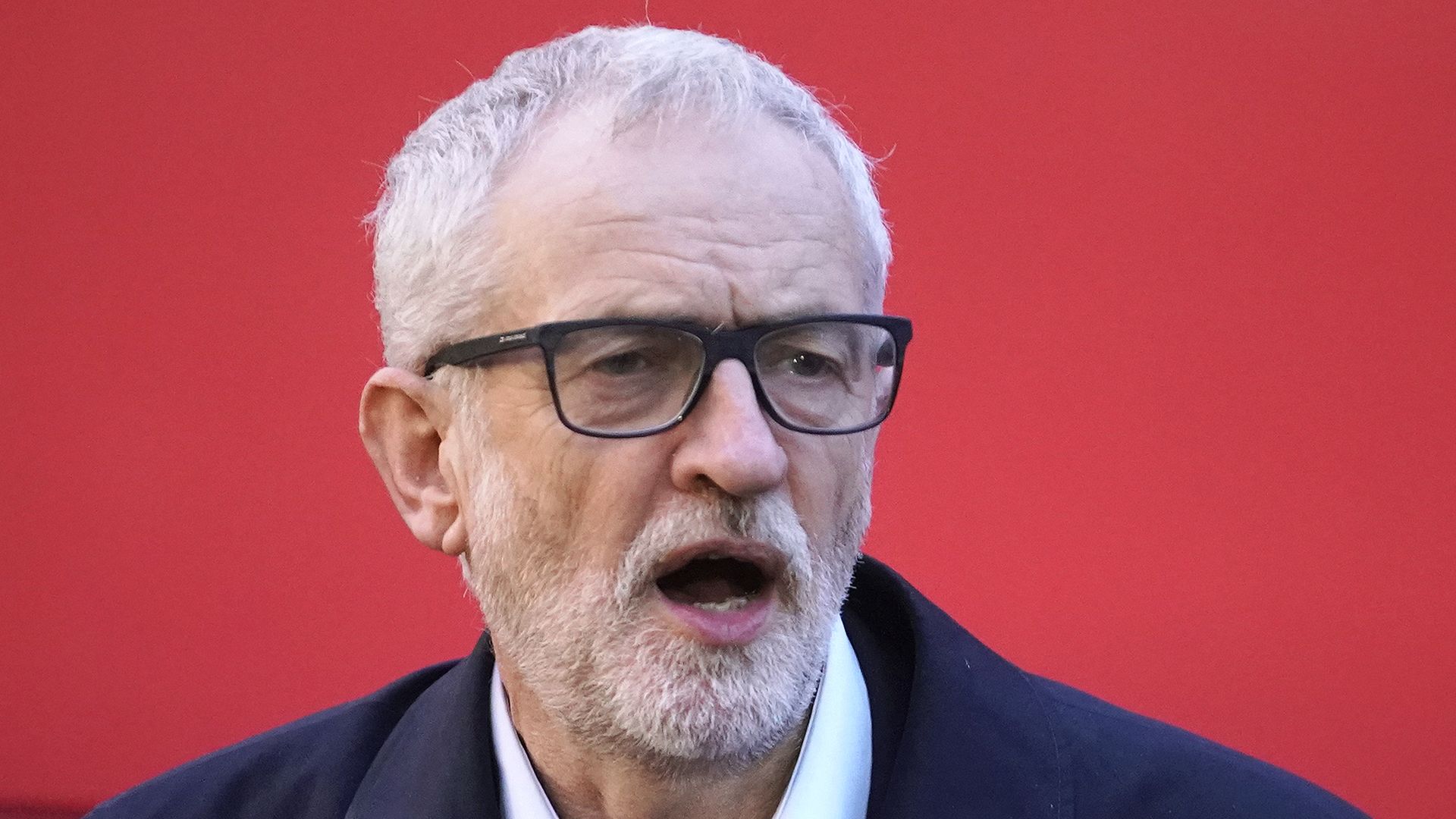
The U.K. Labour Party has reinstated its former leader, Jeremy Corbyn, after he was suspended late last month over his response to a watchdog report that found the party failed to properly take action against allegations of anti-Semitism during his time in charge, per BBC.
Driving the news: After the country's Equality and Human Rights Commission released its report, Corbyn said in a statement, "[T]he scale of the problem was ... dramatically overstated for political reasons by our opponents inside and outside the party, as well as by much of the media."
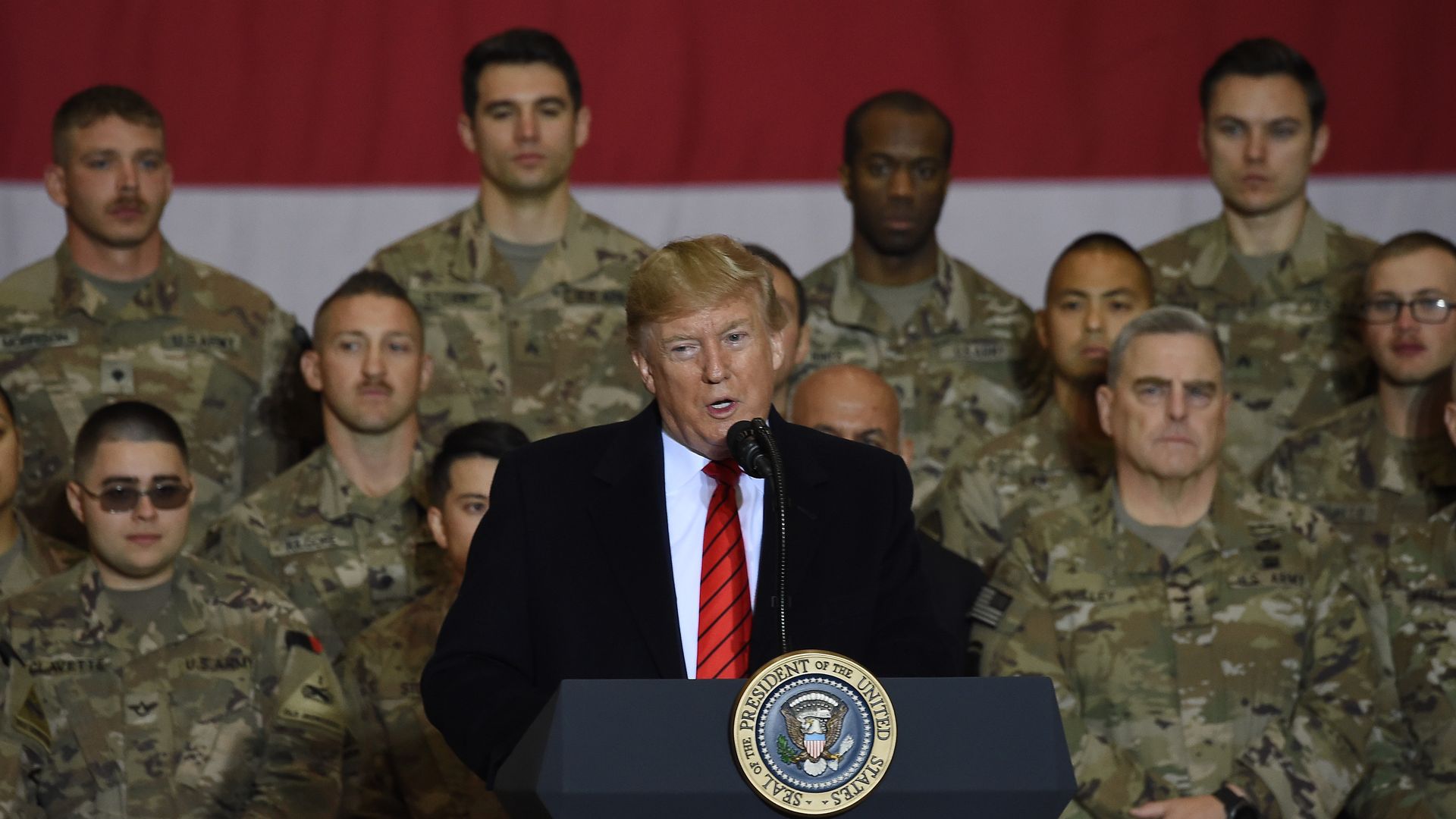
Acting Secretary of Defense Christopher Miller announced on Tuesday that the U.S. would draw down its troop levels in both Afghanistan and Iraq to 2,500 by Jan. 15, 2021.
Why it matters: The U.S. currently has roughly 4,500 troops in Afghanistan, so this will be a significant reduction even as it falls short of President Trump's promise to end America's military presence there altogether.
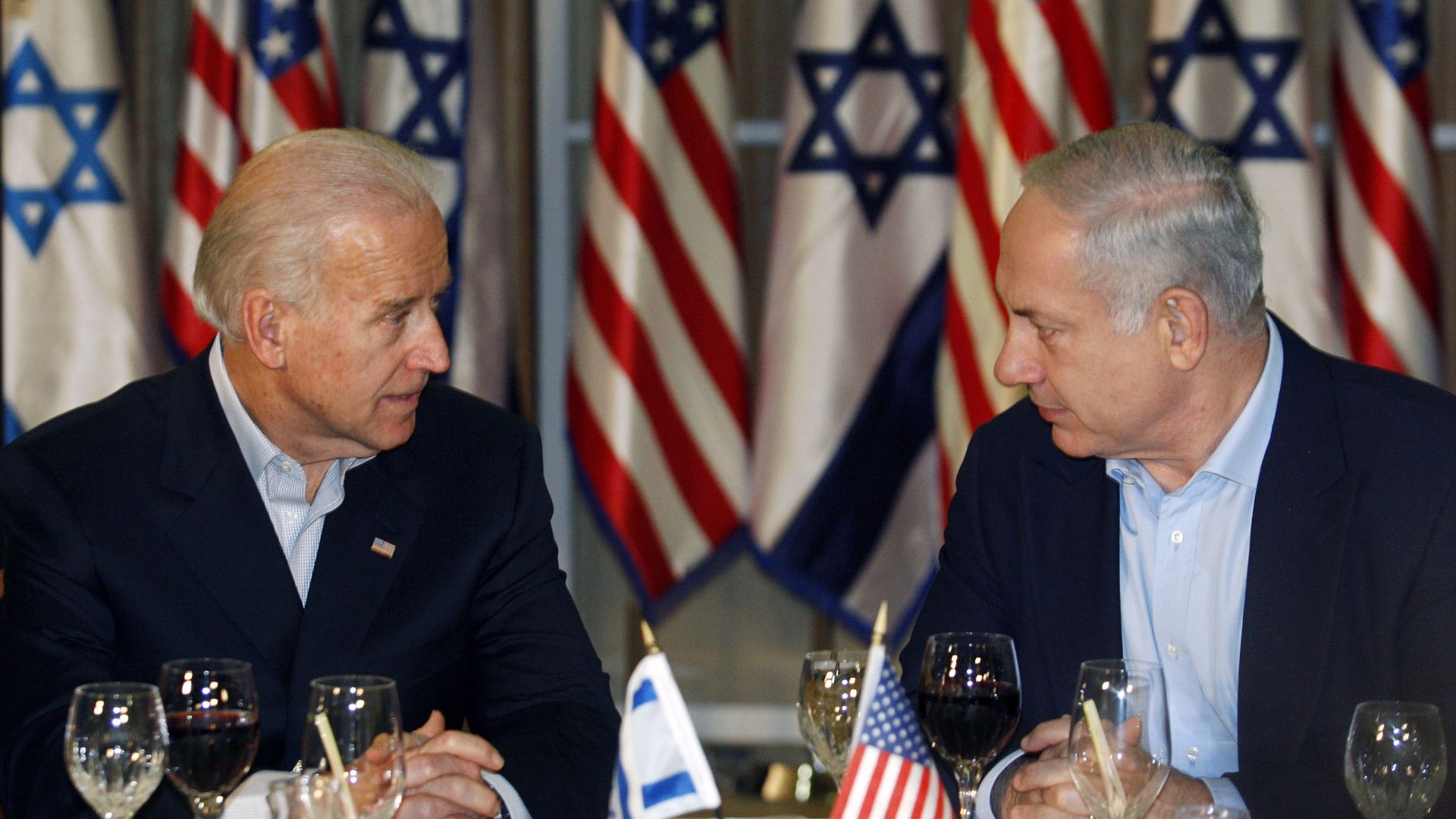
President-elect Biden spoke on the phone today with Israeli Prime Minister Benjamin Netanyahu and Israeli President Reuven Rivlin as part of series of congratulatory phone calls with leaders around the world.
The big picture: The order in which these calls are returned by an incoming president is closely watched. Biden called Netanyahu and Rivlin after speaking with the leaders of nine other U.S. allies over the past few days.
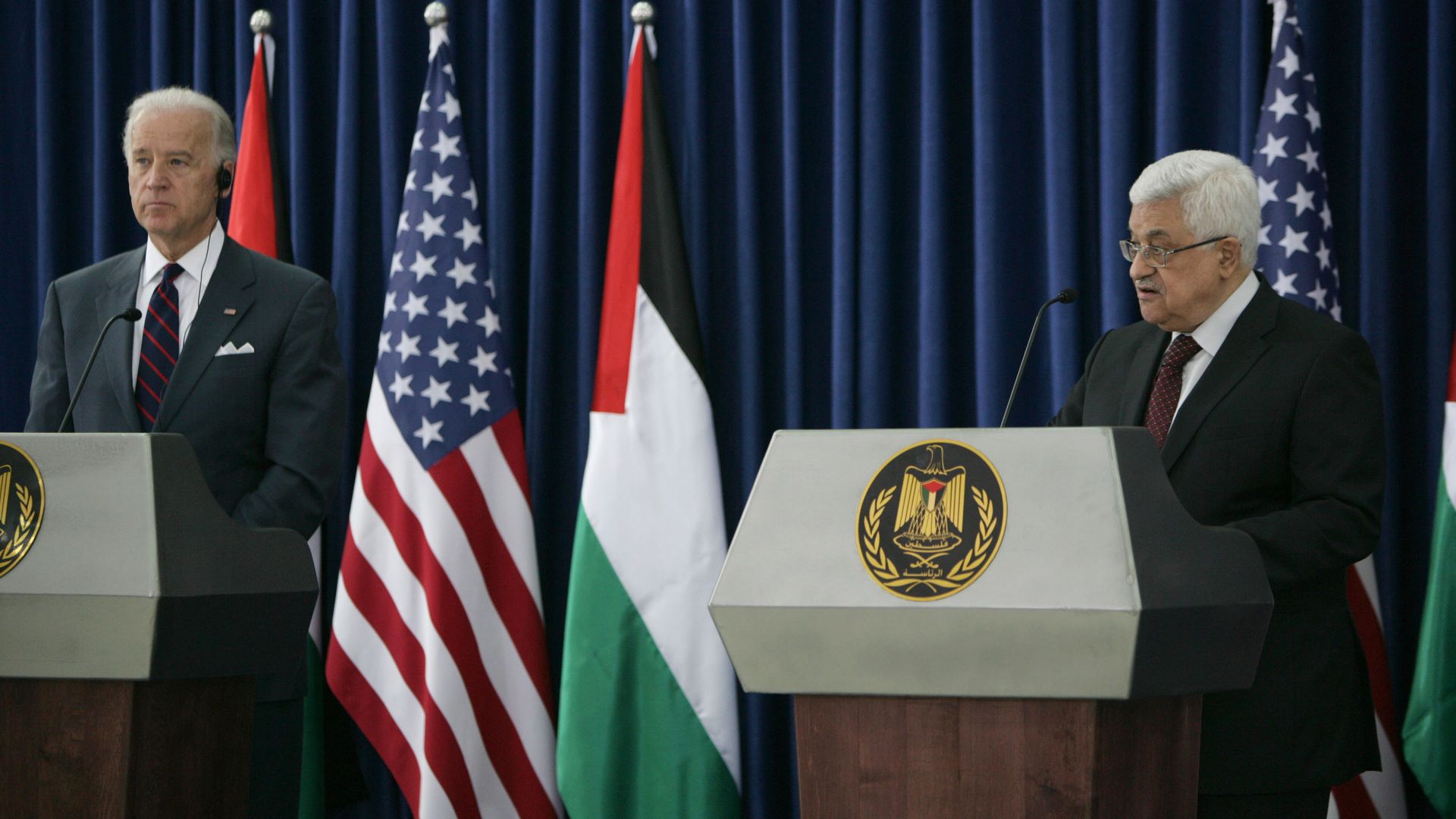
The Palestinian Authority announced today it will renew security and civilian coordination with Israel after a six month standoff triggered by Israeli Prime Minister Benjamin Netanyahu's vow to annex parts of the West Bank.
Why it matters: The Palestinian decision is a goodwill sign following Joe Biden's election victory, and it's also an economic imperative because of the deep financial crisis in the West Bank.
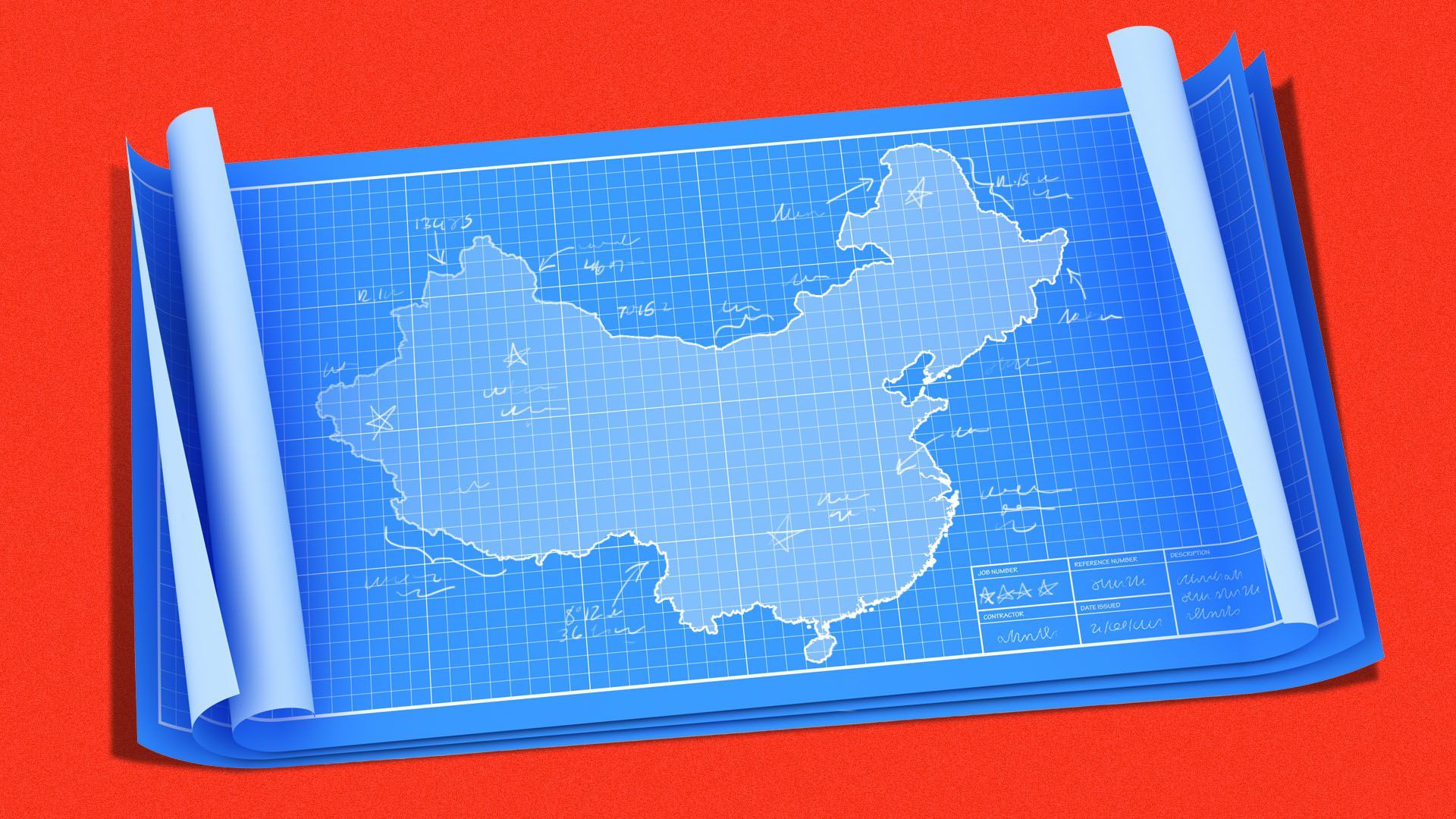
The U.S. State Department's Office of Policy Planning is set to release a blueprint for America’s response to China’s rise as an authoritarian superpower, Axios has learned.
Why it matters: The lengthy document calls for strong alliances and rejuvenation of constitutional democracy. Axios obtained a copy.
The day he enters the White House, President-elect Joe Biden will inherit a host of China-related challenges that require immediate action, from restoring diplomatic backchannels with China tofiguring out what to do about lingering tariffs.
The big picture: Biden must find a way to putthe U.S.-China relationship on a more sustainable path while preserving U.S. national security interests and blocking China's efforts to weaken international norms.
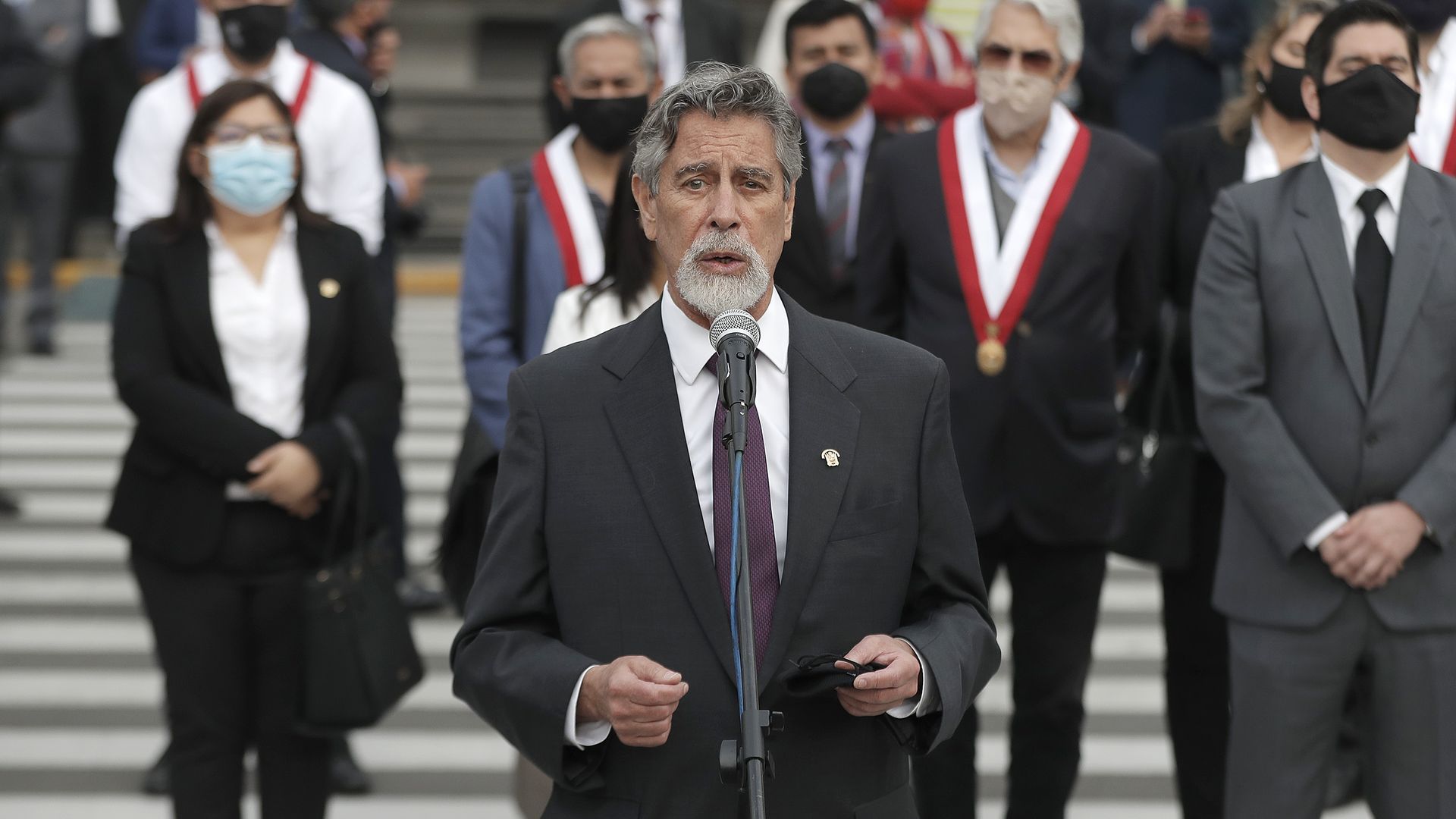
Peru's new interim President Francisco Sagasti said after being elected by lawmakers in Congress Monday that "today is not a day of celebration," per Al Jazeera.
Why it matters: Peru has had three different presidents in one week. The previous interim leader, Manuel Merino, resigned Sunday following deadly weekend clashes between police and demonstrators protesting the ouster of former President Martín Vizcarra, who was impeached last week.
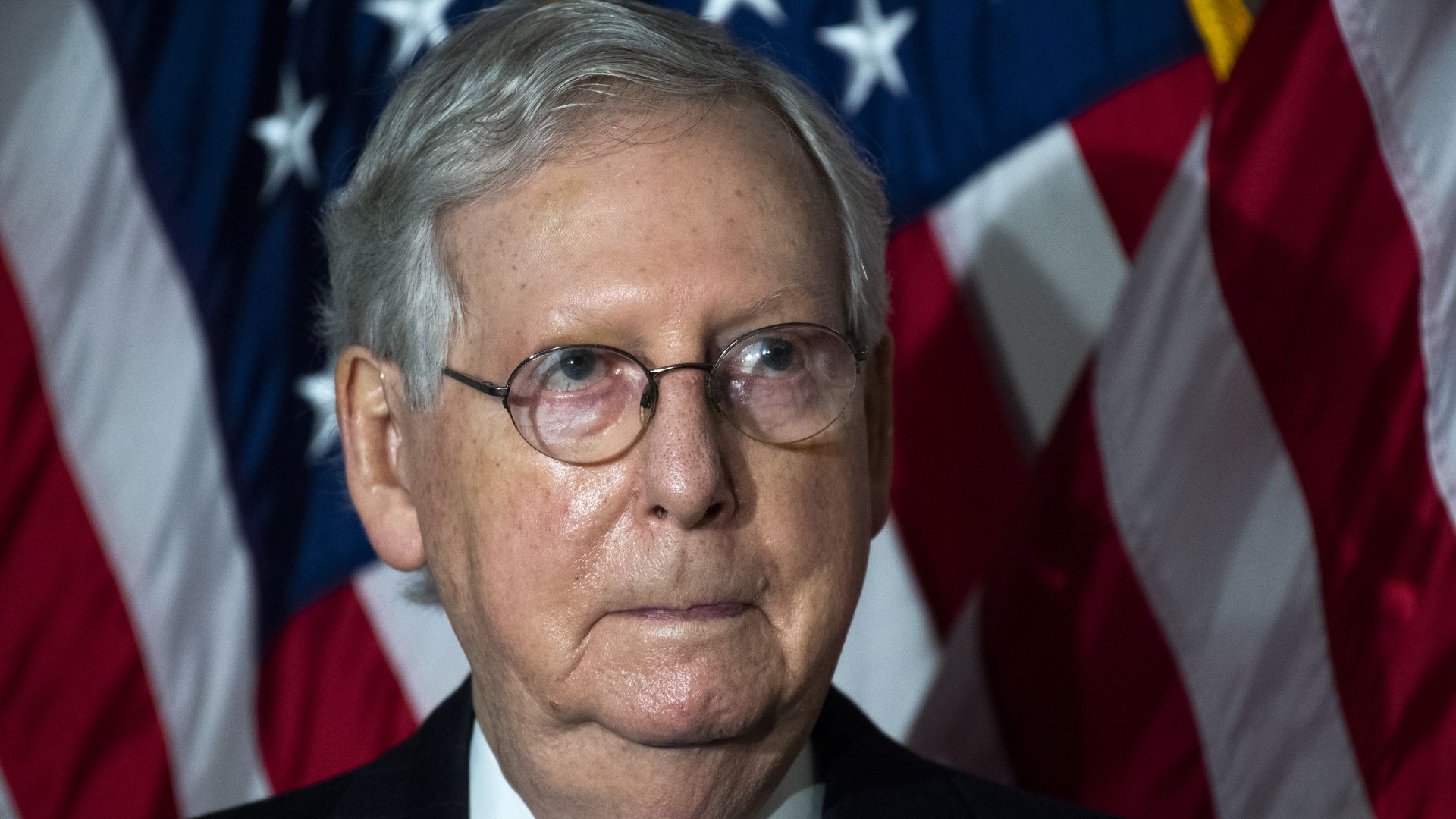
Senate Majority Leader Mitch McConnell (R-Ky.) on Monday warned that a "rapid withdrawal of U.S. forces from Afghanistan now would hurt our allies and delight the people who wish us harm."
Why it matters: McConnell's Senate floor remarks mark a rare public difference of opinion with President Trump, who's spoken of his desire to swiftly withdraw American troops from Afghanistan and elsewhere.
The vaccine breakthroughs from Pfizer and Modernaare incredible news, for a small sliver of the world.
The big picture: Wealthy countries like the U.S. have secured their access to those vaccines and others and are increasingly confident they'll begin mass vaccination this spring. But according to research from Duke University's Global Health Institute, there likely won't be enough doses to cover the entire global population until 2024.