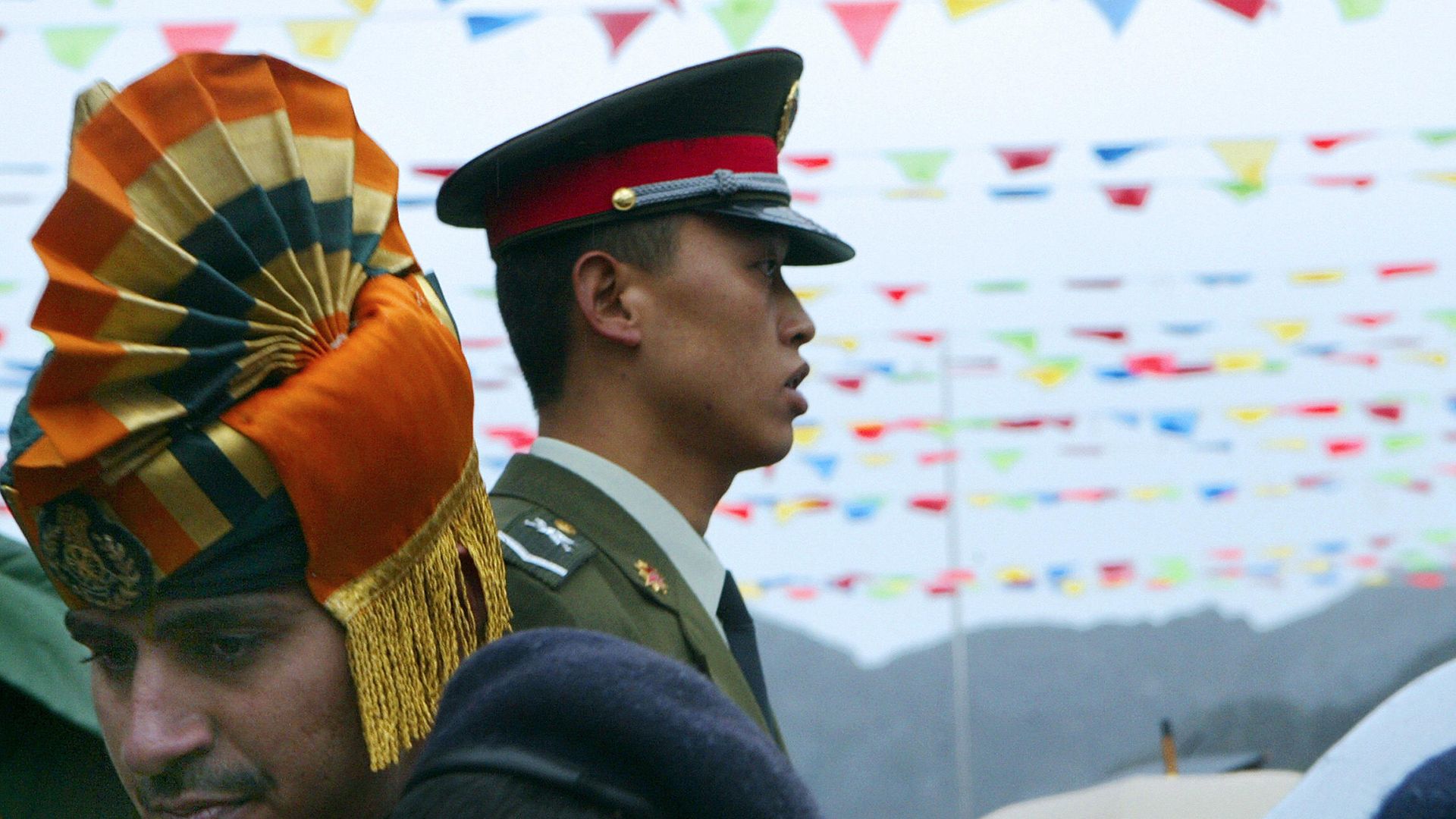
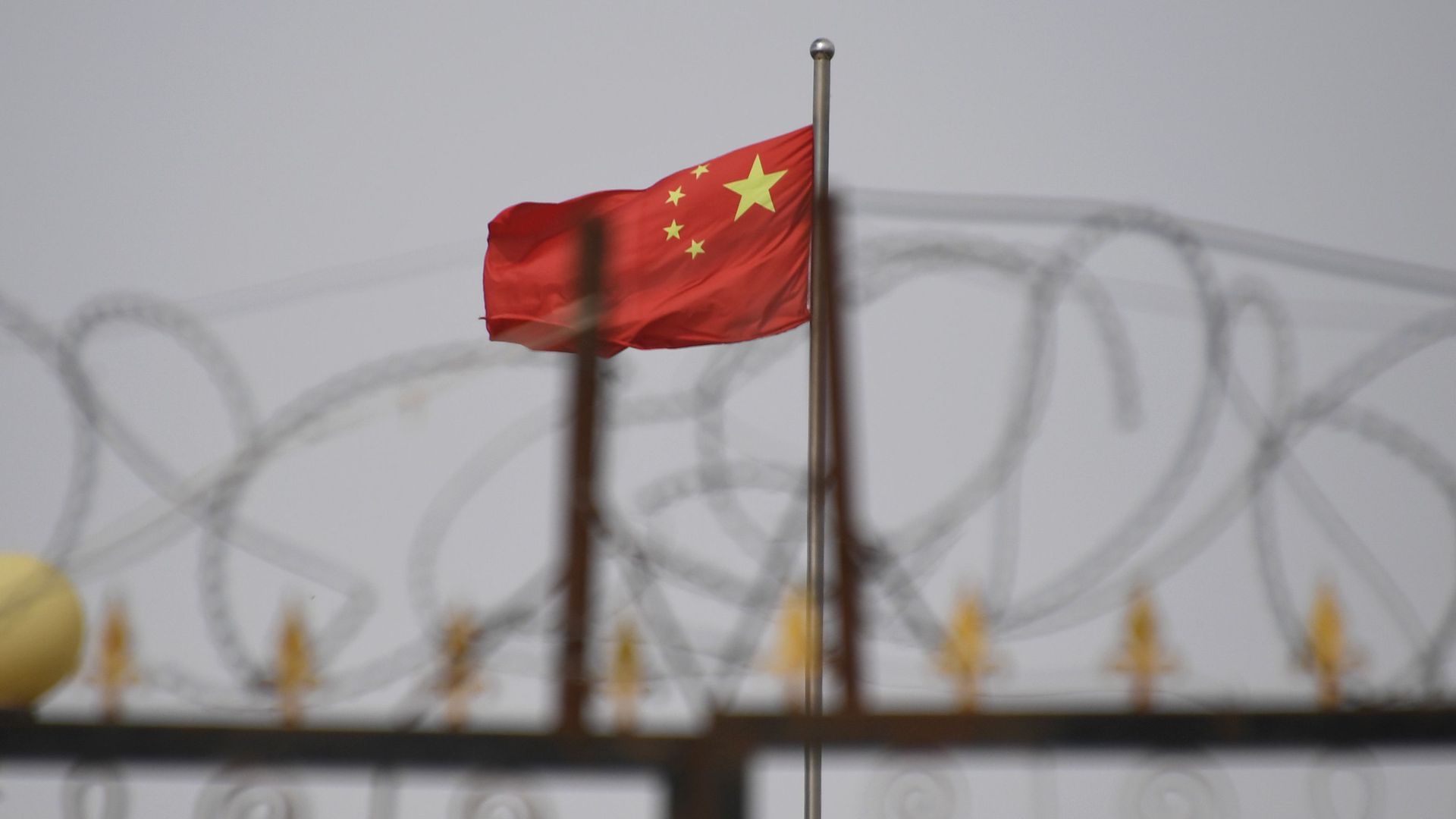
India on Thursday rejected President Trump's offer to mediate what he called a "raging" border dispute with China, saying diplomatic and military channels to China had been engaged to resolve the Himalayan standoff bilaterally.
Where things stand: It's very difficult to tell, given the paucity of information trickling down from the mountains. But reports of Chinese incursions across the Line of Actual Control (LAC), followed by troop reinforcements from both sides, are cause for concern.
The epicenter of the COVID-19 pandemic has movedfrom China to Europe to the United States and now to Latin America.
Why it matters: Up until now, the pandemic has struck hardest in relatively affluent countries. But it's now spreading fastest in countries where it will be even harder to track, treat and contain.
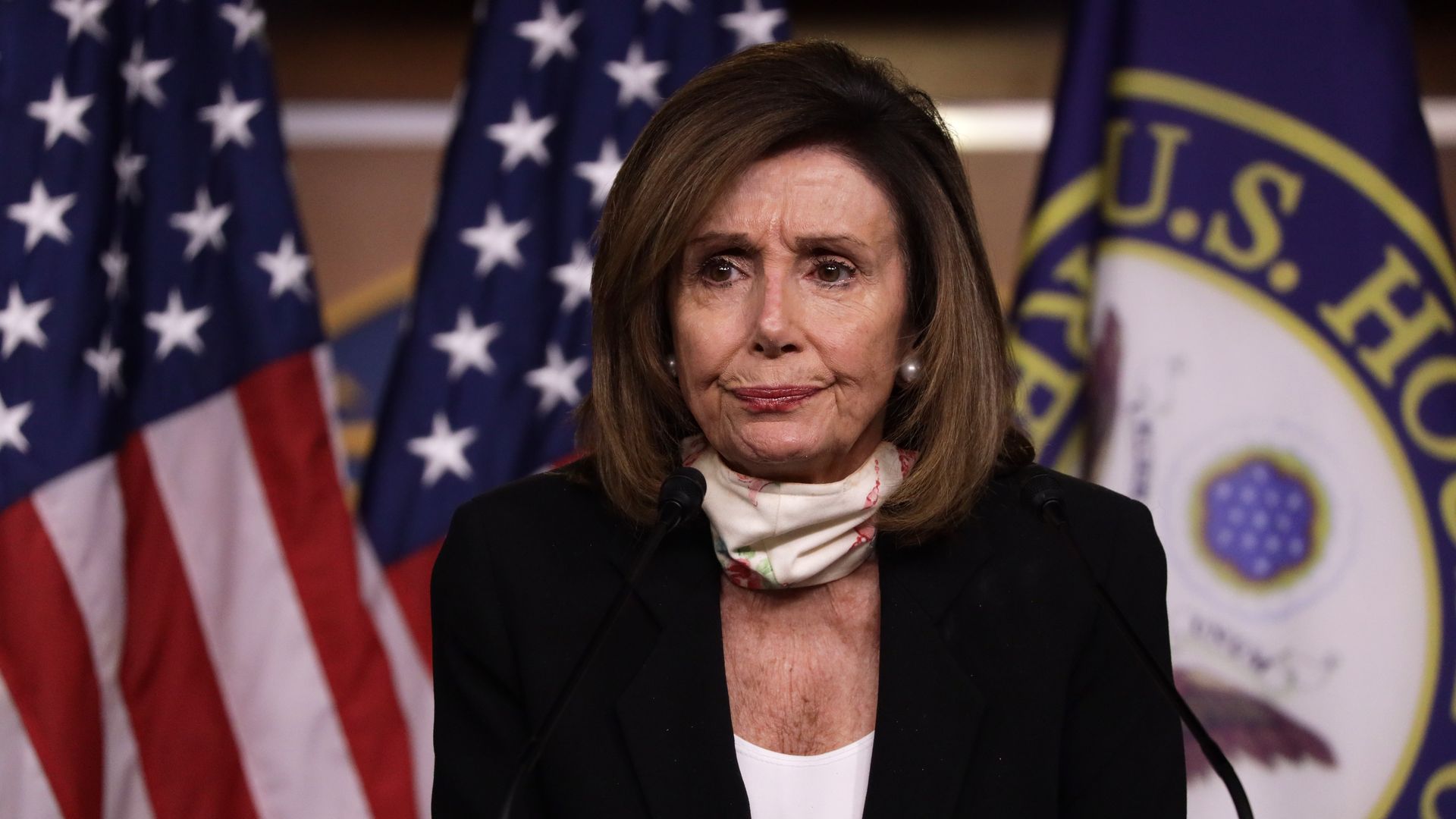
House Speaker Nancy Pelosi released a statement Thursday condemning the Chinese government's new national security law for Hong Kong and calling on Congress to work with the Trump administration to determine an appropriate response, which could include "visa limitations and economic penalties."
Why it matters: China's encroachment on Hong Kong's independent legal system, which effectively marks the end of the "one country, two systems" framework, has prompted rare bipartisan backlash in Washington at a time when tensions with Beijing are running high.
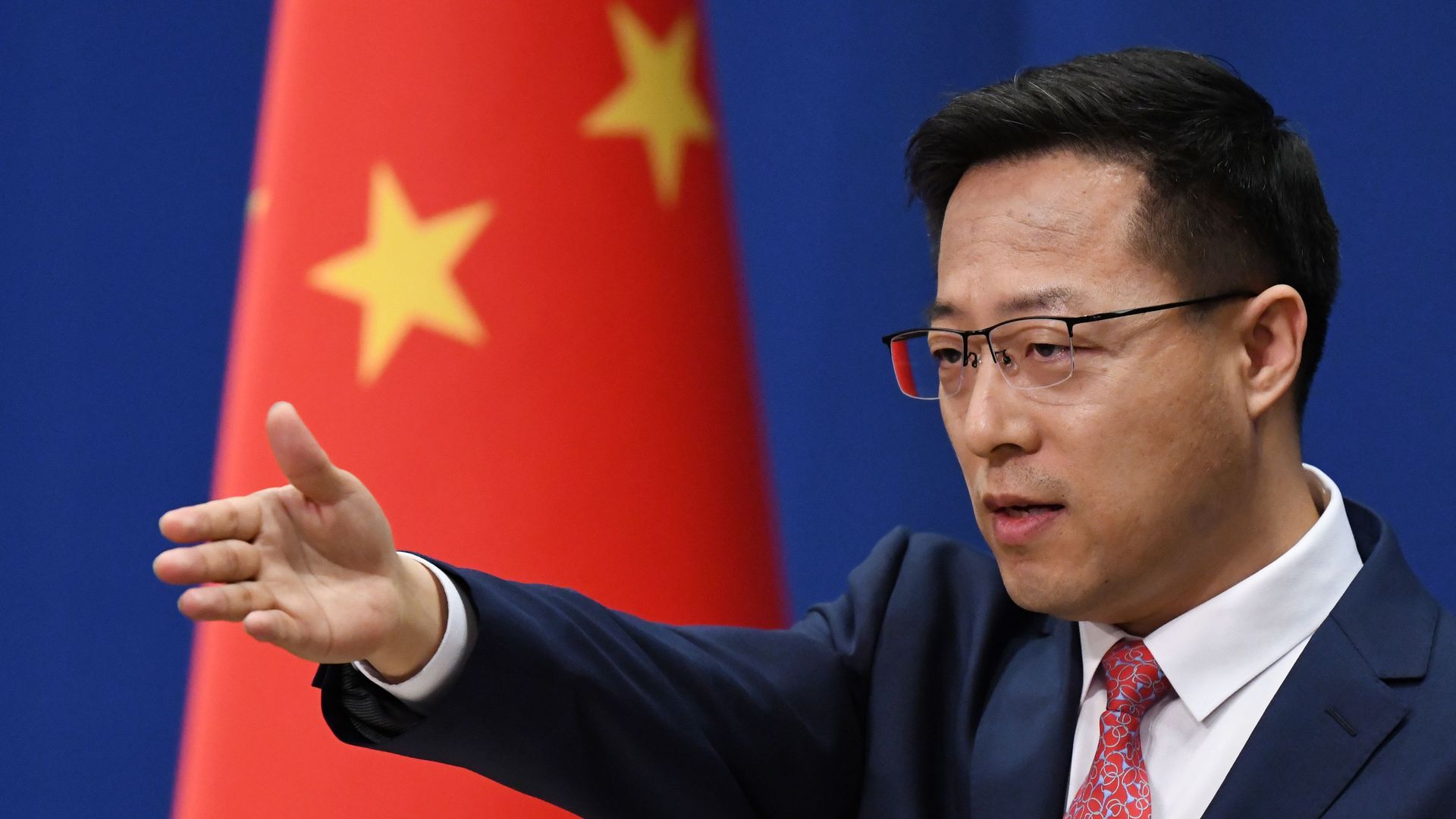
Twitter slapped a fact-check label on a pair of months-old tweets from a Chinese government spokesperson that falsely suggested that the coronavirus originated in the U.S. and was brought to Wuhan by the U.S. military, directing users to "get the facts about COVID-19."
Why it matters: The labels were added after criticism that Twitter had fact-checked tweets from President Trump about mail-in voting, but not other false claims from Chinese Communist Party officials and other U.S. adversaries.
Chinese lawmakers approved a plan on Thursday for a sweeping national security law for Hong Kong that would criminalize sedition, foreign influence and secession in the Asian financial hub.
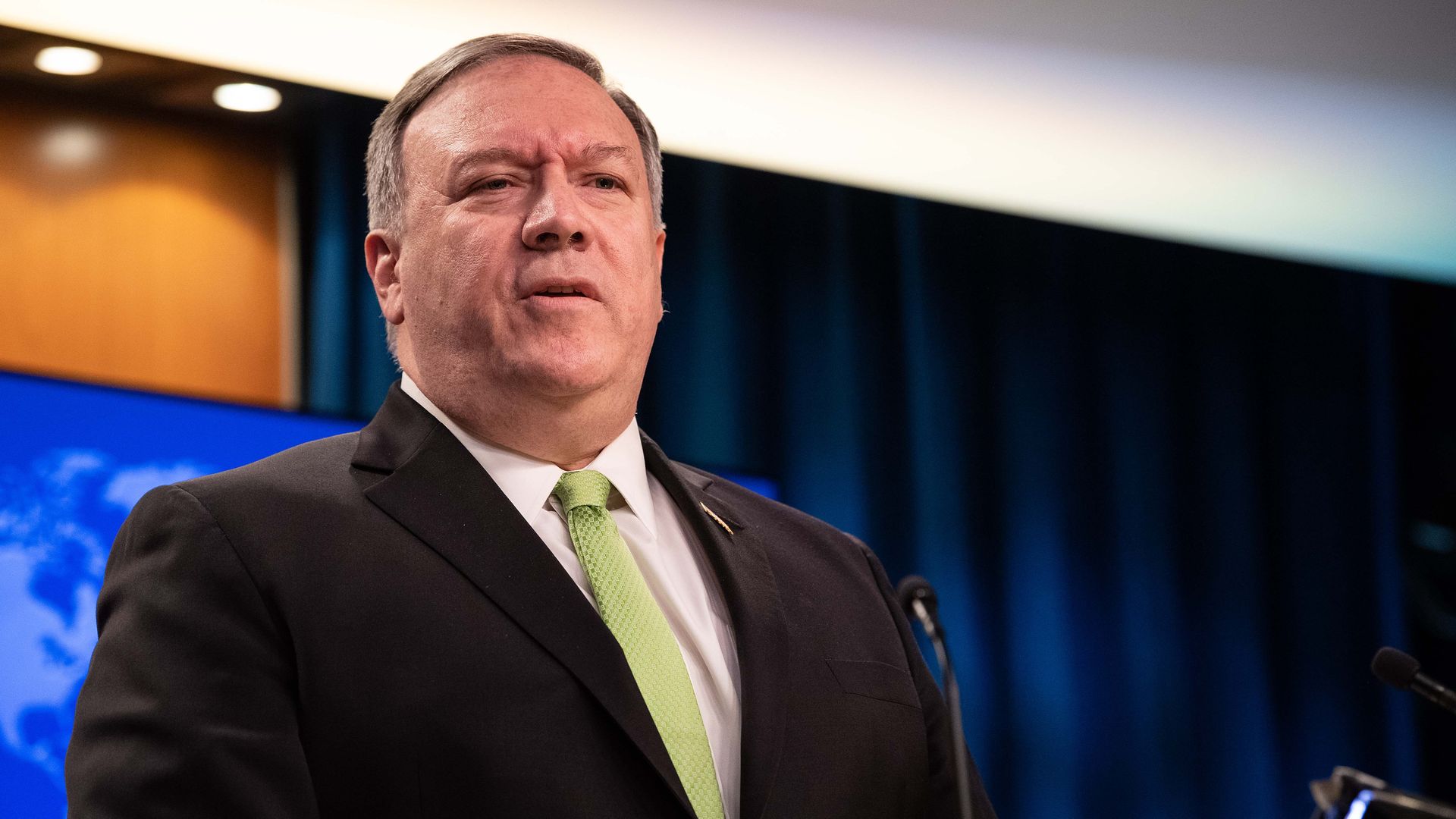
Why it matters: China bypassed Hong Kong's legislature and chief executive to introduce the law, prompting Secretary of State Mike Pompeo to announce Wednesday that the city is no longer autonomous from the Chinese mainland and does not warrant special treatment under U.S. law.
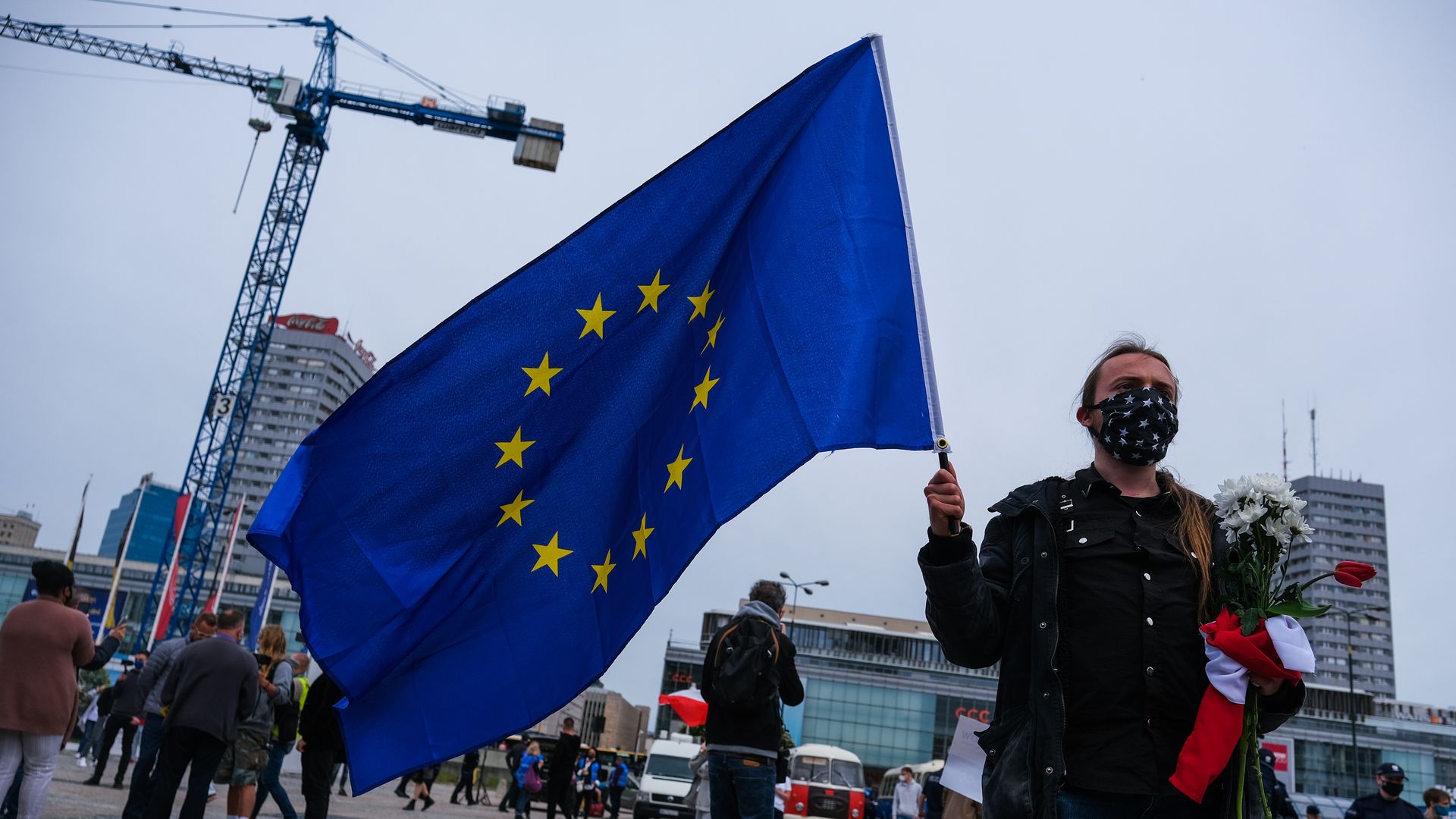
The European Union is considering an $826 billion coronavirus rescue package to fund recovery efforts in response to the bloc's coronavirus-fueled economic strain, European Commission President Ursula von der Leyen said Wednesday.
Why it matters: The historic fund would bring the EU closer to fiscal union via a shared budget, the New York Times reports — however, all countries have to agree to the fund for it to be implemented.
The U.S. is ending waivers that had allowed foreign companies to work at Iran's civilian nuclear facilities, Secretary of State Mike Pompeo announced on Wednesday.
Why it matters: This will eliminate most elements of U.S. sanctions relief still in place two years after President Trump withdrew from the 2015 Iran nuclear deal. Pompeo said "continued nuclear escalation" made the move necessary, but critics warn it will encourage further Iranian enrichment.
Senate Foreign Relations ranking member Bob Menendez (D-N.J.) wrote in a CNN op-ed on Wednesday that he learned that the State Department is currently working to sell thousands of additional precision-guided bombs to Saudi Arabia.
The House voted 413-1 on Wednesday in favor of the Uyghur Human Rights Policy Act, a Senate bill that would sanction Chinese officials responsible for detaining up to 2 million members of the ethnic minority in forced labor camps in Xinjiang.
Why it matters: The passage of the bill will further exacerbate tensions between the U.S. and China, which are already running extremely high as a result of the coronavirus pandemic and Beijing's aggressive actions toward Hong Kong.
The Justice Department's arrest of Simon Saw-Teong Ang, an engineering professor at the University of Arkansas, for wire fraud earlier this month ratcheted up a long-running confrontation with China over a controversial scholarship program.
What’s happening: Ang’s indictment was related to his failure to disclose the extent of his ties to China’s 1000 Talents Program, an initiative of the Chinese government to encourage U.S. scientists and researchers to share technical know-how and innovations with Chinese universities and businesses.
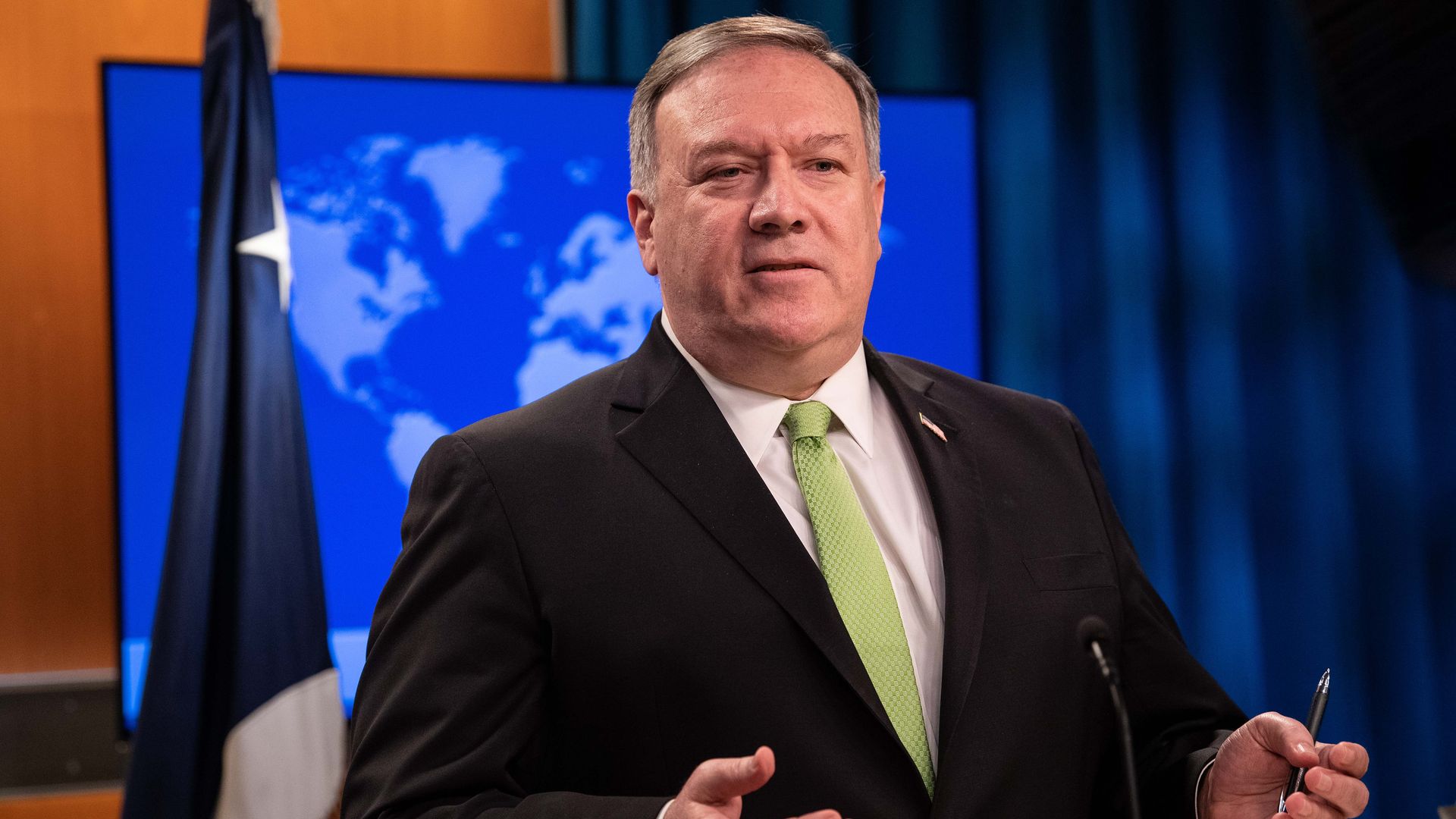
Secretary of State Mike Pompeo said in a statement Wednesday that he has certified to Congress that Hong Kong is no longer autonomous from China and does not warrant special treatment under U.S. law.
Why it matters: Revoking Hong Kong's special status would hasten its economic and financial decline, already set in motion by China's growing political grip on the city. The preferential status that the U.S. has long granted Hong Kong has made the city a top U.S. trading partner.
The European Commission this morning proposed a $825 billion package of economic responses to the coronavirus pandemic that includes financing for renewable energy, electric vehicle charging and other emissions-friendly projects.
Why it matters: The energy components of the "Next Generation EU" plan, part of a wider multi-year budget proposal, appear to be the most substantial attempt yet to stitch low-carbon investments into economic recovery plans.
As Beijing forces a sweeping national security law on Hong Kong, the once semi-autonomous city's status as one of Asia's largest financial hubs is at risk.
Why it matters: Political freedoms and strong rule of law helped make Hong Kong a thriving center for international banking and finance. But China's leaders may be betting that top firms in Hong Kong will trade some political freedoms for the economic prosperity Beijing can offer.
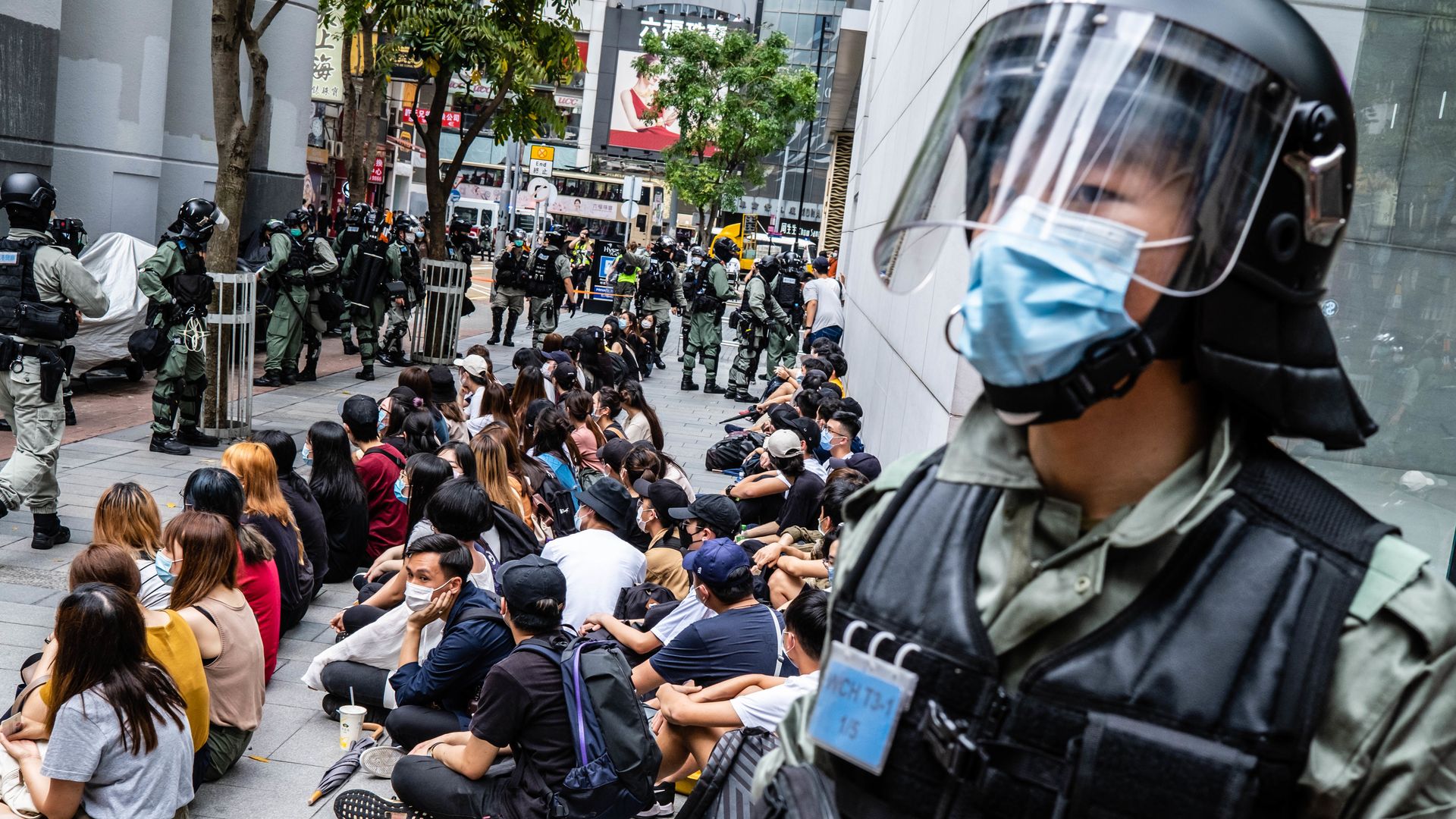
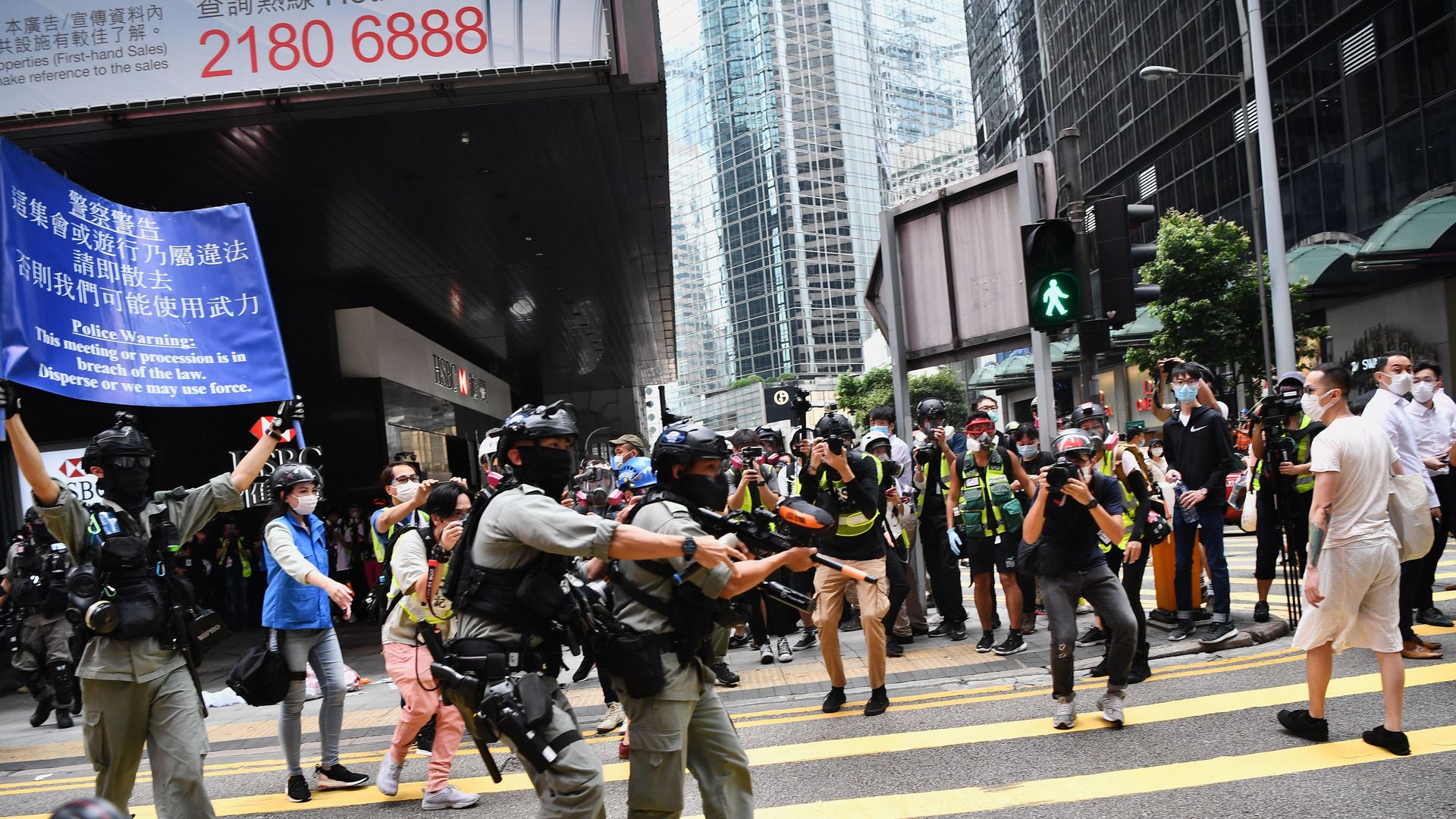
Hong Kong riot police fired pepper pellets at activists and surrounded the Legislative Council during demonstrations against a bill proposing to criminalize "disrespect of the Chinese Anthem" on Wednesday, per Reuters.
Why it matters: The bill is the latest concern pro-democracy protesters have that Chinese authorities are encroaching on the high degree of autonomy the former British colony has retained since it was returned to China in 1997.