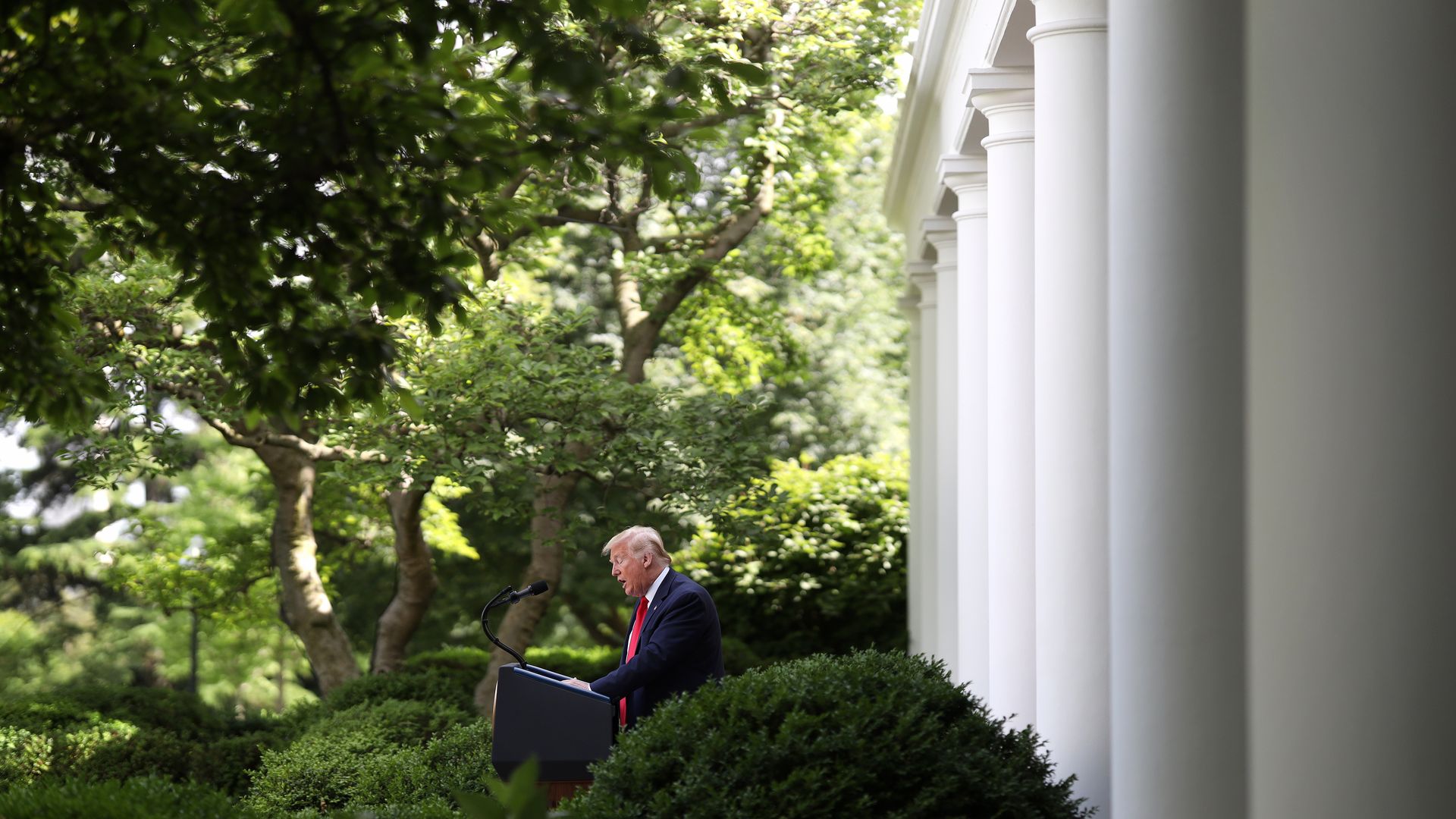
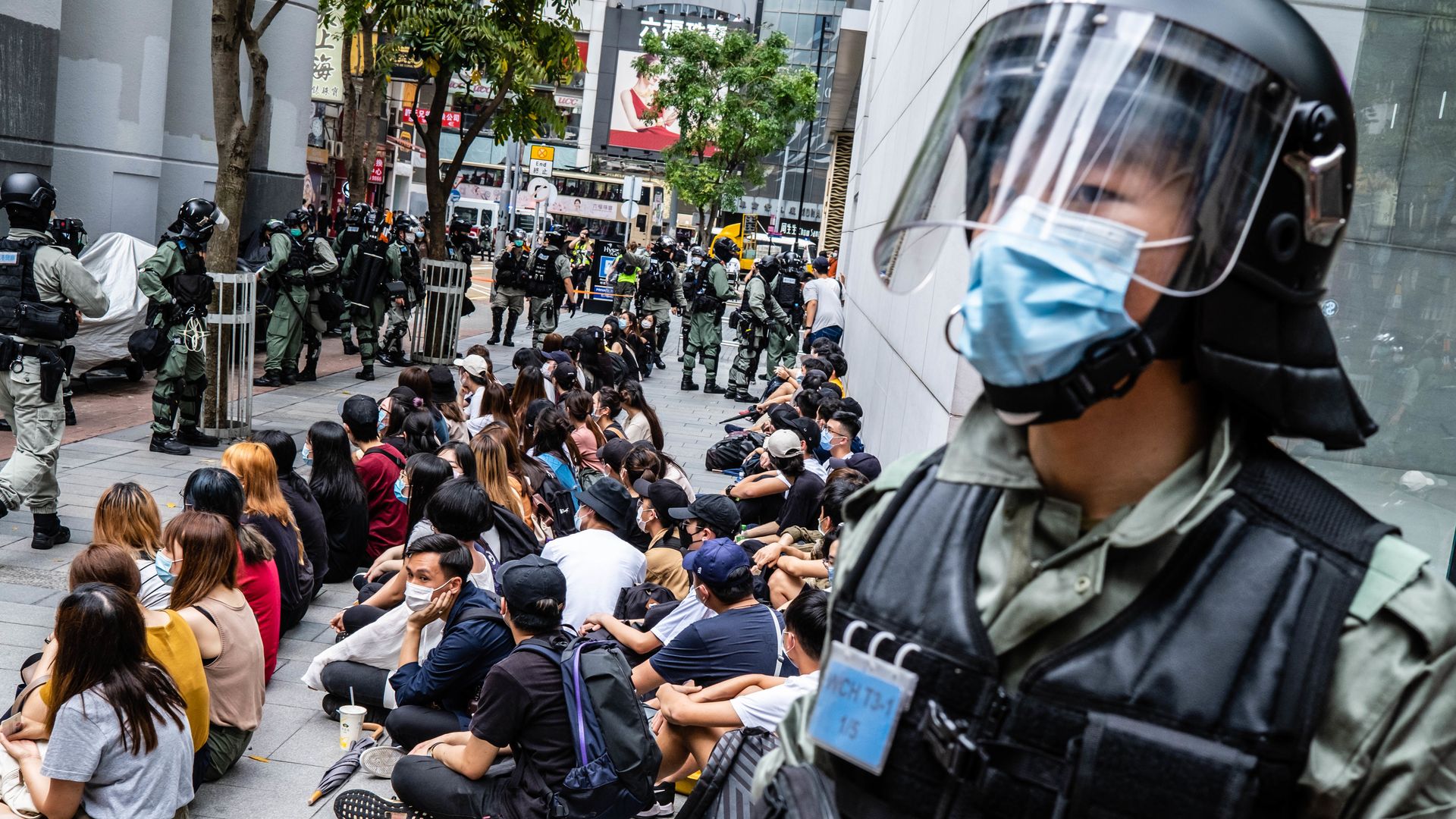
President Trump announced on Friday that the U.S. would be fundamentally changing longstanding policies toward Hong Kong as a result of Chinese encroachment on the city's autonomy.
Why it matters: Trump said he would be effectively ending the special trade status that has allowed Hong Kong to flourish as a gateway to the Chinese market. That leaves an uncertain future for businesses that operate in Hong Kong, not to mention the city's 7 million residents, and could be met with reprisals from Beijing.
Greek Prime Minister Kyriakos Mitsotakis makes it sound pretty simple.
What he's saying: Asked this week how his country had avoided a major COVID-19 outbreak, he said: "It was obvious to me after talking to our public health experts that we would be moving into some sort of lockdown. I chose to do it earlier rather than later."
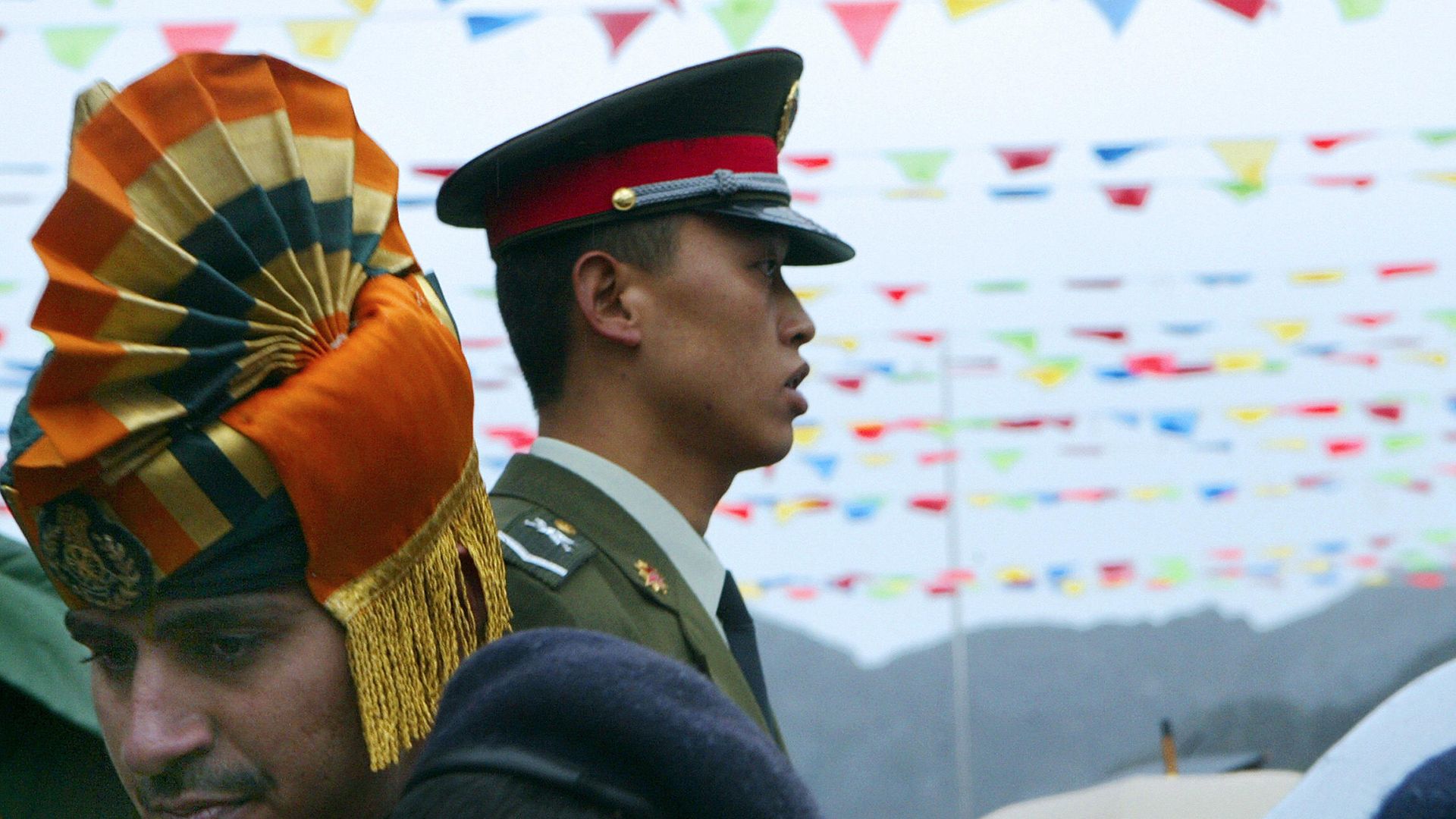
India on Thursday rejected President Trump's offer to mediate what he called a "raging" border dispute with China, saying diplomatic and military channels to China had been engaged to resolve the Himalayan standoff bilaterally.
Where things stand: It's very difficult to tell, given the paucity of information trickling down from the mountains. But reports of Chinese incursions across the Line of Actual Control (LAC), followed by troop reinforcements from both sides, are cause for concern.
The epicenter of the COVID-19 pandemic has movedfrom China to Europe to the United States and now to Latin America.
Why it matters: Up until now, the pandemic has struck hardest in relatively affluent countries. But it's now spreading fastest in countries where it will be even harder to track, treat and contain.
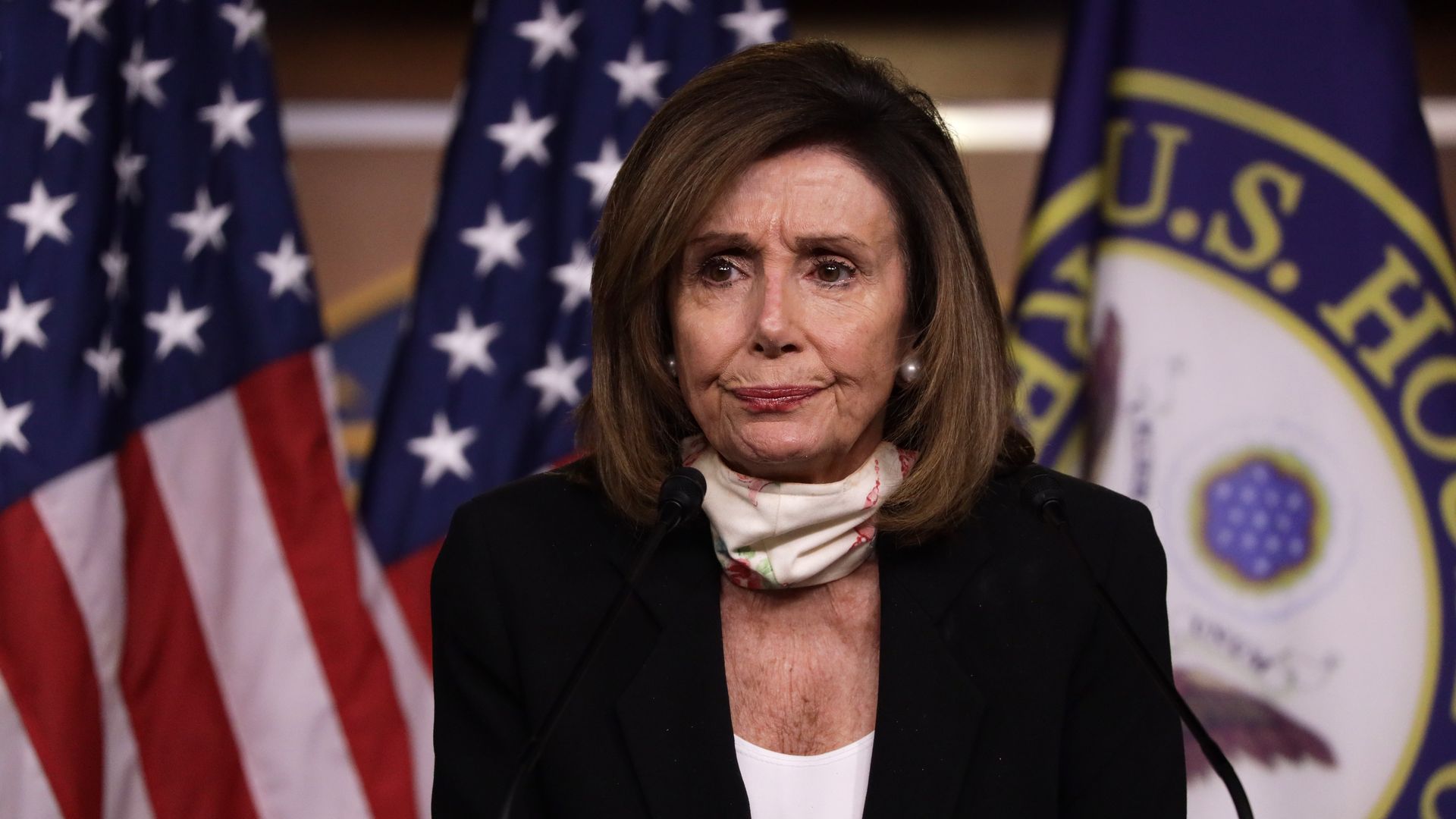
House Speaker Nancy Pelosi released a statement Thursday condemning the Chinese government's new national security law for Hong Kong and calling on Congress to work with the Trump administration to determine an appropriate response, which could include "visa limitations and economic penalties."
Why it matters: China's encroachment on Hong Kong's independent legal system, which effectively marks the end of the "one country, two systems" framework, has prompted rare bipartisan backlash in Washington at a time when tensions with Beijing are running high.
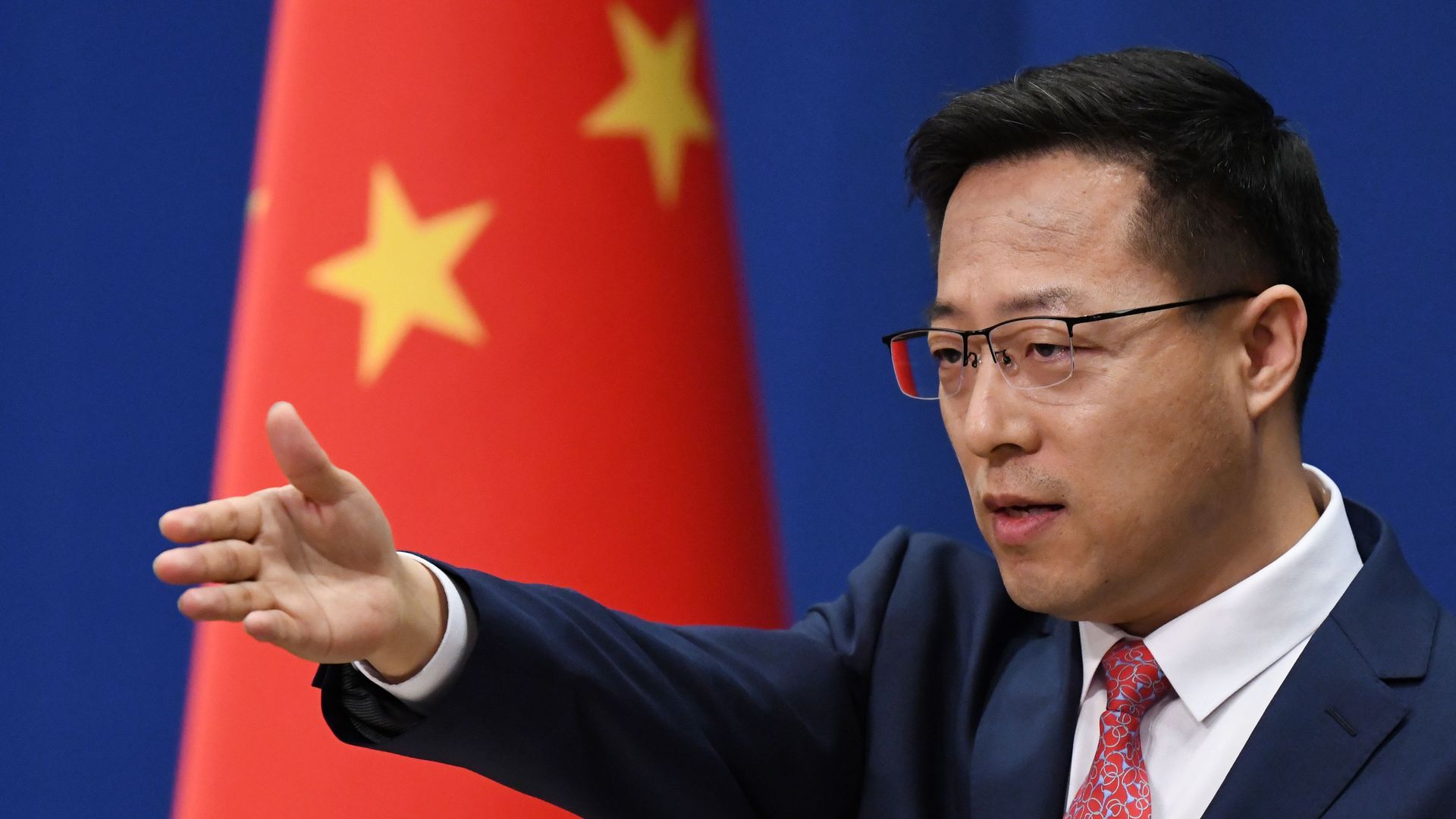
Twitter slapped a fact-check label on a pair of months-old tweets from a Chinese government spokesperson that falsely suggested that the coronavirus originated in the U.S. and was brought to Wuhan by the U.S. military, directing users to "get the facts about COVID-19."
Why it matters: The labels were added after criticism that Twitter had fact-checked tweets from President Trump about mail-in voting, but not other false claims from Chinese Communist Party officials and other U.S. adversaries.
Chinese lawmakers approved a plan on Thursday for a sweeping national security law for Hong Kong that would criminalize sedition, foreign influence and secession in the Asian financial hub.
Why it matters: China bypassed Hong Kong's legislature and chief executive to introduce the law, prompting Secretary of State Mike Pompeo to announce Wednesday that the city is no longer autonomous from the Chinese mainland and does not warrant special treatment under U.S. law.
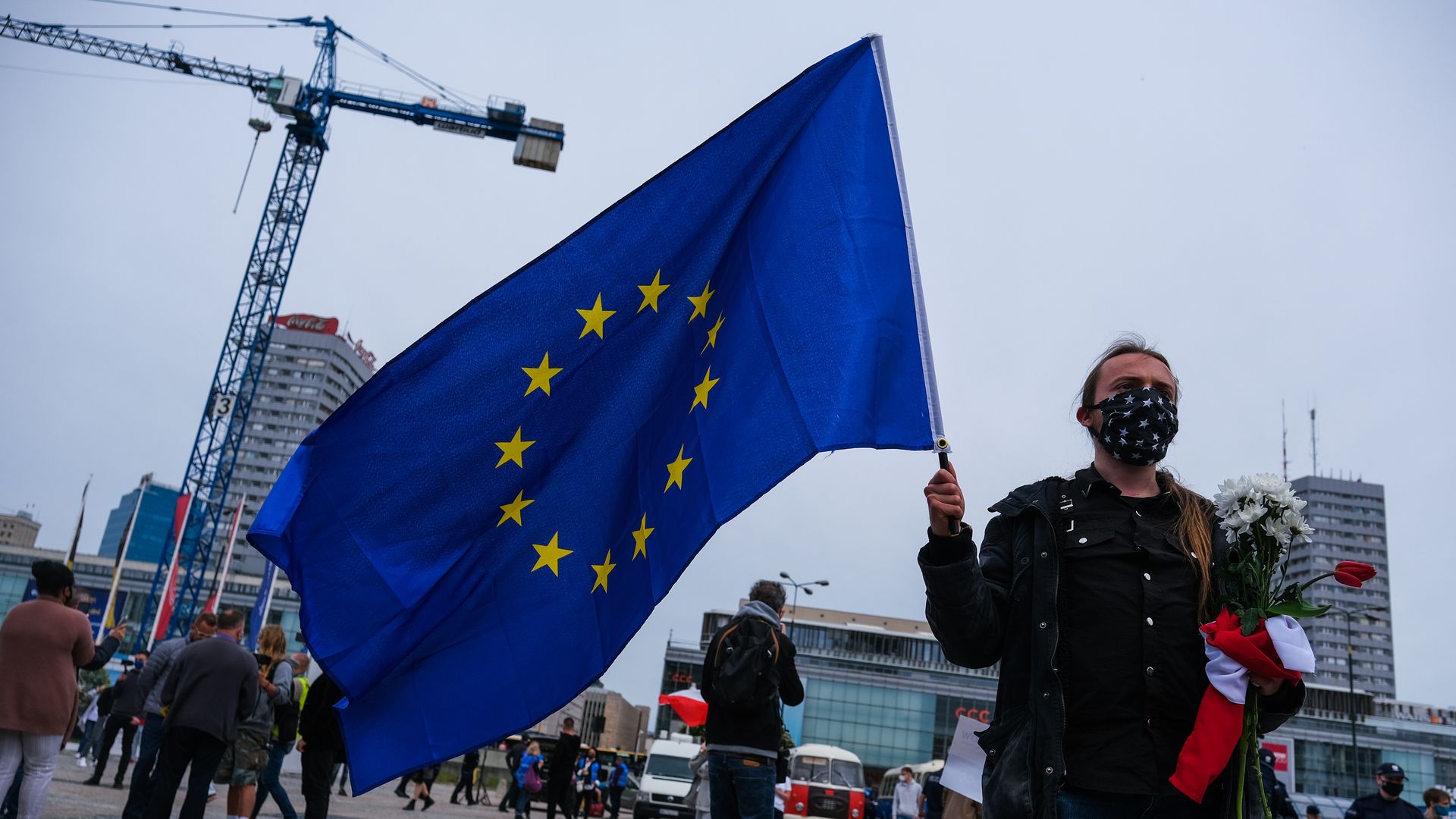
The European Union is considering an $826 billion coronavirus rescue package to fund recovery efforts in response to the bloc's coronavirus-fueled economic strain, European Commission President Ursula von der Leyen said Wednesday.
Why it matters: The historic fund would bring the EU closer to fiscal union via a shared budget, the New York Times reports — however, all countries have to agree to the fund for it to be implemented.