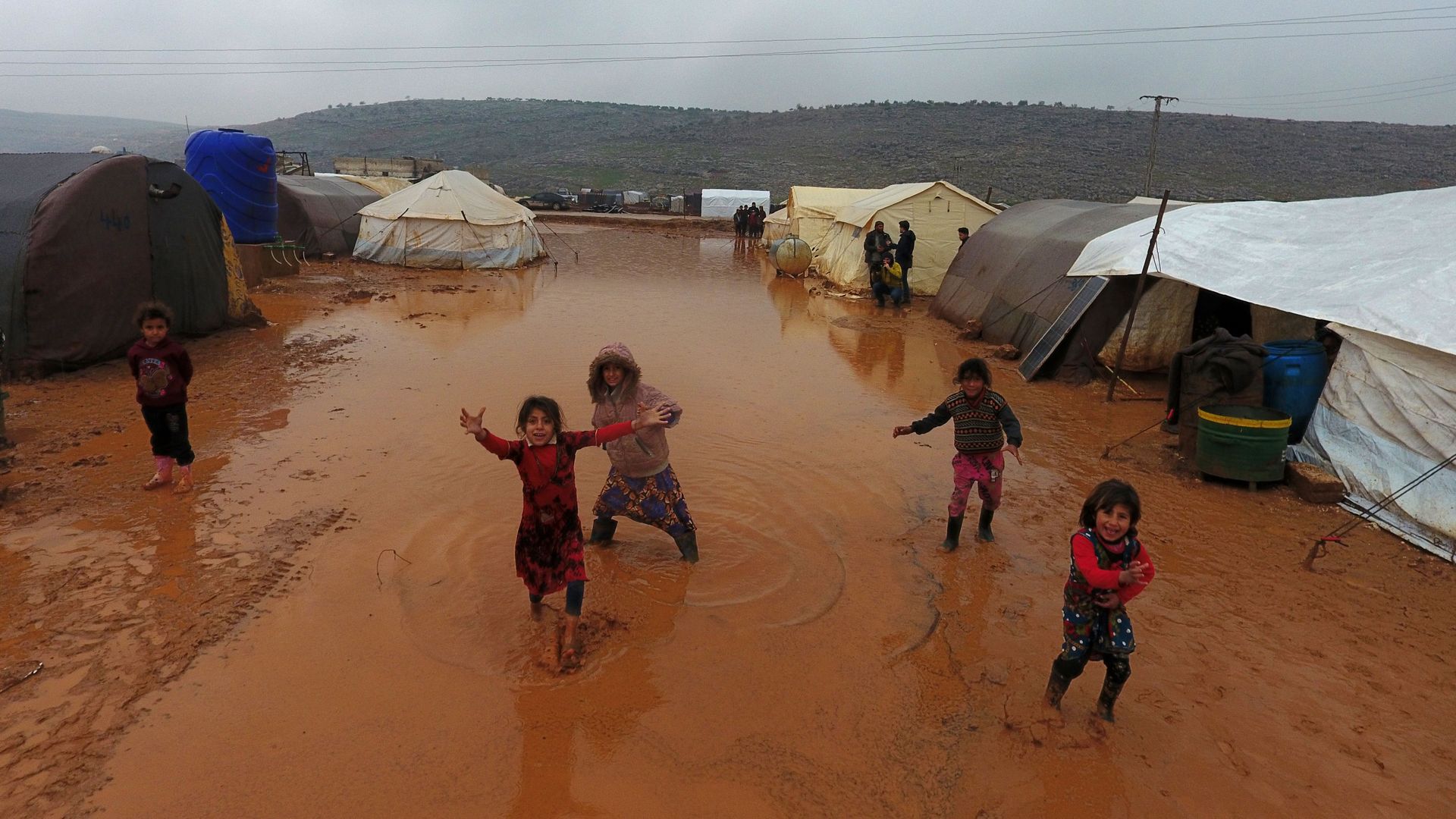
As 2019 comes to a close, a military offensive launched by Syrian President Bashar al-Assad in Idlib has killed at least 100 civilians and displaced more than 235,000, creating a new nightmare in a region already racked by humanitarian catastrophe.
The big picture: The recent strikes are part of a wider government campaign to reassert authority over Idlib, Syria’s last remaining rebel stronghold. Nearly 3 million civilians are trapped in the northwestern province, boxed in by Turkey's closed border.
The Army has banned its soldiers from using TikTok on government-owned phones, calling the Chinese-owned video app a cyber threat, reports Military.com.
Why it matters: The move, coupled with the Navy's similar decision earlier this month, highlights how seriously the military and government are taking TikTok's potential national security implications.
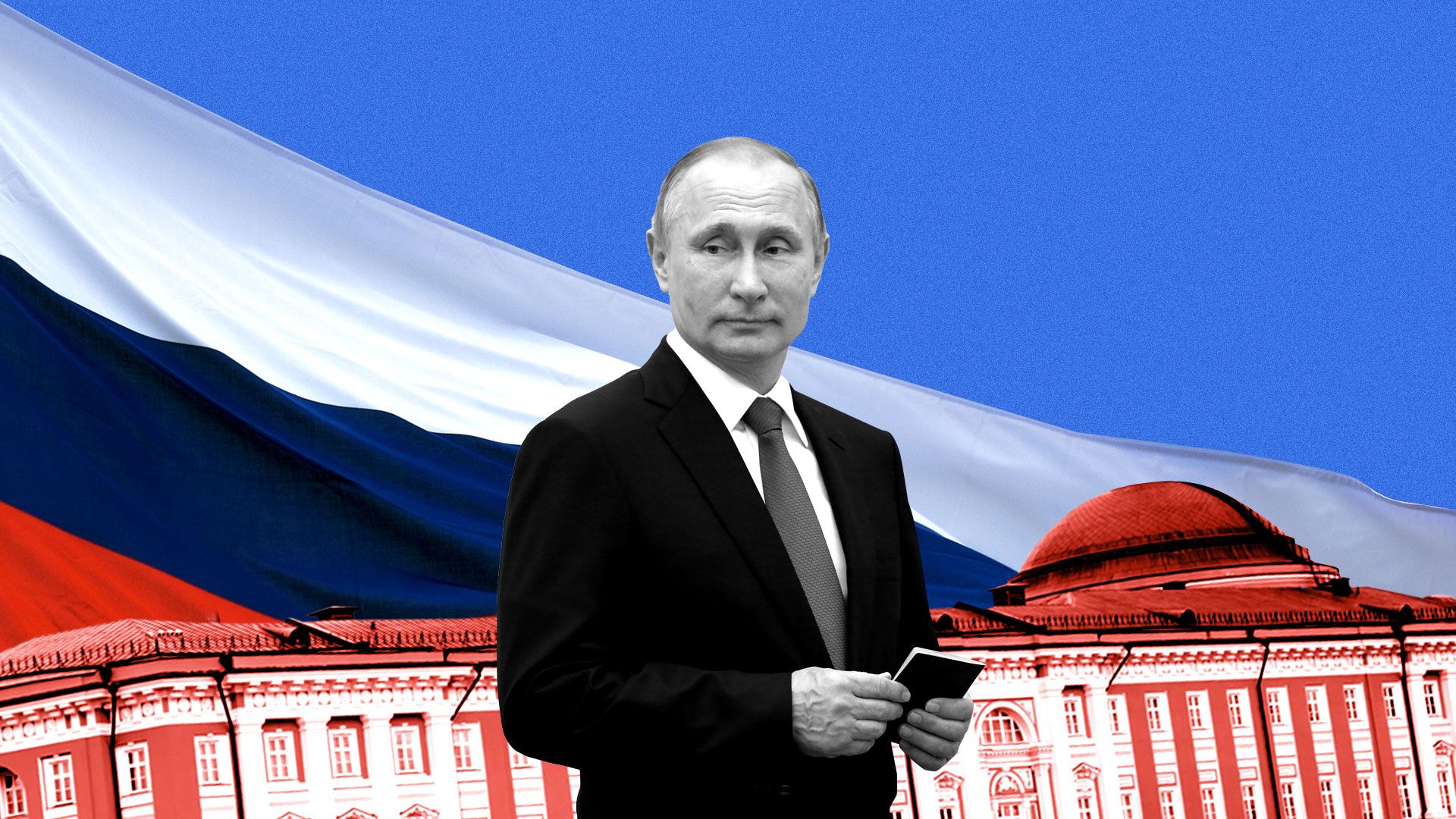
Twenty years ago today, on New Year's Eve 1999, a political newcomer and former KGB operative named Vladimir Putin suddenly assumed the Russian presidency.
Part 1 of our "20 Years of Putin"special report focuses on his rise, his early years and his escalating antagonism with the West. It's based on conversations with Mikhail Khodorkovsky — the oligarch whose imprisonment in 2003 revealed Putin's ruthlessness to the world — three former U.S. ambassadors to Moscow, leading experts and former chiefs of the Pentagon and CIA. Read part 2.
This decade began just after a historic inflection point, with 51% of the world's population living in urban areas.
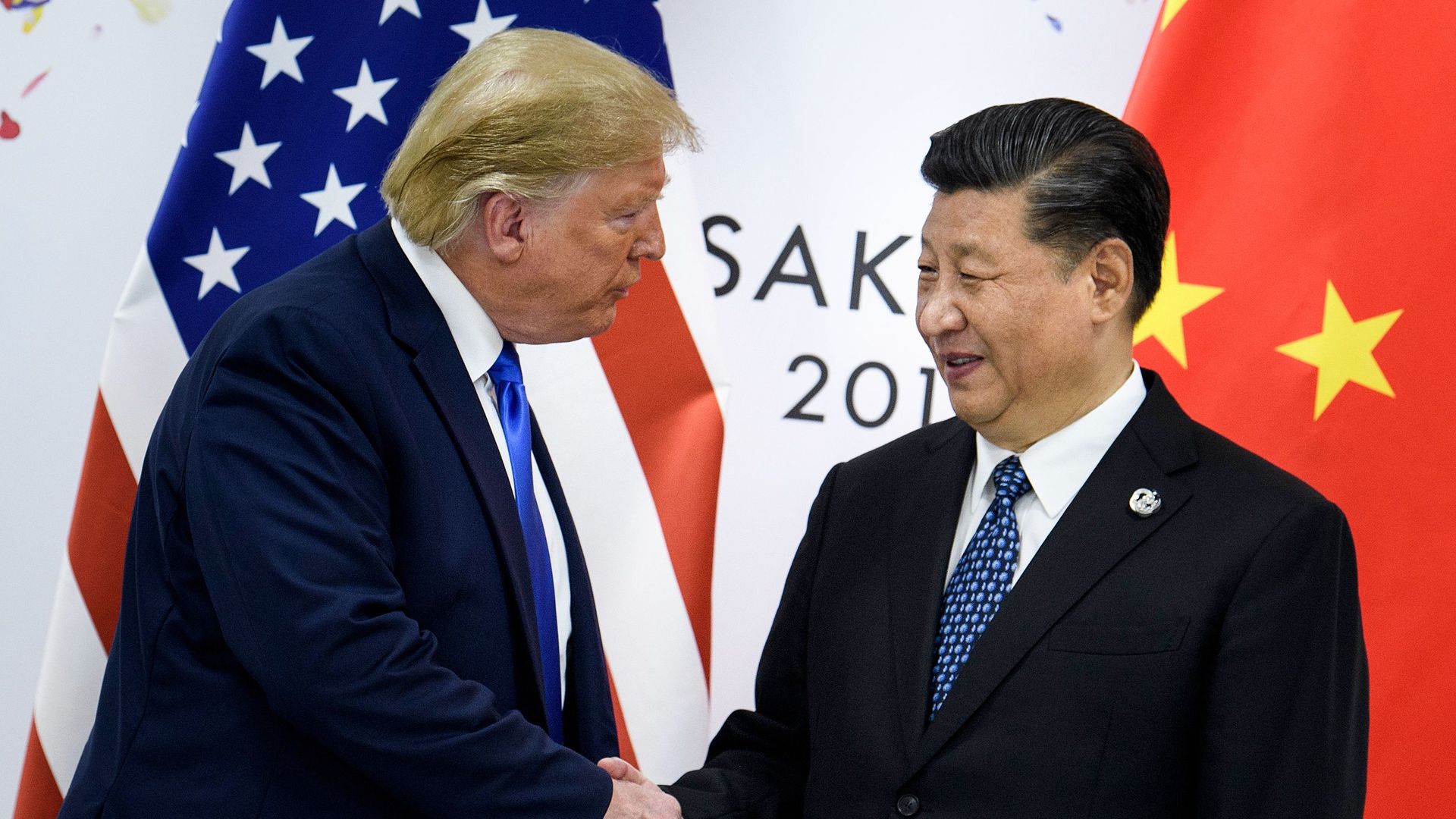
By the numbers: That proportion has continued to rise steadily, reaching 55% as of 2018. It's climbed faster in China, up from 48% to 59% — meaning an additional 180 million people are living in Chinese cities.
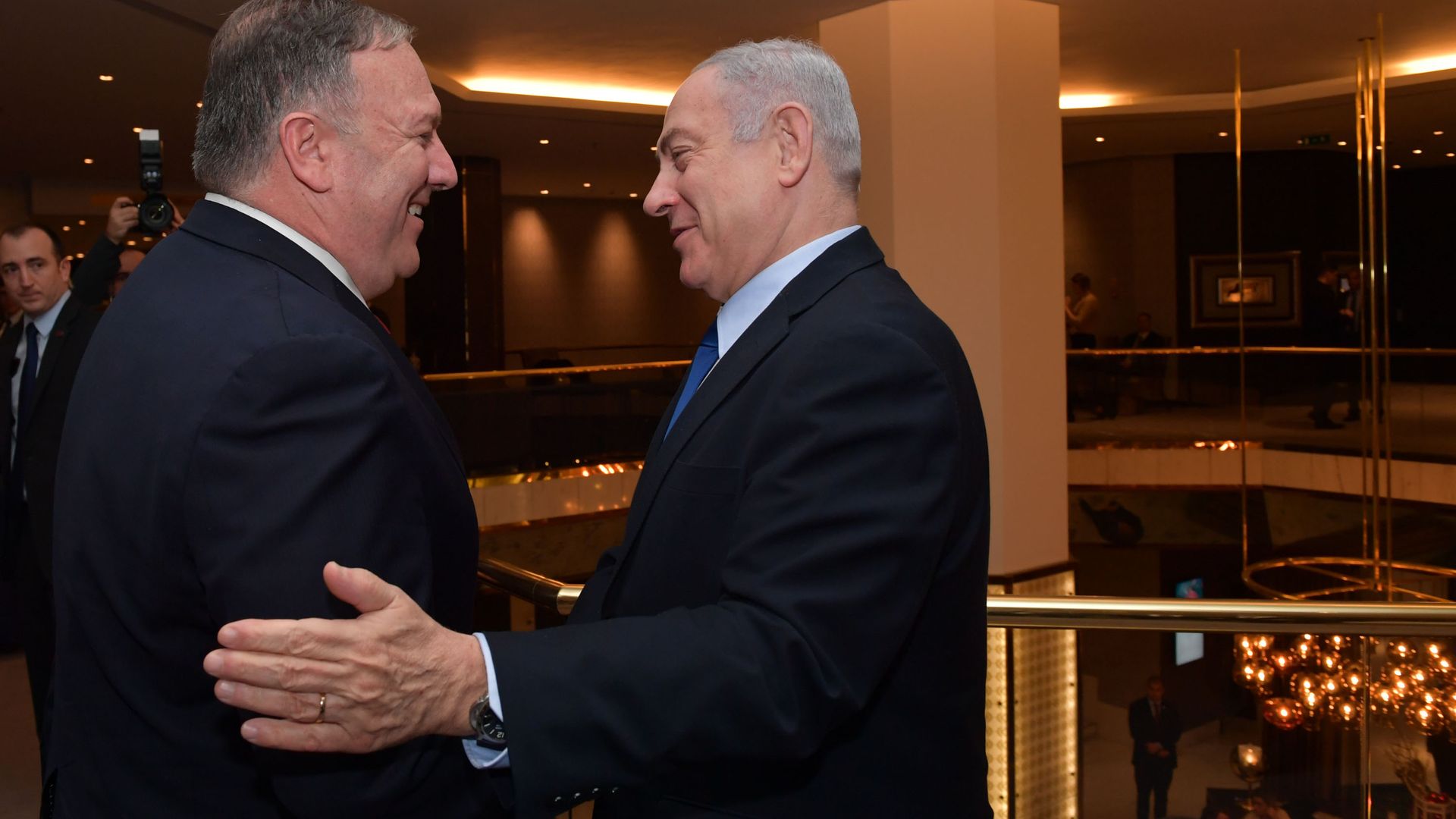
U.S. airstrikes yesterday against the bases of pro-Iran forces in Syria and Iraq were welcomed enthusiastically by Israel's government, Israeli officials tell me.
Why it matters: Prime Minister Netanyahu congratulated Secretary of State Mike Pompeo on the airstrikes in a call yesterday. He had been very concerned by Trump’s Iran policies over the past several months, including his efforts to open dialogue and, even more so, his restraint after Iranian provocations like September's attack on Saudi oil installations.
The 2010s may be remembered as the decade when the global 1% accumulated unfathomable wealth, but it was also perhaps the best decade ever for the world’s poorest people.
The big picture: The rate of extreme poverty around the world was cut in half over the past decade (15.7% in 2010 to 7.7% now), and all but eradicated in China.
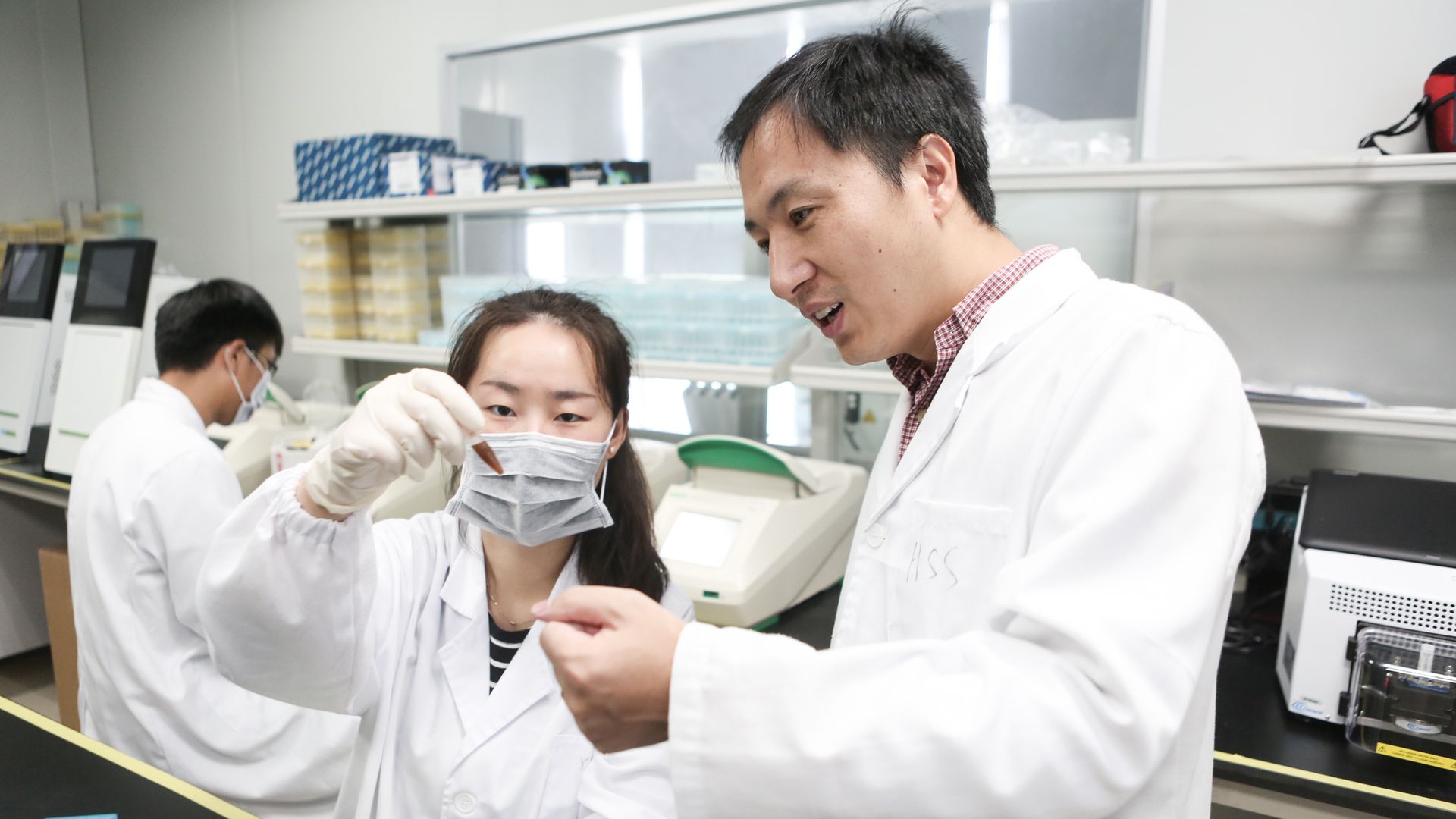
A court in China sentenced researcher He Jiankui to three years in prison and fined him 3 million yuan (nearly $430,000) for "illegally carrying out the human embryo gene-editing intended for reproduction," the state-run Xinhua reported Monday.
Why it matters: The Chinese scientist's claim in November last year that the world’s first genetically edited babies had been born from embryos he modified using the gene-editing tool known as CRISPR raised ethical concerns.
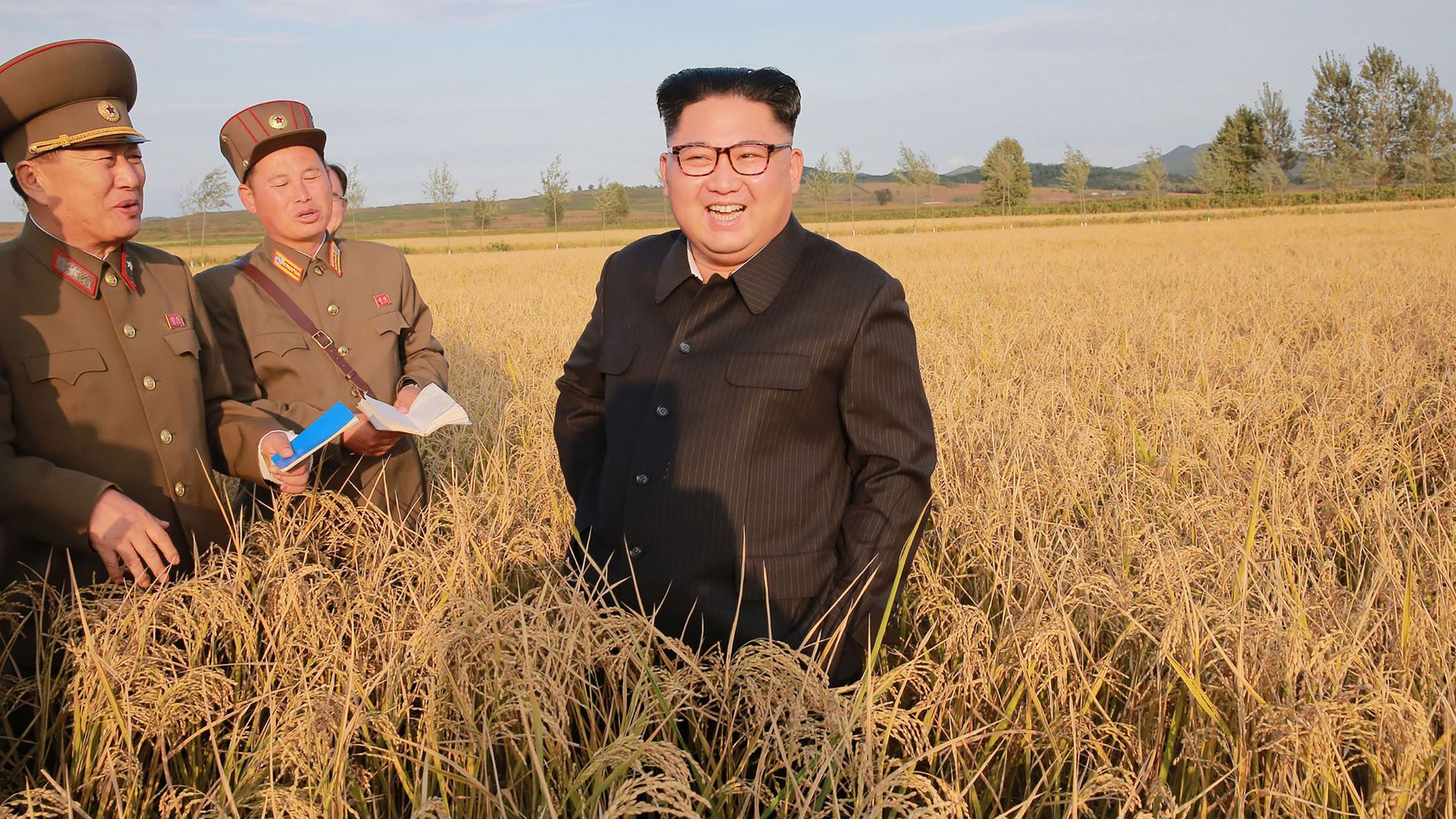
North Korea's leader Kim Jong-un said during a meeting of the ruling Workers' Party Sunday that "positive and offensive measures" are needed to protect the country’s security and sovereignty, the state-run news agency KCNA reports.
Why it matters: Kim said in October that the U.S. had until the end of the year to propose new concessions in negotiations over North Korea's nuclear arsenal and warned the U.S. to not ignore the deadline.