Israeli Prime Minister Benjamin Netanyahu announced Wednesday that he will ask the Knesset, Israel's parliament, for immunity from his pending corruption charges.
Why it matters: The request by Netanyahu will likely delay any trial until after the country's elections in March — its third attempt to elect a stable majority government in a year. It essentially turns the March vote into a referendum on Netanyahu's political and legal future.
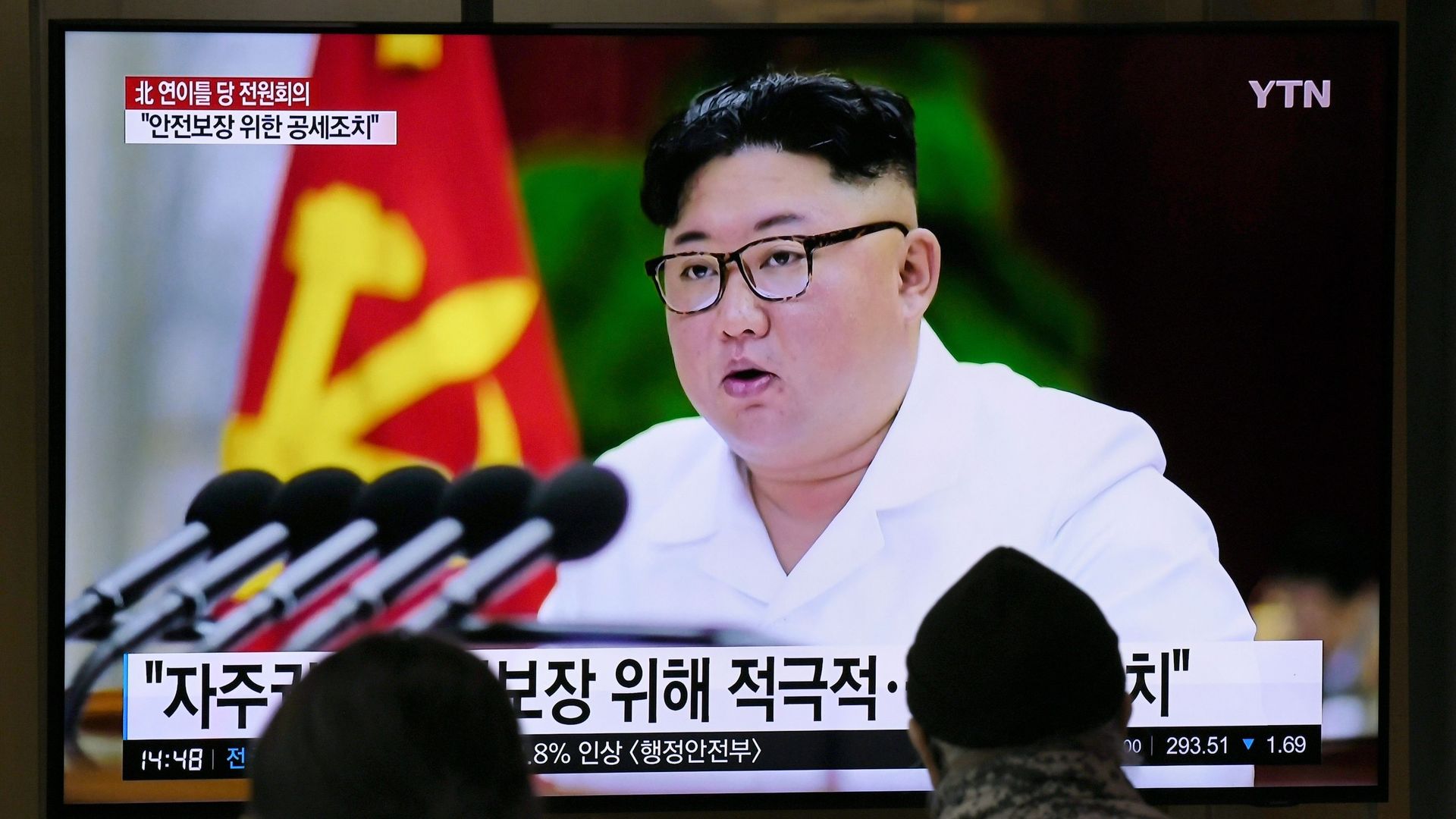
North Korean leader Kim Jong-un said in a New Year's speech that his country would abandon a self-imposed moratorium on testing nuclear weapons and long-range ballistic missiles, declaring that there "will never be denuclearization on the Korean peninsula" unless the U.S. drops its "hostile" policies, according to state media.
Why it matters: North Korea has not conducted a nuclear or long-range missile test in more than two years, hoping for a breakthrough in negotiations spurred by Kim's friendly personal relationship with President Trump, according to the New York Times. Trump has often touted this moratorium as a diplomatic achievement.
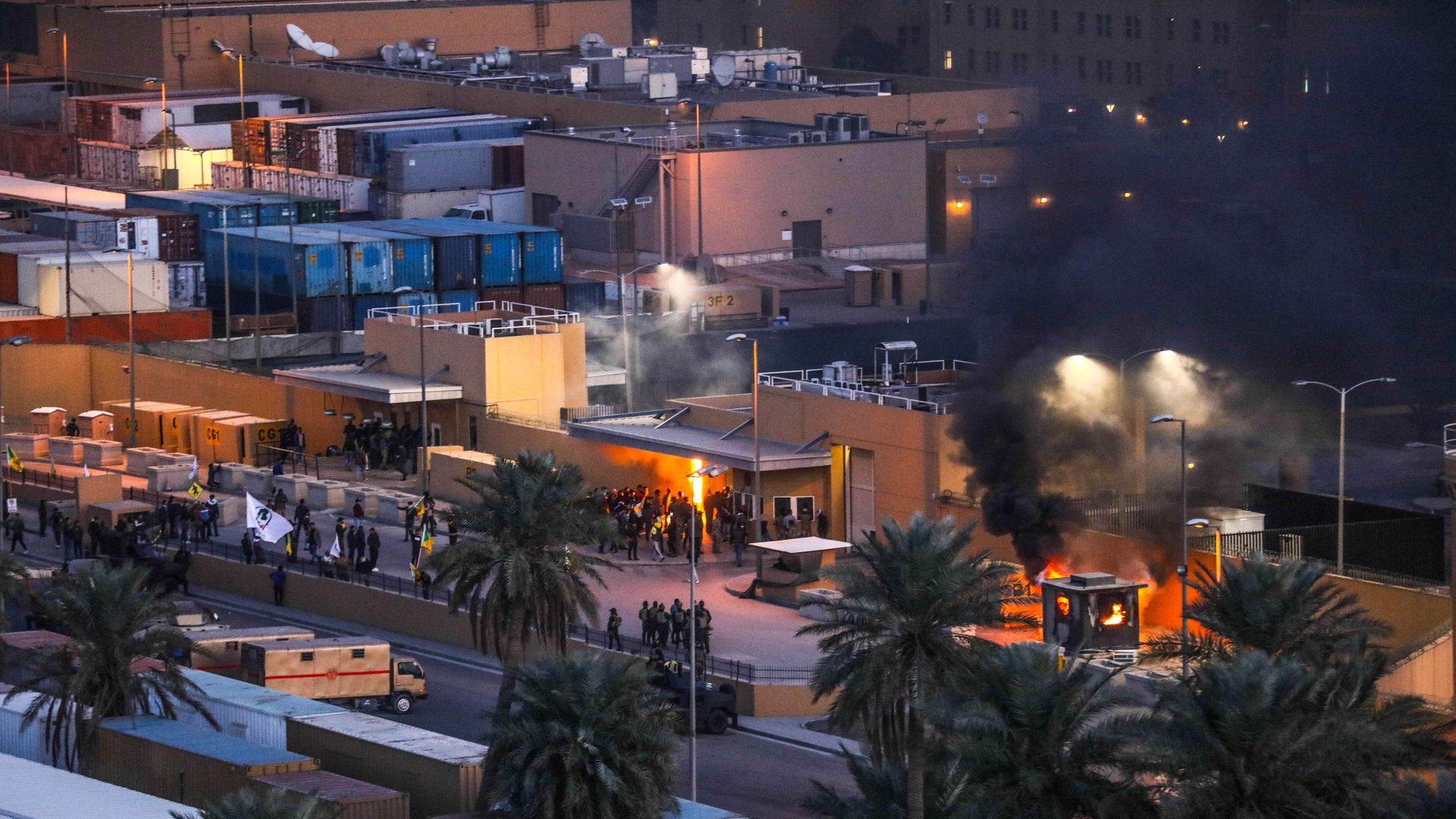
The United States has stepped up its response to unrest in Iraq after the U.S. Embassy in Baghdad was attacked by deploying 750 troops to the region at the direction of President Trump, Defense Secretary Mark Esper said Tuesday.
"[The] soldiers will deploy to the region immediately & additional forces from the [Immediate Response Force] are prepared to deploy over the next several days. This deployment is an appropriate and precautionary action taken in response to increased threat levels against U.S. personnel and facilities, such as we witnessed in Baghdad today. The United States will protect our people and interests anywhere they are found around the world."
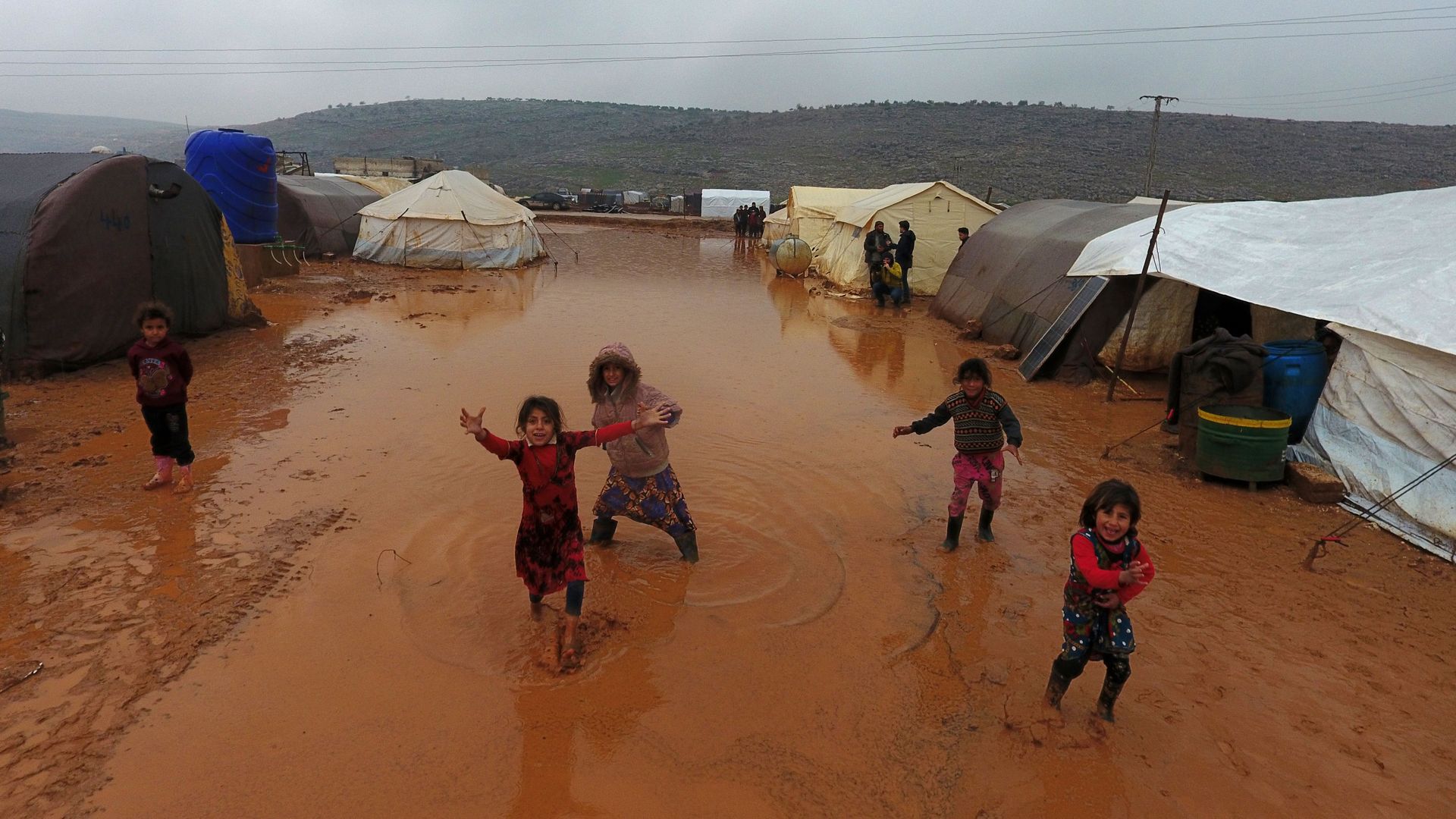
As 2019 comes to a close, a military offensive launched by Syrian President Bashar al-Assad in Idlib has killed at least 100 civilians and displaced more than 235,000, creating a new nightmare in a region already racked by humanitarian catastrophe.
The big picture: The recent strikes are part of a wider government campaign to reassert authority over Idlib, Syria’s last remaining rebel stronghold. Nearly 3 million civilians are trapped in the northwestern province, boxed in by Turkey's closed border.
The Army has banned its soldiers from using TikTok on government-owned phones, calling the Chinese-owned video app a cyber threat, reports Military.com.
Why it matters: The move, coupled with the Navy's similar decision earlier this month, highlights how seriously the military and government are taking TikTok's potential national security implications.
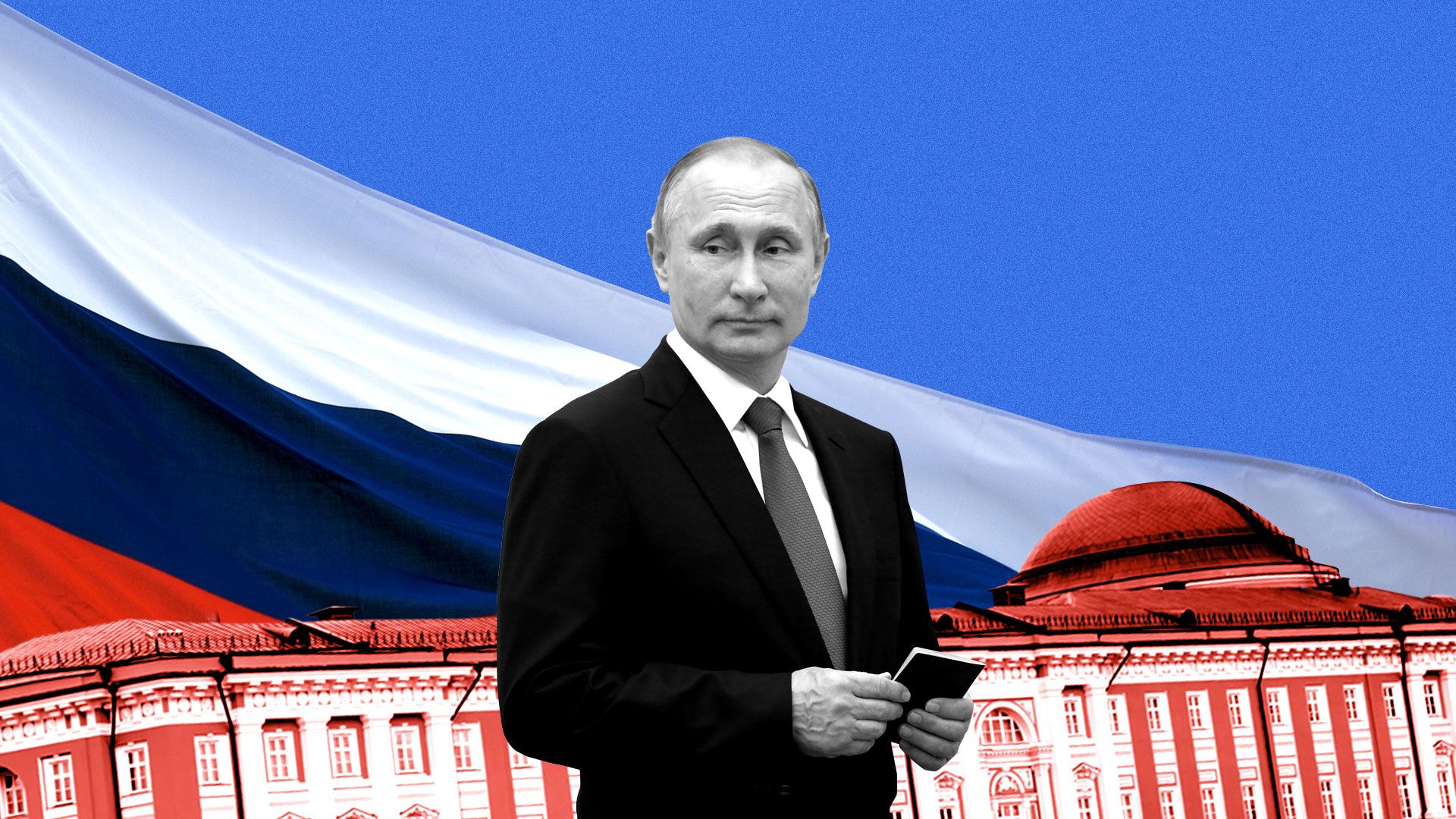
Twenty years ago today, on New Year's Eve 1999, a political newcomer and former KGB operative named Vladimir Putin suddenly assumed the Russian presidency.
Part 1 of our "20 Years of Putin"special report focuses on his rise, his early years and his escalating antagonism with the West. It's based on conversations with Mikhail Khodorkovsky — the oligarch whose imprisonment in 2003 revealed Putin's ruthlessness to the world — three former U.S. ambassadors to Moscow, leading experts and former chiefs of the Pentagon and CIA. Read part 2.