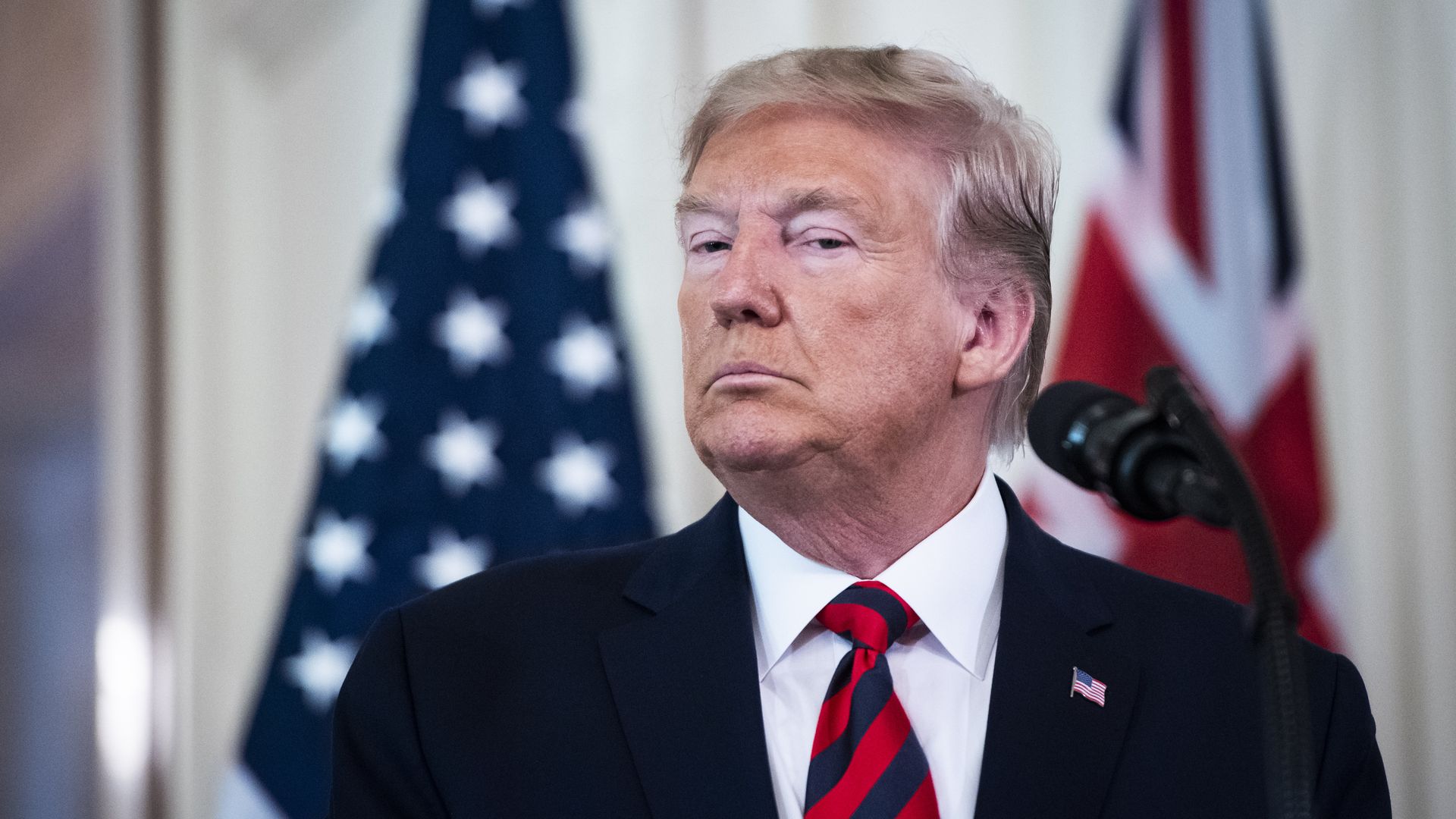
In an interview with NBC Nightly News airing Monday evening, U.K. Prime Minister Boris Johnson said his government is "virtually certain" Iran is behind the recent Saudi oil attacks and called for a new Iran nuclear deal brokered by President Trump.
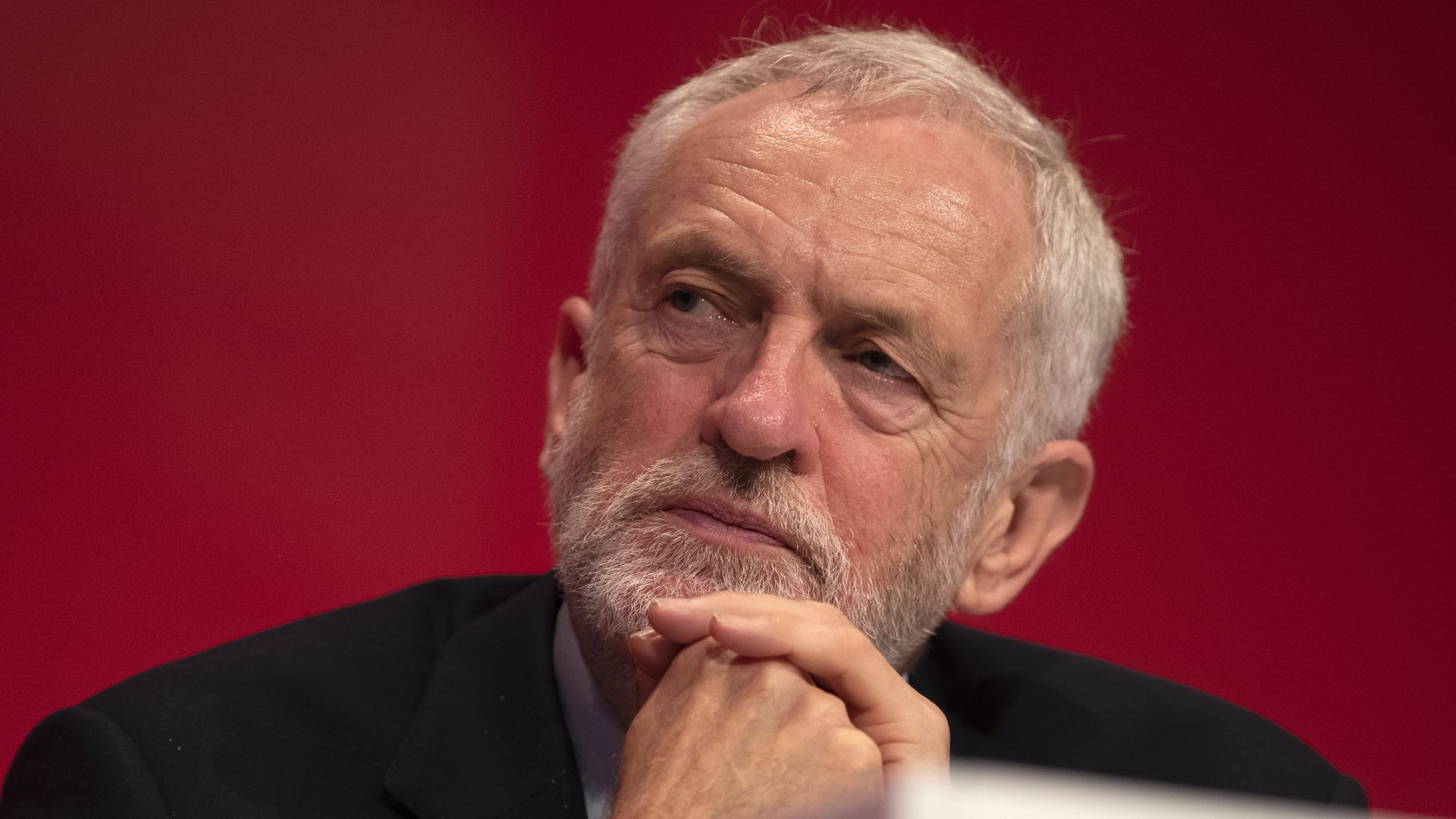
The U.K.'s Labour Party — the main opposition to Prime Minister Boris Johnson in Parliament — voted at their annual party conference on Monday against a measure to campaign in favor of remaining in the European Union during the next general election.
Why it matters: Intra-party divisions were on full display during the annual conference, a chance for Labour to lay out its strategy for defeating the largely pro-Brexit Conservative Party at an election that will likely take place in the next few months. Rather than campaign "energetically" on canceling Brexit, Labour's platform will advocate for negotiating a new divorce deal with the EU and presenting it to the British people in a new referendum — with "remain" as the alternative option.
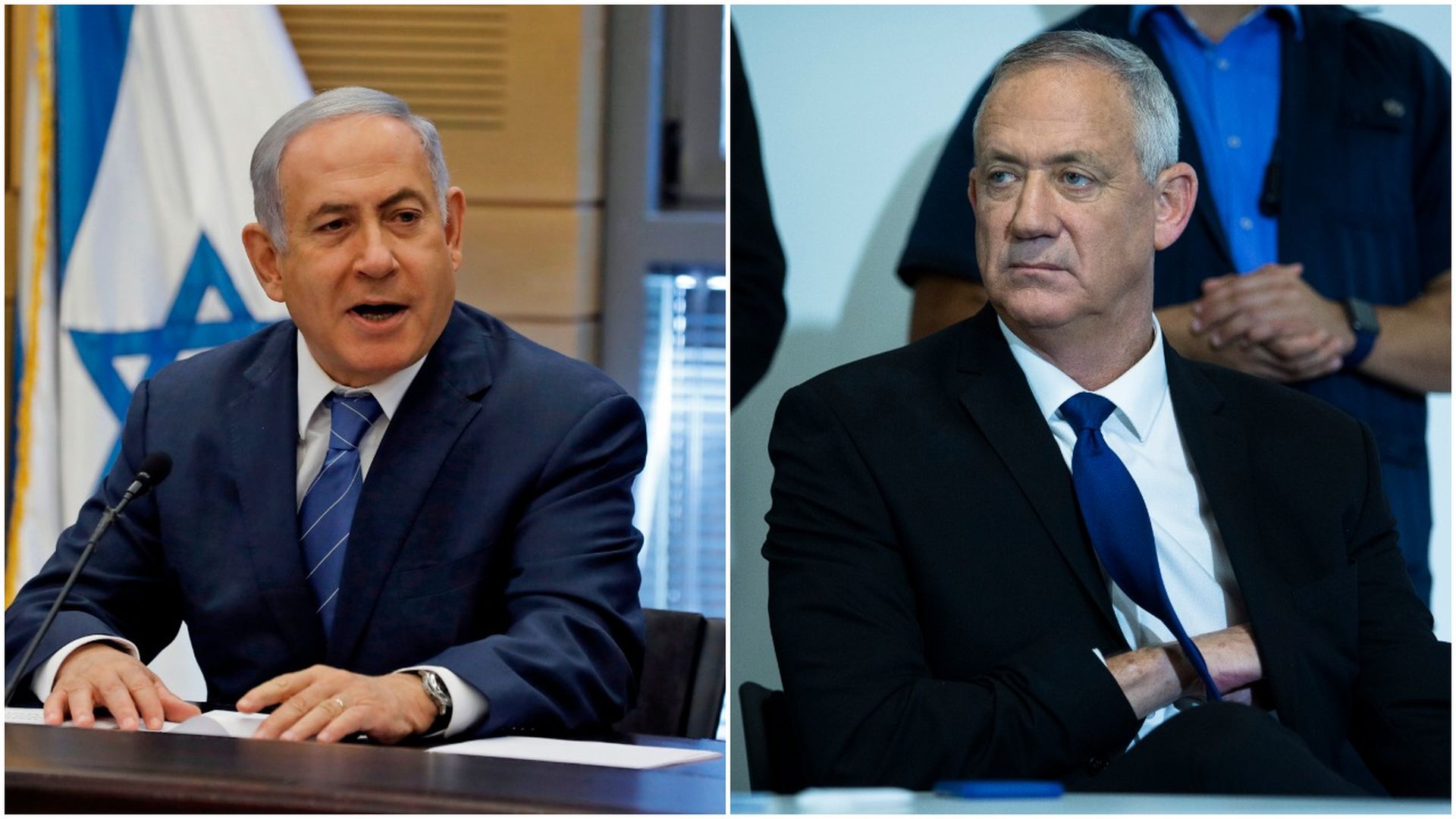
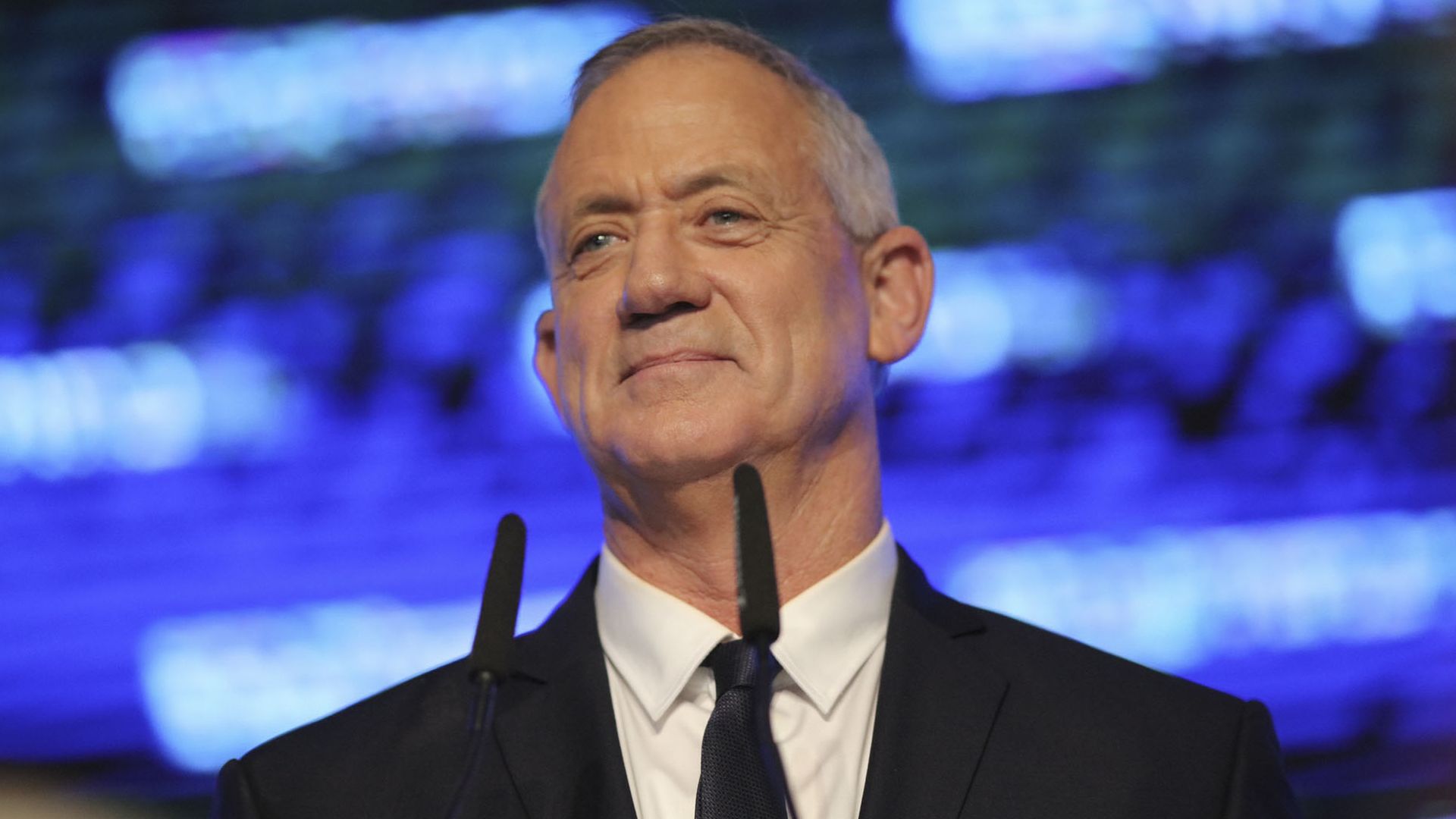
Israeli Prime Minister Benjamin Netanyahu and leader of the Blue and White party Benny Gantz met on Monday for the first time since this month's elections.
Why it matters: The 2 leaders were summoned to a trilateral meeting with President Reuven Rivlin at his residence in Jerusalem in an attempt to break the political deadlock and start negotiations on forming a unity government. The president of Israel is largely a ceremonial post, but Rivlin does have the authority to give a mandate to either Gantz or Netanyahu to form the next government.
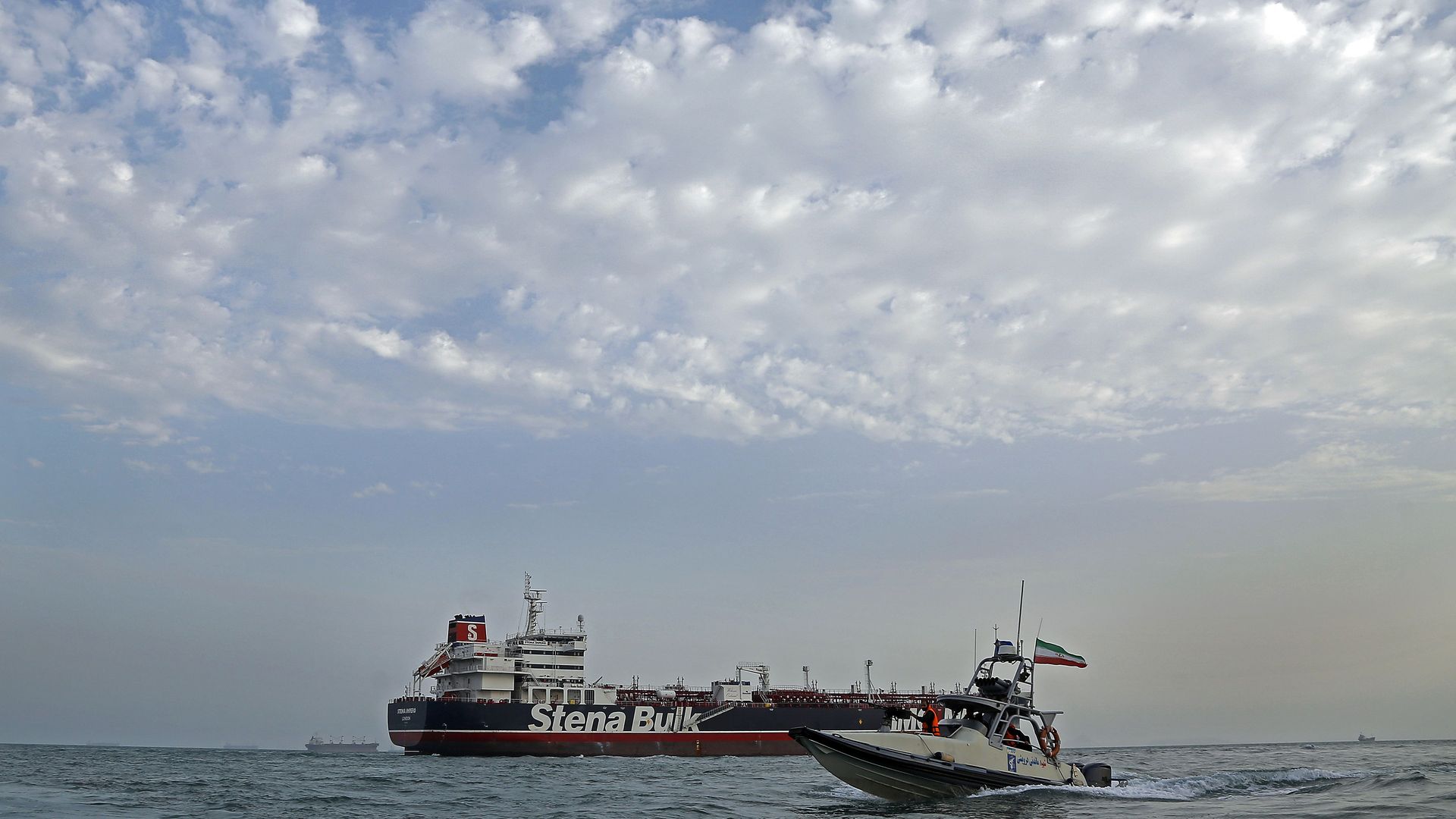
Why it matters: The decision ends a 2-month standoff between Tehran and London over detained vessels and maritime law, but Iran still faces increased tensions with its Persian Gulf neighbors and the U.S. and its allies — including the U.K.
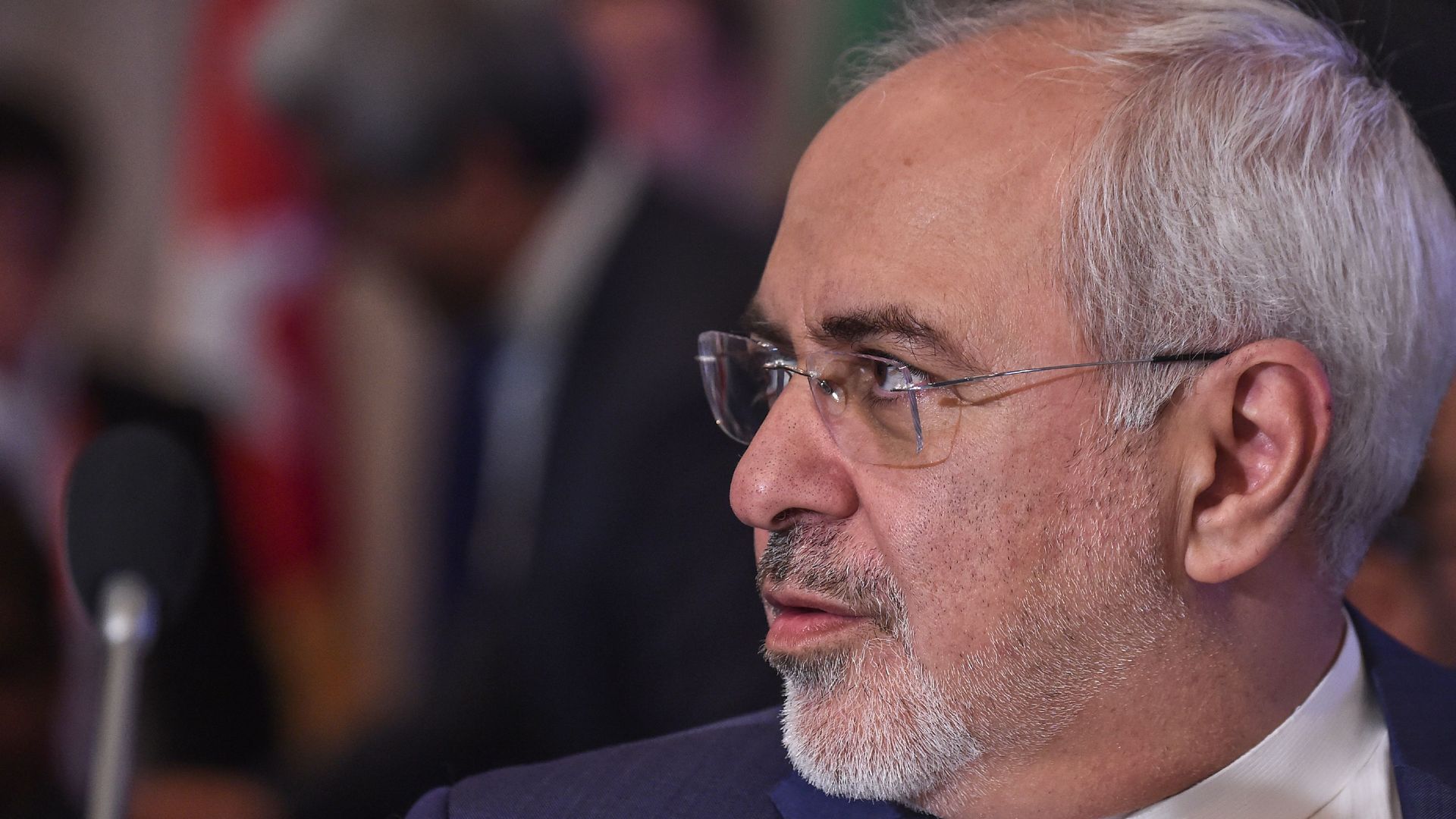
Iran's Foreign Minister Javad Zarif tells Axios that Americans should ask themselves why U.S. soldiers should risk dying to protect Israeli and Saudi interests, and he thinks President Donald Trump is "determined not to get militarily involved" in Iran — but others in his orbit are trying to "drag him into" it.
The big picture: As leaders gather this week at the United Nations General Assembly, Iran and the U.S. are trying to figure out how to out-maneuver one another in a protracted dispute over the Iran nuclear deal, regional aggression, sanctions and oil sales.
Ayman Odeh, the leader of the Arab Joint List, recommended to Israeli President Reuven Rivlin on Sunday that Benny Gantz, the leader of the centrist Blue and White Party and the main opponent of Prime Minister Benjamin Netanyahu, form the next Israeli government.
Why it matters: This is the first time since 1992 that an Arab party in Israel has recommended one of the candidates for prime minister. The recommendation by the Arab Joint List brings the number of members of the Israeli parliament who support Gantz to 57, compared to 55 for Netanyahu. Since Netanyahu and Gantz virtually tied in last week's election, Odeh's move almost guarantees that Gantz will receive the mandate from Rivlin to form a government.
President Trump will join 192 other world leaders at the UN General Assembly in New York City this week for 5 days of speeches and hundreds of meetings — all coming against the backdrop of a string of international crises.
Why it matters: From the China trade war to growing tensions with Iran, the president is facing down multiple global hotspots and a number of unresolved foreign policy deals as he heads to the world’s most prominent diplomatic stage. The self-described "dealmaker" has thus far failed to de-escalate tensions with Iran, North Korea, China, the Taliban, and Israel and Palestine.
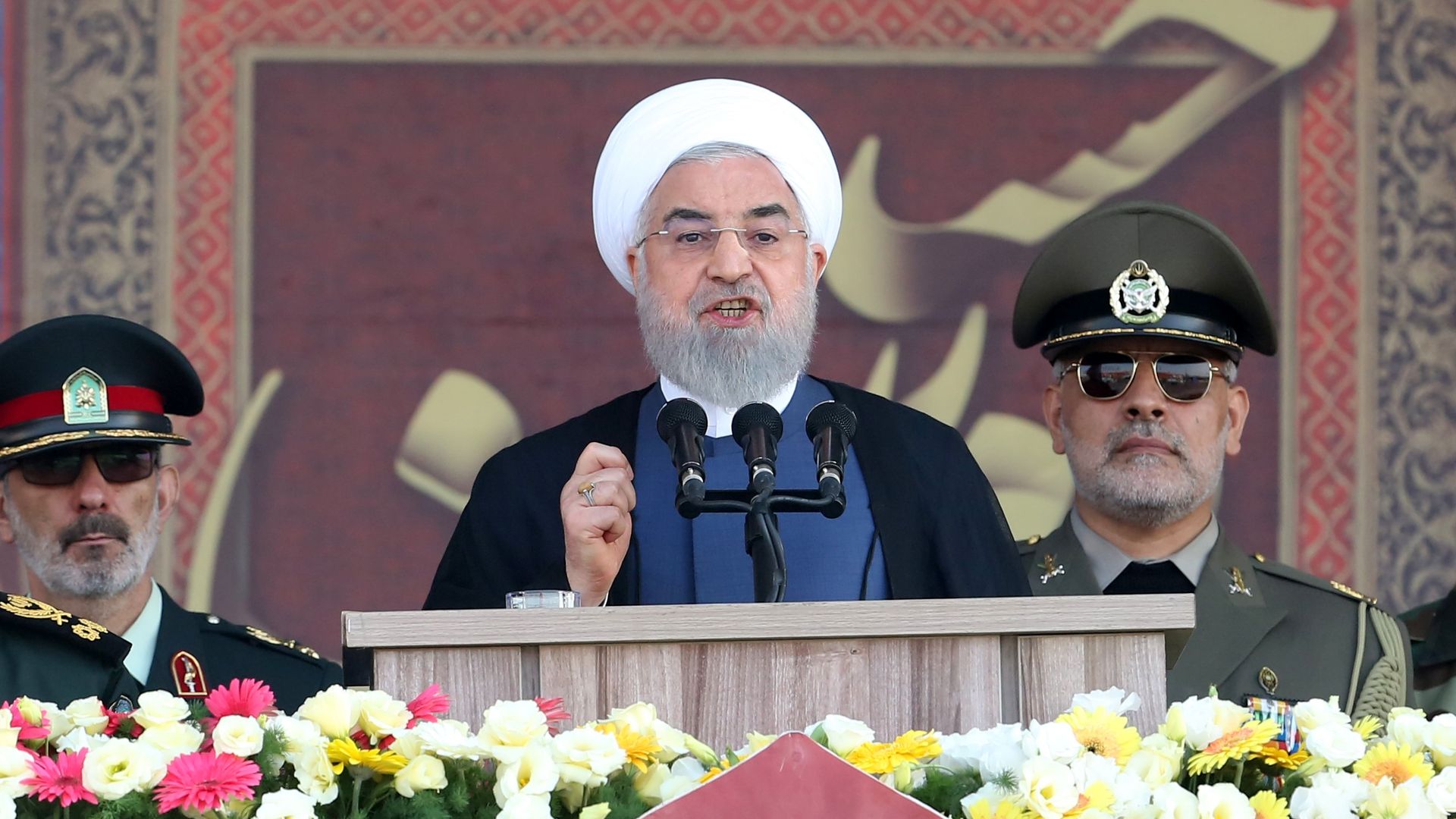
Iran’s President Hassan Rouhani warned Western powers in a speech at a military parade on Sunday to cease patrolling the Persian Gulf and allow regional nations led by Tehran to secure their waterways, according to AP.
"Your presence has always been a calamity for this region and the farther you go from our region and our nations, the more security would come for our region."
Why it matters: President Rouhani's order comes 2 days after the Trump administration announced it will deploy U.S. forces to the Middle East in response to the attacks on oil processing and production sites in Saudi Arabia. The Saudis have claimed the attacks were "unquestionably sponsored by Iran," while Secretary of State Mike Pompeo has labeled them "an act of war."