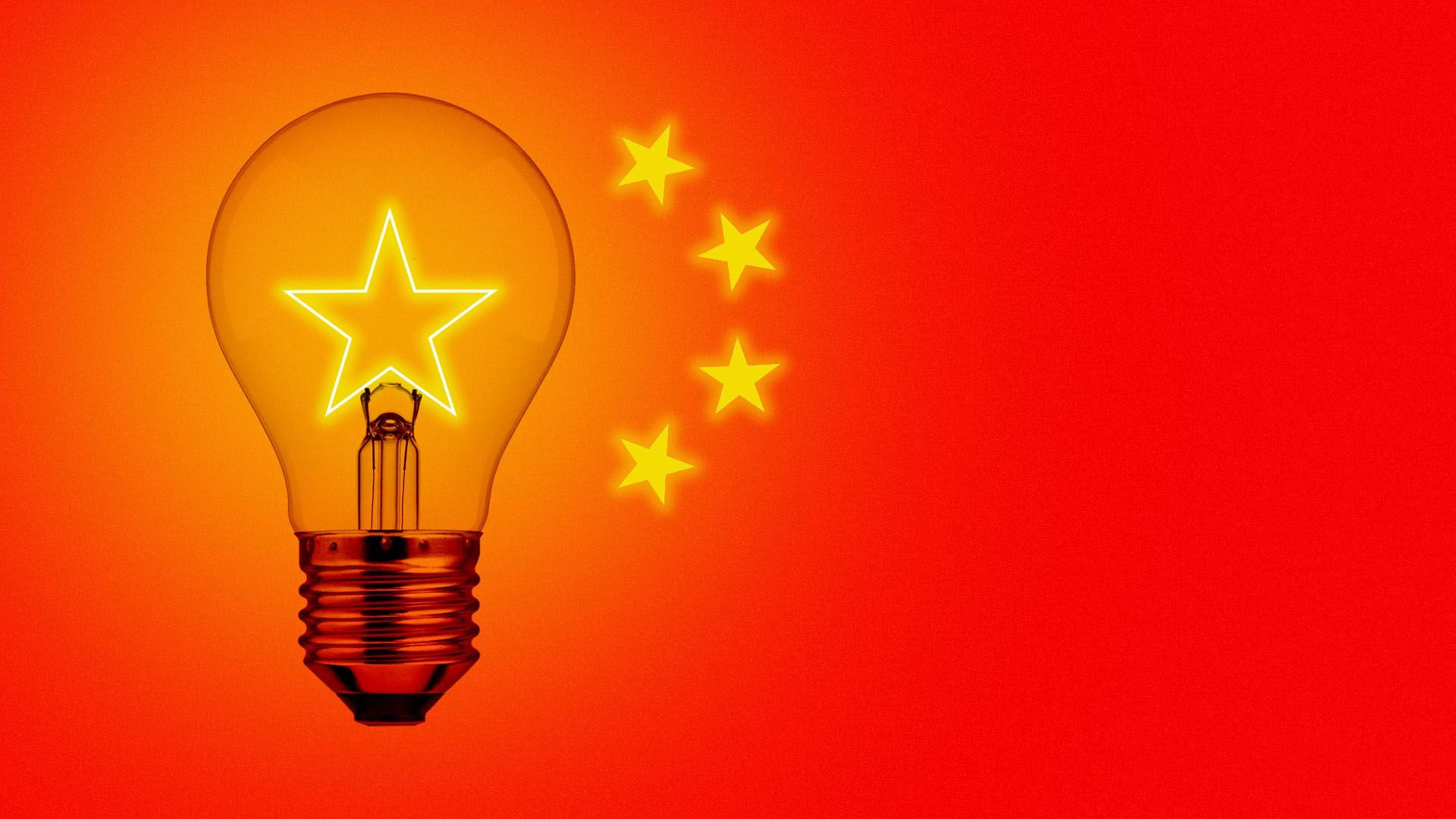
The U.S. has the upper hand in pivotal emerging technologies like artificial intelligence and quantum computing, in part because American universities and companies boast world-class talent. But experts say its dominance could soon slip.
Why it matters: The country that reigns in AI, 5G or quantum cryptography will likely have a huge military and economic advantage over its adversaries for years to come and will get to shape the technologies as they are implemented the world over.
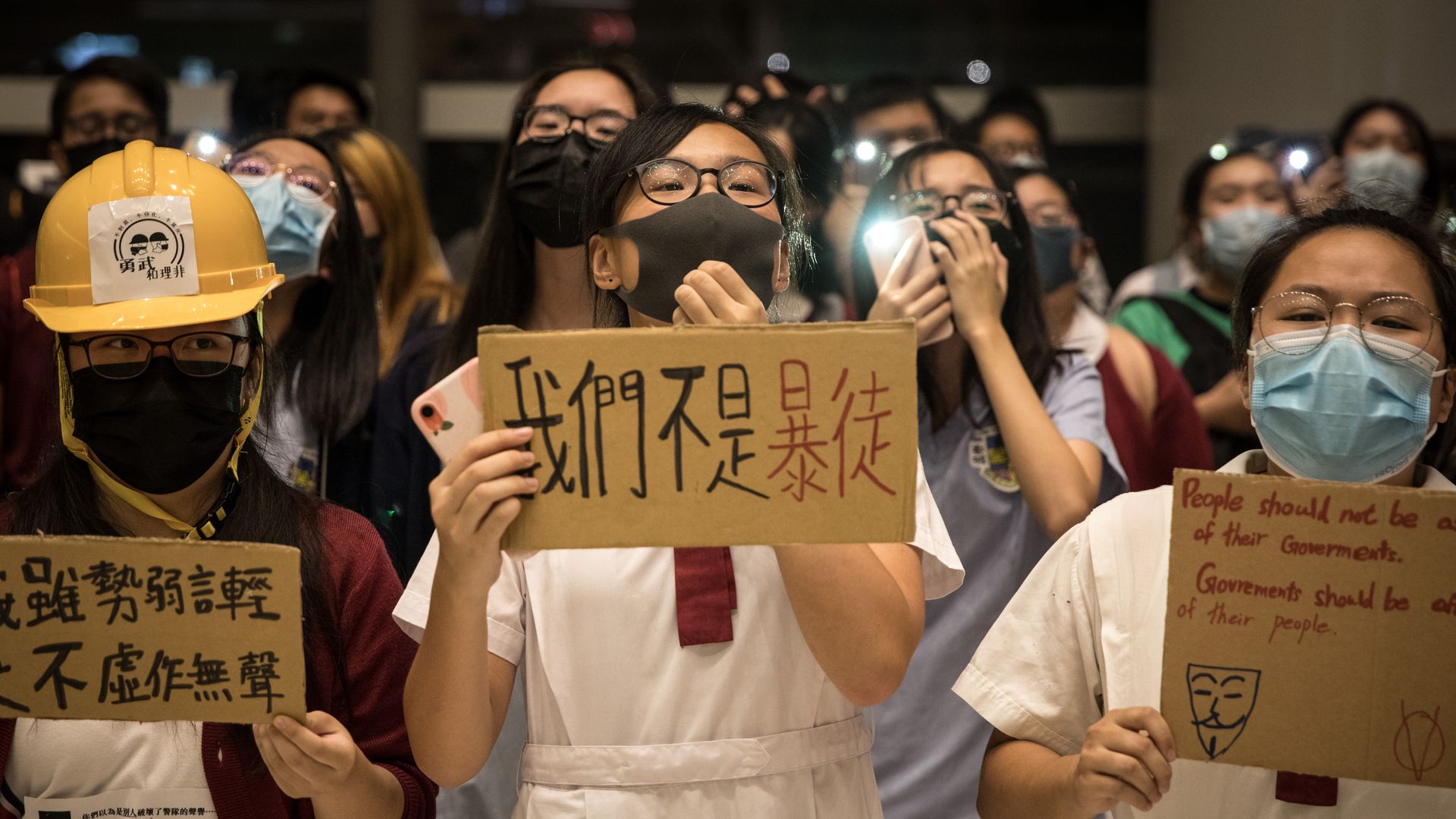
Researchers at Graphika uncovered an amateurish social media campaign targeting the Hong Kong protests that spanned across hundreds of accounts on several mainstream Western platforms.
Why it matters: Chinese-language influence campaigns on foreign platforms are not very well understood by researchers, according to Graphika's Ben Nimmo. This is a window into those operations.
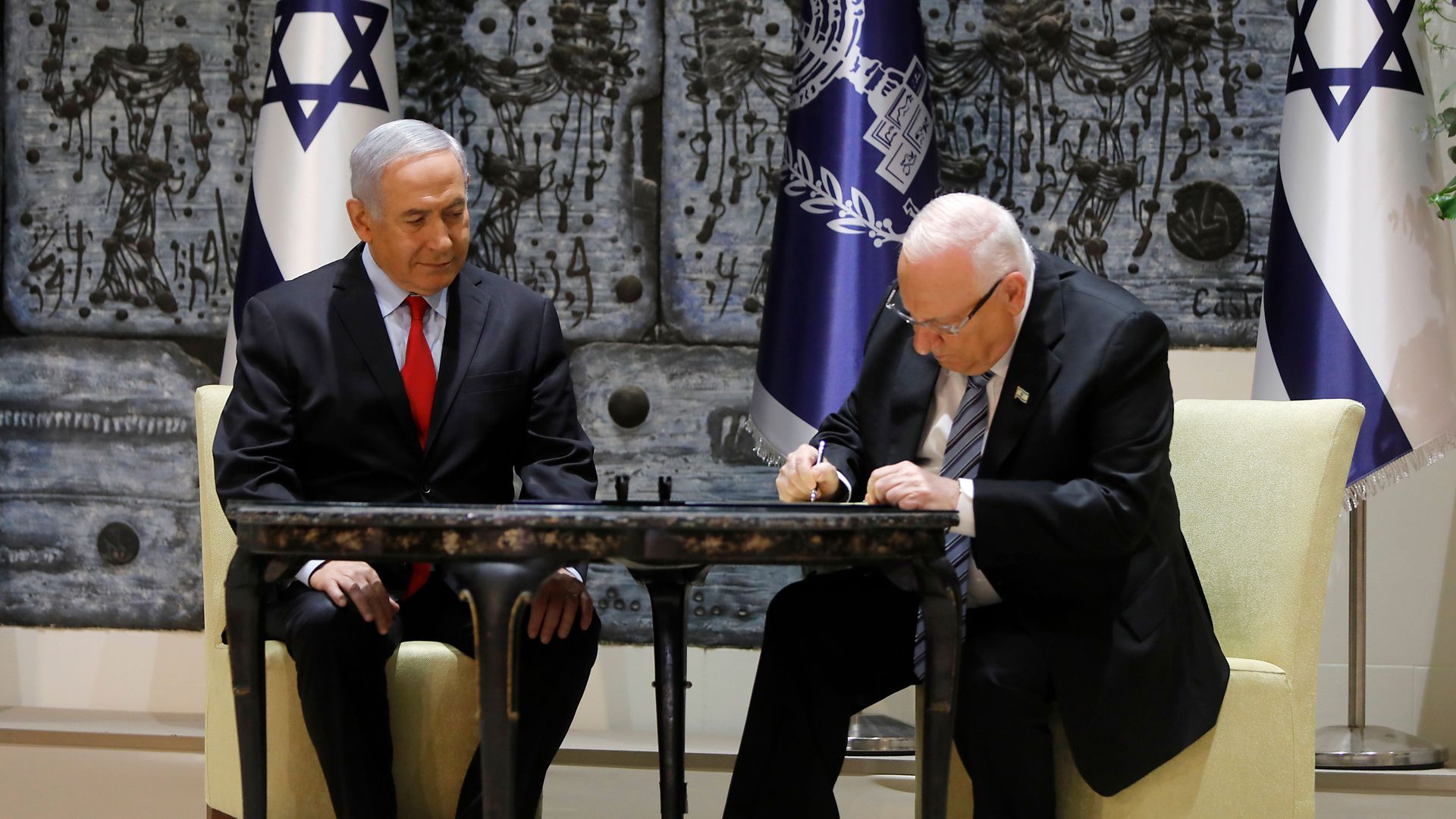
Israeli President Reuven Rivlin has given Prime Minister Benjamin Netanyahu 28 days to form a new government after negotiations for a unity government with Benny Gantz, leader of an opposition center-left bloc, broke down.
Why it matters: Netanyahu would need 61 members of Israel's parliament, the Knesset, to support his government. His right-wing block won just 55 seats in the Sept. 17 election, though, and he has no clear path to a majority.
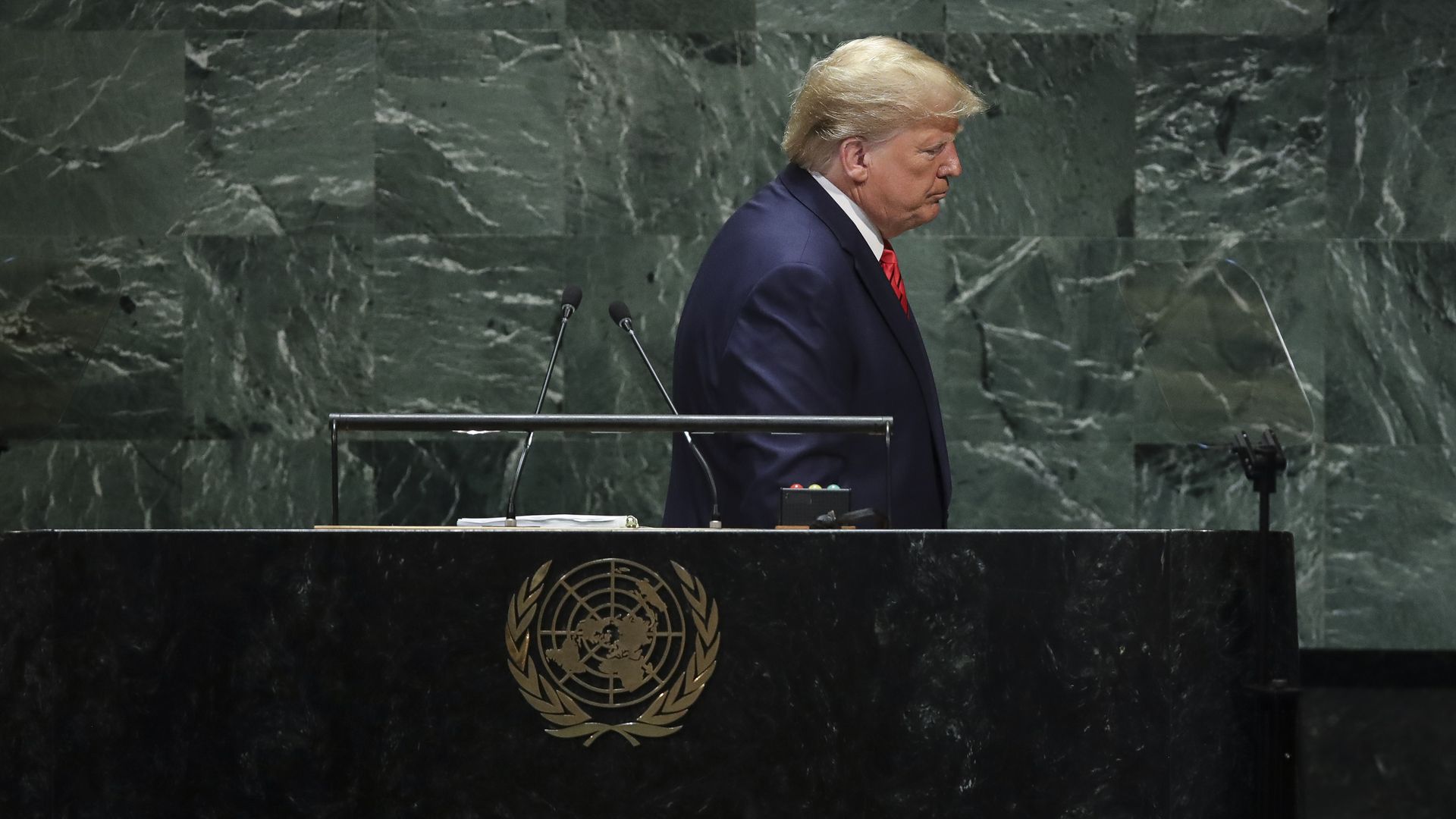
Two of U.S. President Donald Trump's least favorite things in the wider world these days are the United Nations, which he sees as an expensive nuisance, and China, which he views as a major rival. But in neglecting one, he might be helping the other.
The backdrop: The Trump administration said it will cut back on U.S. funding for the U.N., in part because Trump — like many conservatives in Washington — sees it as an inefficient, and in some ways illegitimate, encroachment on America's ability to do what it wants in the world.
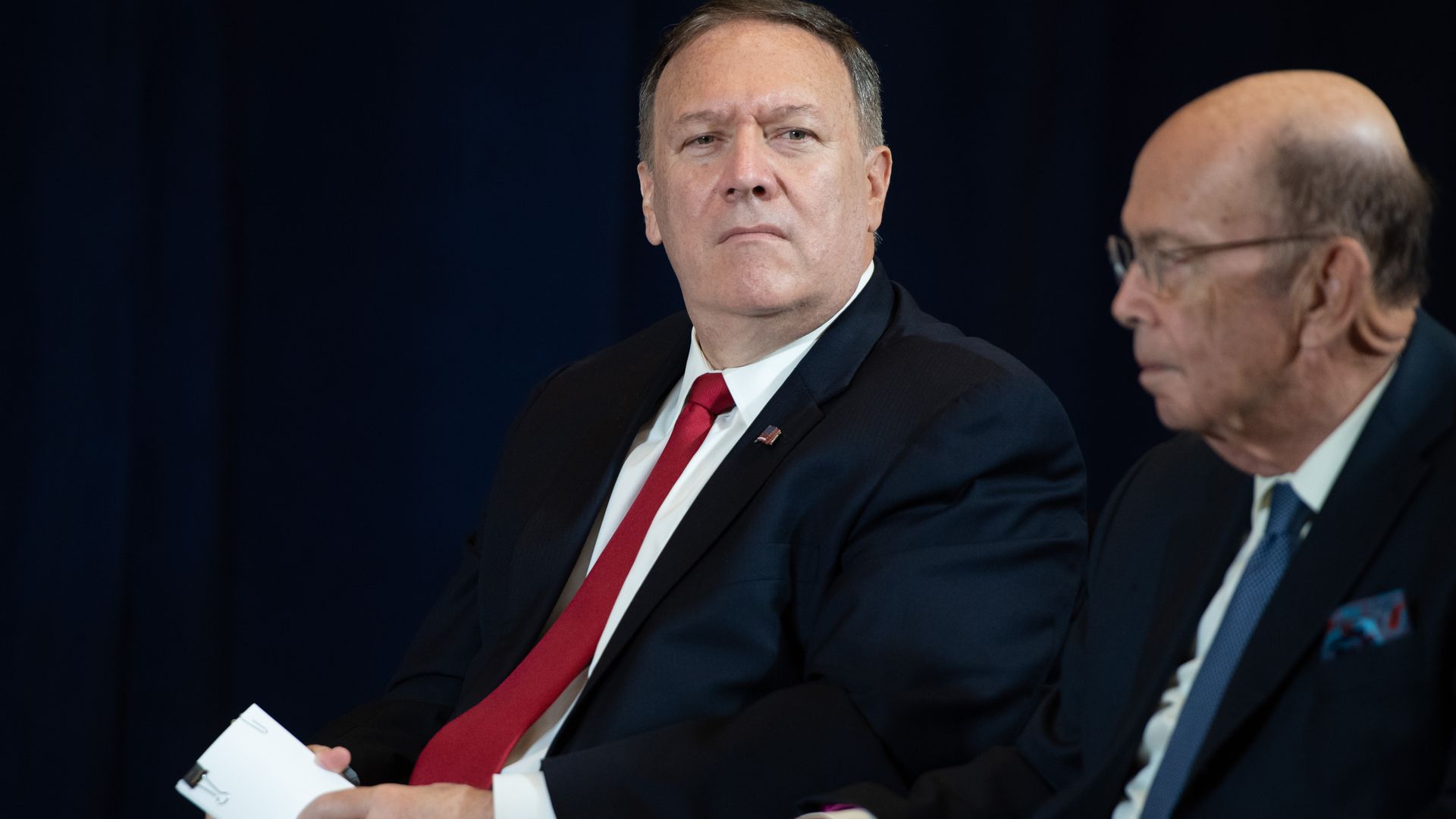
Secretary of State Mike Pompeo declared today that he had been right to label attacks on Saudi oil facilities an “act of war” by Iran, but said Iran would fail to “goad us into conflict.”
The big picture: The U.K., France and Germany accused Iran yesterday of responsibility for the Sept. 14 attacks. Iran has denied responsibility for the attacks in Saudi Arabia, accused the U.S. of “deception" and warned of "all-out war" if attacked.
Private capital investment in China slowed markedly in the first half of the year, data from the Emerging Market Private Equity Association released Tuesday showed.
By the numbers: Capital invested in China's private markets fell from $15.1 billion in the first half of 2018 to $9.8 billion through June 2019, with deal count across all transaction types in the country declining from 582 to 322 over the same period.
The World Anti-Doping Agency has given Russia 3 weeks to explain how multiple positive drug tests were deleted from a database during the agency's investigation into the massive doping scandal that broke in 2016.
Why it matters: If Russia doesn't comply, the country will likely be banned from next year's Olympic Games in Tokyo.
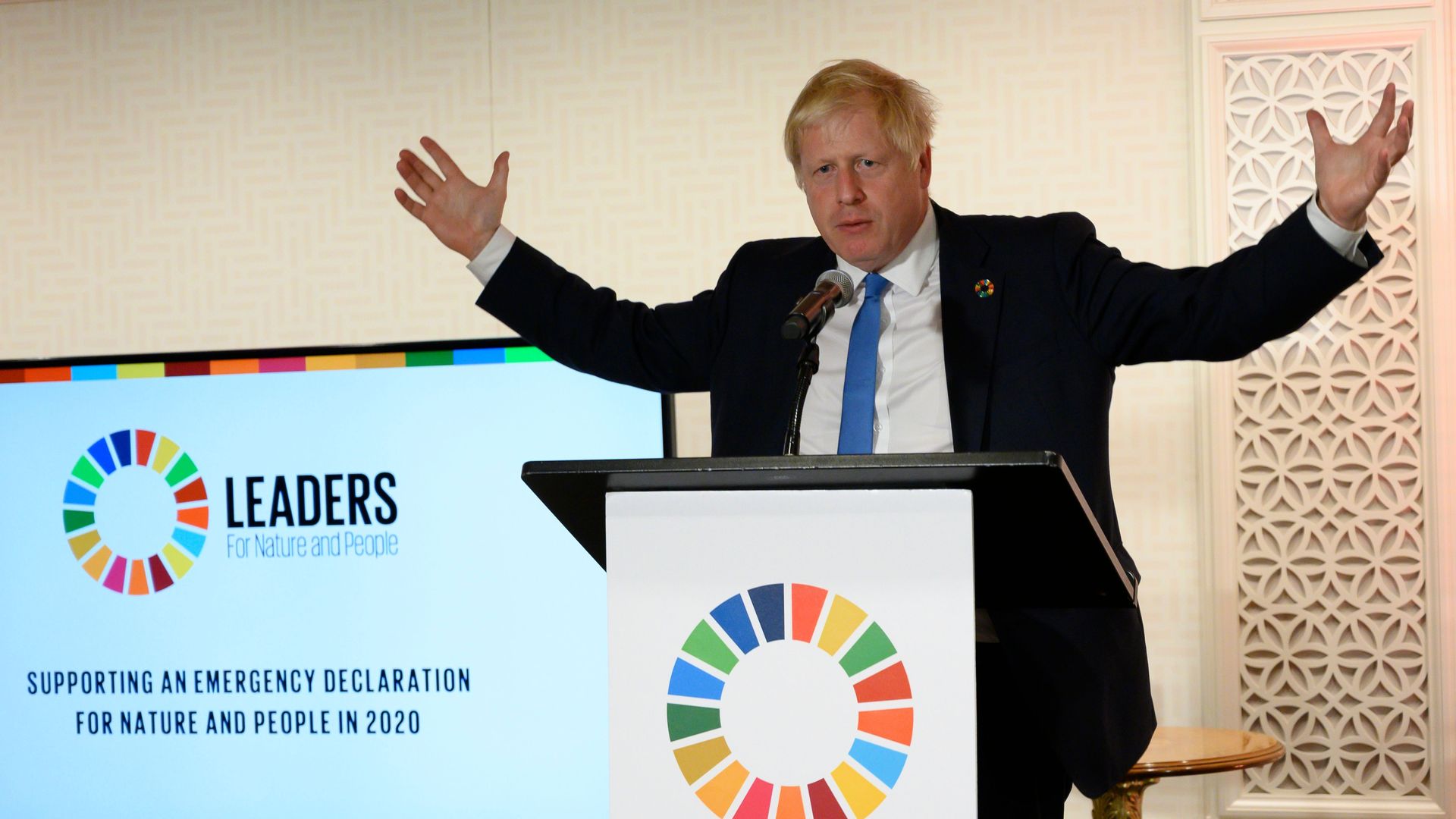
Britain's Supreme Court ruled in a unanimous decision by all 11 justices Tuesday that the ongoing suspension of Parliament by Prime Minister Boris Johnson's government is unlawful, the BBC reports.
Why it matters: In response to the decision, House of Commons Speaker John Bercow has ruled that the Commons will sit Wednesday morning — prompting a dilemma for Johnson, who is currently at the United Nations General Assembly in New York.
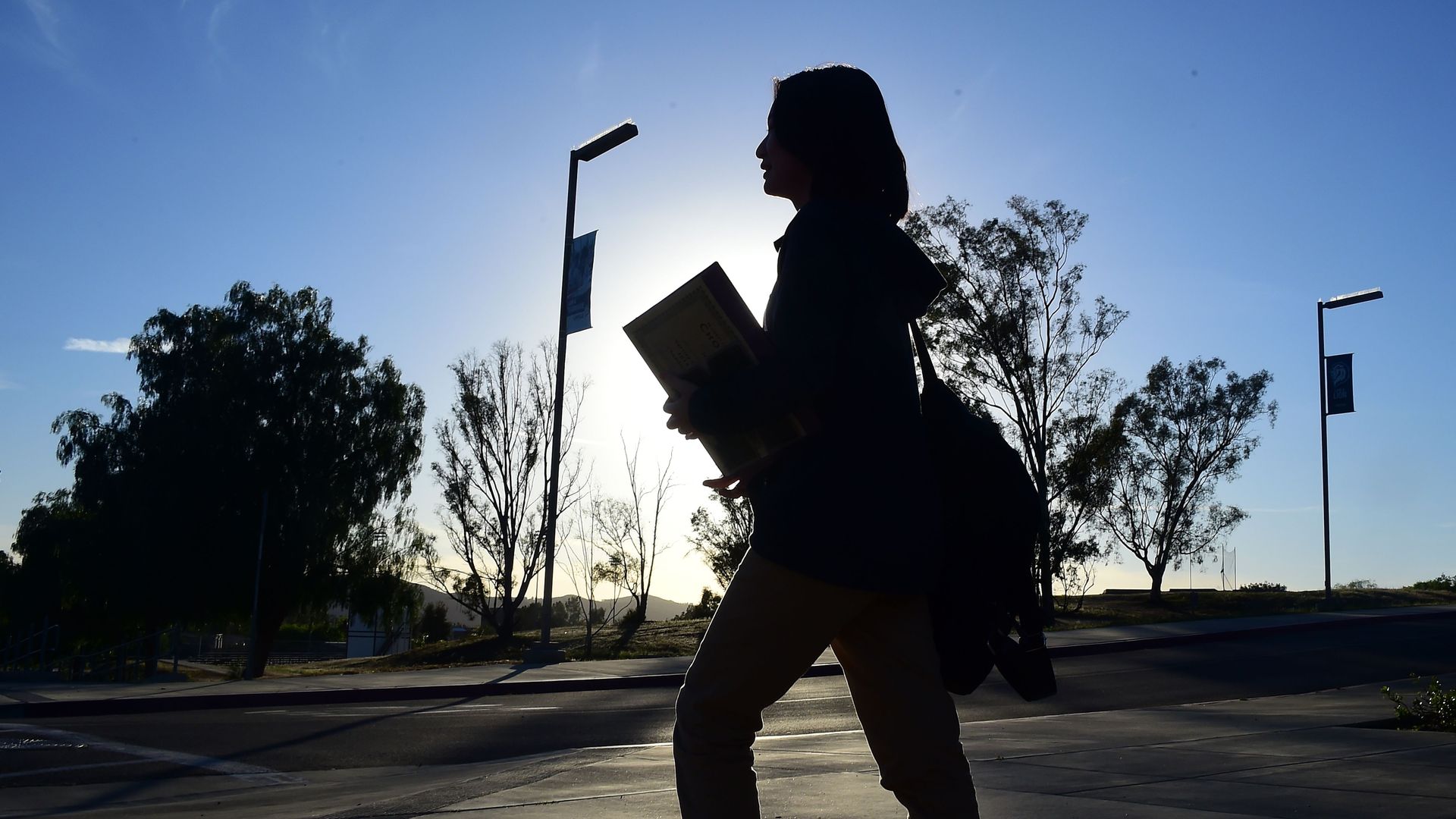
"After a decade of booming enrollment by students from China, American universities are starting to see steep declines as political tensions between the two countries cut into a major source of tuition revenue," AP reports.
Why it's happening: The U.S trade war with China and concerns about national security risks "appear to be accelerating a trend that's also driven by growing international competition, visa complications and the development of China's own higher education system," writes AP.