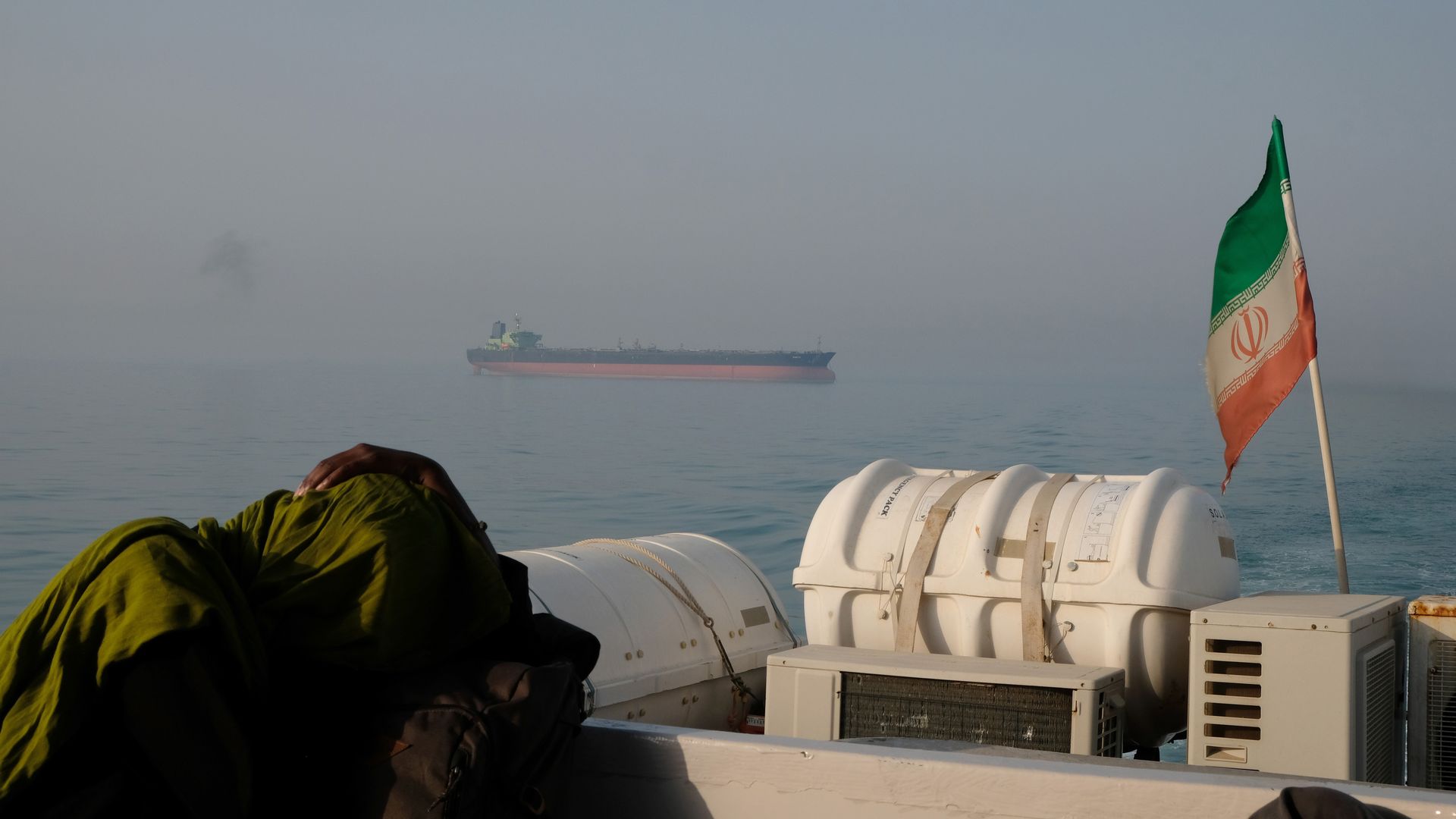
Iran's Revolutionary Guard Corps said it seized a U.K. tanker in the Strait of Hormuz on Friday, the BBC reports.
The latest: Jeremy Hunt, the U.K. foreign secretary, said in a statement on Friday that Iran also seized a second vessel. The second tanker is Liberian-flagged but U.K. owned, according to the BBC. These are the latest in a series of escalatory events in the narrow waterway through which 20% of the world's oil supply flows.
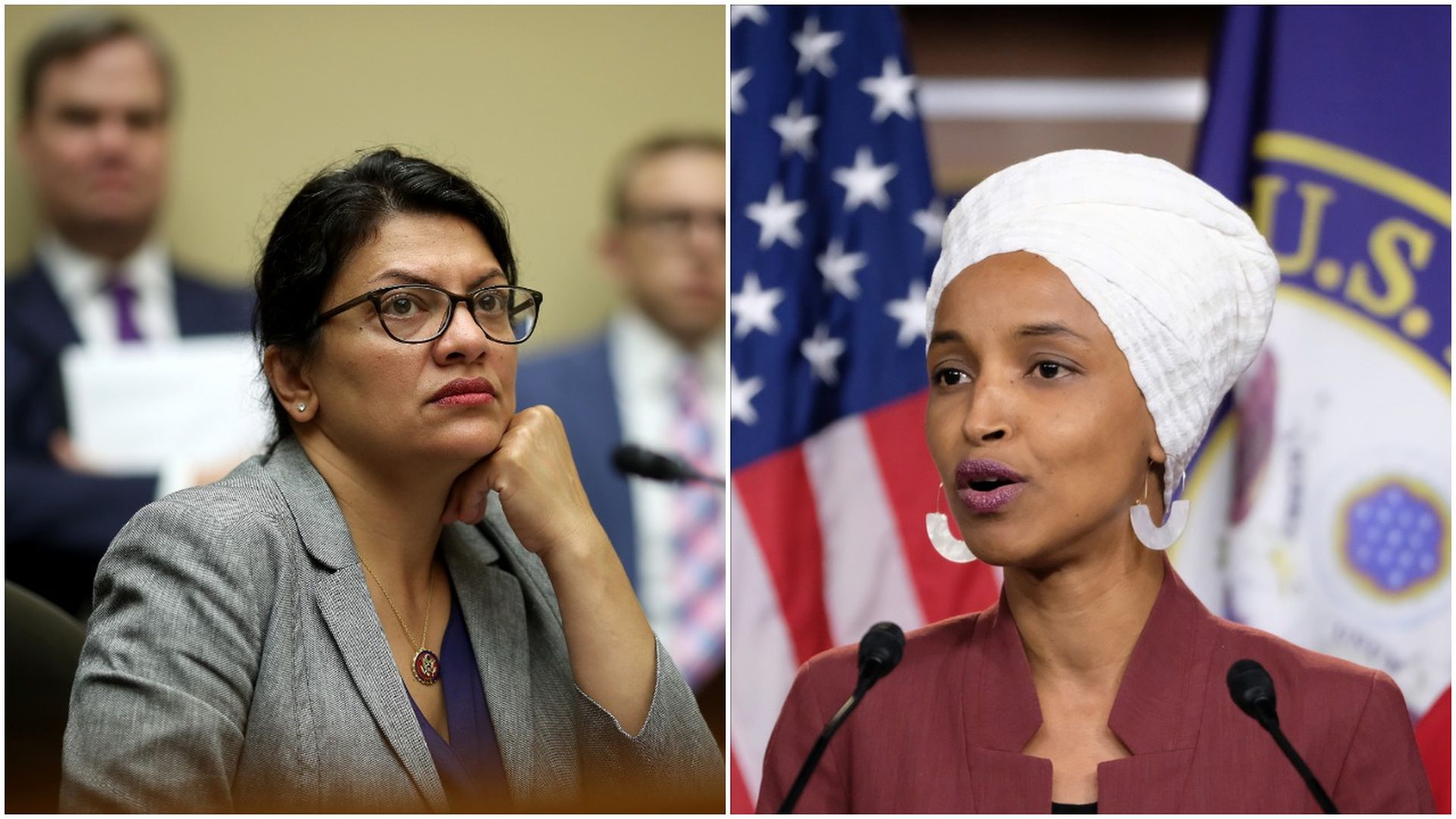
Israel will allow Reps. Ilhan Omar (D-Minn.) and Rashida Tlaib (D-Mich.) to enter the country on an upcoming trip, regardless of their support for the BDS movement, Israeli Ambassador to the U.S. Ron Dermer said in a statement.
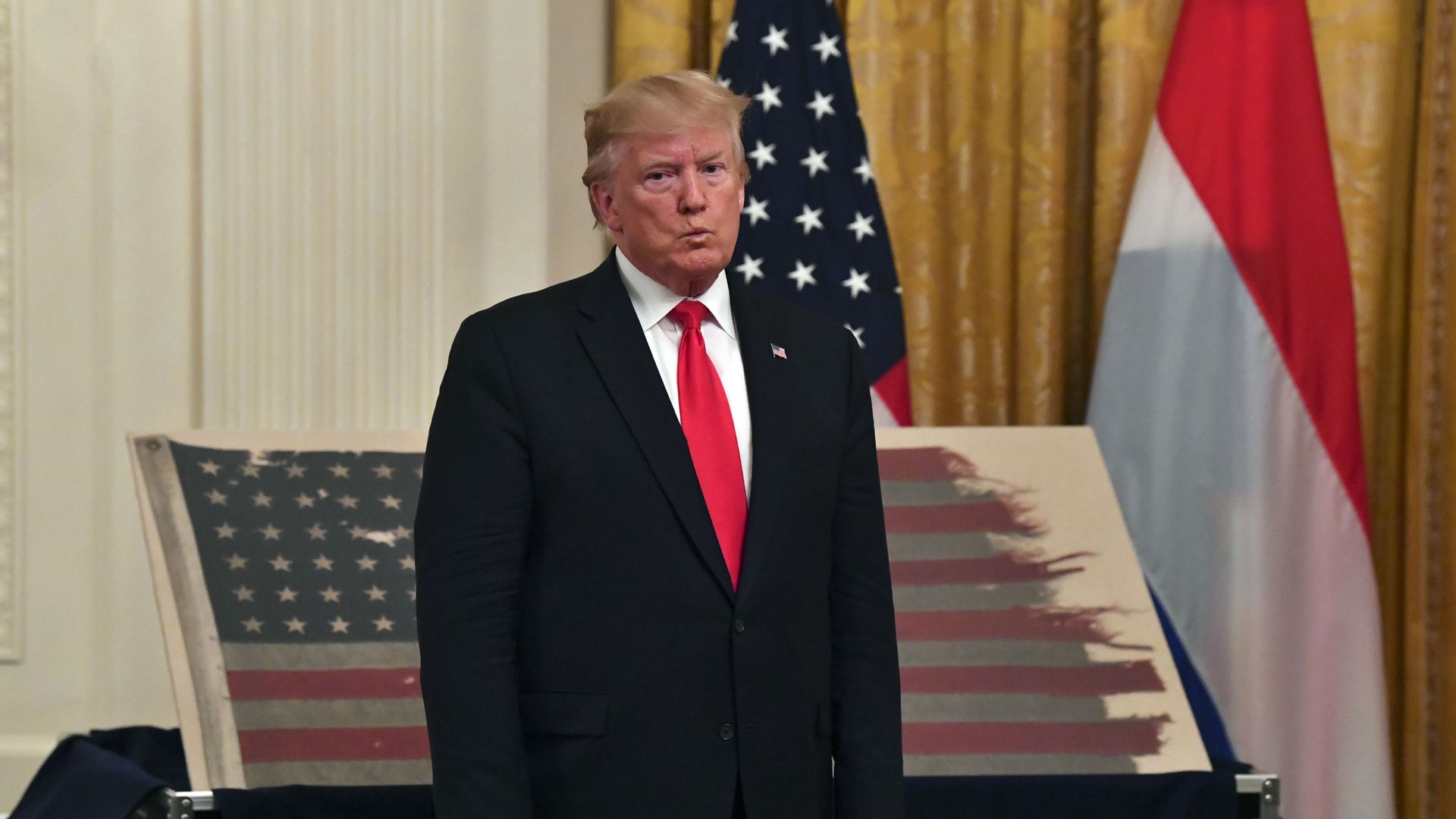
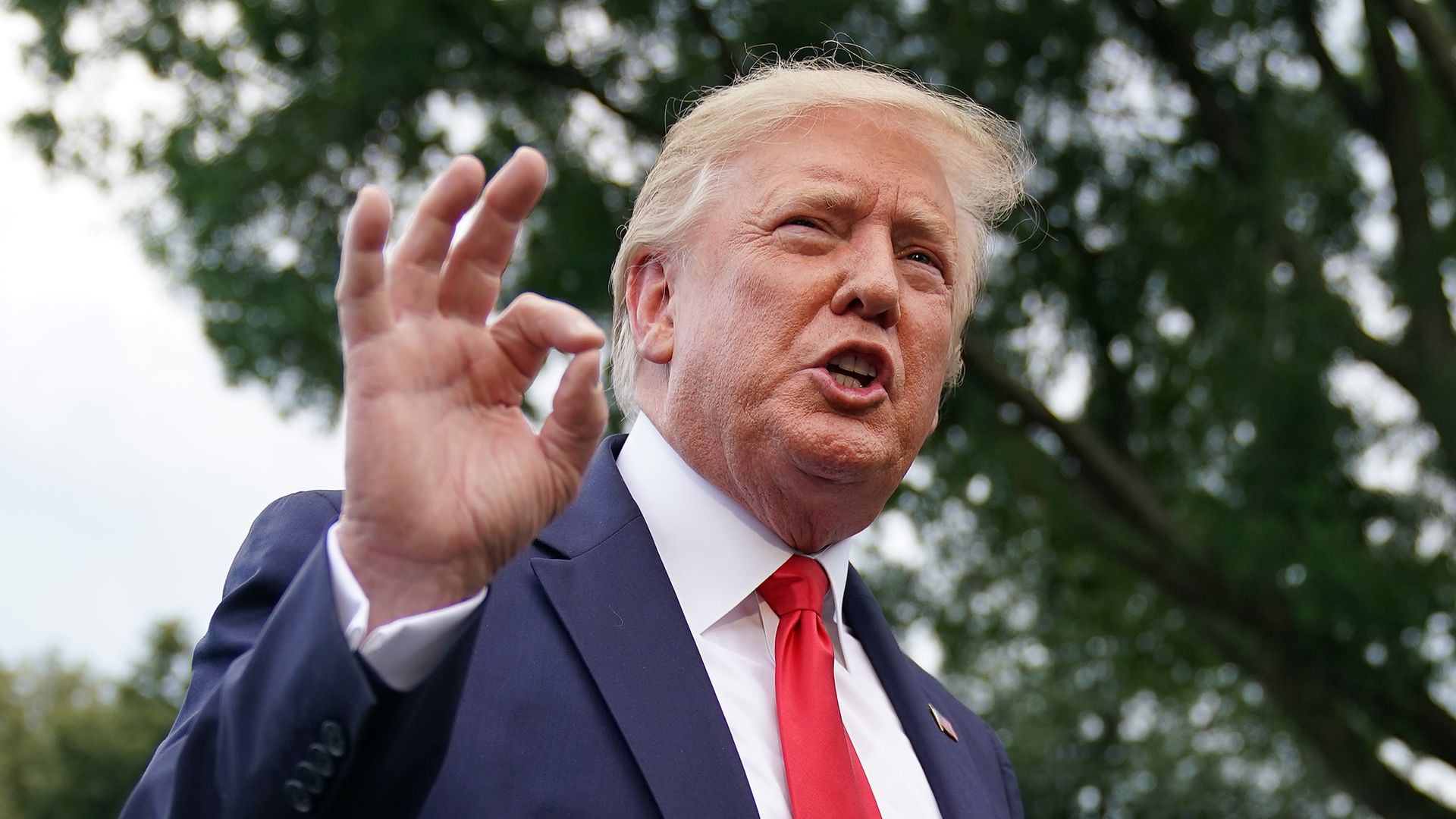
Why it matters: Omar and Tlaib were two of the targets of recent racist public attacks from President Trump. Last weekend, he called for them to "go back" to the countries they came from — despite the fact that Omar is a naturalized U.S. citizen and Tlaib was born in the U.S. Trump included in his attacks against the congresswomen accusations that they were anti-Semitic and anti-Israel.
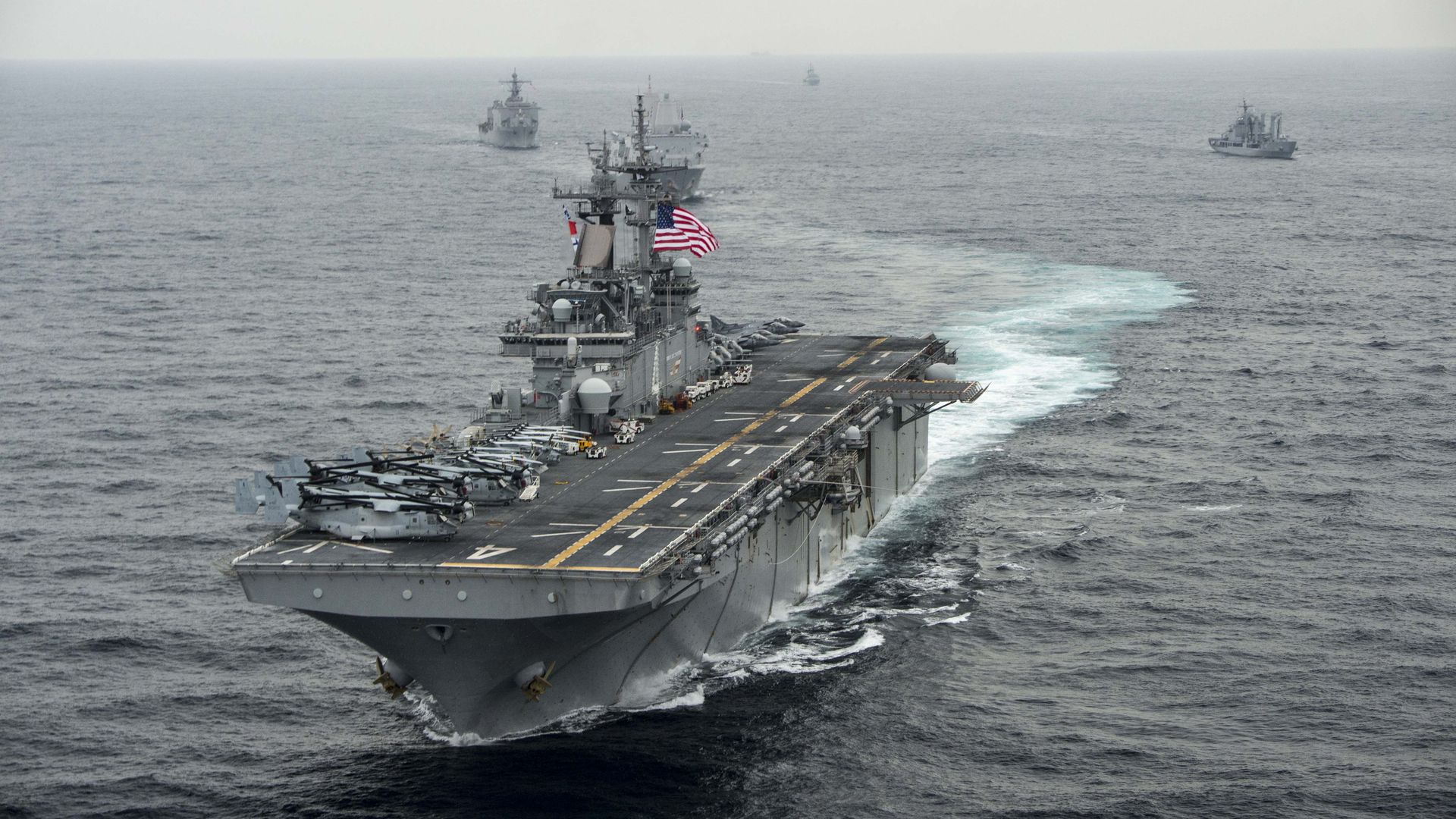
President Trump claimed a U.S. warship downed an Iranian drone in the Strait of Hormuz on Thursday, but Iranian officials denied Friday that the country had lost any drones, reports the AP.
Why it matters: When Iran downed a U.S. drone in the same area last month, it very nearly led to military conflict, per Axios' Dave Lawler, as the tension between the two countries is unfolding in a strait that carries a fifth of all global crude exports.
An American warship "destroyed" an Iranian drone operating in the Strait of Hormuz, President Trump announced Thursday.
Why it matters: When Iran downed a U.S. drone last month, it very nearly led to a military conflict. Thursday's move came hours after news that Iran had seized a foreign oil tanker in the Strait of Hormuz — the latest in a string of incidents in or near the narrow waterway through which one-fifth of the world's oil supply travels.
President Trump told reporters Thursday that the USS Boxer, operating in the Strait of Hormuz, "destroyed" an Iranian drone that he said approached within 1,000 yards and ignored calls to stand down.
Why it matters: When Iran downed a U.S. drone near the Strait of Hormuz last month, it very nearly led to military conflict. After calling off an airstrike, Trump later tweeted that any "attack by Iran on anything American will be met with great and overwhelming force," adding on Thursday that other nations should join the U.S. in condemning Iran's "attempts to disrupt freedom of navigation and global commerce."
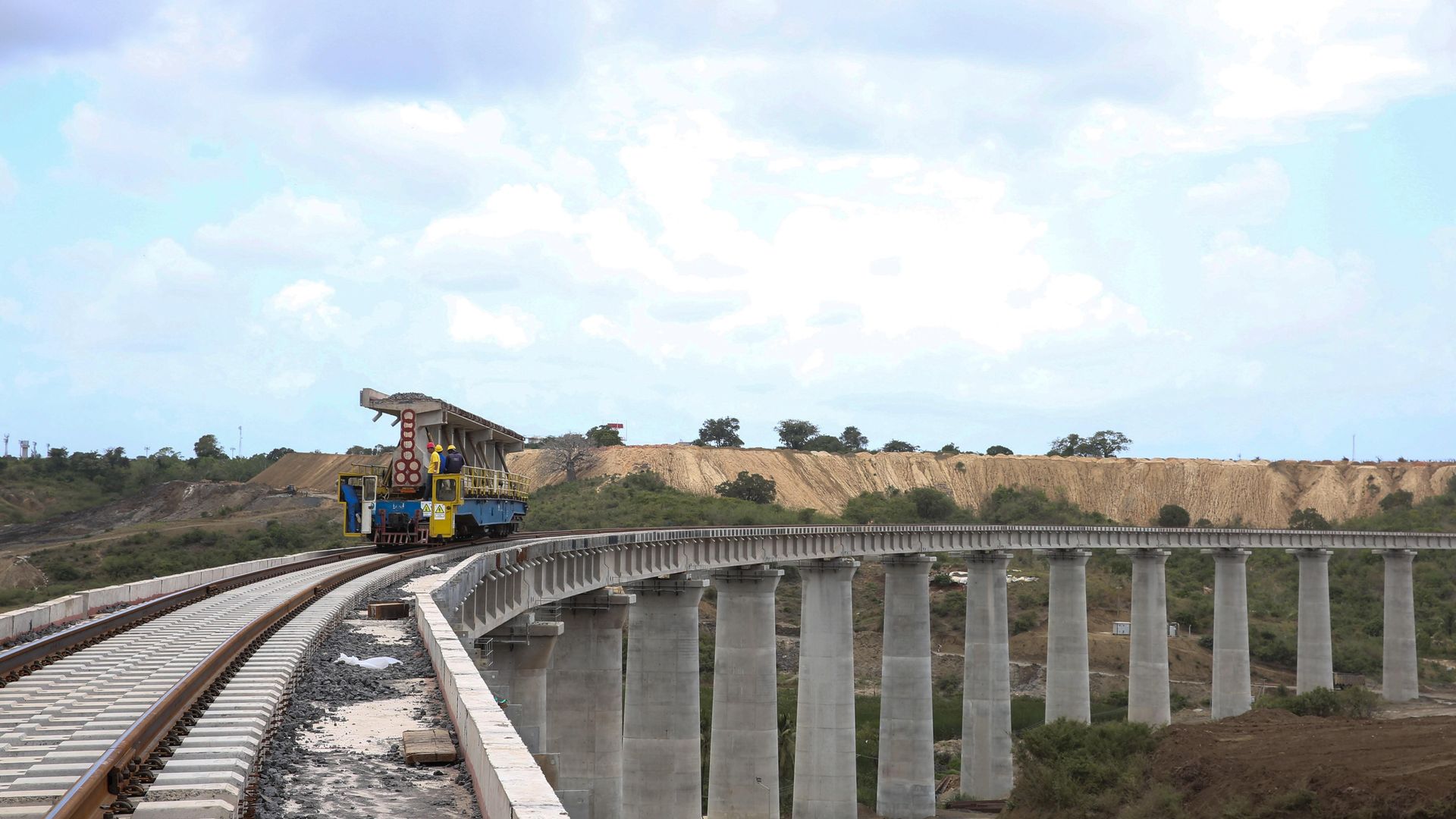
China plans to send government agents to monitor projects along its Belt and Road Initiative (BRI), potentially extending the Chinese Communist Party's arm deeper into participating countries.
The big picture: Corruption has been damaging Chinese President Xi Jinping's signature foreign policy initiative. He now wants to deploy abroad the same Orwellian-sounding Central Commission for Discipline Inspection that has helped carry out his domestic anti-corruption campaign.
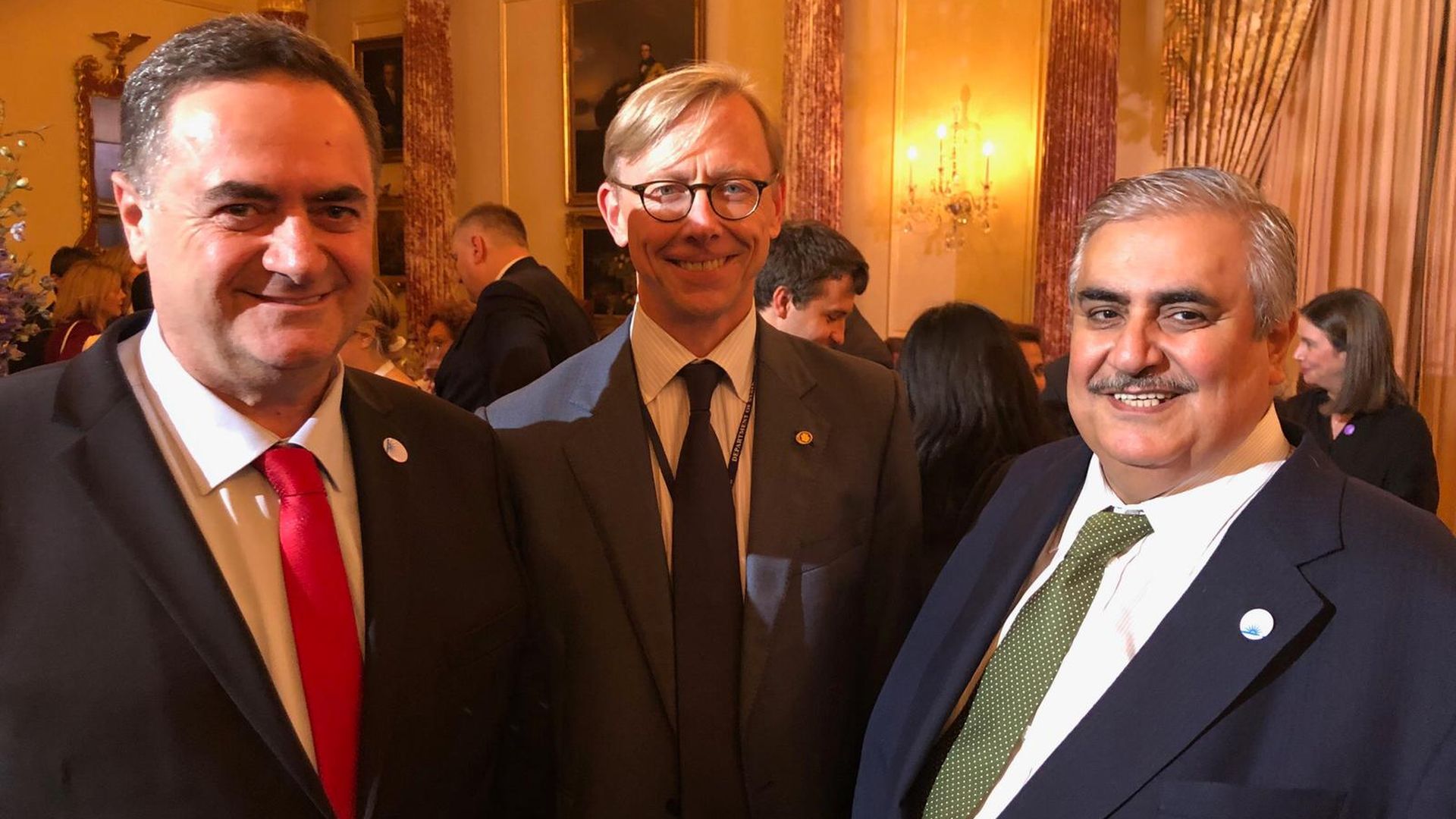
Israeli Foreign Minister Israel Katz had a short and rare public encounter yesterday with Bahrain's foreign minister, Khalid bin Ahmed Al Khalifa, at a State Department reception.
Why it matters: There has been a flurry of meetings between Israeli officials and their counterparts from the Gulf states recently, but the meetings are typically not made public by either party. That's why the joint photo of both ministers is even more significant than the meeting itself. Israel and Bahrain don't have diplomatic relations but are in a steady process of warming ties.
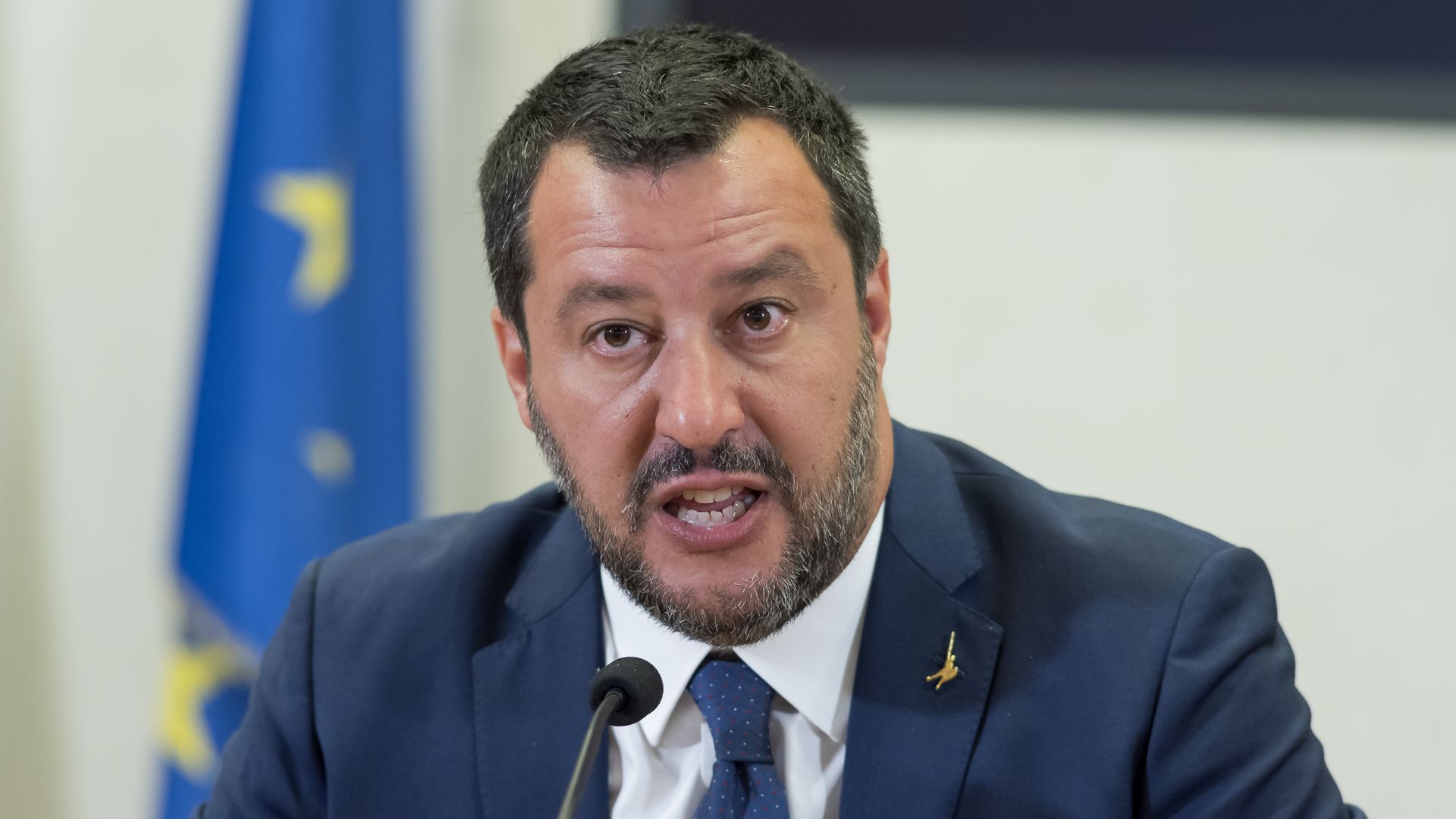
The implication of Italian Deputy Prime Minister Matteo Salvini in a campaign finance deal involving Russian funds highlights the expanding reach of Russian interference in nationalist, populist political movements across Europe.
Why it matters: Russia's foreign meddling aims to further its goals of weakening liberal democracies in the West and expanding its share of global influence. But the exposure of some of its efforts has come back to haunt the intended beneficiaries.
The British pound fell to its lowest level against the dollar since April 2017 on Wednesday, as concerns about a no-deal Brexit grew.
By the numbers: Analysts at Morgan Stanley even warned that a no-deal Brexit could send the pound to parity with the dollar for the first time ever. Sterling briefly touched $1.05 in 1985, Bloomberg reported.