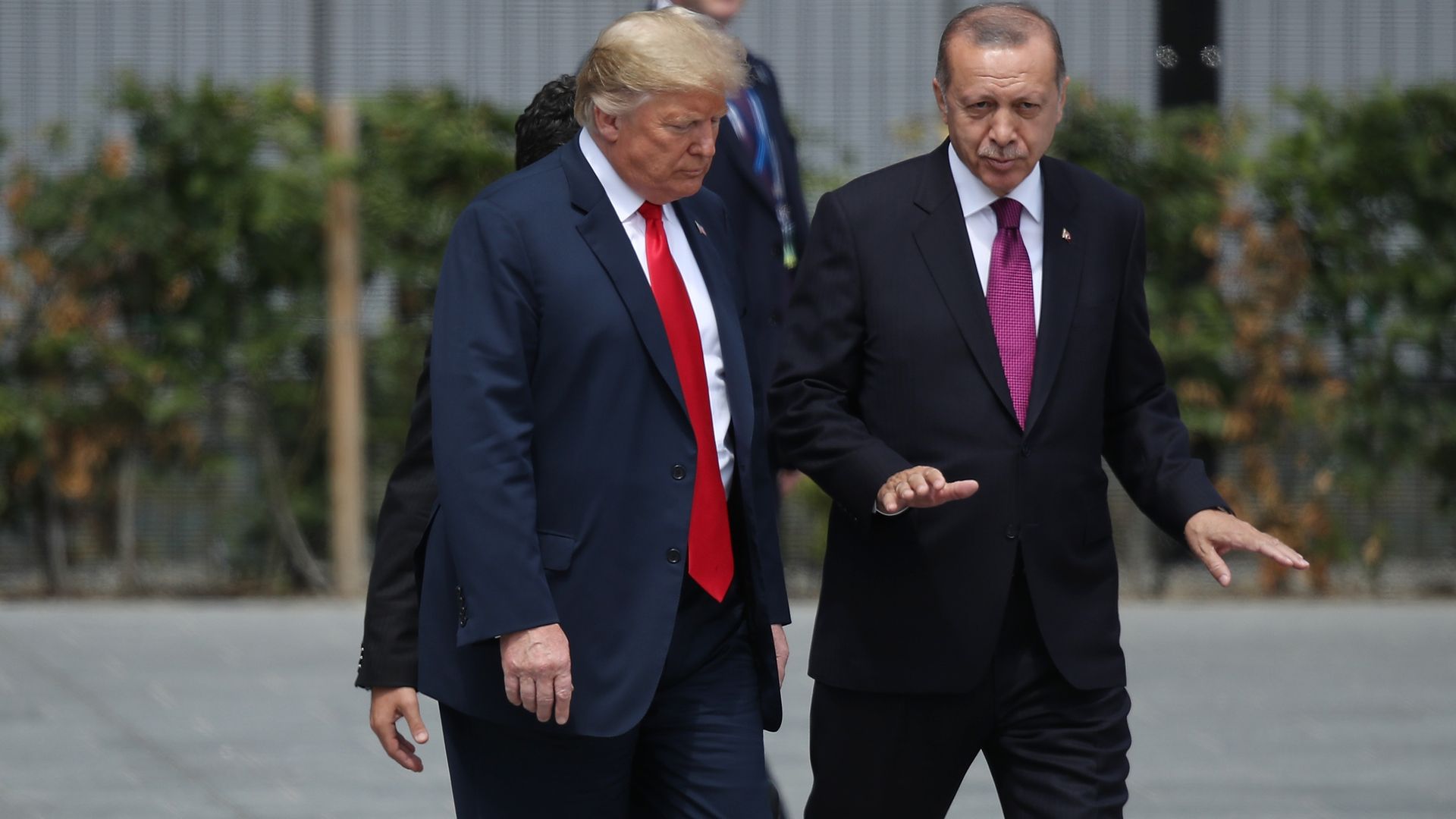
The U.S. has formally announced the removal of NATO ally Turkey from the F-35 fighter jet program. The move came after Turkey purchased a Russian S-400 air defense system over vocal objections from Washington.
The big picture: Wednesday's announcement is about military hardware. But it’s also a manifestation of the widening divide between Turkey, the U.S. and NATO. While this breaking point long loomed on the horizon, both U.S. and Turkish officials hoped it could be avoided.
The U.S. suspects Iran has seized a small oil tanker from the United Arab Emirates, AP reported Tuesday.
Why it matters: Tensions between Iran and the U.S. — and Tehran and Washington's allies — are unfolding in the Strait of Hormuz. The U.S. says it is moving forward with plans to build an international military coalition to protect waters around Iran and Yemen, which includes the straight. President Trump said last month the U.S. was "cocked & loaded" to strike Iran.
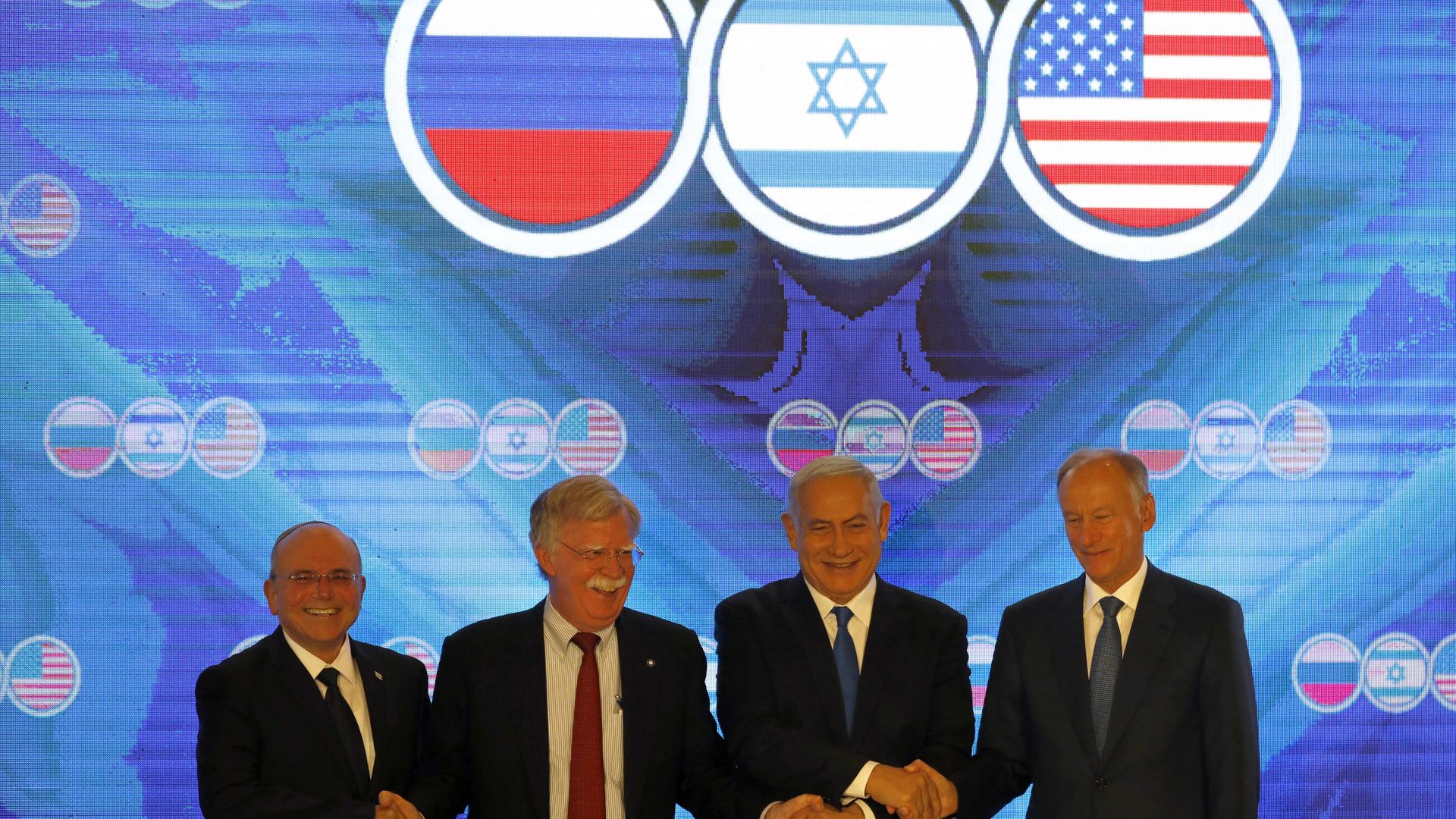
During a trilateral summit in Jerusalem last month, the U.S. and Israel told Russia that any deal on the future of Syria must include an Iranian military withdrawal not just from that country but also from Lebanon and Iraq, U.S. officials who were involved in the discussions tell me.
Why it matters: Israel and the Trump administration are concerned that a future deal in Syria could export the Iranian problem to Iraq and Lebanon.
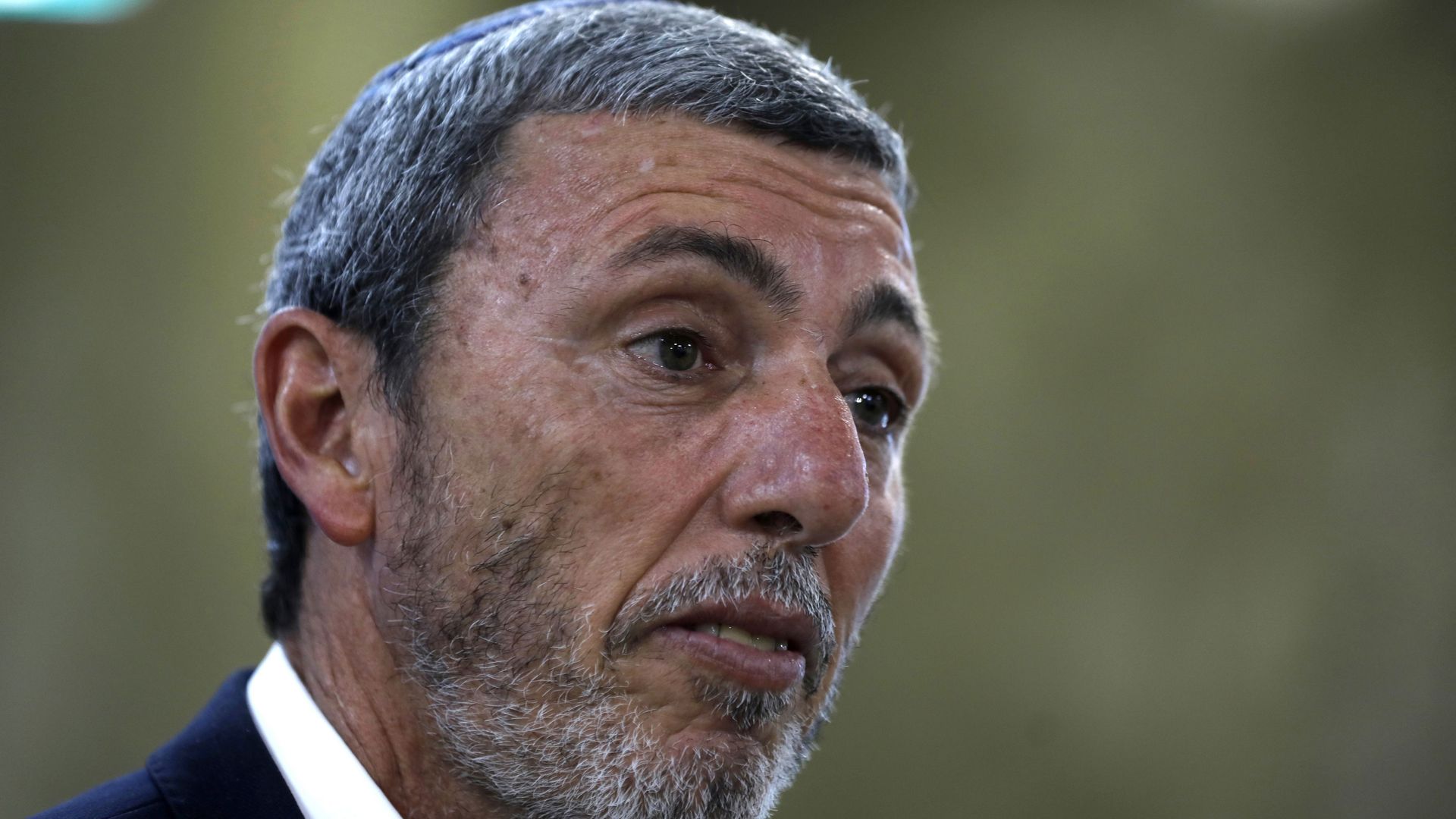
Israeli Education Minister Rafi Peretz is backing off his characterization of intermarriage by Jewish people in the U.S. as a "second Holocaust." In a letter, Peretz asked Isaac Herzog, chairman of the Jewish Agency for Israel, to convey his regret to Jewish communities around the world.
Why it matters: Peretz's remarks came during an Israeli Cabinet meeting and sparked a wave of condemnations from Jewish organizations in the U.S. after they were reported by Axios. Peretz had claimed that due to intermarriages over the last 70 years, Judaism "lost 6 million people."
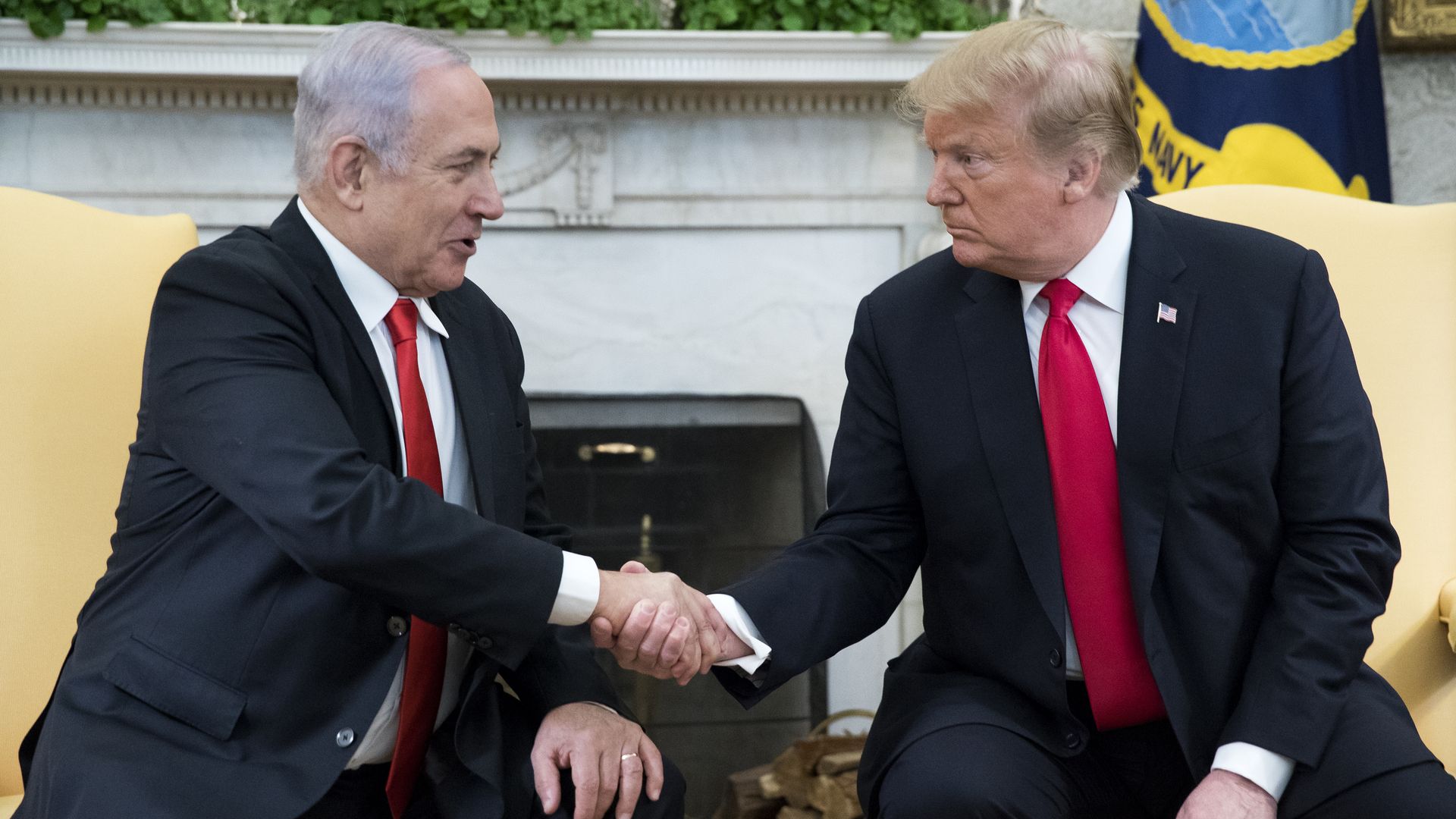
Israeli Prime Minister Benjamin Netanyahu and his advisers told Trump administration officials they have reservations about the proposal for a passage connecting the West Bank and Gaza as part of the White House Middle East peace plan, sources briefed on the matter tell me.
Why it matters: The proposal was part of the economic portion of the U.S. plan. It was revealed by the White House to Netanyahu and his aides two weeks before the plan was made public, Israeli officials say. Netanyahu has publicly stressed several times that Israel will keep an open mind about the plan.