China has enlisted some of the world’s foremost human rights abusers to defend its mass detention of more than 1 million Muslims.
Data: Axios research; Map: Harry Stevens/Axios
Why it matters: A letter supporting China — with signatures from Saudi Arabia, Russia, North Korea and 34 other mostly authoritarian states — comes after 22 countries formally condemned abuses in the Xinjiang region. It reveals growing frustration and defensiveness over the issue from Beijing, says Sophie Richardson, China director for Human Rights Watch.
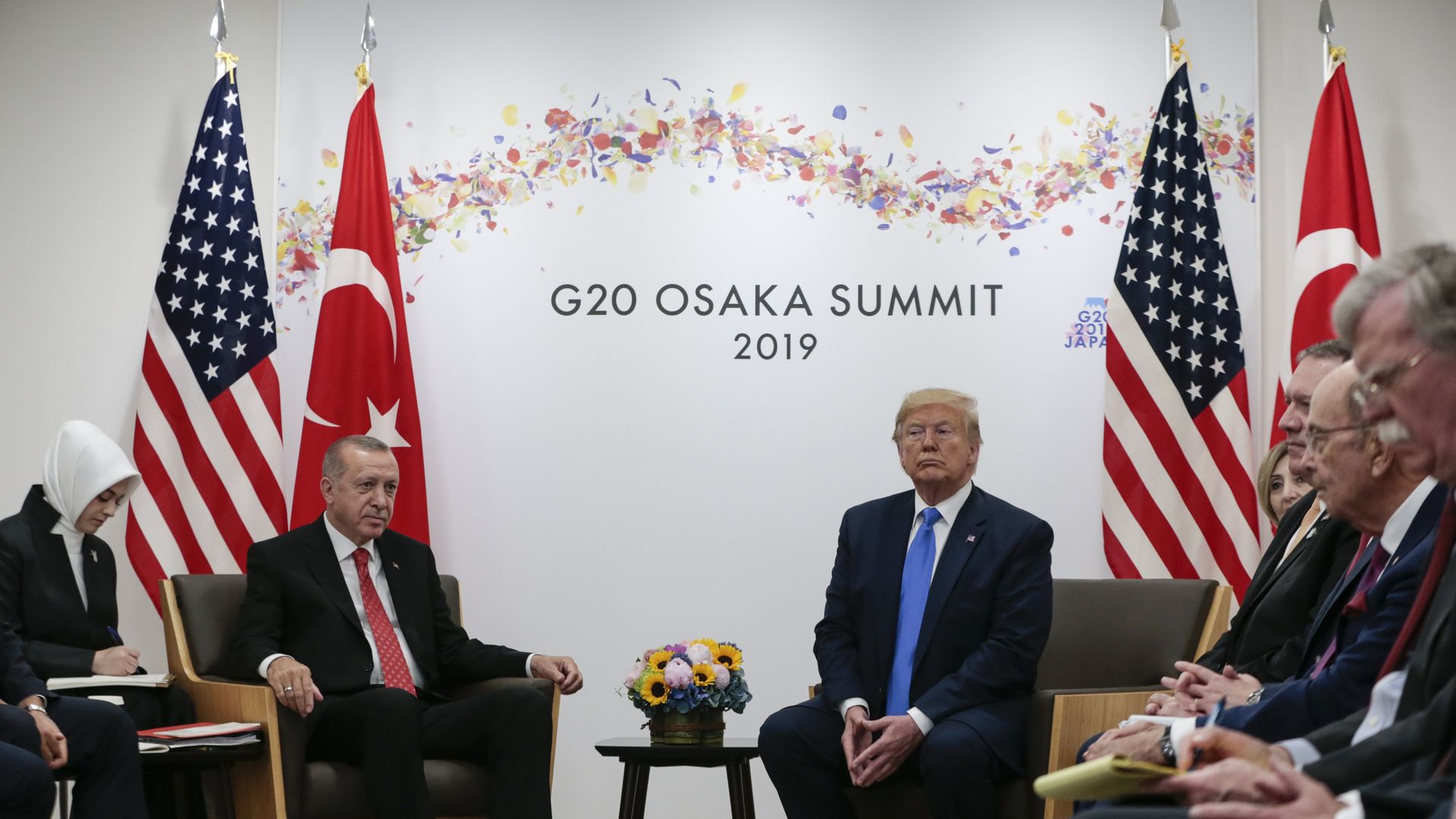
Turkey has received “the first group of equipment” from a Russian S-400 air defense system despite warnings from the U.S. and other NATO allies who say the system could compromise the alliance's security.
Between the lines: "Turkey sees the balance of power shifting away from Europe and the U.S. and envisions itself as a more independent actor in a changing global order," two senior Turkish officials tell Bloomberg.
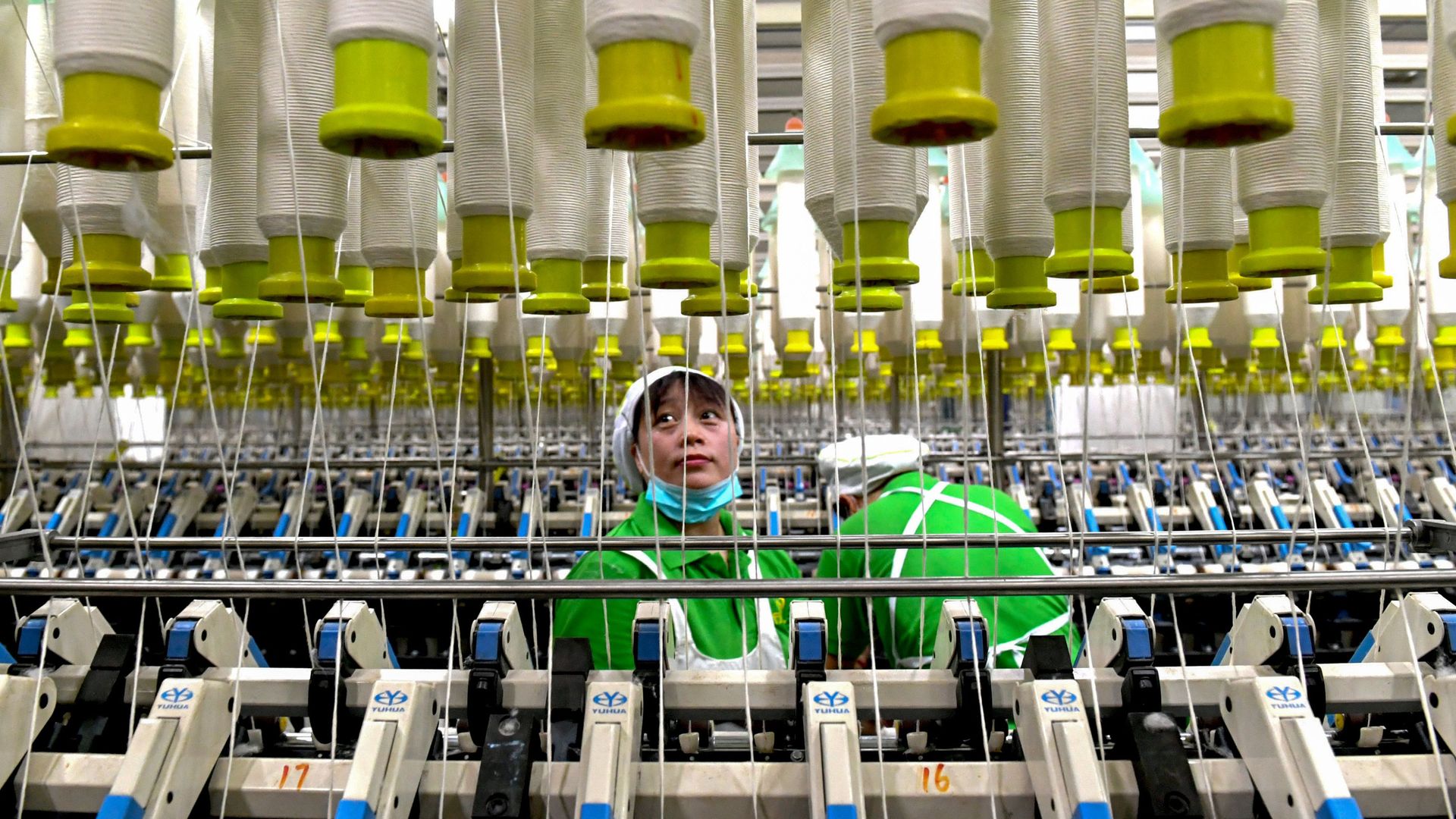
China’s economy expanded at the slowest rate in nearly 30 years in the 2nd quarter, thanks to heightened U.S.-China trade tensions and weakening trade demand from other fragile economies.
By the numbers: The figures released by the Chinese government show the GDP came in at 6.2% — a deceleration from the previous quarter’s 6.4% annualized rate and the weakest pace of growth since the government started releasing quarterly data in 1992, per Reuters.
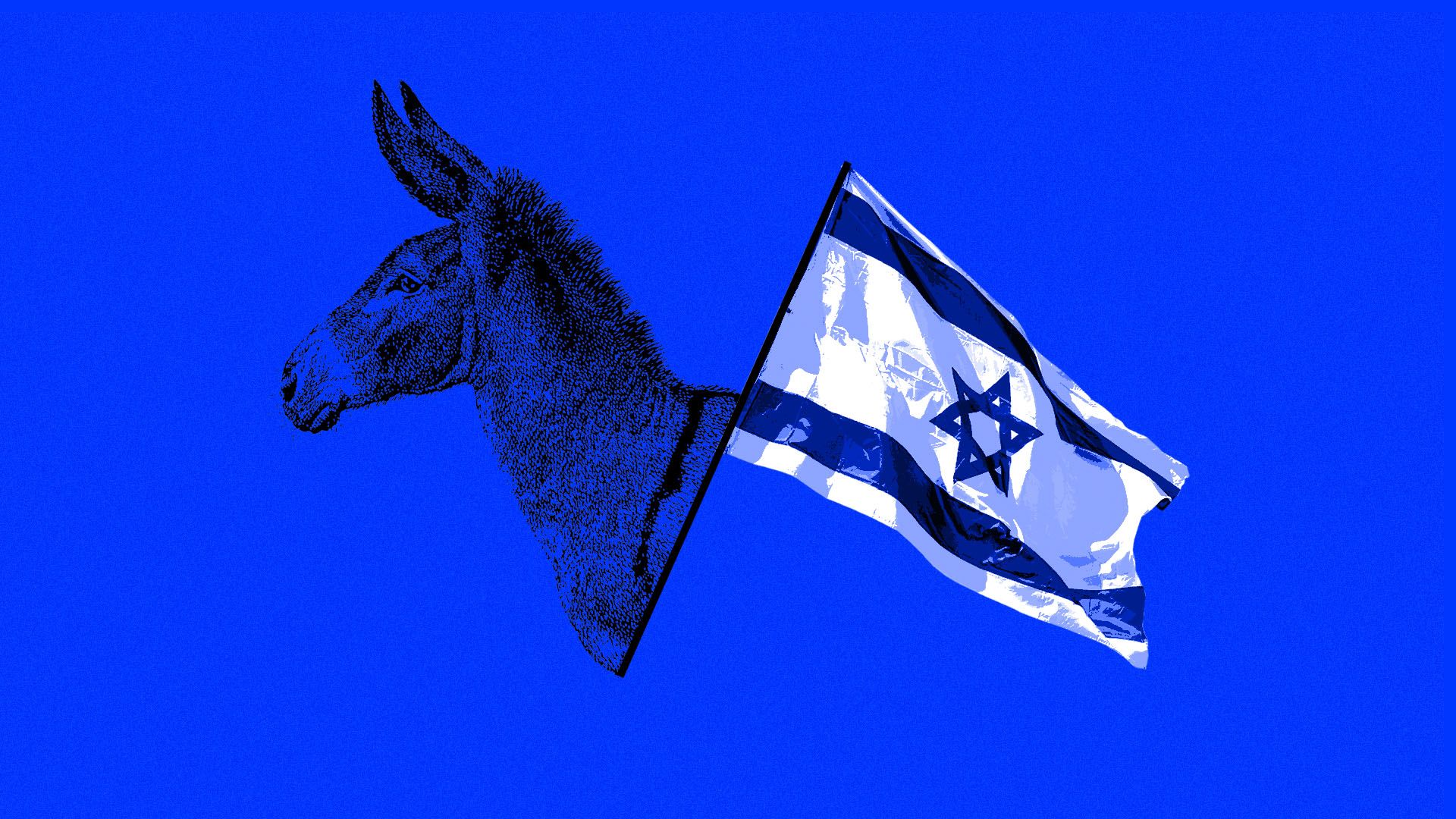
The 2020 Democratic presidential front-runners have accepted President Trump's Jerusalem move.
The bottom line: Over the last week, Axios reached out to all of the top tier candidates, and not one of them — including former Vice President Joe Biden — would move the U.S. Embassy in Israel back to Tel Aviv.
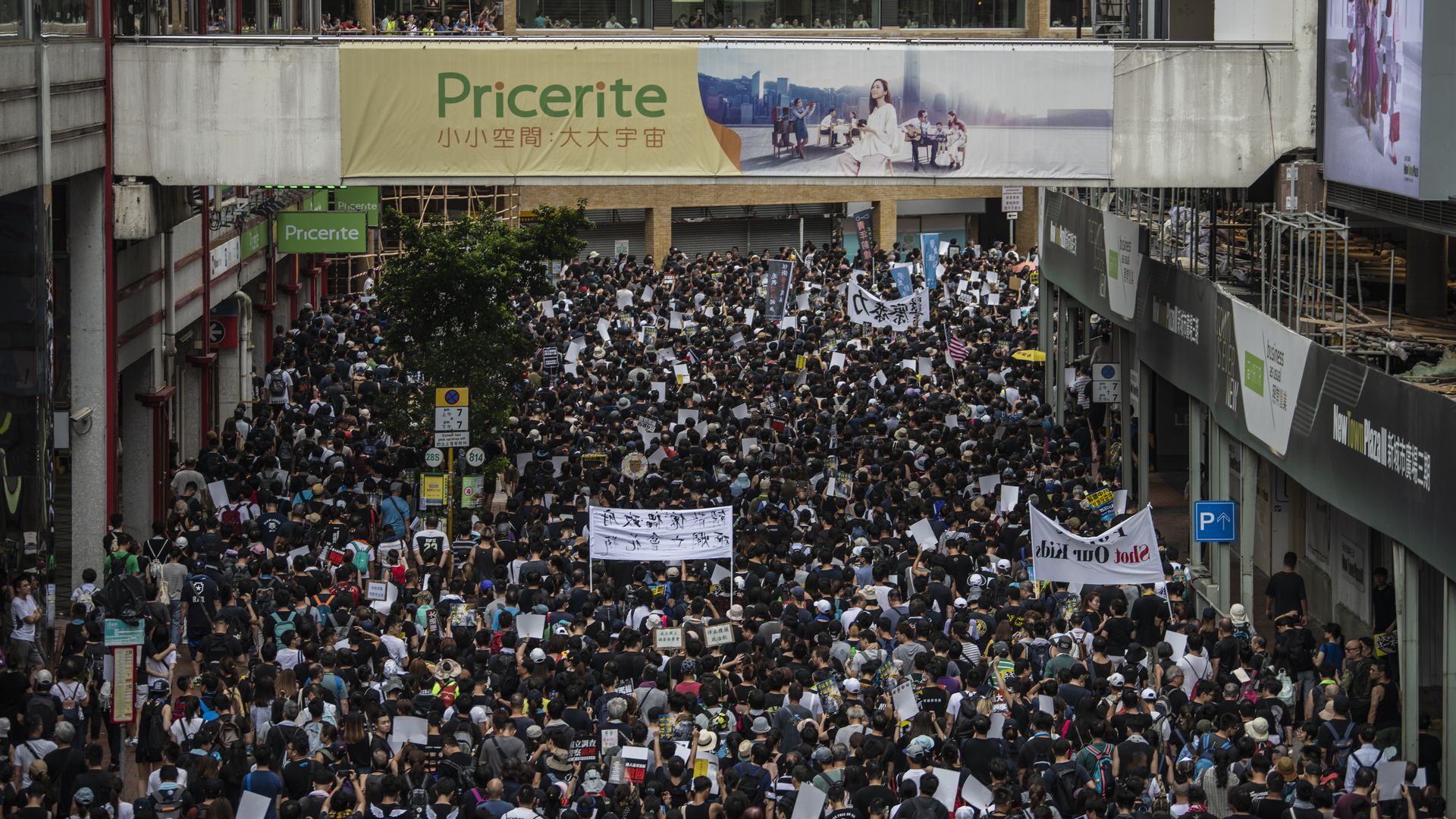
As tensions in Hong Kong continue, protestors have turned their disdain toward a news station they're accusing of pro-China bias, the New York Times reports.
What's happening: "Analysts say TVB’s reporting has largely focused on how the protests have disrupted Hong Kong’s famed efficiency, while playing down the political frustrations that have driven people to the streets in large numbers," the Times writes.
Loïc Pasquet is probably the most controversial winemaker in the world. He specializes in making wine the way it was made before the phylloxera epidemic wiped out most of France's grapes in the 19th century. His ungrafted vines bear rare varietals like castets, mancin and pardotte, and he ages his wines in amphorae rather than oak barrels.
Where it stands: In 2015, 500 of Pasquet's precious autochthonous vines were destroyed by vandals who cut them down to the roots; a couple of months later, Pasquet was found guilty of defrauding the European Union of more than $650,000 that he received in aid and grants for promoting his wine, mostly in China.