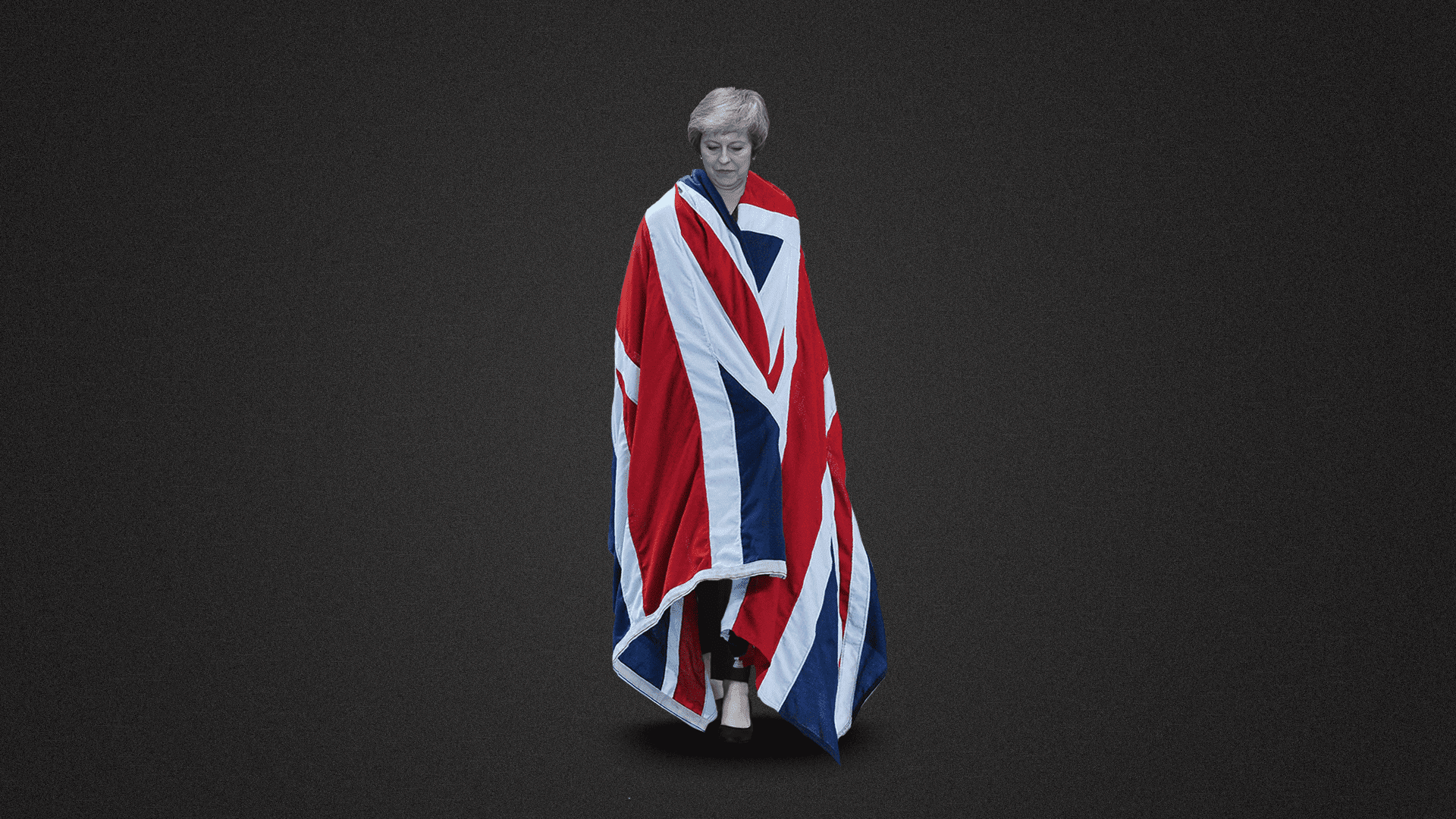
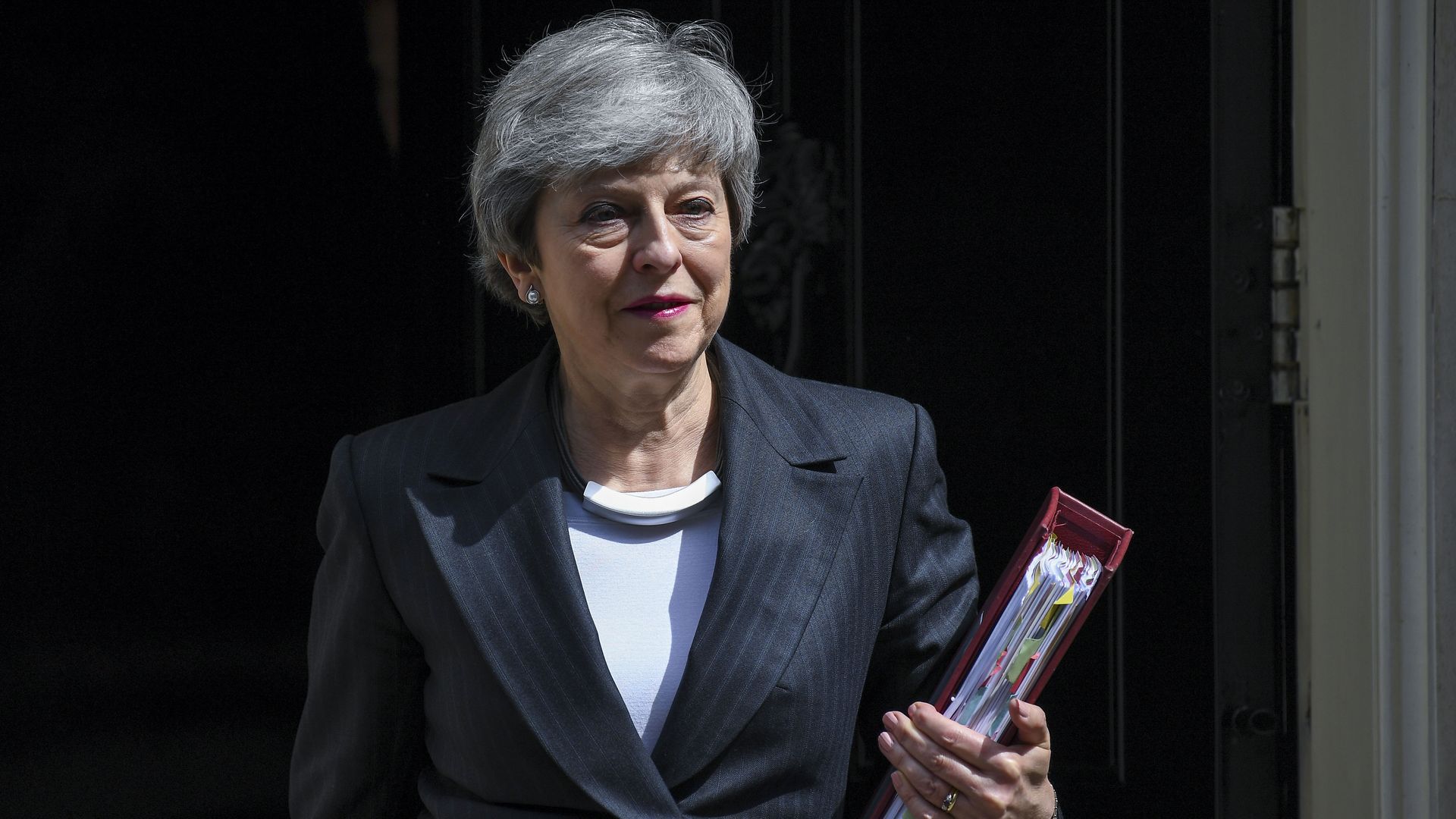
U.K. Prime Minister Theresa May appears, finally, to have reached the end of the road. A plan to resuscitate her Brexit deal was abandoned on Thursday. The London Times reports that she'll "announce a timetable for her departure tomorrow morning."
The bottom line: May came into office three years ago with a singular mission — to deliver Brexit. Anyone would have struggled to do so. She, quite clearly, failed.
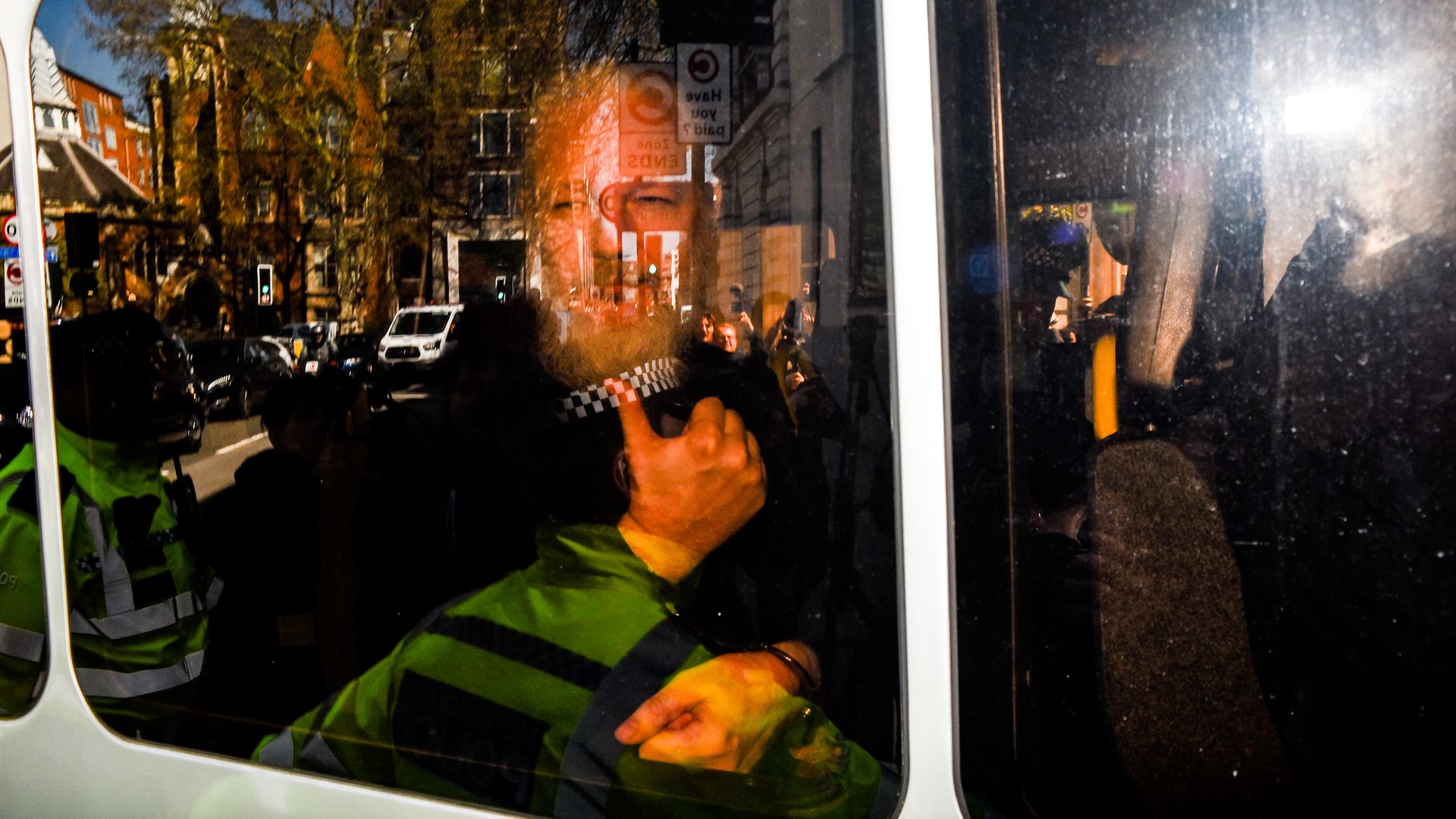
Julian Assange's Ecuadorian refuge has ended after more than six years, with the WikiLeaks chief facing American extradition for conspiracy to commit computer intrusion.
The big picture: Few figures have been so influential in our past decade — think Hillary Clinton's emails, Iraq War footage that created a political firestorm in President Obama's first term, and his offers to assist Edward Snowden. Follow the 9 year timeline of Assange's legal entanglements — which today entered a new phase, as he prepares to fight an extradition request to the U.S.
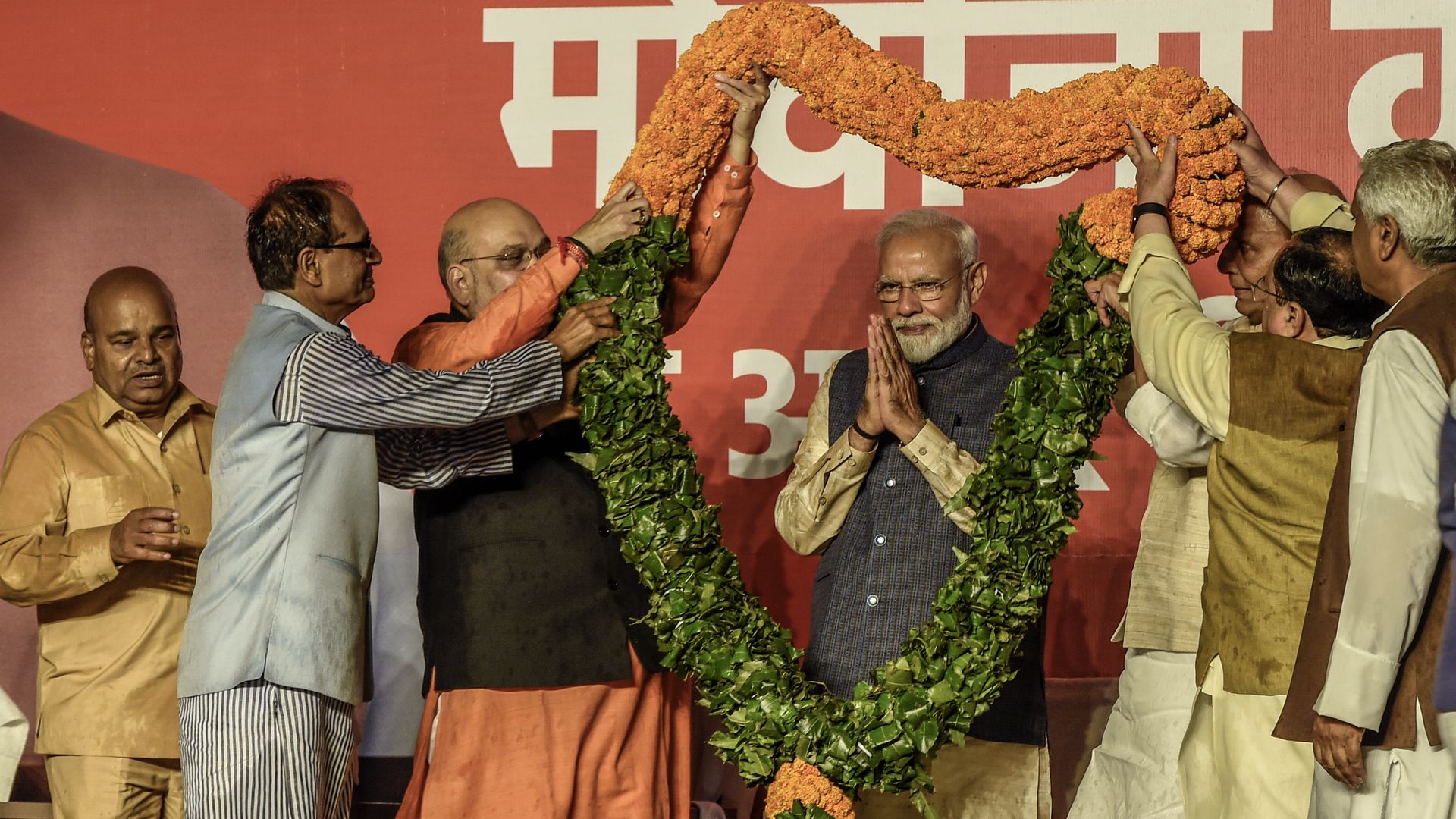
The triumph of the ruling Bharatiya Janata Party (BJP) in India's national elections, which gives Narendra Modi another 5 years as prime minister, should be a largely positive outcome for U.S. foreign policy.
The big picture: Washington has come to regard India, with Modi at the helm, as a key partner in Asia, particularly since the Trump administration rolled out its Indo-Pacific strategy. U.S. and Indian security interests strongly align over countering the threat of terrorism in South Asia and China’s deepening footprint across Asia.
Hacktivism — when activist groups like Anonymous use cyber disruption for political means — declined 95% between 2015 and 2018, according to a report by IBM.
Details: There are a variety of reasons for the decline, like governments impersonating activists and increased arrests.
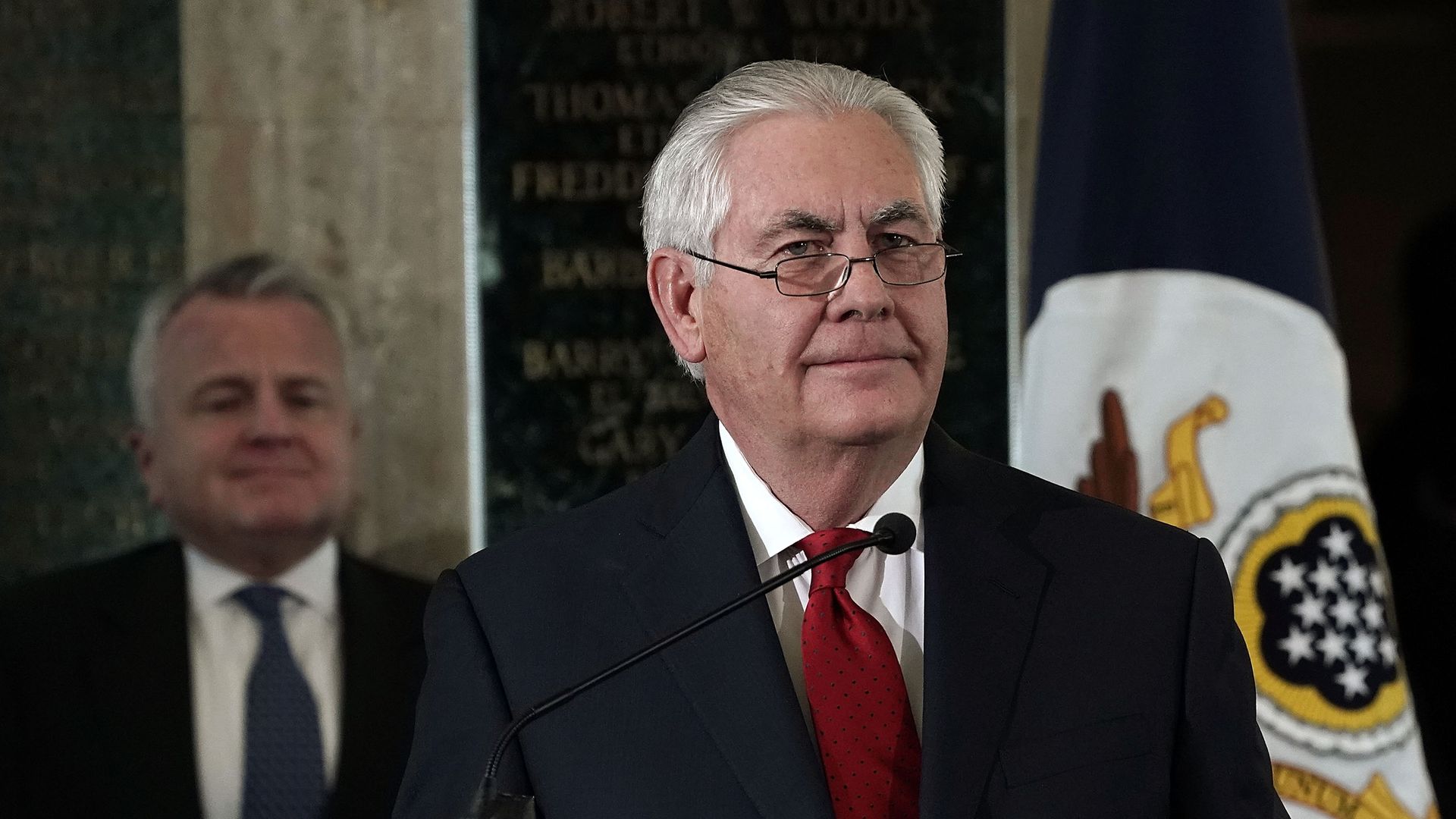
President Trump fired back at former Secretary of State Rex Tillerson in a Thursday tweet after reports that Tillerson disparaged the president's preparation for a 2017 meeting with Russian President Vladimir Putin:
"Rex Tillerson, a man who is 'dumb as a rock' and totally ill prepared and ill equipped to be Secretary of State, made up a story (he got fired) that I was out-prepared by Vladimir Putin at a meeting in Hamburg, Germany. I don’t think Putin would agree. Look how the U.S. is doing!"
The backdrop: After a request from House Foreign Affairs Chairman Eliot Engel (D-N.Y.), Tillerson told the committee in a closed hearing Wednesday that "a discrepancy in preparation ... created an unequal footing" for the meeting in Hamburg, per the Washington Post.
A planned last-ditch vote on U.K. Prime Minister Theresa May's Brexit deal won't happen during the week of June 3, the Office of the Leader of the House of Commons announced Thursday.
Why it matters: Like the vote on her deal, May's premiership is now dead in the water — and it looks increasingly likely she'll step down after today's round of European elections. She already suffered a top Cabinet resignation from Andrea Leadsom on Wednesday, the leader of the House of Commons, and faces a meeting tomorrow about her future with Graham Brady, the head of her Conservative Party's parliamentary committee.
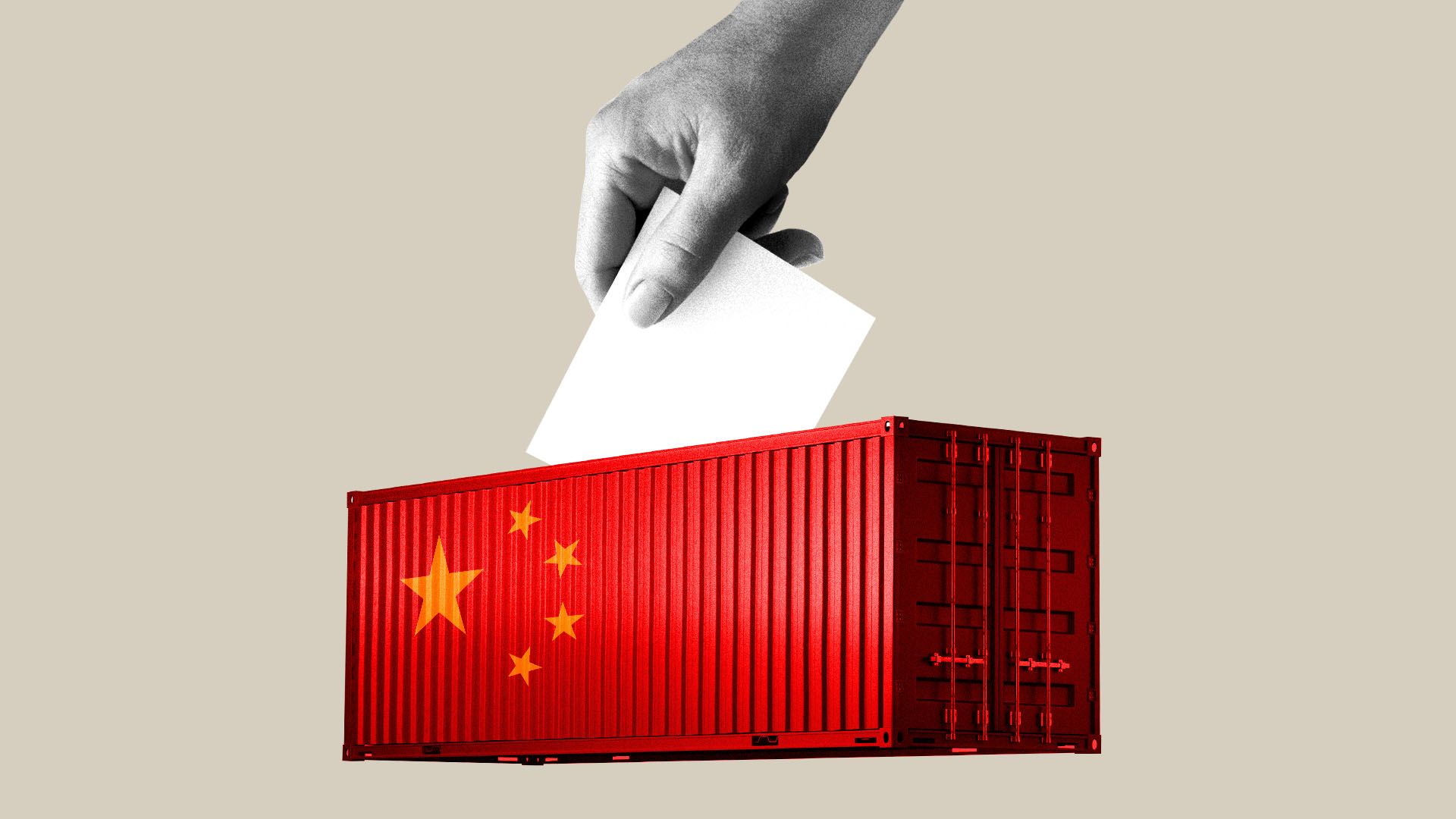
Short of a highly improbable climbdown by China, President Trump, confronting a strong re-election challenge from Democrats, is likely to maintain an aggressive public posture toward Beijing at least through the 2020 campaign cycle, experts tell Axios.
The big picture: Standing tall against China is one of the very few issues with strong bipartisan popularity across the country, which will make Trump hesitant to let it go, especially given the strong economy.
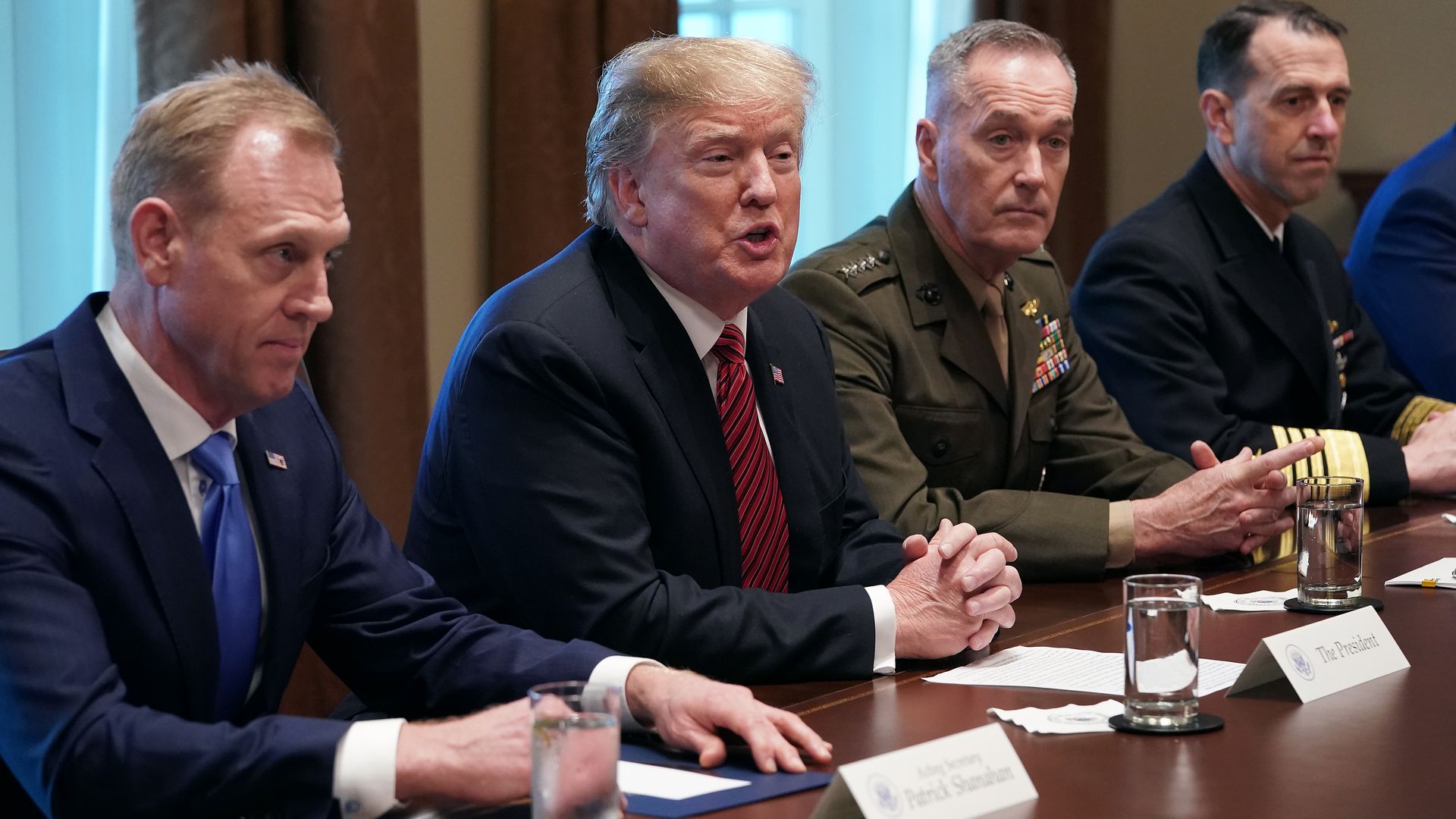
The Pentagon is expected to submit plans to the White House that would see up to 10,000 additional U.S. troops deployed to the Middle East, according to AP. The report comes amid growing fears of war with Iran.
Why it matters: Both U.S. and Iranian officials have said they don't want war, but U.S. officials have made repeated but unspecific claims of possible impending Iranian attacks. President Trump tweeted Monday, "If Iran wants to fight, that will be the official end of Iran." Trump has also dismissed a previous report of a Pentagon plan involving 120,000 troops, but said he'd send "a hell of a lot more" if necessary.
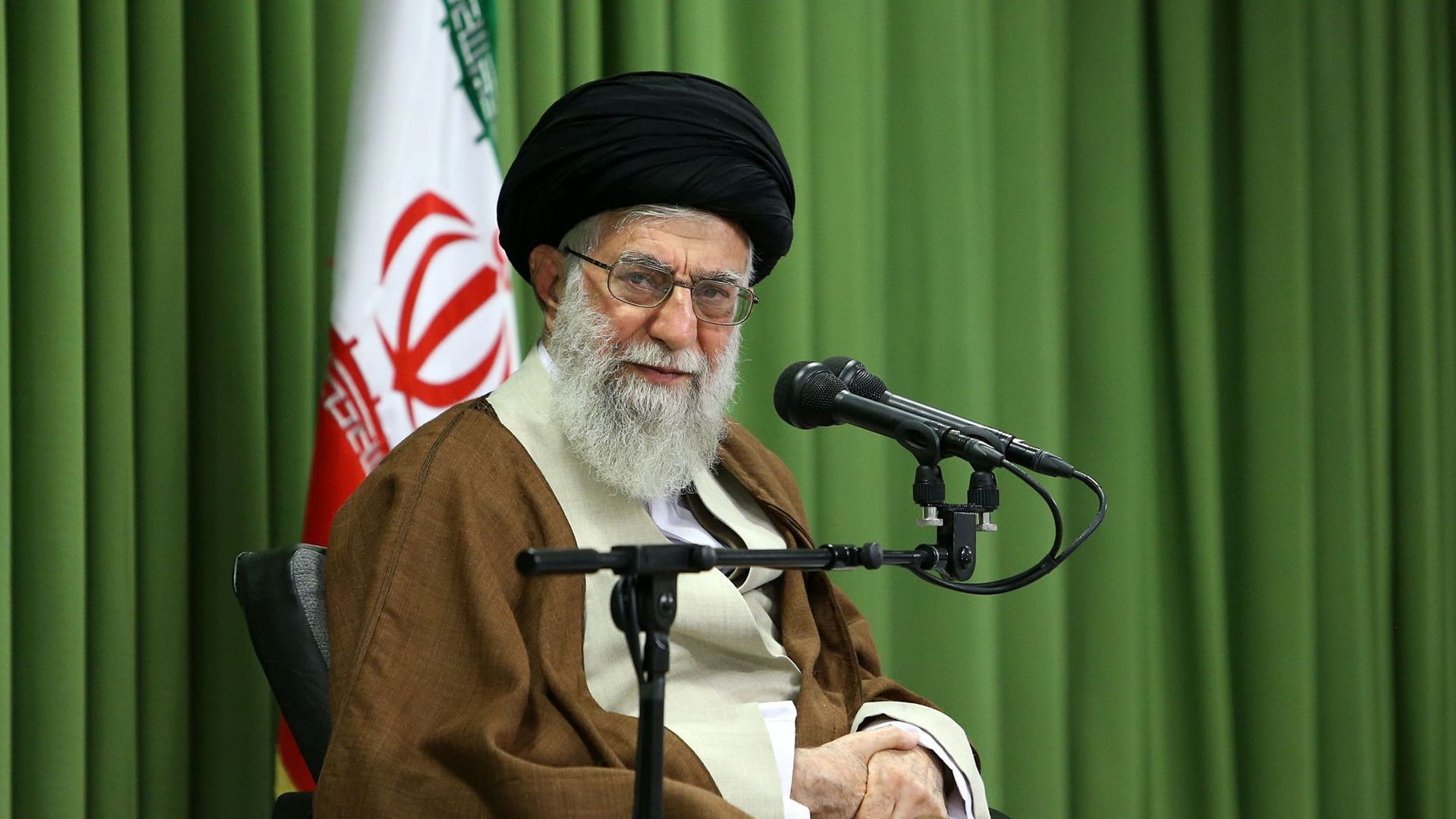
Iran's supreme leader has publicly criticized the country's president and foreign minister for the first time over their roles in negotiating and implementing the 2015 Iran nuclear deal, reports AP.
Why it matters: Ayatollah Ali Khamenei's remarks come as Tehran weighs whether to abandon the nuclear deal and decides how to respond to threats coming from Washington. His criticism undercuts the influence of President Hassan Rouhani and Foreign Minister Mohammad Javad Zarif, who are considered moderates by the standards of the Iranian regime.
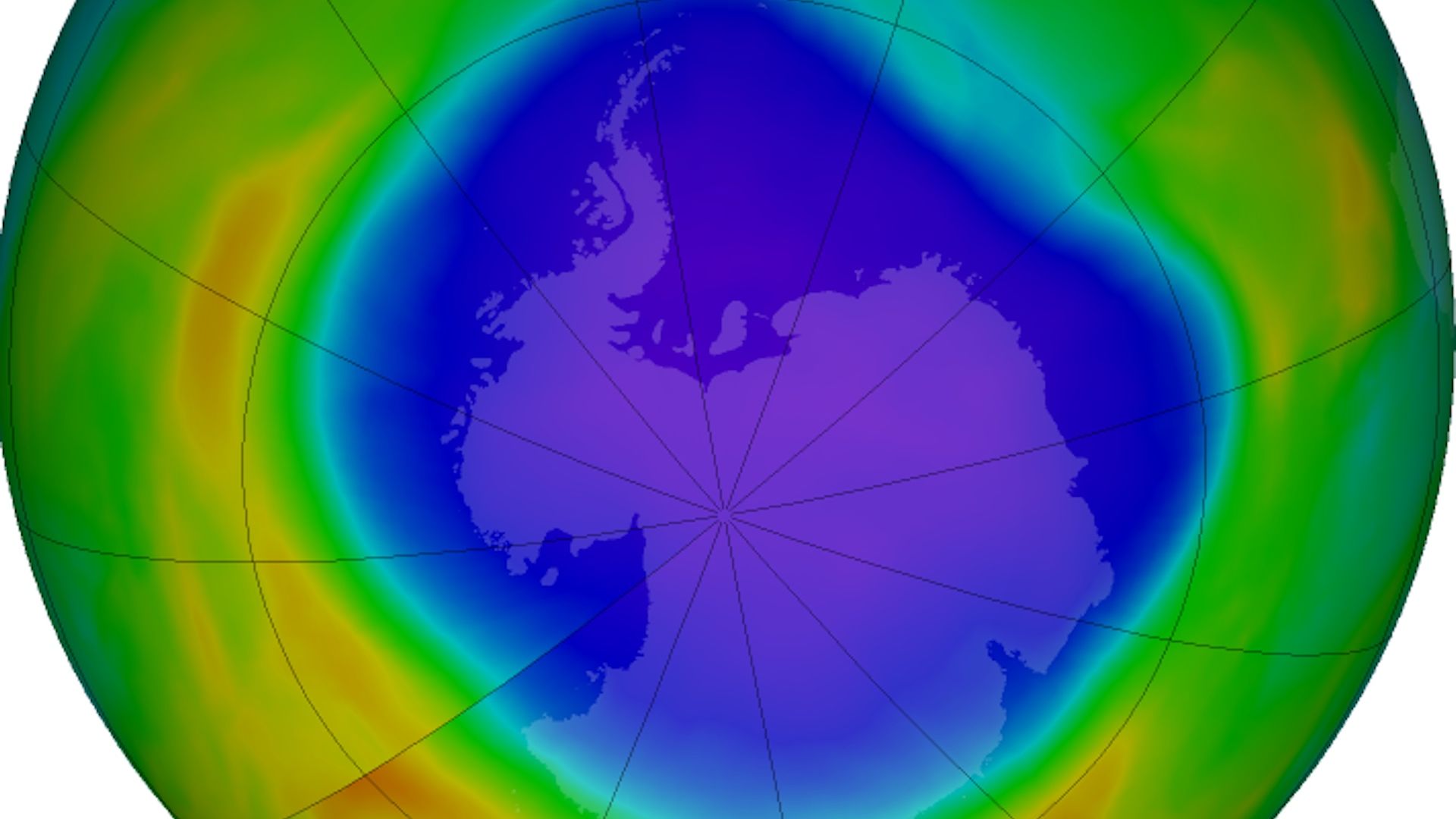
Scientists have solved an international environmental mystery by pinpointing the source of a troubling uptick in a dangerous, ozone-destroying chemical: factories in northeastern China.
Why it matters: The Montreal Protocol on Substances that Deplete the Ozone Layer is viewed as the most successful environmental treaty ever enacted. However, its success depends on rigorous monitoring and enforcement, particularly regarding the ban on the production and use of ozone-depleting substances from developing countries since 2010.
The march toward a tech Cold War between the U.S. and China is continuing, but both sides are ignoring the reality of just how much they need each other. The 2 nations certainly would like to be independent, but today neither one's vast tech economy can function without the other.
Why it matters: A continued trade impasse will likely mean lots of pain on both sides of the Pacific.
Ashraf Al-Jabari, a businessman from Hebron who maintains ties to the Trump administration, is the only Palestinian so far who will attend the U.S.-led economic conference in Bahrain, the first phase of the launch of the White House's Middle East peace plan.
Why it matters: The fact that Al-Jabari is the only Palestinian willing to attend the event is a testament to the problems the Trump administration is having with promoting its peace plan. That's been exacerbated by fractured relations with Palestinian leadership since 2017, which occurred after the White House's decision to move the U.S. Embassy in Israel to Jerusalem.
Representatives from two wealthy Gulf states, the United Arab Emirates and Saudi Arabia, announced on Tuesday that they will attend the economic gathering next month to roll out President Trump's Middle East peace plan.
Driving the news: The UAE's Ministry of Foreign Affairs and International Cooperation said in a statement that the UAE would send a delegation to Bahrain at the end of June to participate in what the Trump administration is calling an "economic workshop." Saudi Arabia announced that its Minister of Economy and Planning will attend as well.