The House of Commons on Wednesday voted 321-278 to reject the U.K. leaving the European Union without a deal.
The big picture: Parliament on Tuesday voted for the second time to reject Prime Minister Theresa May's Brexit deal, the only proposal currently on the table. On Thursday, May plans to bring a vote on extending negotiations past the March 29 deadline. That will be a tough sell in Brussels, which is also worried about a no deal outcome but only wants to give the U.K. an extension if given a clear path forward.
The big picture: The New York Times reported that experts from the U.S. played a role in the Chinese government's use of DNA samples that kept tabs on its minority Uighur population. Thermo Fisher supplied the equipment the Chinese government used to conduct the largely coerced testing, per the Times.
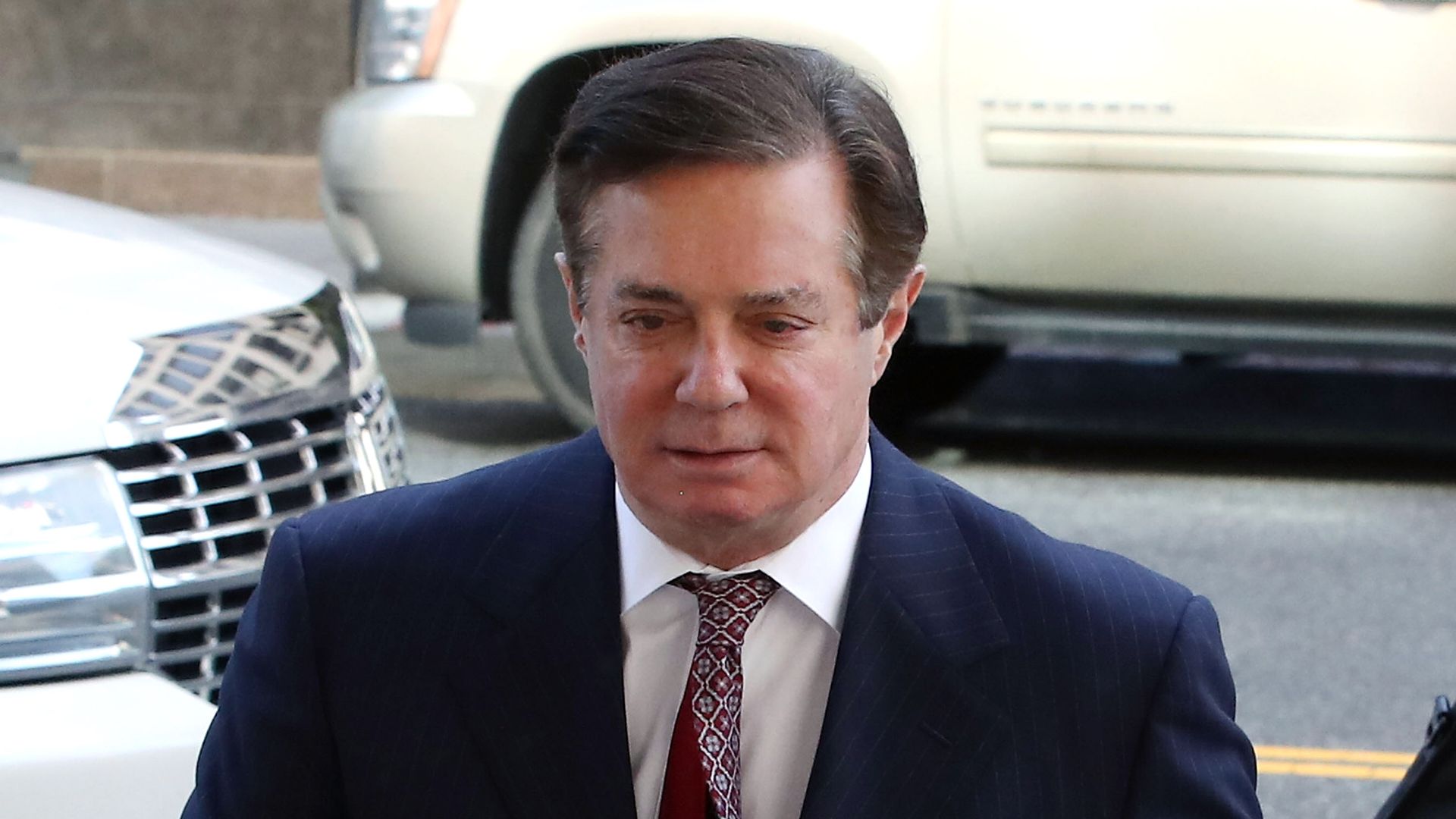
Paul Manafort, on the day he was sentenced to a total of 7.5 years for crimes uncovered by special counsel Robert Mueller, has been indicted by Manhattan District Attorney Cyrus Vance for "a yearlong residential mortgage fraud scheme through which Manafort and others falsified business records to illegally obtain millions of dollars."
Why it matters: President Trump has the authority to issue pardons for federal crimes, but not for state-level crimes.
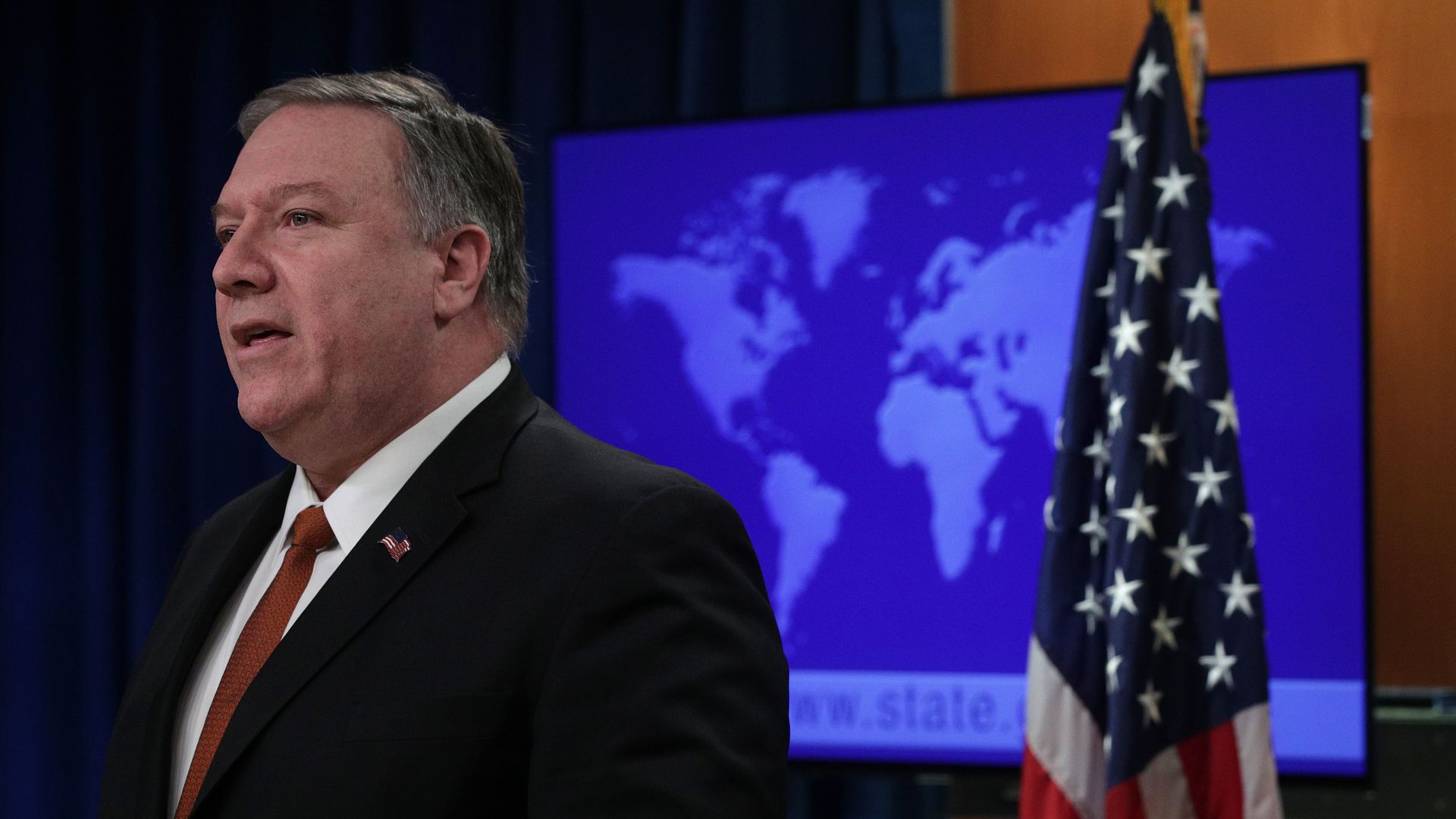
The U.S. refers to the Golan Heights as an area "under Israeli control," instead of "occupied territory," for the first time in a human rights report issued today by the State Department.
Why it matters: This step is both symbolic and significant. Israel occupied the Golan Heights, recognized internationally as Syrian territory, during the 1967 war. In the last year, Israel has been lobbying the Trump administration and Congress to recognize Israeli sovereignty over the area. The change in language in the report is not a recognition of Israeli sovereignty, but is a clear signal in that direction.
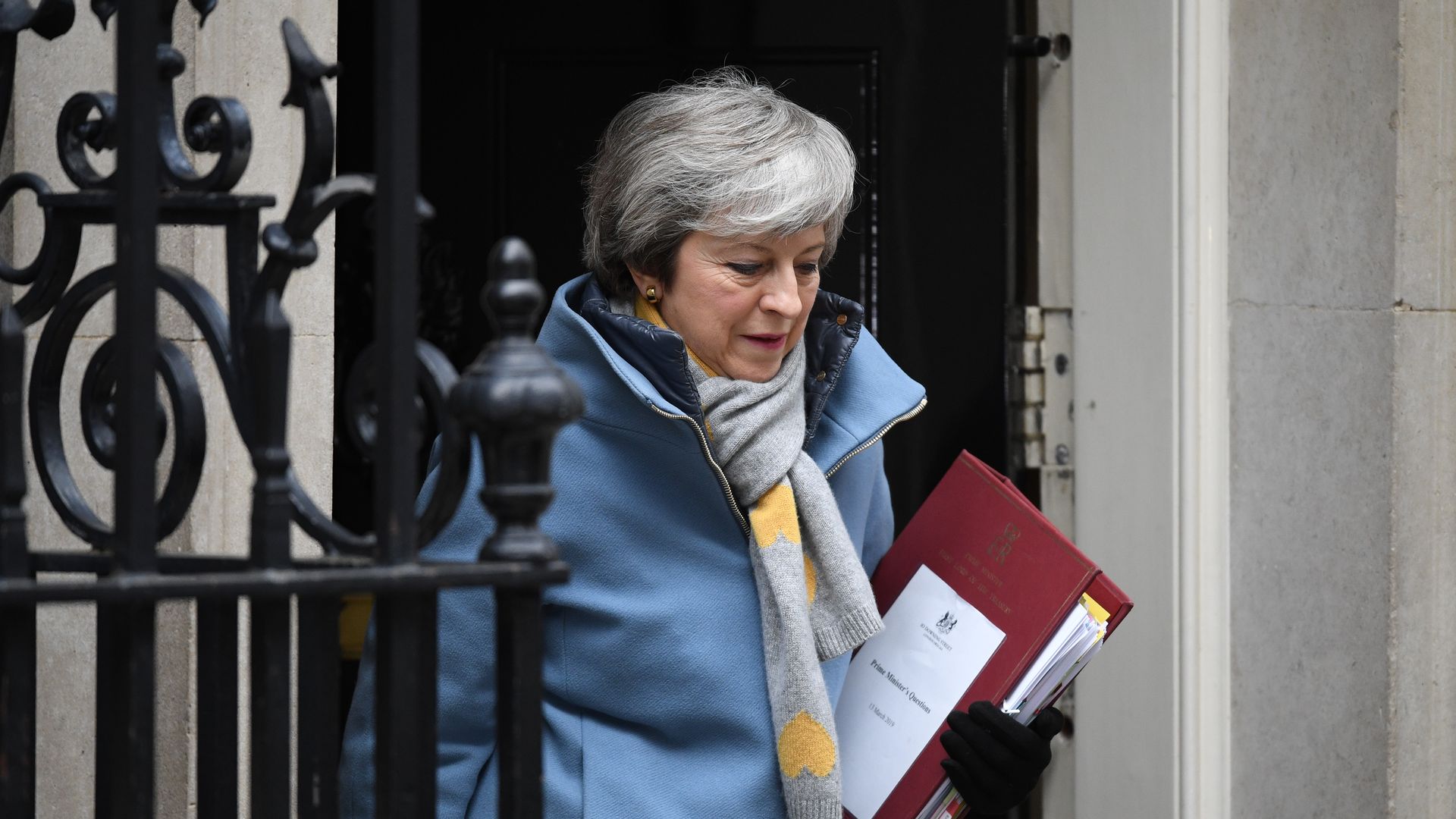
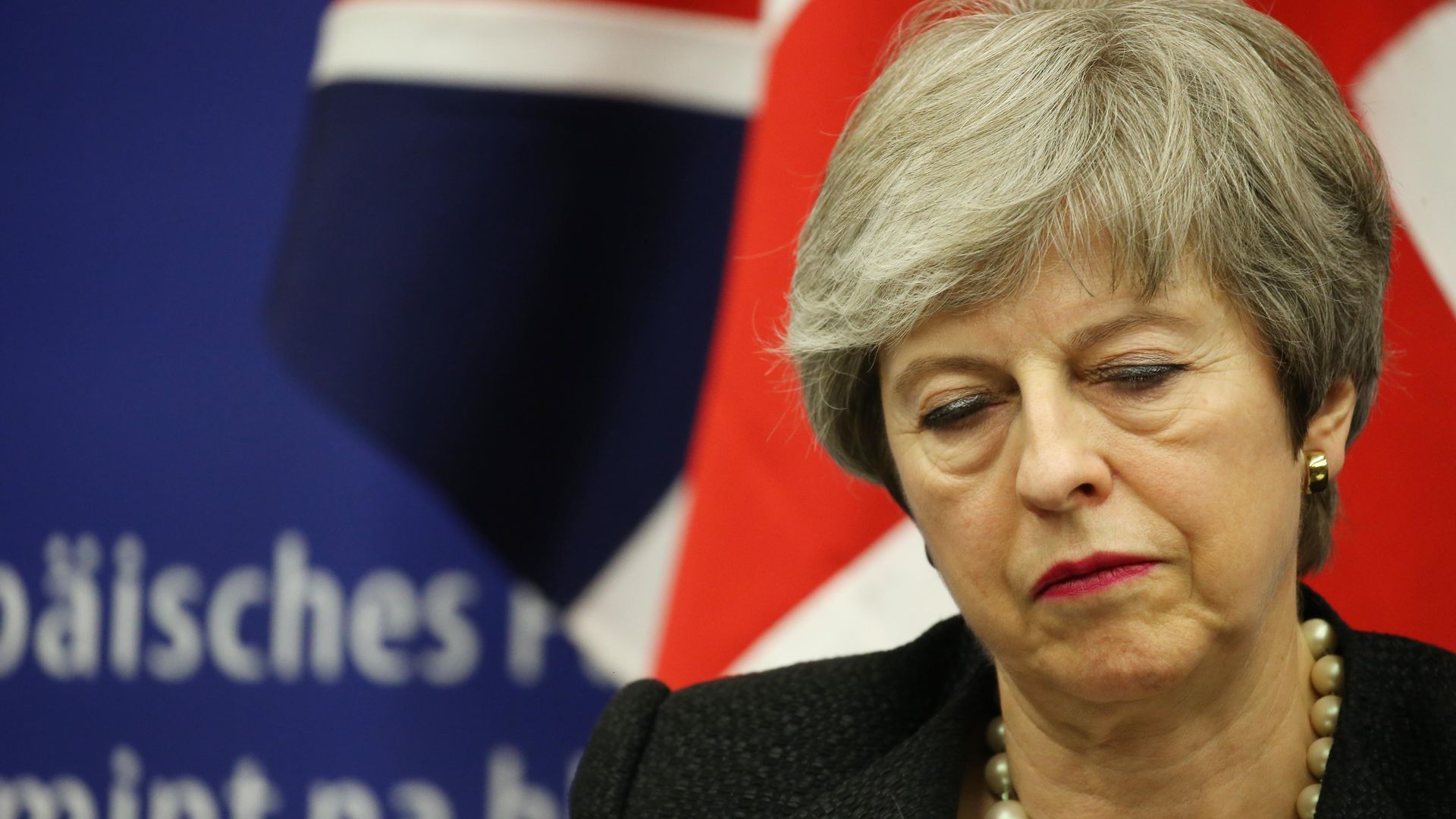
U.K. Prime Minister Theresa May, who spent weeks scrambling to make last-minute tweaks to her Brexit agreement with the European Union, saw her plan defeated once again in Parliament today. The margin was 242 to 391.
Why it matters: We are just 17 days away from "Brexit Day," when the U.K. is scheduled to leave the EU, and nowhere close to a deal. May has said she'll put forward two additional votes in the coming days — one on a so-called "no deal" Brexit, which is likely to fail, and one asking her to seek an extension to the negotiating period, which is likely to pass. Getting the EU to agree to an extension will be tricky, though, and pushing back the deadline won't get May any closer to a parliamentary majority.
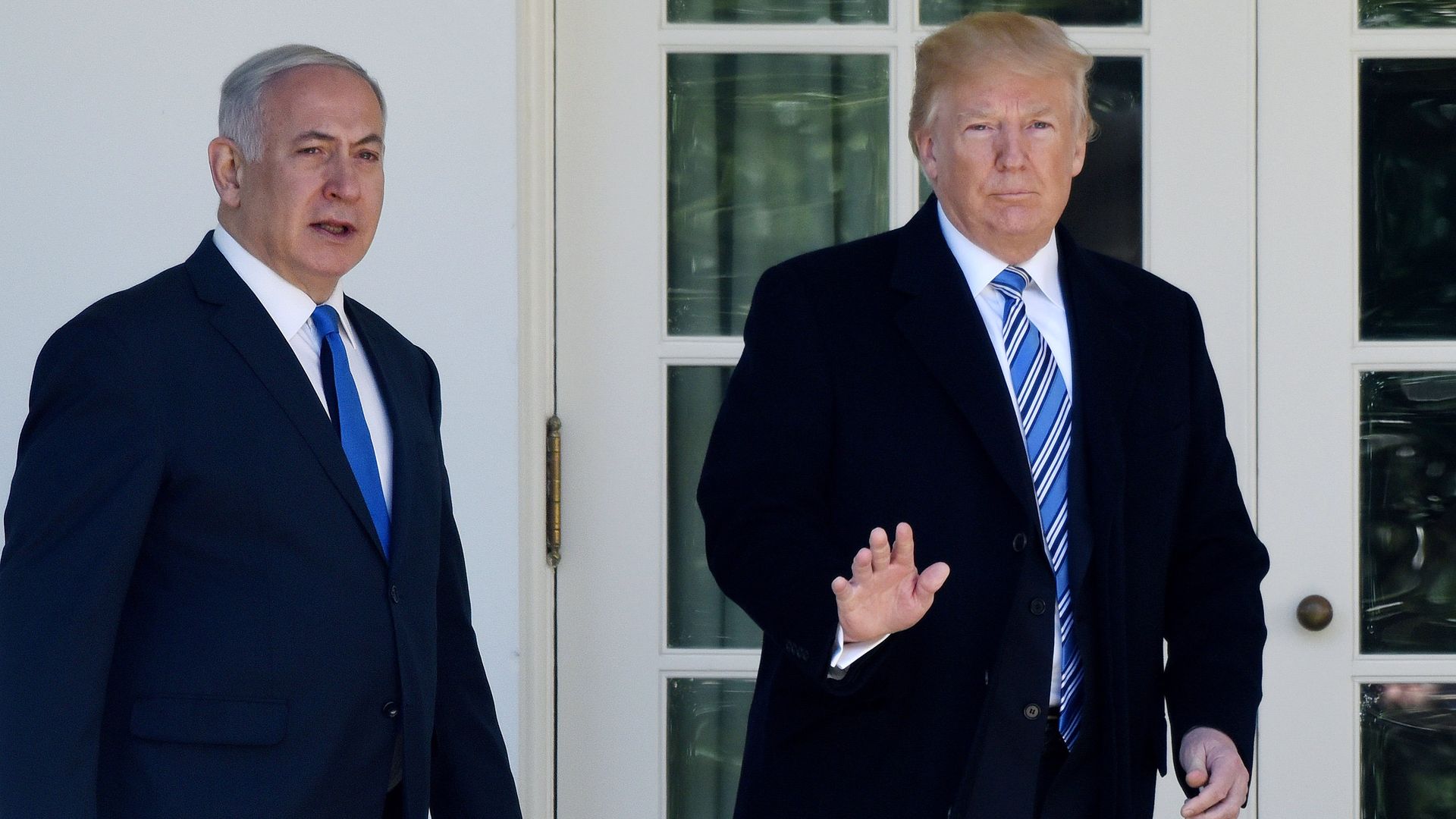
Retired General Benny Gantz, who is heading the "Blue and White" party in the Israeli election and who is Prime Minister Benjamin Netanyahu's main political opponent, confirmed today that he will speak at the AIPAC annual conference in Washington on March 25th.
Why it matters: Netanyahu is also scheduled to speak at the conference on March 26th. The fact the two main contenders will speak there is going to turn the AIPAC conference into the main battleground of the Israeli elections for at least three days - two weeks before election day.
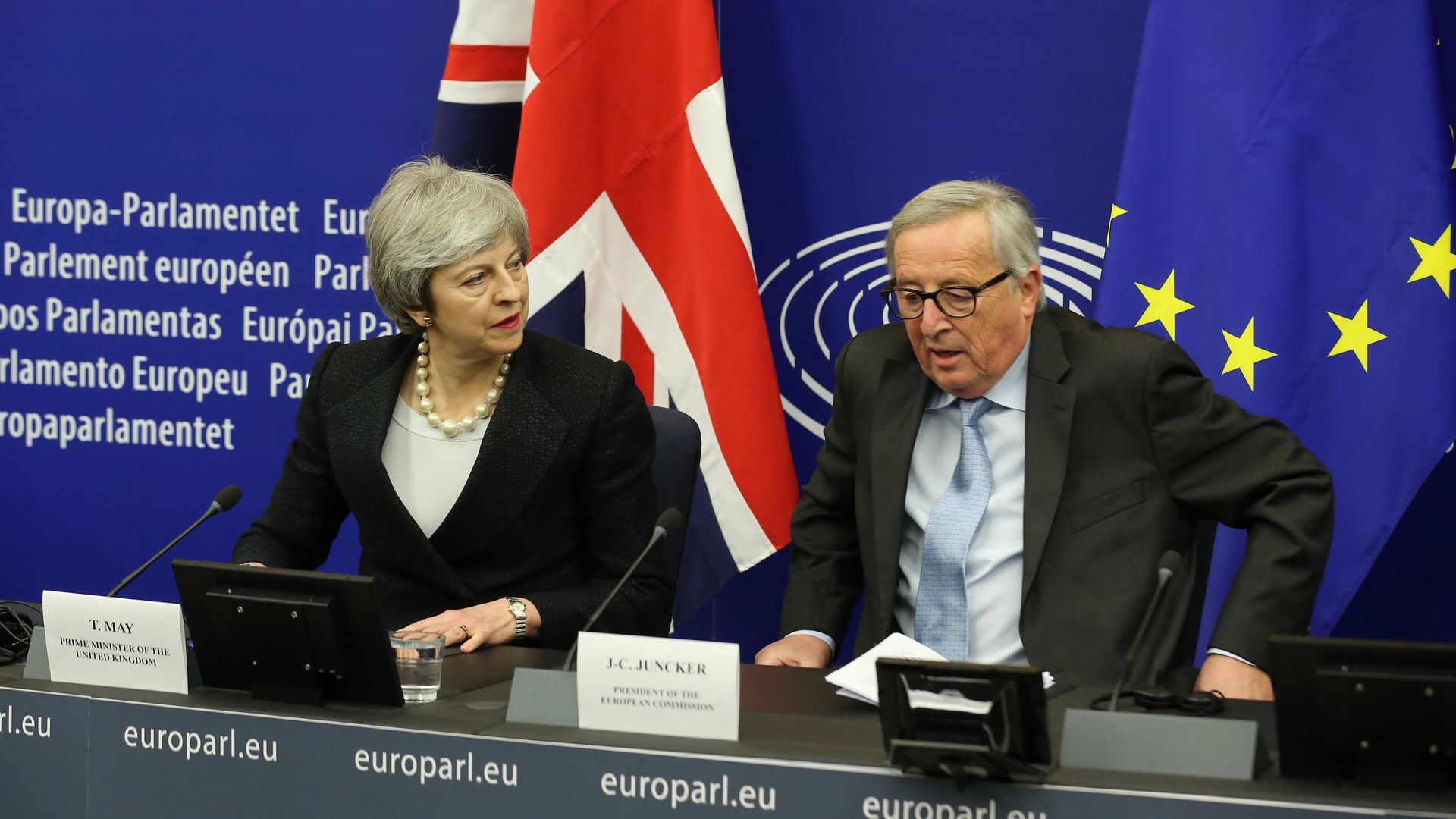
U.K. Prime Minister Theresa May and European Commission President Jean-Claude Juncker say they’ve agreed to some last-minute tweaks to the Brexit deal May will attempt to pass through Parliament tomorrow. It's unclear whether anything has really changed.
Between the lines: May is desperate to convince the Brexiteer wing of her party that the so-called “Irish backstop” won’t keep the U.K. in a kind of permanent limbo after it officially leaves the EU, which is set to happen on March 29. She’s also desperate to avoid a repeat of the humiliating defeat she suffered in January, when her (almost identical) plan failed by the largest margin in modern parliamentary history.
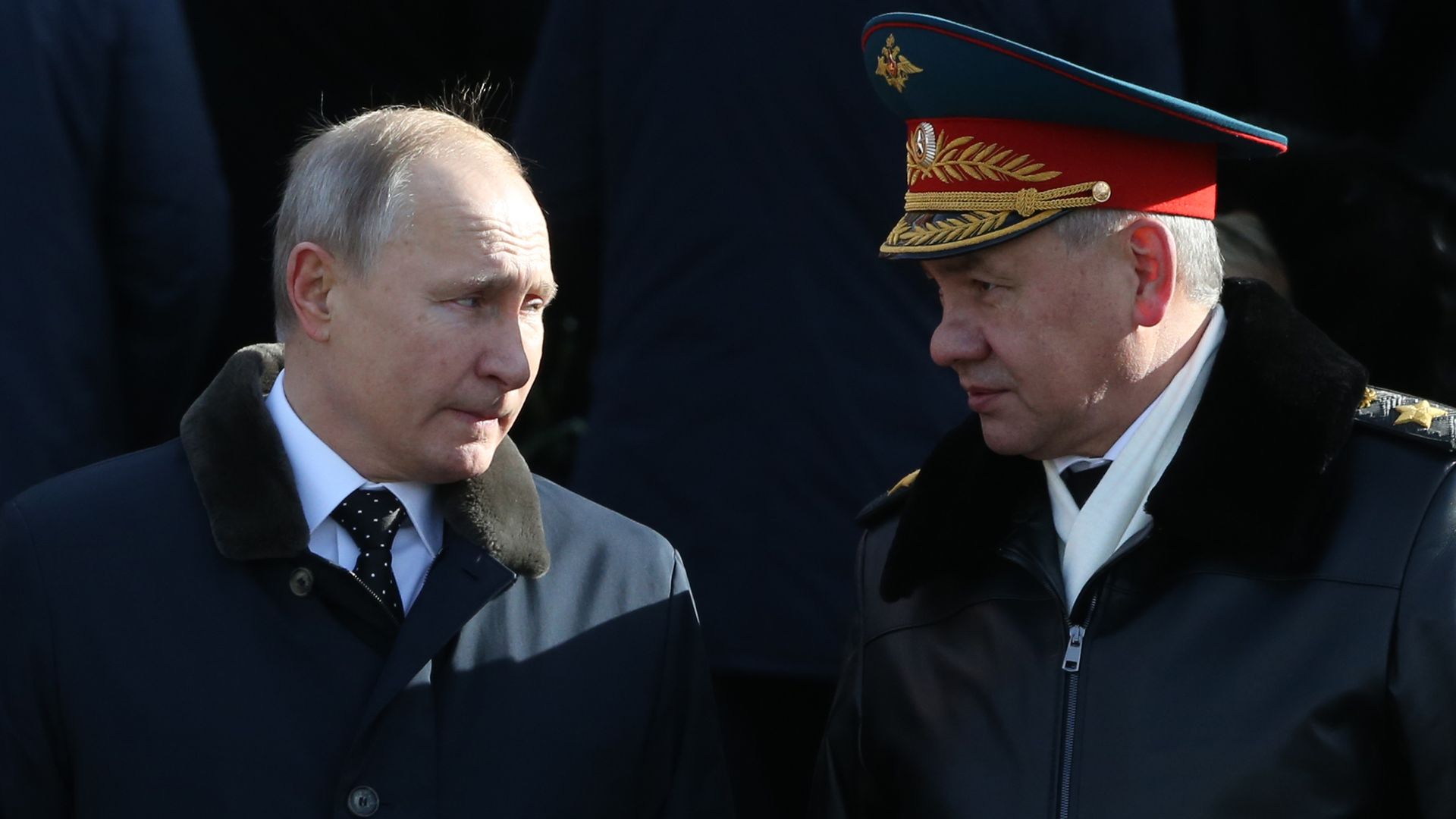
Russia’s ambassador to the U.S., Anatoly Antonov, said today at the Carnegie Endowment's nuclear policy conference that Moscow would reject a last-minute extension to the New START arms control treaty under a new U.S. administration. The treaty expires in February 2021.
Why it matters: President Trump is withdrawing the U.S. from the landmark Intermediate-Range Nuclear Forces (INF) Treaty, and there’s a real chance that New START — a far more significant treaty that limits nuclear warheads and delivery systems — could be next. President Trump has called it a “bad deal,” and national security adviser John Bolton was among the treaty’s chief critics when it was being negotiated by Barack Obama.
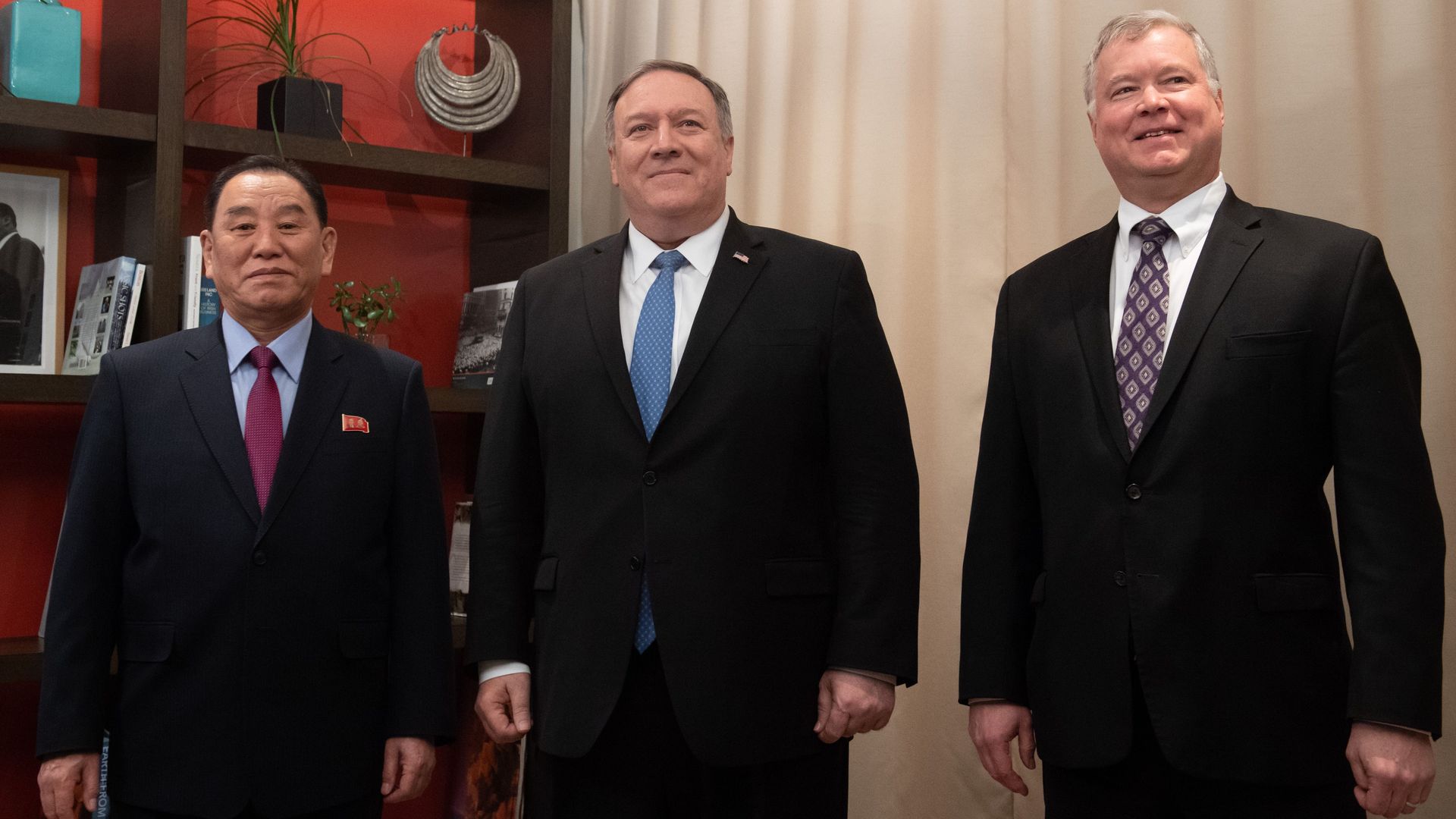
The man tasked with laying the groundwork for a nuclear deal with North Korea says the U.S. is committed to an all-or-nothing approach in which sanctions relief would only follow complete denuclearization — a demand North Korea has said it will never meet, and one that could put a deal beyond reach.
Between the lines: In the lead-up to the Hanoi summit, U.S. officials seemed to hint at openness to a step-by-step process in which some economic carrots would be available before North Korea gave up its full nuclear stockpiles. The rhetoric has been more hawkish since. Special envoy Steve Biegun denied the position was shifting, but insisted: “We are not going to do denuclearization incrementally.”