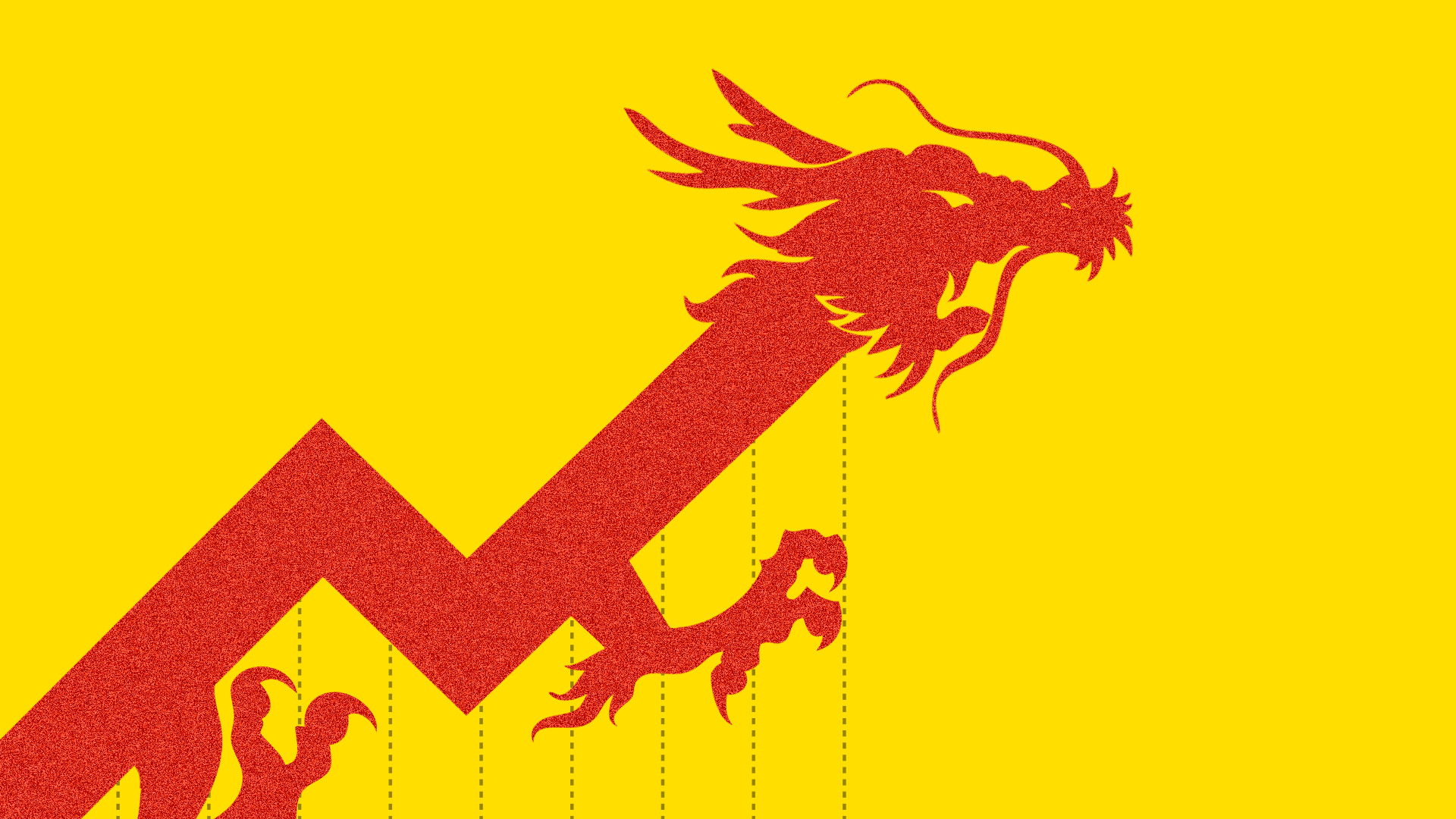
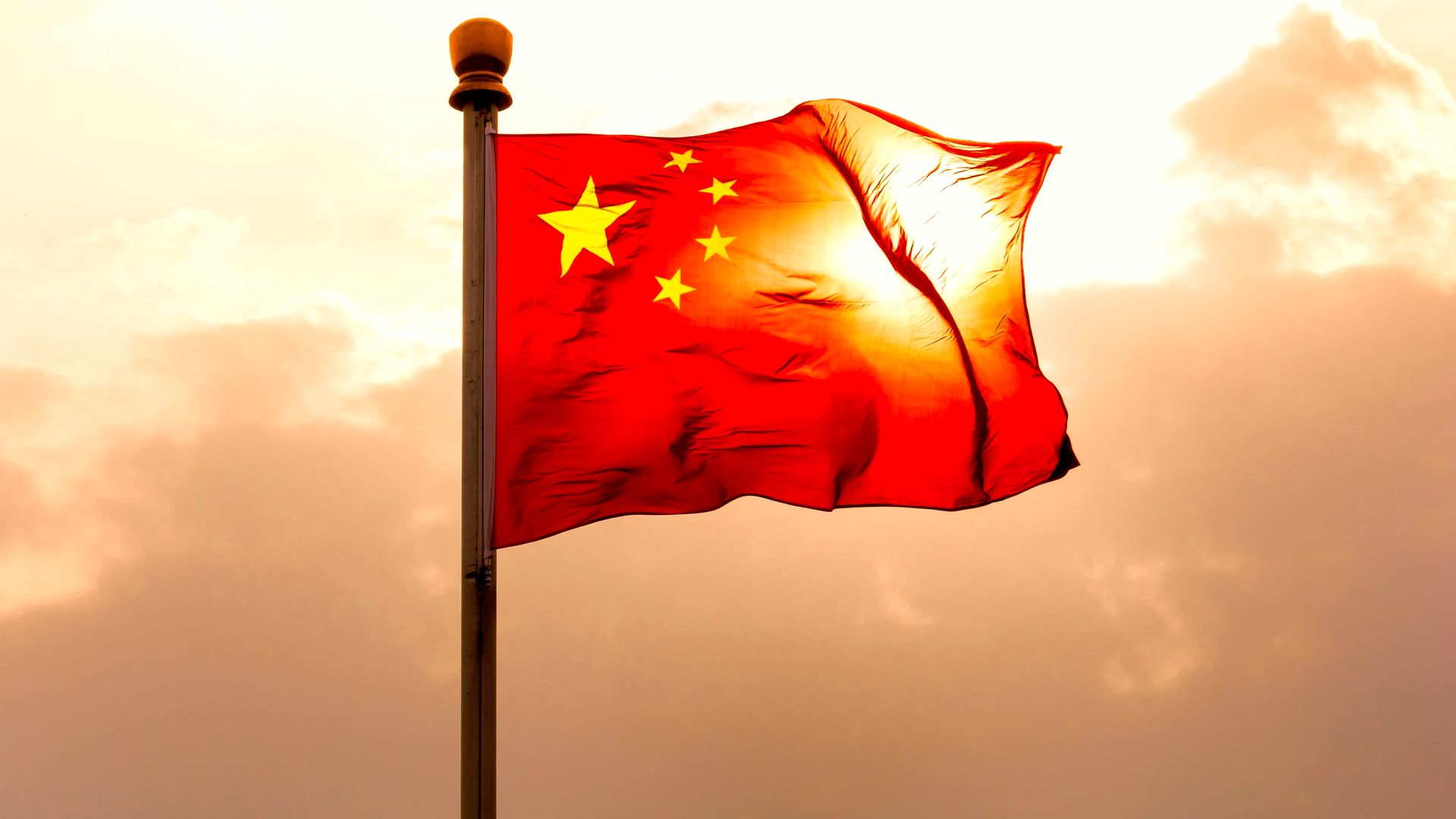
The West has a blind spot when it comes to China’s technological advances.
What's happening: Again and again, the West has shown that it misunderstands China's true competence in the technologies of the future — artificial intelligence, quantum science, robotics, and more. Alternatively under- and over-estimating China's progress, the U.S. and Europe are left simply unmoored in terms of tracking their primary geopolitical competition.
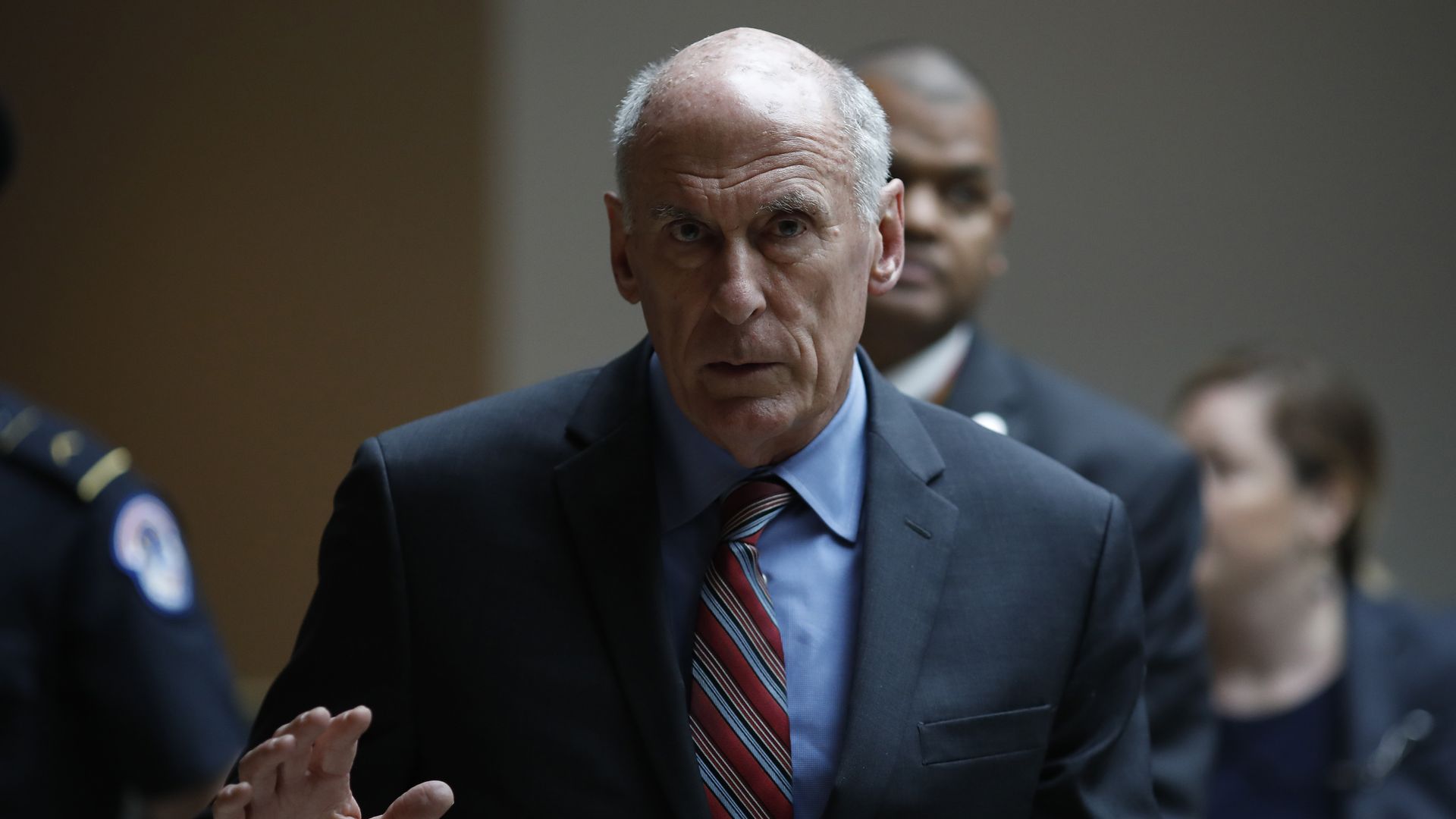
Director of National Intelligence Dan Coats released a statement Friday confirming that Russia, China, Iran and other countries conducted "influence activities" and "messaging campaigns" in the run-up to the 2018 midterm elections, but that there is no indication any election infrastructure was compromised.
Why it matters: This is the first formal assessment by the U.S. intelligence community that concludes foreign influence campaigns were conducted during the 2018 campaign. Coats said the intelligence community did not make an assessment on what impact these activities had on the outcome of the election.
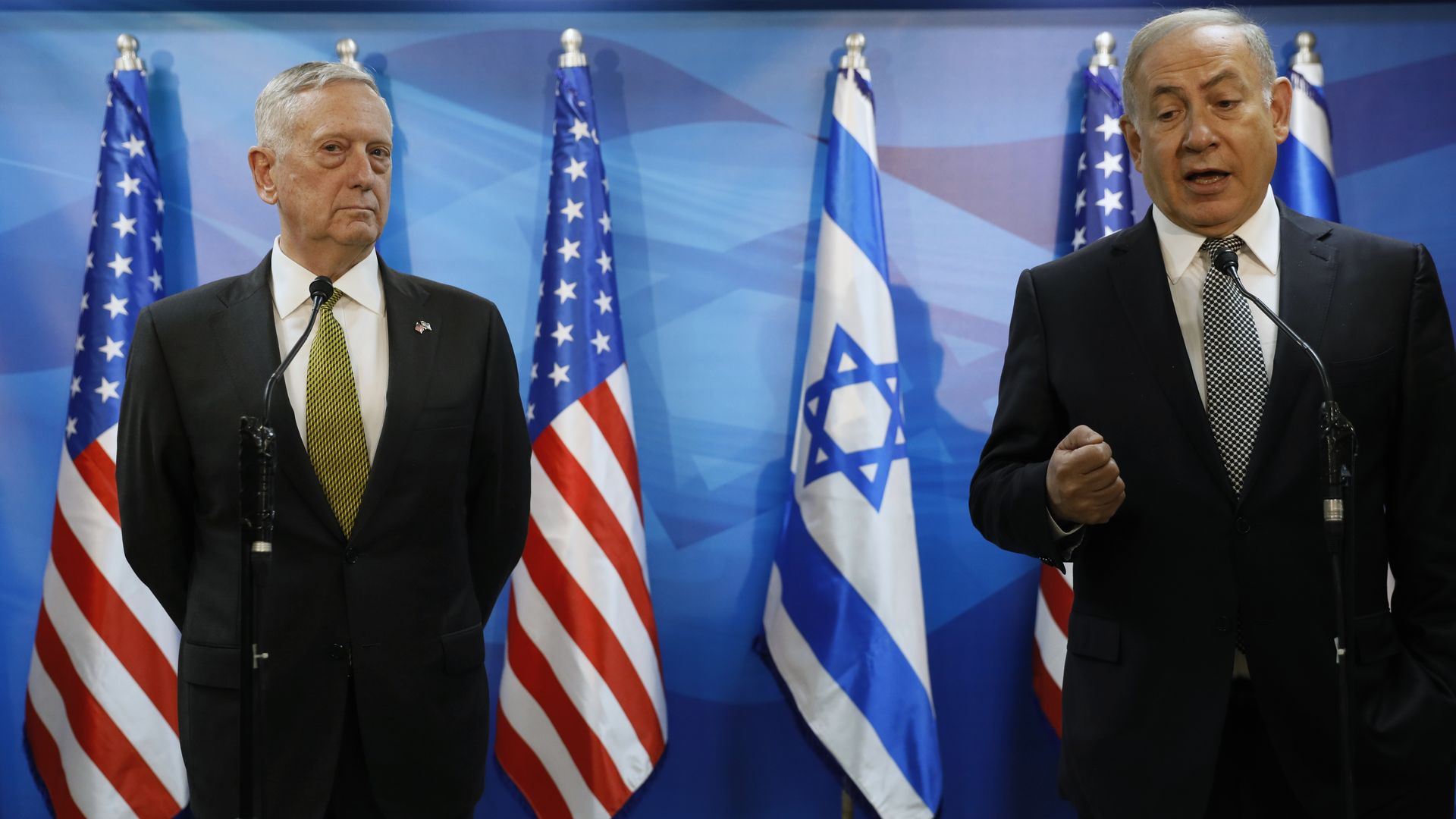
Secretary of Defense James Mattis was supposed to arrive in Israel next week for talks on Syria and Iran but cancelled his trip following his resignation yesterday and Trump's decision to pull U.S. forces out of Syria, Israeli officials tell me. Mattis plans to stay in his post through the end of February.
China's annual Central Economic Work Conference (CEWC) that sets the overall direction for the next year's economic policies just concluded in Beijing.
Why it matters: The signals from this meeting suggest, among other things, increased efforts to stimulate the economy and work out a trade deal with the U.S.
Vladimir Putin declared Thursday that the crisis in relations with Ukraine will continue "as long as Russophobes remain in the corridors of power in Kiev.” Meanwhile, in Kiev, a brawl broke out in parliament over a poster accusing a Ukrainian politician of serving as “Putin's agent.”
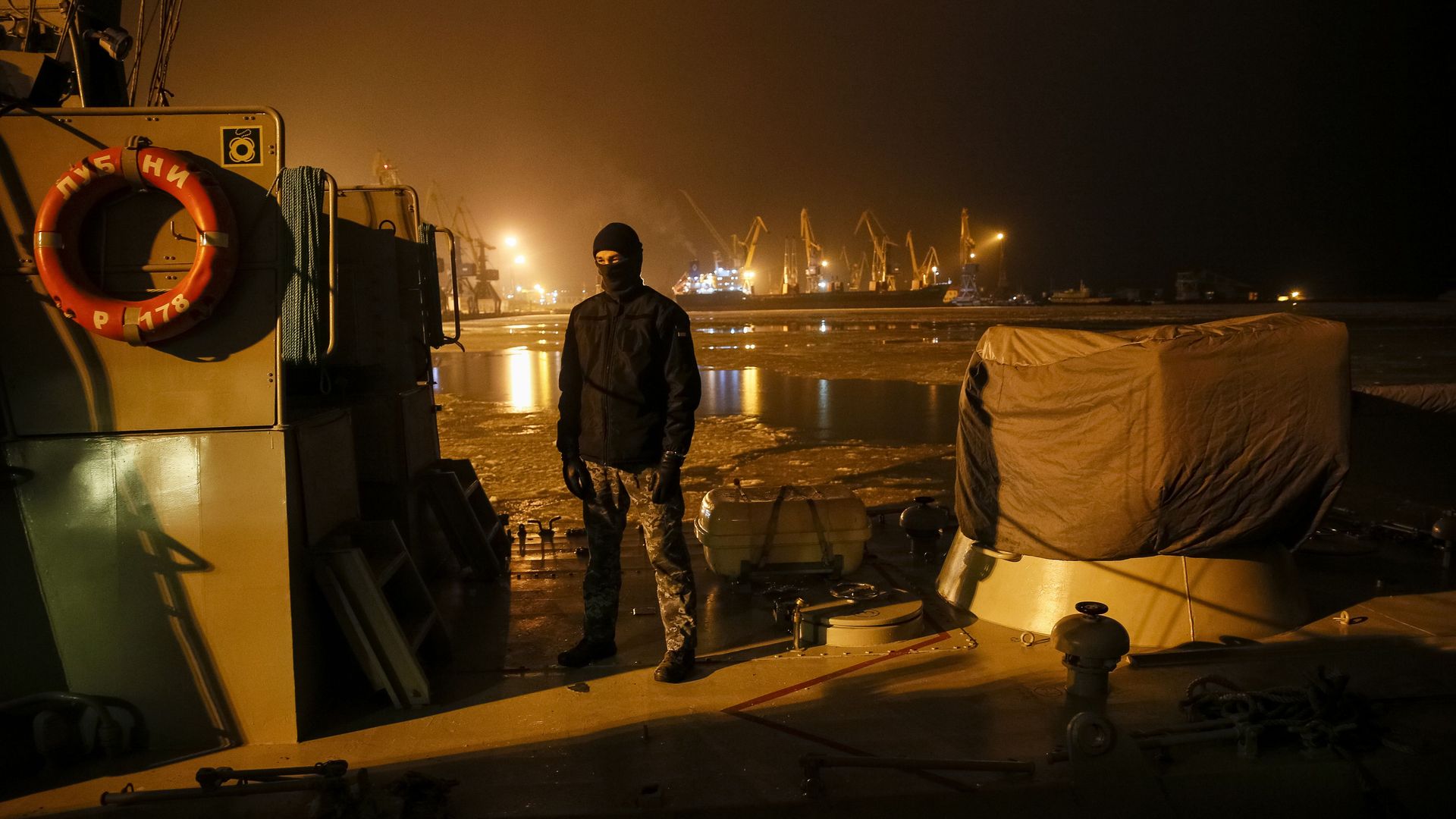
The big picture: Tensions between Russia and Ukraine are still simmering 25 days after Russia intercepted, fired on and seized three Ukrainian naval vessels off of Crimea, taking 24 sailors prisoner in the process. Both sides continue to accuse the other of provocations that could lead to war.
Israeli Prime Minister Netanyahu spoke today on the phone with President Trump about the U.S. decision to pull forces out of Syria.
Why it matters: This was the second call between Netanyahu and Trump this week on Syria, following Trump's call to brief Netanyahu on his upcoming withdrawal announcement. Israeli officials tell me Netanyahu is very disappointed by Trump's decision but is careful not to say it publicly.
Netanyahu's office says he and Trump discussed increasing cooperation against Iranian aggression. Earlier today, Netanyahu said at a meeting with his Greek and Cypriot counterparts, attended by U.S. ambassador to Israel David Friedman, that Israel would increase its efforts to prevent Iranian military entrenchment in Syria "with full support and backing from the U.S."
President Trump’s recent decision to withdraw the approximately 2,000 U.S. troops stationed in Syria signals that Washington is unwilling to challenge Iran in a theater of conflict that the Islamic Republic has invested heavily in for more than seven years. This will have significant consequences for Middle East security as well as the success of the administration’s Iran policy.
The big picture: Washington is currently in the throes of a maximum pressure campaign against Iran. But absent a military strategy to counter Iran’s support for regional destabilization, it will be relying on sanctions alone to change Iranian behavior — which is no easy task.
Why it matters: Trump first shared the news in a phone call with President Erdogan, leaving the State Department stunned, the Pentagon unprepared and the U.S.’ Kurdish allies in Syria alarmed and betrayed. By failing to prepare the ground, Trump risks weakening the Kurds’ hand, exposing them to attack, and reviving ISIS.
The Department of Justice unsealed indictments against 2 Chinese hackers affiliated with the Ministry of State Security Friday.
Why it matters: The group known as APT 10, running a campaign nicknamed Operation Cloud Hopper, recently attacked managed IT services, providing a gateway to intellectual property and trade secrets worldwide. The group has attacked biotech, healthcare, NASA, oil and gas exploration, and other industries.
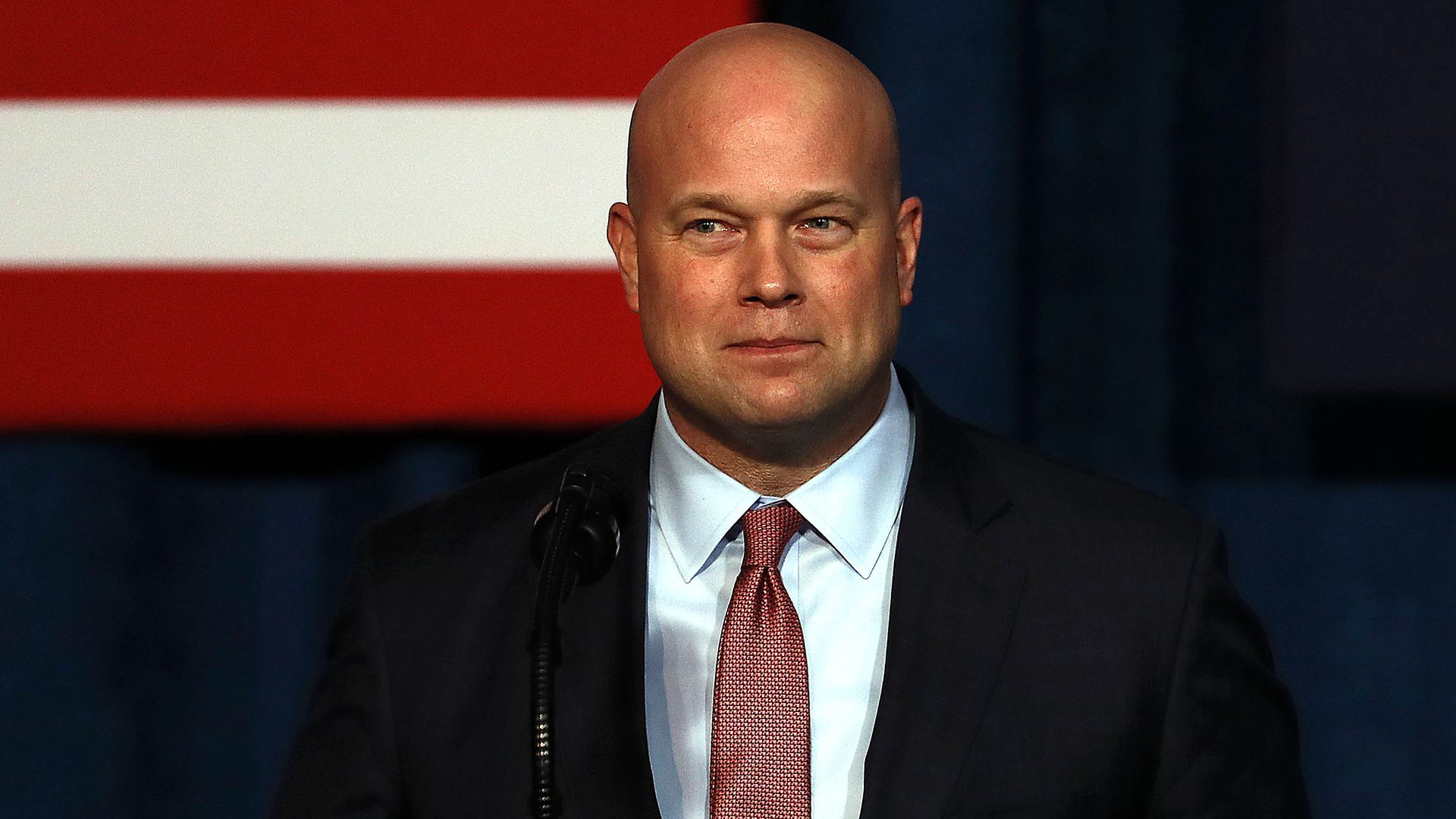
Acting Attorney General Matt Whitaker has been advised by Justice Department officials that he does not need to recuse himself from overseeing the Russia investigation, despite at least one ethics official concluding that he should, CNN's Laura Jarrett and the Washington Post reports.
Why it matters: Whitaker has been a critic of Robert Mueller's investigation in the past, writing last year that it was "going too far." Because of this, congressional Democrats and some legal experts have called on him to recuse himself from the attorney general's role of overseeing the special counsel's probe. But so far Whitaker has been involved in the investigation's major developments, according to CNN, and was expected to speak with senators about Michael Cohen's guilty plea on Thursday.
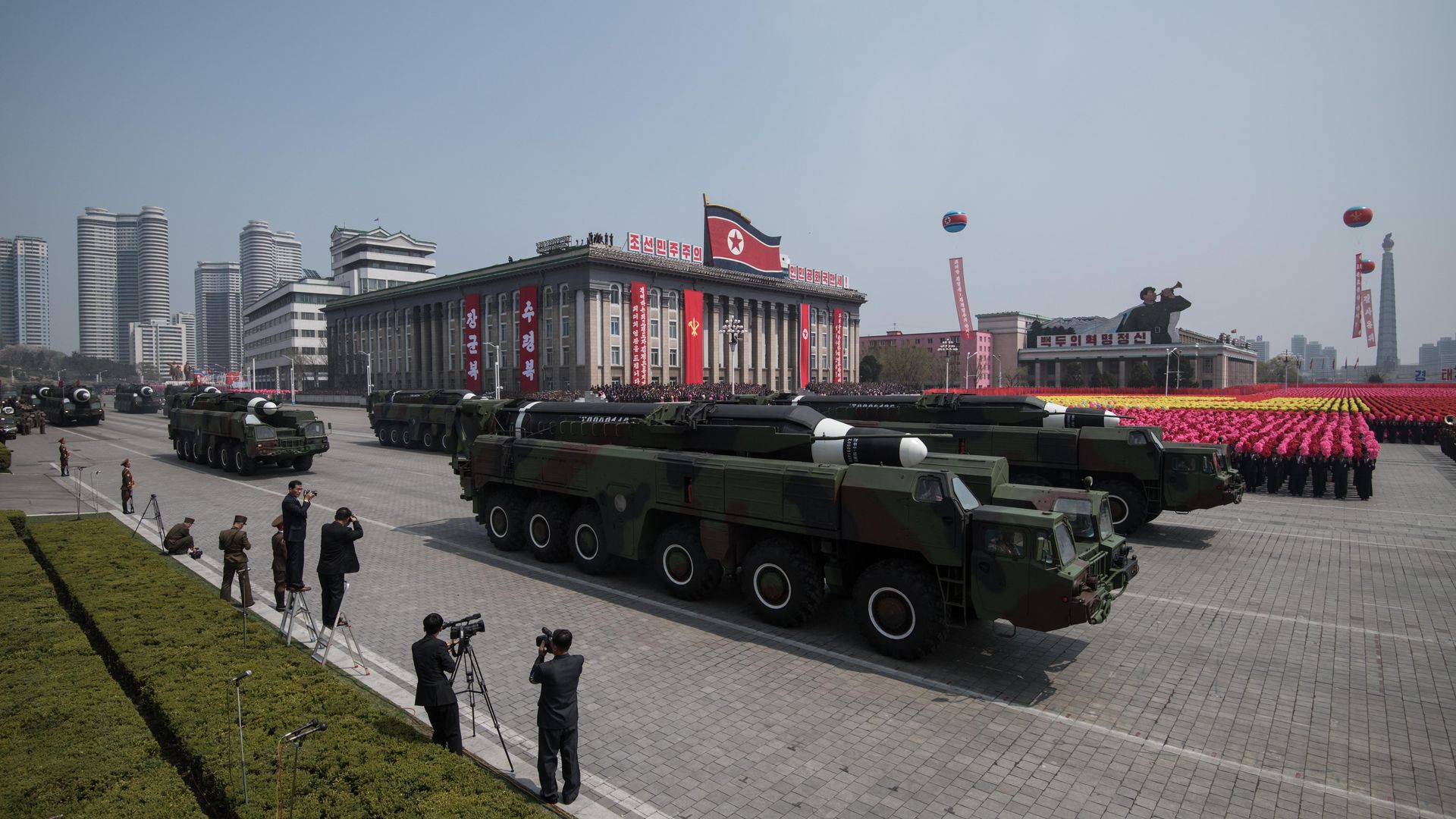
North Korea said Thursday it will not denuclearize unless the U.S. removes its "nuclear threat" from South Korea and Japan, a traditional stance for the reclusive nation, the AP reports.
The big picture: North Korea's statement implored the U.S. to "recognize the accurate meaning of the denuclearization of the Korean Peninsula, and especially, [study] geography." It underlines how little has changed in the region despite continued diplomatic overtures from the U.S. and South Korea — and statements from President Trump's administration that talks on denuclearization are progressing.
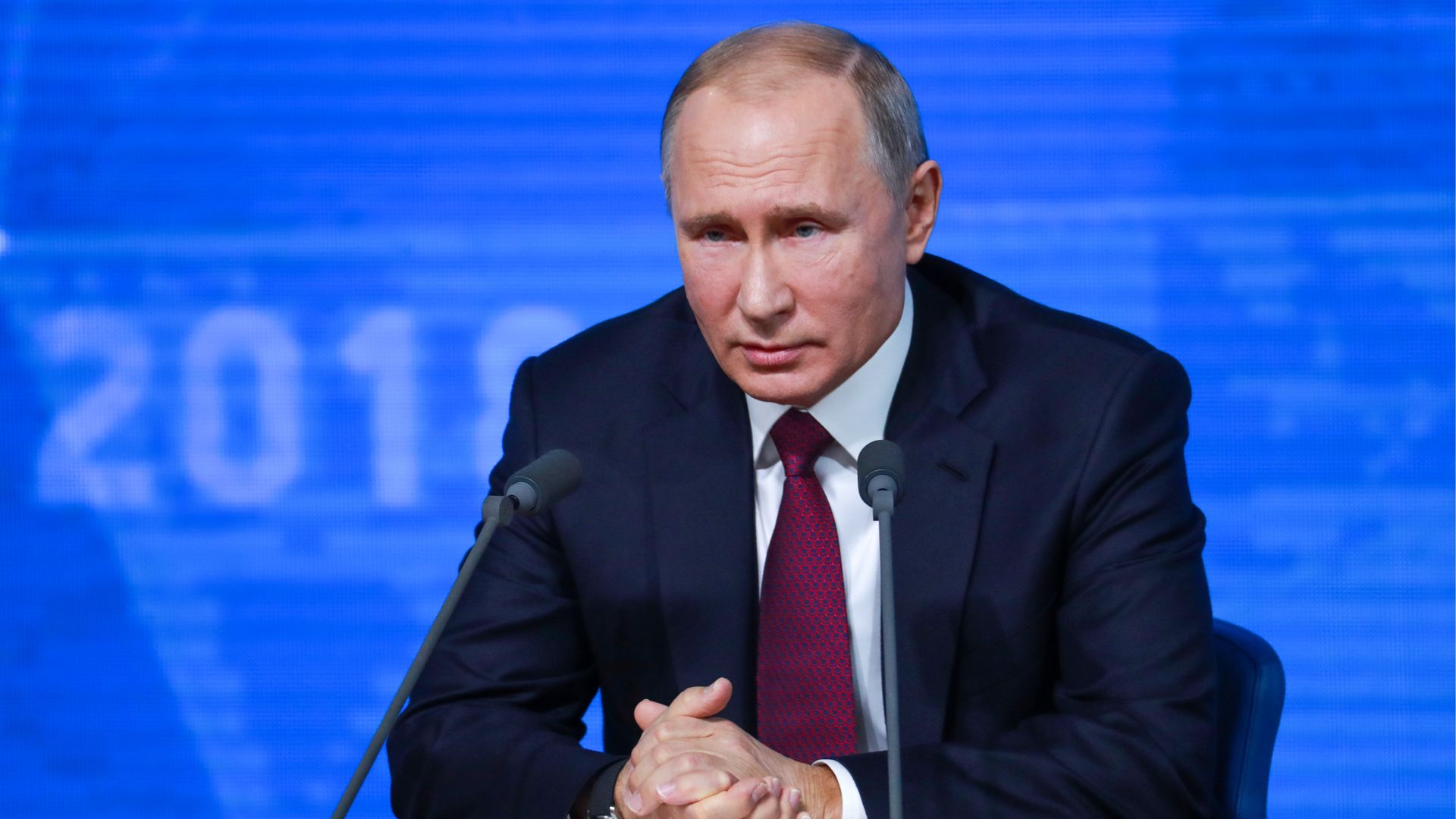
Russian President Vladimir Putin warned there is a rising threat of a nuclear at his annual news conference in Moscow on Thursday, saying "it could lead to the destruction of civilization as a whole and maybe even our planet," the AP reports.
The big picture: Putin said the threat of a "global nuclear catastrophe" was heightened by the U.S. decision to withdraw from the 1987 Intermediate-Range Nuclear Forces Treaty earlier this year — which the U.S. and NATO blamed on Russia's own violations of the treaty. Putin added that Russia will be forced to take action to ensure security, however, if the U.S. ends up planting intermediate-range missiles in Europe.
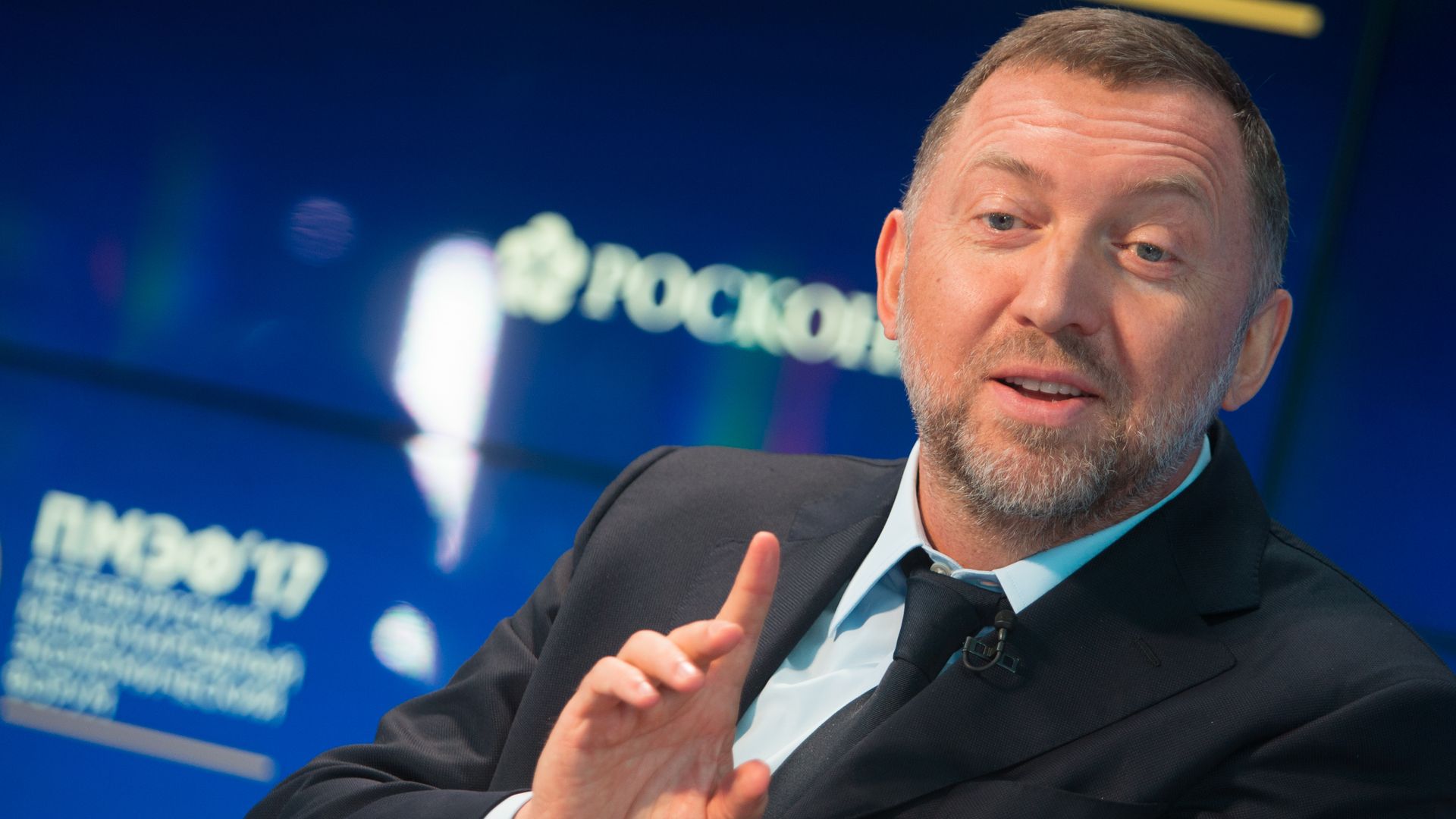
The Treasury Department announced Wednesday it would lift sanctions on three Russian companies tied to Oleg Deripaska, an oligarch who once employed President Trump's former campaign manager Paul Manafort, the Wall Street Journal reports.
The big picture: As part of the agreement, Deripaska — who remains under U.S. sanctions for allegations of extortion and illegal business practices — will reduce his ownership stake in the parent company of Rusal, the world's second largest aluminum producer. When Rusal was sanctioned by the U.S. in April 2018, it had a dramatic impact on global aluminum prices. Treasury Secretary Steve Mnuchin explained in a statement that the U.S. had originally sanctioned the companies because of their ties to Deripaska, "not for the conduct of the companies themselves."

/2018/12/20/1545341638805.gif?w=3840)