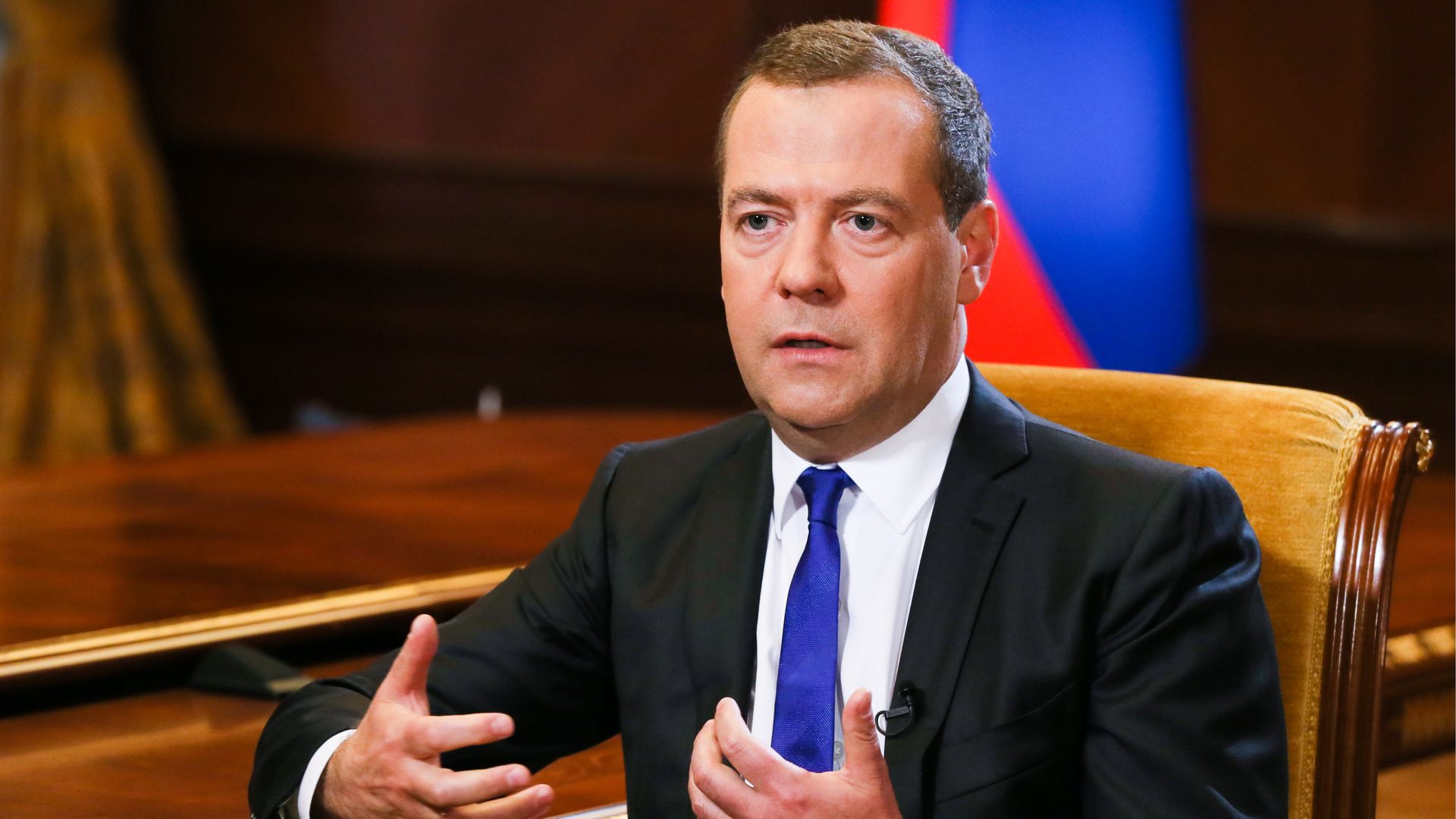
Russian Prime Minister Dmitry Medvedev warned Monday that NATO's commitment to eventually allow Georgia to join the military alliance "is an absolutely irresponsible position and a threat to peace," reports the AP.
"There is an unresolved territorial conflict ... and would they bring such a country into the military alliance? Do they understand the possible implications? It could provoke a horrible conflict...We can’t help getting worried when the circle around our country keeps narrowing as more and more countries join NATO. NATO’s expansion clearly poses a threat to the Russian Federation."
The backdrop: This week marks 10 years since the Russo-Georgian War, which resulted in the continued military occupation of two Georgian provinces in the Caucasus.
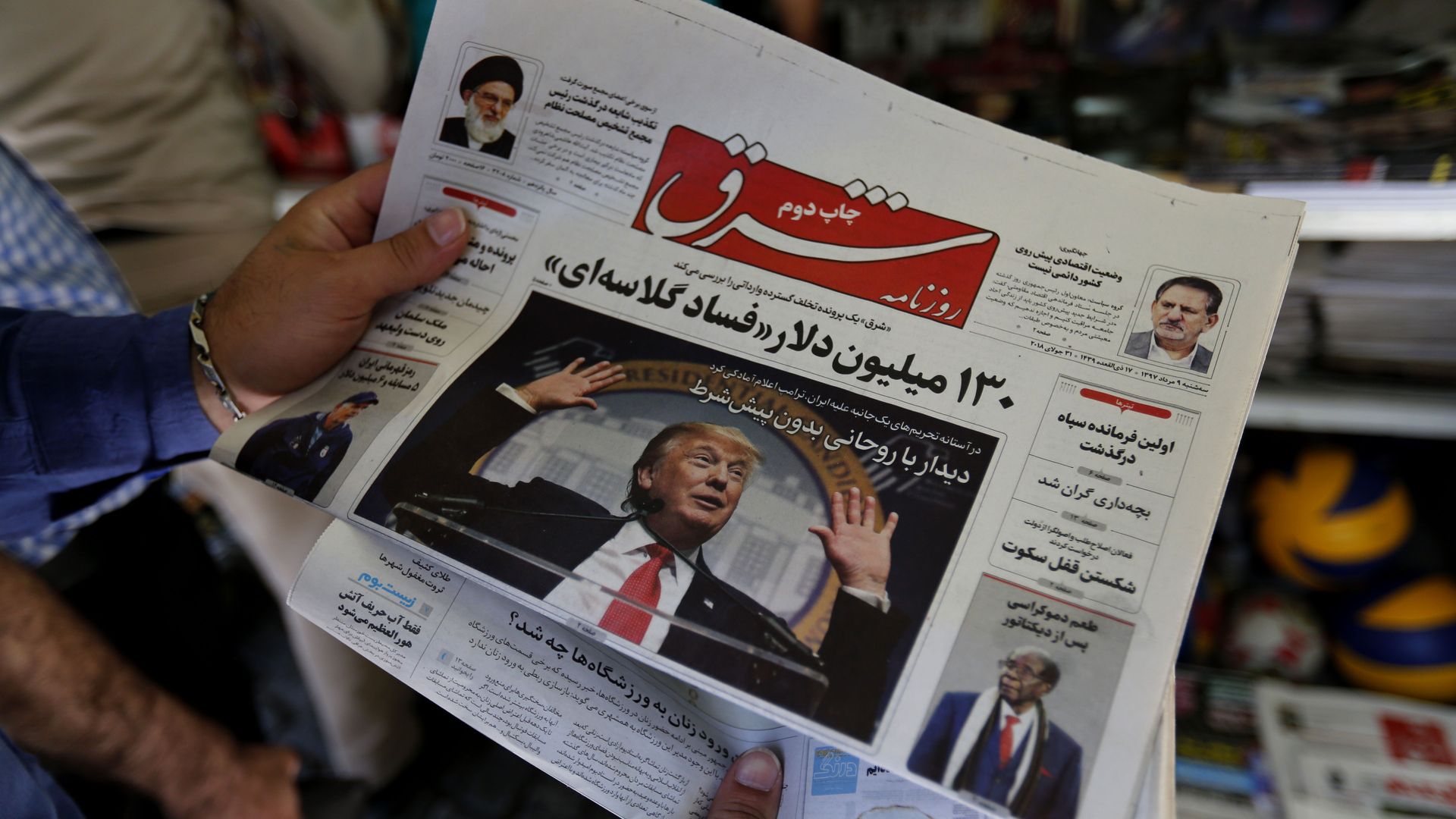
On Tuesday, the first tranche of U.S. sanctions against Iran lifted by the 2015 nuclear deal will snap back into place — a result of President Trump's withdrawal from the deal that comes in spite of Iran’s continued compliance. The re-imposed penalties will restrict foreign investment in Iran’s automotive sector and Iran’s purchases of dollars and precious metals.
The big picture: The Trump administration hopes the sanctions will curb Iran’s "malign" activities in the Middle East, but there's little likelihood of that result, especially since Assad has “won” in Syria, and Iran’s regional rival, Saudi Arabia, remains bogged down in Yemen. Although widespread protests have erupted in Iran since late last year, there are no assurances that Iranians will overthrow their government and replace it with one more attractive to Washington and its allies.
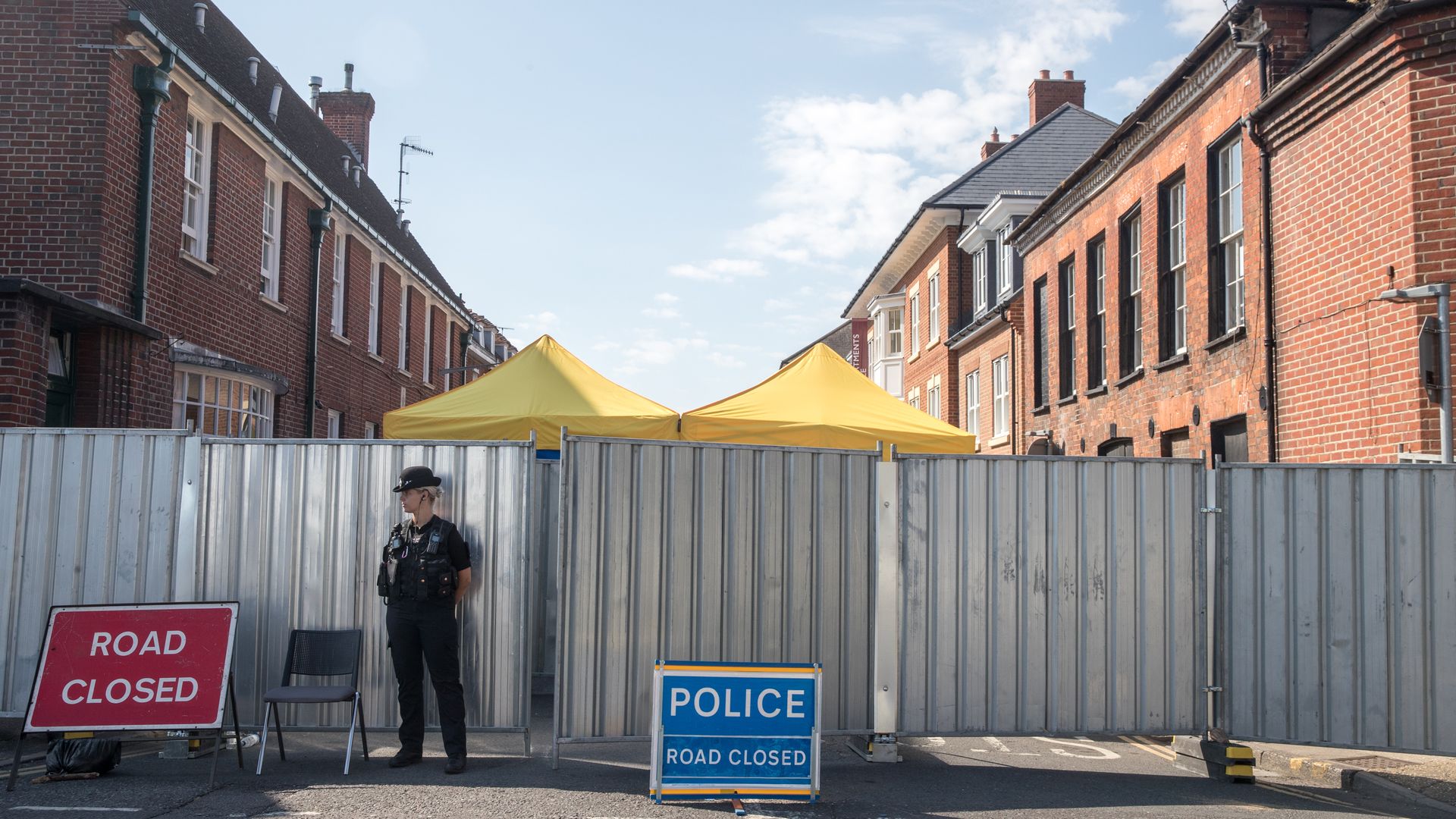
The United Kingdom is expected to request that Russia extradite the two people they believe to be behind the Salisbury Novichokattack that left one person dead and three injured, The Guardian reports.
The big picture: The request is likely to provoke tensions still simmering from the poisoning several months ago — and could result in another round of diplomatic expulsions from either side, as Russia, which has denied any responsibility for the attacks, is likely to reject the extradition requests. A provision in Russia’s constitution, article 61, prevents Russian citizens from being extradited.
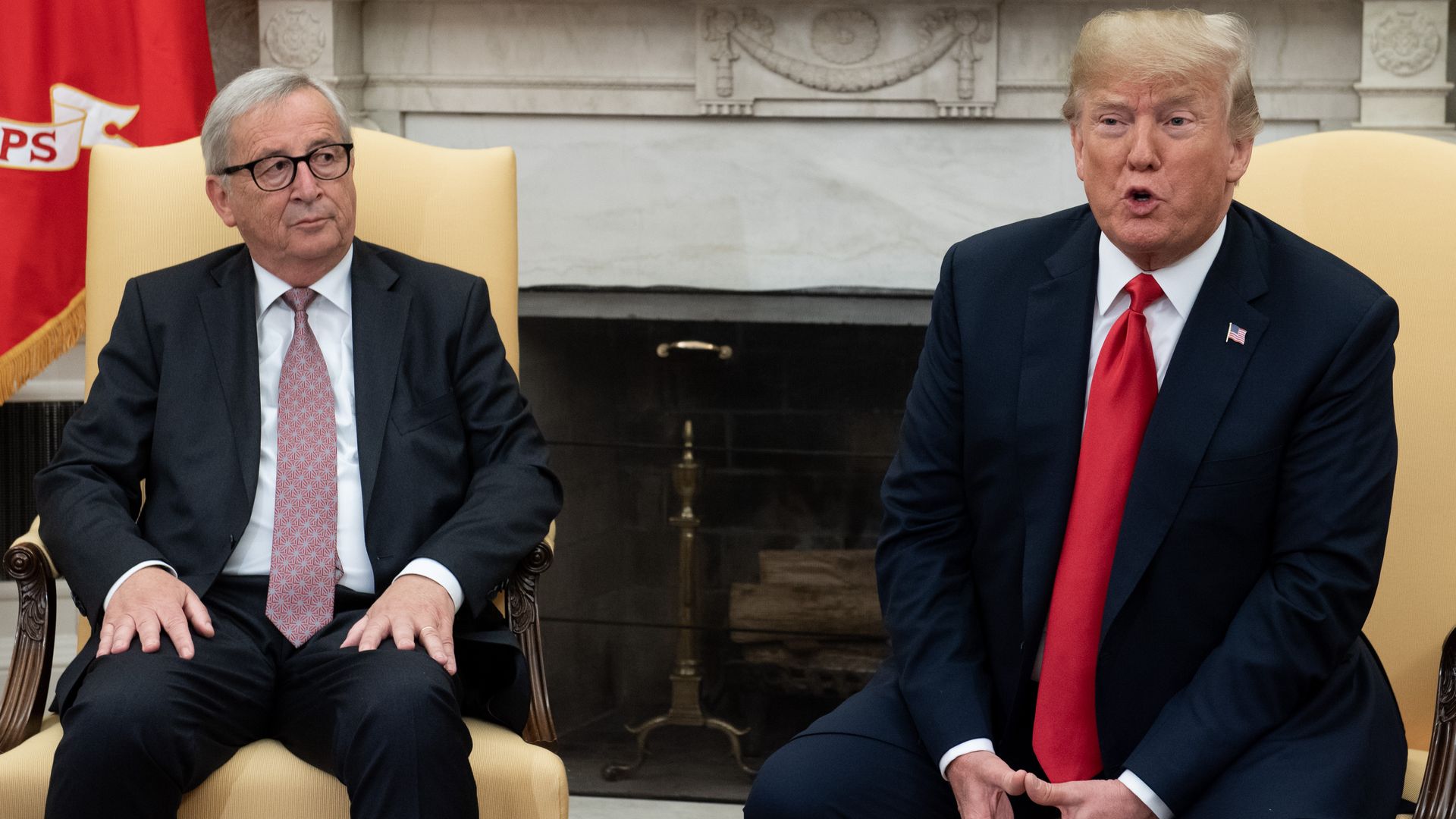
With the first round of U.S. sanctions on Iran set to resume tonight at midnight, the European Union is taking steps to protect its companies that do "legitimate business" with Iran from being harmed.
The big picture: Secretary of State Mike Pompeo has refused to grant broad exemptions to European companies doing business with Iran, citing a need to apply "unprecedented financial pressure on the Iranian regime.” But the EU, frustrated by President Trump's unilateral withdrawal from the Iran nuclear deal in May, will exercise a 1996 law to prohibit European companies from complying with sanctions.
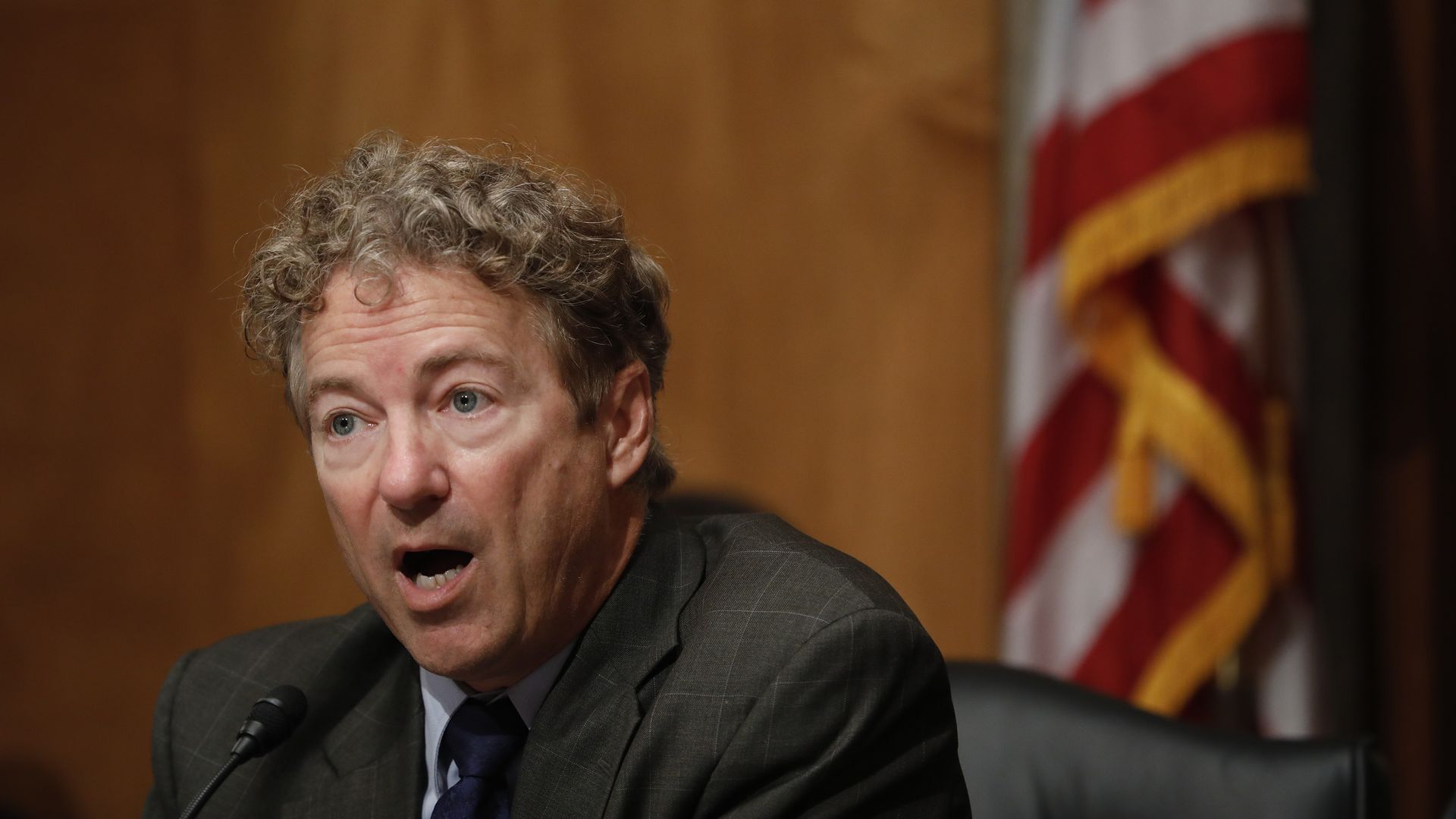
Sen. Rand Paul, currently on a visit to Moscow, told reporters Monday that he has invited Russian lawmakers to Washington for talks, per Bloomberg.
The details: Konstantin Kosachyov, chairman of Russia's upper house of parliament, said Paul "has access" to Trump "and we expect that we will be able to convey through him" a desire to establish a dialogue between the U.S. and Russia, according to Russian state media. Notably, Paul's invitation comes just days after Director of National Intelligence Dan Coats said that Russian efforts to meddle in U.S. elections remain an ongoing threat.
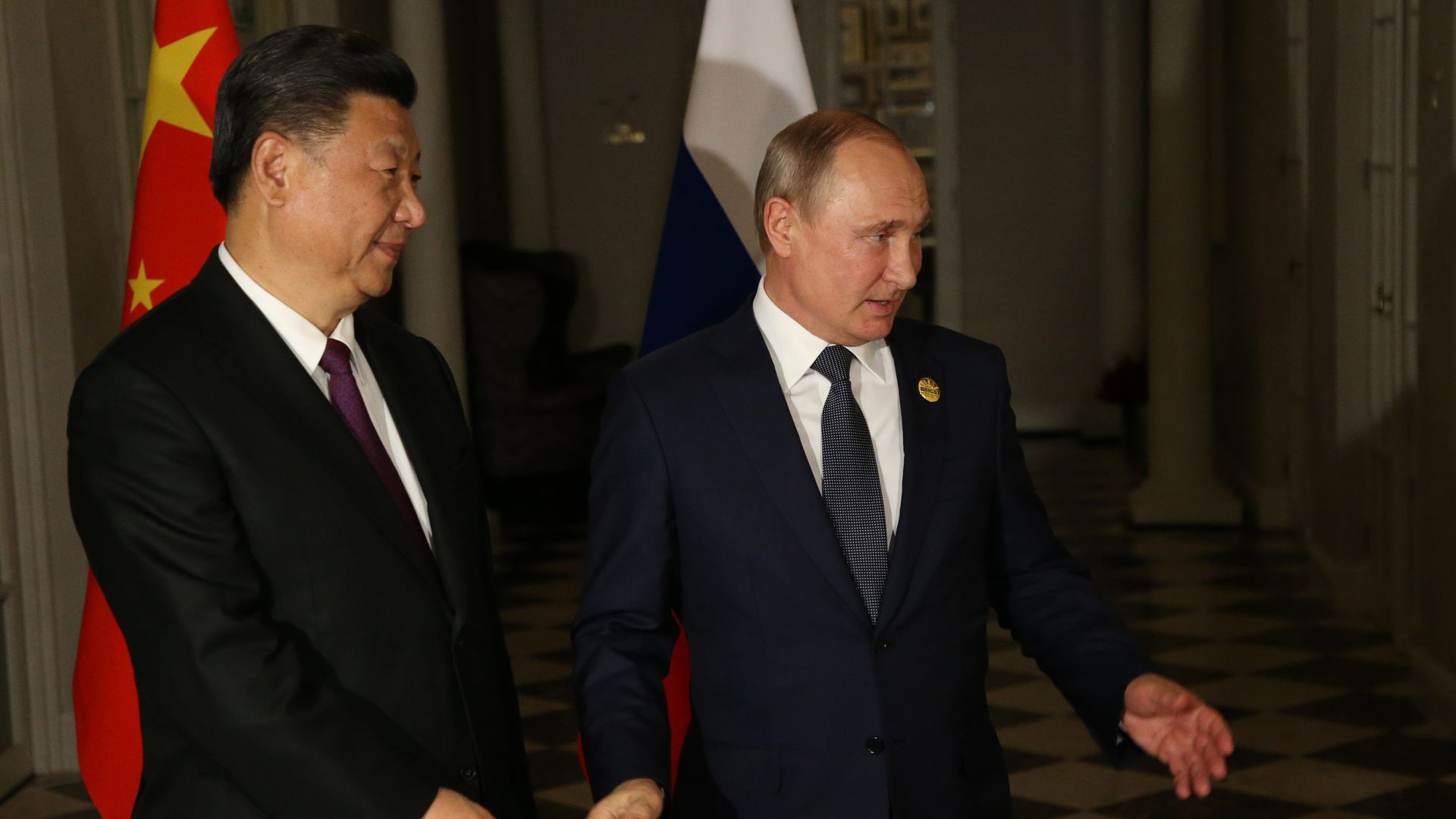
The Chinese government certainly has the ability to pursue an online political disinformation campaign directed at foreign elections — but hasn’t yet because it favors long-term thinking over Russia’s scorched-earth foreign policy, experts said.
Why it matters: While China has been less aggressive than Russia in the online sphere, it has allegedly pursued other equally potent strategies for meddling in the political affairs of other countries.
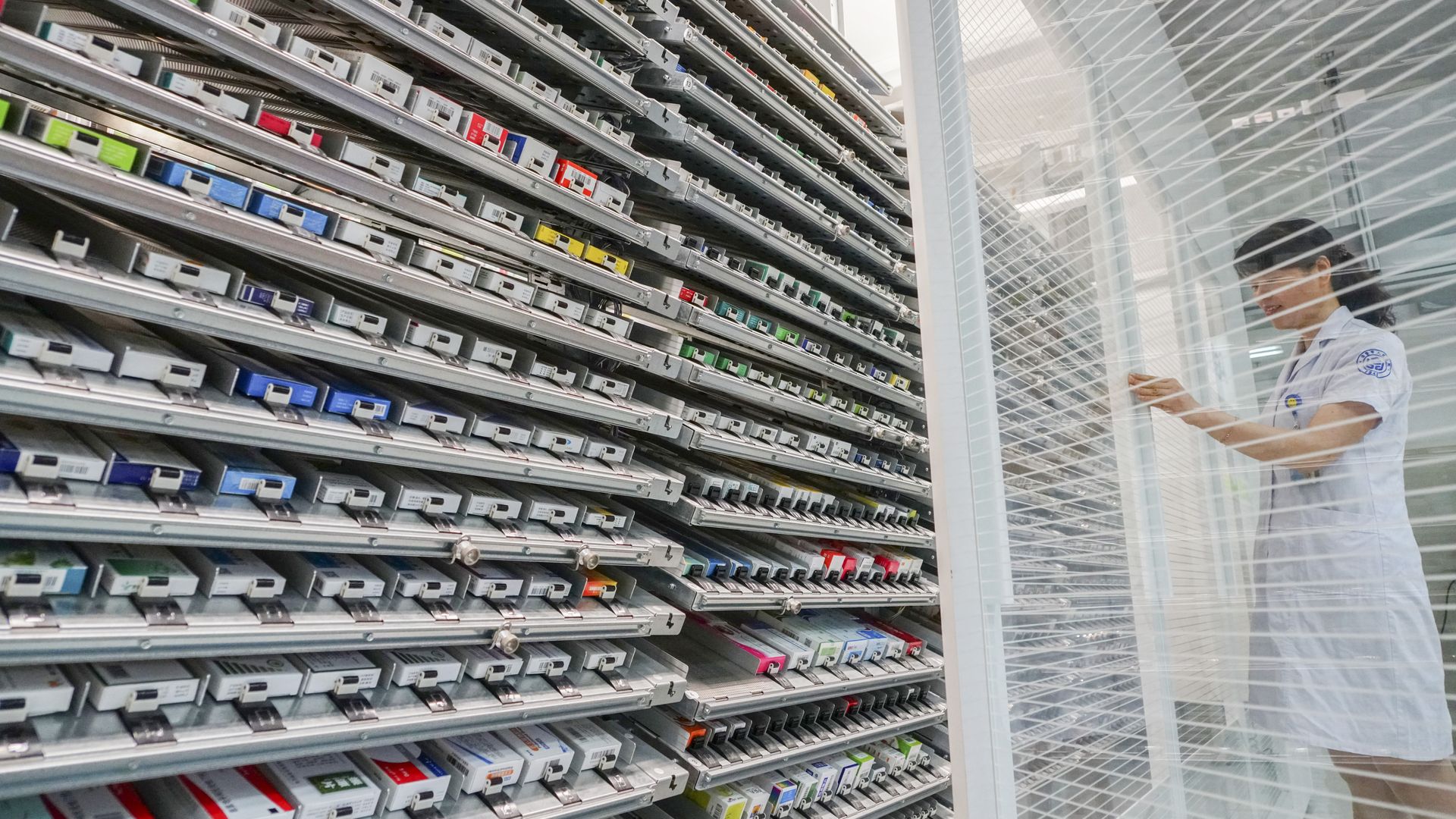
American drug companies are rushing into the Chinese market, which is growing rapidly after the government beefed up its version of the FDA as well as its public insurance programs.
Why it matters: The Chinese pharmaceutical market could be worth $170 billion in just three years, according to Bloomberg. And because its health care system has been so closed off for so long, these changes will likely make the Chinese population much healthier.