Wednesday's world stories

Trump slaps new sanctions on Russia over Skripal poisoning
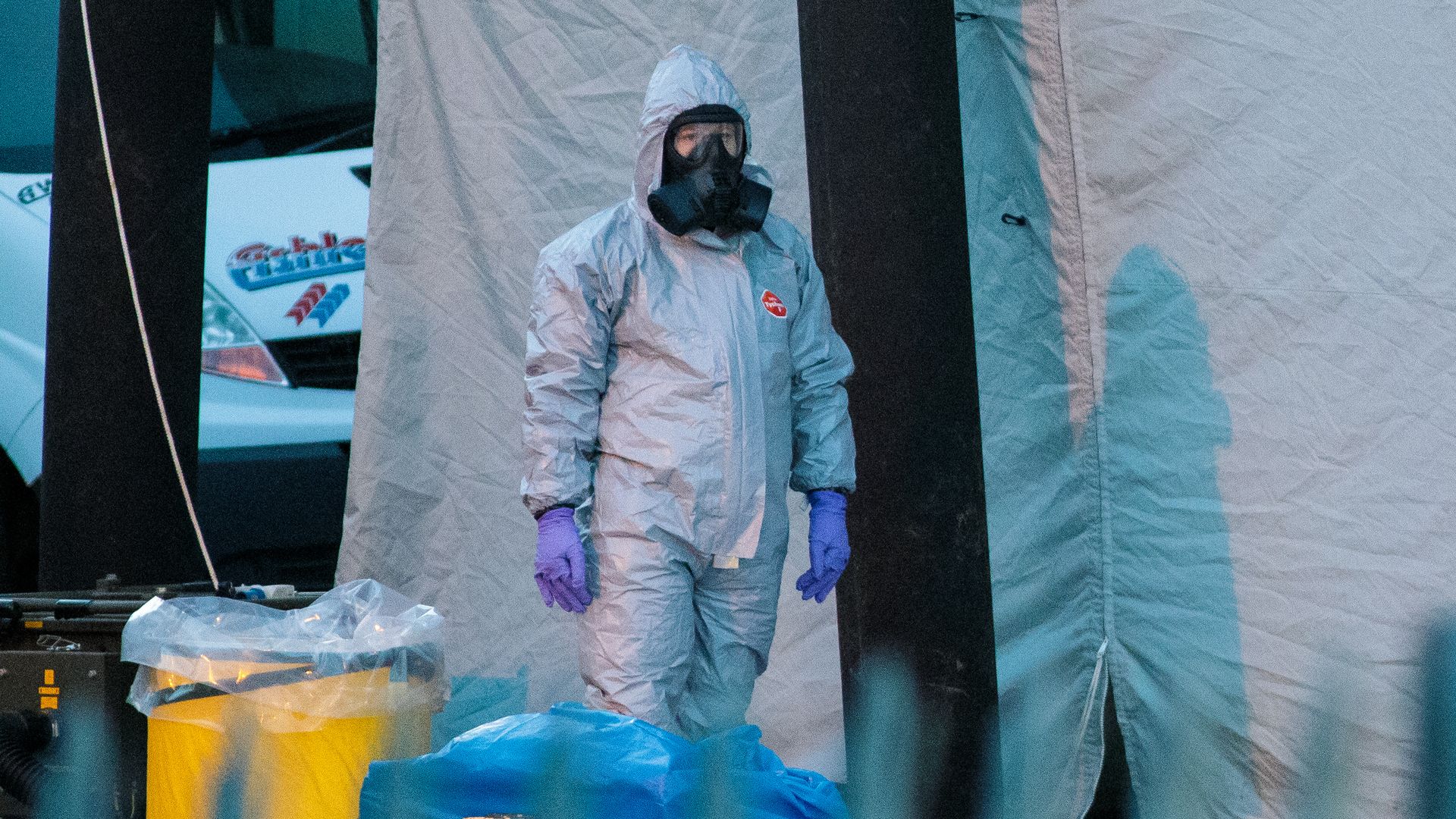
The Trump administration has officially accused Russia of illegally using chemical weapons in the poisoning of Sergei Skripal and his daughter Yulia in Salisbury, England earlier this year, thereby triggering fresh sanctions on the Kremlin.
Why it matters: Trump had been facing pressure to take this step from some Republicans in Congress, particularly after his widely-criticized summit with Vladimir Putin in Helsinki. This is another instance in which the administration's actions stand in sharp contrast to Trump's friendly rhetoric toward the Kremlin.

Israel might not withdraw from UNESCO after all
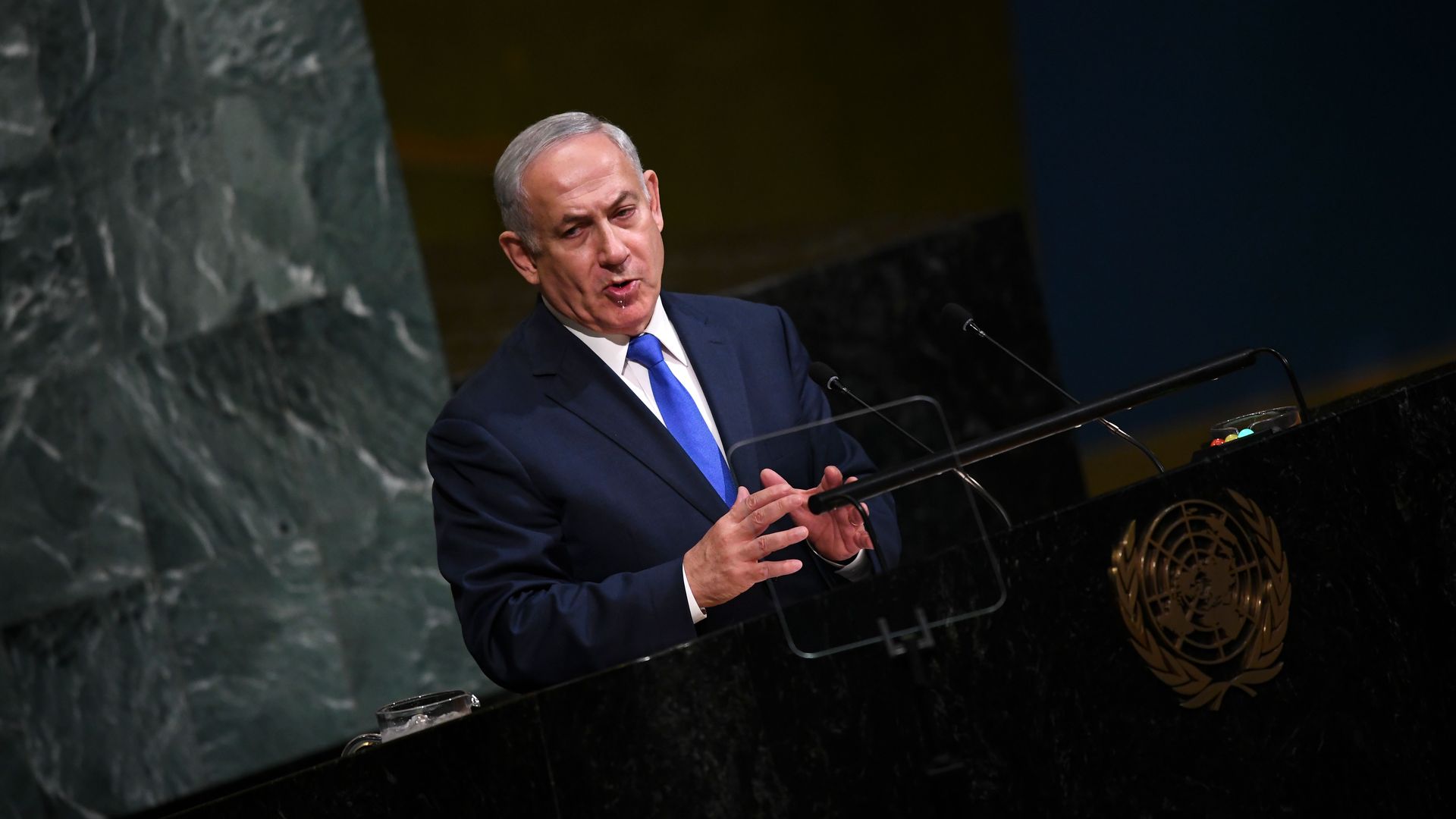
Six months before the U.S. and Israel are due to withdraw from the UN's cultural agency, UNESCO, Israeli Prime Minister Benjamin Netanyahu held a rare phone call with the director general of the agency, Audrey Azoulay. Netanyahu might meet Azoulay next month to discuss the possibility of Israel remaining in the organization.
Why it matters: Last October, the Trump administration announced the U.S. would withdraw from UNESCO by the end of 2018, due in part to perceived anti-Israeli bias. Two months later, a day after the UN general assembly condemned President Trump's Jerusalem announcement, Israel decided to join the U.S. in withdrawing. A senior Israeli official tells me Israel's calculations might now be changing.

Pound plunges to 2018 low amid fears of a "no deal" Brexit
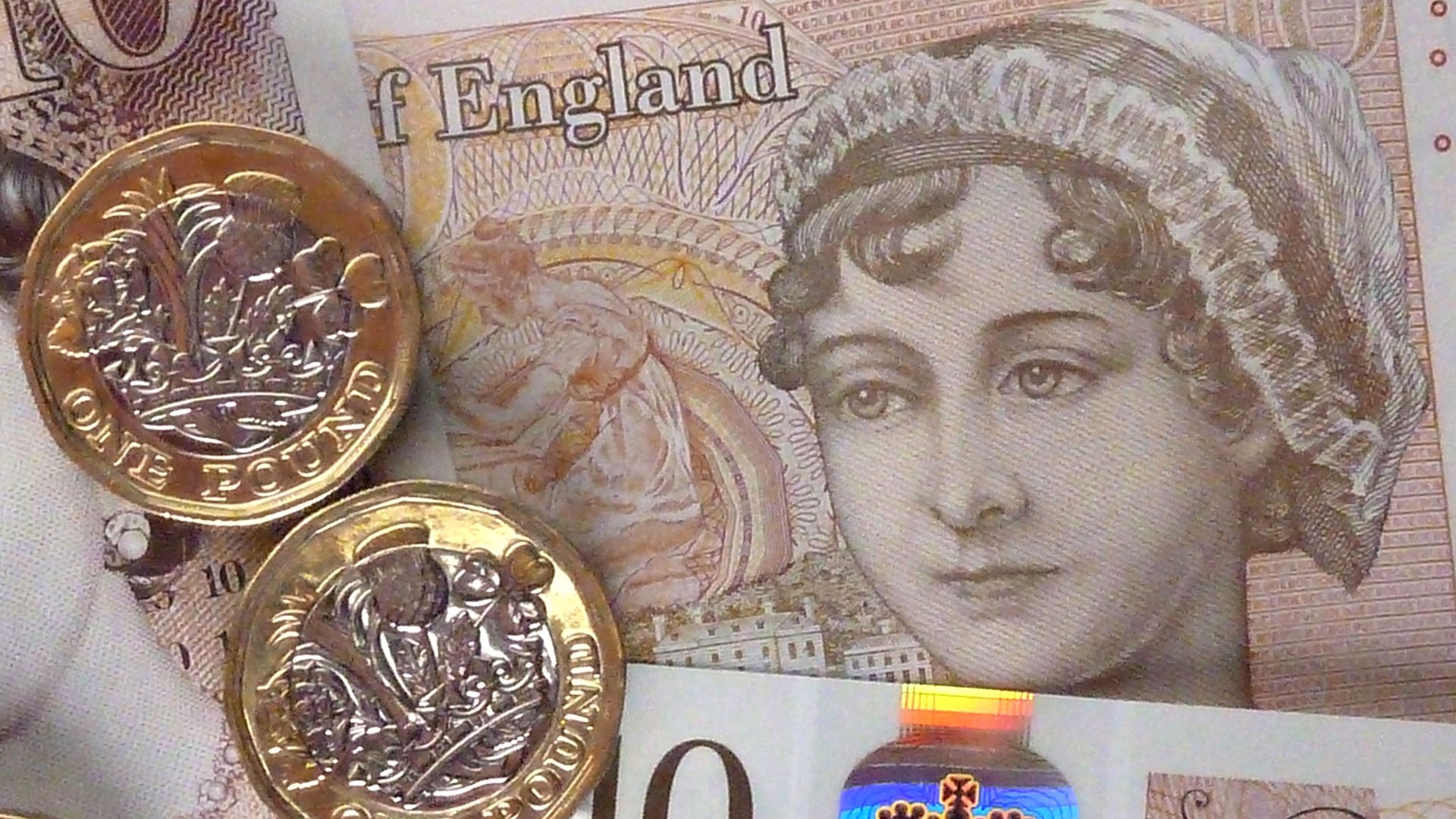
The British pound dropped to its lowest levels against the dollar and euro in almost a year Wedneday as fears of a "no deal" Brexit continue to ramp up, reports Reuters.
Why it matters: The slide began on Sunday, when international trade minister Liam Fox warned there is a 60% chance the U.K. will leave the European Union in March 2019 without having reached a deal. Analysts told Reuters that investors are hedging against the growing possibility of a no deal Brexit, which "could send the sterling into freefall."
China to ignore U.S. sanctions, continue doing business in Iran
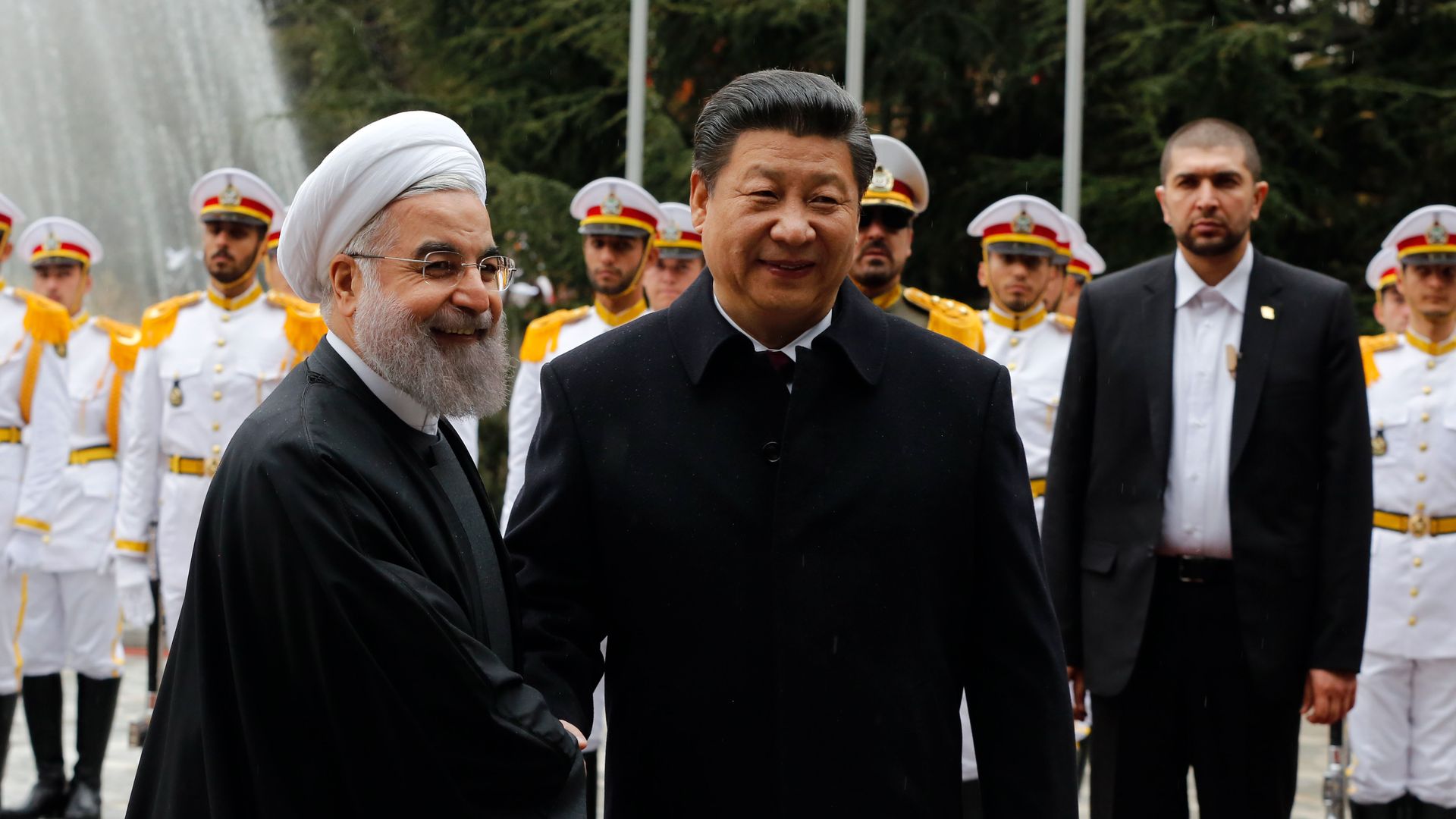
China will join the EU and Russia in continuing its economic relationship with Iran, despite President Trump's threat that the United States will not do business with anyone who violates its newly implemented sanctions, reports Reuters.
Why it matters: Trump has called the first round of sanctions restored Monday "the most biting" ever imposed, but it has become increasingly clear the sanctions do not have the broad international support they had prior to the 2015 Iran deal. China is Iran's top oil customer and imports $15 billion worth of crude oil each year at current market prices, according to Reuters data.
Russia calls talk of Georgia joining NATO "a threat to peace"
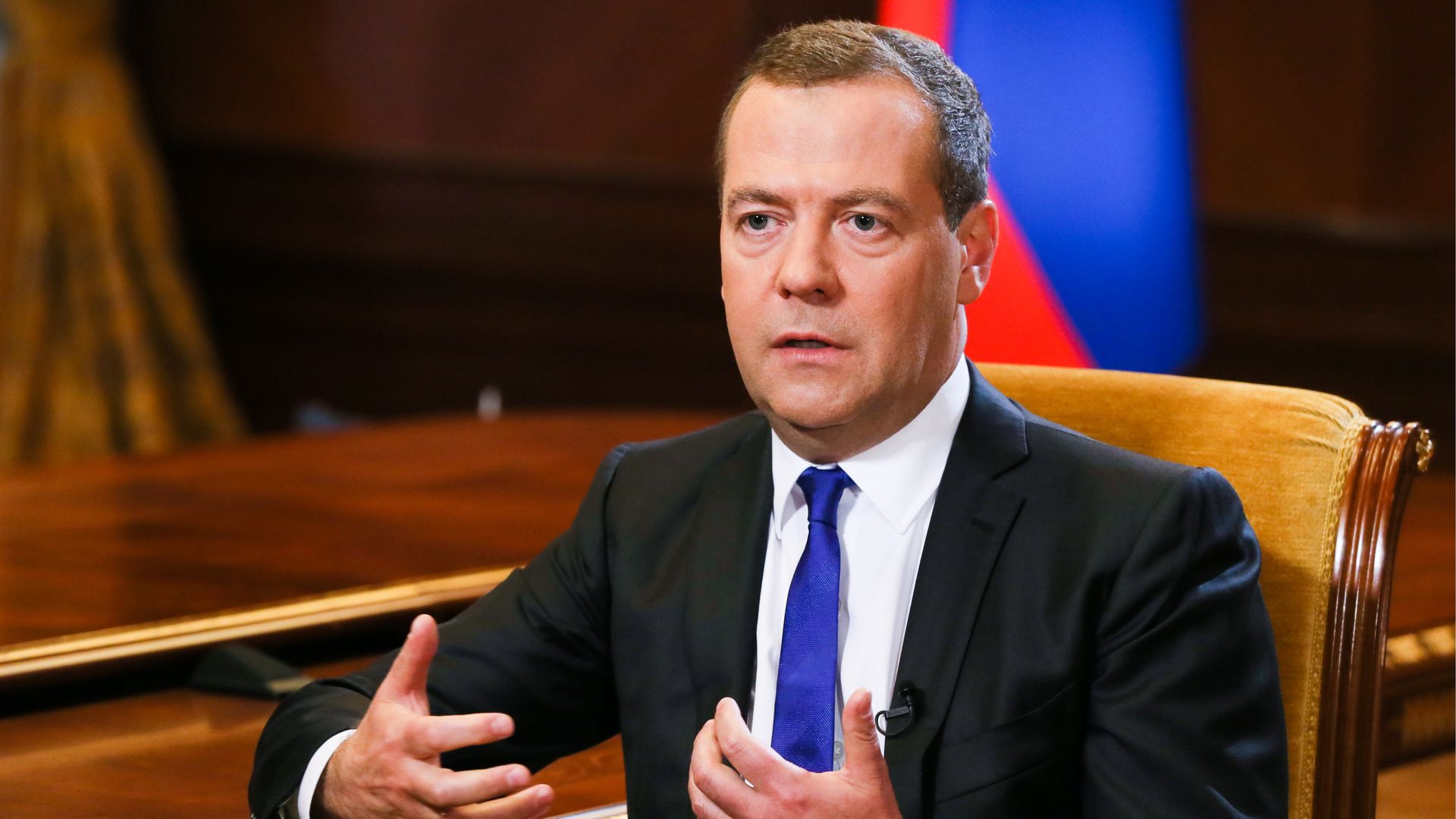
Russian Prime Minister Dmitry Medvedev warned Monday that NATO's commitment to eventually allow Georgia to join the military alliance "is an absolutely irresponsible position and a threat to peace," reports the AP.
"There is an unresolved territorial conflict ... and would they bring such a country into the military alliance? Do they understand the possible implications? It could provoke a horrible conflict...We can’t help getting worried when the circle around our country keeps narrowing as more and more countries join NATO. NATO’s expansion clearly poses a threat to the Russian Federation."
The backdrop: This week marks 10 years since the Russo-Georgian War, which resulted in the continued military occupation of two Georgian provinces in the Caucasus.