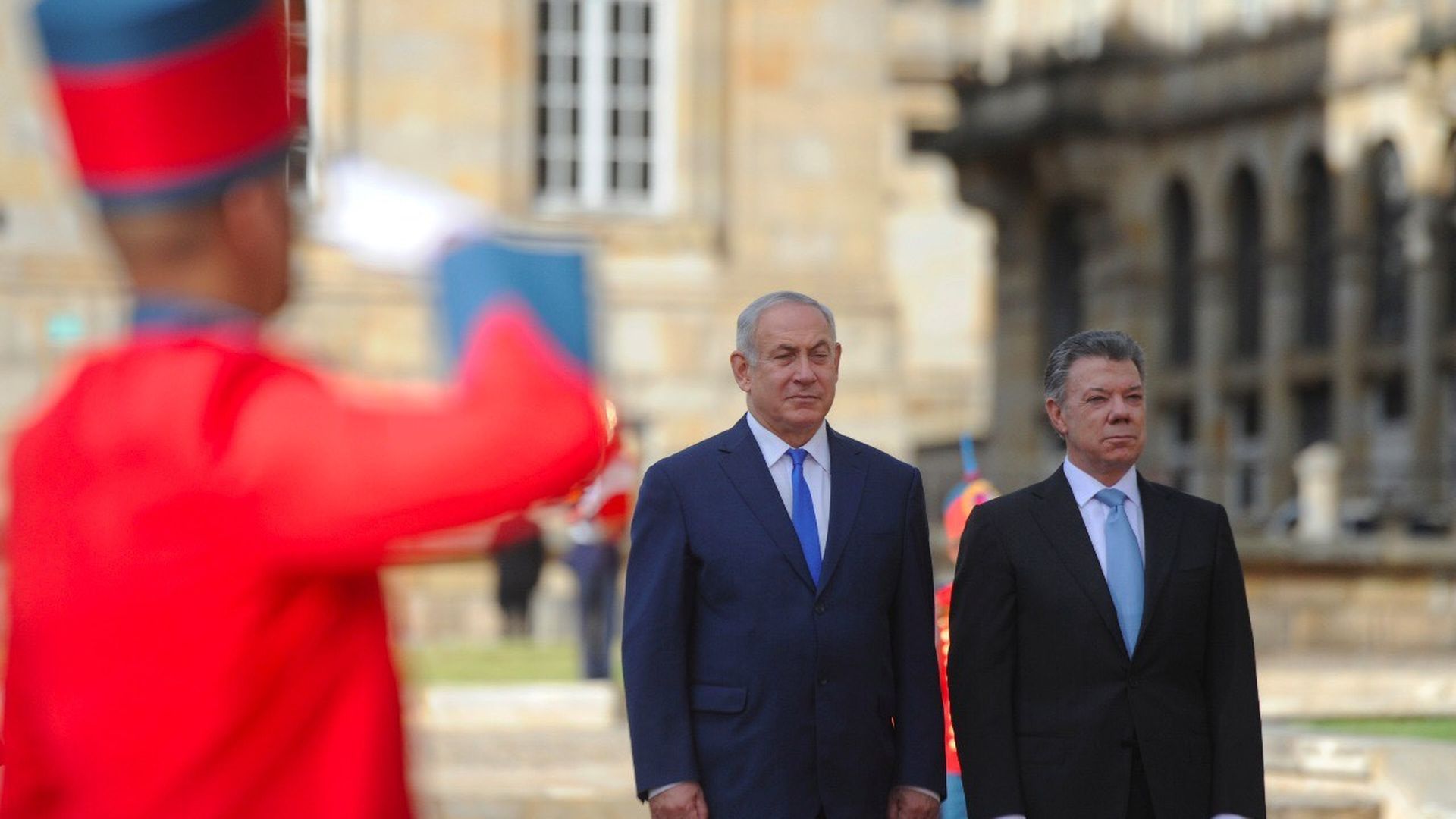
Colombia's outgoing President Juan Manuel Santos took a secret and dramatic step in his last days in office, it was revealed last night, by recognizing Palestine as a sovereign state. Israel, a longtime ally of Colombia, was kept in the dark and is now furious, demanding the new government in Bogota reverse the decision.
Why it matters: This is a big deal. Colombia was and still is Israel's biggest ally in Latin America, sharing deep military, intelligence and political ties. After President Ivan Duque was elected, Israel discussed with people in his inner circle the possibility of Colombia moving its embassy to Jerusalem. Instead, Colombia recognized Palestine.
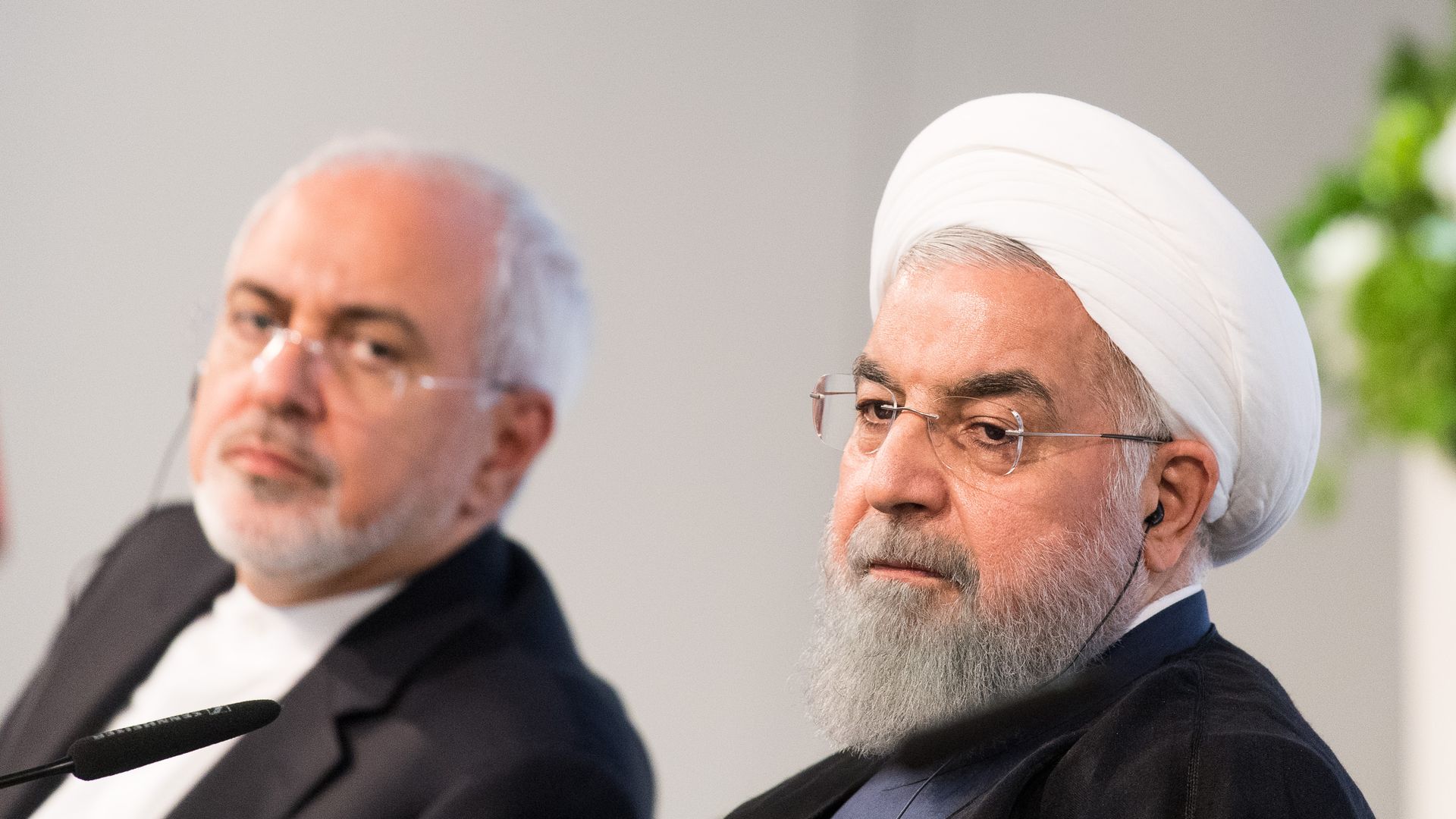
Let’s say you are Iran. The U.S. has torn up a deal you were abiding by, and reimposed crippling sanctions that are exacerbating a currency crash and broader economic crisis. You’re in no mood to roll over for Uncle Sam — Washington’s demands are beyond the pale — but what are you gonna do about it?
Between the lines: You could threaten oil shipments through the Strait of Hormuz, or encourage your proxies in Yemen, Syria, and elsewhere in the Middle East to step up their attacks against U.S. allies and interests. But why go to all that trouble and expense when you could inflict pain on the Great Satan and its friends with a tap or two on a keyboard and the click of a mouse?
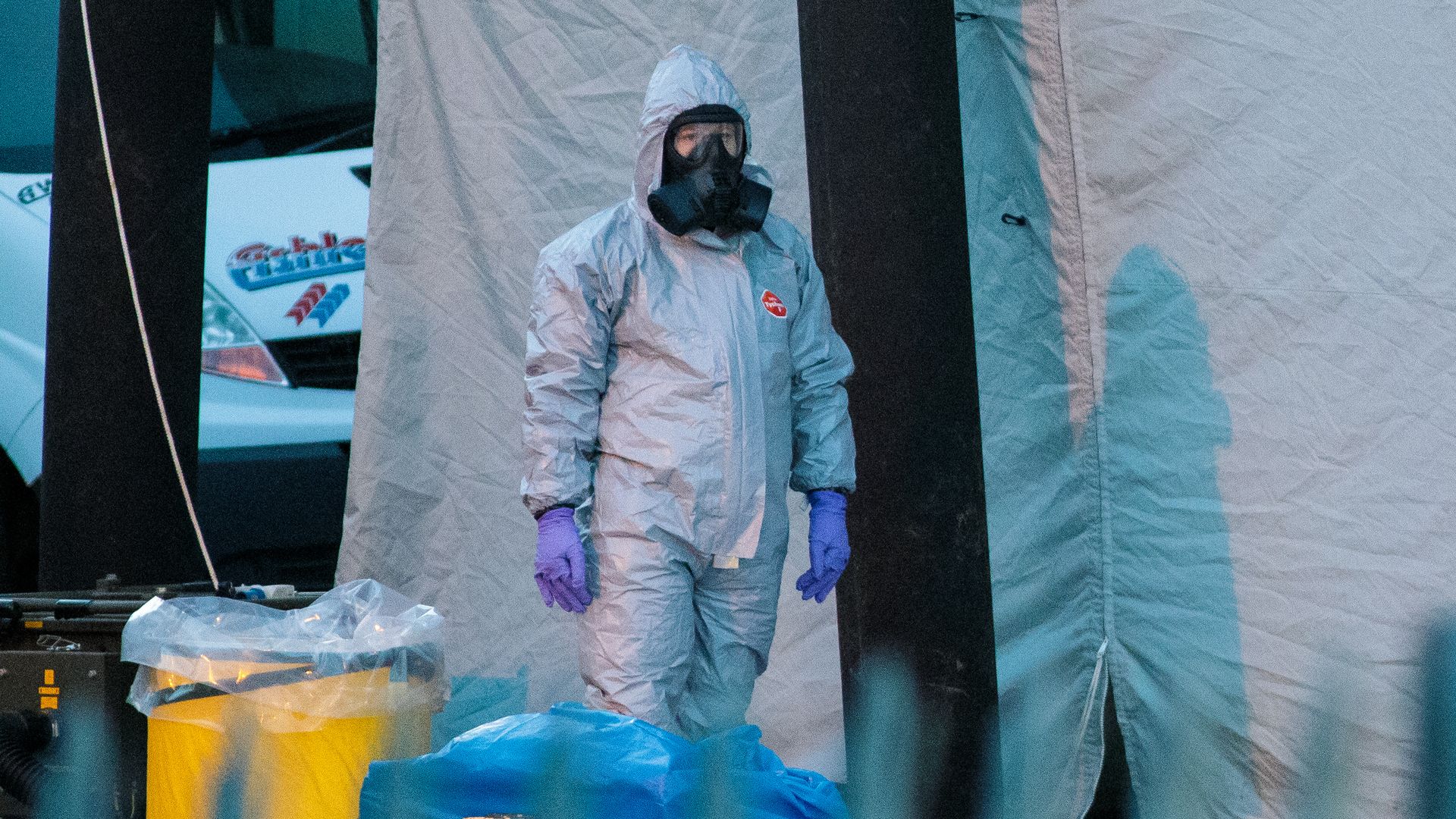
The Trump administration has officially accused Russia of illegally using chemical weapons in the poisoning of Sergei Skripal and his daughter Yulia in Salisbury, England earlier this year, thereby triggering fresh sanctions on the Kremlin.
Why it matters: Trump had been facing pressure to take this step from some Republicans in Congress, particularly after his widely-criticized summit with Vladimir Putin in Helsinki. This is another instance in which the administration's actions stand in sharp contrast to Trump's friendly rhetoric toward the Kremlin.
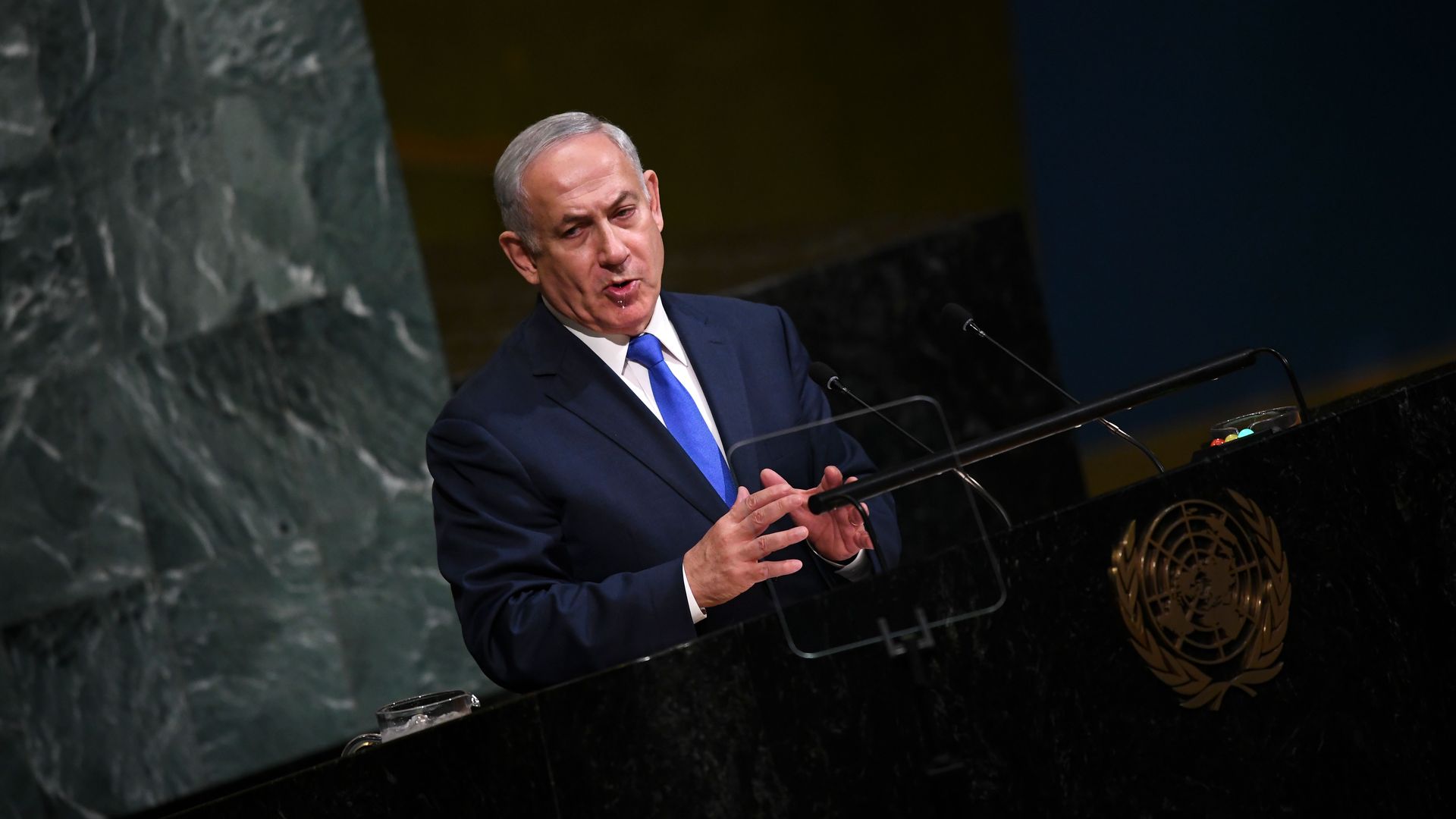
Six months before the U.S. and Israel are due to withdraw from the UN's cultural agency, UNESCO, Israeli Prime Minister Benjamin Netanyahu held a rare phone call with the director general of the agency, Audrey Azoulay. Netanyahu might meet Azoulay next month to discuss the possibility of Israel remaining in the organization.
Why it matters: Last October, the Trump administration announced the U.S. would withdraw from UNESCO by the end of 2018, due in part to perceived anti-Israeli bias. Two months later, a day after the UN general assembly condemned President Trump's Jerusalem announcement, Israel decided to join the U.S. in withdrawing. A senior Israeli official tells me Israel's calculations might now be changing.
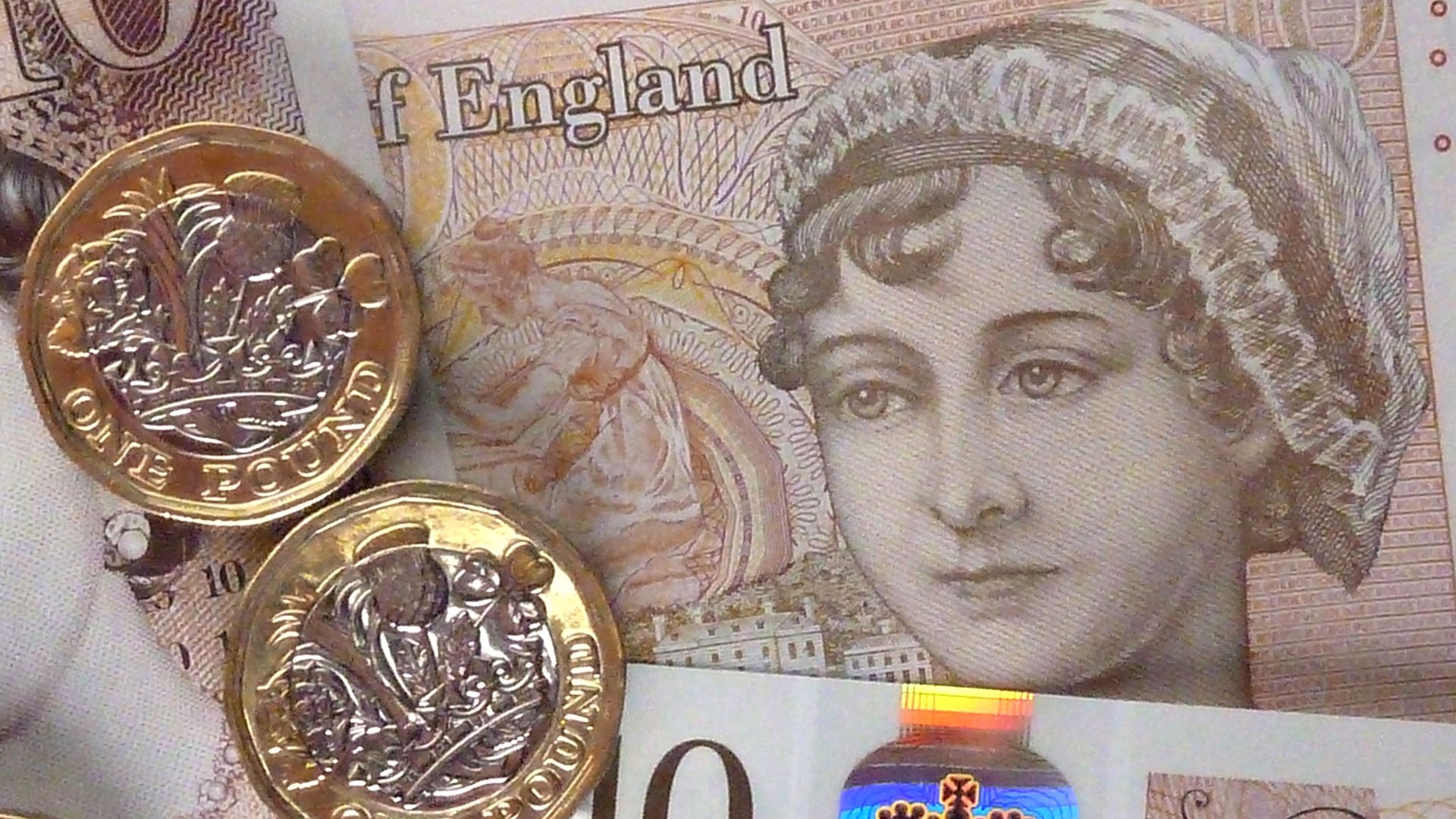
The British pound dropped to its lowest levels against the dollar and euro in almost a year Wedneday as fears of a "no deal" Brexit continue to ramp up, reports Reuters.
Why it matters: The slide began on Sunday, when international trade minister Liam Fox warned there is a 60% chance the U.K. will leave the European Union in March 2019 without having reached a deal. Analysts told Reuters that investors are hedging against the growing possibility of a no deal Brexit, which "could send the sterling into freefall."
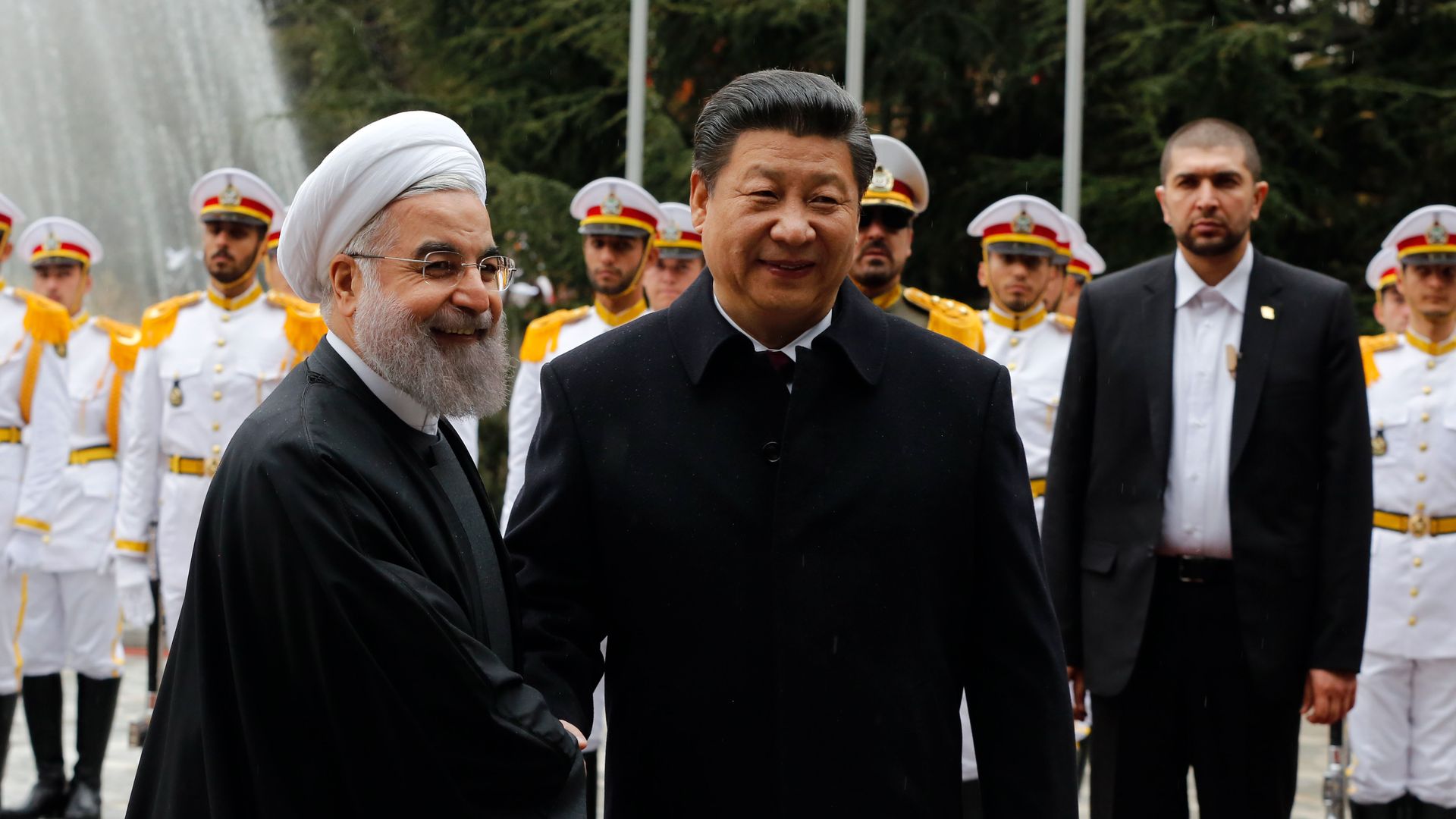
China will join the EU and Russia in continuing its economic relationship with Iran, despite President Trump's threat that the United States will not do business with anyone who violates its newly implemented sanctions, reports Reuters.
Why it matters: Trump has called the first round of sanctions restored Monday "the most biting" ever imposed, but it has become increasingly clear the sanctions do not have the broad international support they had prior to the 2015 Iran deal. China is Iran's top oil customer and imports $15 billion worth of crude oil each year at current market prices, according to Reuters data.