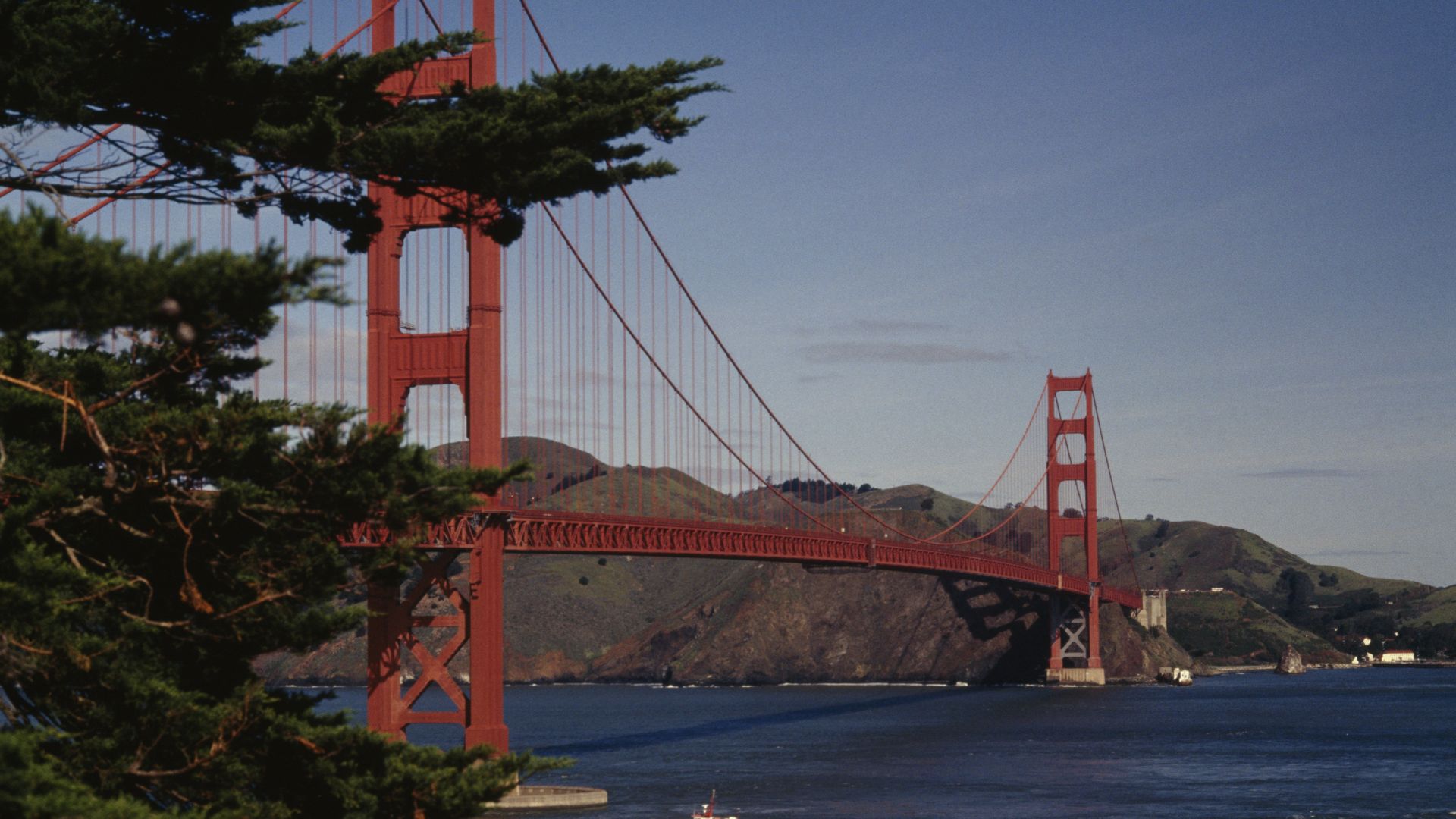
The East Coast may be the usual backdrop in spy stories, but the U.S. West Coast—and specifically San Francisco and the rest of the Silicon Valley—has a long history as a hub for espionage, as Politico details in a new feature.
Why it matters: Despite growing spy operations from countries like China and Russia, former intelligence officials say that Silicon Valley companies are often unprepared to deal with attempts to gather trade secrets or intelligence. And worse: They often also prefer to turn a blind eye instead of suffering the bad press.
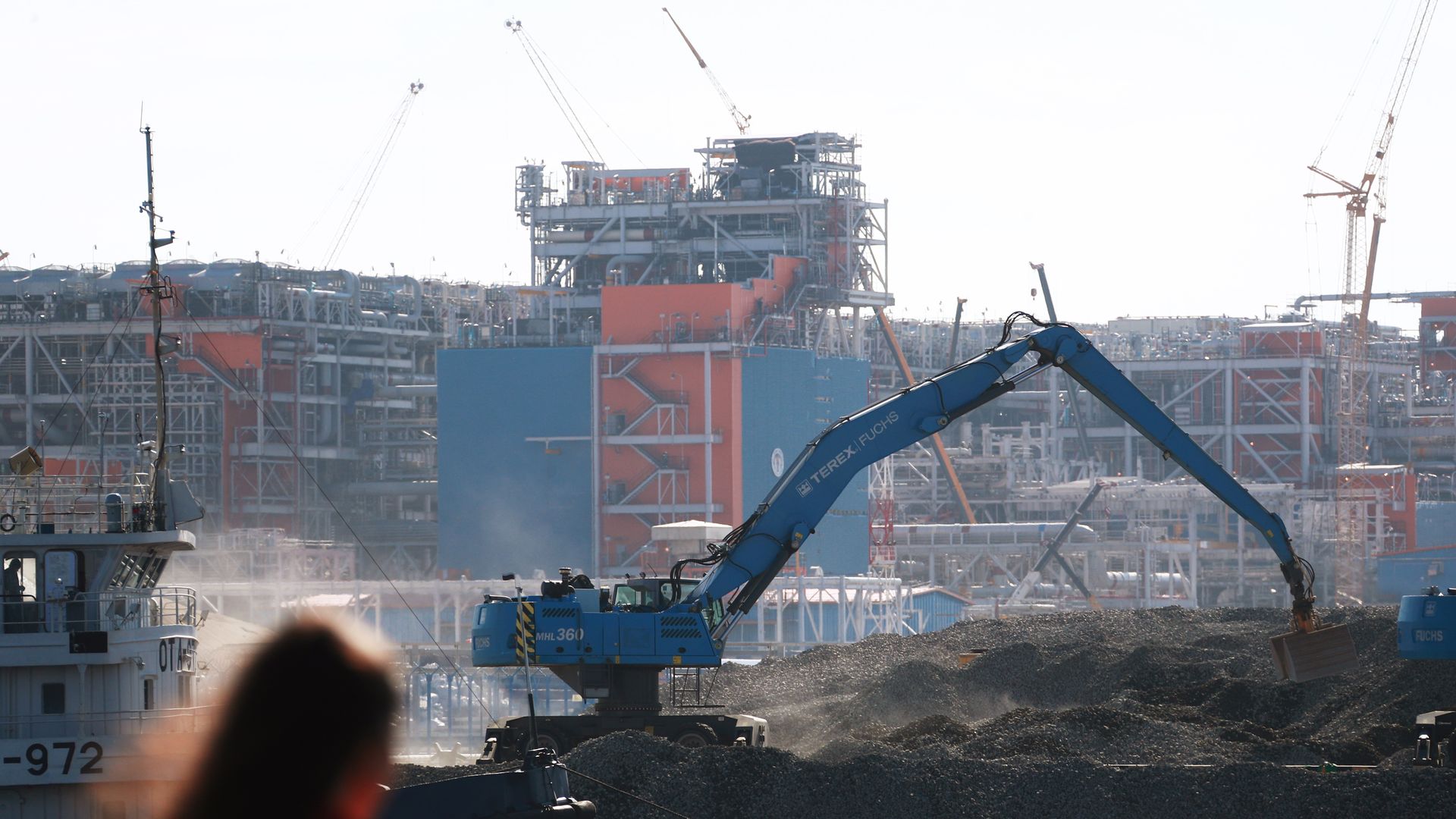
China has begun importing natural gas from just above the Arctic circle at Russia's Yamal plant, reports CGTN.
Why it matters: China is on pace to be the world's leader in natural gas imports in large part due to the Yamal plant. It owns nearly a 30% stake in the Russian operation and believes that, in the next 10 years, its trade of natural gas with Russia will exceed 70 billion cubic meters, making Russia the largest natural gas supplier to China.
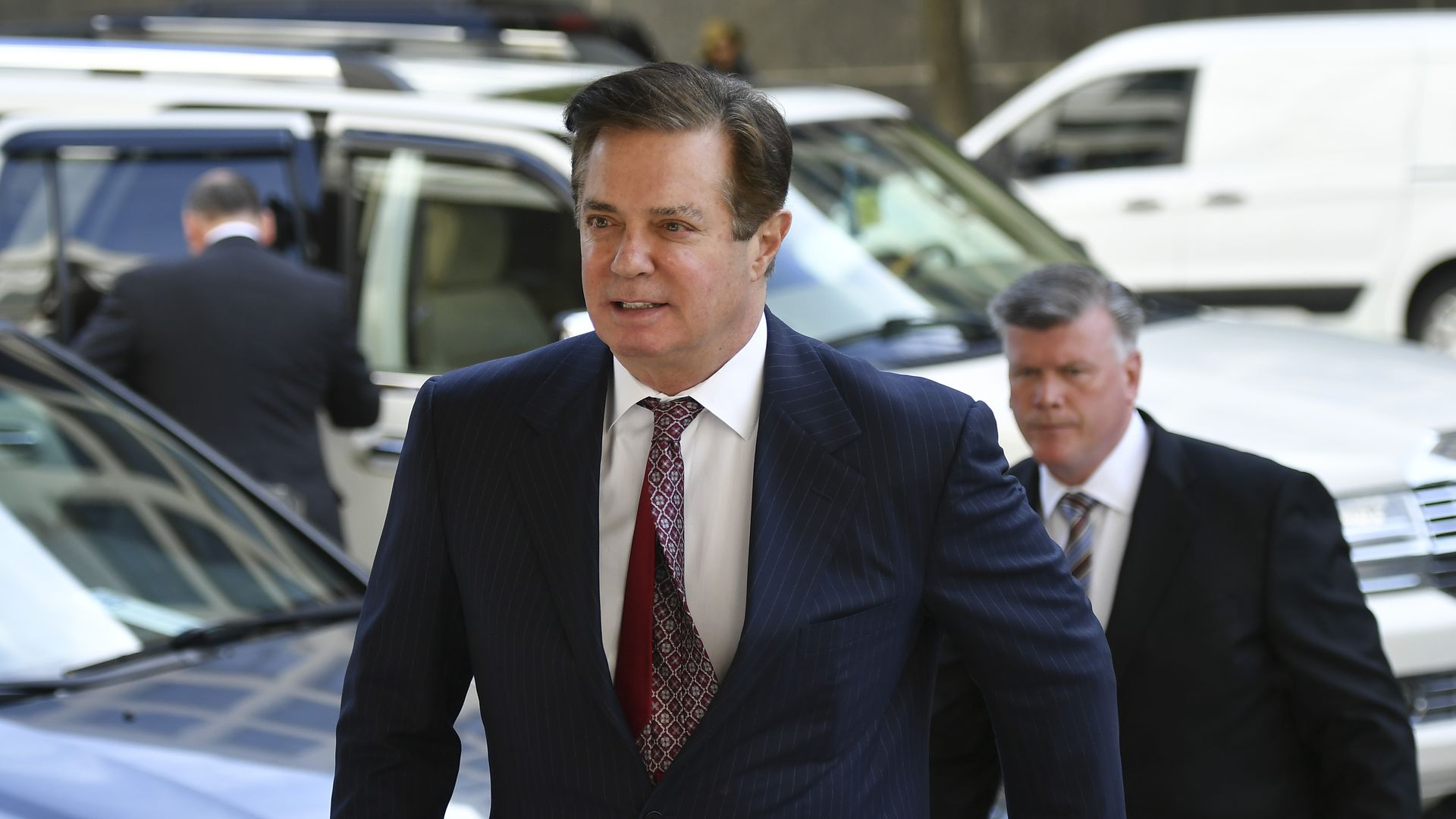
Special Counsel Robert Mueller has filed his witness list, which includes 35 individuals who could testify against former Trump campaign chairman Paul Manafort in his upcoming trial.
Flashback: Earlier this week, a federal judge approved Mueller’s request that five witnesses be granted immunity in exchange for testifying against Manafort. The five witnesses — Donna Duggan, James Brennan, Conor O’Brien, Cindy Laporta, and Dennis Raico — all have been linked with Manafort’s finances, according to NBC News.
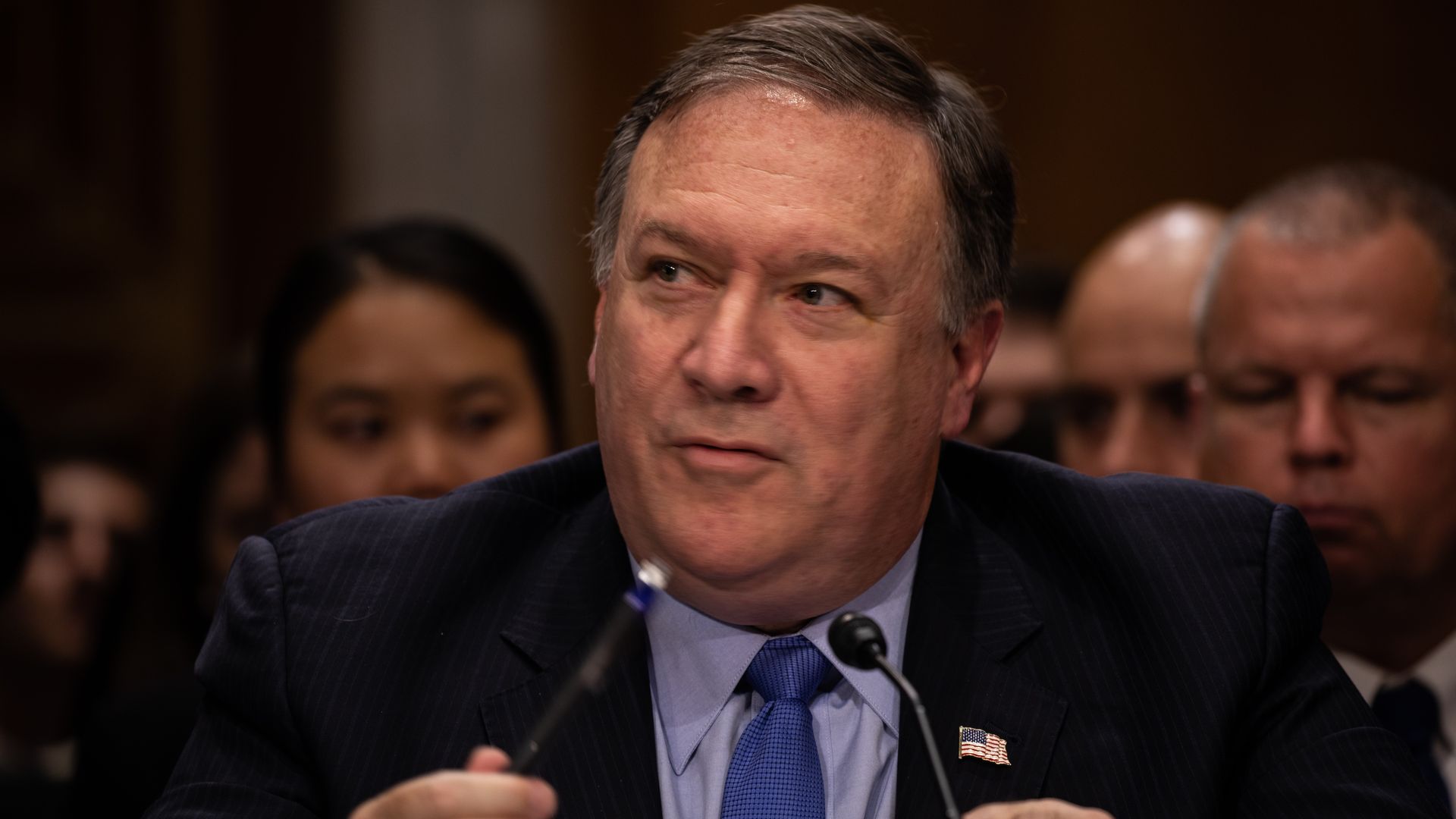
In Secretary of State Mike Pompeo’s congressional testimony on Wednesday, he was asked when we would know if North Korea would choose to follow through on its pledge of complete denuclearization. “I don’t know. I don’t know the answer to that” was his stark response.
Why it matters: After his summit with Kim Jong-un, President Trump said on Twitter that “there is no longer a Nuclear Threat from North Korea.” In breaking from his boss on this critical point, Mike Pompeo made clear that, more than two months after the summit, no concrete steps have been taken to address North Korea’s nuclear threat, making the administration's transparency on the negotiations all the more crucial.
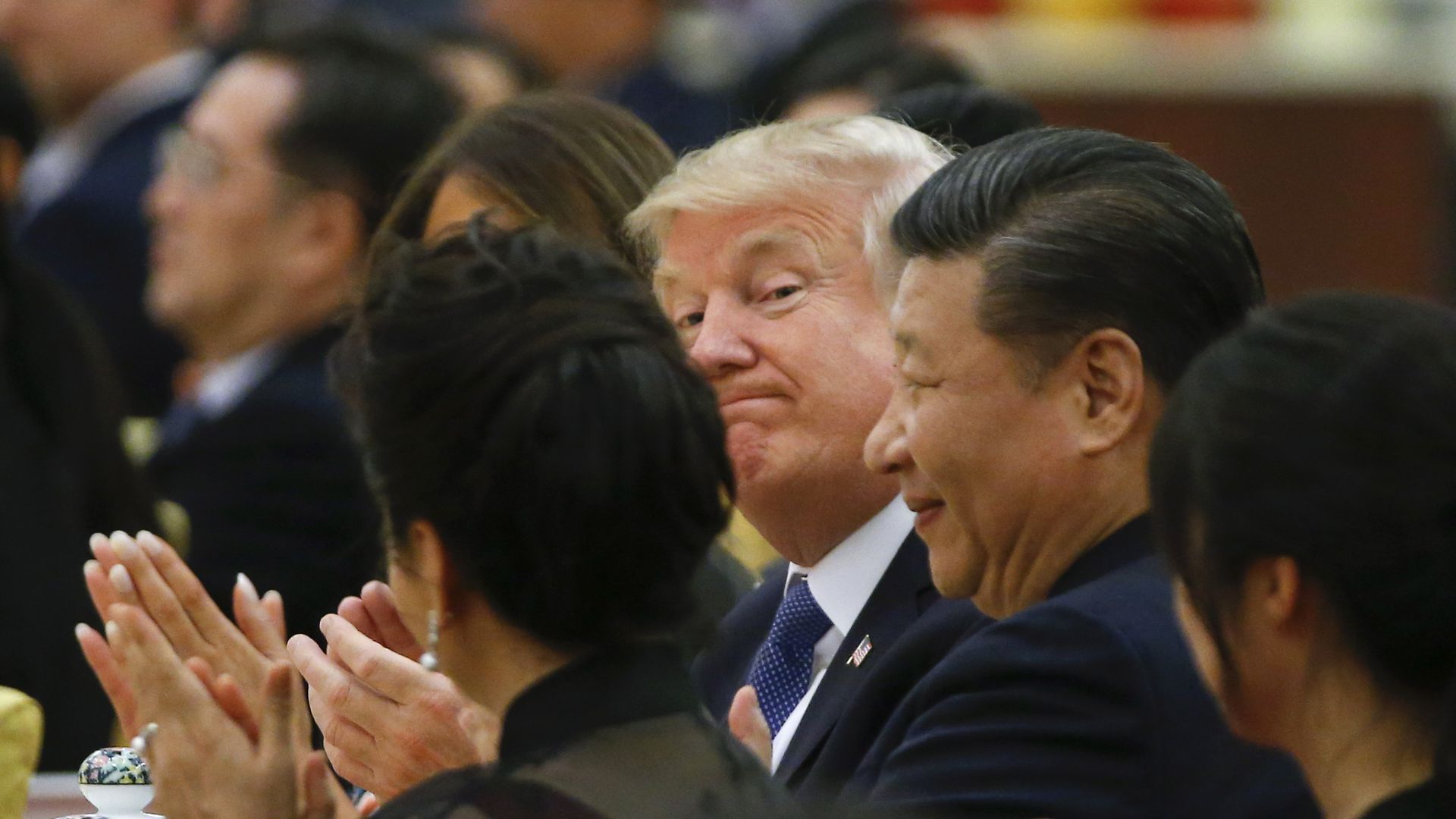
The South China Morning Post examines Beijing's misreading of President Trump, where they look at "how Beijing got it wrong."
My thought bubble: I had many conversations with Chinese interlocutors who really did not understand how the attitude towards China in D.C. and the U.S. business community had hardened so much. An earlier realization may not have altered the outcome much given the structural problems in the relationship, but when the stakes are so high, ignorance and surprise can be very dangerous.
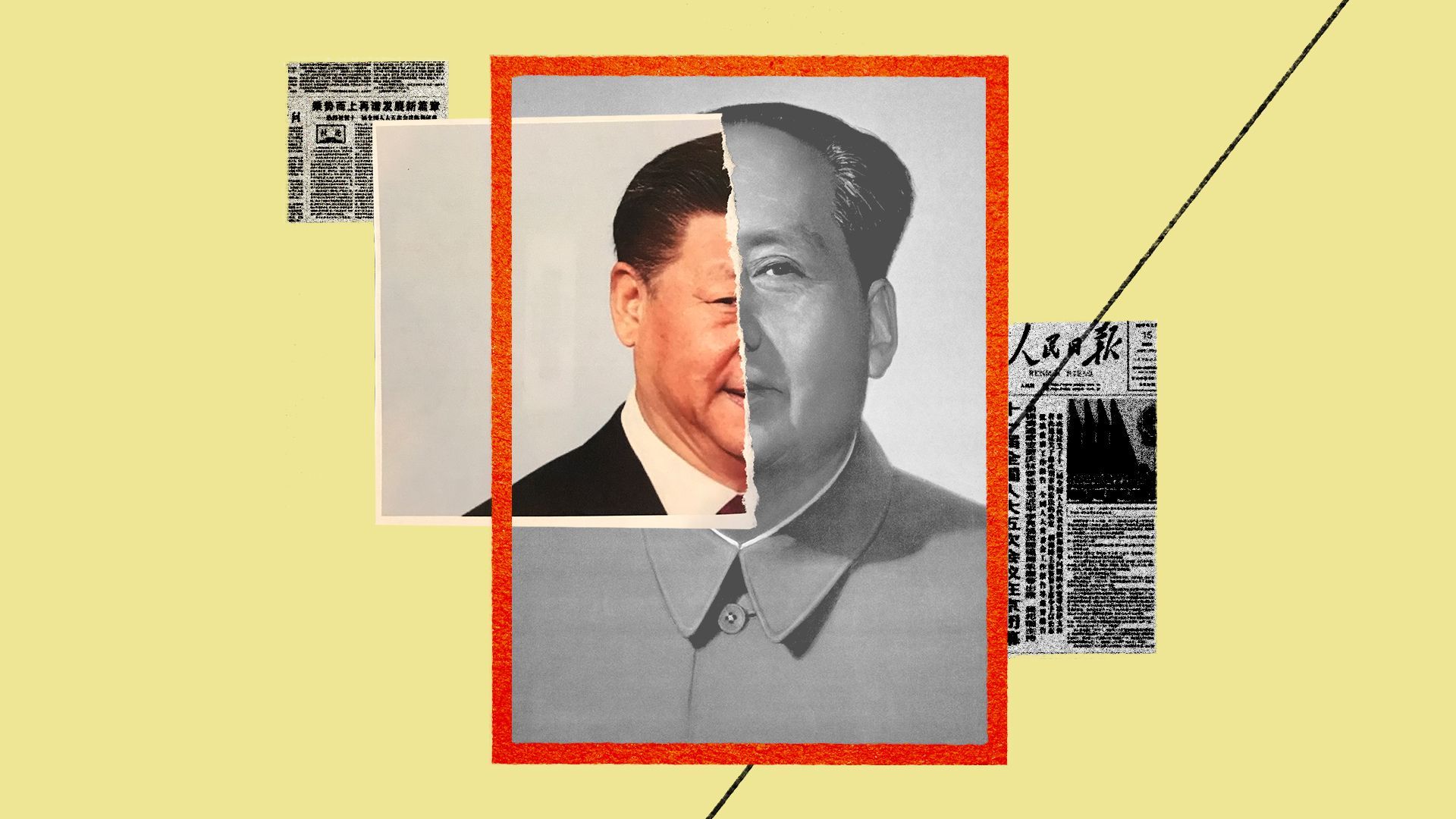
2018 is the 40th anniversary of the launch of China's reform and opening policy. Chinese President Xi Jinping and the Communist Party are making a very big deal of the anniversary.
What we're hearing: I spoke with Julian Gewirtz, an expert in modern Chinese history and author of a book on China called "Unlikely Partners," on the current state of China's market and Xi's plan for “the great rejuvenation of the Chinese nation.”
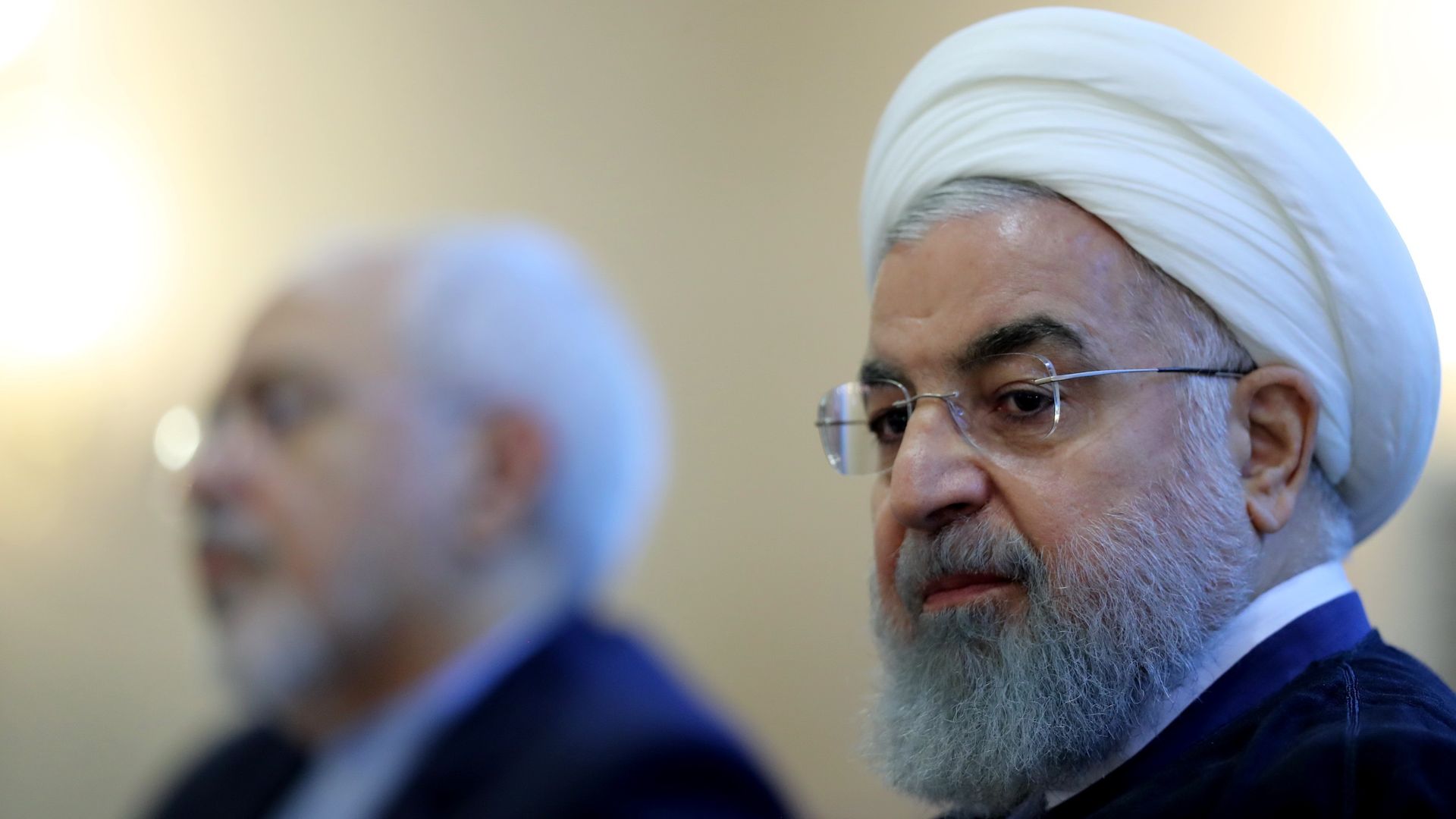
Major General Qassem Soleimani, Commander of Iran’s Islamic Revolutionary Guard Corps’ Quds Force, issued a forceful response to President Trump’s recent tweet addressed to Iranian President Rouhani, the latest in a round of escalating rhetoric between the U.S. and Iran invoking war. “Gambler Trump! I alone will stand against you,” he touted. “You may begin a war, but it is us who will end it.”
The big picture: An ongoing challenge for Iranian security planners has been how to signal resolve without inviting military ruin. Gradual escalation against U.S. and allied interests as well as rhetorical bluster are therefore favorites of decision-makers in Tehran. What role misperception, miscalculation, ideological zeal and actual military action may play remains to be seen.
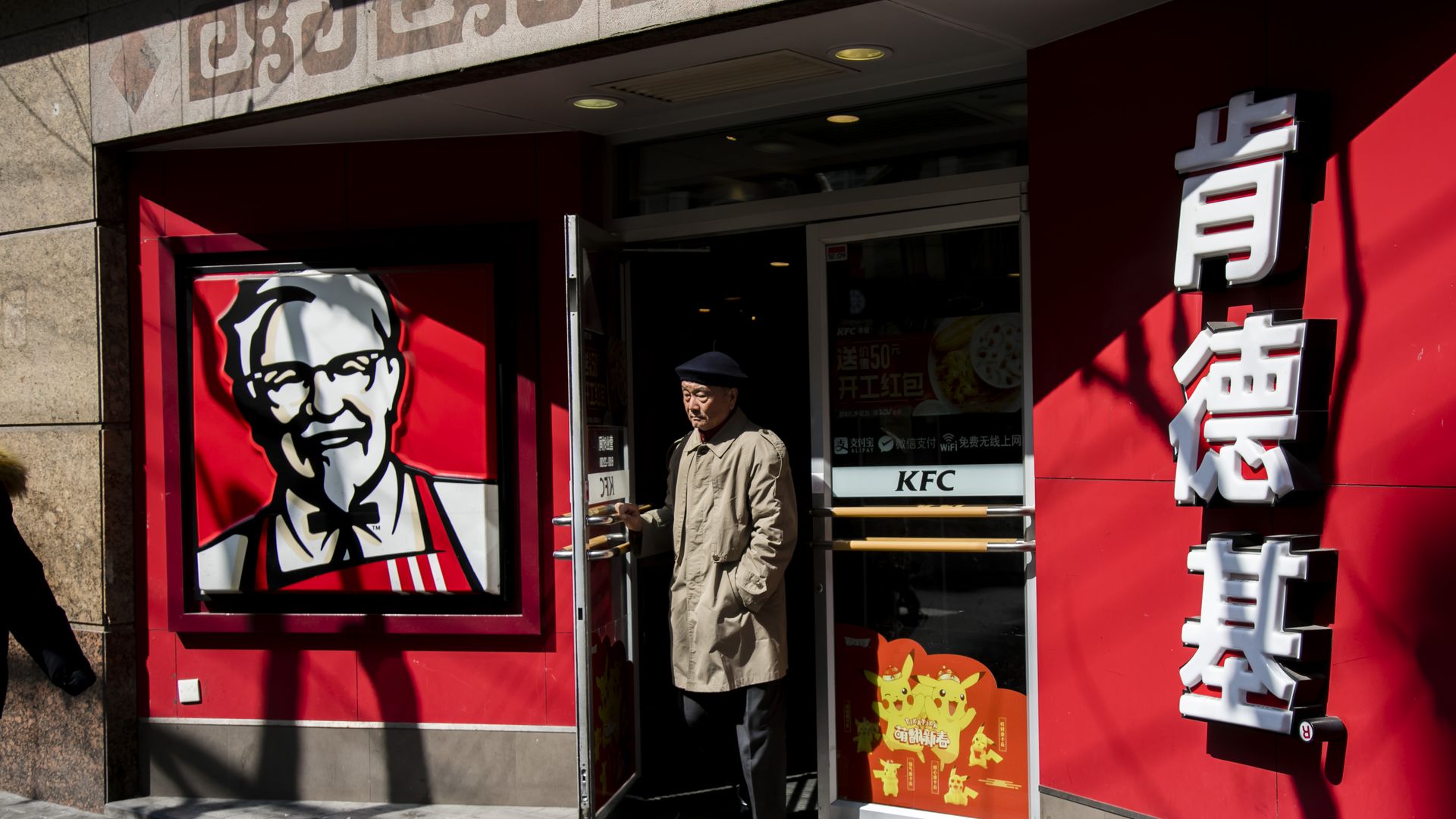
Private equity firm Hillhouse Capital is in early talks to lead a takeover offer for Yum China, a New York-listed company that is the exclusive operator of KFC and Pizza Hut stores in mainland China, according to The Information.
Why it's a big deal: Yum China is the country's largest fast-food purveyor, with over 8,000 stores.
After touting his economic accomplishments Friday morning, President Trump thanked Kim Jong-un for "keeping his word" in starting to return remains of missing U.S. soldiers from the Korean war.
"I want to thank him for fulfilling a promise he made to me and I’m sure he will continue to fulfill that promise."
Why it matters: Trump is yet again going out of his way to publicly acknowledge and thank a dictator whose country has long been threatening toward the U.S.
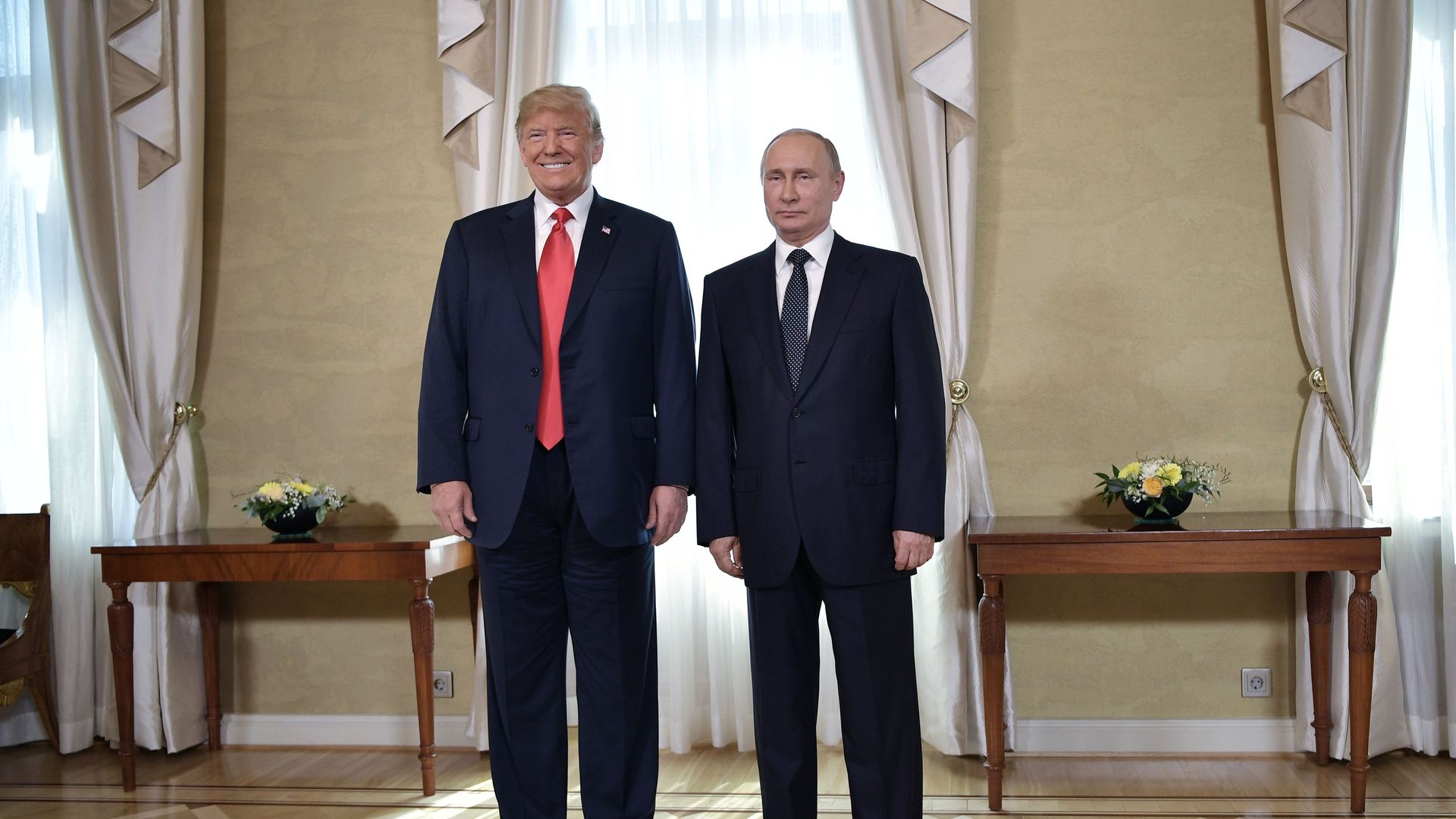
Russian President Vladimir Putin has invited President Trump to Moscow, Reuters reports, adding that while he and Trump are ready to pick up where they left off in Helsinki, the conditions must be right for a meeting to take place.
Trump said on Friday he is "open to visiting Moscow," the Associated Press reports, after he receives a "formal invitation" from Putin.
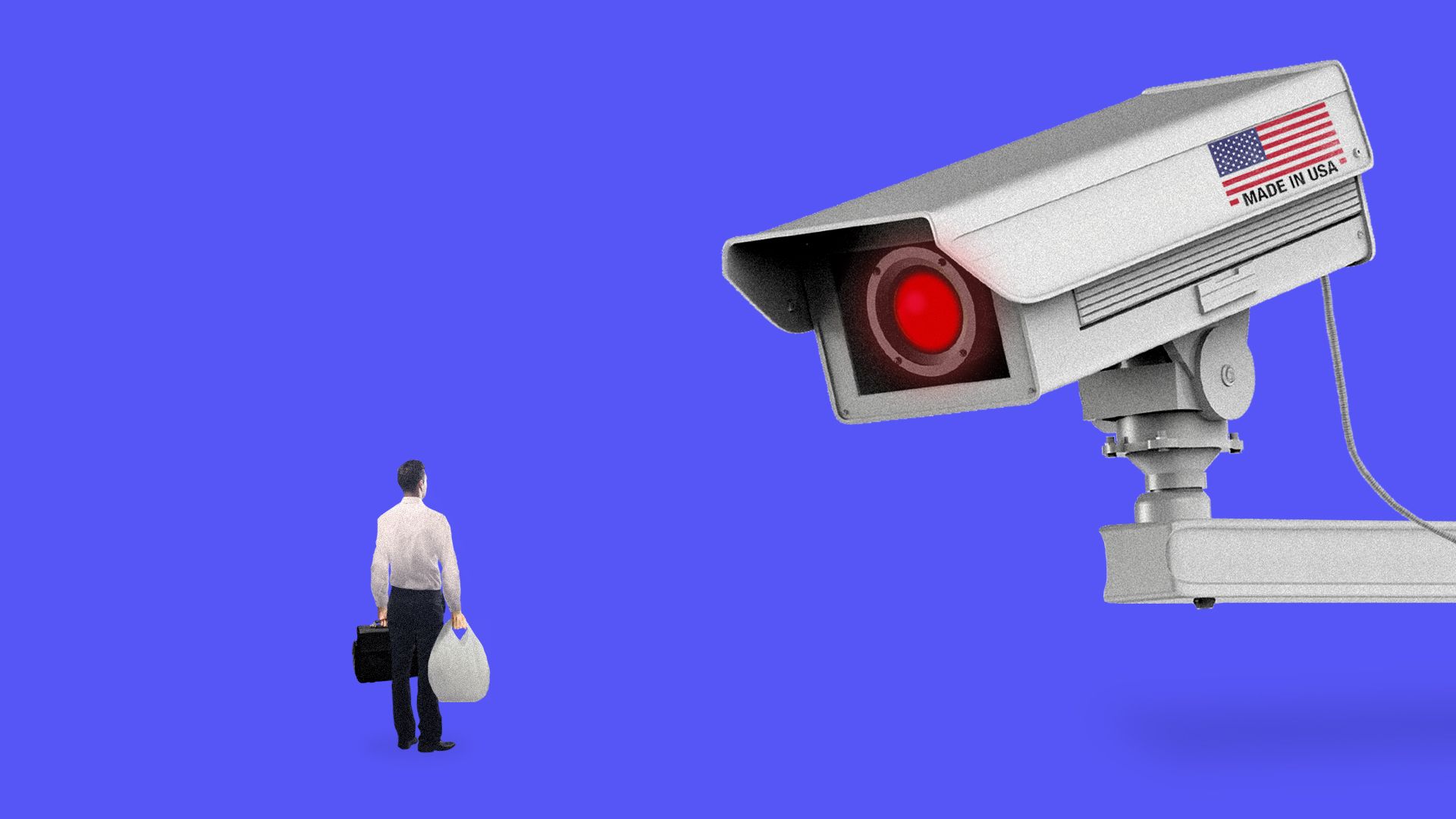
American companies eager to enter China’s massive market brace themselves for potential intellectual property theft or forced technology transfers. But there’s another threat at play: their technology is being used for surveillance.
The big picture: China has sophisticated systems of state surveillance, and elements of these systems have long been powered by technologies developed by American companies. Beijing has used U.S. tech to surveil its citizens, violate human rights and even modernize its military.