Monday's world stories

Report: North Korea working on new missiles
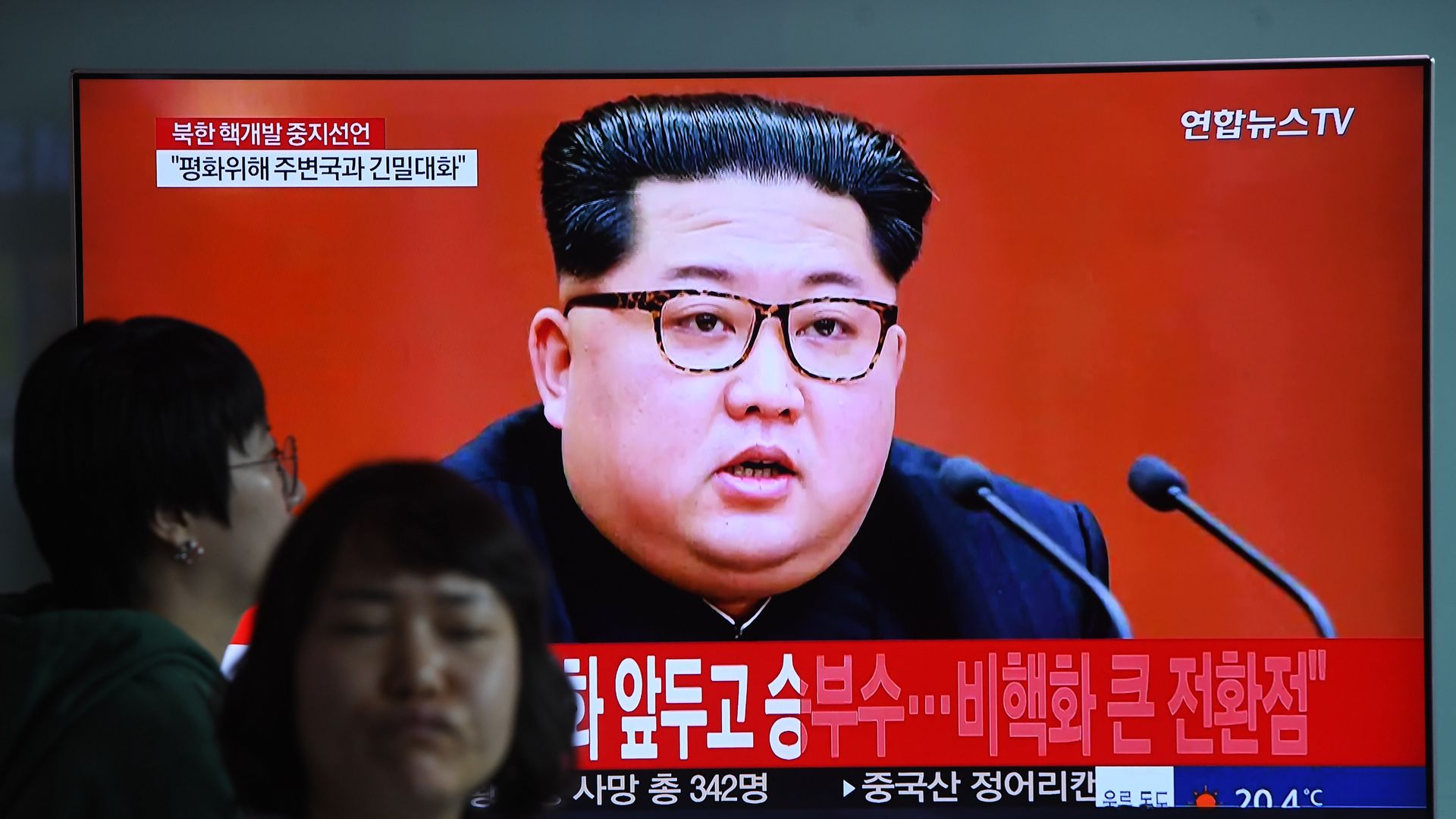
North Korea is working on one or two intercontinental ballistic missiles, according to satellite imagery and U.S. intelligence agencies, The Washington Post’s Ellen Nakashima and Joby Warrick report.
The big picture: This is not surprising. The North Koreans did not agree to any details of denuclearization and it’s to be expected that they will continue work on fissile materials while no official orders have come from Pyongyang to halt that work.
Be smart: “The new intelligence does not suggest an expansion of North Korea’s capabilities but shows that work on advanced weapons is continuing,” the Post says, but it certainly isn’t a sign of goodwill that they are indeed moving towards denuclearization.

What Saudi Arabia's position means for Trump's Israel–Palestine strategy
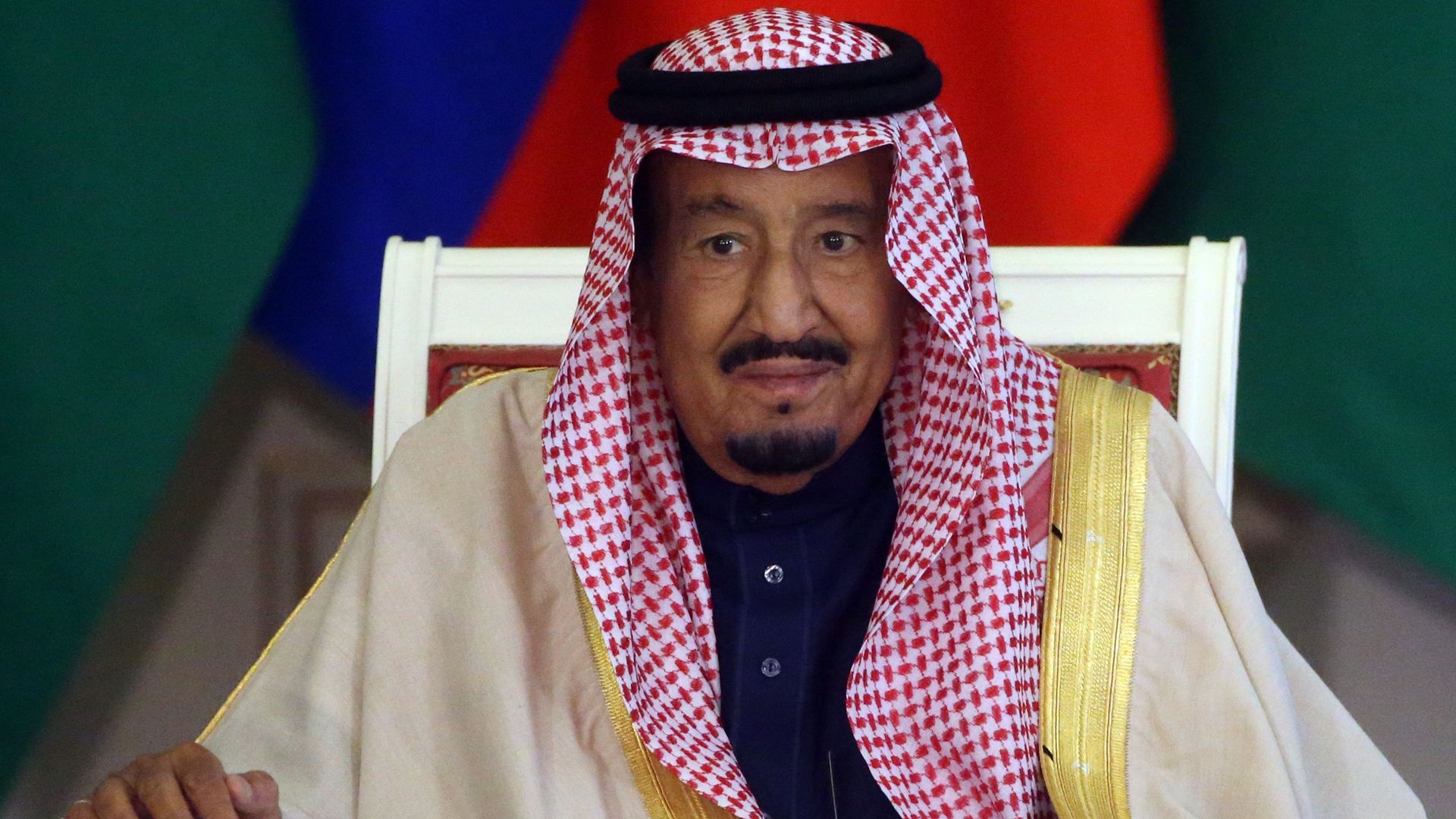
Saudi Arabia’s King Salman reportedly made clear he would not pressure the Palestinian leadership to accept the long-anticipated, not yet unveiled U.S. peace plan. Although the plan is under wraps, the bulk of available information suggests it likely will cross several Arab redlines: a lack of Palestinian sovereignty in Jerusalem’s Old City or holy sites, an open-ended Israeli security presence in the West Bank, and no evacuation of Israeli settlements.
The big picture: American officials hoped — and Palestinian leaders feared — that Riyadh would back the proposal and twist Palestinian President Mahmoud Abbas’ arm to accept it. That’s because some Saudi leaders had told U.S. counterparts that they viewed the Israeli–Palestinian conflict as an obstacle to working with Israel toward the priority goal of countering Iran. But Riyadh typically displays greater flexibility when speaking to Americans in private, and King Salman’s predictable decision to reassure the Palestinian leadership thus came as comfort to Abbas and a disappointment to the U.S. team.

U.S. economic strategy for Indo-Pacific doesn't stack up to China's
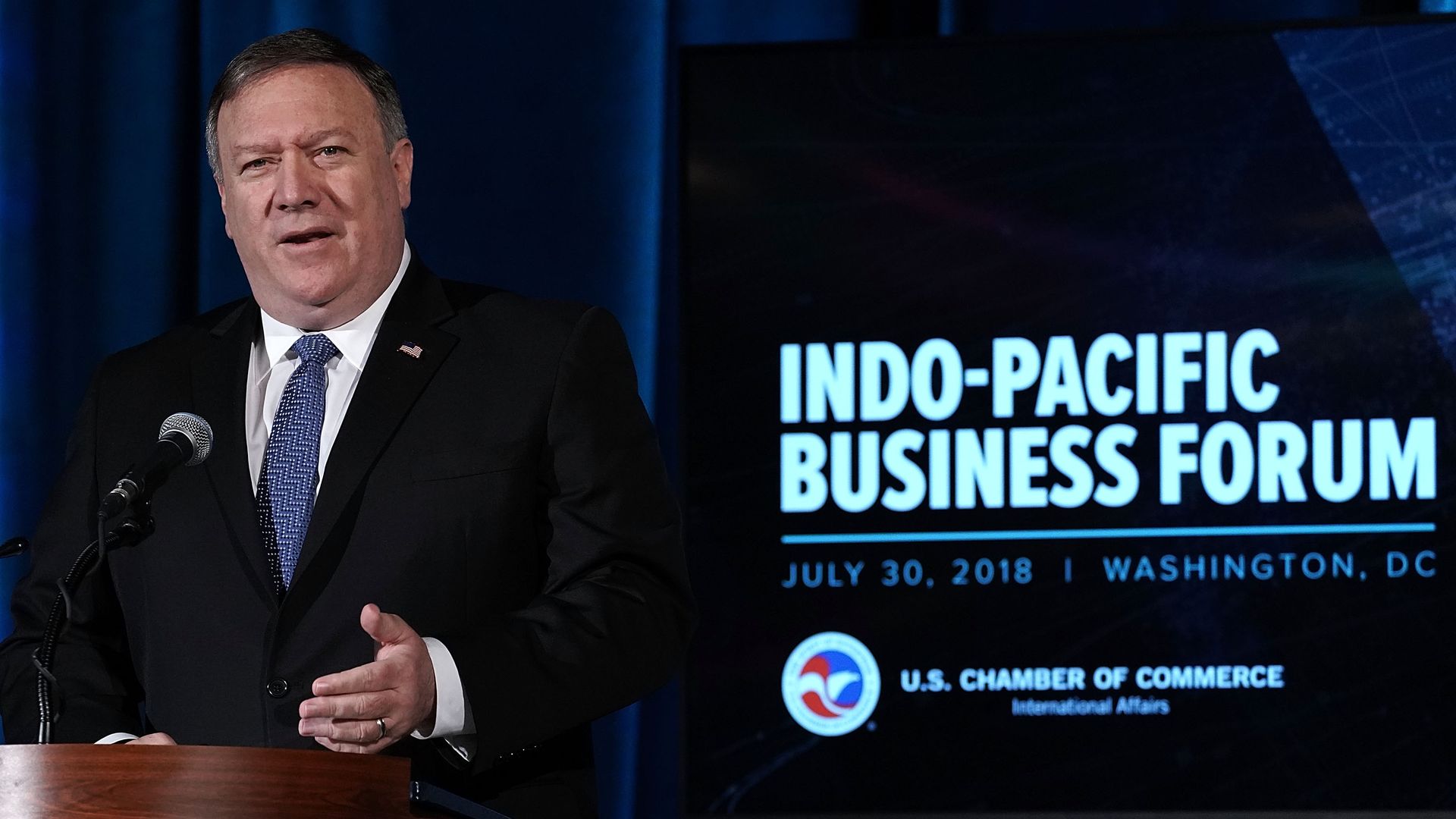
In a speech on Monday, Secretary of State Mike Pompeo rolled out the Trump administration’s long-awaited Indo-Pacific economic strategy, outlining the Trump administration’s alternative to China’s Belt and Road initiative.
The big picture: The Trump administration has made the region a centerpiece of its approach to Asia, speaking frequently about the importance of a “free and open Indo-Pacific.” Pompeo highlighted the importance of deeper U.S. engagement with this large and fast-growing economic area, but the proposed strategy falls short of the scale needed to provide credible alternatives to China’s efforts, which include increasingly prominent cases of “debt-trap” diplomacy.
Trump would meet with Iran's president with "no preconditions"
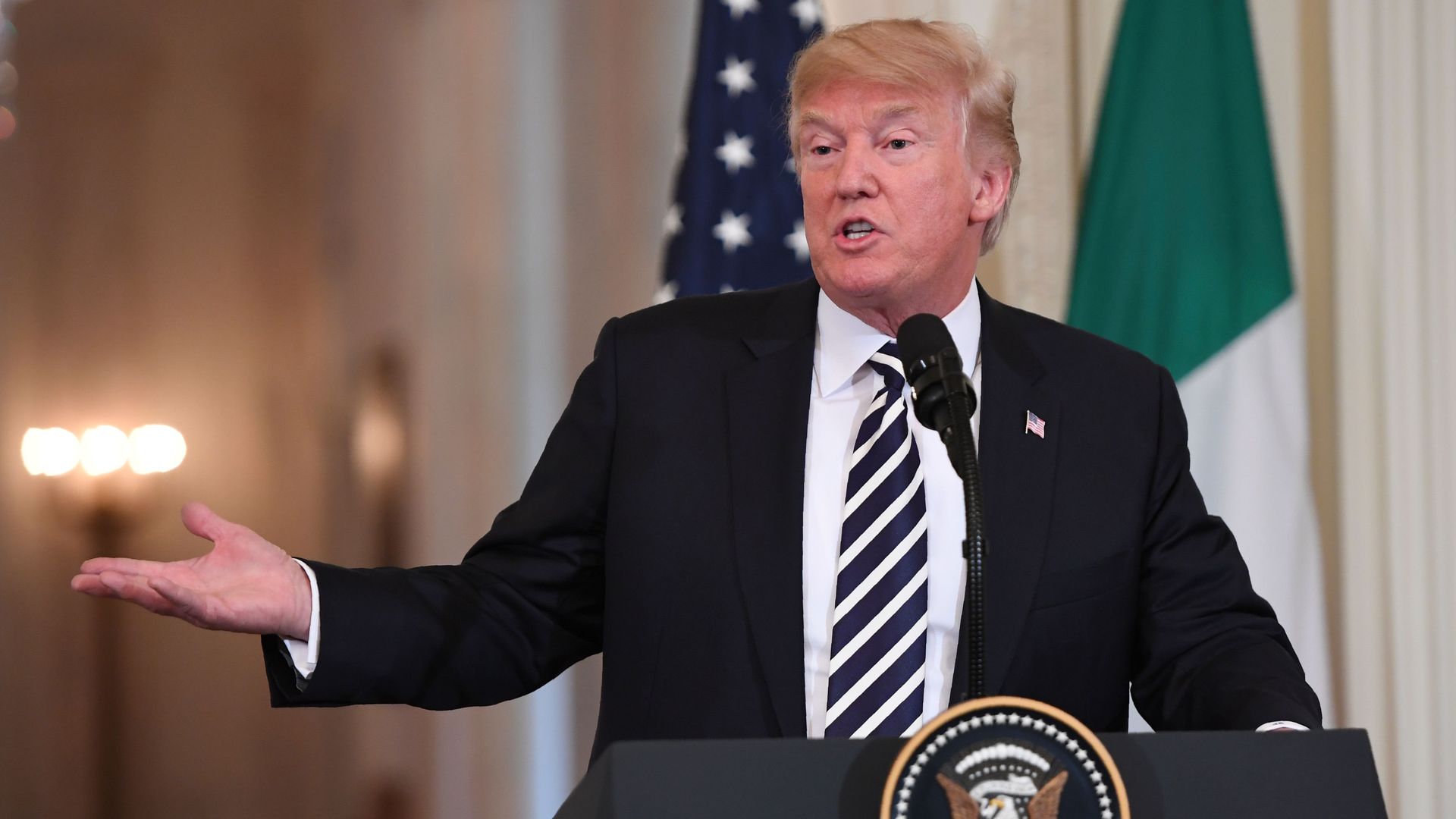
President Trump said Monday that he is willing to meet Iranian President Hassan Rouhani without preconditions.
"I believe in meeting...I had a great meeting with President Putin of Russia. ... I would certainly meet with Iran if they’re ready to meet."
Why it matters: The Trump administration has employed destabilization and delegitimization versus the Iranian regime, encouraging its citizens to pile pressure on their government and showing tacit support for regime change. Rouhani has reportedly rejected meeting in the past. Now, Trump’s willingness to meet is a stated U.S. position.

By the numbers: China’s foreign-educated students are returning home
The share of Chinese students who return home after studying abroad has spiked in the last decade, Quartz reports, citing Chinese government data.


By the numbers: In the early 2000s, only one or two of every 10 Chinese students studying abroad returned to China after graduation. In 2017, around eight in 10 students chose to go back home.
U.S. and Iran ramp up war of words ahead of sanctions
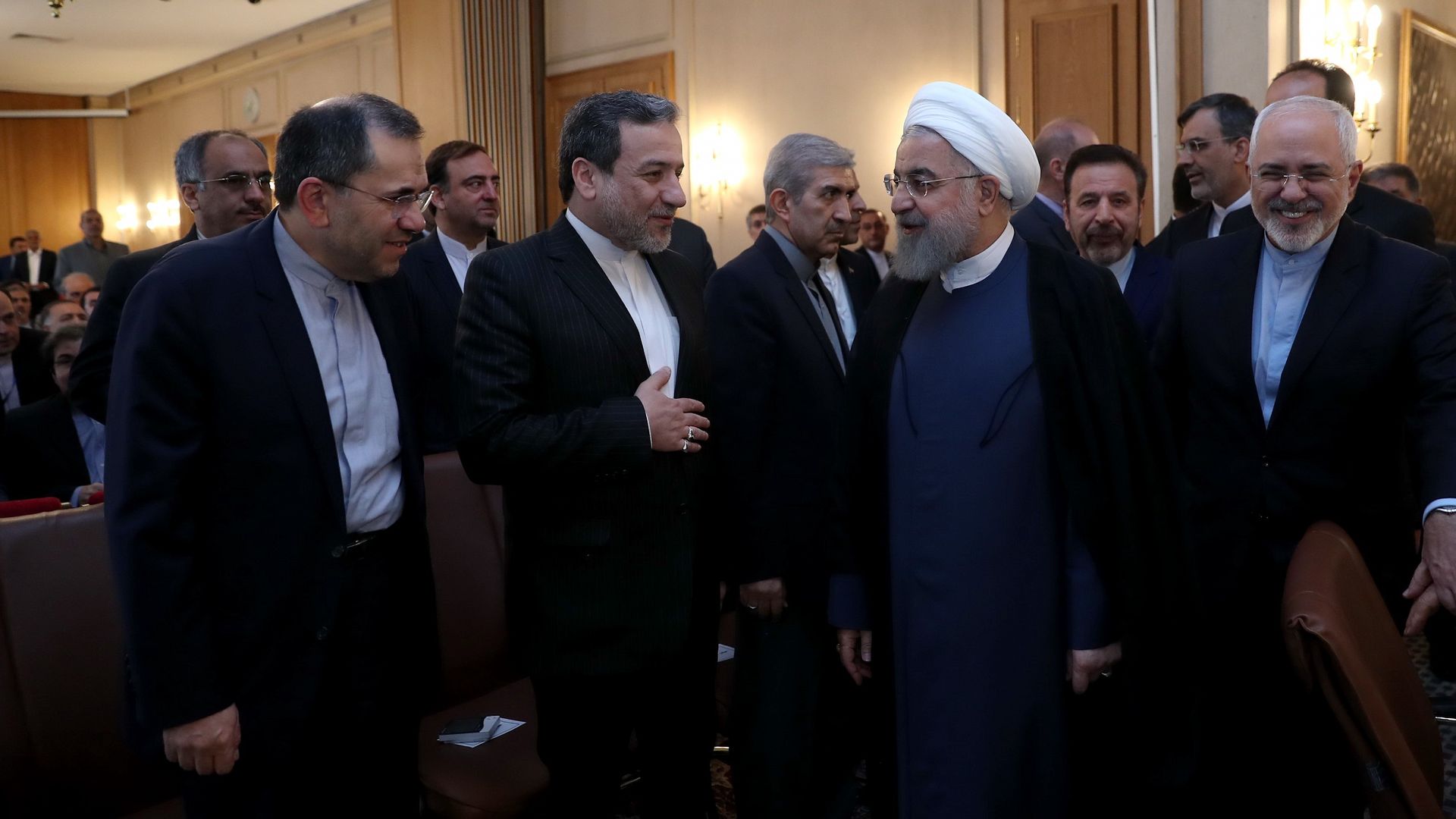
Tensions between Tehran and Washington are building as new sanctions approach on August 6, the first set since the U.S. withdrawal from the Iran nuclear deal.
Secretary of State Mike Pompeo's scathing indictment of the Iranian leadership in a July 22 speech came amid threats from President Rouhani, backed up by Supreme Leader Khamenei and Islamic Revolutionary Guard Corps commanders, which then precipitated a twin salvo of fiery counter-threats by President Trump and National Security Advisor John Bolton.
Yes, but: This doesn't mean war is imminent between Tehran and Washington. The Trump administration's strategy still centers on economic pressure, rather than military measures. And Iran's leadership is nothing if not the master of snappy responses to threats from Washington, which offer a welcome distraction from mounting economic pressures at home.

Thousands of Russians protest proposed hike in retirement age
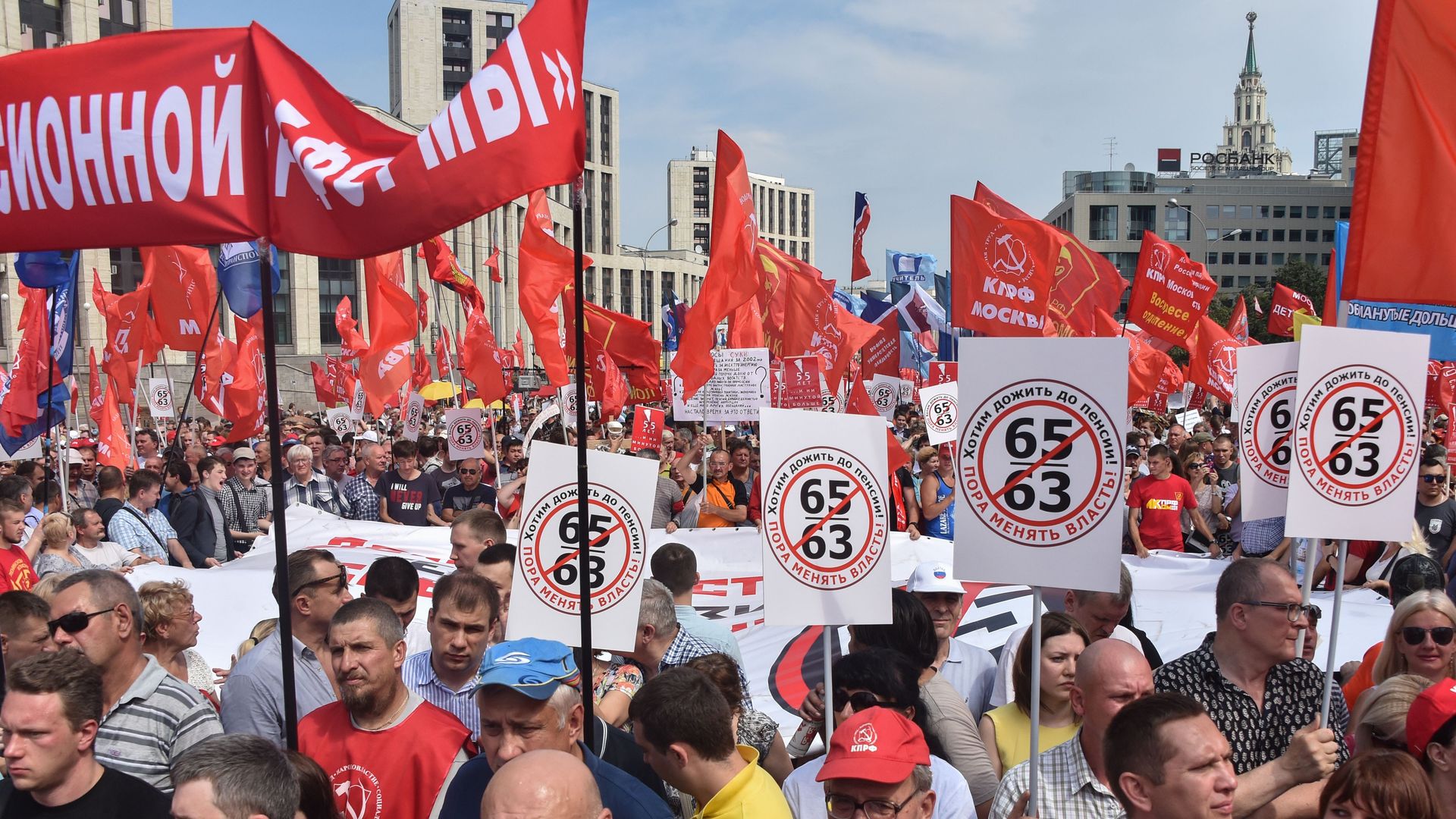
More than 6,000 Russians participated in a protest Sunday against a bill that would raise the national retirement age from 60 to 65 for men and 55 to 63 for women, reports Reuters.
Why it matters: The bill is deeply unpopular among Russians and has caused President Vladimir Putin's approval rating to drop considerably. Protestors at the rally, organized by the opposition Libertarian Party, chanted "Putin is a thief" and "away with the tsar" as they marched through the streets of central Moscow.

Palestinian teen who slapped Israeli soldiers released from prison
Ahed Tamimi, the 17-year-old Palestinian girl arrested for slapping and kicking two Israeli soldiers, has been released from prison after serving an eight-month sentence, reports the AP.
Why it matters: She became a polarizing, global figure of Palestinian resistance in December, when a video of her hitting the soldiers in retaliation for the death of her 15-year-old cousin went viral. Per the AP, she received "a hero's welcome" upon returning to her West Bank village Sunday.