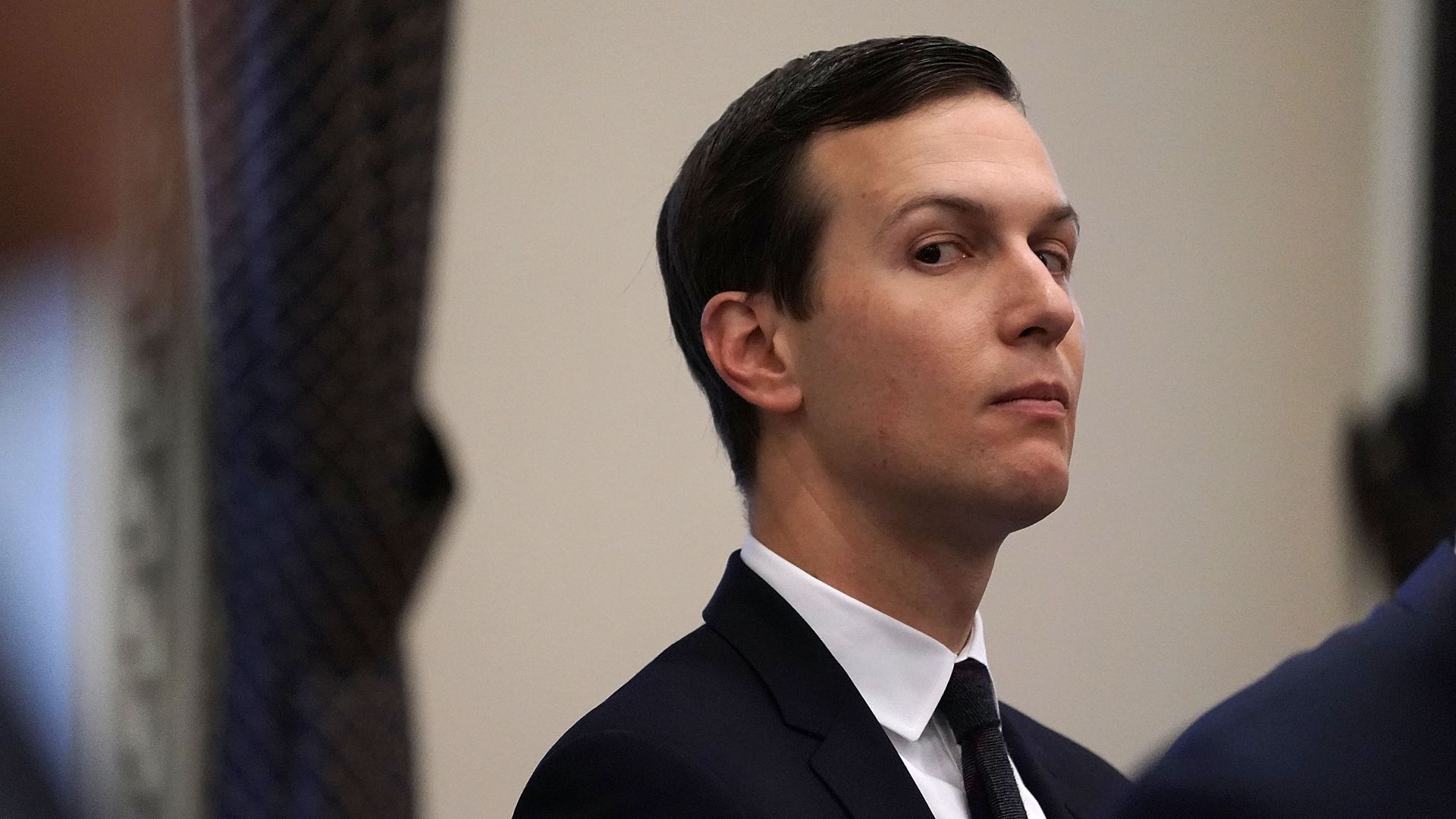
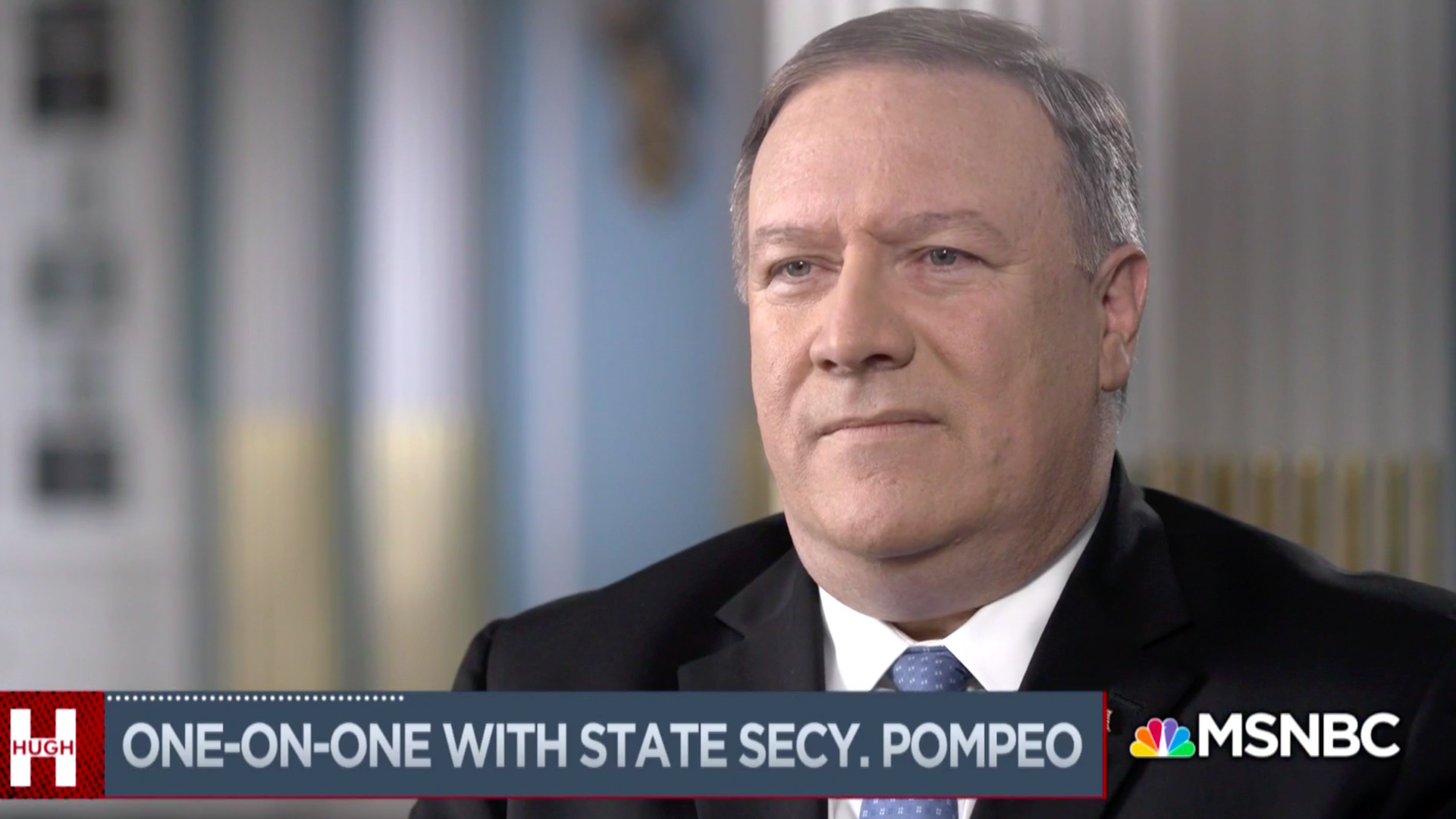
President Trump's senior adviser and son-in-law Jared Kushner, the head of the White House's Middle East peace team, gave an interview on Friday to the most popular Palestinian daily newspaper Al-Quds.
Why it matters: Set to be published Sunday morning, it's Kushner's first-ever interview on the Trump administration's peace efforts. A person familiar with the content of the interview told me that it's an attempt by the White House to talk directly to the Palestinian people before the U.S. launches its peace plan.
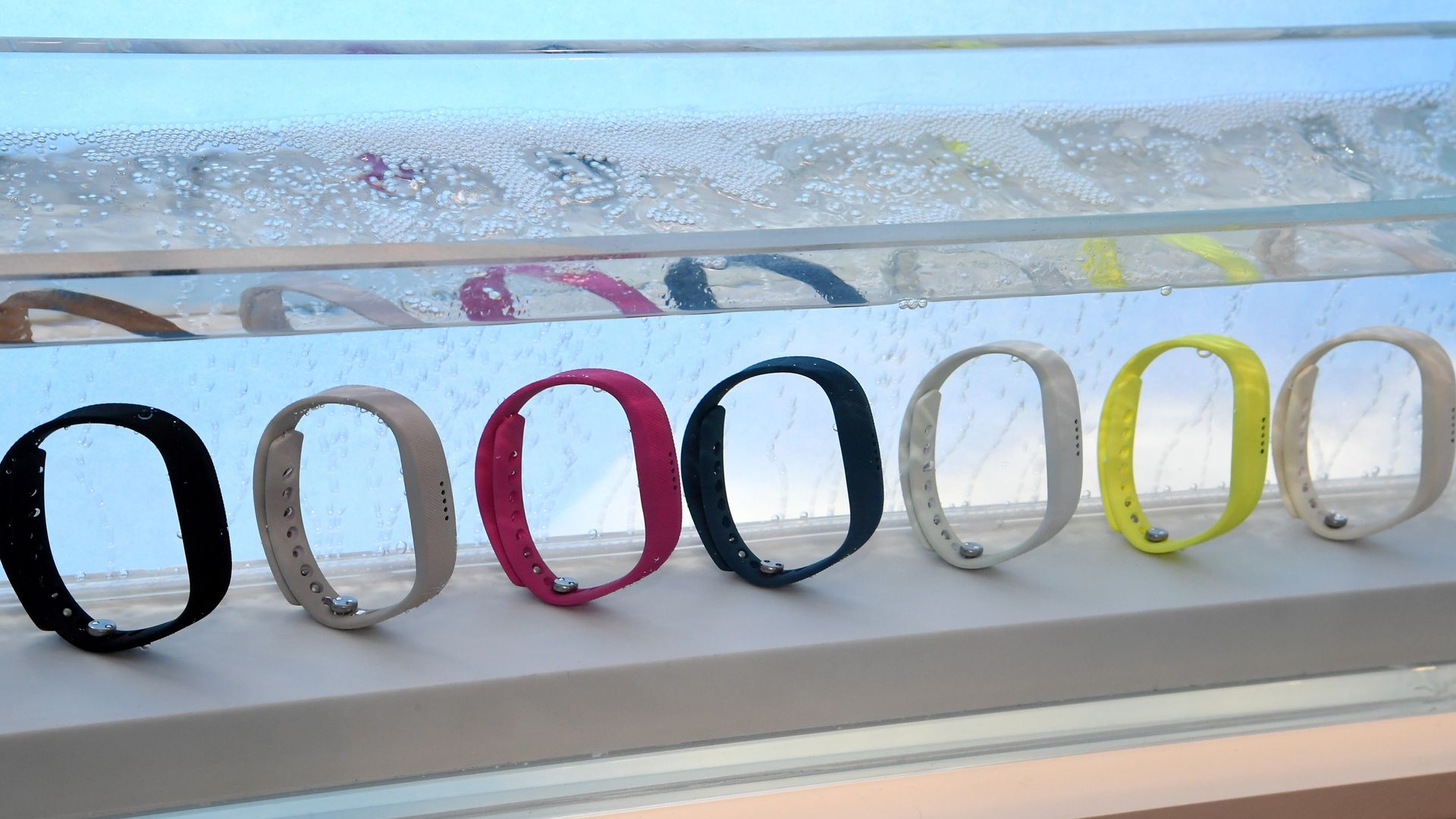
Two years after the International Trade Commission cleared Fitbit of the theft of trade secrets from Jawbone, a federal grand jury returned charges related to the case against six former and current Fitbit employees, who all previously worked for Jawbone, in a personal capacity, per Wired.
Why it matters, via Axios' Kia Kokalitcheva:The original lawsuit between the companies went nowhere, so it’s notable that the U.S. Attorney's Office has now found a reason to file criminal charges. There's added intrigue because, as Wired reports, DOJ is most interested in cases that involve exfiltration of trade secrets to other countries. However, there's not enough information provided in this indictment — save references to Chinese market analyses — to know if that's the case here.
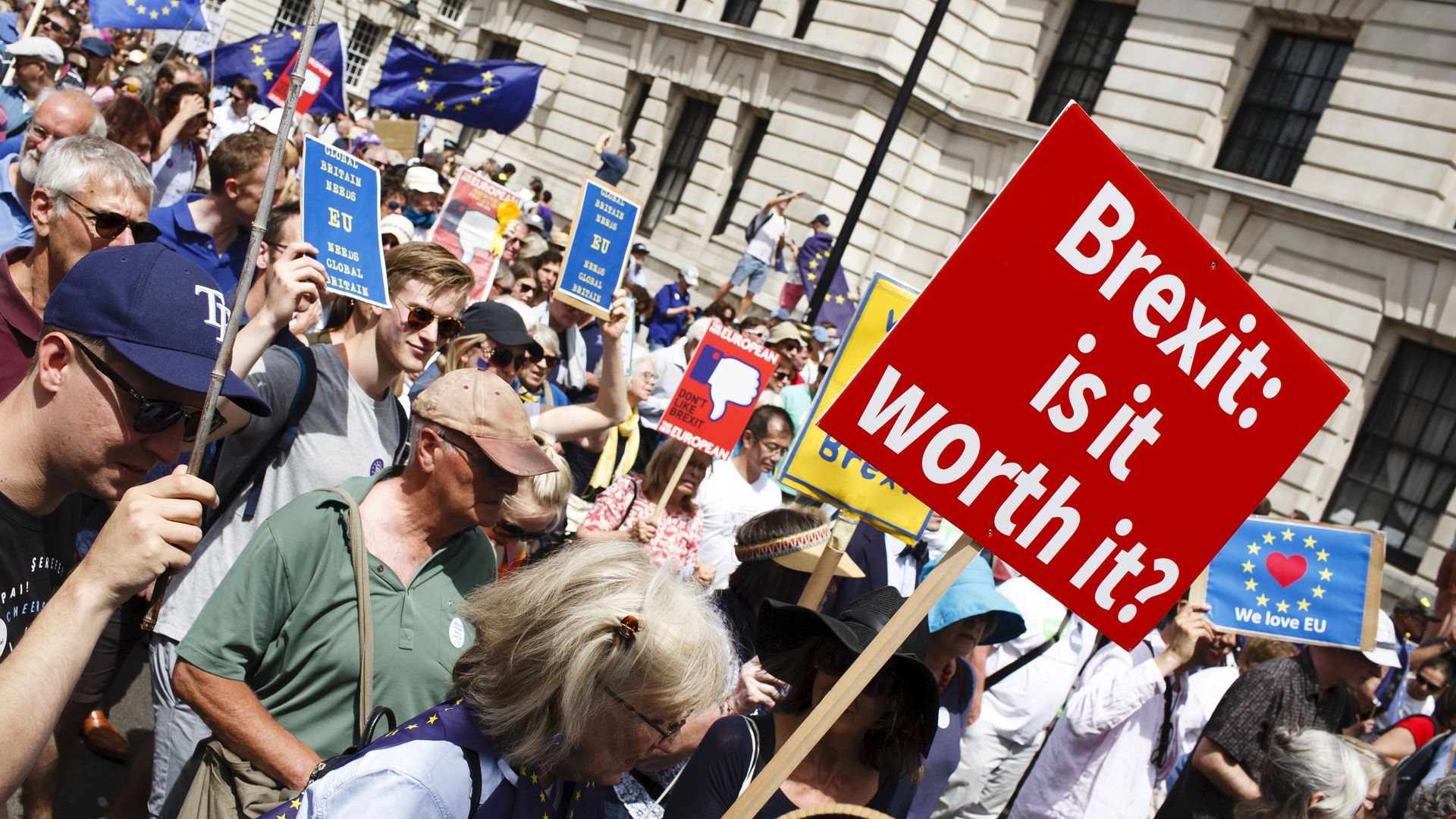
The details: The "People's Vote" campaign demands a public ballot so people "can decide if a decision that will affect our lives for generations makes the country better or worse off." A Survation poll this week shows that a majority of Britons would now vote to remain in the U.K. — and 48% of respondents said they supported a second referendum on the final Brexit deal with just 25% opposed.
With a little more than nine months to go until the United Kingdom leaves the European Union, the country is bracing for a workforce shortage that could cause companies to divest and head elsewhere.
Why it matters: It’s been two years since the Brexit vote, and Prime Minister Theresa May and the country's Conservative government are still attempting to weave legislation through the House of Commons to set the terms of Brexit. Until then, businesses will be left in limbo on what to expect for the country's industries — and some of the fallout is already taking place.
Why it matters: President Trump has had a whirlwind few months on foreign policy: pulling out of the Iran deal, executing a historic sit-down with North Korean dictator Kim Jong-un, and a combative end to the G7 summit earlier this month.
The U.S. military announced that it was moving "assets" near the border between North Korea and South Korea to prepare for the return of the remains of American soldiers killed during the Korean War, per the AP.
The big picture: The return of Korean War dead was one of the biggest successes touted by President Trump from his summit with North Korean leader Kim Jong-un earlier this month in Singapore. A military spokesman told the AP that South Korean media reports that more than 200 American caskets were set to cross into North Korea today were "completely false," adding that the military's current preparations were "still preliminary."
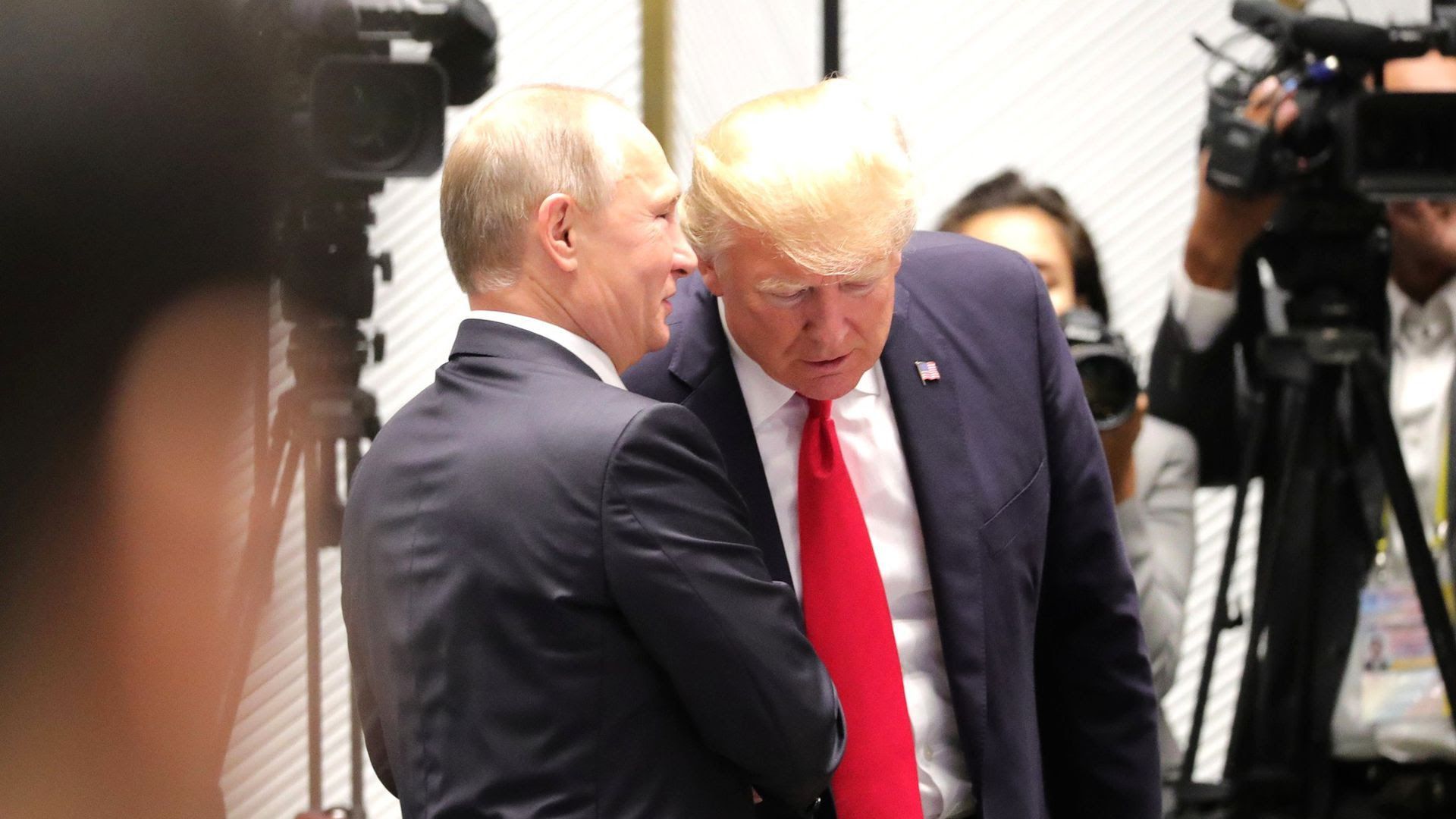
As President Trump's administration plans for a summit in Europe next month with Russia President Vladimir Putin, U.S. national-security officials tell Jonathan Swan and me that one of the most urgent issues will be Moscow's covert intrusion into American politics.
Be smart: The issue poses a significant test for Trump, who has been criticized for doing too little to respond to Russian invasions of the 2016 election. He hates talking about the subject, fearing it'll raise questions about the legitimacy of his victory. So how insistent will he be when he has his chance with Putin?
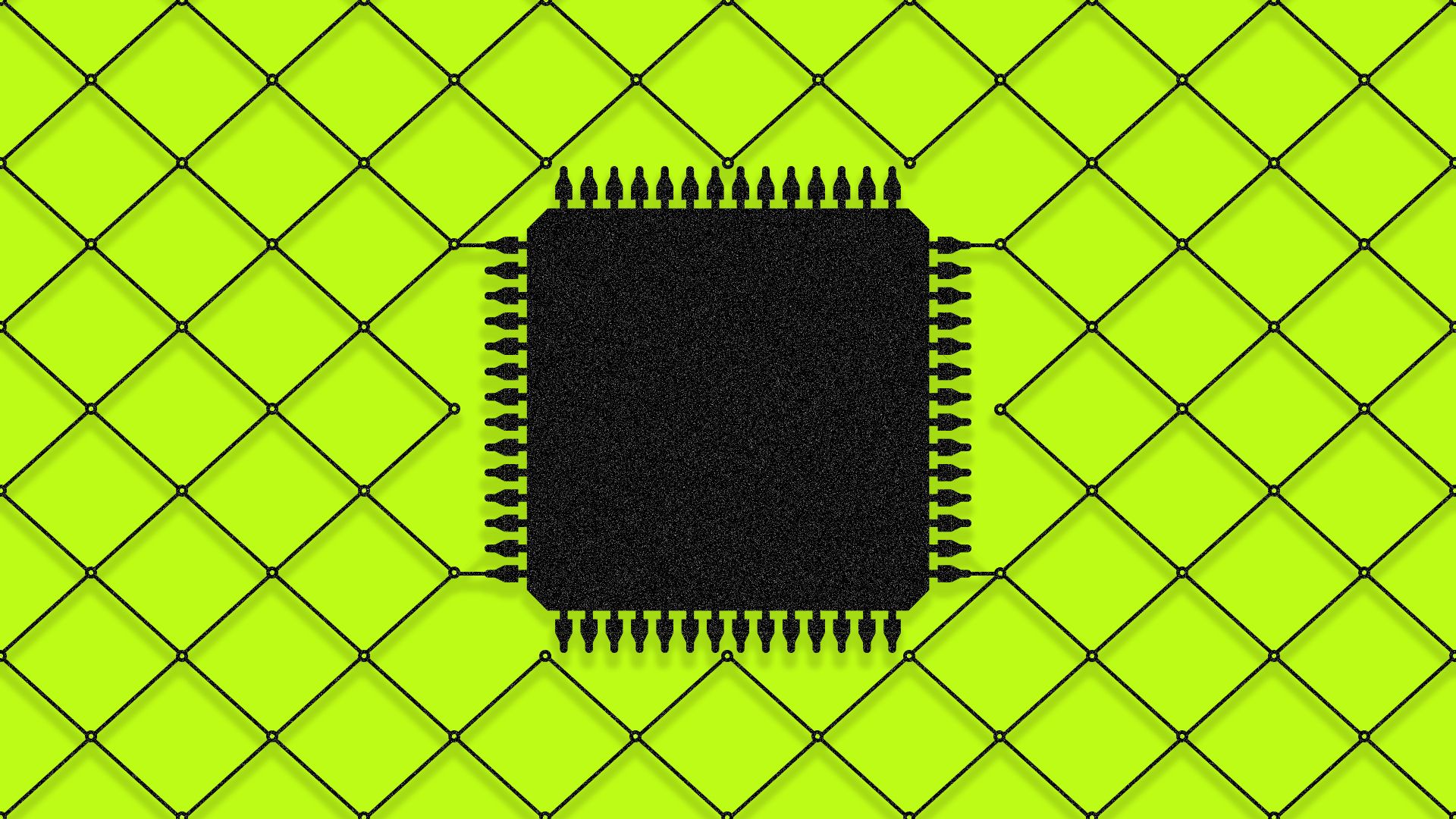
Chinese raids of U.S. intellectual property have helped China build a solid high-tech economy. But the U.S. semiconductor industry is still far ahead — and China is desperate to catch up.
The bottom line: Semiconductor manufacturers are fighting to protect IP from the Chinese, fearing that, without coherent action from the Trump administration, Beijing could bulldoze their industries.
A year ago, nearly half of Americans considered North Korea the greatest immediate threat to the United States. Today, that number has plummeted and fear of China has increased — to the point where the two nations are essentially tied, according to a new Axios/SurveyMonkey poll.
Why it matters: Chinese President Xi Jinping has bluntly outlined his vision to take his country to superpower status by 2020, knocking out the U.S. in the process. And the two nations' recent clashes in trade, national security, and tech have made Americans fear China as much as a rogue nuclear power headed by a dynastic, autocratic leader.