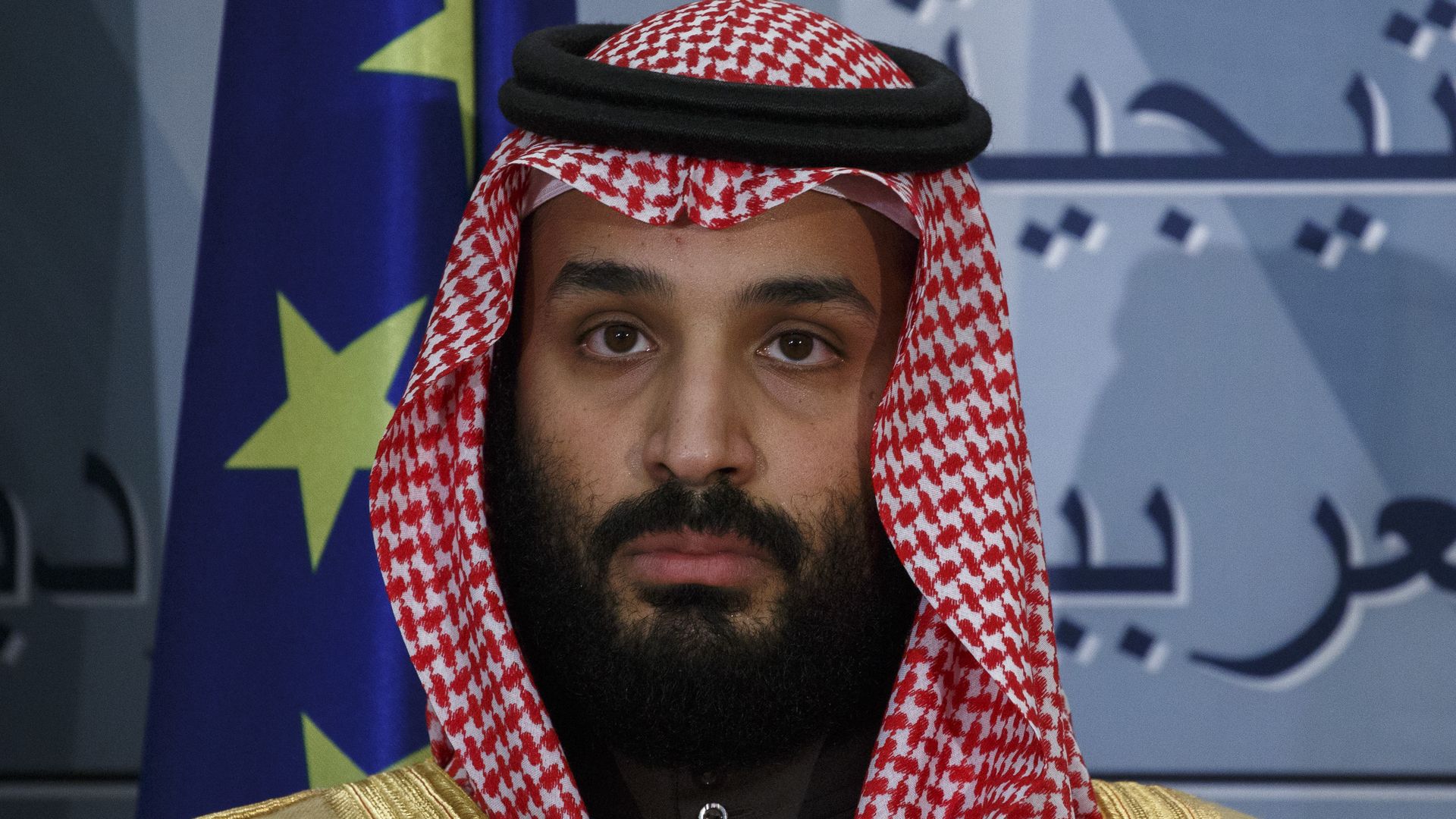
In a closed-door meeting with heads of Jewish organizations in New York on March 27th, Saudi Crown Prince Mohammed Bin Salman (MBS) gave harsh criticism of Palestinian President Mahmoud Abbas (Abu Mazen), according to an Israeli foreign ministry cable sent by a diplomat from the Israeli consulate in New York, as well three sources — Israeli and American — who were briefed about the meeting.
The bottom line ofthe crown prince's criticism: Palestinian leadership needs to finally take the proposals it gets from the U.S. or stop complaining.
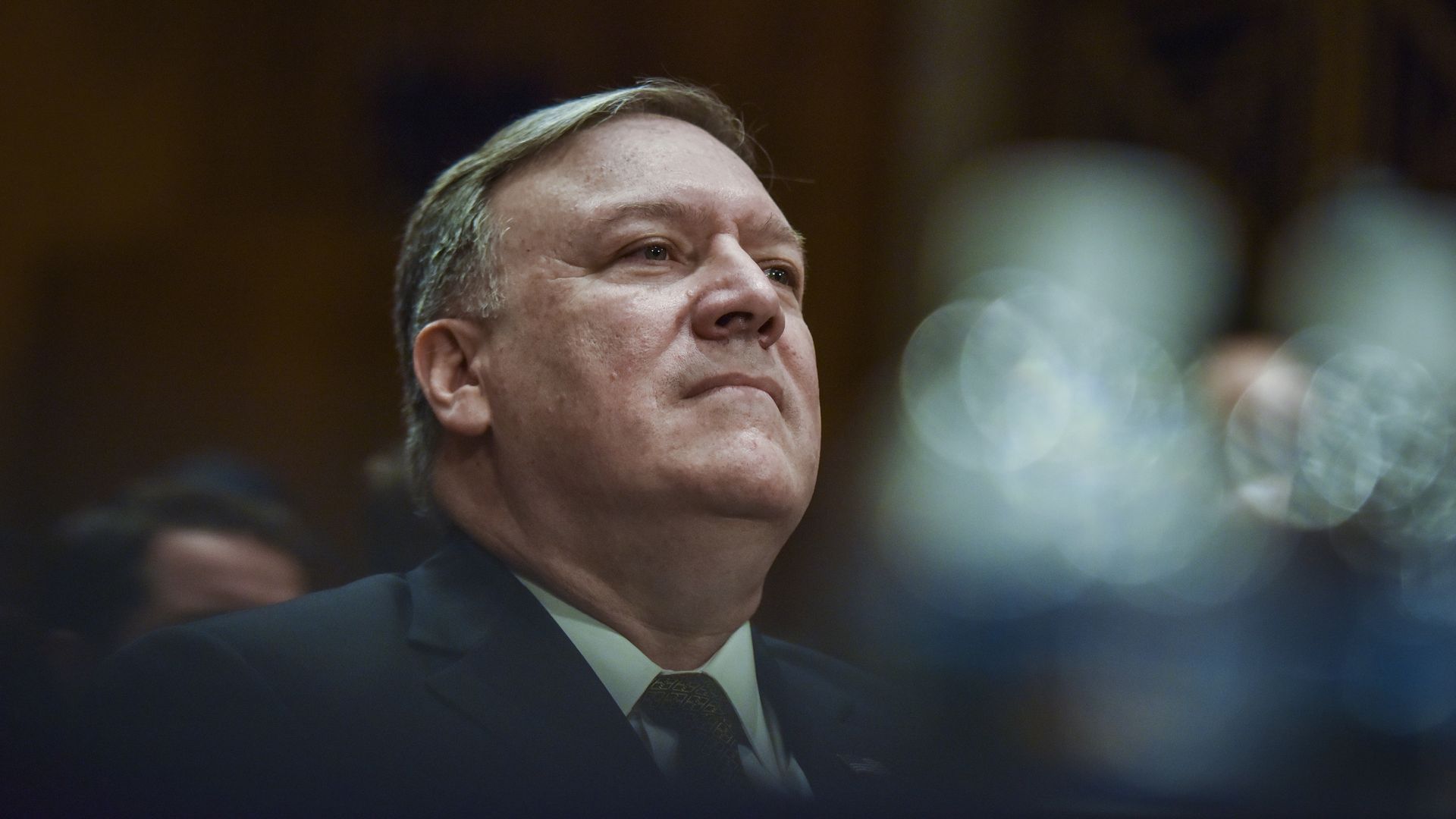
At a press conference with Israeli Prime Minister Benjamin Netanyahu, newly-confirmed Secretary of State Mike Pompeo made clear President Trump's intention to withdraw from the Iran nuclear deal if significant changes are not made. Trump has set May 12th as the deadline to reach a new agreement with France, Germany and the U.K.
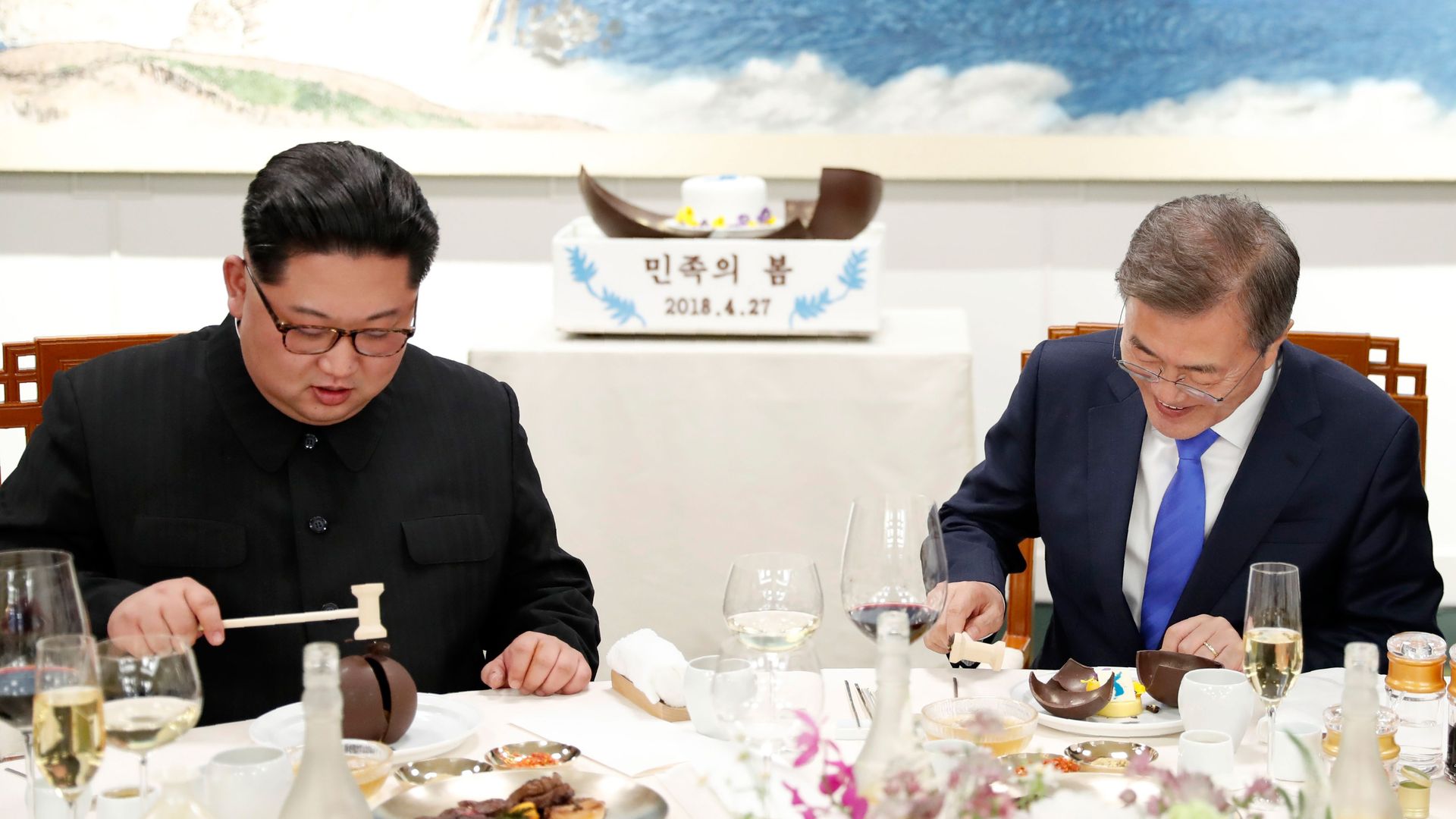
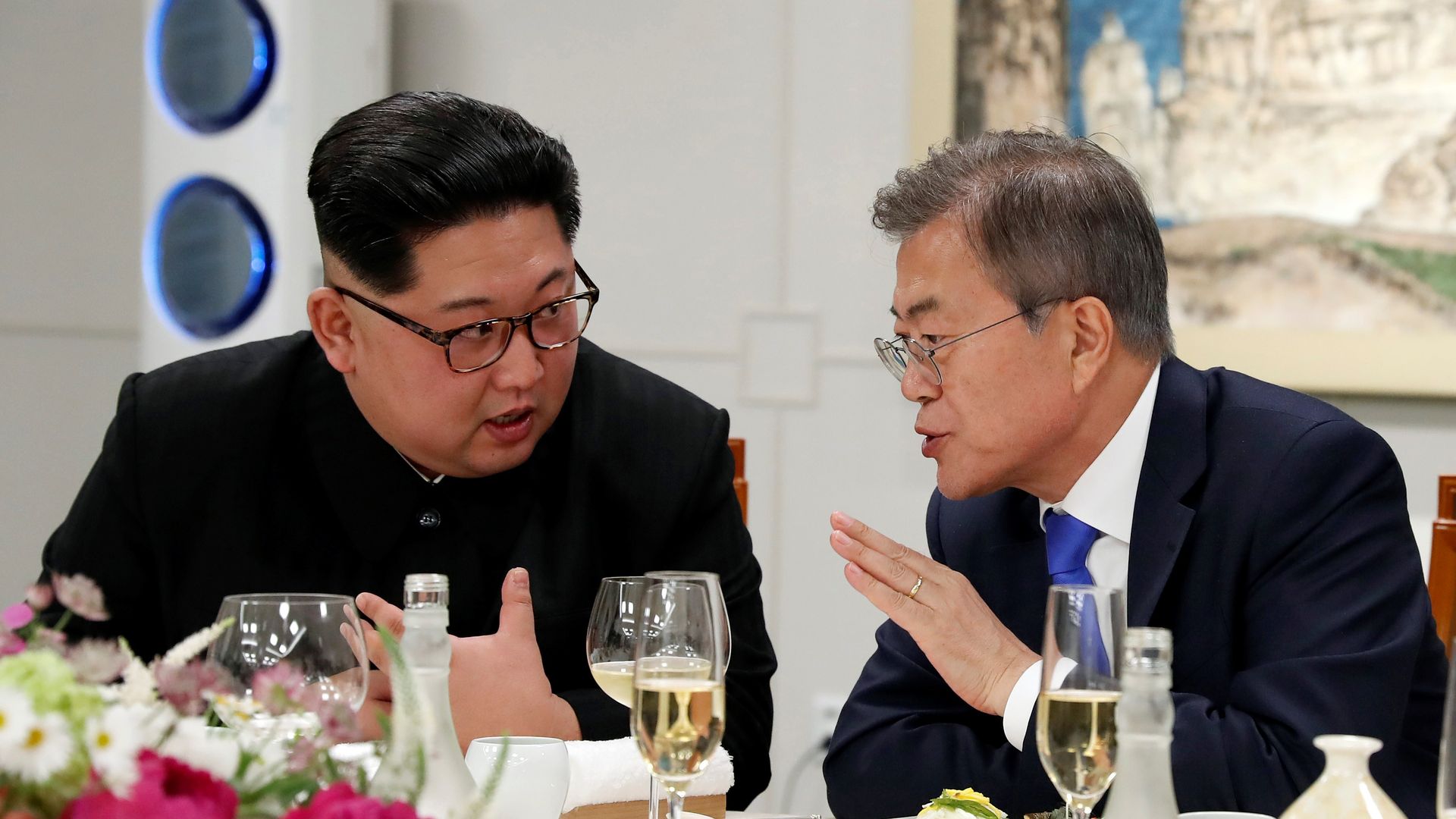
"North Korea’s leader, Kim Jong-un, told President Moon Jae-in of South Korea when they met that he would abandon his nuclear weapons if the United States would agree to formally end the Korean War and promise that it would not invade his country, a South Korean government spokesman said," reports the N.Y. Times.
Why it matters: Axios future editor Steve LeVine, a foreign correspondent who covered the aftermath of the Soviet Union for The Wall Street Journal, said this morning's reporting reminds him of the pivotal year 1985 in the Soviet Union.
Anchoring ABC's "This Week," Jonathan Karl asked Secretary of State Mike Pompeo, by satellite from Saudi Arabia, if he can really trust anything that comes out of a meeting with North Korea's Kim Jong-un.
"This administration has its eyes wide open. We know the history. We know the risks. We’re going to be very different. We’re going to negotiate in a different way than has been done before."
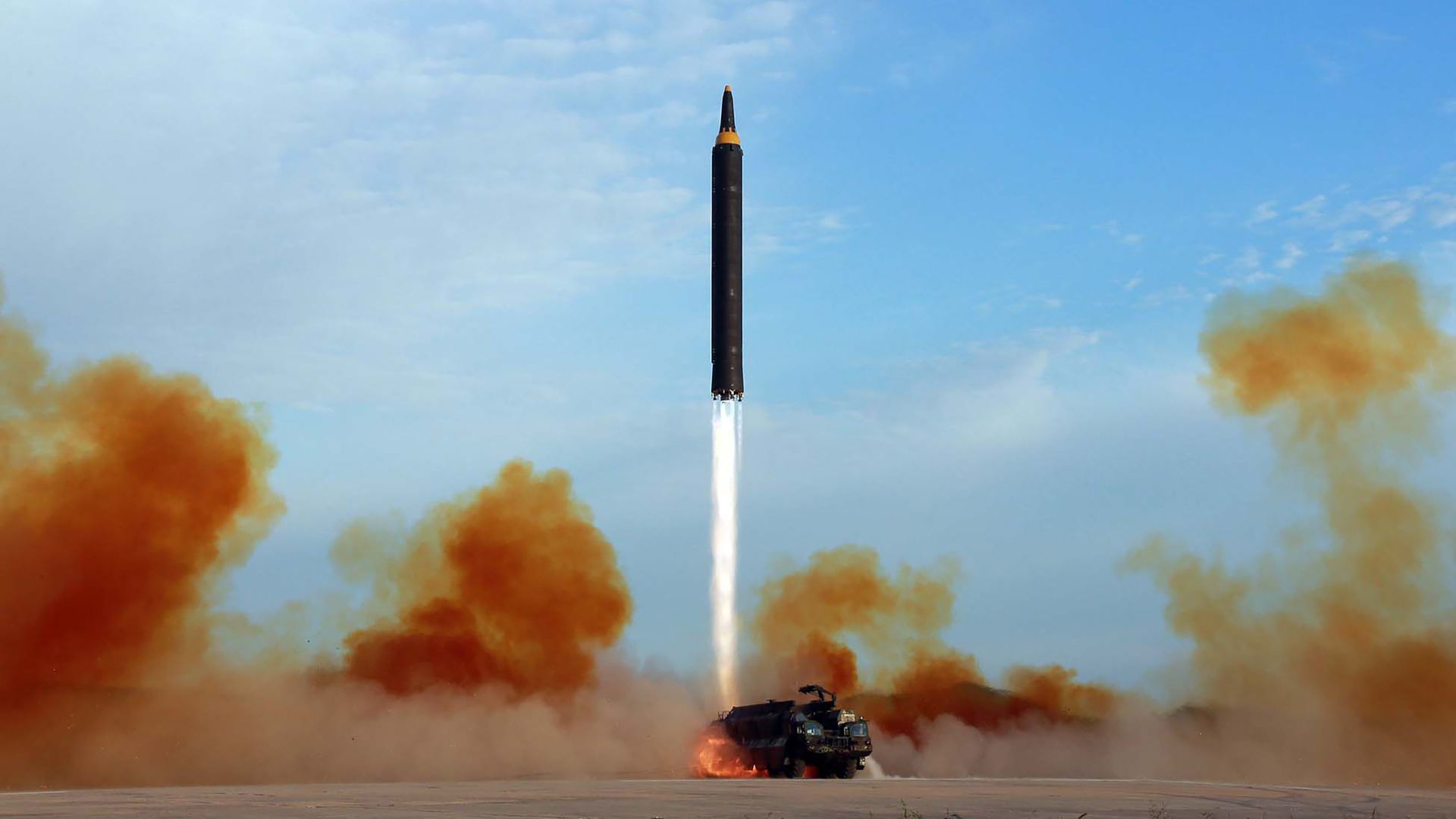
North Korean leader Kim Jong-un reportedly told South Korean President Moon Jae-in "that he would carry out the closing of the nuclear test site in May," reports AFP citing Moon's spokesman.
The details: The spokesman told reporters that North Korea will invite experts from South Korea and the U.S. to witness the closure "to disclose the process to the international community with transparency." Kim is sticking to a promise made earlier this month when he announced the country would stop nuclear missile testing and had plans to close a testing site, explaining that “[t]he nuclear test site has done its job.”
Newly sworn-in secretary of state, Mike Pompeo, is spending his second full day on the job in Riyadh, Saudi Arabia, campaigning for support from Middle Eastern nations on new Iran sanctions.
What they're saying: “We are urging nations around the world to sanction any individuals and entities associated with Iran’s missile program, and it has also been a big part of discussions with Europeans,” policy advisor traveling with the secretary, Brian Hook, told Reuters reporters. “Iran’s missiles prolong war and suffering in the Middle East, they threaten our security and economic interests and they especially threaten Saudi Arabia and Israel,” he added.
President Trump and North Korean dictator Kim Jong-un will be meeting in either Singapore or Mongolia, according to CBS News.
The backdrop: Trump tweeted on Saturday morning that he "had a long and very good talk with President Moon of South Korea. Things are going very well, time and location of meeting with North Korea is being set. Also spoke to Prime Minister Abe of Japan to inform him of the ongoing negotiations."
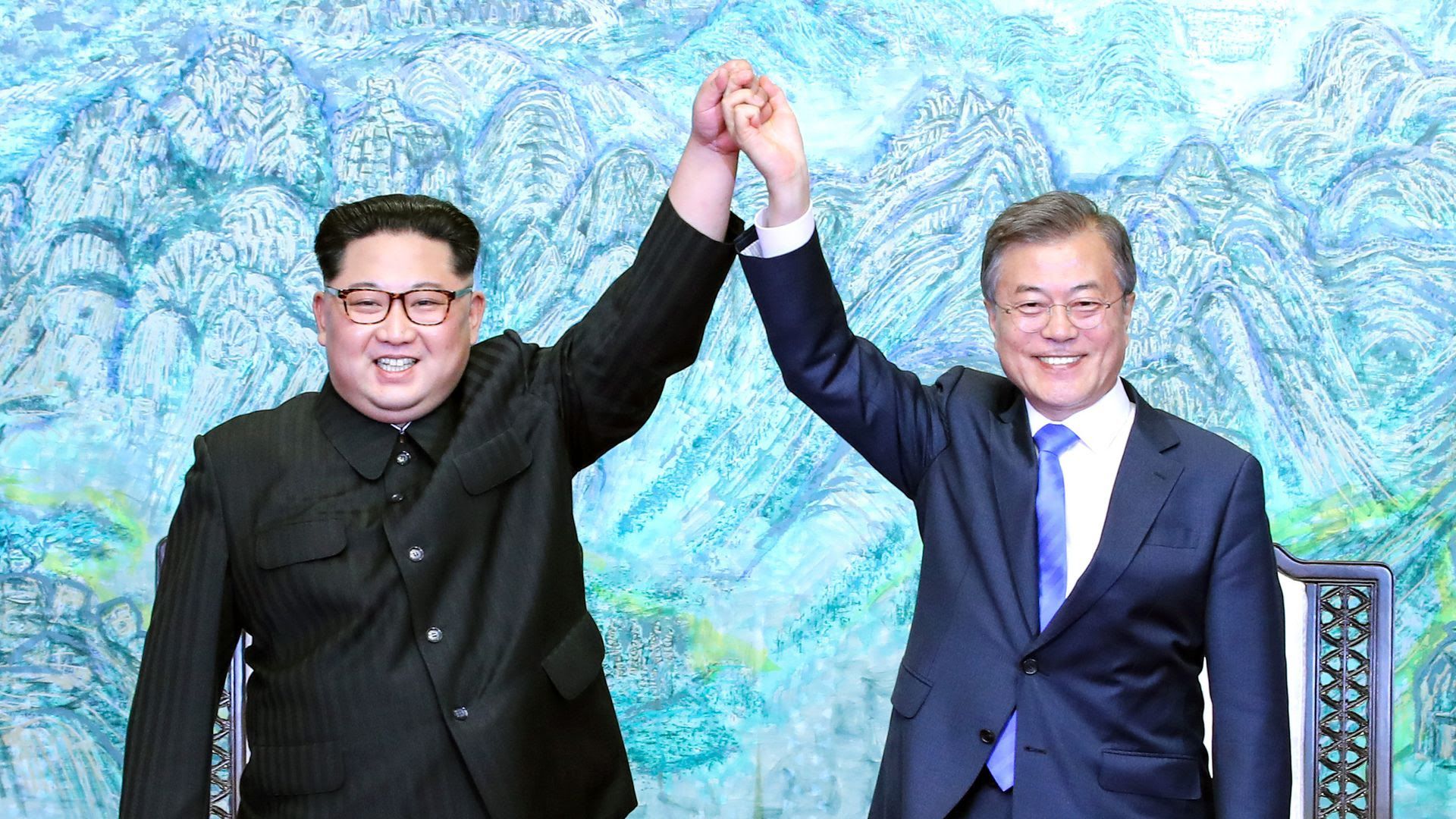
By the end of this week's joint summit, the two Koreas laid a foundation on which to build permanent peace on the Korean Peninsula. Paradoxically, however, the Panmunjom Declaration has left skeptics more skeptical and optimists more optimistic.
What's next: A key challenge for negotiators going forward is to lay out a game plan with tangible benchmarks to maintain diplomatic momentum. Each level in such a plan will be more complex than the previous one.
The two Koreas' "new era of peace" raises the bar for President Trump's summit with North Korea: He'll go in with credit and momentum, but now will want an even splashier accomplishment than yesterday's path to officially ending the Korean War.
Why it matters: "This Korea summit sets the baseline — no war — and puts it on DJT and the summit with [Kim Jong-un] to pry the weapons out of the [North Korean] leader's hands," says Victor Cha, Korea chair at the Center for Strategic and International Studies.