Thursday's world stories

Trump administration slaps new sanctions on Iran
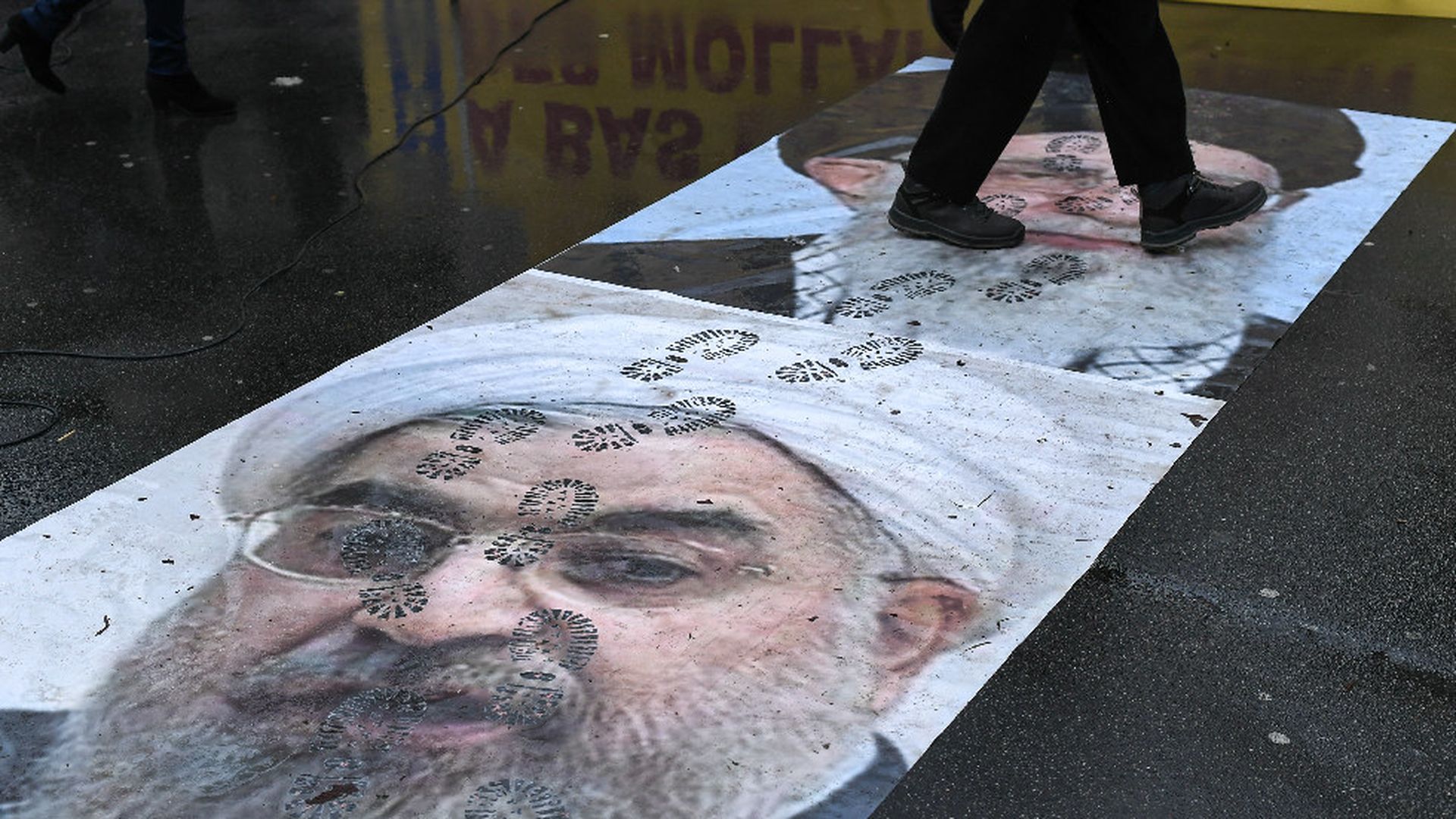
The U.S. Treasury Department announced today it's placing new sanctions against five Iranian entities over ties to the country's ballistic missile program and said that "additional sanctions targeting human rights abuses would be forthcoming."
Why it matters: The timing. In less than two weeks Trump will have to decide whether to waive economic sanctions as they relate to the the 2015 nuclear deal, which eased the sanctions in exchange for Iran backing off its nuclear weapons aspirations. Trump will also have to decide whether to re-certify the deal.
Go deeper: The move also comes amid Iranian citizens' backlash and protests against the government.
Mattis: U.S. to delay military drills near North Korea
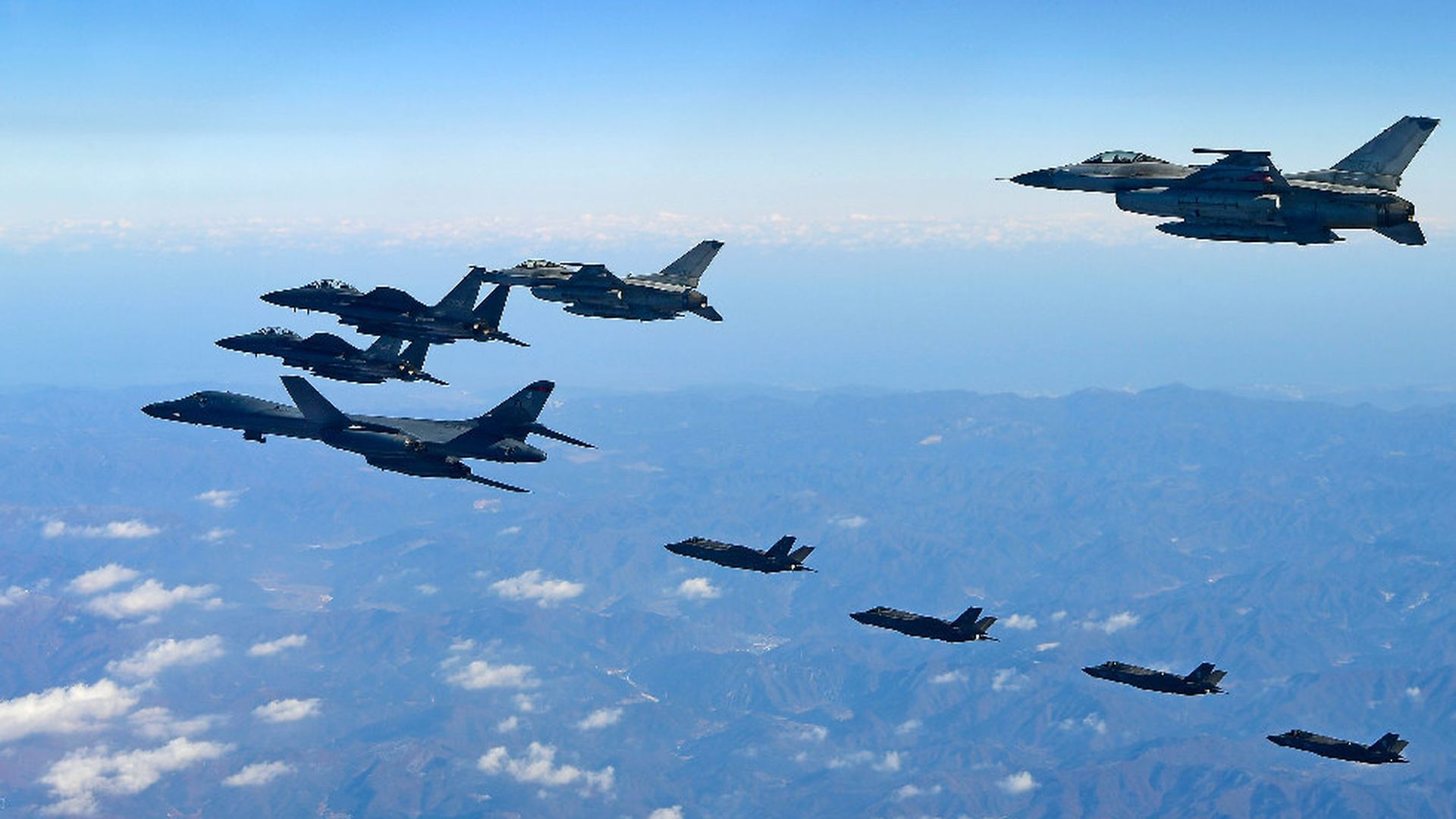
U.S. Defense Secretary Jim Mattis told reporters that the U.S. will be delaying joint military exercises with South Korea through March 18 until after the Paralympics, NBC News' Hans Nichols reports.
Why it matters: North Korea views the drills as practice for invasion, and this will likely ease some tensions for now between the U.S. and the DPRK.
Iran's Revolutionary Guard claims protests are over
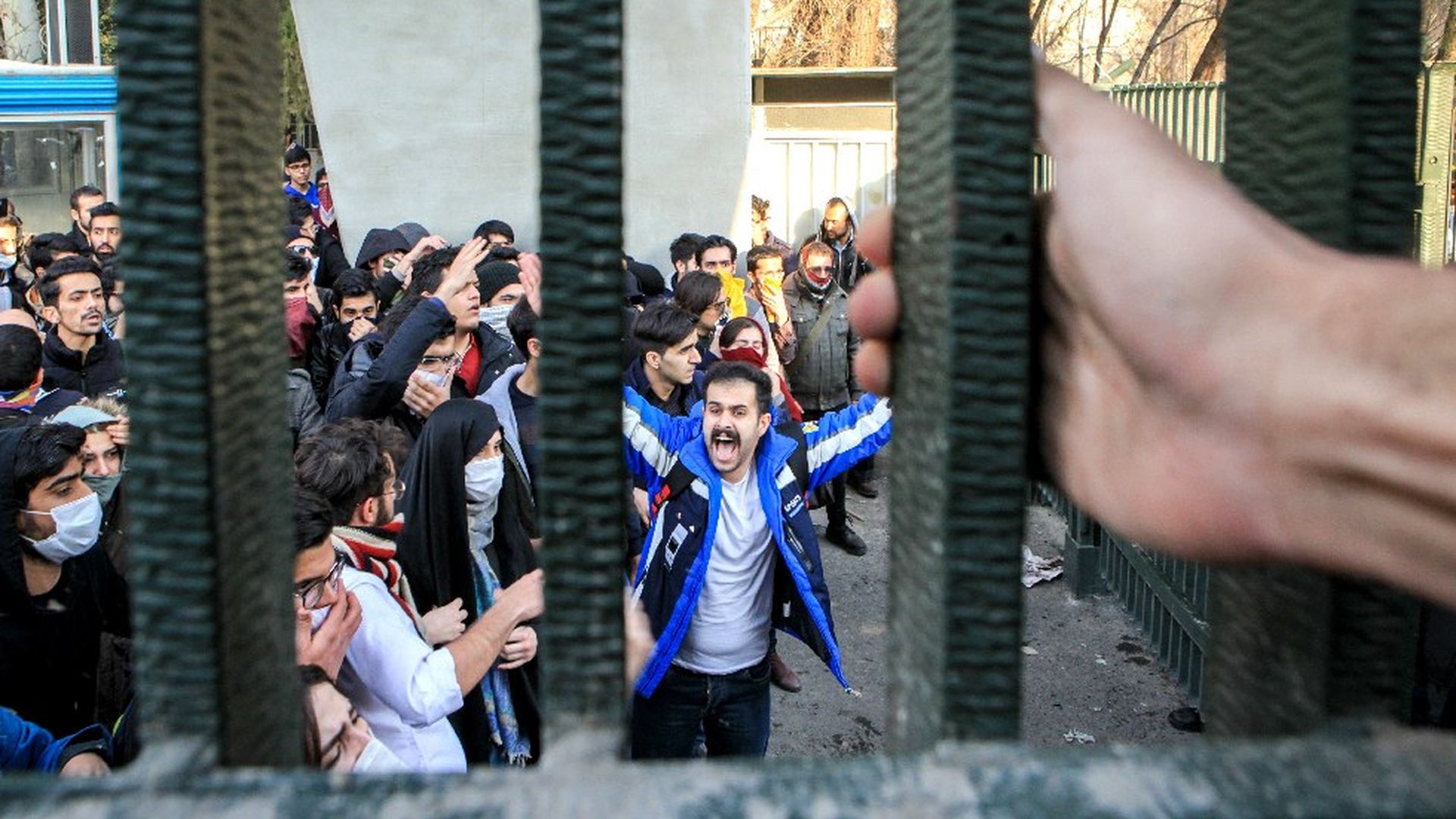
Mohammad Ali Jafari, the head of the IRGC, claimed without evidence Wednesday that protests against Iran's leadership and economic policies are over and the main "troublemakers" have been arrested, per CNN. 450 people have been arrested, per CNN, while 21 have died.
Why it matters: The IRGC is likely warning the protests must stop and "if they don't, the big guns will come out," Mara Karlin a Brookings fellow who has served in national security roles for five U.S. secretaries of defense, tells Axios. Per CNN, it remains to be seen whether the clashes are truly over, as protests are often staged after Friday prayers.

Rural Iran turns on its hardline regime
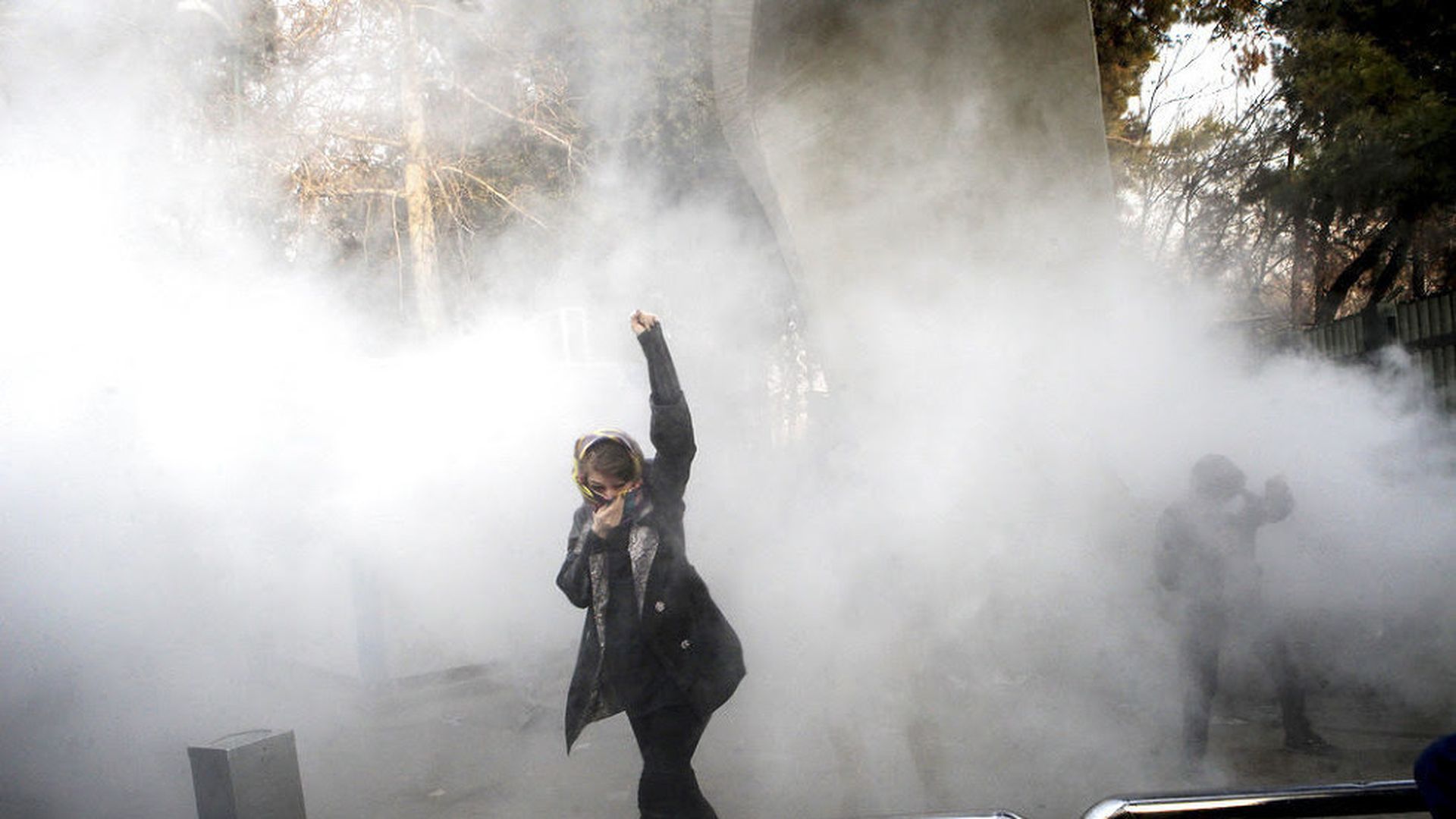
"For decades, those living in Iran's provincial towns and villages were regarded as the backbone of the country's Islamic regime. They tended to be conservative, averse to change and pious followers of the sober Islamic lifestyle promoted by the state," N.Y. Times Tehran bureau chief Thomas Erdbrink writes:
"In less than a decade, all that has changed. A 14-year drought has emptied villages, with residents moving to nearby cities where they often struggle to find jobs. Access to satellite television and, more important, the mobile internet has widened their world."
Be smart: These small town have now led a rolling uprising that has thrown Iranian politics and life into chaos. And they have done the unthinkable: unified a lot of America leaders in cheering them on.

North Korea and South Korea use hotline for first time since 2016
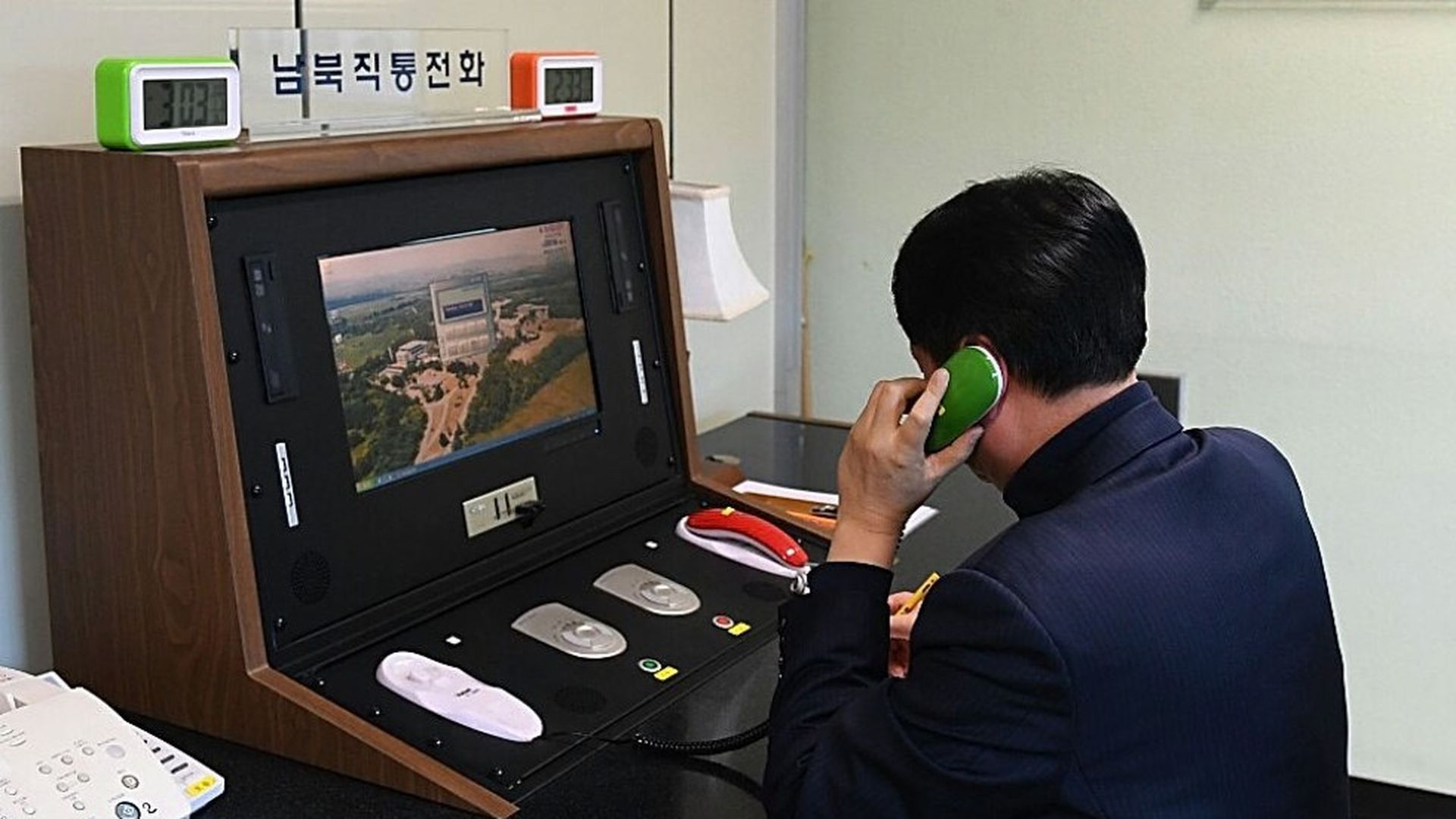
North Korea and South Korea spoke directly today on a phone line that hadn't been used since 2016, per CNN. The rare diplomatic contact — initiated by the North — comes after North Korean leader Kim Jong-un expressed a desire for his country's athletes to take part in next month's Winter Olympics in Pyeongchang, South Korea.
Why it matters: Any contact between the two nations is a positive sign, especially after a war of words on Twitter that featured President Trump threatening a nuclear exchange against the North. This development plays into South Korean President Moon Jae-in's hope that the Pyeongchang Games could bring about positive movements toward peace between the two Koreas.