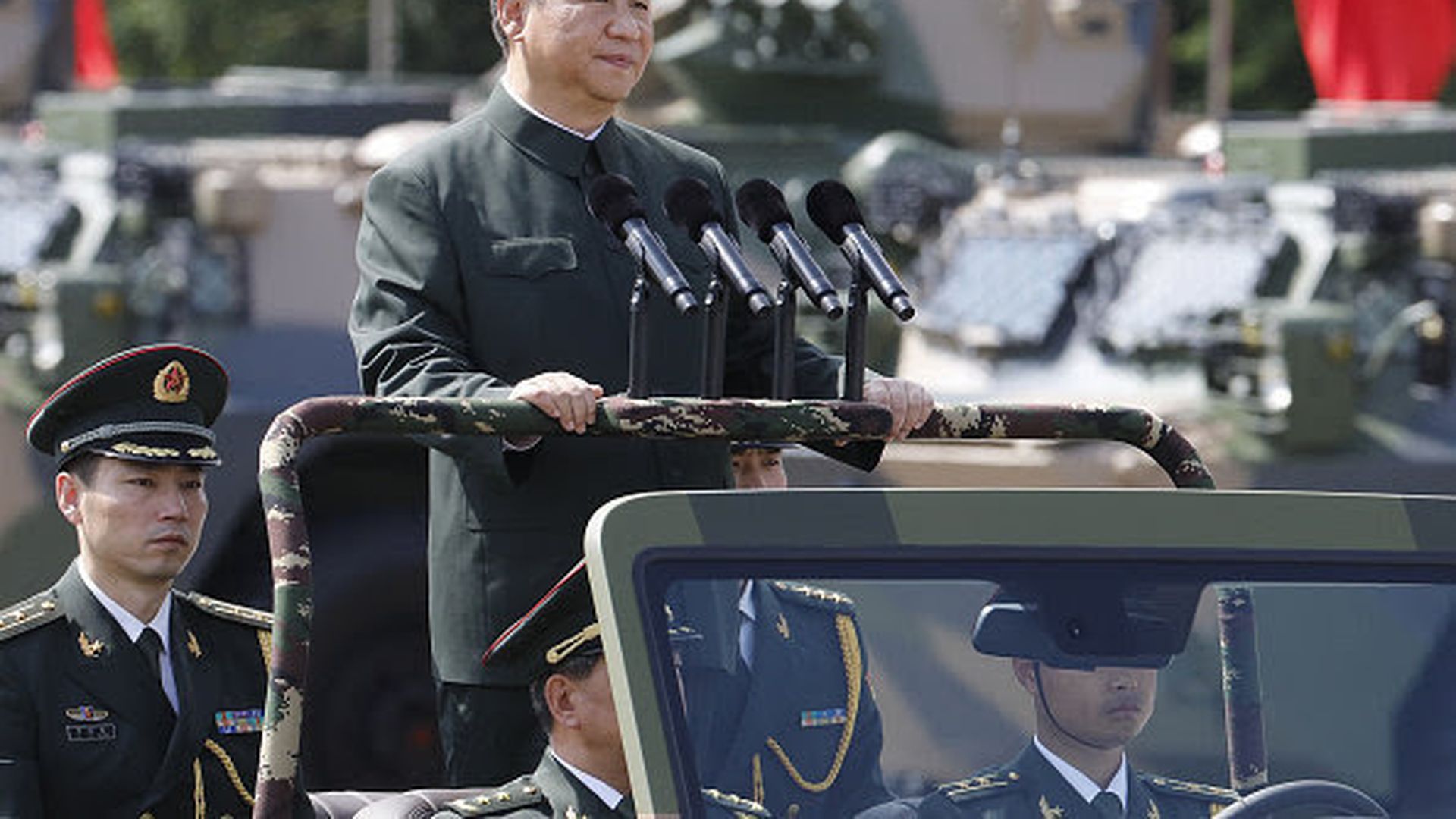
Chinese President Xi Jinping convened a military mobilization meeting on Wednesday — the first ever for the entire Chinese armed forces. PRC media reports showed Xi in battle dress addressing the troops, looking at a tank, and peering through the sights of an automatic weapon.
Quick take: Xi has undertaken the most ambitious reform of the military in decades, and in spite of resistance at the start, he looks to have largely won the political battles over those reforms.
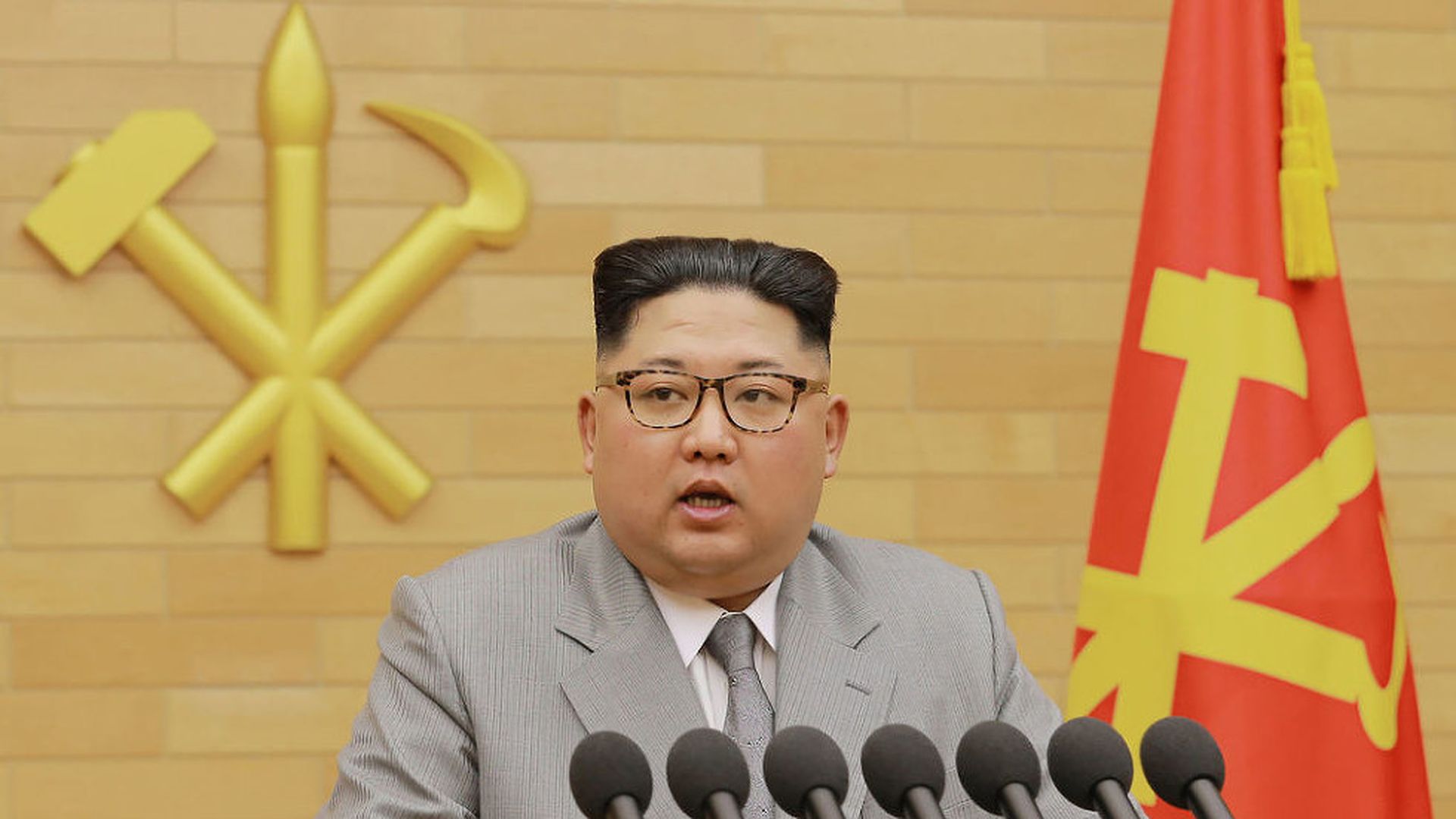
Kim Jong-un's New Year's speech, in which he boasted about a nuclear launch button on his desk, mixed bluster toward the U.S. with overtures to South Korea. While threatening an attack, he also offered enticements around inter-Korean talks, aiming to split Seoul off from its allies on sanctions by exploiting South Korean President Moon Jae-in's anxieties around next month's winter Olympics in Pyeongchang.
In the past, Pyongyang's pattern has been to escalate tensions, offer minor conciliations, collect concessions, and repeat the process. The key to breaking this unproductive cycle and compelling North Korea into credible negotiations over its nuclear program — the purpose of the sanctions — is unity among allies. South Korea certainly has unique stakes, but engagement will not end well if Seoul parts company with Washington and Tokyo.
Given North Korea's aggressive posture, a military response can't be ruled out, which is why the U.S. has kept 28,000 troops on the Korean Peninsula. Nevertheless, the high costs of military action make diplomacy the preferred route.
The bottom line: Testing Kim's willingness to engage with the South and forego provocations through the Olympics makes sense, but bribing Pyongyang in exchange for "good" behavior would be a mistake.
Daniel Russel is the diplomat in residence at the Asia Society Policy Institute and a former U.S. assistant secretary of state for East Asian and Pacific affairs.
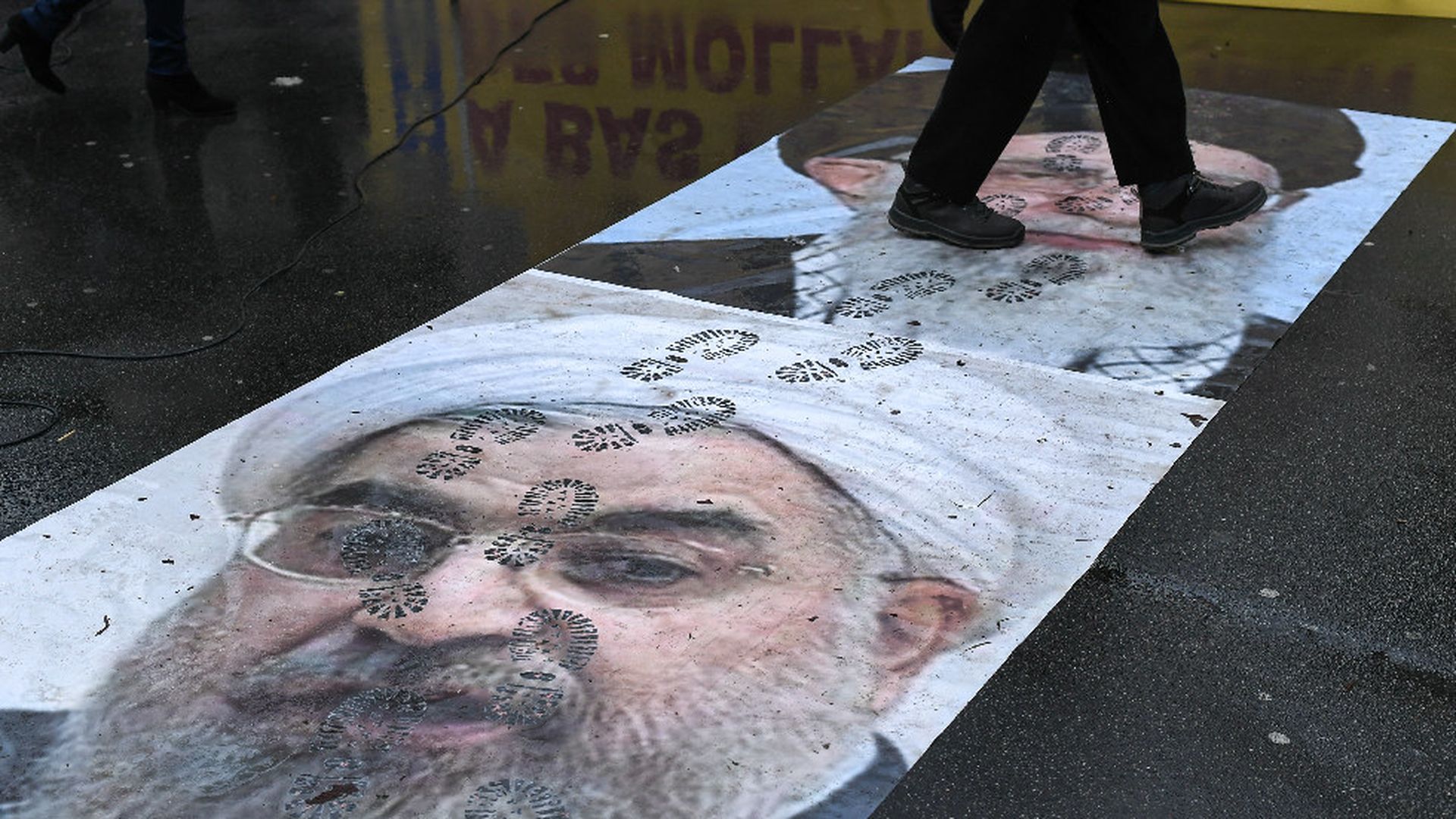
The U.S. Treasury Department announced today it's placing new sanctions against five Iranian entities over ties to the country's ballistic missile program and said that "additional sanctions targeting human rights abuses would be forthcoming."
Why it matters: The timing. In less than two weeks Trump will have to decide whether to waive economic sanctions as they relate to the the 2015 nuclear deal, which eased the sanctions in exchange for Iran backing off its nuclear weapons aspirations. Trump will also have to decide whether to re-certify the deal.
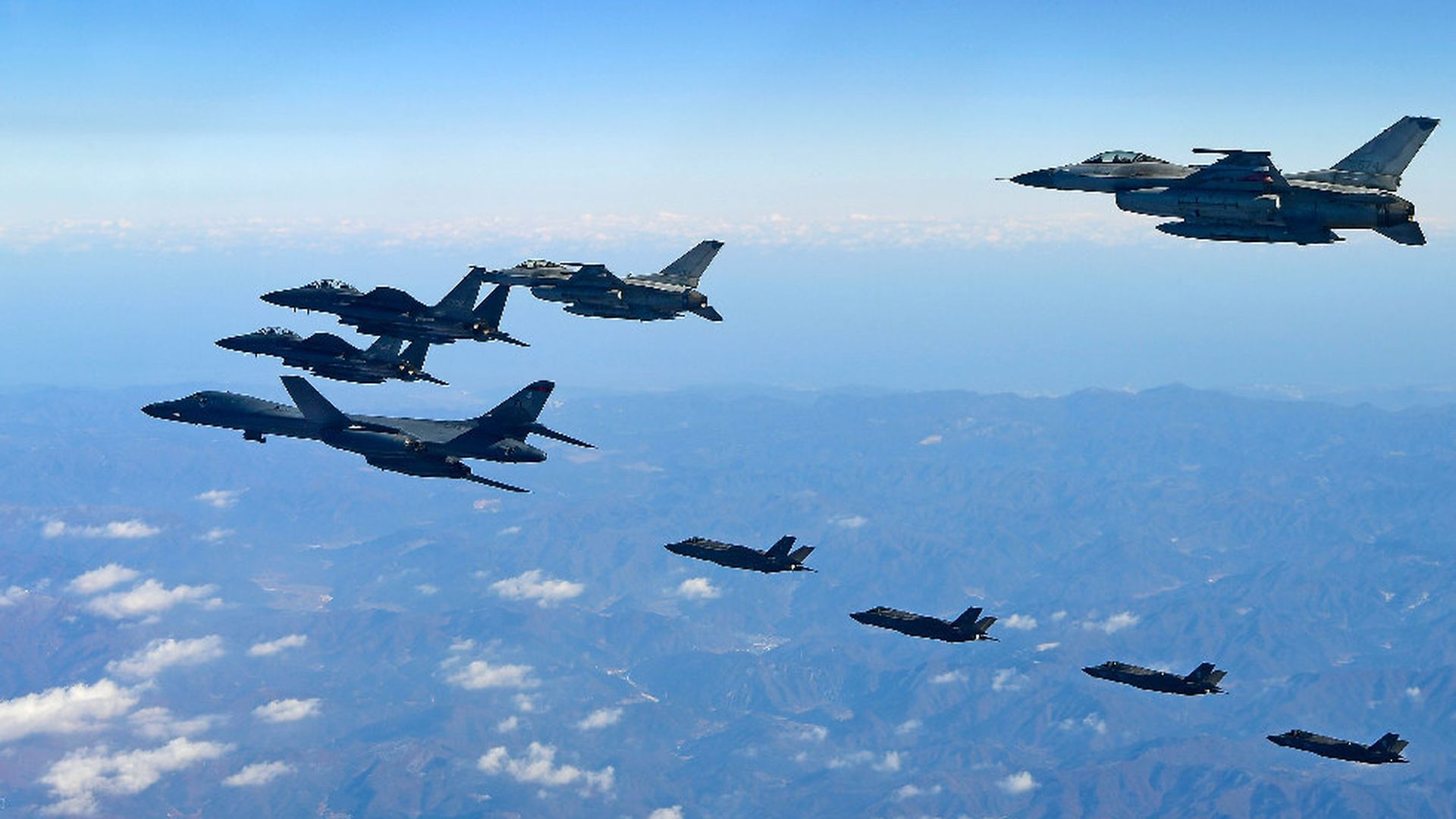
U.S. Defense Secretary Jim Mattis told reporters that the U.S. will be delaying joint military exercises with South Korea through March 18 until after the Paralympics, NBC News' Hans Nichols reports.
Why it matters: North Korea views the drills as practice for invasion, and this will likely ease some tensions for now between the U.S. and the DPRK.
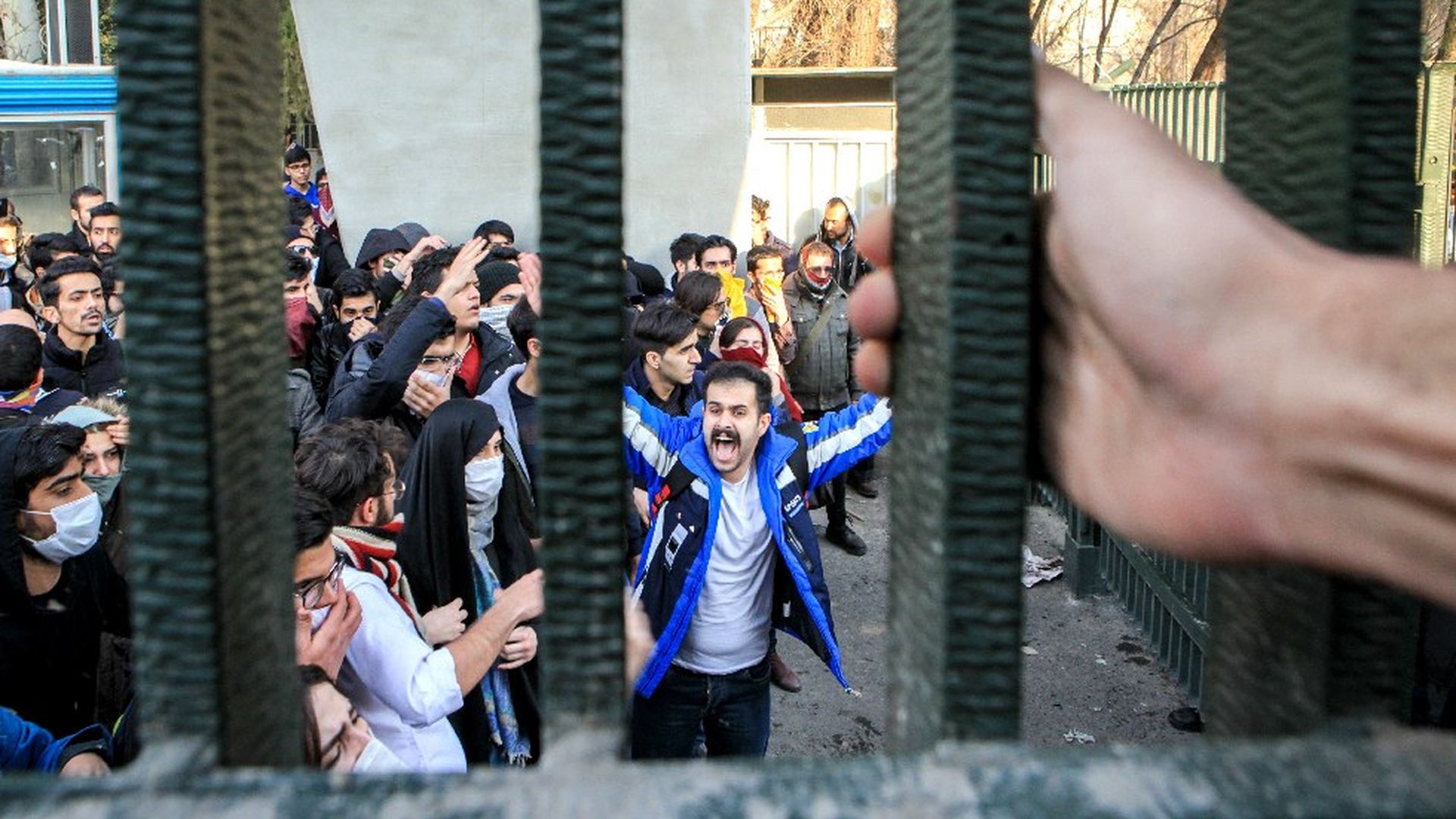
Mohammad Ali Jafari, the head of the IRGC, claimed without evidence Wednesday that protests against Iran's leadership and economic policies are over and the main "troublemakers" have been arrested, per CNN. 450 people have been arrested, per CNN, while 21 have died.
Why it matters: The IRGC is likely warning the protests must stop and "if they don't, the big guns will come out," Mara Karlin a Brookings fellow who has served in national security roles for five U.S. secretaries of defense, tells Axios. Per CNN, it remains to be seen whether the clashes are truly over, as protests are often staged after Friday prayers.