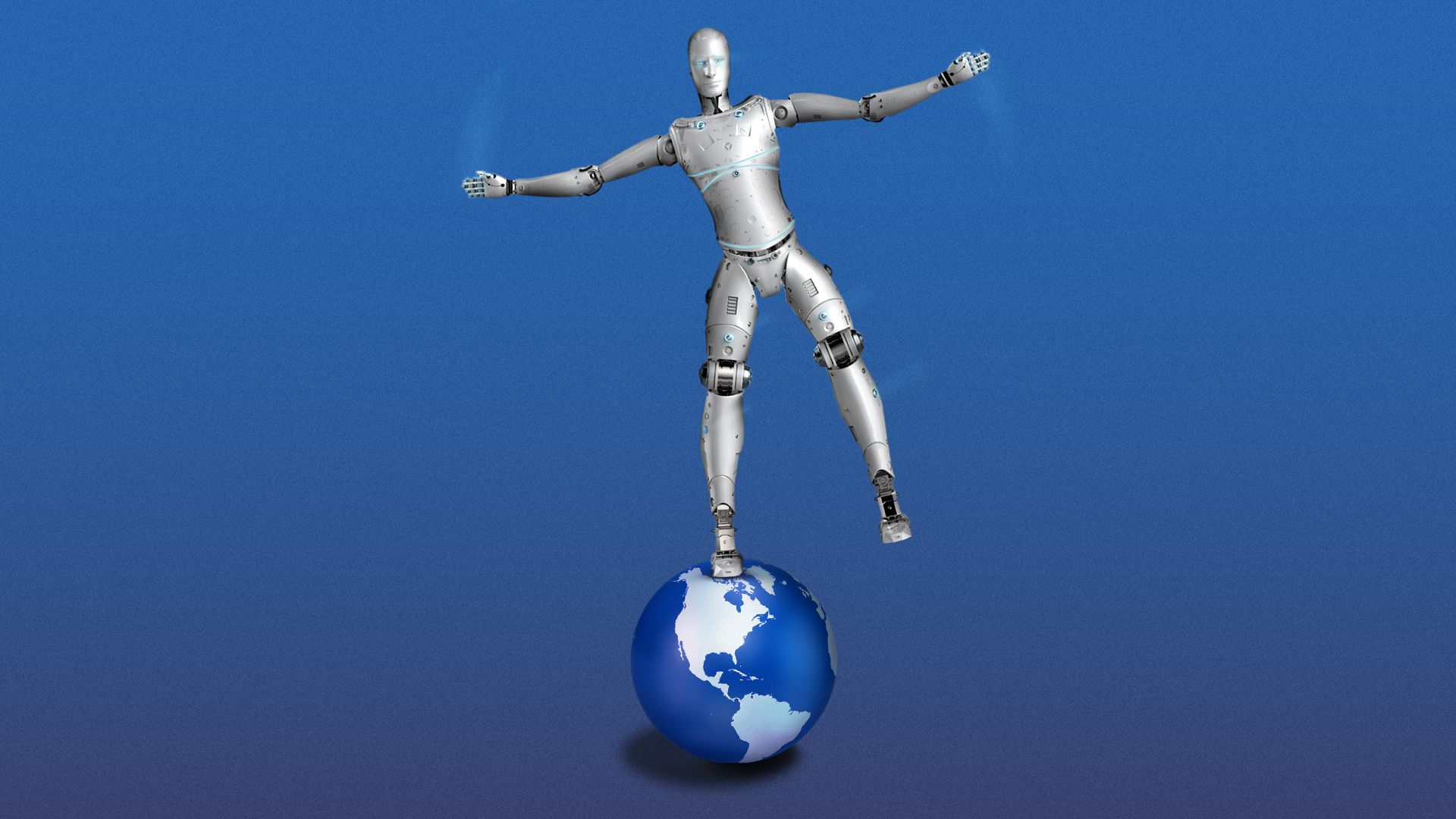
Mira Murati's Thinking Machines on Wednesday released Inkling, its first AI model, betting enterprises want AI they can customize rather than simply rent from a handful of frontier labs.
Why it matters: Thinking Machines is making a different bet than many AI labs: that enterprises ultimately care less about the smartest general-purpose model than one they can make their own.
A new statement signed by hundreds of prominent economists shows how some leading thinkers see the opportunities and risks of artificial intelligence. The debate it has triggered sheds light on perhaps the most crucial economic question of our age.
The big picture: AI — and the positive and negative disruptions it will cause — is emerging as a seismic question for the economic future.
That part, everybody can agree on. Less settled is how society should grapple with that fact.
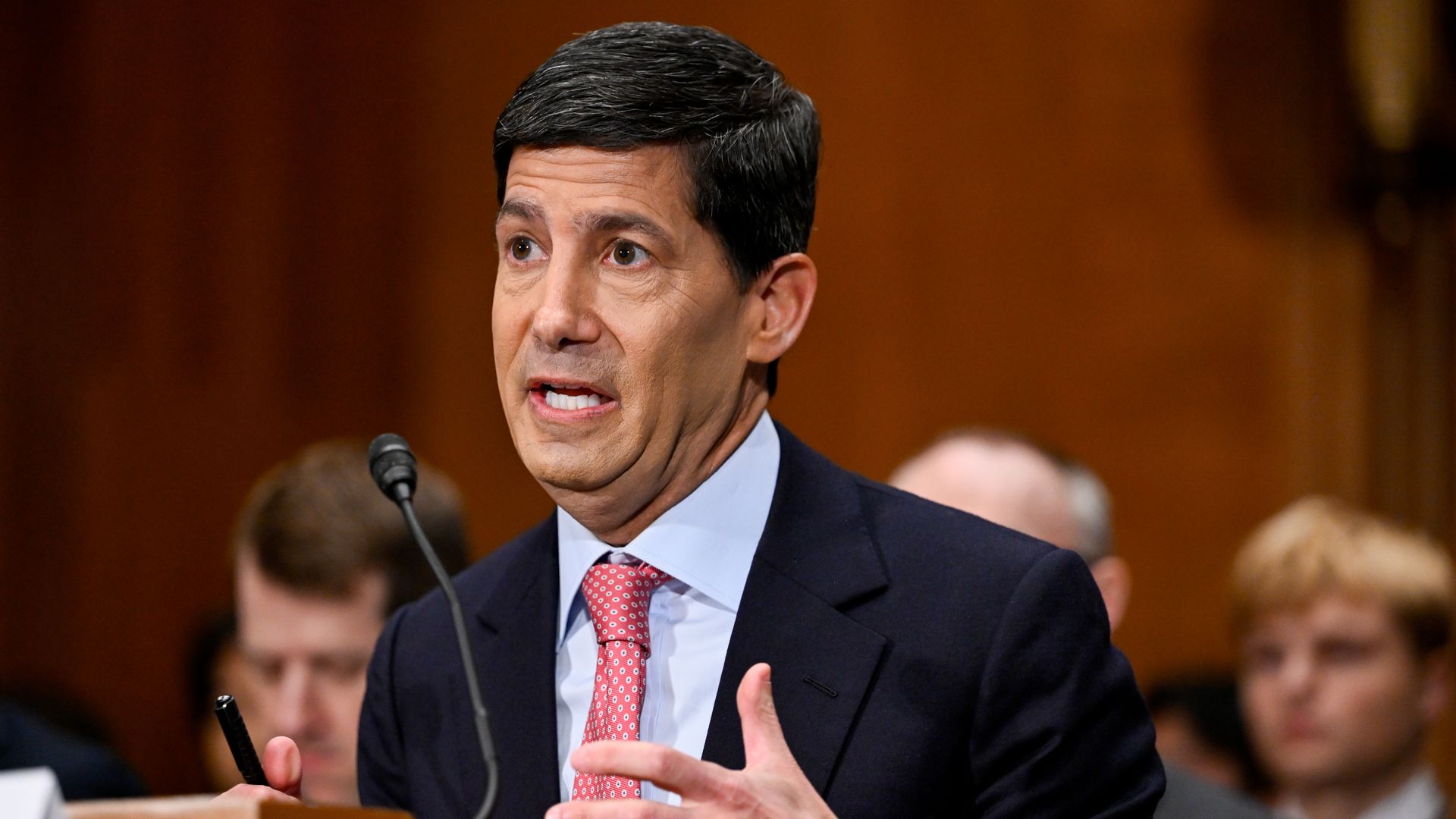
Federal Reserve chairman Kevin Warsh said on Wednesday that the AI investment boom will likely raise prices over the next year, but argued that those increases might not automatically be inflationary.
Why it matters: Warsh drew one of his clearest distinctions yet between the AI boom's immediate price effects and persistent inflation — a nuance that could shape policymakers' response as investment remains strong.
The rules of the road for autonomous vehicles are being written in real time, one debate at a time, in Washington and in statehouses and city halls across America.
Why it matters: The growing patchwork of federal, state and local rules could become the next major hurdle to scaling robotaxis in the U.S.
This article contains general information and is not intended to provide information that is specific to American Express, or its products and services. Similar products and services offered by different companies will have different features and you should always read about product details before acquiring any financial product.
As AI shifts from simple automation to agentic systems, the next phase of financial operations may lie in balancing AI-enabled speed and human expertise to maximize efficiency, visibility and control.
The powerful combination of high-tech and high-touch could help companies implement automation in ways that fit their unique needs, potentially enabling them to drive growth and scale with confidence.
The AI-driven dash to U.S. capital markets to sell stocks and bonds from companies like Alphabet, Nvidia and SpaceX is creating an echo boom on Wall Street.
Why it matters: While the boom is making it rain, at least in the short term, for investment bankers, the deluge of equity and debt issuance has emerged as a concern for investors.
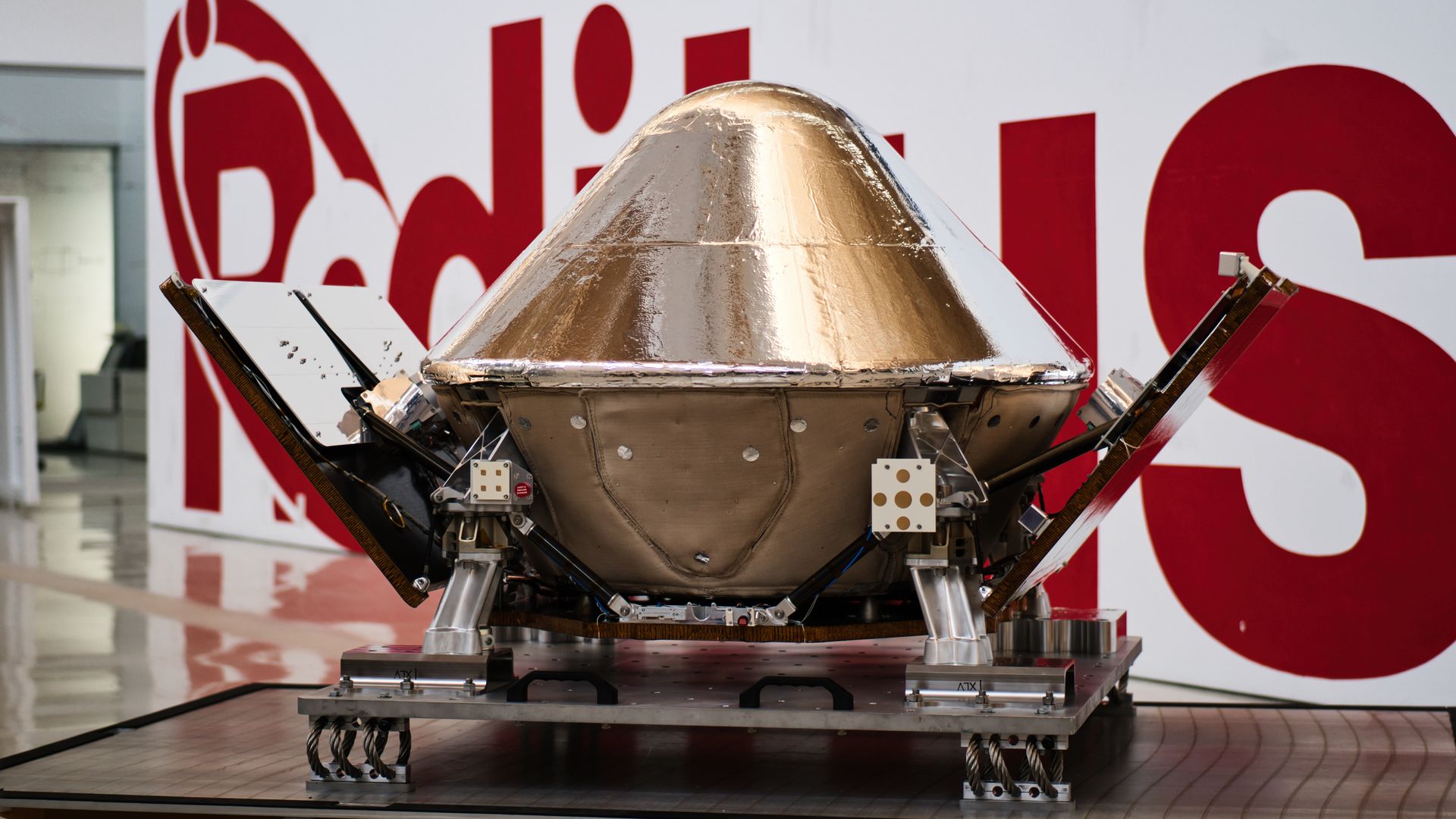
Lockheed Martin and nLight are developing high-energy laser weapons that, eventually, will be capable of downing both drones and cruise missiles, the U.S. Defense Department announced.
Why it matters: The initial contracts, announced July 9, are worth $86 million.
Senra Systems, a wire-harness startup,plans to open a third factory and hire engineers and technicians on the heels of a $65 million Series B.
Why it matters: Wire harnesses are a major national-security bottleneck, as they serve as the nervous systems inside everything from munitions to aircraft, satellites to cars.
"Without wire harnessing, nothing turns on," CEO Jordan Black told Axios.
"We are standardizing something that's never been standardized before," he said, "and that's the only way to scale this."
Armenia is pursuing "diversification," seeking to shake up its sources of energy, its future artificial intelligence clientele, its supply chain components and the countries it relies on for weapons, ambassador Narek Mkrtchyan told Axios.
Why it matters: Armenia is wedged between Iran and Russia, two of the most pressing national security hazards juggled by the U.S.
It's also party to a peace agreement, brokered and touted by the Trump administration, that could reshape the Southern Caucasus.
"A lot of potential was blocked because of the absence of peace," Mkrtchyan said. "Once we bring the peace agenda, prosperity will come."
Anthropic has warned that its own technology could bring the end of civilization. Check out its latest job listings to understand how.
Why it matters: Anthropic has 32 very scary job openings for roles designed to prevent people from using AI to build everything from human-made explosives to nuclear weapons.
New York Gov. Kathy Hochul's first-in-the-nation data center moratorium could provide a playbook for other Democrats confronting one of the midterms' most heated issues.
Why it matters: Voters across the country are protesting data centers and looking for politicians to take decisive action to address concerns over the industry's rapid expansion.
In Abu Dhabi, the largest emirate in the United Arab Emirates, AI is as much a part of daily life as reporting a pothole or making a doctor's appointment or paying a parking ticket — because AI does all that for you.
Abu Dhabi, the capital of one of the world's wealthiest and most globalized business hubs, has near-universal adoption of an app that knows when you need to renew your national ID or health insurance or vehicle registration.
The app's "AutoGov" feature goes a step further: It handles the paperwork and pays what's owed without being asked.
Why it matters: The UAE made a massive bet on AI, spending billions on infrastructure and research, backed by long-term thinking and alignment from top leaders. Before the war with Iran, the bet was paying off massively. "People make money here and bring money here," a UAE resident told Jim VandeHei and me when we visited just before the war.
The war rattled the UAE's AI ambitions and stirred fears about visiting, given the constant threat of Iranian attack. UAE leaders tell us they remain all-in on AI: They're willing to work with both the U.S. and China, and see the technology as the key to their future beyond oil.
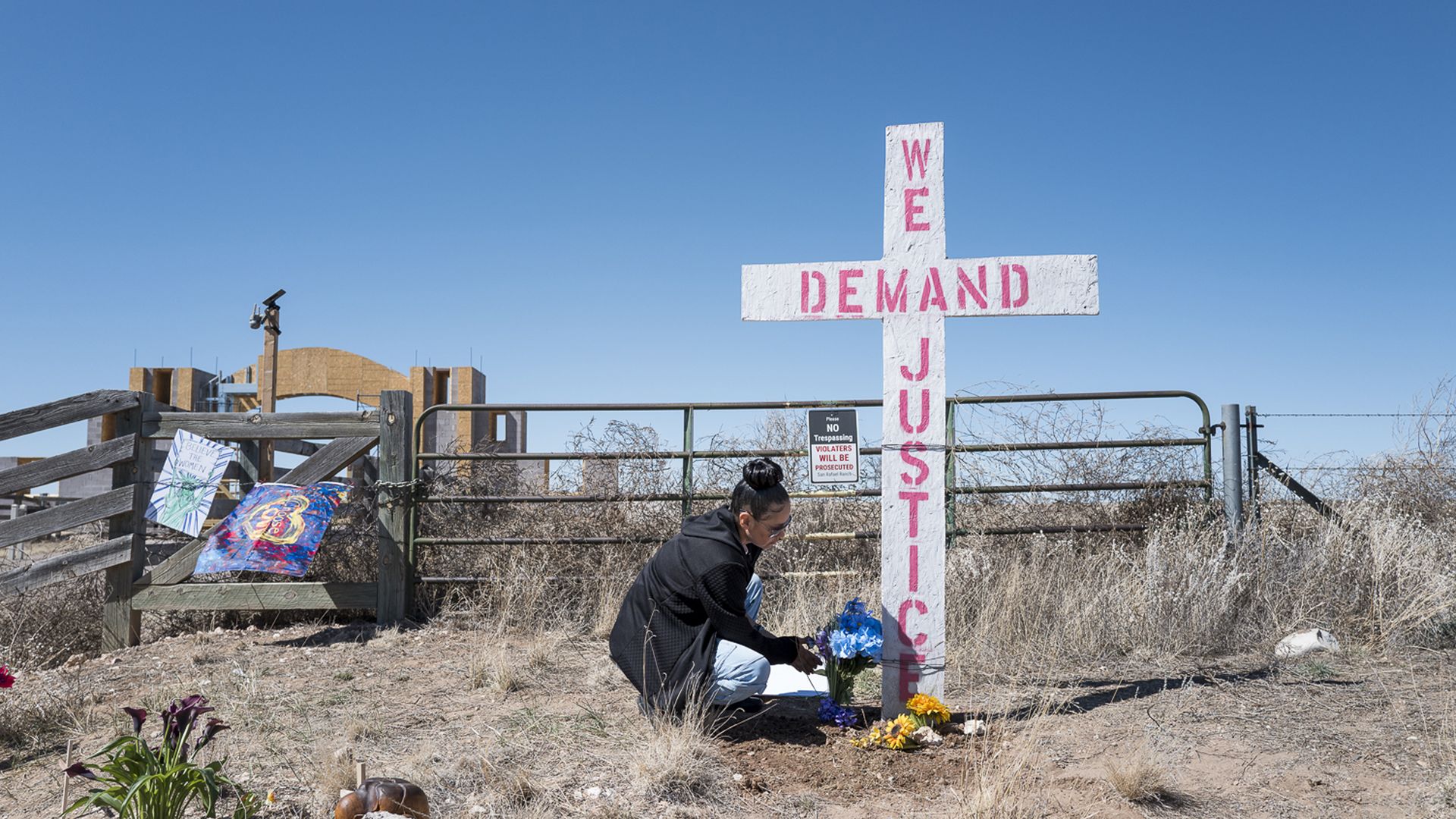
A public dispute between New Mexico's attorney general and the U.S. Department of Justice escalated Tuesday over records sought in the state's Jeffrey Epstein investigation.
Why it matters: The clash underscores questions about whether federal privacy restrictions and court orders are preventing state investigators from pursuing potential criminal leads tied to Epstein's former Zorro Ranch in New Mexico.