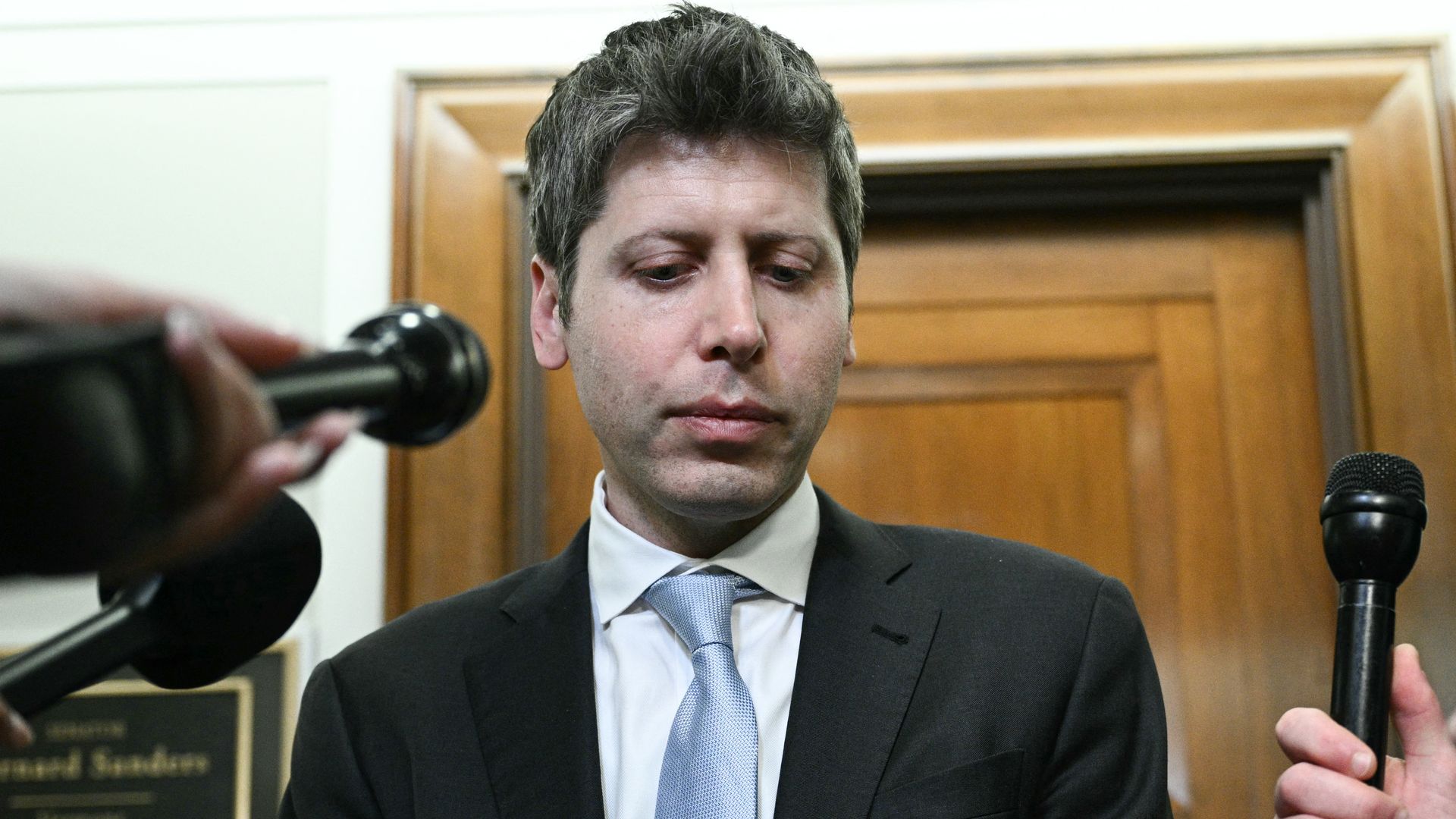
OpenAI CEO Sam Altman warned Tuesday that the company's new GPT-5.6 Sol model may face "hiccups" soon.
Why it matters: The warning underscores that even one of the world's leading AI companies can struggle to scale the infrastructure needed to meet demand for cutting-edge AI.
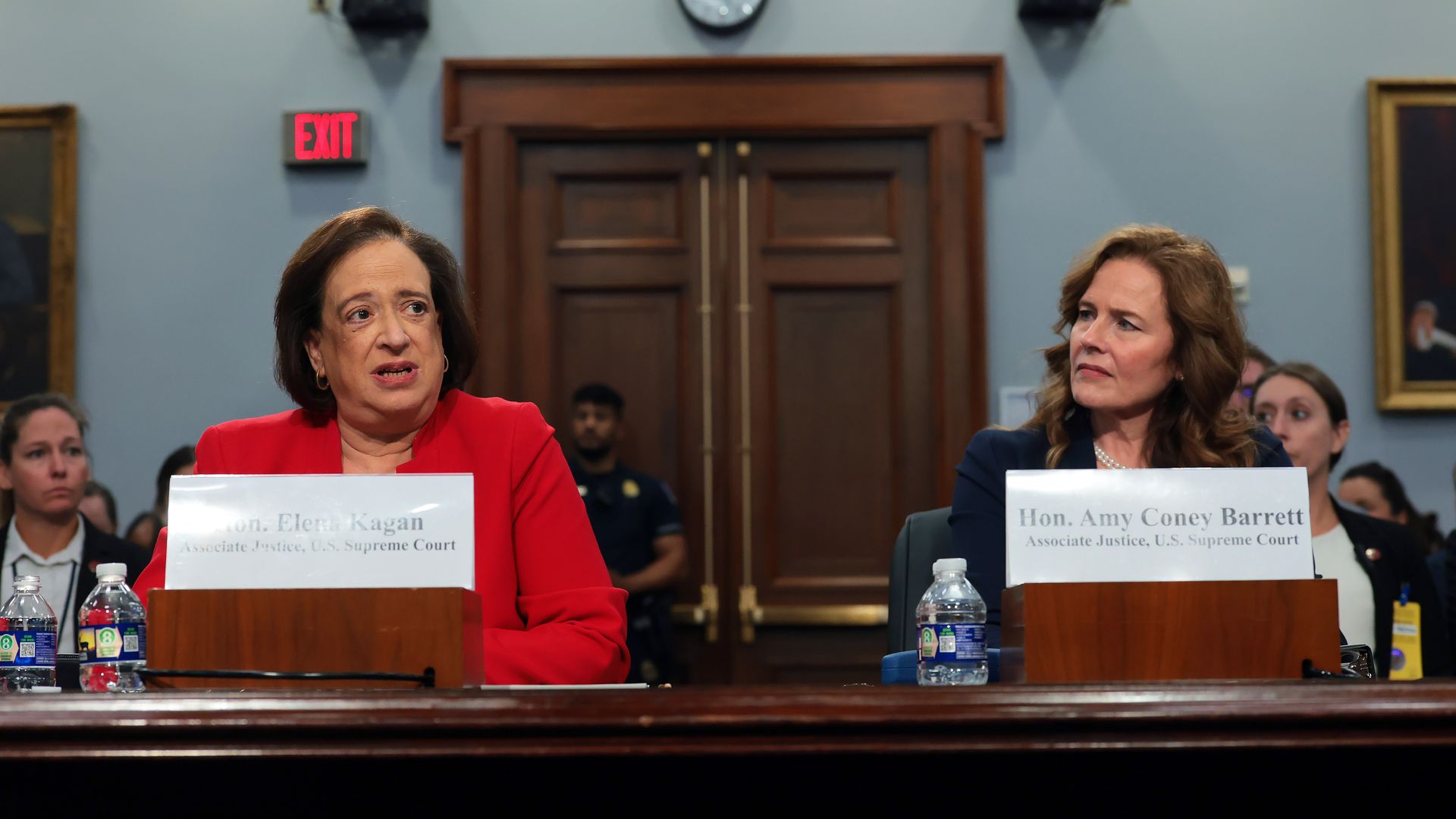
Justice Elena Kagan warned Congress on Tuesday that police expect threats against Supreme Court justices to rise nearly 40% this year.
Why it matters: As courts play a bigger role in deciding the nation's most contentious policy fights, anger from the losing side is turning into threats that risk undermining the court's independence.
SpaceXAI says it will delete customer data previously uploaded to its systems after a researcher found that its Grok Build coding assistant was sending entire code repositories to a company-controlled Google Cloud storage bucket.
Why it matters: The tool appeared to upload far more data than was needed to answer coding requests, potentially including proprietary source code, API keys and other sensitive information that customers may not have realized was leaving their computers.
A jailbreak that tricked ChatGPT into generating graphic sexual and violent images also works on SpaceXAI's Grok, researchers at Mindgard shared exclusively with Axios.
Why it matters: The prompt that Axios reviewed suggests that relatively simple jailbreaks can still bypass AI image safeguards.
The barriers keeping cybercriminals from adopting AI — restricted access, high costs and little incentive to change tactics — are starting to fall, researchers tell Axios.
Brandon Jacoby, former X and Cash App design leader, has launched Kainoa, an independent design practice built around the idea that AI is making human judgment and creativity more valuable.
Why it matters: Companies are competing on taste in the AI era.
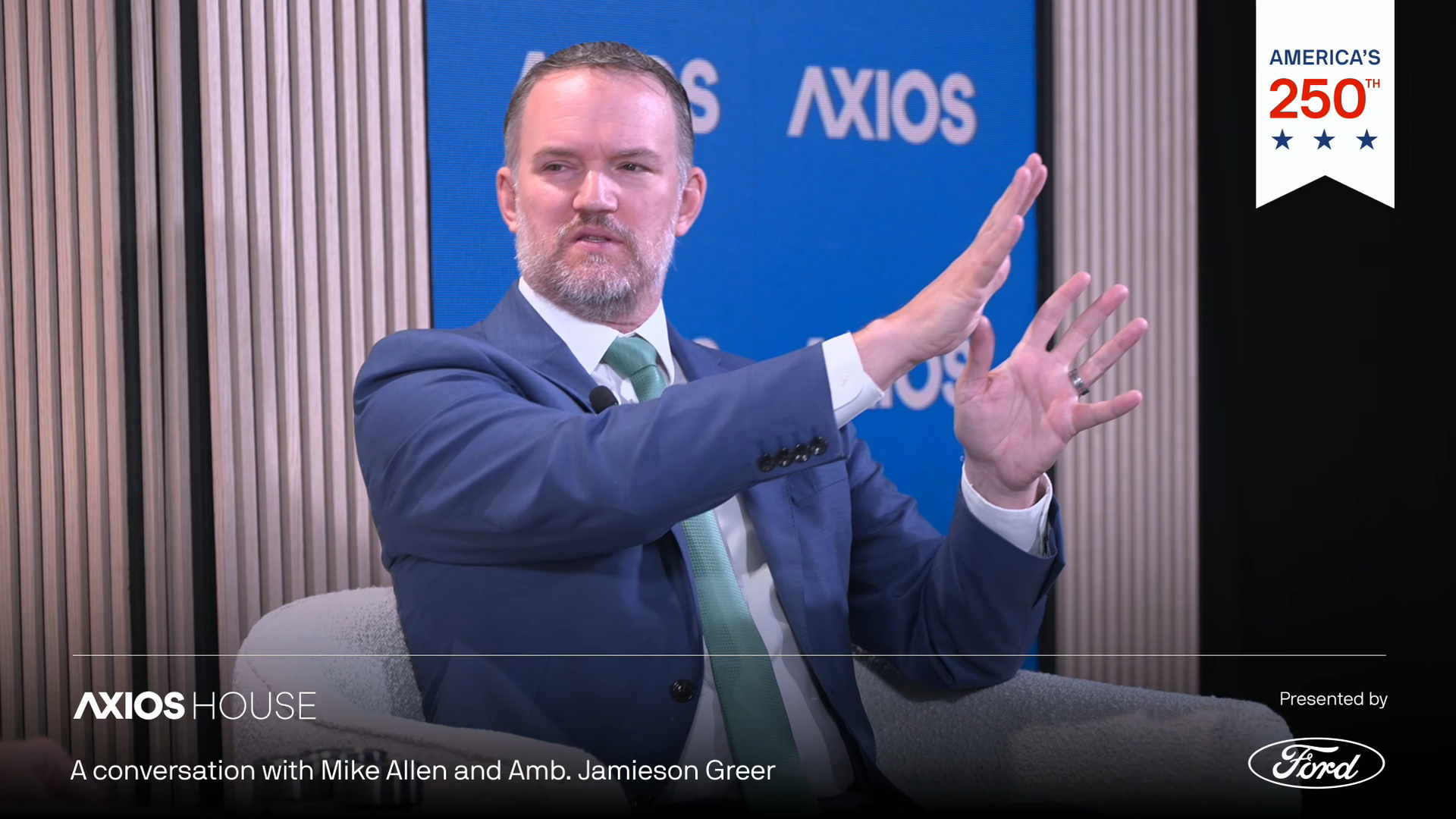
Europe must take "concrete actions" to rein in its enforcement of laws that disproportionately hit American tech companies, U.S. Trade Representative Jamieson Greer said at Axios House D.C. on Tuesday.
Why it matters: At stake is who gets to write the rules for the world's dominant tech companies — Washington or Brussels — and Greer wants America to lead the way on how its companies operate.
Singularity exited stealth Tuesdaywith millions of dollars in its pocket and a singular goal: improving and proliferating air defenses.
The big picture: Cheap drones and missiles now swarm modern battlefields, and investors are funding systems that might stop them.
Ukraine swats hourly Russian strikes. American troops prepare for and contend with Iranian salvos. Analysts dissect stockpile levels on TV. And President Trump publicly muses about Golden Dome.
Apple's shares hit an all-time high Monday, pushing the iPhone maker into pole position among the so-called Magnificent 7 year to date.
Why it matters: Apple's recent run — its stock is up more than 20% over the last three months, the best of the Mag 7 — reflects investors' growing appreciation for the iPhone maker's cautious approach to the AI boom, as doubts about the frenzy burble underneath the market's surface.
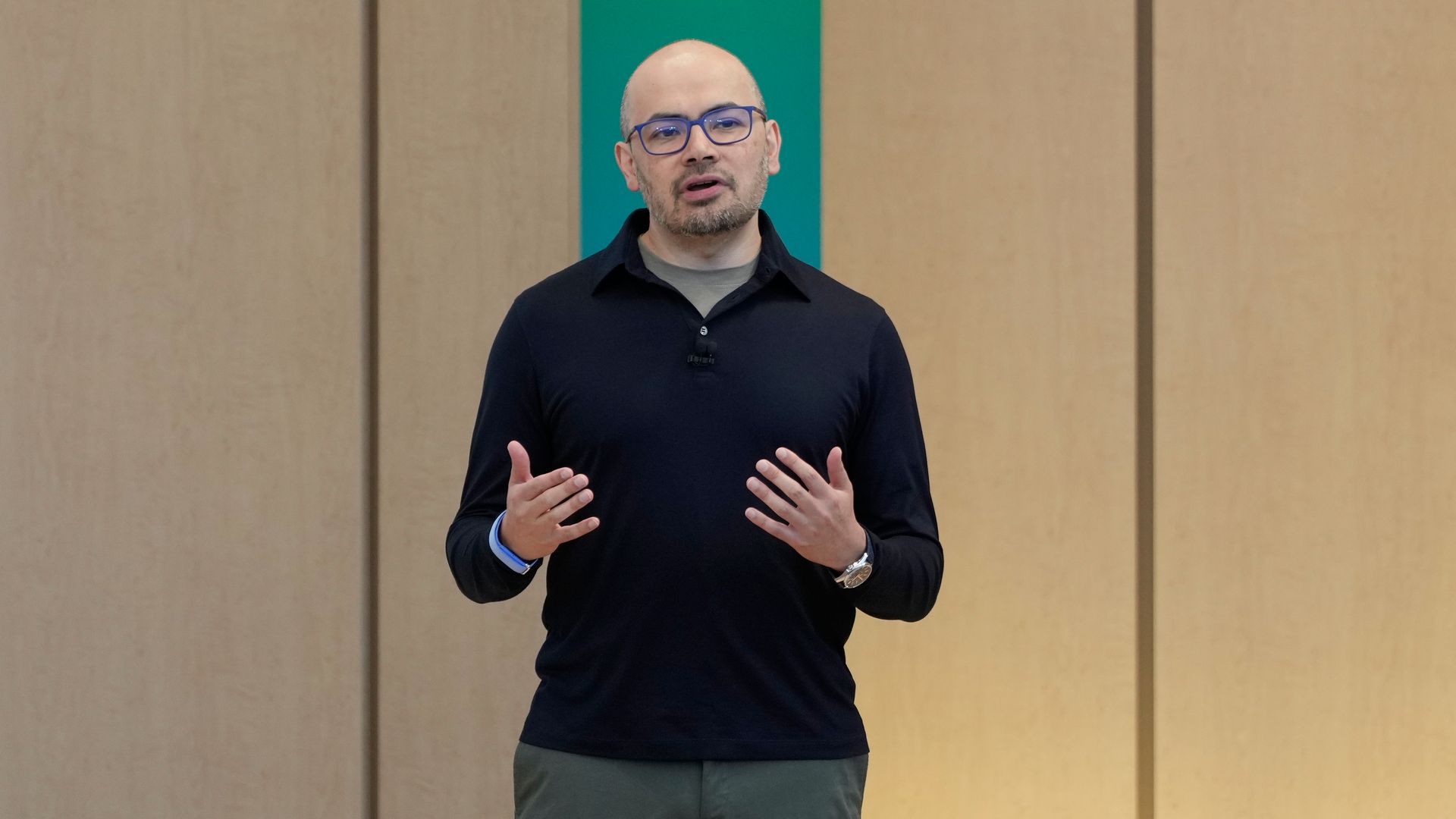
Demis Hassabis, Google DeepMind co-founder and CEO, is calling on the U.S. to establish a new AI watchdog with the power to screen the world's most advanced models — and coordinate an industry-wide slowdown if dangers mount.
Hassabis, the Nobel laureate behind Gemini, lays out the plan in a personal manifesto published Tuesday morning, "A Framework for Frontier AI and the Dawning of a New Age."
Why it matters: In an exclusive interview with Axios, Hassabis said the time has come for a more "systematic" approach to AI regulation — funded by the industry, staffed by world-class technical experts, and answerable to the U.S. government.
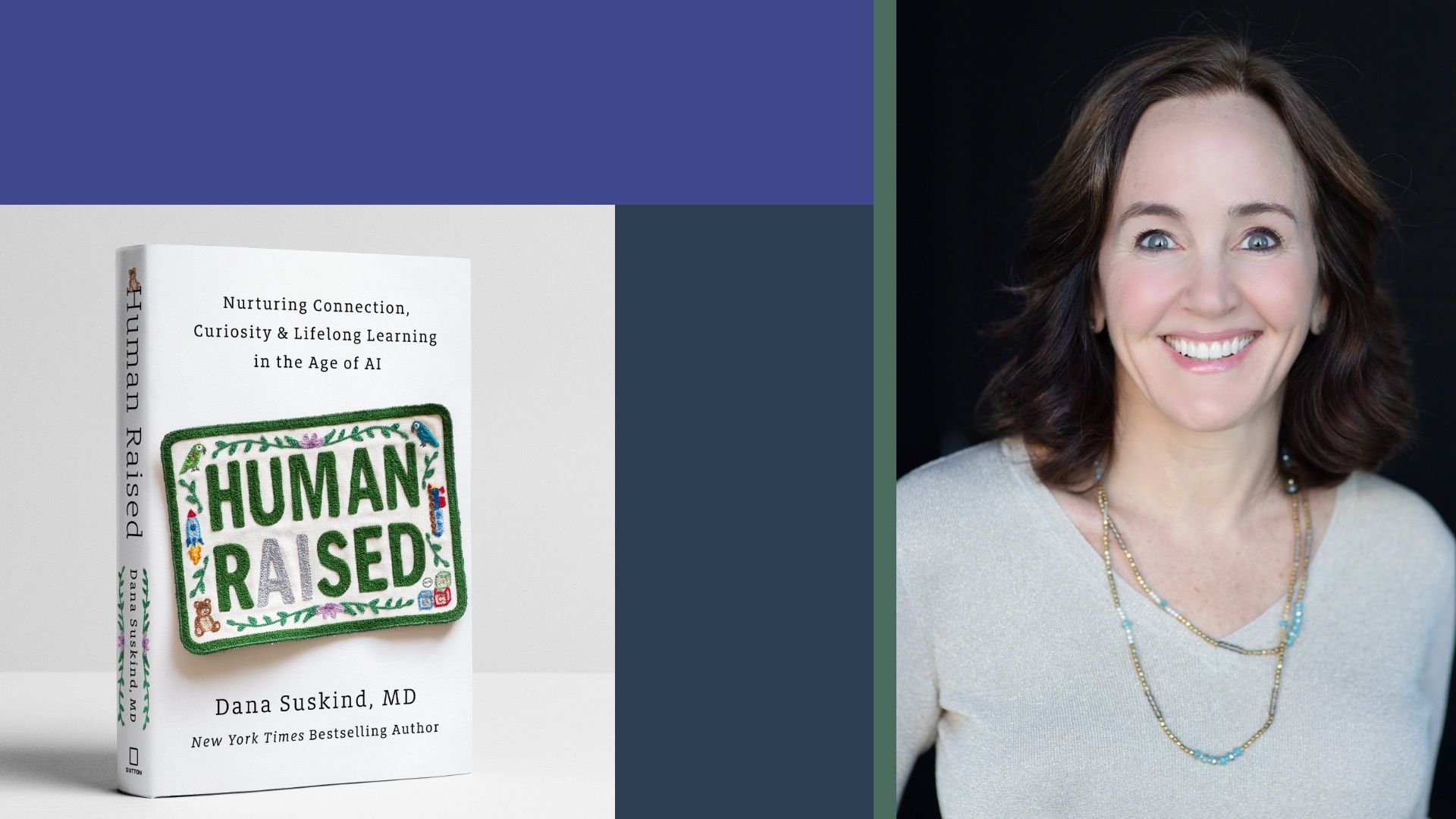
AI tools and toys could force children into two tracks — kids surrounded by human connection and kids increasingly taught and entertained by AI substitutes.
Why it matters: Human attention could become a privilege, Dana Suskind — a University of Chicago pediatric surgeon and early childhood researcher — warns in a new book.