Success for artists is being driven by marketing power and superfandom in a more democratized music industry.
Why it matters: Instead of relying on revenue from album sales or streams alone, artists increasingly depend on building dedicated audiences that follow them across platforms, buy their merch and attend their shows.
Subscription streaming platforms are expanding payouts to more music creators than ever before, but top artists still capture the vast majority of revenue.
Why it matters: The streaming era has made distribution and discoverability easier for a wider group of artists, but it's also reinforced the dominance of the biggest stars.
Easter baskets are getting a squishy upgrade this year, as parents hunt for toys like NeeDoh and glittery "dumplings" — among this season's hottest items.
Why it matters: The surge shows how viral, low-cost toys can quickly turn into must-have items — driving sellouts and resale markups.
OpenAI's head of AGI deployment, Fidji Simo, is taking "several weeks" of medical leave, according to an internal memo that Axios has reviewed and that was originally reported by The Information.
The big picture: Simo's leave sets off a broader leadership reshuffling across OpenAI, with responsibilities spreading across top executives.
Why it matters: As always, the presidential budget is more of a statement of the White House's goals than a road map that is likely to be enacted by Congress. This one shows a president who is eager to spend big on the military while bringing austerity to the rest of the federal budget.
The U.S. Commodity Futures Trading Commission on Thursday sued three states — Arizona, Connecticut and Illinois — for what what it calls "unconstitutional and invalid" applications of state anti-gambling laws to prediction markets.
Why it matters: These cases could determine who really regulates companies like Kalshi and Polymarket, which have raised billions of dollars from venture capitalists
The idea of breaking up big health insurance companies has suddenly entered the political conversation, even if it faces long odds of ever actually happening.
Why it matters: Politicians across the ideological spectrum are increasingly convinced that those owning multiple parts of the health care system have a big role in making medical costs unaffordable.
To see where tech policy is going in the U.S., look west: California is escalating its push to regulate AI across multiple fronts.
Why it matters: California's multipronged approach makes it likely that AI companies in the U.S. will treat the state's rules as a de facto national standard, even as the White House moves to rein in state regulation.
Public resistance to data centers isn't driven as much by electricity prices as conventional wisdom suggests — it's more about how the giant projects might alter theircommunities, a new Harvard/MIT poll shows.
Why it matters: The poll could shape how developers engage with communities as they try to build more data centers to meet AI's massive electricity demands, said Harvard researcher Stephen Ansolabehere, who oversaw the poll.
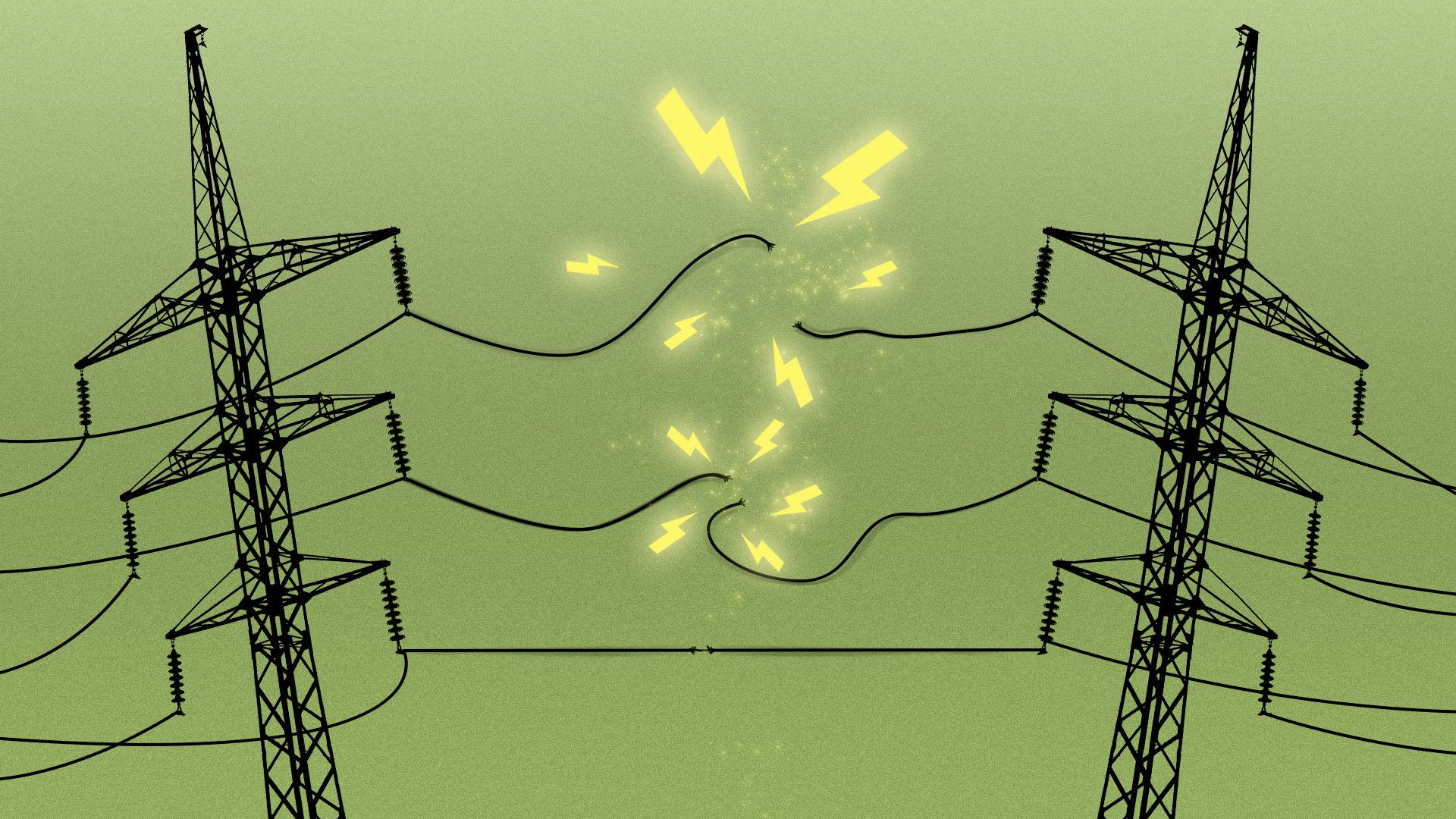
HOUSTON — A high-stakes fight is emerging as the AI boom accelerates: Should data centers plug into the grid, or operate as energy "islands"?
Why it matters: The debate is shaping power flows and multibillion-dollar investments, as data centers rival entire cities in their electricity demand.
Jigsaw puzzling isn't just a solitary bad-weather activity anymore — it's snapping into place as a social sport.
Why it matters: Puzzling's shift from solo to social mirrors a bigger trend: People are turning analog or "grandma" hobbies into in-person communities.