A federal judge in Silicon Valley on Monday will hear arguments on if the U.S. Justice Department improperly approved an antitrust settlement that allowed Hewlett Packard Enterprise (NYSE: HPE) to acquire Juniper Networks last summer for $14 billion.
Why it matters: This case is at the heart of allegations that corporate lobbyists have gone around DOJ antitrust staff to get desired outcomes on pending mergers.
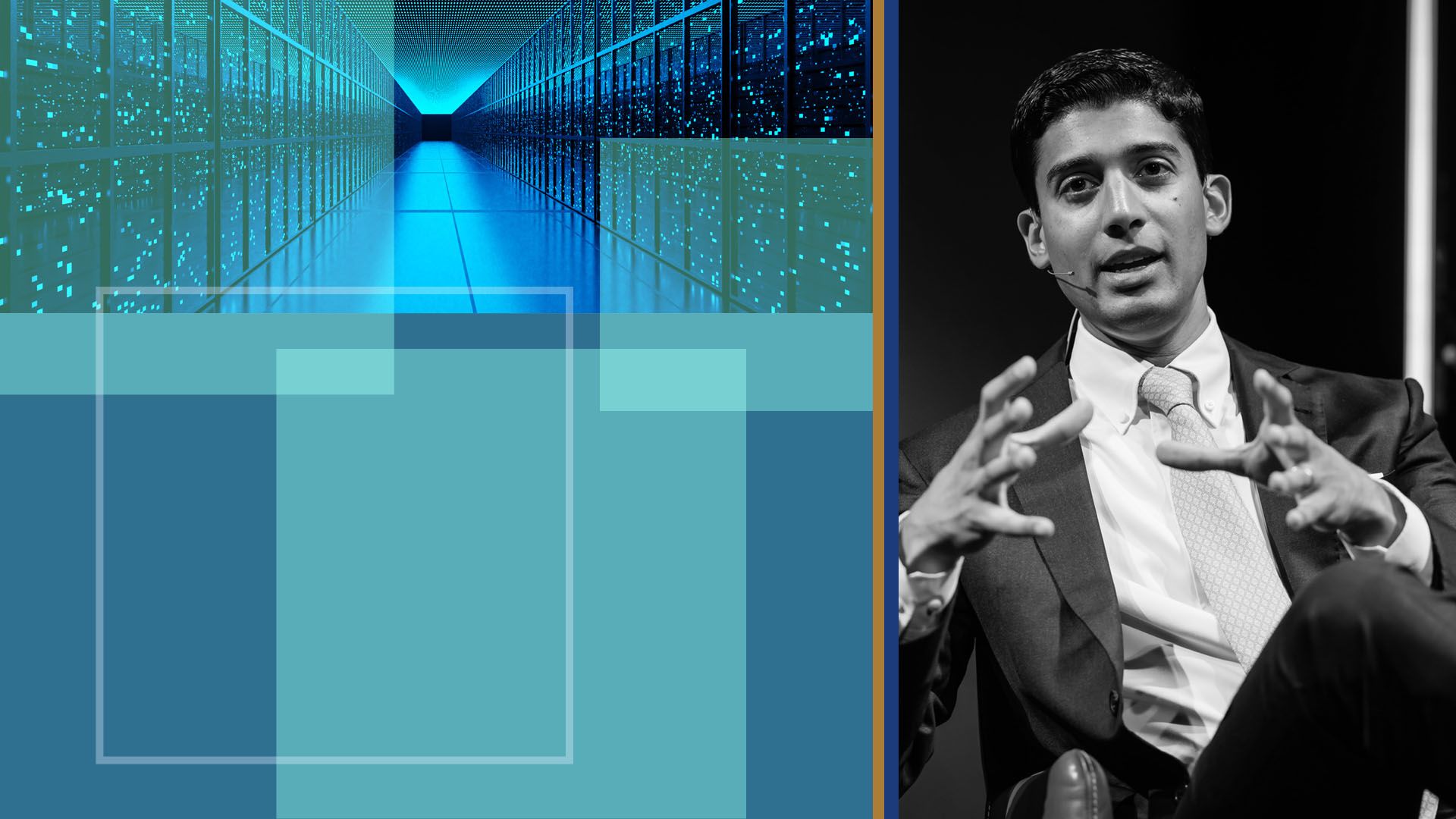
Nvidia and startup Emerald AI said Monday they're working with major U.S. energy companies to develop a new class of data centers designed to flex their power use and connect to the grid faster.
Why it matters: The effort reflects a growing push to turn AI data centers from massive power consumers into more dynamic grid participants, as electricity demand from AI surges.
OpenClaw's continued buzz has kicked off a new race, with Anthropic, Nvidia, Perplexity and others all fast-tracking autonomous bots that can make OpenClaw's magic more palatable to businesses.
Why it matters: Companies are giving AI agents the ability to send emails, move files and change live systems — increasing both productivity and risk.
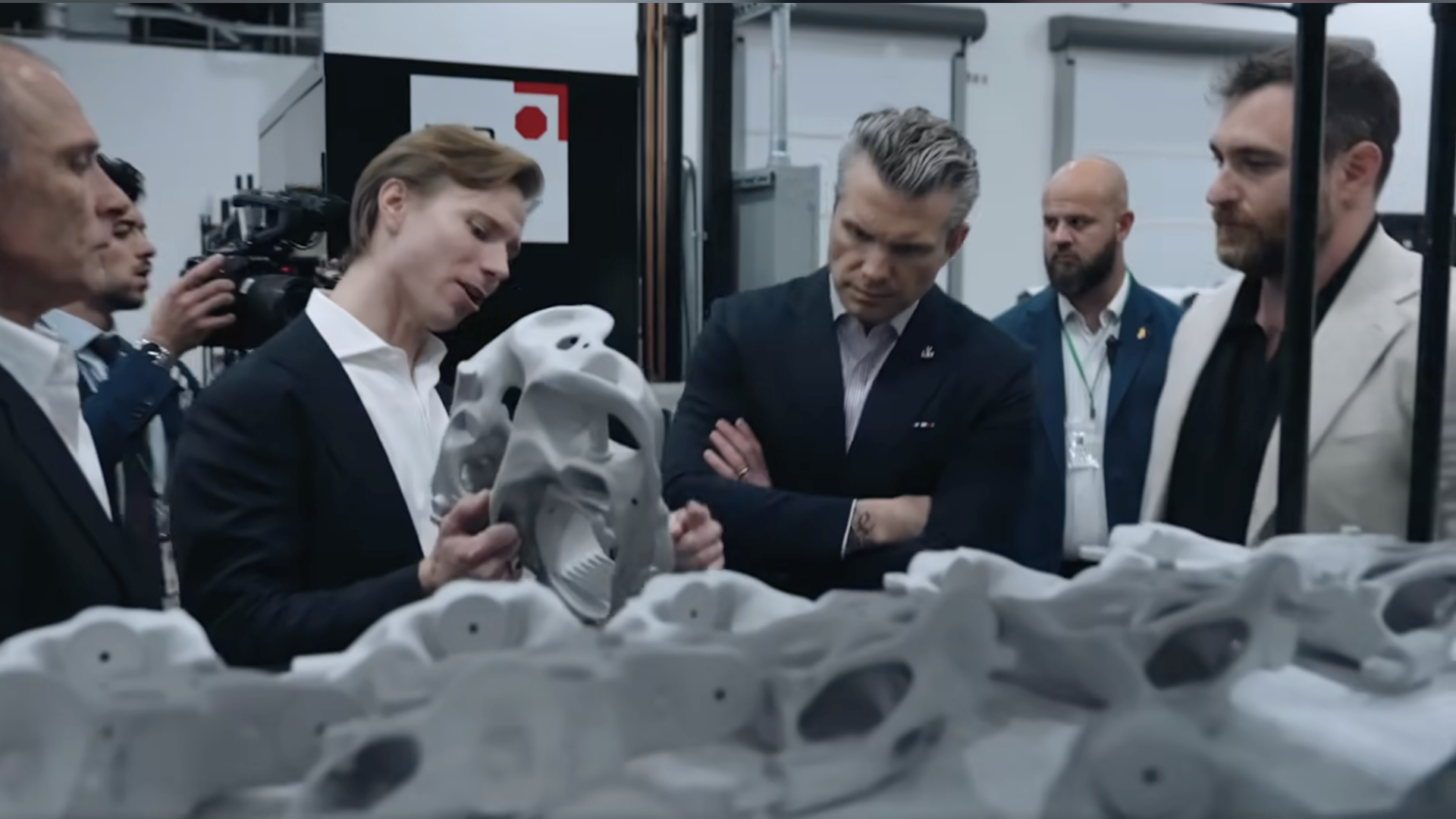
TORRANCE, Calif. —A cruise-missile airframe is being 3D-printed before my eyes. The AI-driven system, the size of a shipping container, hums as it stacks layer on layer of aluminum and proprietary advanced metals.
Why it matters: This white-floored factory at Divergent Technologies, just outside L.A., is a window into the American arsenal of the future.
Each of Divergent's printers, engineered and manufactured in the U.S., can produce hundreds of these missile airframes each year. They're part of a new generation of "low-cost" missiles that are roughly one-tenth the cost of a legacy system.
The finished missiles, including parts from other contractors, run $200,000 to $500,000. Legacy standard missiles range from $2 million to $6 million each.
The stock market is increasingly dominated by a few huge and extremely profitable "superstar" companies.
Why it matters: The historic rise in stock market concentration reflects Big Tech's dominance and mirrors a worrying rise in wealth inequality among regular people — but it's not clear if it's a real problem for investors.
AI is increasingly being combined with prescription drugs and other therapies in the push to personalize medicine.
But that's making it harder to define whether a compound or an algorithm is actually doing the healing.
The big picture: Optimism over new ways to deliver customized, real-time care in patients' homes is being tempered by legal and regulatory questions about how to treat hybrid products that learn and evolve from their interactions with patients.
A new coalition of conservative groups and advocates for stronger kids' online safety and AI laws launched Monday, as the debate over regulating AI in the U.S. heats up.
Why it matters: The White House just rolled out a light-touch AI framework that is unlikely to satisfy strong proponents of online safety and AI rules, even as some Republicans show growing appetite for a more hands-on approach.
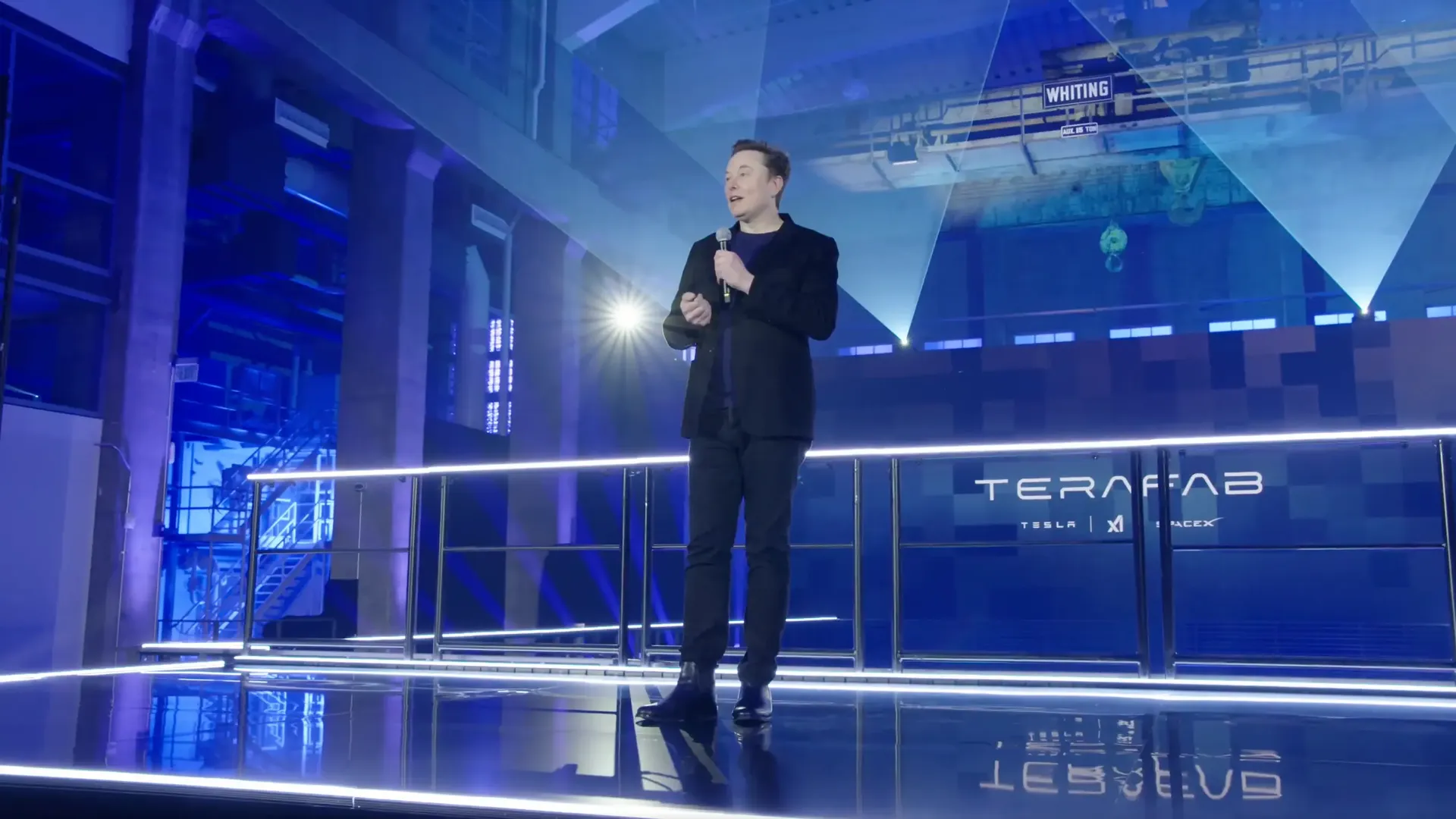
Elon Musktook the stage in Austin on Saturday night for what he called a "profoundly important announcement … the most epic chip-building exercise in history, by far." His goal: producing 1 trillion watts (1 terawatt) of compute power per year, most of it deployed in space.
Why it matters: Musk said his Terafab chip-building project — a joint effort of his Tesla, xAI and SpaceX companies — is "the next step towards becoming a galactic civilization" and turning "science fiction to science fact."