Meta's internal testing found a chatbots product failed to protect minors from sexual exploitation nearly 70% of the time, per documents presented in court Monday — though the company says it was never launched, as a result of that testing.
Why it matters: Meta is under fire for its chatbots allegedly flirting and engaging in harmful conversations with minors, prompting investigations in court and on Capitol Hill.
AI's next big innovation, making its debut at these Winter Olympics, could help figure skating judges determine whether an athlete landed a fast-twirling move successfully.
The big picture: Omega, the official Olympic timing and measurement provider, has installed an array of 14 cameras to track athletes in motion.
Bryan Johnson— the famous L.A.-based biohacker — says 1,500+ people applied in the first 30 hours of his Immortals program. Three people will be allowed to pay $1 million for access to elaborate longevity protocols the wealthy entrepreneur has followed for the past five years.
Why it matters: Johnson, 48, contends that conquering death "will be humanity's greatest achievement," and is optimistic that we'll be "the first generation who won't die." The "Age of Immortals is here," he says.
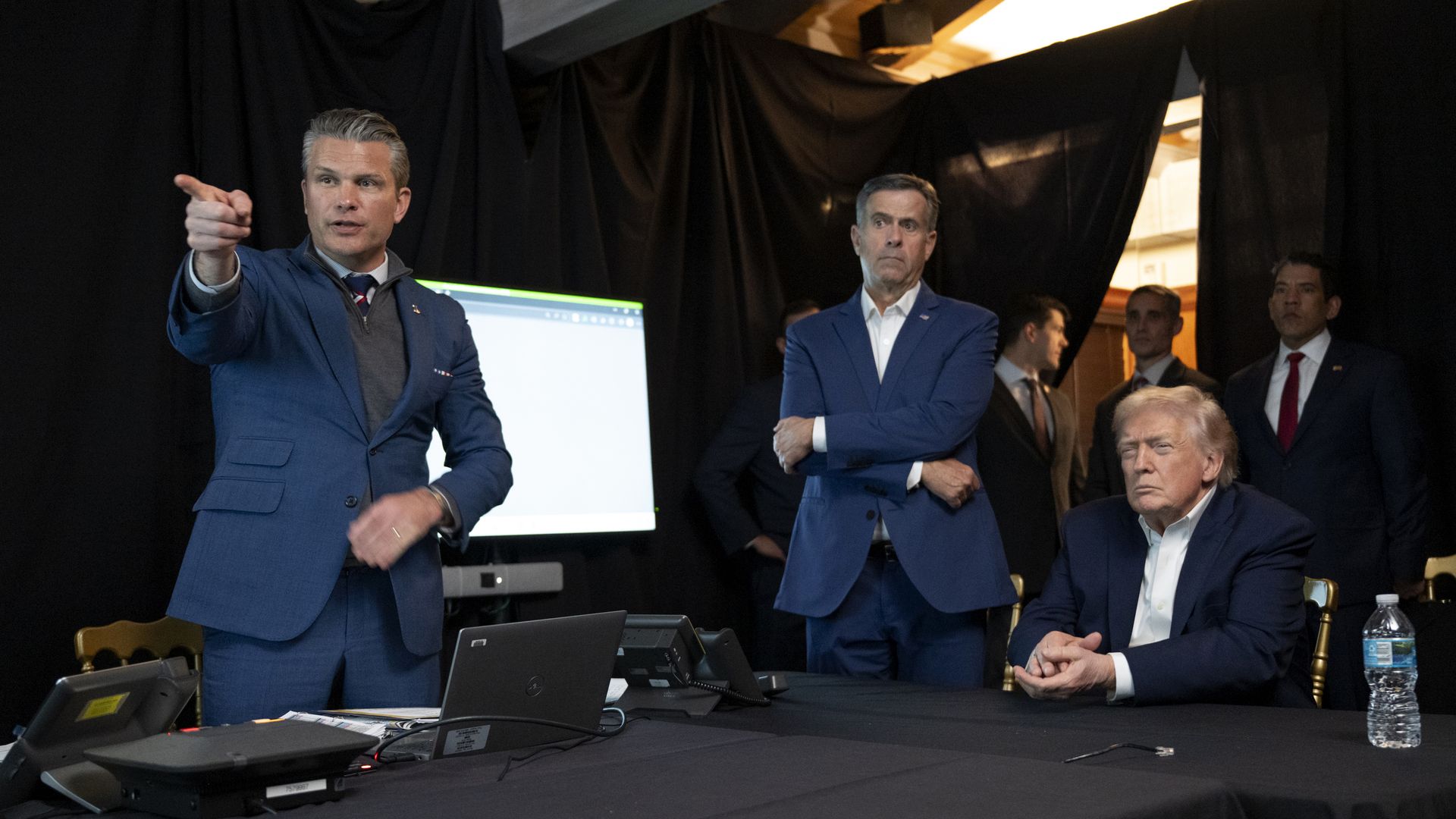
Defense Secretary Pete Hegseth is "close" to cutting business ties with Anthropic and designating the AI company a "supply chain risk" — meaning anyone who wants to do business with the U.S. military has to cut ties with the company, a senior Pentagon official told Axios.
The senior official said: "It will be an enormous pain in the ass to disentangle, and we are going to make sure they pay a price for forcing our hand like this."
Why it matters: That kind of penalty is usually reserved for foreign adversaries.
Prediction markets are creating a digital Wild West, where well-placed opportunists can win big by betting on real-world events — from the capture of Nicolás Maduro to a surprise Super Bowl cameo.
What may strike everyday people as blatant insider trading is defended as legal based on the letter of the law.
Why it matters: The spectacle of people profiting off privileged knowledge is accelerating a broader erosion of trust in a society where confidence and good faith were already in retreat.
Dan Cox, Axios' chief technology officer, isn't a journalist, but his AI insights are vital to our readers. We want to show, not just tell, the impact AI is having on companies — in this case, Axios.
So we asked Dan to share what it's like to live the AI revolution. What his team is experiencing will soon hit lawyers, marketers, accountants, consultants ... and journalists. Here's what Dan told us:
One of our best engineers recently completed a project similar to one he delivered a year ago.
Last year, it took three weeks. This past week, he used AI-based "agent teams" and completed the same amount of work in 37 minutes.
AI is evolving faster than the systems designed to evaluate it, meaning a lot of the scientific research you may read is already out of date by the time it's published.
Why it matters: If AI's going to change the world, those charged with thinking about it most critically will have to learn to keep up — or risk presenting misinformation themselves.
The White House is pressuring a Utah Republican state legislator to abandon AI transparency and kids' safety legislation, sources familiar with the matter told Axios.
Why it matters: It's a sign that the Trump administration is now starting to intervene with the states in its efforts to squash AI regulation.
The Pentagon is considering severing its relationship with Anthropic over the AI firm's insistence on maintaining some limitations on how the military uses its models, a senior administration official told Axios.
Why it matters: The Pentagon is pushing four leading AI labs to let the military use their tools for "all lawful purposes," even in the most sensitive areas of weapons development, intelligence collection, and battlefield operations. Anthropic has not agreed to those terms, and the Pentagon is getting fed up after months of difficult negotiations.