Meta is doubling down on Nvidia AI chips, committing to spend tens of billions of dollars on the chipmaker's newest offerings and sending shares of both companies higher.
Why it matters: Even though Meta is already one of Nvidia's biggest buyers, the deal is so big that it stands to boost both companies.
Quest Software recently launched its new Trusted Data Management Platform featuring the Automated Data Product Factory, the industry's first and only unified, SaaS-native solution purpose-built for delivering trusted, AI-ready data at speed and scale.
Why it's important: Organizations worldwide are unable to scale their AI initiatives because trusted, reliable data remains a gap in achieving AI success.
Sentiment around widely usedhome surveillance tools is souring as high-profile cases reveal just how deeply law enforcement can tap the data they generate.
Why it matters: What once felt like a personal security upgrade now feels to many like participation in a broader law enforcement apparatus they didn't sign up for.
Why it matters: It's the latest major company to relocate to the 305 — including Ken Griffin's Citadel hedge fund — underscoring the city's growing status as a global tech and finance hub.
Anthropic is releasing Claude Sonnet 4.6, its new default model, which the company says has better coding and computer use skills than prior versions.
Why it matters: Anthropic continues to shrink the gap between its premium and mainstream AI offerings, making advanced capabilities the default, even for free users.
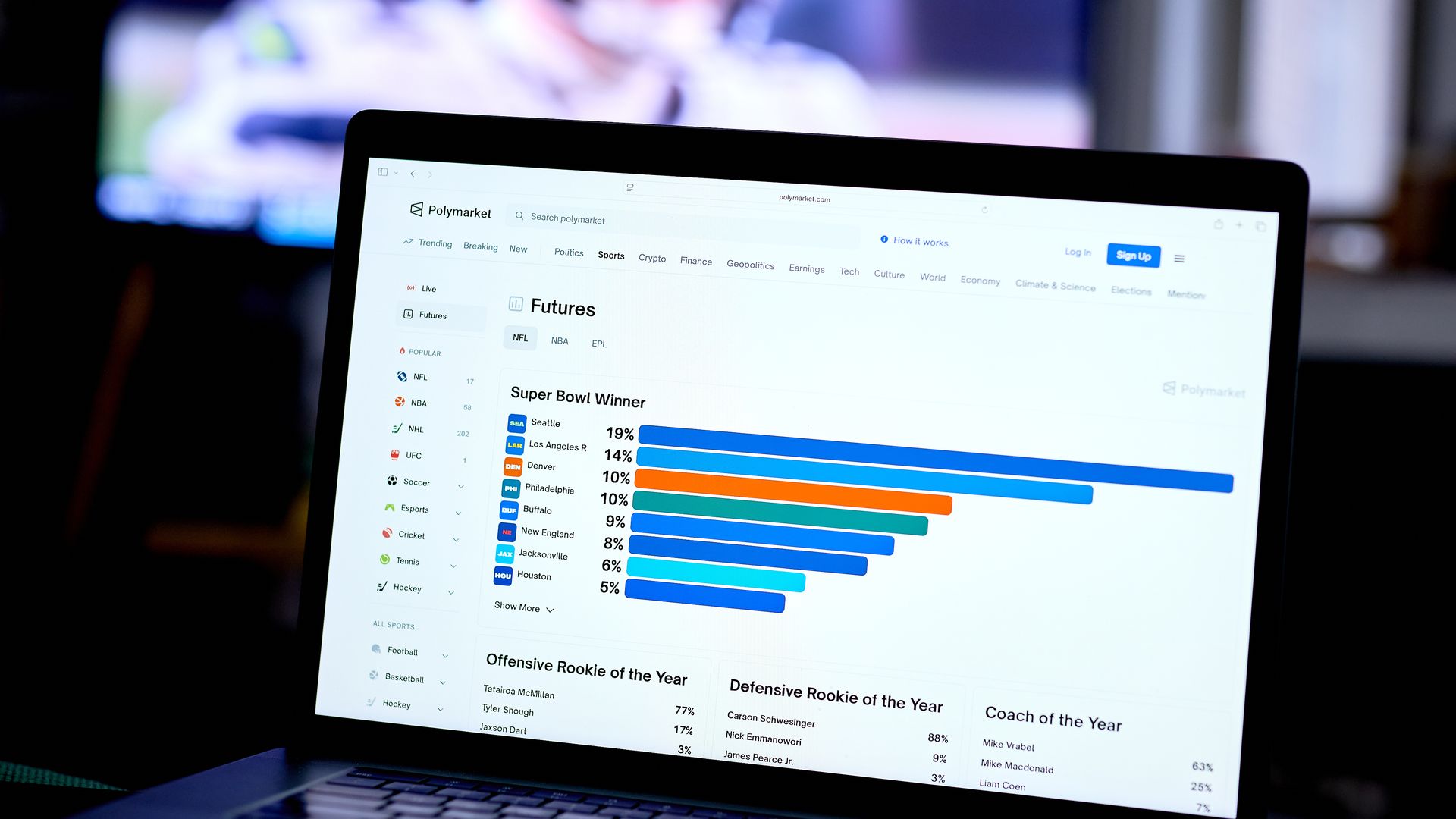
The Commodity Futures Trading Commission is launching a legal campaign to defend its regulatory turf on prediction markets, setting up a clash with states that have sought to block them.
Why it matters: Prediction markets like Kalshi and Polymarket have been surging in popularity, raising questions about the legality of sports event contracts and other trading opportunities in a growing gambling culture.
Ford is chasing physics to make electric vehicles more affordable, even borrowing aerodynamic tricks from F1 racing in the quest to squeeze out better performance at a far lower cost.
Why it matters: Ford, like the rest of the industry, got burned on EVs, writing off $19.5 billion worth of investments on cars no one wanted to buy — but it's not abandoning its electric ambitions.
TopFan, a 12-year-old fan engagement company that's powered sites and apps for the likes of Warner Bros., the Denver Broncos and Maroon 5, is opening its platform to creators, CEO Jeffrey Kohn exclusively tells Axios.
Threat intelligence startup VulnCheck has raised a $25 million Series B round led by Sorenson Capital, the company first shared with Axios.
Why it matters:AI tools are helping researchers uncover even more software bugs, driving market appetite for tools that can help security teams sort through the growing backlog.
Golf influencer Paige Spiranac is teaming up with Pro Shop, the golf media and commerce company behind Netflix's "Full Swing," to launch a new media venture, she exclusively tells Axios.
Why it matters: The partnership underscores how creators are becoming central to modern sports media as athletes turn their personal brands into full-fledged companies.
A new Senate bill that would ensure the cost of data centers' energy use isn't passed on to consumers is stirring up plenty of debate — pro and con — among AI and energy interests.
Why it matters: The bill from Sens. Josh Hawley (R-Mo.) and Richard Blumenthal (D-Conn.) is one of the first bipartisan pieces of legislation on an issue that's drawn plenty of attention from Congress.
Big Tech is on a bond binge to fund its AI bets, and investors seem happy to oblige.
Why it matters: Even as worries swirl around these companies going on AI spending sprees, bond investors — the so-called "smart money" — are so far telling a calmer story.
Matthew Miller and Tucker Eskew — veterans of high-profile campaigns, now partners at Vianovo, a bipartisan management and communications firm — write in a note to clients Tuesday that a "tsunami of Congressional oversight" is headed straight for corporate America if, as is likely based on history, Democrats win the House in November's midterms.
"It's going to be so much worse than they expect," Miller tells Axios.
Why it matters: Companies "that prepare in advance stand a much better chance of emerging with their reputations intact," the partners write. "The subpoenas are coming. The only question is whether companies will be ready."
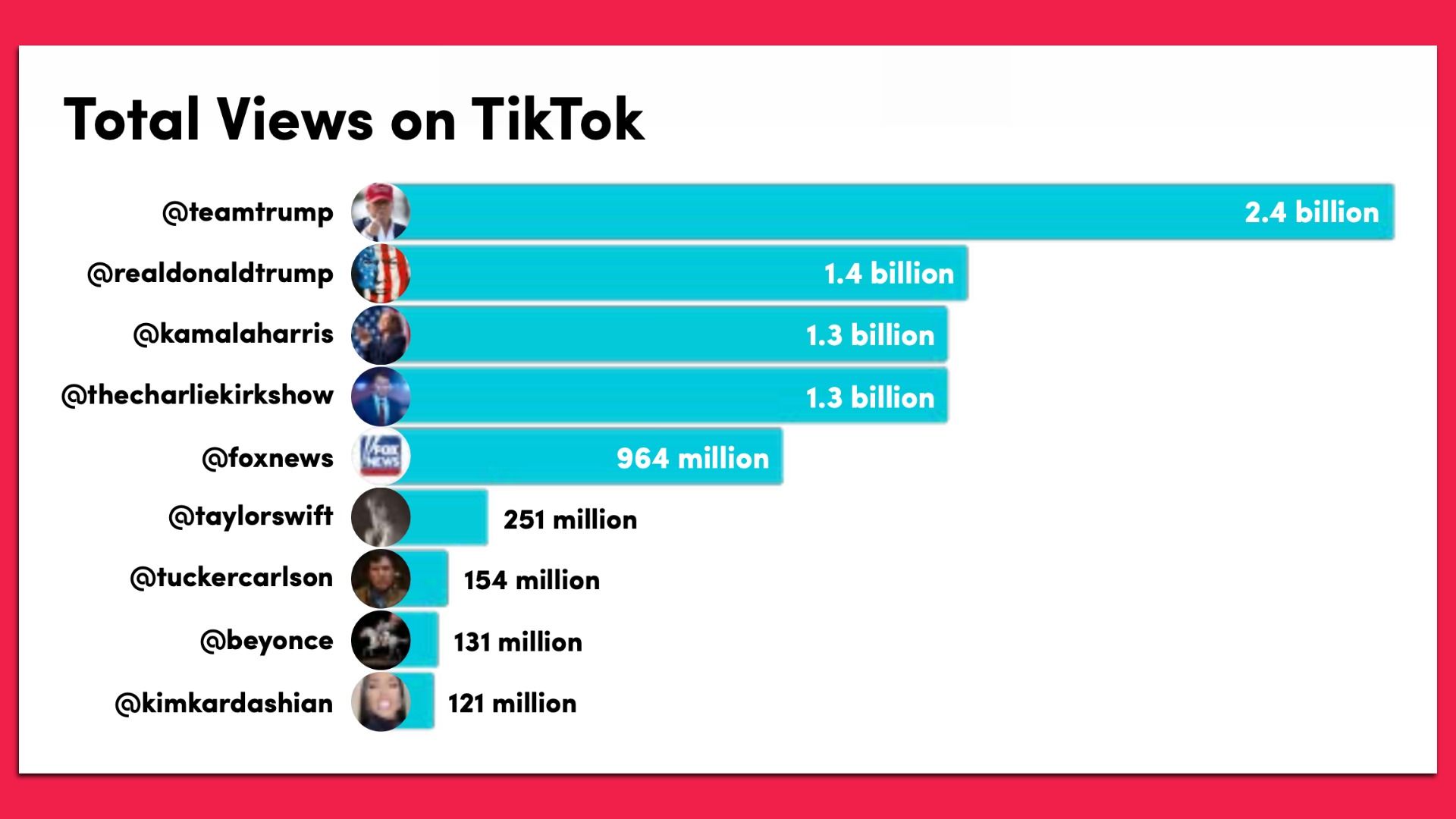
President Trump had just won reelection and was basking in the parade of congratulatory pilgrimages to Mar-a-Lago. On this day in November 2024, an old friend and a first-time visitor were meeting privately with Trump. They wanted something, and they brought something.
Charlie Kirk — a beloved Trump confidant who had just led a smashingly successful turnout drive among young voters — was shepherding TikTok CEO Shou Zi Chew. A law banning the Chinese-owned TikTok in the U.S. was scheduled to kick in the same week Trump was inaugurated. They wanted him to stall the ban and eventually kill it.
AI is concentrating stocks, bonds, private credit — and even the broader economy — around a single bet.
Why it matters: Tech companies are projected to issue over $1 trillion in debt to fund their AI goals this year. Yet there's little evidence the technology can be monetized at a scale that justifies the bet.
Researchers from Johns Hopkins, Oxford, Stanford, Columbia and NYU are calling for guardrails on certain infectious disease datasetsthat could enable AI to design deadly viruses.
Why it matters: Once high-risk biological data hits the open web, it can't be recalled — and regulation won't matter if the knowledge itself is already widely distributed.