Social media's mental health reckoning


Add Axios as your preferred source to
see more of our stories on Google.
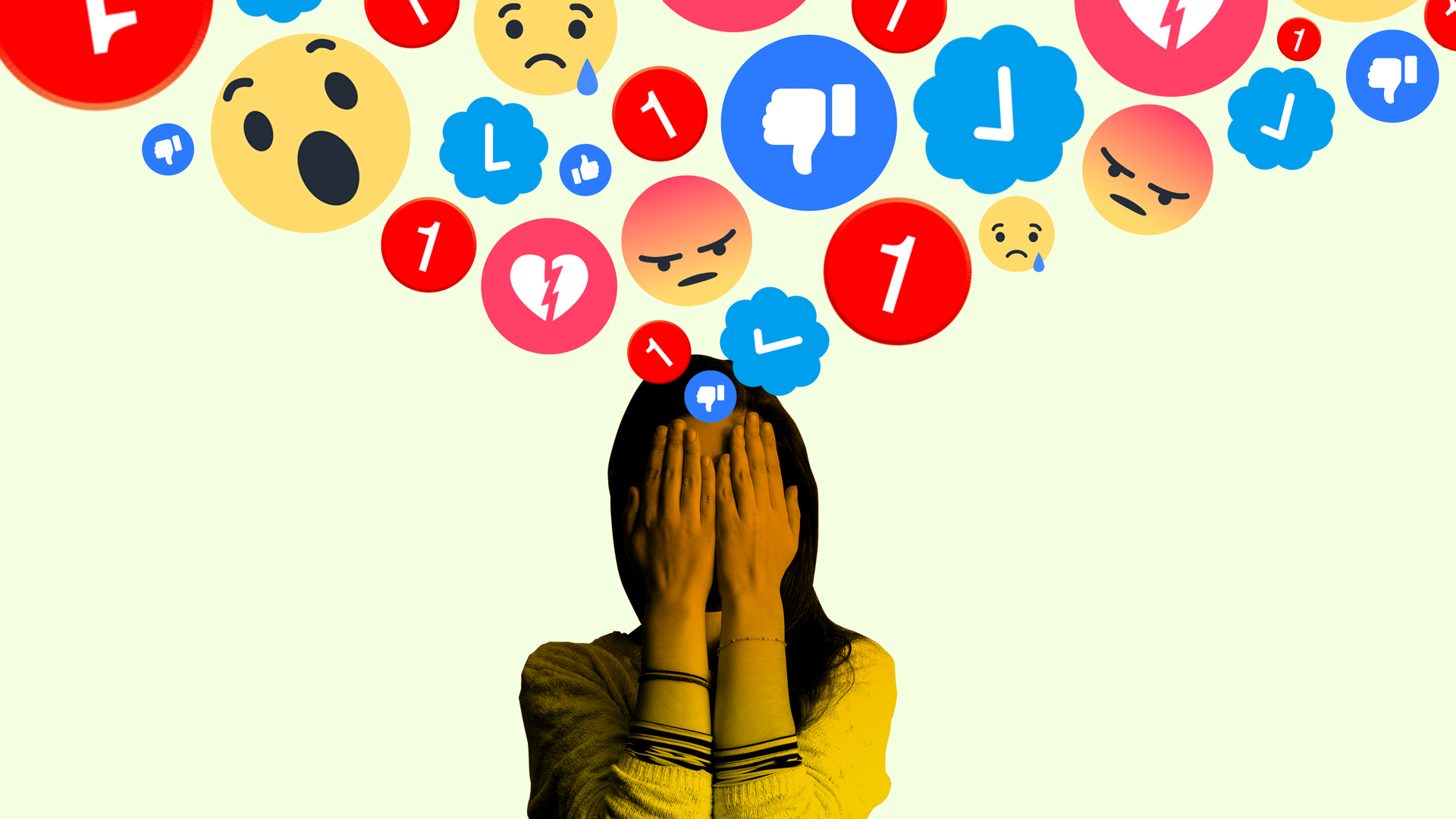
Illustration: Rebecca Zisser / Axios
Meta and YouTube are about to face a landmark trial in Los Angeles over claims their platforms deliberately addict and harm young people, kicking off a wave of high-profile lawsuits that could reshape the social media landscape.
Why it matters: The outcome could determine how thousands of similar lawsuits against social media platforms will play out nationwide.
State of play: Hours before jury selection kicked off on Tuesday, TikTok moved to settle following Snapchat's settlement last week.
- It's now down to Meta and Google's YouTube in the first bellwether case, which involves a plaintiff identified in court documents as K.G.M. who alleges her social media addiction led to depression, anxiety and body dysmorphia.
- It's not known how much TikTok and Snapchat settled for in this lawsuit. But in a proceeding involving hundreds of cases, the companies are likely to go to trial sooner or later.
Catch up quick: This is the start of the first case in a massive state proceeding that consolidates hundreds of personal injury cases from families and school districts.
What they're saying: Plaintiffs' core argument is that social media is a product that should be held to product liability standards, not a platform where Section 230 shields company executives from liability for design choices.
- Companies argue that age verification and parental controls are content-based, so Section 230 shields them from being liable for minors being exposed to harm.
YouTube has said it's different than the case's other defendants because it is primarily a streaming platform, not a social media platform built for likes and interactions.
- The company has said its algorithm for recommended videos has improved on safety over the years, and that a settlement before the case officially kicks off is possible.
- YouTube denies it has caused addiction and harm to users.
Expect plaintiffs and defendants to summon competing research about causation between social media and mental health harms.
- Companies will also point to changes to their products to help kids better use their platforms, like Meta's parental controls and "take a break" notifications and YouTube's suite of parental controls like timers and its separate kids app.
What's next: Jury selection is likely to last through next week.
- Meta CEO Mark Zuckerberg is expected to testify Feb. 9.
