AI could help judge Olympic figure skating

Add Axios as your preferred source to
see more of our stories on Google.

Illustration: Sarah Grillo/Axios
AI's next big innovation, making its debut at these Winter Olympics, could help figure skating judges determine whether an athlete landed a fast-twirling move successfully.
The big picture: Omega, the official Olympic timing and measurement provider, has installed an array of 14 cameras to track athletes in motion.
How it works: Omega uses its camera data to create a heat map of where skaters are concentrating their moves, as well as the jump height, jump length and rotation of each jump.
- "We're down to millimeters in the detection of the blade," said Alain Zobrist, CEO of Omega's timing unit. AI can detect movements that "couldn't be seen with the naked eye," he added.
- Omega's capabilities could eventually support judging decisions.
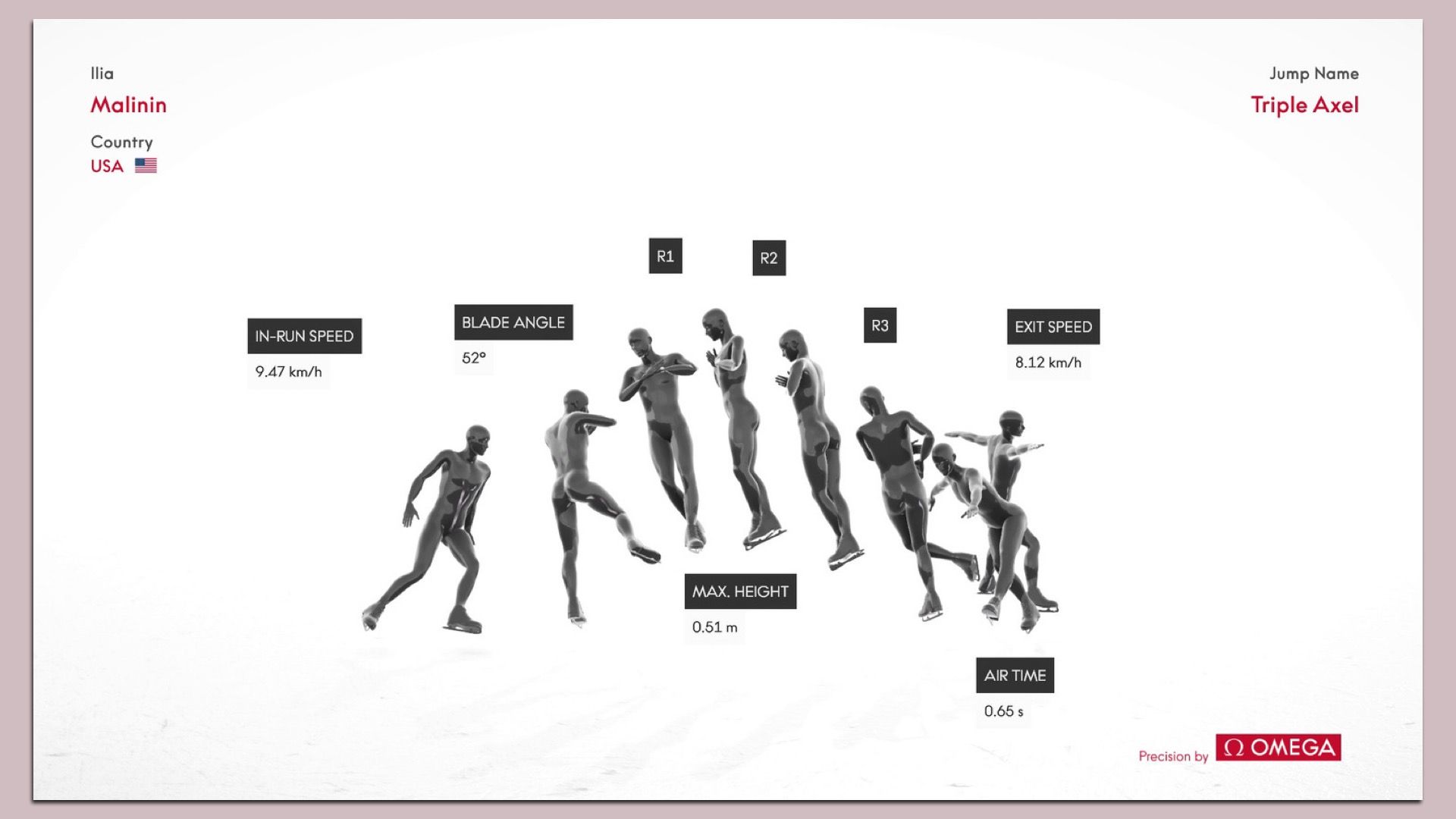
Zoom in: For now, Omega is providing this information to broadcasters rather than judges, but the expectation is that judges at international competitions could have access to the technology later this year.
Yes, but: There's a limit to how much technology can aid in sports like figure skating where a significant portion of the score comes down to the judge's discretion.
- There's little AI could do, for example, to avoid a controversy like the one that emerged in this year's ice dance competition when a significantly lower score for the U.S. team from the French judge allowed that country's team to edge past Americans Madison Chock and Evan Bates.
Catch up quick: Omega has been using AI and computer vision to track athletes since 2018, initially just in ski jumping, to tell whether a jump was too early, too late or right on time.
- In Paris in 2024, Omega added finish-line cameras that fire 40,000 times per second to judge the winners of a race. That same technology is being used for the first time in the Winter Olympics this year, Zobrist said.
Between the lines: Omega initially looked to physical sensors to track athletes but found that wasn't practical in many cases.
- "At some point, we understood that it's just too disturbing to them, so we moved to computer vision technology with AI in order to track their performance," he said.
