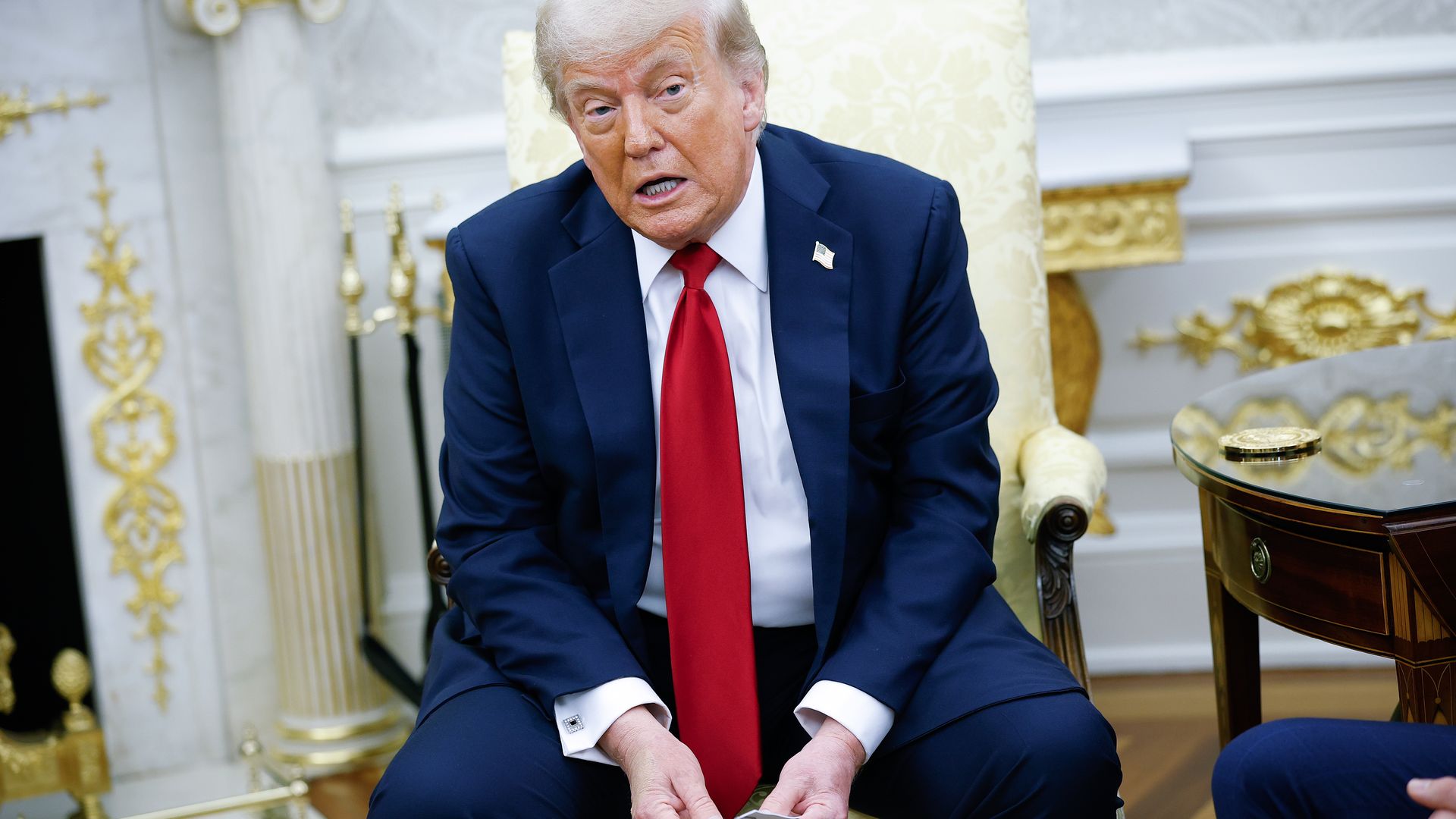
MAGA is recoiling at President Trump's increasingly personal attacks on his followers over Jeffrey Epstein, opening the most bitter divisions yet between the president and the GOP base.
Why it matters: MAGA has at times grumbled over Trump's handling of foreign affairs, immigration and other sporadic issues. But the president's growing irritation with his supporters' Epstein theories and his adamant insistence that they're illegitimate is widening the most significant rift yet.
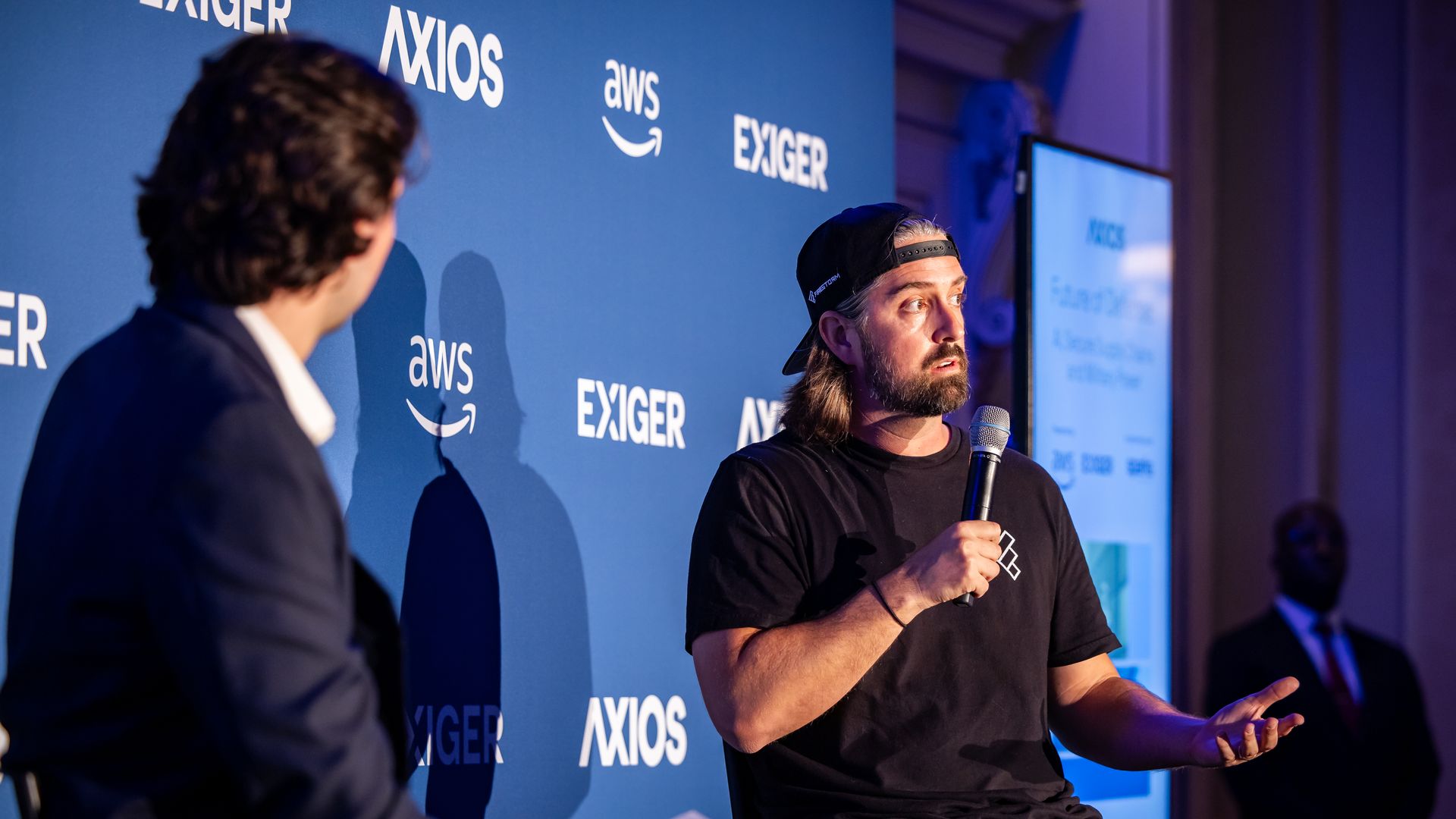
Firestorm Labs plans to move into a larger production facility, grow its fleet of airliftable xCell factories and cook up additional drone designs on the heels of a $47 million Series A.
Why it matters: The California-based company is 3D printing the types of weapons and tools that define the Russia-Ukraine war.
It's also inked contracts with the U.S. Defense Department, including one with the Air Force worth as much as $100 million.
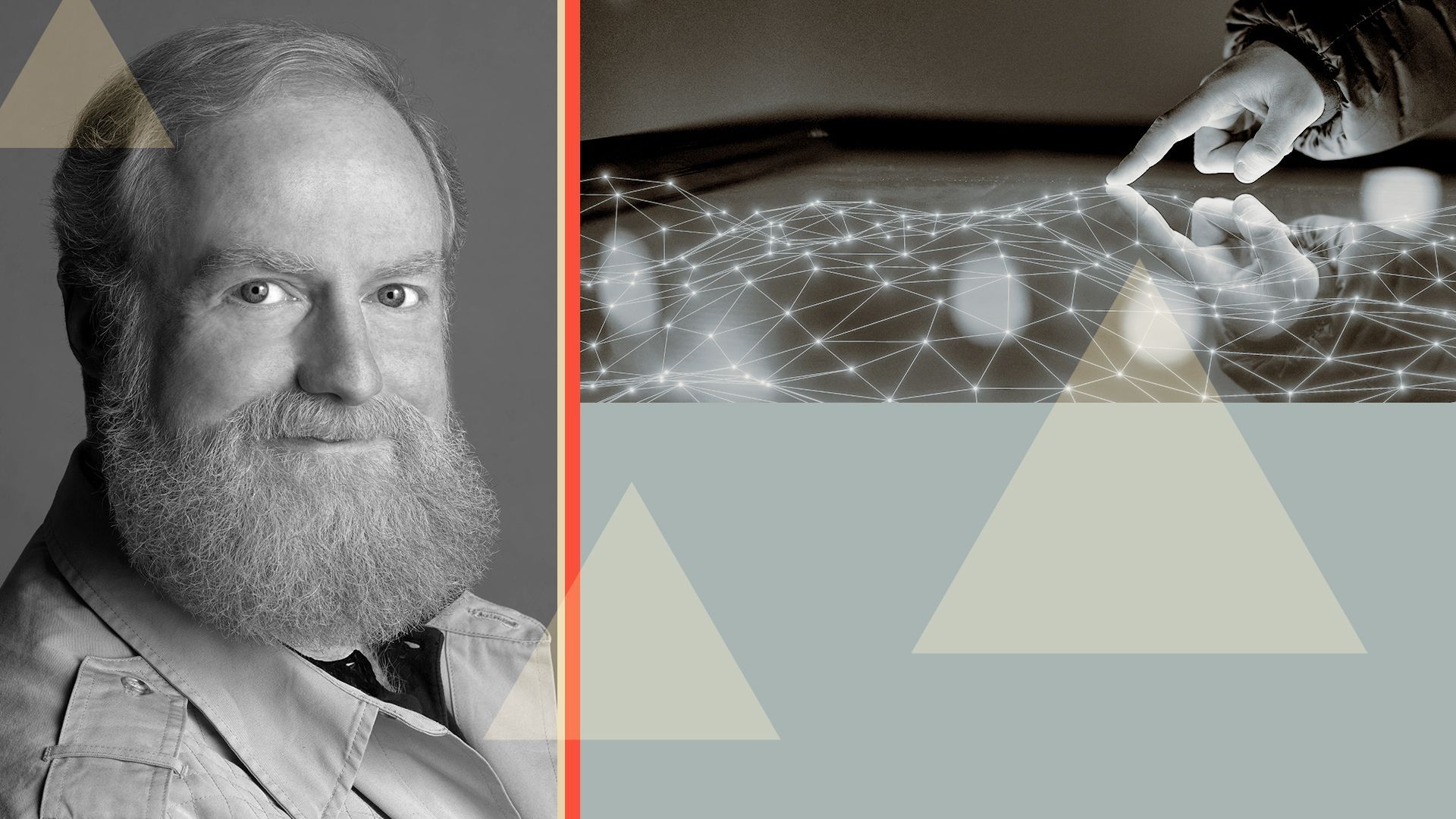
Long-term scheming is no doubt important. But today's "chaotic and complex and rapidly evolving world" demands shorter-term thinking and maneuvering, according to Bran Ferren, the cofounder and CEO of Applied Minds.
"What's going to happen tomorrow, next week or next year is of most import," he told Axios in an interview. "At the moment, that's my focus."
Why he matters: Ferren is the former president of research and development at Walt Disney Imagineering. He has also worked with Lockheed Martin, Herman Miller, the Library of Congress and more.
The U.K. and France committed to buying additional Storm Shadow cruise missiles, wielded in the Russia-Ukraine war, while also pursuing a more sophisticated replacement.
Why it matters: It's a sign of deepening relations between London and Paris, where the missile is known as SCALP.
The deal falls under an updated Lancaster House Agreement, which details military and defense-tech cooperation between the two governments.
Chariot Defense emerged from stealth Wednesday with $8 million in seed funding and a stated goal of energizing militaries.
Why it matters: Defense technologies of today and tomorrow — drones, sensors, jammers, mobile command posts — are power-hungry. They chew through fuel and batteries, forcing risky resupply runs.
A new wave of teen influencers is gaining followers by touting ideas central toRobert F. Kennedy Jr.'s public health movement, adding a Gen Z edge to a following that's trended toward wellness entrepreneurs and so-called MAHA moms.
Why it matters: The distrust of Big Pharma and antiestablishment health messaging may create a convenient gateway into conservative politics for adolescents and young adults.
Nearly three-quarters of U.S. teens (72%) say they use AI for companionship, with more than half of those doing so at least a few times a month, a new survey released Wednesday finds.
Why it matters: AI companions can be dangerous to young users, posing an "unacceptable risk," according to Common Sense Media, who published the findings.
Imposing a single narrative on Tuesday's AI-energy summit with President Trump and top execs would feel fake and forced, but some wider themes emerged.
Why it matters: Big investments unveiled in Pittsburgh — plus C-suite and Cabinet wattage there — highlight how fueling data centers is a massive challenge and opportunity.
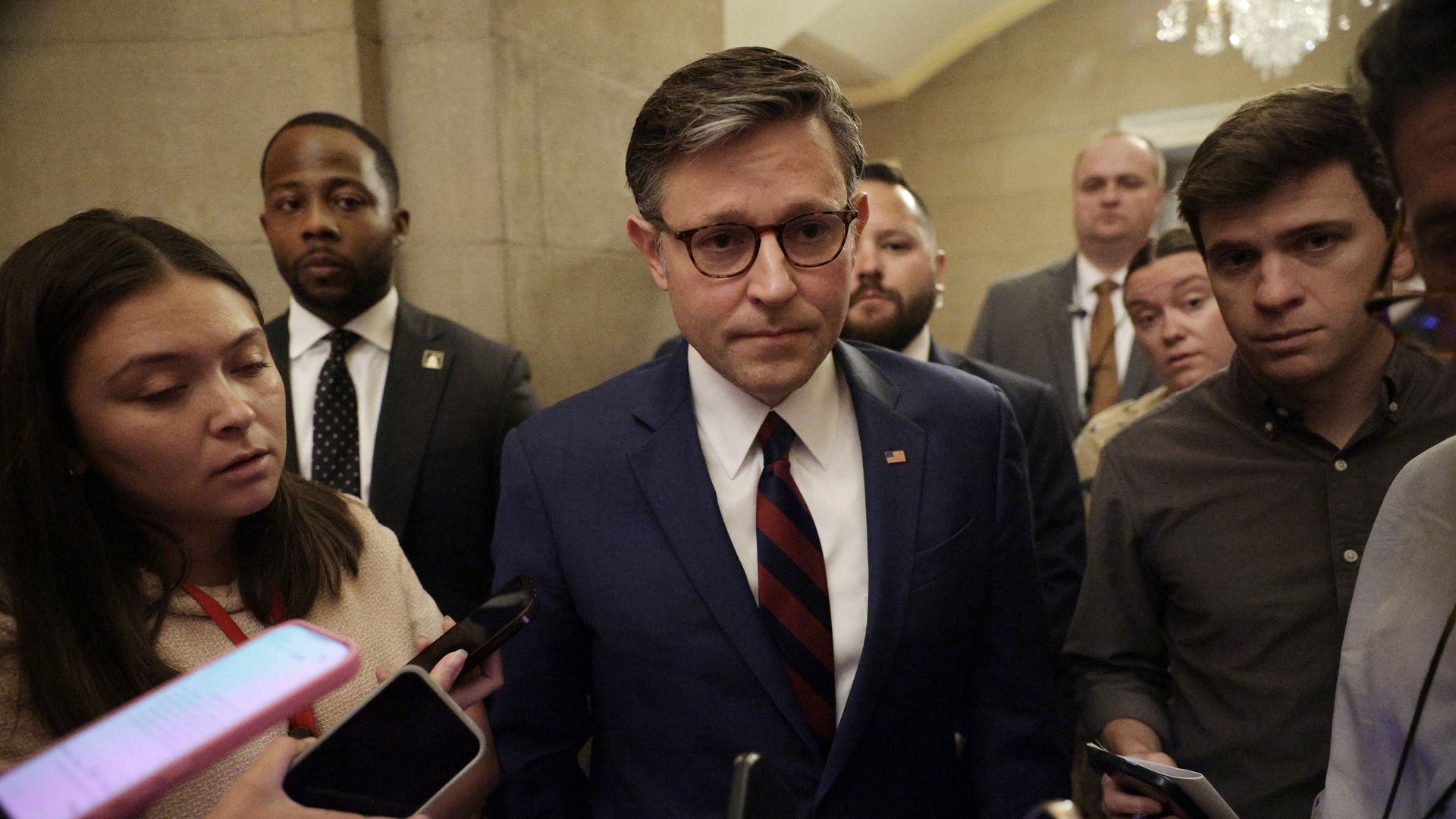
House Speaker Mike Johnson (R-La.) abruptly canceled Tuesday's remaining floor votes as opposition from a group of right-wing Republicans stymied efforts to send legislation establishing a regulatory framework for stablecoin issuers to President Trump's desk.
Why it matters: Johnson is facing demands to combine the so-called GENIUS Act with two other crypto bills the chamber is considering this week. That would force the Senate to reconsider the legislation, likely leading to significant delays.
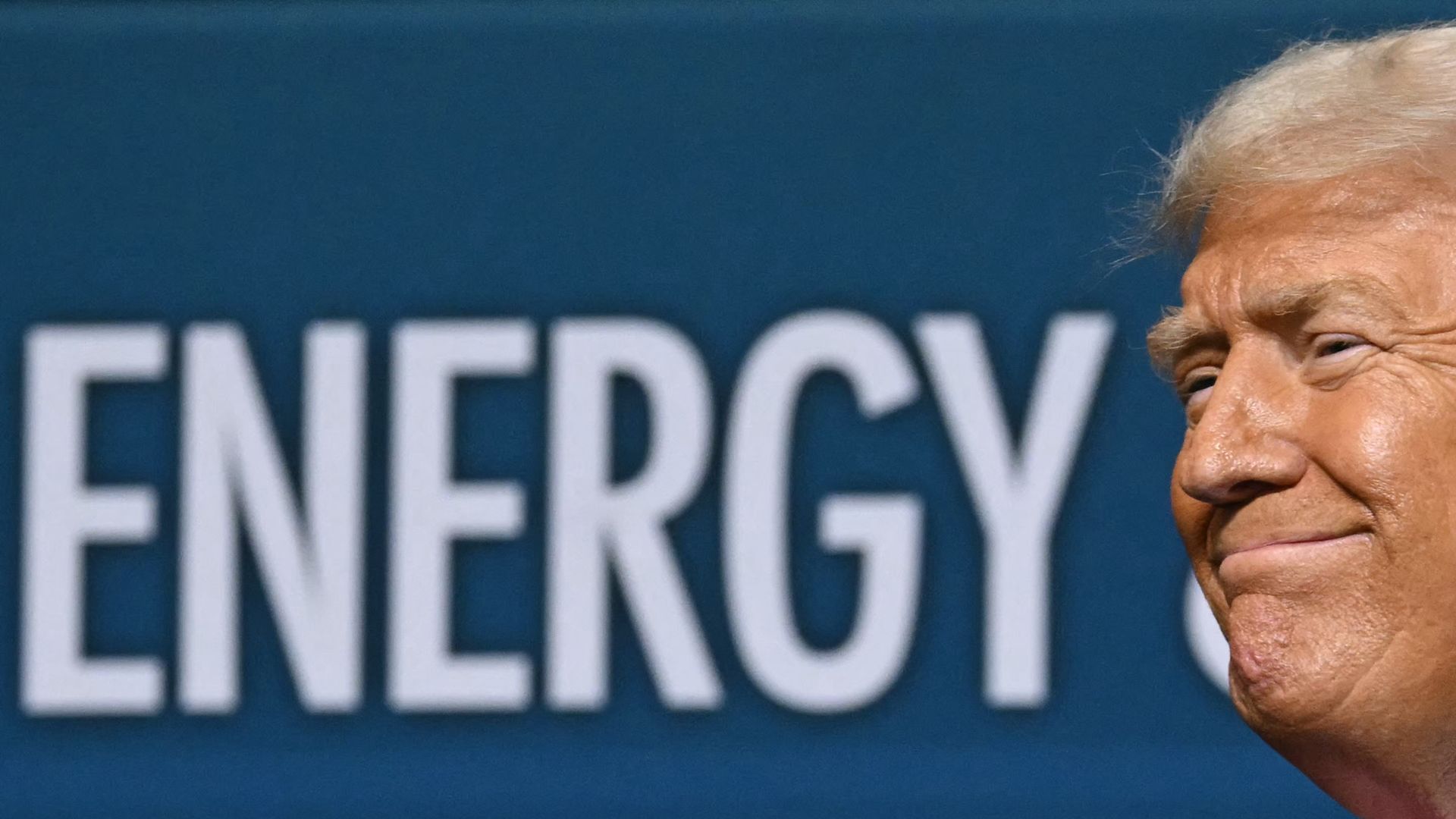
President Trump said Tuesday he's speeding up permitting and making it easier for data centers to connect to the electricity grid in announcing $92 billion in AI and energy investments at a Pennsylvania summit.
Why it matters: Trump's endorsement of building new power plants — and locating data centers right next to them — reflects the growing thirst for electricity from the energy-intensive facilities.
Media companies are racing to add custom AI chatbots to their websites and apps in an attempt to lure user traffic away from apps like ChatGPT and Gemini.
Why it matters: They hope a more limited chatbot on their site, trained solely off of vetted journalism, will be enough to lure consumers from bigger apps that tend to make mistakes.
New renderings and deets on a first-of-its-kind exhibit coming to the Franklin Institute have dropped.
The big picture: The world premiere of "Universal Theme Parks: The Exhibition" is just oneof several big attractions heading to Philly next year, during the nation's 250th birthday.
After years of aggressive growth and regulatory expansion under previous administrations, the workforce and mission of the Cybersecurity and Infrastructure Security Agency are rapidly shrinking.
Why it matters: As nation-state attacks on critical infrastructure intensify, states and private companies lack the capacity to fill the gaps left by CISA's retreat, former officials tell Axios.
If Fortune 100 companies want to fix their cybersecurity hiring woes, they may need to start by rethinking their own job postings, according to a new report from cybersecurity firm Expel.
Why it matters: Many cybersecurity job listings still rely on outdated titles and fail to offer the flexibility or benefits that top talent expects — making it harder for major companies to attract and retain skilled workers.
Anthropic is teaming up with financial services firms to launch a unified Claude interface for simultaneously analyzing market data across multiple sources.
Why it matters: It's Anthropic's first big disruption for one industry: finance. And it won't be the last.
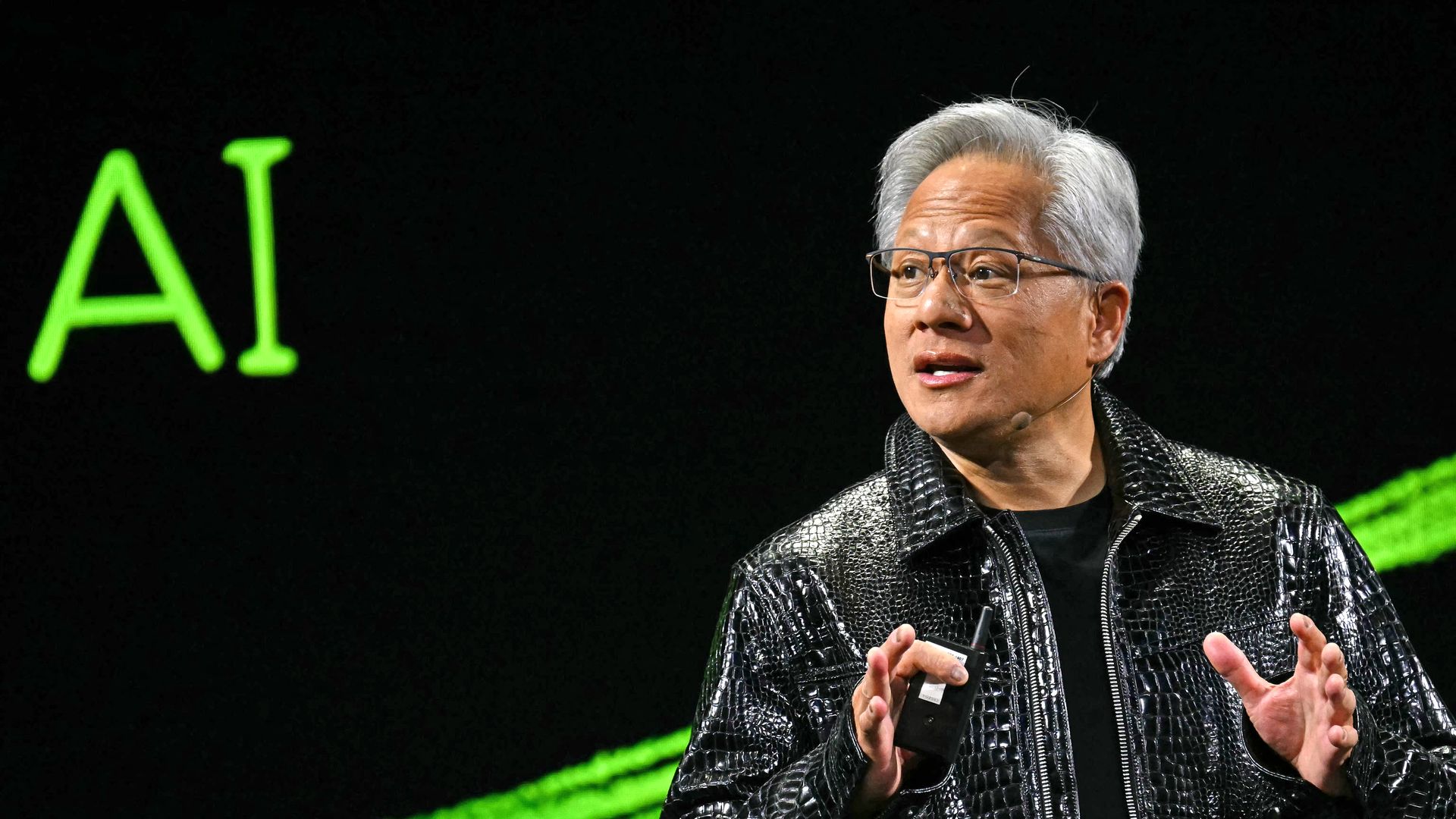
Shares in Nvidia rallied sharply Tuesday morning, helping boost the entire market, after the company said the U.S. government will again allow it to ship powerful AI chips to China.
Why it matters: The export ban cost the company more than $10 billion in revenue, CEO Jensen Huang has said previously, so the reversal will come as a huge boon to its bottom line.
Google is launching AI Works for America, a new initiative to train workers and small businesses in essential AI skills, the company announced Tuesday.
Why it matters: The AI leaders who say the tech will reinvigorate — and not decimate — the workforce have yet to reveal many concrete plans to train workers whose jobs could become obsolete.
America’s next wave of workers is stuck in a misaligned job market: The career guidance they’re getting from their parents, teachers and counselors isn’t in sync with their economic reality, according to a new report from the Schultz Family Foundation and HarrisX.
Why it matters: The disconnect is driving youth unemployment — and leaving many young people uneasy about their place in the workforce.
A surprising new study finding that AI tools can reduce programmers' productivity is upending assumptions about the technology's world-changing potential.
Why it matters: Software runs our civilization, and AI is already transforming the business of making it — but no one really knows whether AI will decimate programming jobs, or turn every coder into a miracle worker, or both.