Mattel is teaming up with OpenAI to create AI-enabled toys, but don't expect to unwrap a ChatGPT Barbie this winter holiday, a source tells Axios.
Between the lines: Mattel hasn't decided if its first AI product will be a toy, a "digital experience" or something else — and hasn't picked which brand to start with.
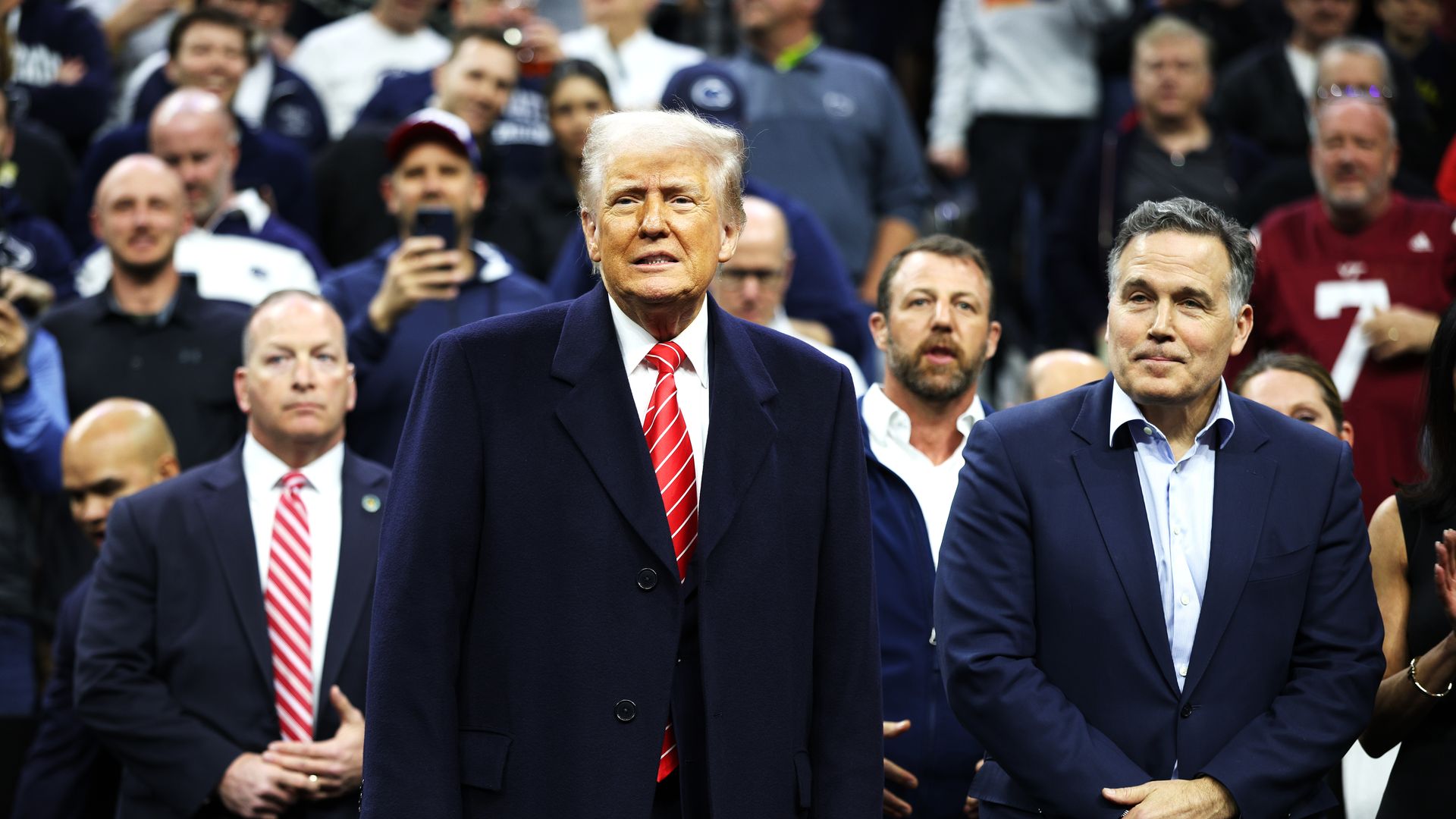
President Trump will appear at Sen. Dave McCormick's (R-Pa.) inaugural Pennsylvania Energy and Innovation Summit next month in Pittsburgh to discuss AI, energy and labor, McCormick's office tells Axios.
Why it matters: Trump's attendance at the July 15 summit at Carnegie Mellon University is a big win for McCormick's efforts to bring AI and energy leaders together for the first time.
The challenge: Designing, testing, analyzing and optimizing a business process, system or product before it hits the real world isn't just complex, it's a race against time. Enterprises must balance speed with precision, making high-stakes decisions based on incomplete data, all while navigating shifting market demands and rising customer expectations. In today's fast-moving landscape, getting it wrong isn't an option, but getting it right, fast, is the real challenge.
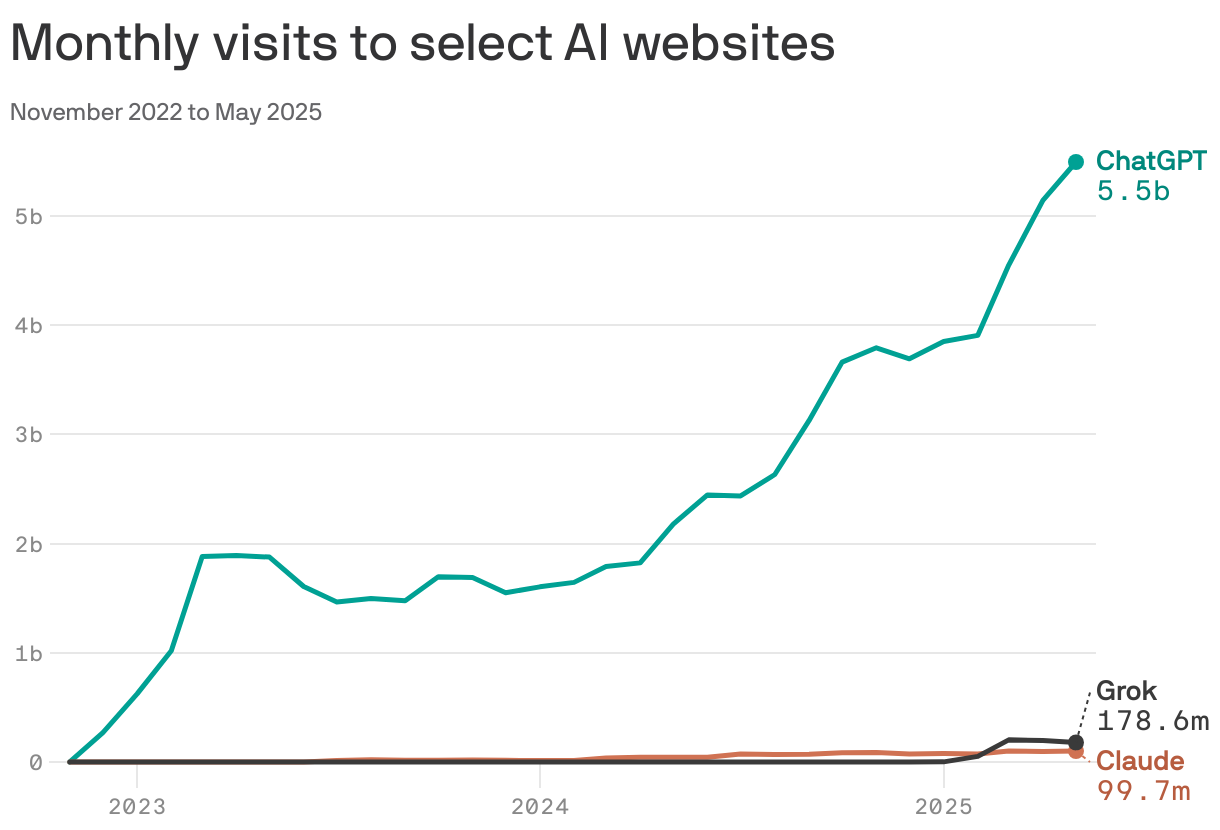
OpenAI's ChatGPT has been the fastest-growing platform in history ever since the chatbot launched 925 days — 2½ years — ago. Now, CEO Sam Altman is moving fast to out-Google Google.
Why it matters: OpenAI aims to replicate the insurmountable lead that Google built beginning in the early 2000s, when it became the world's largest search engine. The dream: Everyone uses it because everyone's using it.
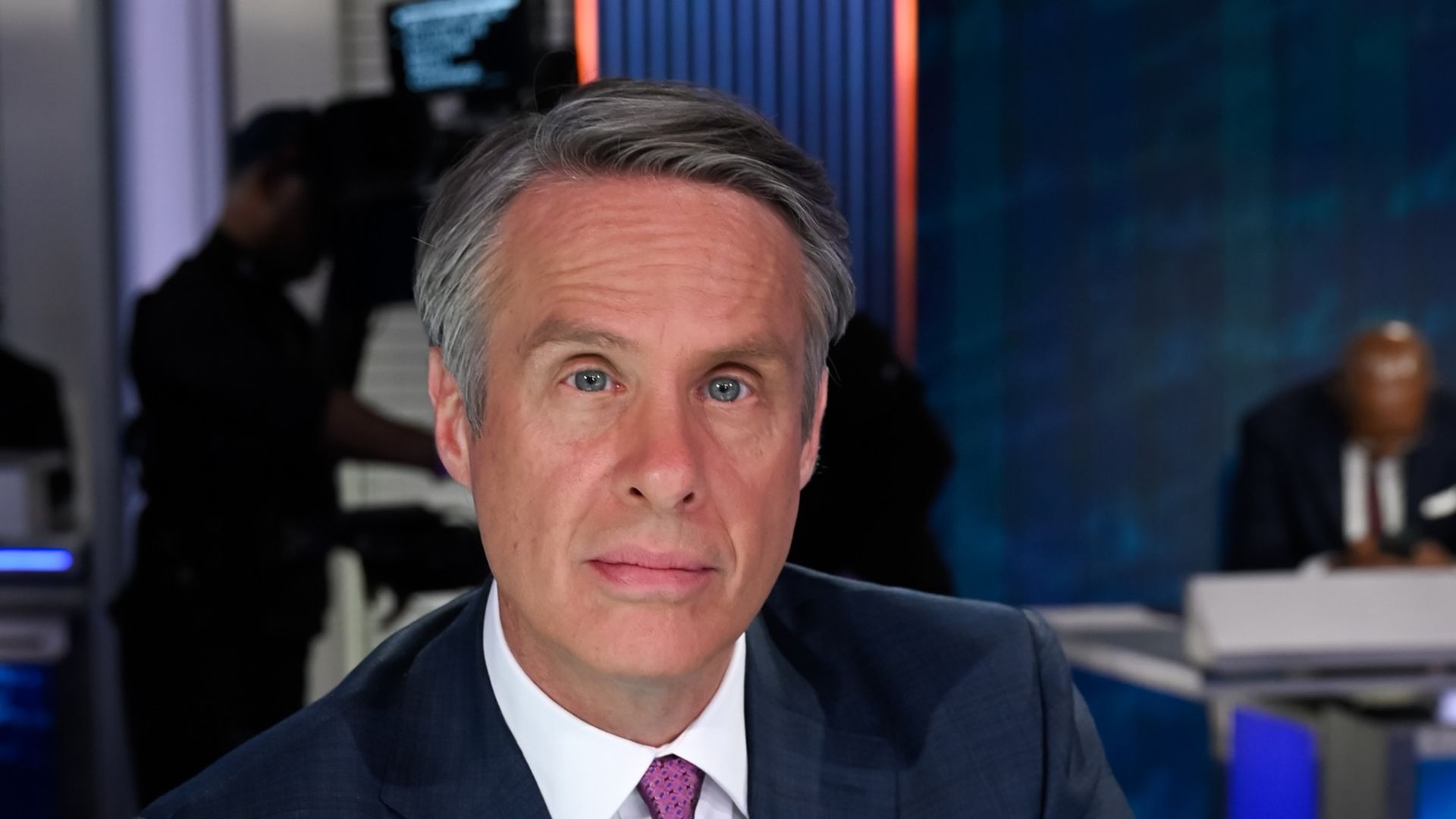
Veteran journalist Terry Moran, who abruptly left ABC News after calling President Trump and top aide Stephen Miller "world-class" haters, announced Wednesday that he's moving to the newsletter platform Substack.
What he's saying: "For almost 28 years, I was a reporter and anchor for ABC News, and as you may have heard, I'm not there anymore," Moran said, breaking his silence on his departure after ABC called his since-deleted X post "a clear violation of ABC News policies."
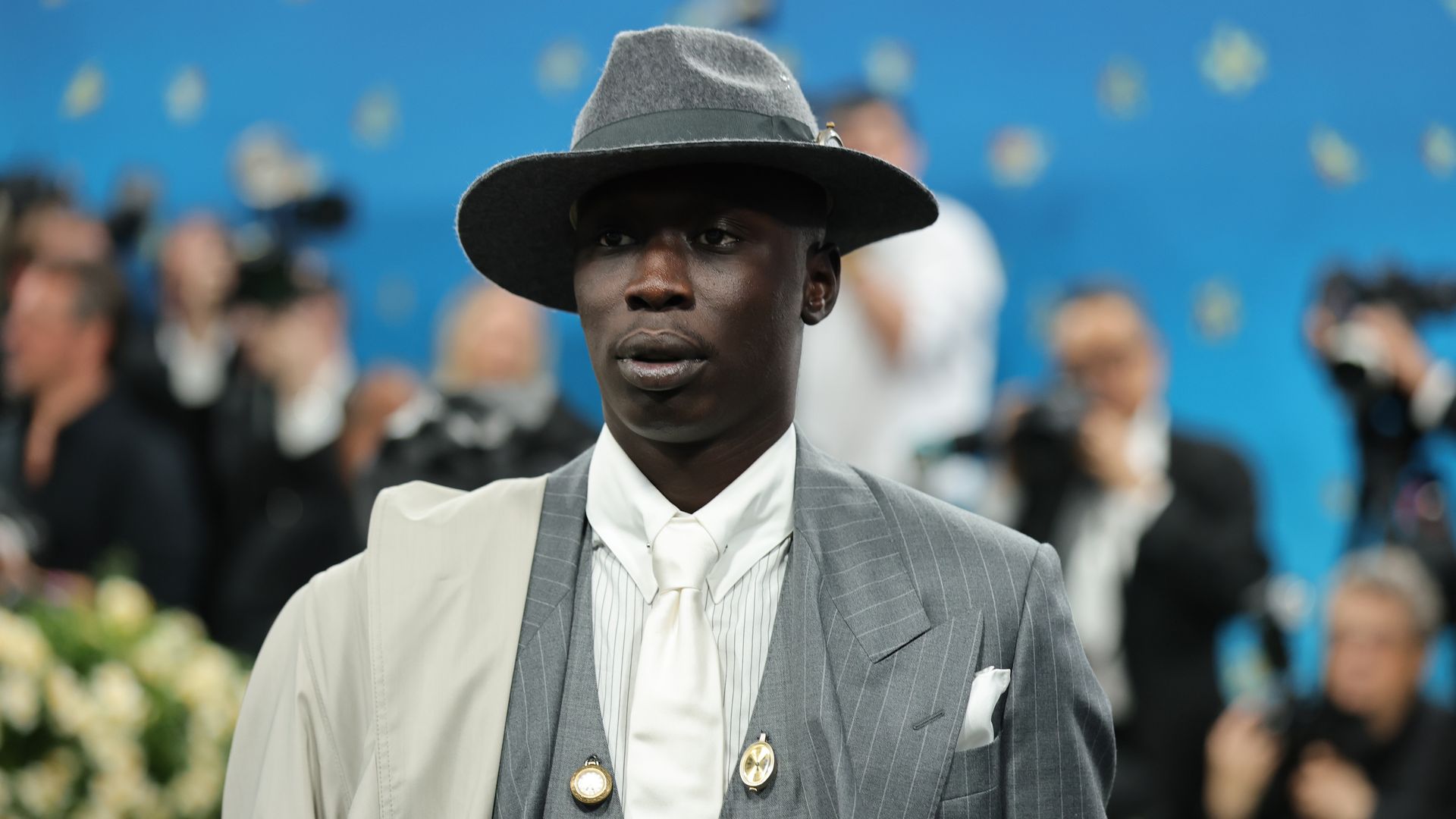
Khaby Lame, the world's most followed TikTok creator, was detained for overstaying a visa and granted voluntary departure from the U.S. this month, the Department of Homeland Security said.
The big picture: Lame's detention comes as the Trump administration enforces its crackdown on immigration and border security.
The next wave of American innovation is set to emerge from small and medium-sized businesses that are harnessing open source models to punch above their weight.
Meta reportedly is planning to invest around $14.8 billion for a 49% stake in Scale AI, with the startup's CEO to join a new AI lab that Mark Zuckerberg is personally staffing.
When the news broke yesterday, albeit still unconfirmed by either side, lots of commenters suggested that the unusual structure was to help Meta sidestep antitrust scrutiny.
Disney and NBCUniversal have teamed up to sue Midjourney, a generative AI company, accusing it of copyright infringement, according to a copy of the complaint obtained by Axios.
Why it matters: It's the first legal action that major Hollywood studios have taken against a generative AI company.
Ad giant Taboola is rolling out its own generative AI search engine called DeeperDive for its publishing partners to use on their websites, its CEO and founder Adam Singolda told Axios. Its debut publishing partners are Gannett/USA Today and The Independent.
Why it matters: With over 9,000 publishing partners, Taboola is one of the largest native advertising platforms serving the open web.
Joe DePietro, the vice president and general manager of Lockheed Martin's C6ISR business, has a need for speed.
Inside the defense buying-and-selling world, there's "a speed mismatch," he told Axios. "Innovation? Fast. Threat? Fast. Acquisition and fielding? Slow."
"While we're working with the customers, and we're doing things like OTAs and other stuff, there's this other piece of it," he added. "We've got to focus on what we can control and match the urgency of the threat environment."
Why he matters: DePietro has decades of experience in the defense industry. His current portfolio is key to identifying and tracking threats and coordinating takedowns.
The U.S. Army Transformation Initiative trotted out by service leaders last month is just the tip of the iceberg.
There will be additional pivots, debates, cuts and media appearances.
Why it matters: "The risk is in not changing," Chief of Staff Gen. Randy George told Axios during an interview in his Pentagon office.
"We've got to get better by 2026," he said, shrugging off longer-term ambitions like the Army of 2030 or 2040. "I think we have to be improving on a day-by-day, week-by-week basis."
While U.S. trade negotiators work to ease an immediate shortage of rare earth magnets from China, the Trump administration is scrambling to line up viable alternatives that would reduce America's reliance on its chief economic rival.
Why it matters: Small-but-powerful rare earth magnets are essential to high-tech products, from cars and robots to electronics and weapons. But China controls 90% of the world's supply of the critical components.
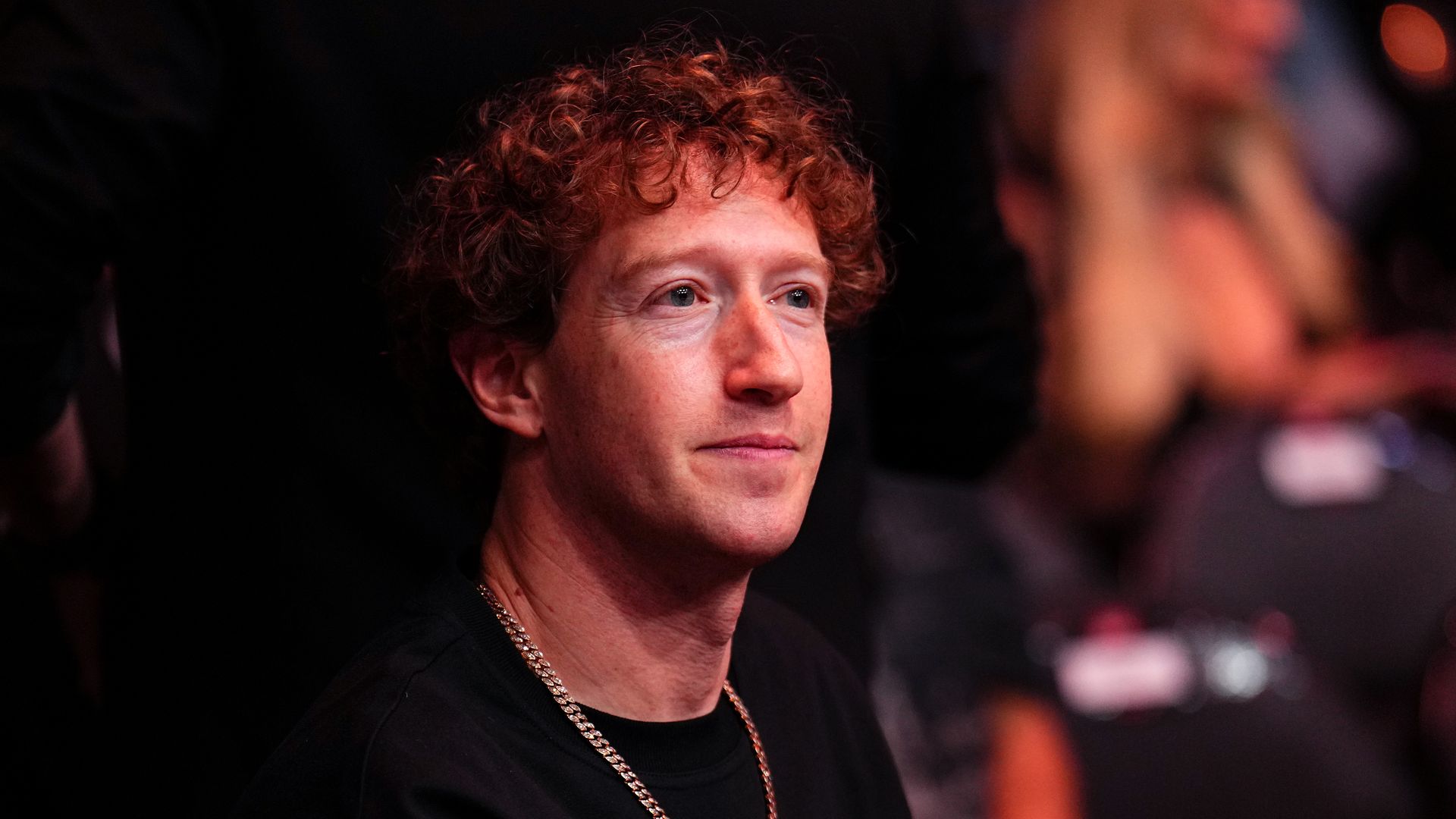
Mark Zuckerberg wants to play a bigger role in the development of superintelligent AI — and is willing to spend billions to recover from a series of setbacks and defections that have left Meta lagging and the CEO steaming.
Why it matters: Competitors aren't standing still, as made clear by recent model releases from Anthropic and OpenAI and highlighted with a Tuesday night blog post from Sam Altman that suggests "the gentle singularity" is already underway.