Meta's big AI deal could invite antitrust scrutiny

Add Axios as your preferred source to
see more of our stories on Google.
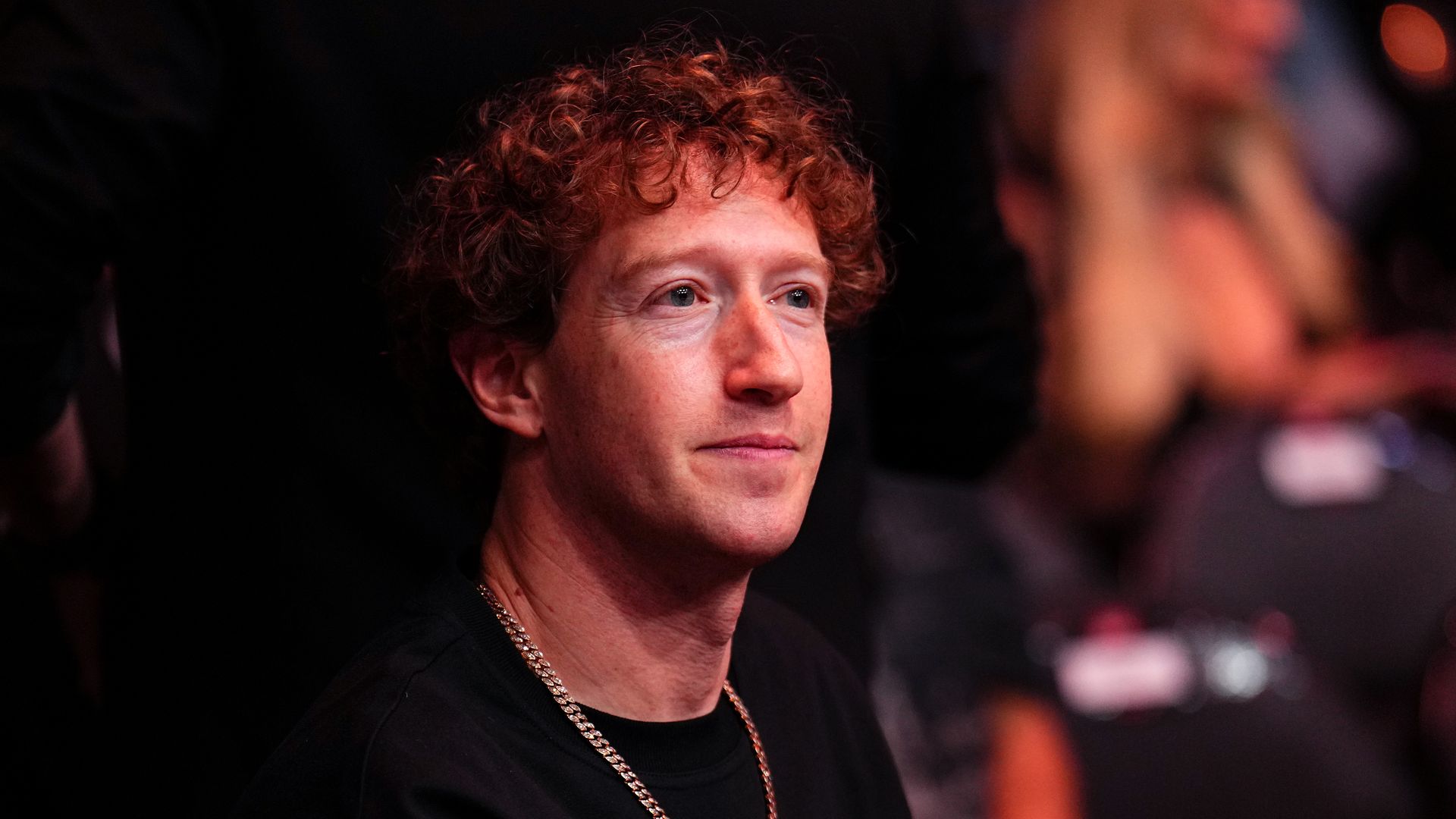
Photo: Chris Unger/Zuffa LLC
Meta reportedly is planning to invest around $14.8 billion for a 49% stake in Scale AI, with the startup's CEO to join a new AI lab that Mark Zuckerberg is personally staffing.
- When the news broke yesterday, albeit still unconfirmed by either side, lots of commenters suggested that the unusual structure was to help Meta sidestep antitrust scrutiny.
- Not so fast.
What to know: U.S. antitrust regulators at the FTC and DOJ do have the authority to investigate non-control deals, even if it's been rarely utilized.
- That's true under both Sections 7 and 8 of the Clayton Act, which focus on M&A and interlocking directorates, respectively.
Catch up quick: The FTC in early 2024 launched an inquiry into AI investments and partnerships, and later reportedly opened an investigation into Microsoft that included its minority investments in OpenAI.
The big picture: The Trump administration has a more laissez-faire attitude toward AI oversight than did its predecessor, but that doesn't necessarily extend to letting Big Tech grow more powerful. Particularly via inorganic means.
- At some point, it's likely to try making an example of someone — to nip this non-control M&A trend in the bud.
- Meta may be a juicy target, given laments and litigation over how it was allowed to acquire Instagram and WhatsApp without regulatory pushback.
Yes, but: Meta isn't viewed as anything close to an AI market leader, despite its vast resources and open-source Llama models, as Axios' Ina Fried writes.
- She adds that Scale AI is "an unusual target" for superintelligence, having "built its business by focusing on the more manual tasks of AI — using humans to label data."
What we're watching: The final deal terms between Meta and Scale AI, which previously raised $1.6 billion from venture capitalists, and any PR language around possible legal challenges.
