Walmart on Tuesday rejected the idea that it would apply an itemized surcharge to purchases to account for President Trump's increased tariffs.
Why it matters: A report Tuesday that Walmart rival Amazon was poised to add a tariff fee to sales in the U.S. triggered outrage in the White House, which condemned it as a "hostile and political act."
Amazon's discount store — Amazon Haul — launched in November as the e-commerce giant's answer to bringing shoppers cheap goods from China and competing against Temu and Shein.
Why it matters: President Trump's aggressive tariffs and trade war with China have hit the low-cost Chinese retailers — and created confusion and angst for consumers.
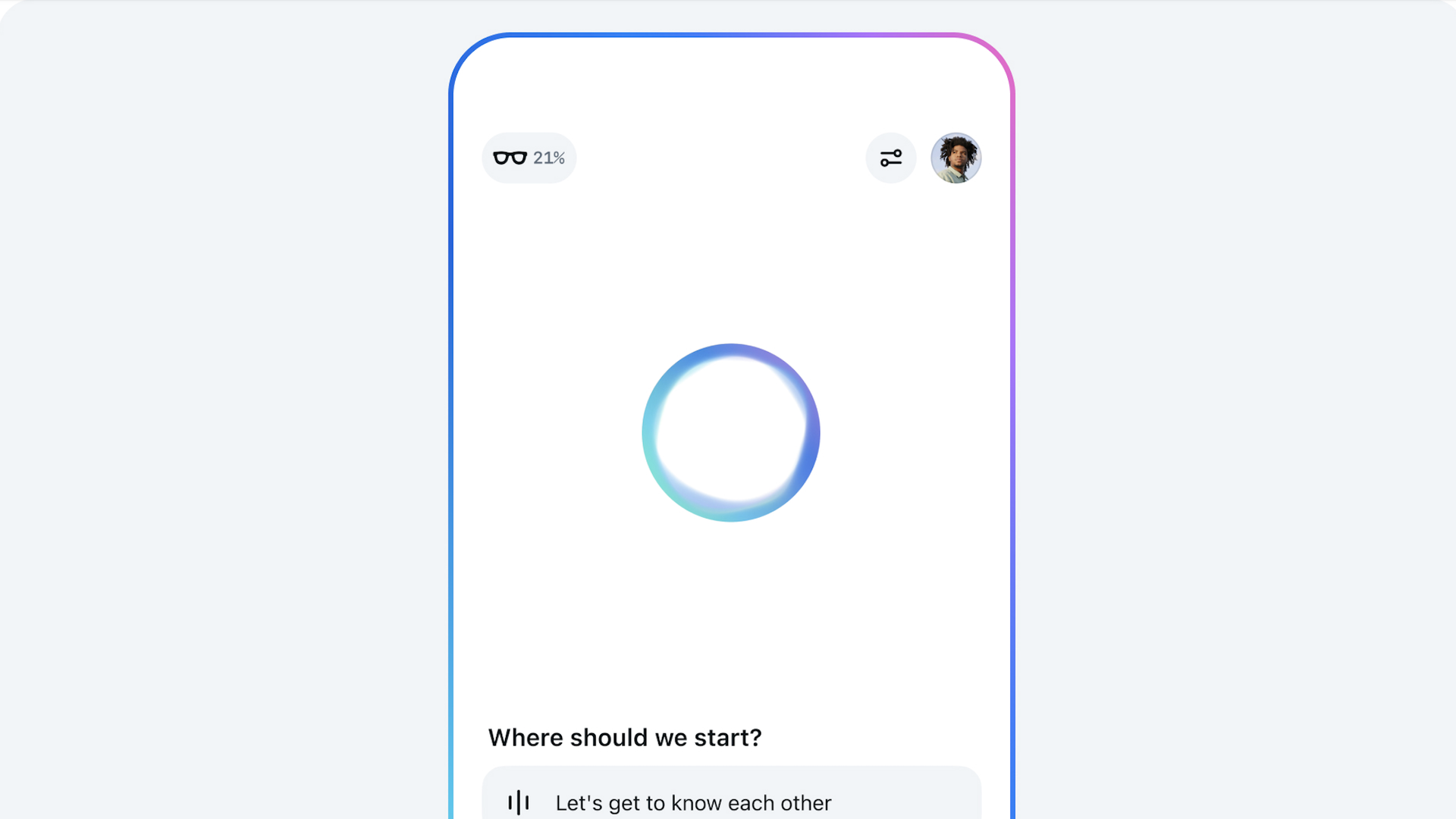
Meta on Tuesday debuted a new mobile app that consolidates the company's AI efforts while adding new voice and social capabilities.
Why it matters: Facebook's parent company will use its massive "social graph" and extensive knowledge of its users to help its AI assistant stand out from rivals including OpenAI, Google and Microsoft.
Top cyber officials in the Trump administration are among those here in San Francisco this week — though the NSA and Cyber Command are both absent after President Trump unexpectedly fired Gen. Timothy Haugh this month.
Typically, the U.S. government's entire roster of cyber officials attends the RSA Conference to meet with industry stakeholders, but it was unclear until last week what presence — if any — Trump's team would have.
Why it matters: DOGE-fueled workforce and budget cuts have created uncertainty about what role the federal government intends to play in protecting U.S. organizations and citizens from malicious hackers.
Investors aren't shyingaway from new funding ahead of this year's RSAC.
Why it matters: Tariff-driven anxiety has slowed down much of the economy, including new startup investments.
But based on the sheer number of deals announced in the last month, macroeconomic anxieties have yet to trickle down to the cyber world.
Driving thew news: Startups often unveil new funding ahead of RSAC to help lure in prospective customers they may be meeting with on the sidelines of the show.
Zoom in: My inbox has been flooded with news of fresh funding rounds for weeks. Here's just a taste of what's already been announced (in alphabetical order):
💪🏻 A group of more than 30 cybersecurity professionals and academics has published an open letter calling for the Justice Department to withdraw its investigation into former CISA director Chris Krebs. (CyberScoop)
🌎 The State Department plans to place the Bureau of Cyberspace and Digital Policy in the department's economic affairs wing, which could shift how the Trump administration pursues international cyber issues. (Cybersecurity Dive)
🏛️ The House Select Committee on China subpoenaed several China-based telecom giants as part of an investigation into broader security and national security concerns. (Reuters)
Amazon now denies reports it planned to list how much tariffs increased products' prices after White House Press Secretary Karoline Leavitt slammed the move as a "hostile and political act."
Why it matters: The reported plan further suggests a growing rift between businesses and President Trump, who has made aggressive tariffs and a global trade war central to his economic agenda.
It's been one month since fashion tech company CaaStle told investors that they're likely victims of one of the largest financial frauds in U.S. history, with over $530 million up in smoke.
Now the lawsuits are beginning to fly, and the company is doubling down on its caginess.
The Trump administration just gutted a decades-old bedrock of anti-discrimination law in a little-noticed executive order last week, but the fallout could take years to untangle.
Why it matters: The order, called "restoring equality of opportunity and meritocracy," is the latest in a series of blows to longstanding civil rights protections from the White House.
The AI industry —convinced it's on the verge of developing AI that's self-aware — is beginning to talk about ways to protect the "welfare" of AI models, as if they were entities that deserve their own rights.
Why it matters: The assumption that today's generative AI tools are close to achieving consciousness is getting baked into the industry's thinking and planning — despite plenty of evidence that such an achievement is at best very far off.