Last week's global IT outage is a reminder of how far corporate networks have to go to diversify their tech stacks and strengthen their supply chain security.
Why it matters: Nation-state hackers already have a history of hijacking companies to send out malicious software updates that can wreak havoc on computer systems for days on end.
Election officials are already preparing for how best to fight a fresh wave of disinformation about the voting process following President Joe Biden's decision to drop out of the presidential race.
Why it matters: Americans were already highly susceptible to lies about the voting process — and they're expected to be even more susceptible to those about the process to pick a new Democratic candidate, experts warn.
Spotify on Tuesday reported its most profitable quarter ever, a signal to investors that its efficiency efforts are working and its business is growing, despite a slowdown in the ad market.
Why it matters: It marks the second consecutive quarter of record profit growth for the company, following several quarters of heavy losses last year.
Cadillac's latest vision for the future is a gorgeous, buttercream-colored convertible that taps into one of the hottest hobbies on the planet: bird-watching.
Why it matters: While only a design exercise at this point, Cadillac's Sollei concept reimagines the bespoke American luxury drop-top, with a personalized driving experience connecting drivers with the natural world around them.
Top House lawmakers are calling on CrowdStrike CEO George Kurtz to testify about what caused a global IT outage on Friday and affected roughly 8.5 million Windows devices.
Why it matters: The request is the first congressional action against CrowdStrike over the widespread incident, which caused at least 5,100 flights to be canceled Friday and cost some companies possibly billions in damages.
Amid the craziest news cycle in recent memory, AI-generated deepfakes have yet to become the huge truth catastrophe that experts warned would be coming.
Why it matters: Media outlets and tech platforms have gotten better at spotting and debunking AI misinformation quickly.
In a decision that shocked the ad world, Google said Monday it no longer planned to phase out third-party tracking cookies from its Chrome web browser. It will instead introduce a new prompt for users to choose how they want to be tracked across Google's search products.
Why it matters: Google's threat to eliminate cookies sent the ad industry scrambling to find alternatives, prompting anti-competitive concerns from regulators.
A new study showcases significant advances in weather and climate modeling, by taking AI technologies and fusing them with some components of standard, physics-based models.
Why it matters: Its creators say the new model, dubbed "NeuralGCM," has proven to be more accurate than other purely machine learning-based models for one- to 10-day weather forecasts, along with the top extended-range models in use today.
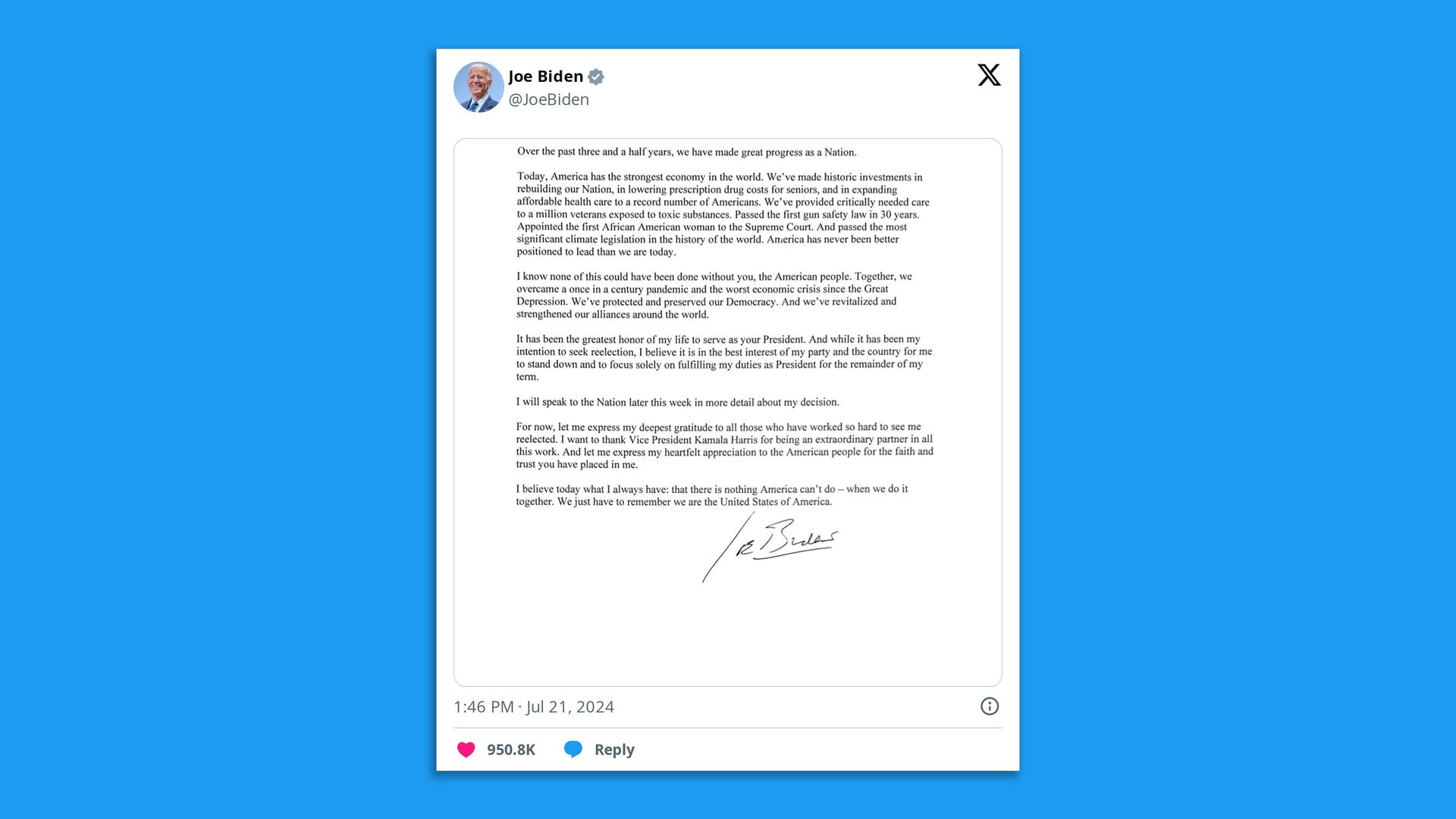
President Biden made the most important statement of his political career on social media Sunday, sending traditional media scrambling to confirm and amplify news of his withdrawal from the 2024 race.
Why it matters: His announcement, posted to social media accounts at around 1:46pm ET Sunday, surprised even senior campaign and White House officials. Biden's inner circle guarded the news carefully to avoid leaks.
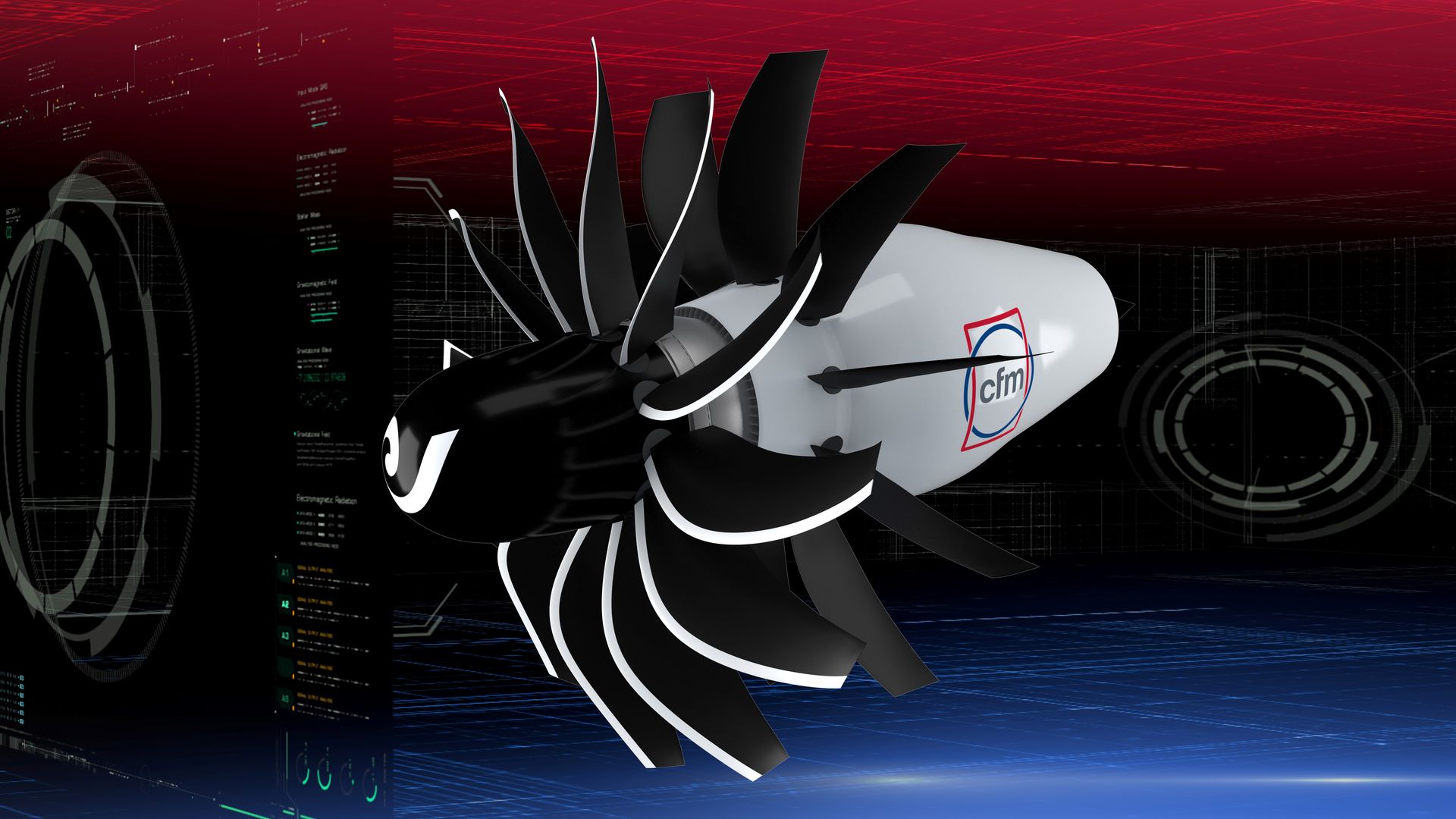
The aerospace world's intensifying push toward zero-emissions flying could result in radically new engine designs for future commercial aircraft.
Why it matters: The aviation sector, which accounts for about 2.5% of global greenhouse gas emissions and growing, is aiming for net zero emissions by 2050 — but sustainable aviation fuels can get you only so far, while hydrogen and battery-electric technologies are promising but far off.
Nearly 4 in 5 of the companies diving headlong into generative AI are seeing a positive return on their investment, according to results of a new ServiceNow study, shared first with Axios.
Why it matters: Businesses are under tremendous pressure to demonstrate they aren't missing out on the AI revolution, but many companies have struggled to go from experiments into full-scale use of the technology.
The aerospace world's intensifying push toward zero-emissions flying could result in radically new engine designs for future commercial aircraft.
Why it matters: The aviation sector, which accounts for about 2.5% of global greenhouse gas emissions and growing, is aiming for net zero emissions by 2050 — but sustainable aviation fuels can get you only so far, while hydrogen and battery-electric technologies are promising but far off.



/2024/07/22/1721665882467.gif?w=3840)

/2024/07/23/1721737589608.gif?w=3840)