Wired, the technology publication owned by Condé Nast, is launching a new vertical that will focus on the intersection of tech and politics, the publication's new global editorial director Katie Drummond announced Friday to staff.
Why it matters: The announcement marks the first major move by Drummond since being named the new leader of Wired in August.
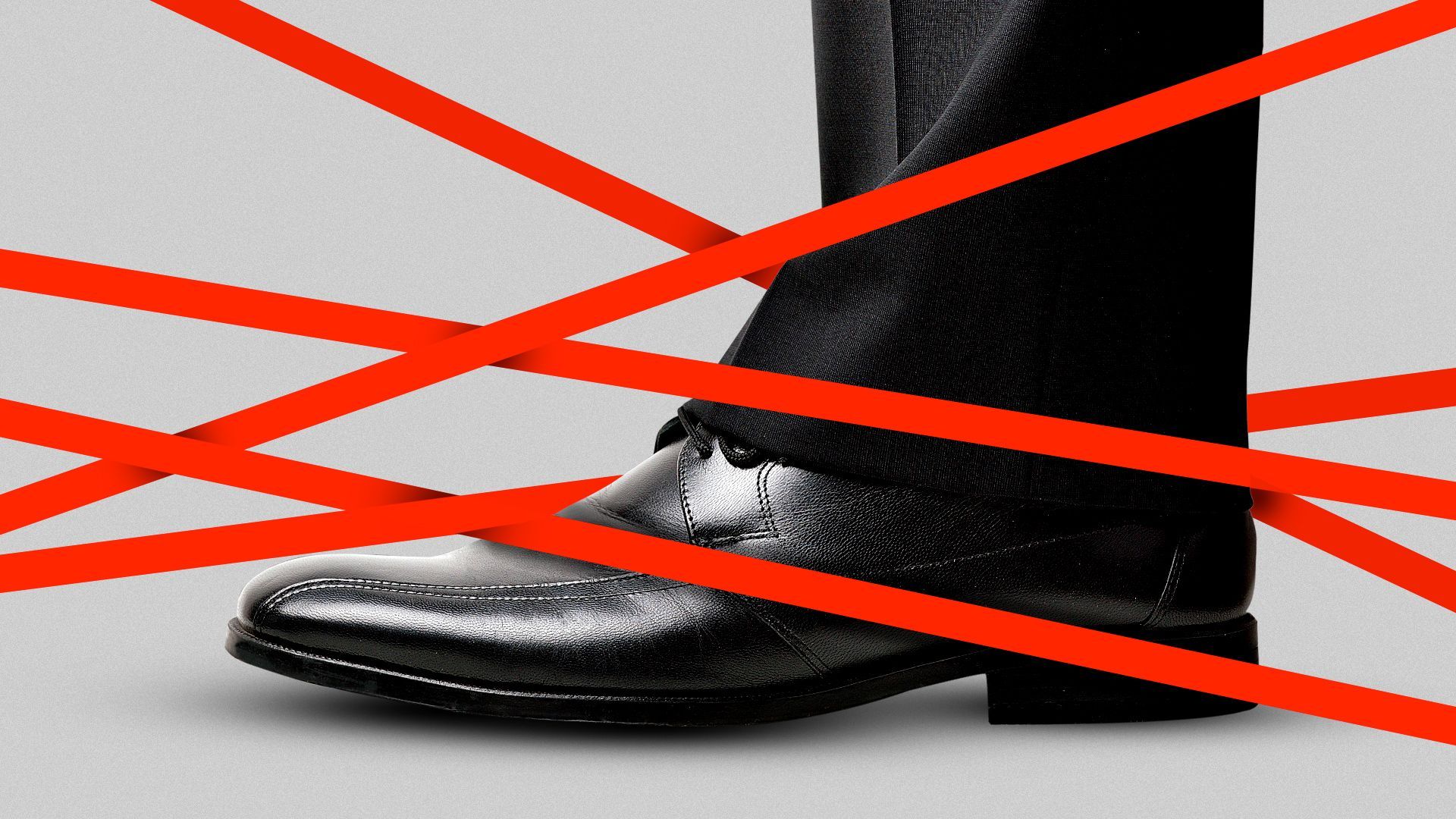
Top security executives are preparing to face higher stakes and more red tape in their jobs as regulators increasingly crack down on security failures.
Driving the news: The Securities and Exchange Commission filed fraud charges against software company SolarWinds and its top security executive, Timothy Brown, for misleading investors about the state of the company's cyber defenses in the years leading up to a massive 2020 Russian cyberattack.
A phone, a few photos and artificial intelligence have stirred controversy and shattered the privacy of several teens at a New Jersey high school after they learned that nude images of them — created via AI — were circulated in group chats.
Why it matters: The incident is a poignant example of the threats that come with unregulated, expanding artificial intelligence access, experts told Axios.
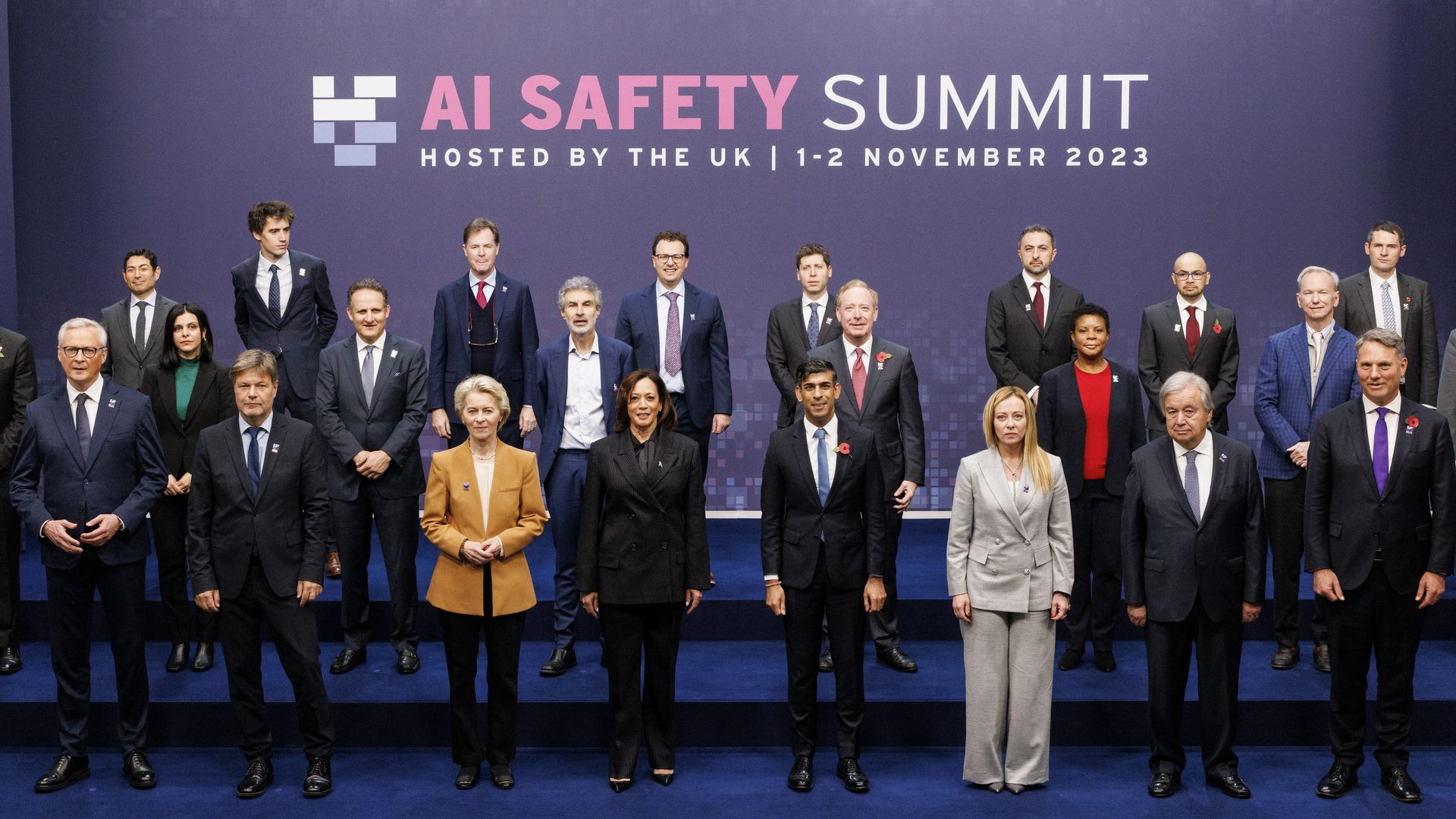
The U.K. wrapped up its first global AI summit with an agreement among 27 governments — including those in the European Union — to safety test models before and after they're deployed.
Why it matters: The summit marks a win for Elon Musk, Sam Altman and others who have sounded alarms about the existential threats of AI, even as they're building some of the most notable AI products.
Video game payments company Xsolla is defending what it says is a reduced presence in Russia, in response to a Ukrainian government minister's call for gaming companies to cut ties with his firm.
Driving the news: Last Friday, Ukrainian minister of digital transformation, Mykhailo Fedorov, publicly called on several gaming companies — including Epic, Valve and Ubisoft — to cease working with Xsolla.
The video game industry has been bursting with blockbusters this fall. But just how big they are, in terms of dollars or copies sold, especially in the U.S., is largely unknown.
Why it matters: Gaming is big business, but also a secretive one, making it hard to discern how well or poorly any new games are faring. This stands in contrast to movies, in which box office stats are quickly released.
Apple on Thursday posted quarterly earnings that topped expectations as its total revenue and iPhone sales came in about where most analysts had predicted.
Why it matters: Sales of the iPhone drive results not only for Apple but also for the many companies whose components go into the world's leading smartphone.
As AI continues to embed itself in our digital tools and our lives, it's getting harder to draw clear lines between what's AI-generated and what's not.
What's happening: Legislators, regulators and ethicists are going all in on requiring labeling for AI-created work — but as AI use becomes more of a human-machine collaboration, labeling will lose its coherence and meaning.
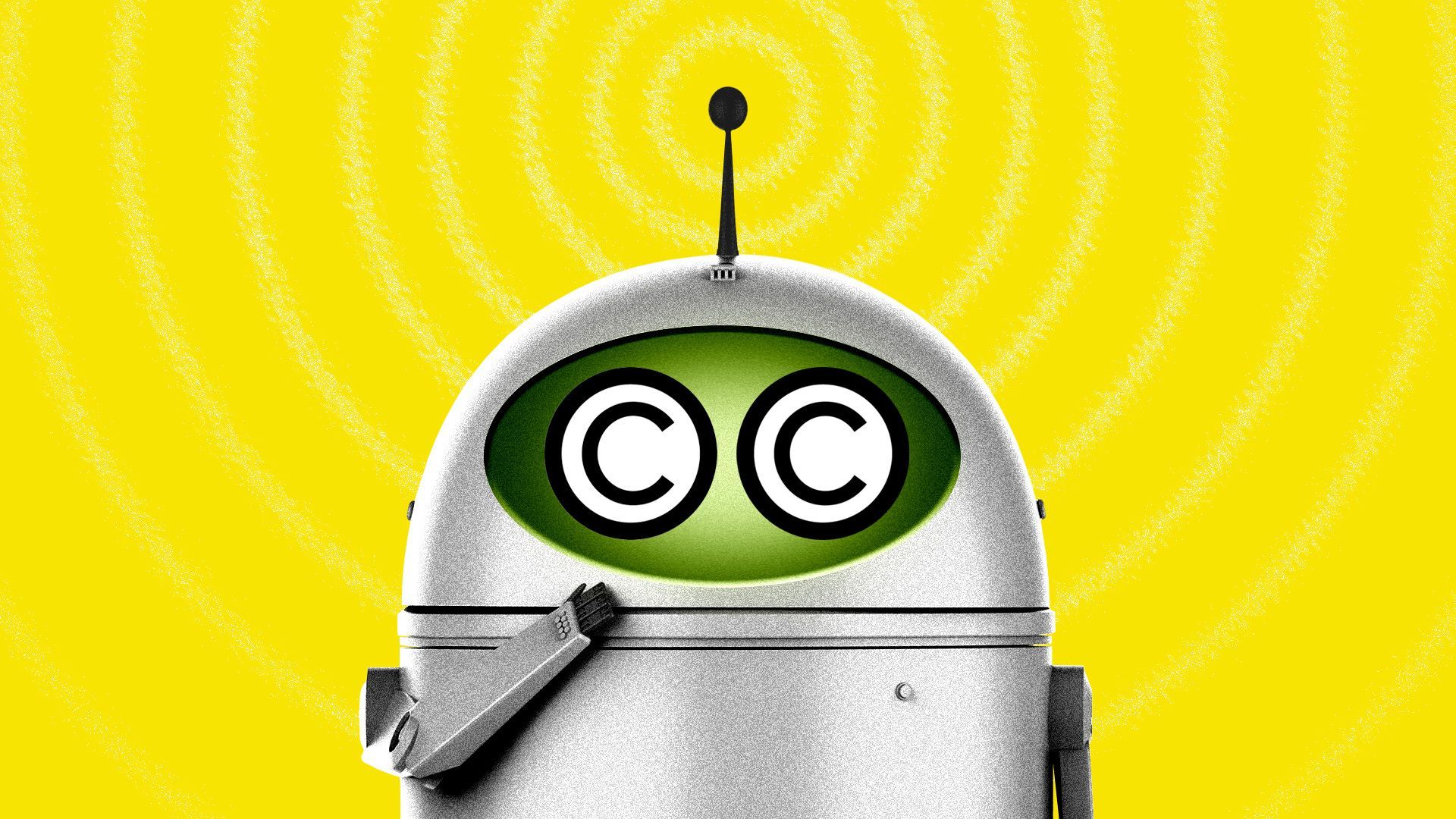
IAC, one of the word's largest internet holding companies, has submitted comments to the U.S. Copyright Office warning that unless the government protects copyrighted material from being used by generative AI, "the creation and publication of high-quality original content will wither and die."
Why it matters: IAC — which is home to Dotdash Meredith, the largest digital and print publisher in the U.S. — argues that if generative AI firms aren't forced to pay publishers for copyrighted content their algorithms are trained on and their bots recycle, the internet will become "unrecognizable" and users won't trust it.






/2023/11/02/1698966718612.gif?w=3840)
/2023/11/02/1698957667231.gif?w=3840)