Wired, the technology publication owned by Condé Nast, is launching a new vertical that will focus on the intersection of tech and politics, the publication's new global editorial director Katie Drummond announced Friday to staff.
Why it matters: The announcement marks the first major move by Drummond since being named the new leader of Wired in August.
Top security executives are preparing to face higher stakes and more red tape in their jobs as regulators increasingly crack down on security failures.
Driving the news: The Securities and Exchange Commission filed fraud charges against software company SolarWinds and its top security executive, Timothy Brown, for misleading investors about the state of the company's cyber defenses in the years leading up to a massive 2020 Russian cyberattack.
A phone, a few photos and artificial intelligence have stirred controversy and shattered the privacy of several teens at a New Jersey high school after they learned that nude images of them — created via AI — were circulated in group chats.
Why it matters: The incident is a poignant example of the threats that come with unregulated, expanding artificial intelligence access, experts told Axios.
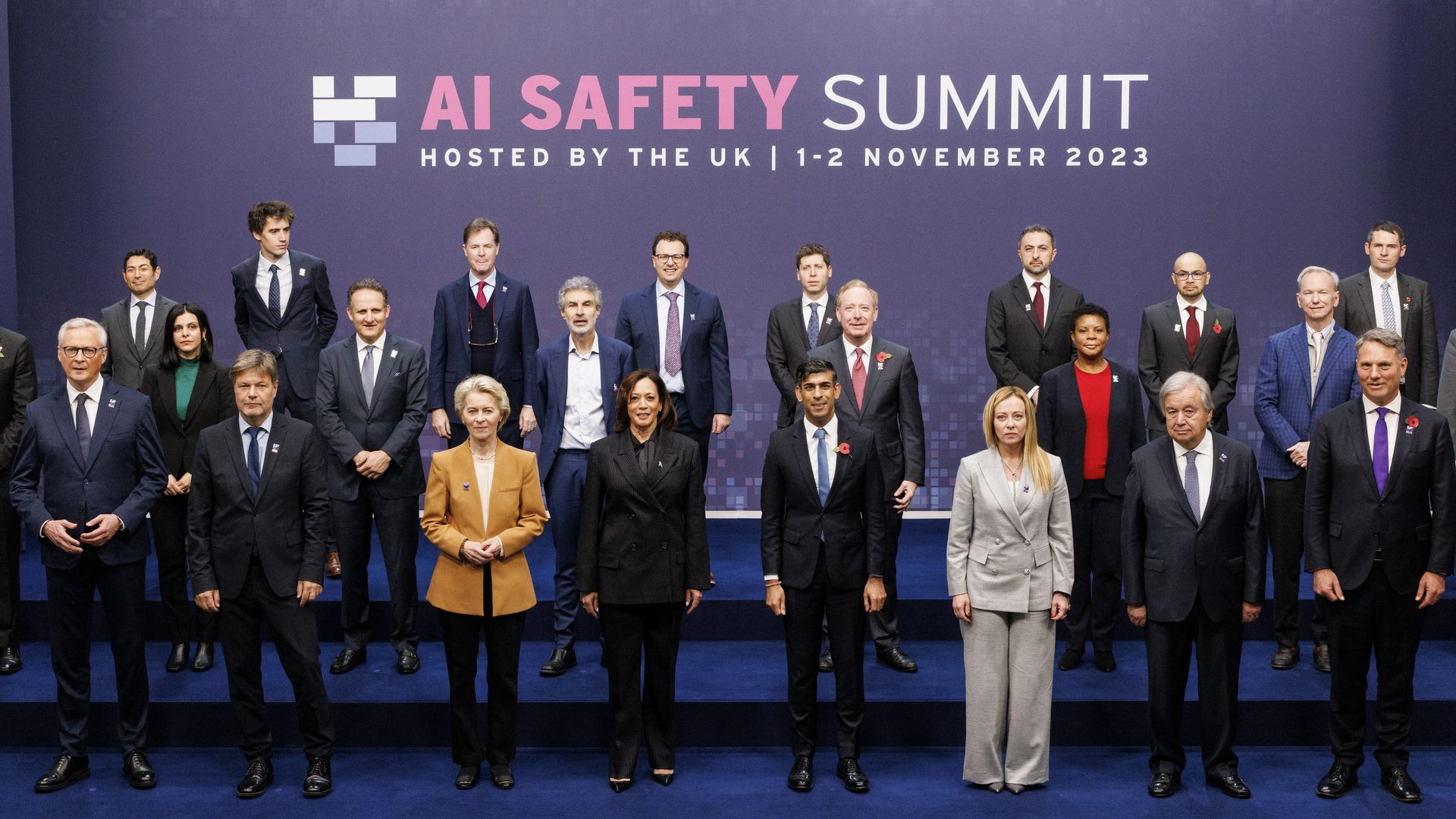
The U.K. wrapped up its first global AI summit with an agreement among 27 governments — including those in the European Union — to safety test models before and after they're deployed.
Why it matters: The summit marks a win for Elon Musk, Sam Altman and others who have sounded alarms about the existential threats of AI, even as they're building some of the most notable AI products.
Video game payments company Xsolla is defending what it says is a reduced presence in Russia, in response to a Ukrainian government minister's call for gaming companies to cut ties with his firm.
Driving the news: Last Friday, Ukrainian minister of digital transformation, Mykhailo Fedorov, publicly called on several gaming companies — including Epic, Valve and Ubisoft — to cease working with Xsolla.






/2023/11/02/1698966718612.gif?w=3840)