A U.S.-led group of 48 countries is finalizing a pledge this week that their governments won't pay ransomware hackers if they're faced with an attack.
Driving the news: Anne Neuberger, deputy national security adviser for cyber and emerging tech, told reporters Monday that the pledge will come as part of this week's annual meeting of the Counter Ransomware Initiative (CRI).
Policymakers are increasingly turning to ethical hackers to find flaws in artificial intelligence tools, but some security experts fear they're leaning too hard on these red-team hackers to address all AI safety and security problems.
Why it matters: Red teaming — where ethical hackers try breaking into a company or organization — is a major touchstone in the AI executive order President Joe Biden signed yesterday.
Even as they rush to capitalize on the generative AI boom, software makers struggle to put a price tag on AI services that cost money each time users submit a prompt.
The big picture: Most software-as-a-service products run up relatively modest server bills, but AI requires advanced hardware and runs it at capacity, and the current craze has created high demand for "compute" — the AI industry's shorthand term for processing power.
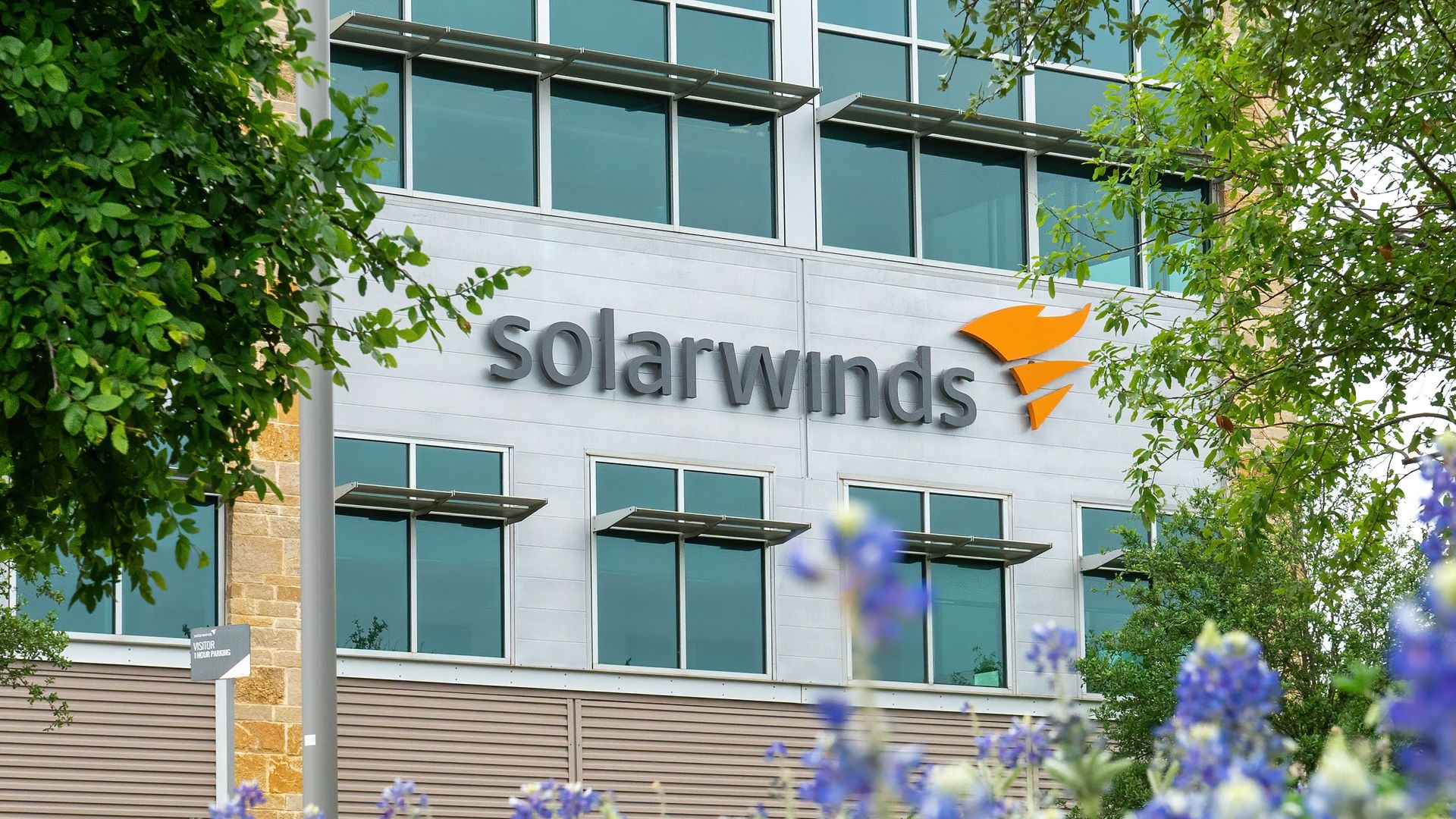
The Securities and Exchange Commission filed fraud charges Monday against software company SolarWinds and its top security executive in a case related to a wide-reaching cyberattack in late 2020.
Why it matters: It's extremely rare for the SEC to charge a company over statements about its cybersecurity practices — even a company that has faced a cyberattack.
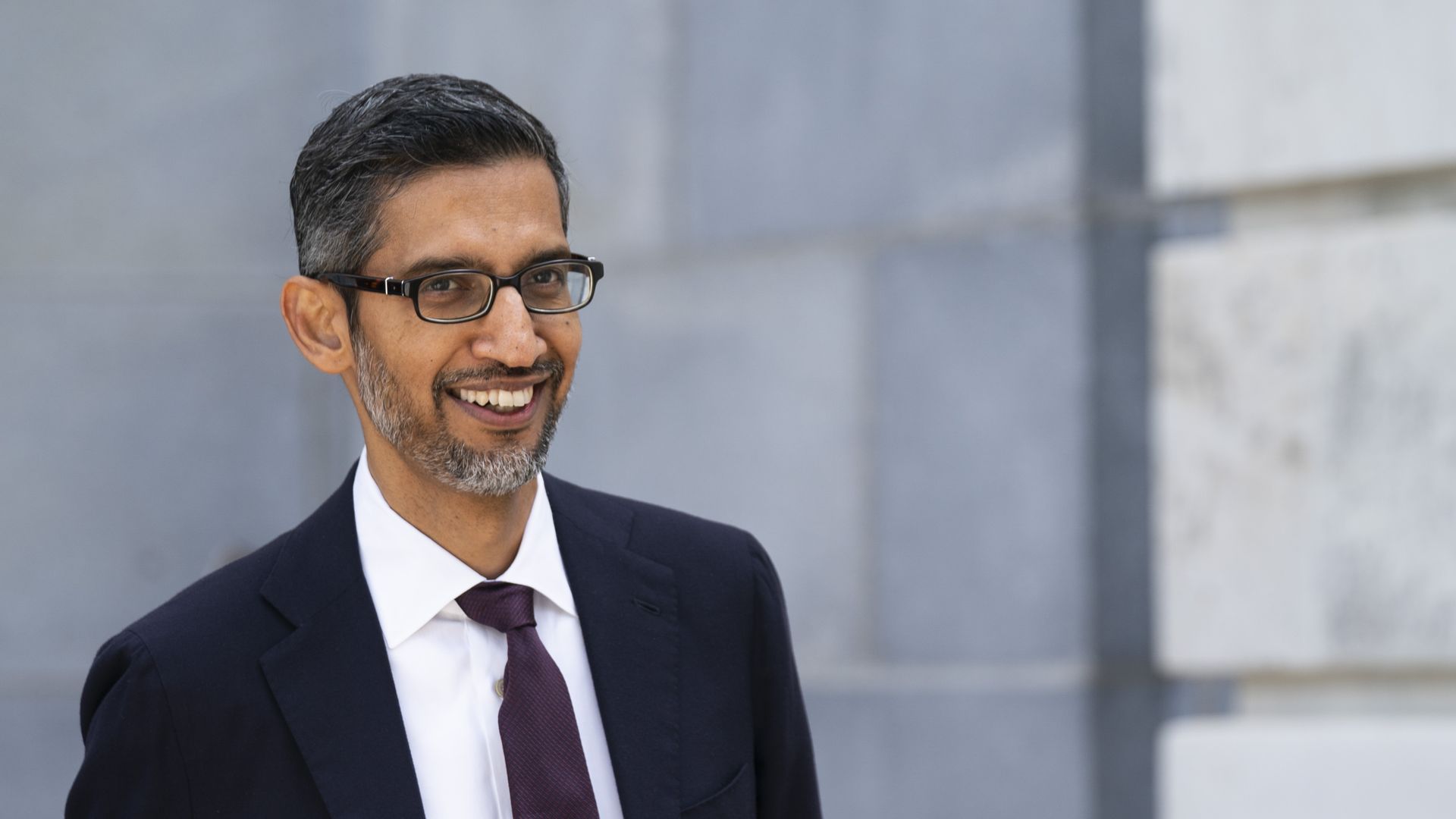
Sundar Pichai, CEO of Alphabet, testified in federal court Monday defending his company's multibillion dollar deals that lock in Google Search as the default on the vast majority of devices and web browsers.
Why it matters: Pichai is the highest-ranking Alphabet executive to appear in court during the company's antitrust trial.
Google has agreed to invest up to $2 billion into Anthropic, a San Francisco-based generative AI startup that recently secured $4 billion from Amazon.
Why it matters: Not only does this escalate Big Tech's proxy fight over the industry's next big platform shift, but also comes on the same day that the Biden administration unveiled an "aggressive" executive order on artificial intelligence.
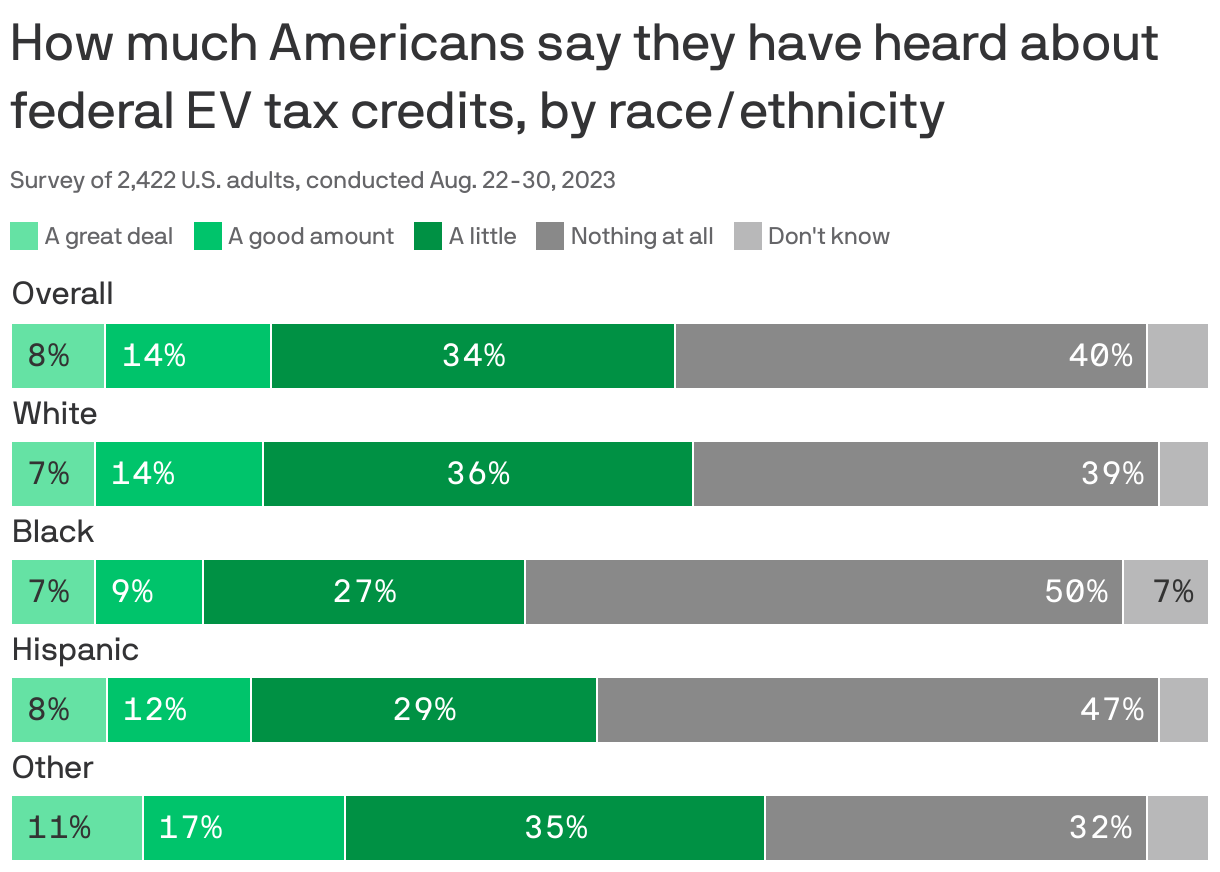
Reproduced from BlueLabs Analytics; Chart: Axios Visuals
Polling shared first with Axios shows huge swaths of Americans don't know about federal subsidies up to $7,500 for buying electric vehicles.
Driving the news: Just 22% know a "great deal" or "good amount" about the credit, which was expanded — with strings attached — under the 2022 climate law.
The Biden administration's long-awaited executive order on artificial intelligence will require developers of the most powerful AI systems to share critical testing information with the government.
What's happening: President Biden is expected to sign the AI executive order Monday afternoon at a White House event.