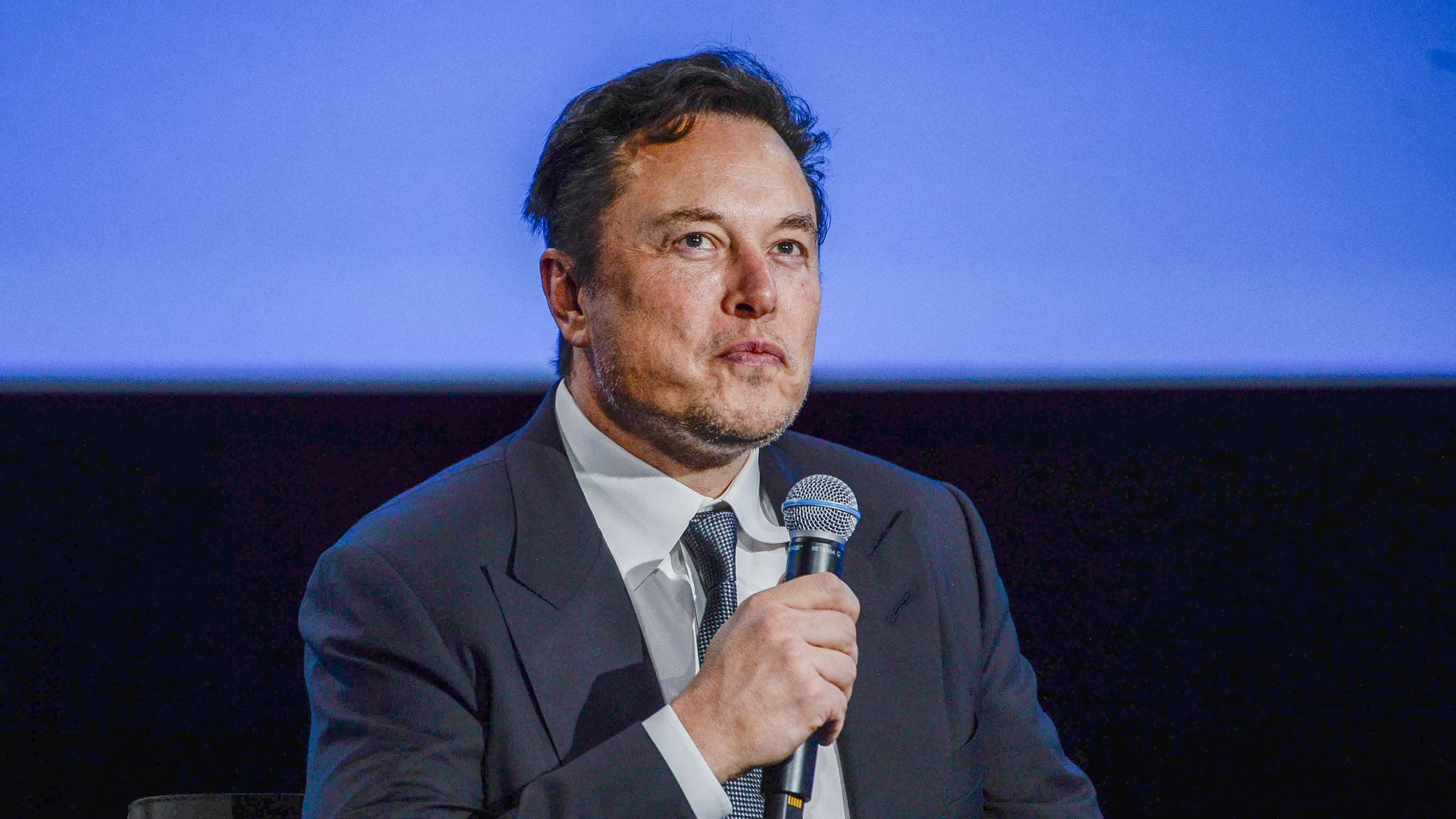
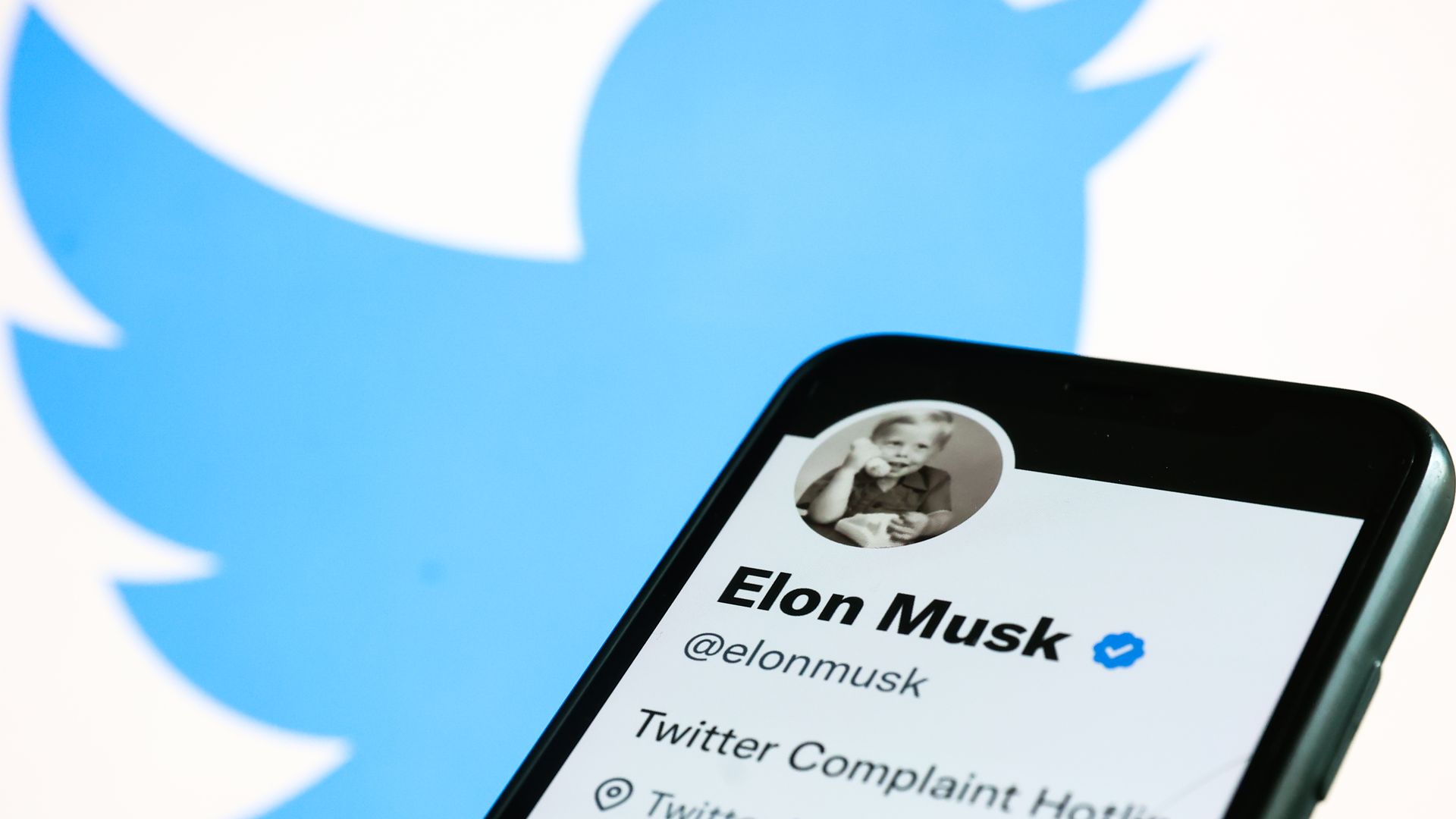
Elon Musk on Wednesday said brands and advertisers that want to remain verified on Twitter will need to pay $8 monthly to keep their blue badges, just like everyone else.
Why it matters: Musk believes making verification badges accessible to anyone willing to pay will "level the playing field," but knowing how important advertisers are for Twitter's business, he still offered to personally pay for brands if they're "hellbent on not paying."
Solana's SOL is down much further than any of the other major cryptocurrencies today, all of which are down badly following the sudden unraveling of the wildly fast growing crypto exchange FTX on Tuesday.
Why it matters: Blockchain principles aim to instantiate the ideals of decentralization. That is, no single points of failure. Blockchain realities, though, show that each community tends to have its major leaders.
Elon Musk said Wednesday that he has "killed" the "Official" label, which was given to some verified accounts earlier in the morning.
Why it matters: The new "Official" label was Musk's answer to verify an account's legitimacy outside of the blue checkmark, which can be bought through a Twitter Blue subscription for $8 a month.
The tentative deal announced via tweet between two crypto exchange giants FTX.com and Binance, looks increasingly shaky just 24 hours later.
Driving the news: Details around the letter-of-intent agreement are sparse to nonexistent, with Binance boss CZ repeatedly declaring his right to pull out at any time. FTX's native token, FTT, is still cratering Wednesday, despite CZ's own attempts to stop the bleeding, down more than 82% since the start of the week.
Bespoke tokens have proven crucial to growing crypto exchanges, and — in the recent case of FTX — one may have been its downfall.
Driving the news: Yesterday, FTX announced that it had tentatively reached a deal with Binance, the world's largest crypto exchange, to be acquired as a way of protecting customers.
Meta CEO Mark Zuckerberg on Wednesday said his company will cut 13% of its staff — or more than 11,000 people — in an effort to withstand any further downturn in the economy.
Why it matters: It's Meta's biggest round of layoffs in its history, and it underscores the financial pressure the tech giant is under now that it's trying to pivot its business.
Tech, advertising and media companies are smelling blood in the water as user enthusiasm and marketing dollars drain out of Twitter following Elon Musk’s tempestuous takeover.
The big picture: The chaos Musk has uncorked is creating potential for a real shift where some other businesses wax as Twitter wanes.
In a few years, your car is likely to know if you've been drinking too much and could block you from driving — even if you think you're sober enough to do so.
Why it matters: Drunk driving crashes kill 32 people per day in the U.S. That's one person every 45 minutes, and more than 10,000 per year.
Context: Tesla's stock is down 52% so far this year. The electric vehicle company's market cap has fallen below $600 billion for the first time since June last year.
The US-based subsidiary of embattled crypto exchange FTX.com tells Axios it “continues to operate normally.”
Why it matters: Its parent company’s announcement Tuesday morning that it agreed to sell to to rival Binance amid a liquidity crunch raised questions about the fate of U.S. customers.




/2022/11/09/1668002834676.gif?w=3840)


/2022/11/09/1668006706795.gif?w=3840)