The Login team took a week of our daily tech newsletter's editions and took a deep look at the nature of competition in tech in 2022. Are the industry's giants keeping one another on their toes and in check, as they maintain? Or are critics right to call a monopoly foul?
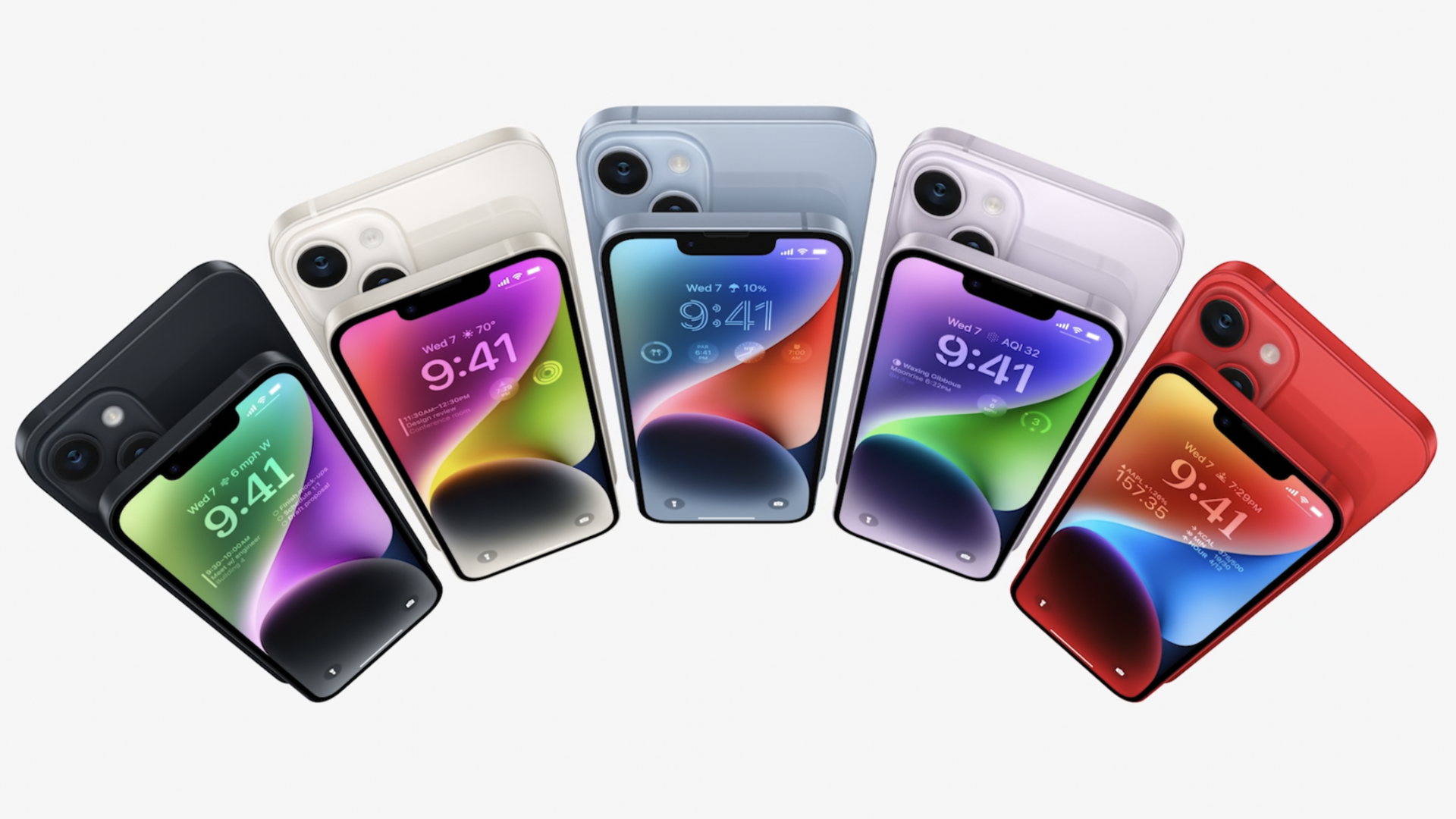
Apple on Wednesday introduced the iPhone 14 and iPhone 14 Pro smartphone families alongside its latest wearables — the Apple Watch Series 8, a new higher-end Apple Watch Ultra and updated AirPods Pro headphones.
Why it matters: The success of the iPhone is not only key to Apple's business, but vital for a variety of firms that supply components and for U.S. wireless providers such as AT&T, T-Mobile and Verizon.
A Delaware court on Wednesday ruled that Elon Musk will be allowed to introduce claims from Twitter whistleblower Peiter "Mudge" Zatko into his countersuit against the social media company. It also denied Musk's request to delay the October trial.
Why it matters: The whistleblower's claims, which include that Twitter violated a 2011 consent decree with the U.S. government, introduce a new legal wrinkle into Musk's attempt to back out of his $44 billion takeover offer for the social media company.
A lot of CEOs are itching to get workers back to the office, but tech CEOs who want that face an extra uphill battle: After all, theirs is the industry that made remote work possible.
Why it matters: The tech industry was built on "dogfooding" — the idea that companies should use the products they push on the public — and every effort by a tech leader to hound reluctant employees back to the office park seems to betray that ideal.
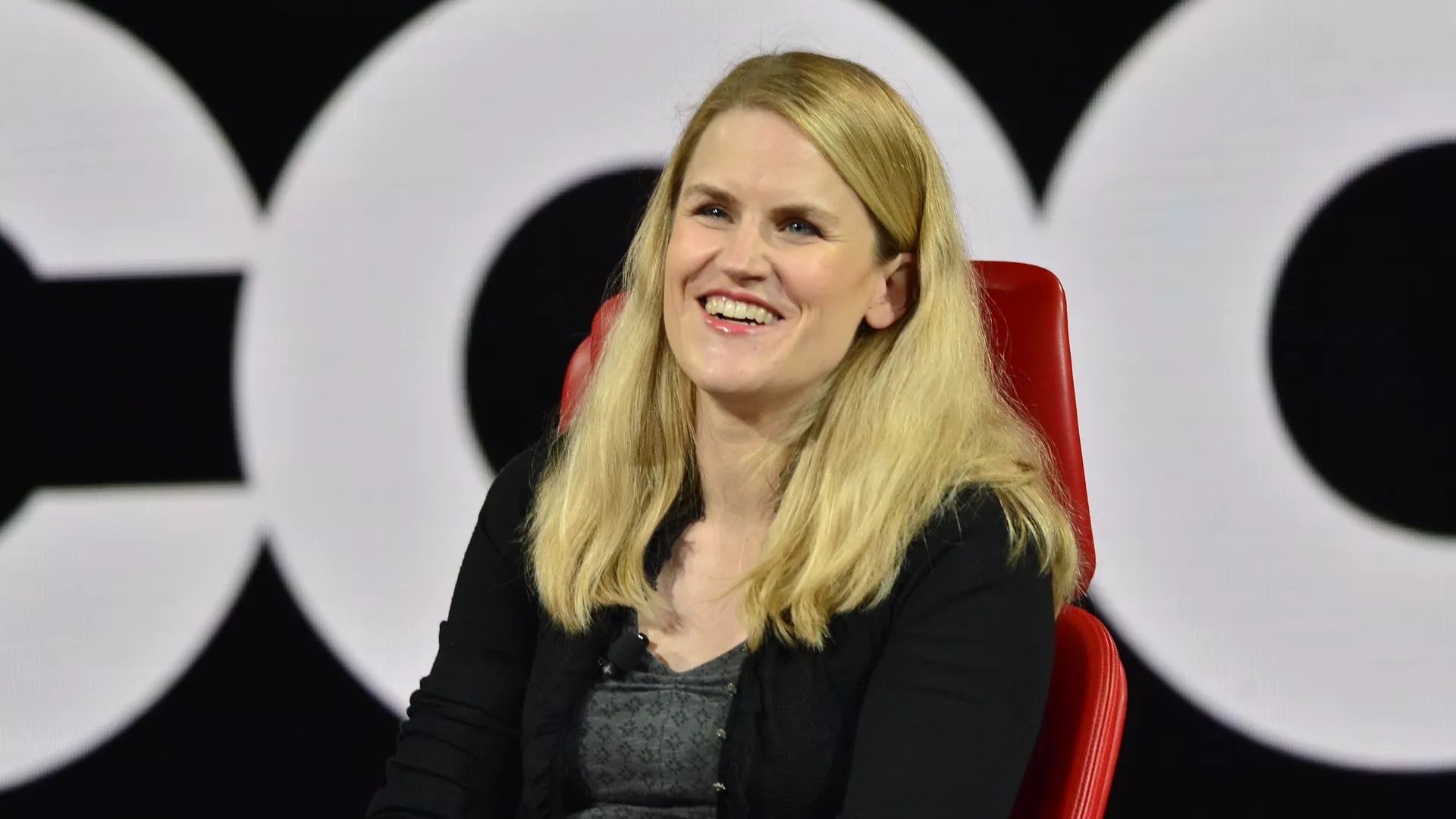
Frances Haugen says much hasn't changed in Meta and in society in the year since she blew the whistle on her former employer.
The big picture: Haugen said that while much of the discussion and decisions about big tech's problems are made in the U.S., some of the most severe consequences are felt in non-English speaking countries where lives are being lost because misinformation and authoritarianism are flourishing on Facebook.
The gaming industry, once a showcase for the competitive ferment of an innovation-driven tech marketplace, has matured to the point where its biggest players have mostly learned to stay out of each others’ way.
The big picture: A rapidly broadening player base and antitrust regulators’ uniquely laissez-faire attitude toward gaming acquisitions have let the biggest companies establish their own lanes and keep interlopers at bay.
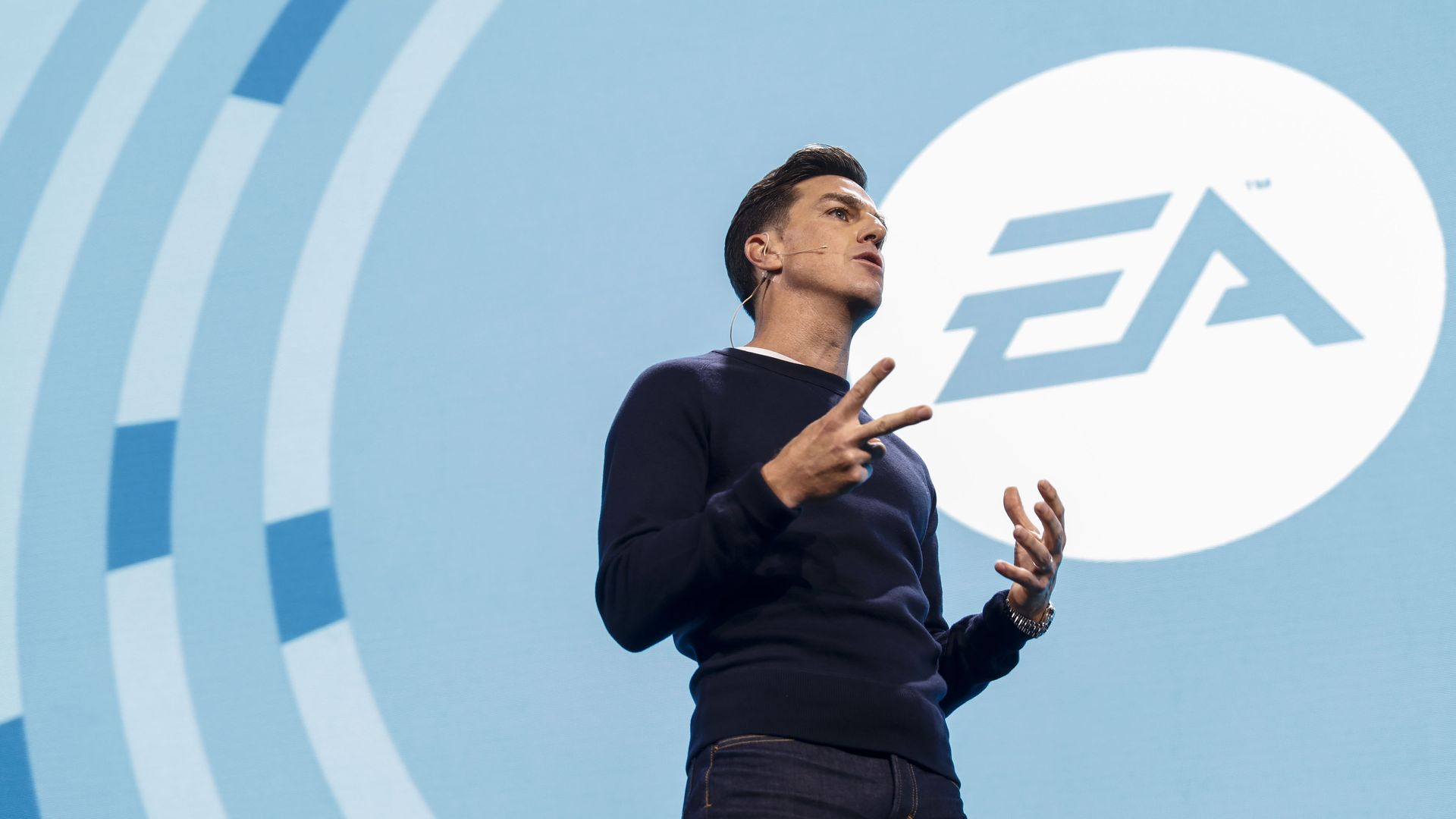
Electronic Artsis not giving up the chance to offer its top executives massive severance payouts, despite recent pressure from some perennially provocative shareholders.
Driving the news: Late last week, the publisher of Madden and The Sims tweaked its executive pay policy, placing a partial cap on termination pay. But the limit falls far short of a proposal that in early August nearly won majority support from stockholders.
The Los Angeles Unified School District said Tuesday it was targeted by a ransomware attack over the weekend but was able to keep its schools open as scheduled despite "significant disruption" to its digital infrastructure.
Why it matters: Los Angeles Unified, the second largest school district in the United States serving over 650,000 students at about 1,000 schools, said it was still experiencing disruptions to its email, computer systems and applications.
Ireland's data authority, which enforces EU privacy rules, has fined Meta-owned Instagram $402 million (405 million euros) after an investigation into how the platform handles children's data.
Why it matters: Social media platforms have been under increasing pressure from governments worldwide over how they protect and use data from minors.
Researchers at BeeHive CyberSecurity tell Axios they're investigating claims of a possible breach involving TikTok user data.
The big picture: The scope, size and validity of the reported data breach are unclear, but screenshots of the leaked data files shared via Twitter on Sunday include PayPal information, marketing data and user statistics.
The Environmental Protection Agency's effort to secure the country's water supply from cyberattack faces giant hurdles.
They include: The water system's low government funding and staffing levels, a heavy reliance on legacy IT, and the patchwork nature of the tens of thousands of local U.S. water authorities.
Yahoo has acquired The Factual, a company that uses algorithms to rate the credibility of news sources, Yahoo president and general manager Matt Sanchez told Axios.
Why it matters: The deal could provide Yahoo News' 200 million+ monthly visitors with ratings for the thousands of news sources Yahoo aggregates on its site.
Arm's lawsuit against Qualcomm, filed last week, is something of a head-scratcher. Sources tell Axios that, while the dispute is mostly about dollars, it's complicated by just how much money is at stake and the fact that the two companies remain dependent on one another.
Why it matters: The profoundly essential chip industry operates via a complex web of licensing agreements, and lawsuits like this — though not unheard of — mark a rare breakdown in business as usual.
Sidewalk delivery robots are cute and cool, but pilot tests in four U.S. cities found that it takes more than smart technology for a successful deployment.
Why it matters: Automakers and tech giants are pouring billions of dollars into everything from sidewalk bots to self-driving cars and delivery trucks, and regulators are scrambling to figure out how to manage them.





/2022/09/07/1662555636406.gif?w=3840)





/2022/09/06/1662482177360.gif?w=3840)