Drivers have been flocking to Uber despite high gas prices, the company's second quarter earnings report shows.
Driving the news: The number of Uber drivers and delivery earners reached a record last quarter — of nearly 5 million, up 31% from last year — the company reported this morning.
Several Taiwanese government websites went offline on Tuesday as House Speaker Nancy Pelosi landed in the country for her controversial visit.
Why it matters: Although the website outages haven’t been attributed, Chinese state hackers have been known to retaliate through low-level distributed denial of service attacks, which overwhelm a site with abnormally high traffic until it shuts down. The Chinese government has also warned that Pelosi’s visit would prompt “strong and resolute measures” in response.
BuzzFeed and more than 90 of its former employees remain locked in a legal fight over the company's public listing last December, during which the ex-employees claim to have been improperly prevented from selling their shares.
Why it matters: The two sides are currently bickering over venue, and the outcome could be consequential for other companies that go public via SPAC.
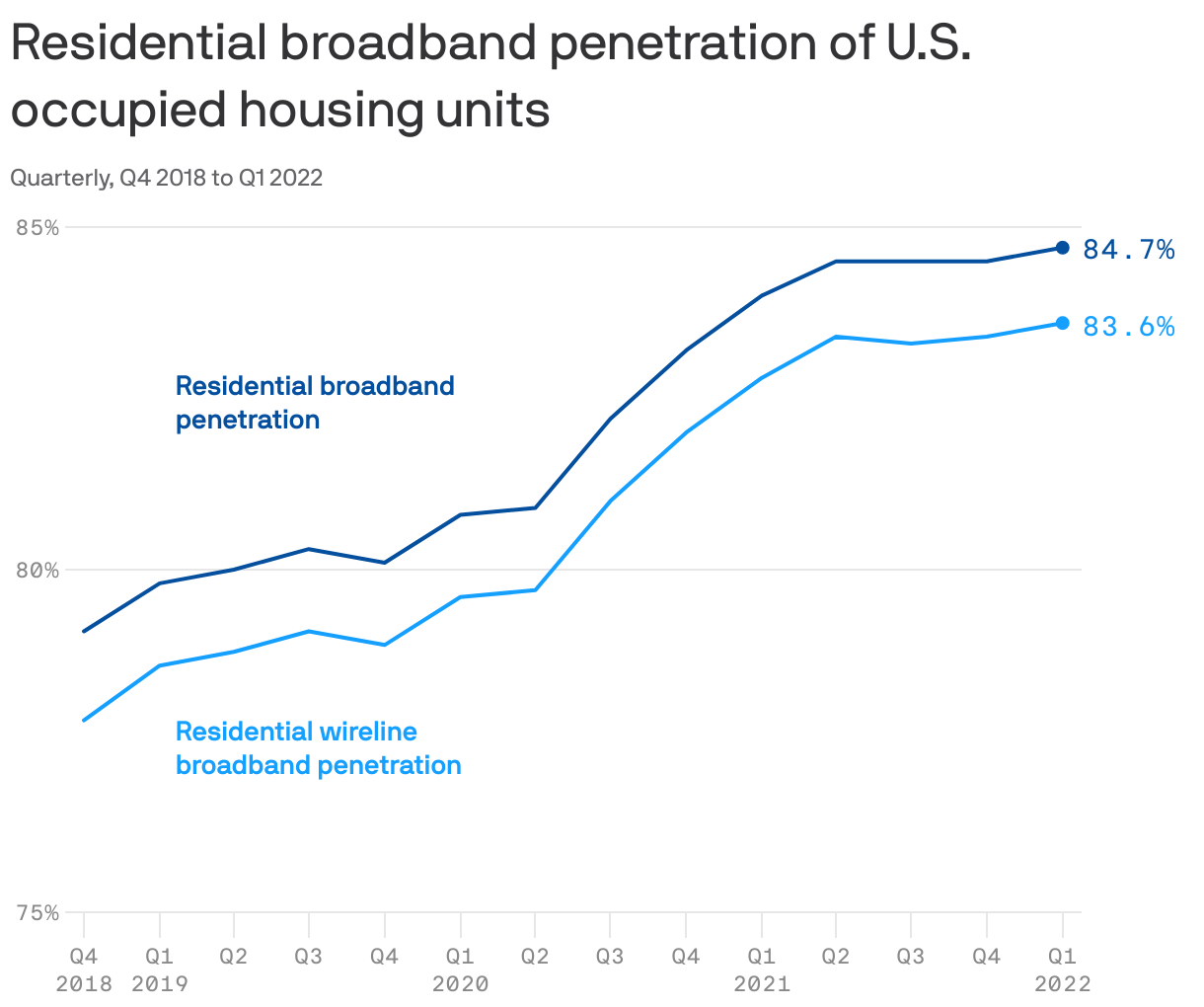
Data: S&P Global Market Intelligence; Chart: Axios Visuals
Cable companies are being downgraded by Wall Street analysts in response to weak broadband growth coming out of the pandemic.
Why it matters: Cable companies have managed to stay afloat amid the cord-cutting crisis thanks to their booming broadband businesses. But some analysts see that safety net beginning to fade.
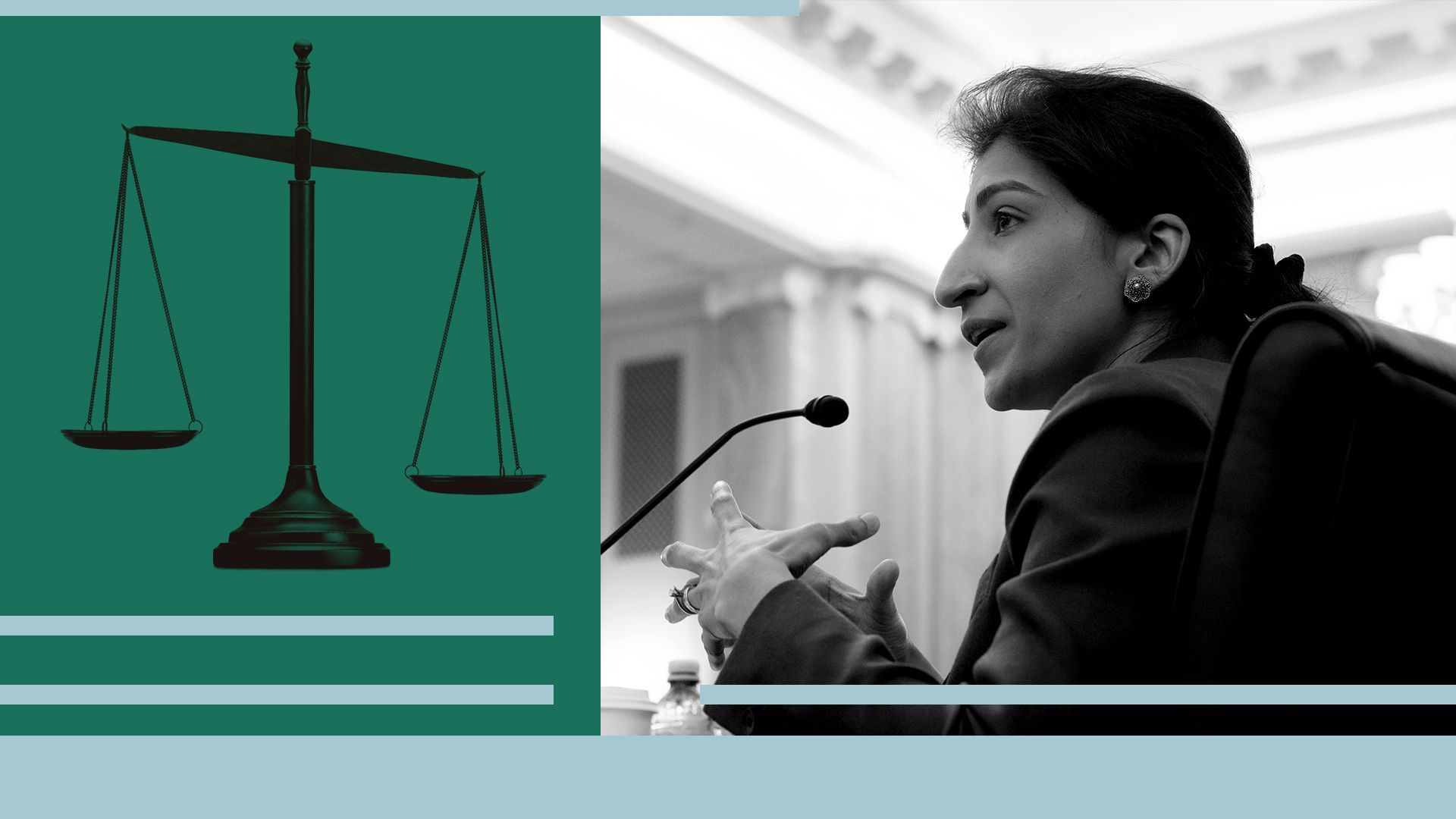
Federal Trade Commission chair Lina Khan's decision to challenge Meta's acquisition of a small VR gaming startup has cheered her supporters and left critics wondering what she was thinking.
The big picture: Critics see the case as a legal stretch the agency is unlikely to win. Supporters see it as a necessary first test of a bold new doctrine aimed at stopping tech monopolies before they take root.
YouTube has quietly stopped serving ads for a pair of videos that feature controversy-stirring Canadian professor Jordan Peterson deliberately misgendering actor Elliot Page and likening gender-affirming care for transgender people to Nazi-era medical experimentation.
Why it matters: The move is likely to anger Peterson's online supporters, who say the platform should not interfere with his speech at all — but it also won't satisfy his critics, who believe his words amount to prohibited speech that should be removed.
Advertisers and digital publishers are nowhere near an agreement on how to replace third-party tracking cookies, and instead have clung to various ad hoc solutions that don't all work well together and lack sufficient oversight.
Why it matters: The push to be more privacy-centric has muddled an already messy digital ad ecosystem, and many of the changes being introduced could easily be upended by future legislation.
Destiny-creator Bungie's unusual spate of lawsuits against cheaters and harassers is part of a legal strategy to improve the community around its games, the studio's top lawyer tells Axios.
Why it matters: Bungie is taking actions against behaviors often viewed as the unavoidable wounds incurred by making or playing games.
The U.S. Securities and Exchange Commission (SEC) today announced charges against 11 people involved in an alleged blockchain-enabled Ponzi scheme called Forsage.
Why it matters: The blockchain industry is plagued by a reputation for being rife with scams. Each time news like this comes out, it makes it harder for more legitimate projects to recruit users.
The billions in funding for chips and research Congress approved last week will take years to put a dent in the problems the funding targets.
Why it matters: The new Chips and Science Act's investments aim to ensure U.S. leadership in critical technologies and industries — especially producing the computer chips that power so many other products today. But those benefits won't show up fast for consumers having trouble finding the car they want or small businesses that need parts.
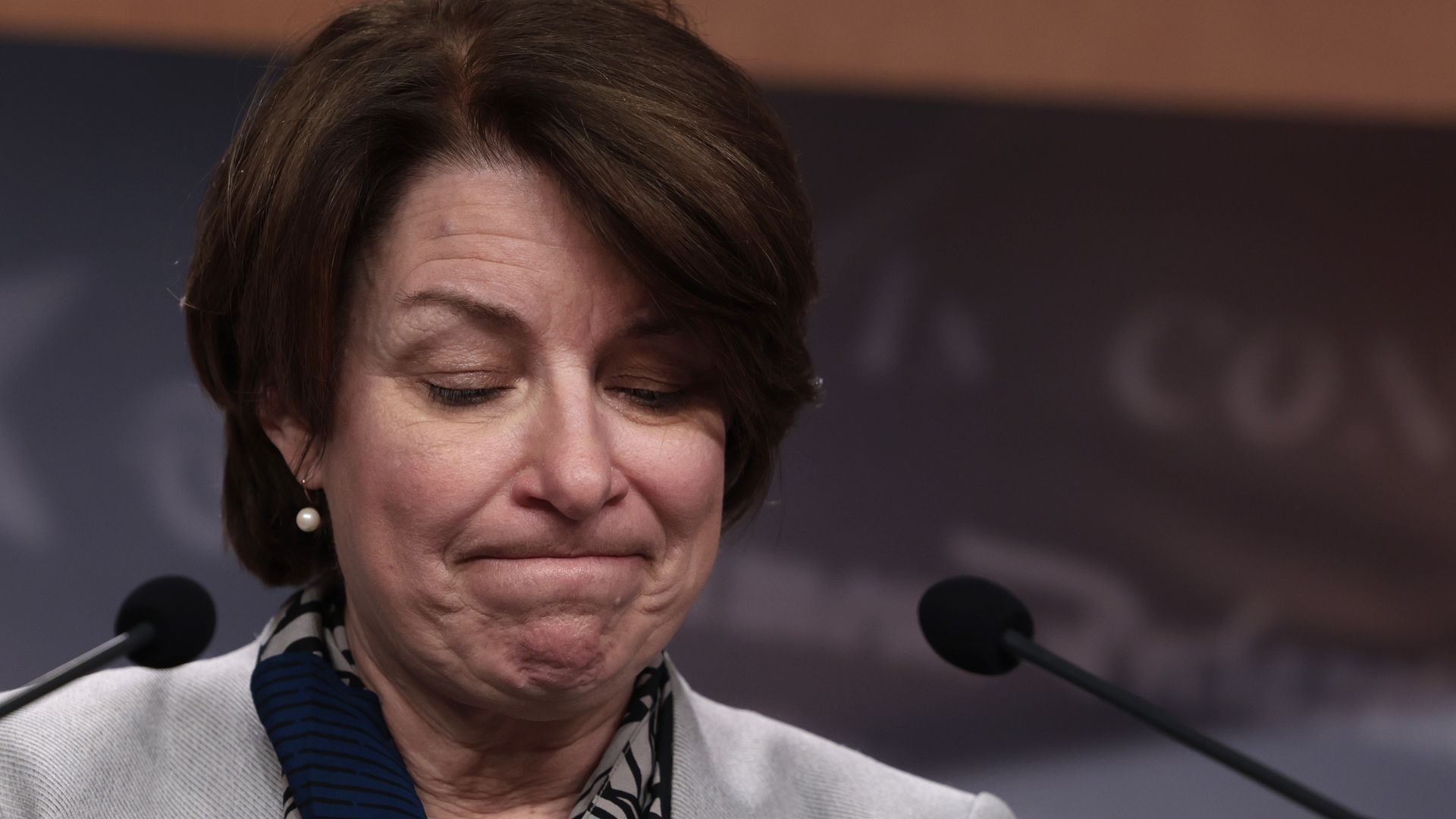
The Senate's most-likely-to-succeed tech antitrust bill, the American Innovation and Choice Online Act, won't get a vote before the Senate heads into August recess, the bill's leading Democratic sponsor, Sen. Amy Klobuchar, said Saturday.
The big picture: Klobuchar (D-Minn.) and other supporters have said a summer vote on the bill was essential, because passing bipartisan legislation gets harder as midterm elections approach. Now they'll have to try to push their proposal forward in the fall.